 Sihe Steel
Sihe Steel
Sihe Steel
High-precision stainless steel capillary tubes matching the specific temperature, pressure, and chemical resistance requirements of Algerian industrial plants.
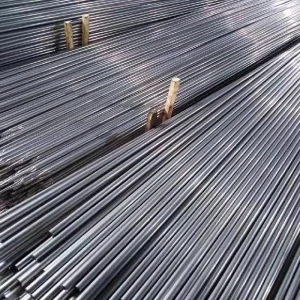
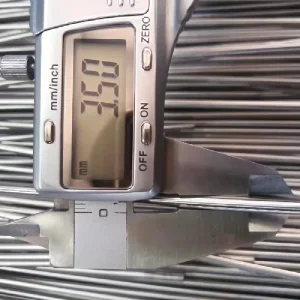
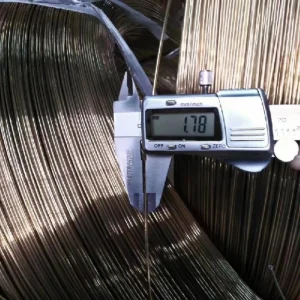
Mapping local energy, chemical, and construction demands to global metallurgy excellence.
Algeria is Africa's leading natural gas exporter and one of its prime oil producers, driven by the activities of state-owned Sonatrach. Projects spanning the Hassi Messaoud oilfields, the Hassi R'Mel gas fields, and refineries in Skikda and Arzew require high-integrity piping. Stainless steel capillary tubing, specifically in alloy grade 304, plays an indispensable role. In chromatography, refinery automation, chemical injection lines, and pressure-sensing instrumentation, these micro-tubes perform under demanding thermal and corrosive loads.
With Algeria's domestic industrial development policy steering investments towards downstream chemical refinement and localized petrochemical clusters, the procurement of precision-drawn seamless capillary tubing is growing. Global procurement agents require factories that guarantee strict adherence to ASTM A269, ASME, and DIN standards, ensuring seamless compatibility with international design specs used by global engineering EPCs operating in the region.
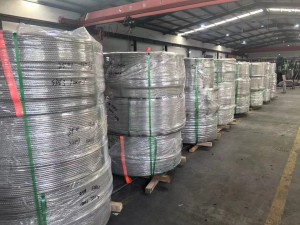
To combat water scarcity, Algeria has constructed multiple mega-scale seawater reverse osmosis (SWRO) plants along its Mediterranean coastline, including the Al Hamma and Souk Tleta plants. Offshore and coastal atmospheres present high levels of airborne chloride, which accelerates oxidation and stress corrosion cracking. For instrumentation and hydraulic control lines, standard carbon steels are completely unviable. Precision 304 and 304L stainless steel capillary tubes serve as the baseline protection, combining durability with formability.
Additionally, Algeria's expanding pharmaceutical and food processing sectors in Blida, Oran, and Setif demand sanitary-grade processing lines. Capillary tubing, with its microscopic outer diameters and smooth inner surfaces, is essential for high-precision liquid chromatography (HPLC) instruments, automated sampling systems, and pneumatic control valves, where absolute hygienic performance is non-negotiable.
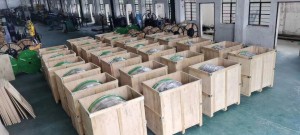
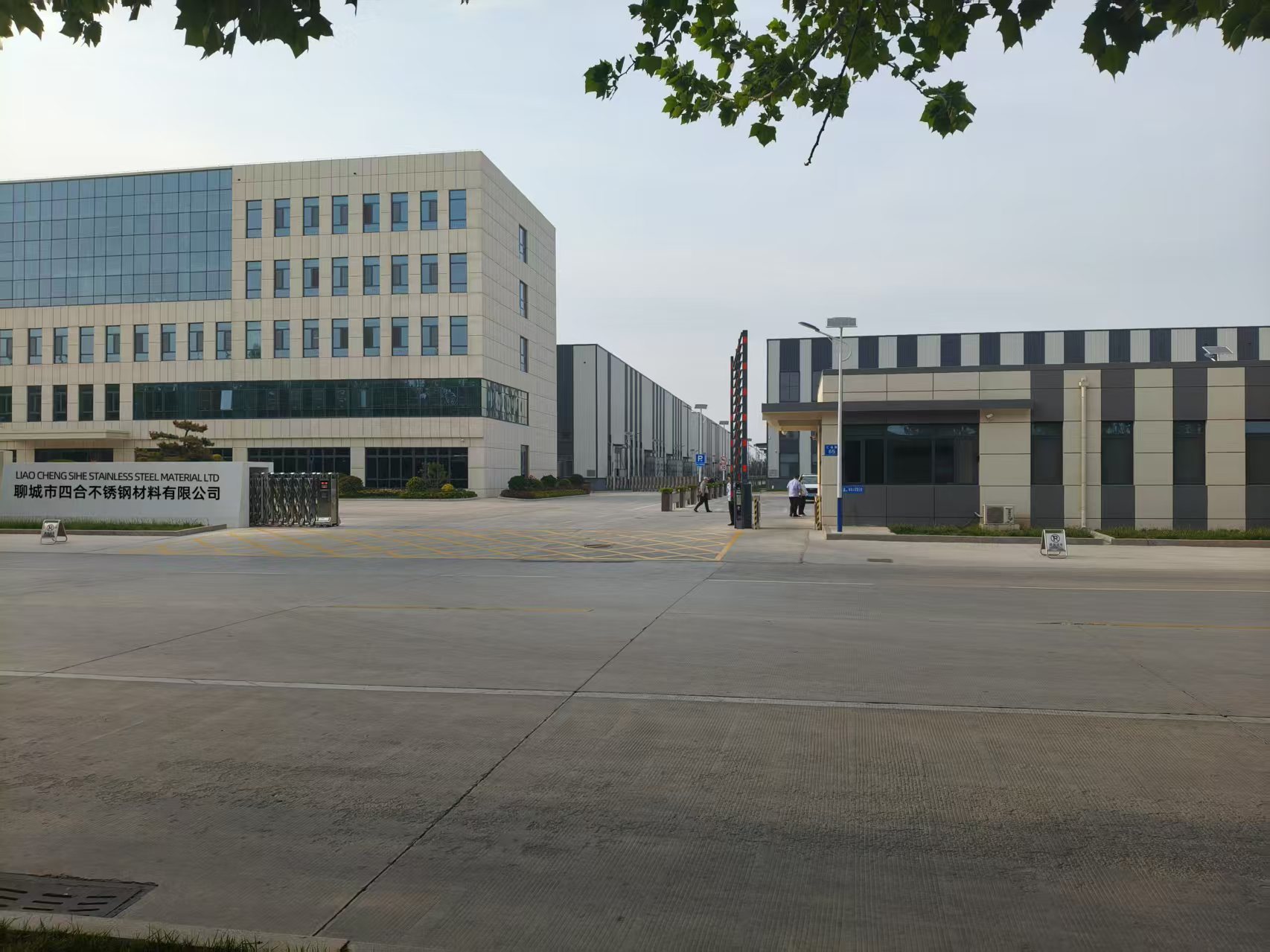
Our technical baseline, production scale, and global export footprint built on quality.
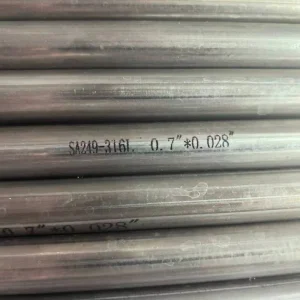
Precision capillary tubing represents a subclass of steel engineering where dimensions range from an Outer Diameter (OD) of 0.125 inches (3.175 mm) down to micro-sizes, and wall thickness (WT) remains tightly controlled up to 0.165 inches (3 mm) or thinner. Understanding the metallurgy behind grade 304 explains its status as the most specified alloy globally.
| Chemical Component | Alloy 304 (Wt. %) | Alloy 304L (Wt. %) | Role in Micro-Capillary Performance |
|---|---|---|---|
| Carbon (C) | 0.08% max | 0.03% max | L prevents intergranular carbide precipitation during welding in Algeria's hot field applications. |
| Chromium (Cr) | 18.00% - 20.00% | 18.00% - 20.00% | Forms the passive chromium oxide protective barrier, defending against saline coastal air. |
| Nickel (Ni) | 8.00% - 10.50% | 8.00% - 12.00% | Stabilizes the austenitic grain structure, maintaining high impact toughness down to cryogenic temperatures. |
| Manganese (Mn) | 2.00% max | 2.00% max | Enhances yield strength and overall durability during precision tube drawing. |
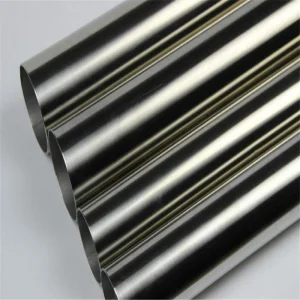
A primary failure point in micro-fluidic lines is internal surface roughness, which promotes particle entrapment and boundary layer drag. At Liaocheng Sihe Stainless Steel Material LTD, we utilize advanced inline Bright Annealing technology under a pure hydrogen gas atmosphere. This heat treatment occurs at temperatures exceeding 1040°C, followed by rapid cooling. This prevents oxidation and scaling, ensuring a polished, smooth interior surface profile (Ra < 0.4 µm) without requiring mechanical post-polishing. It is a critical feature for high-precision gas chromatography lines deployed by Sonatrach's quality-control labs.
To ensure high performance under the pressure differentials of Algerian subsea and desert wells, our quality control procedures include:
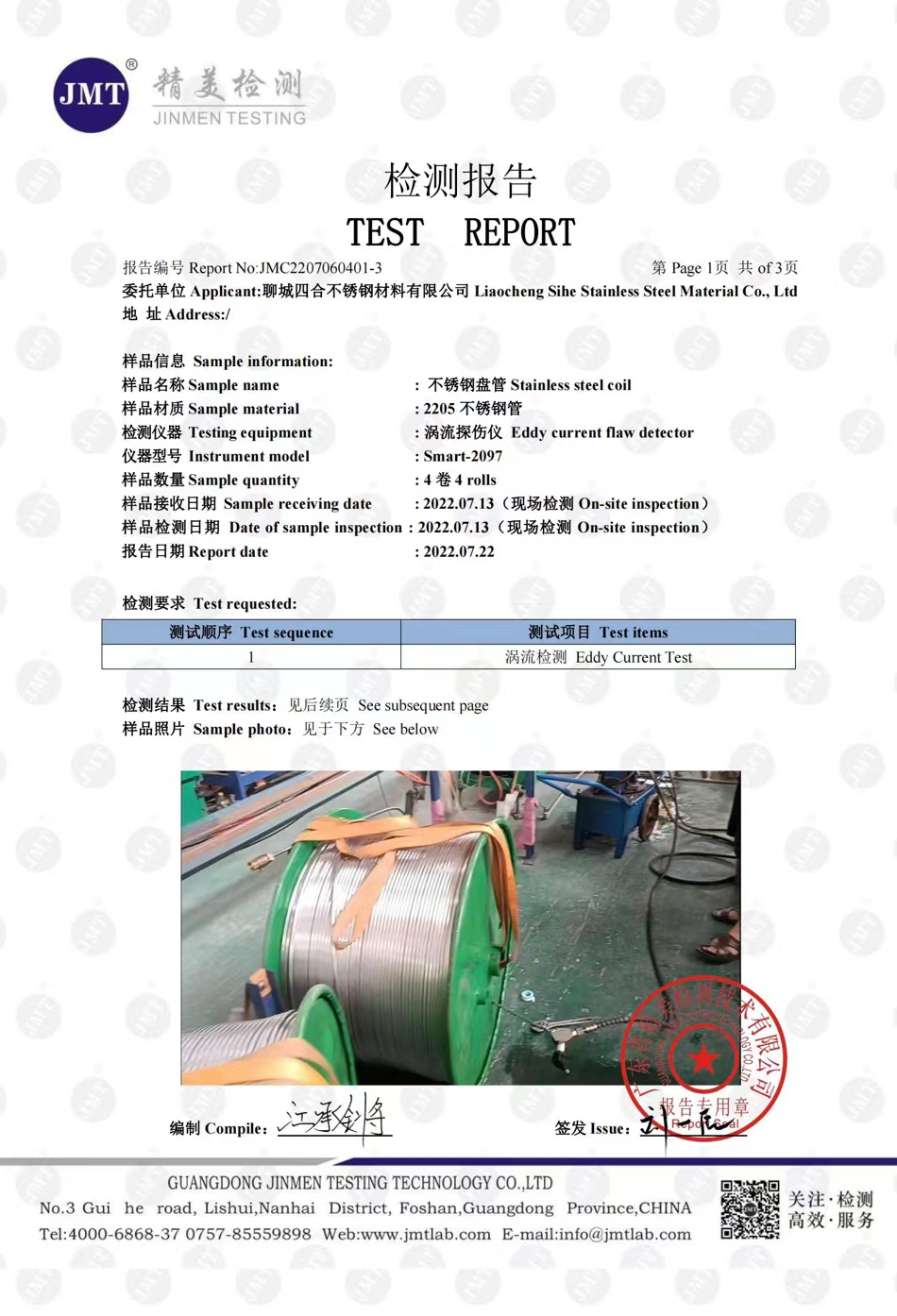
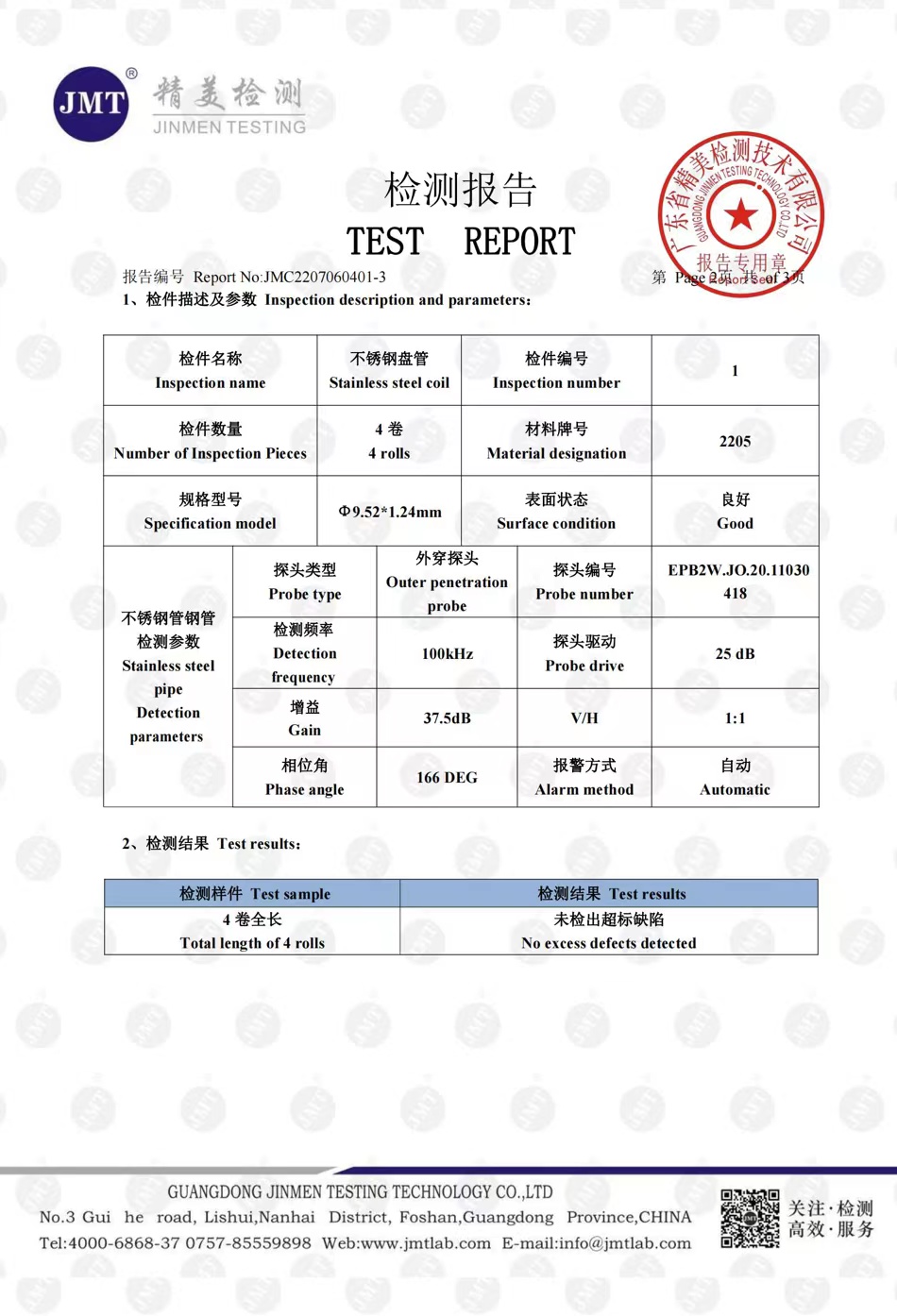
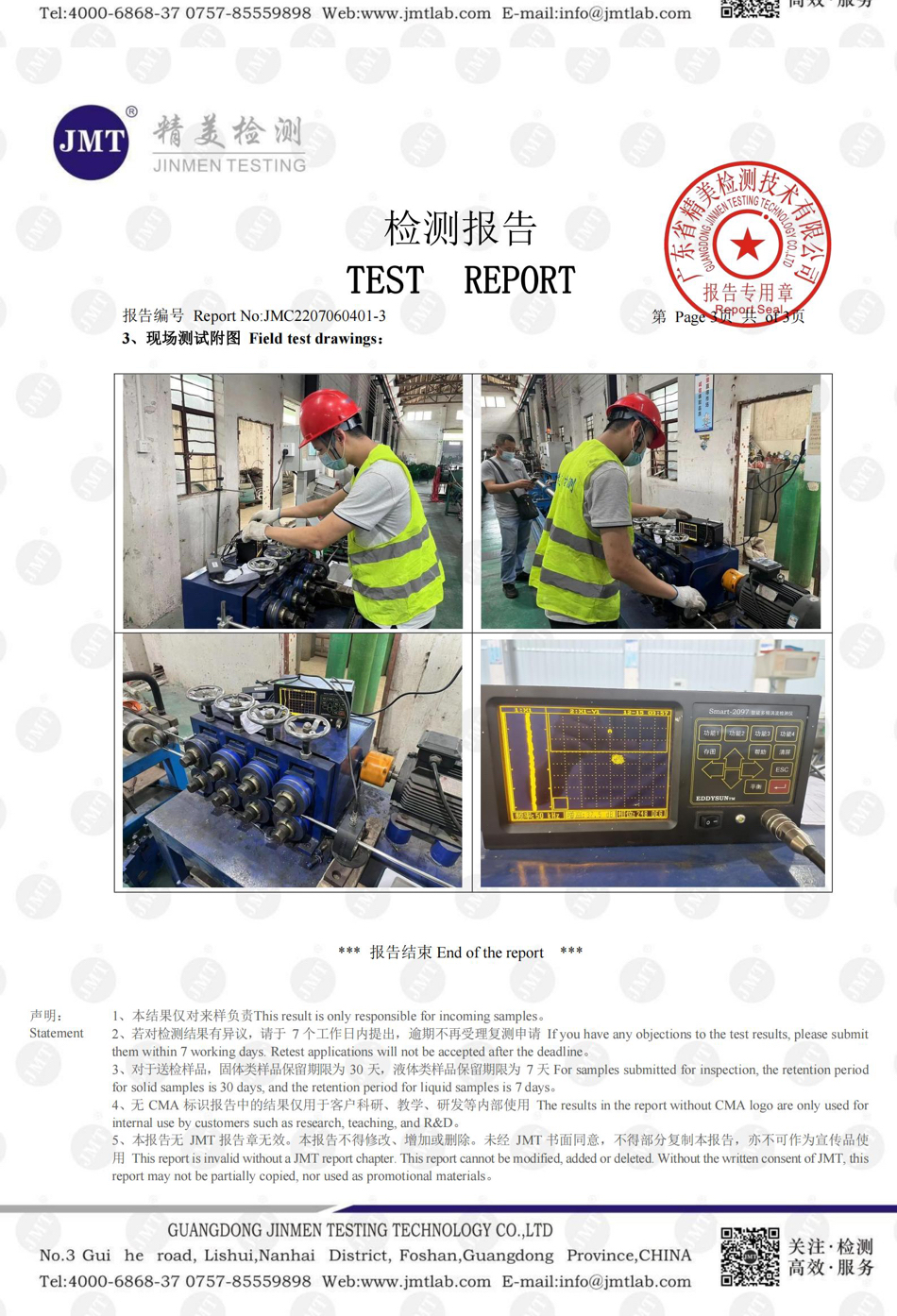
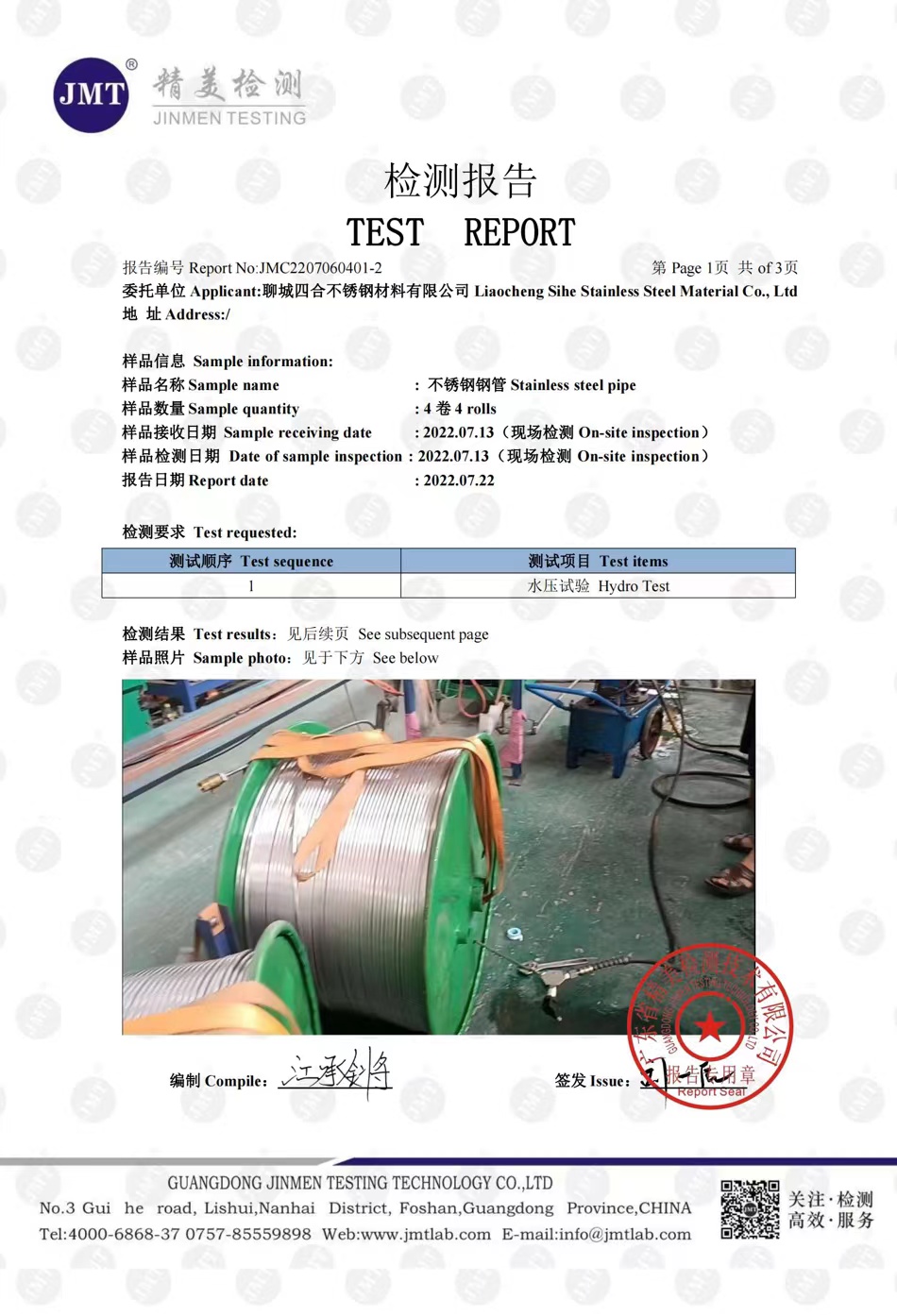
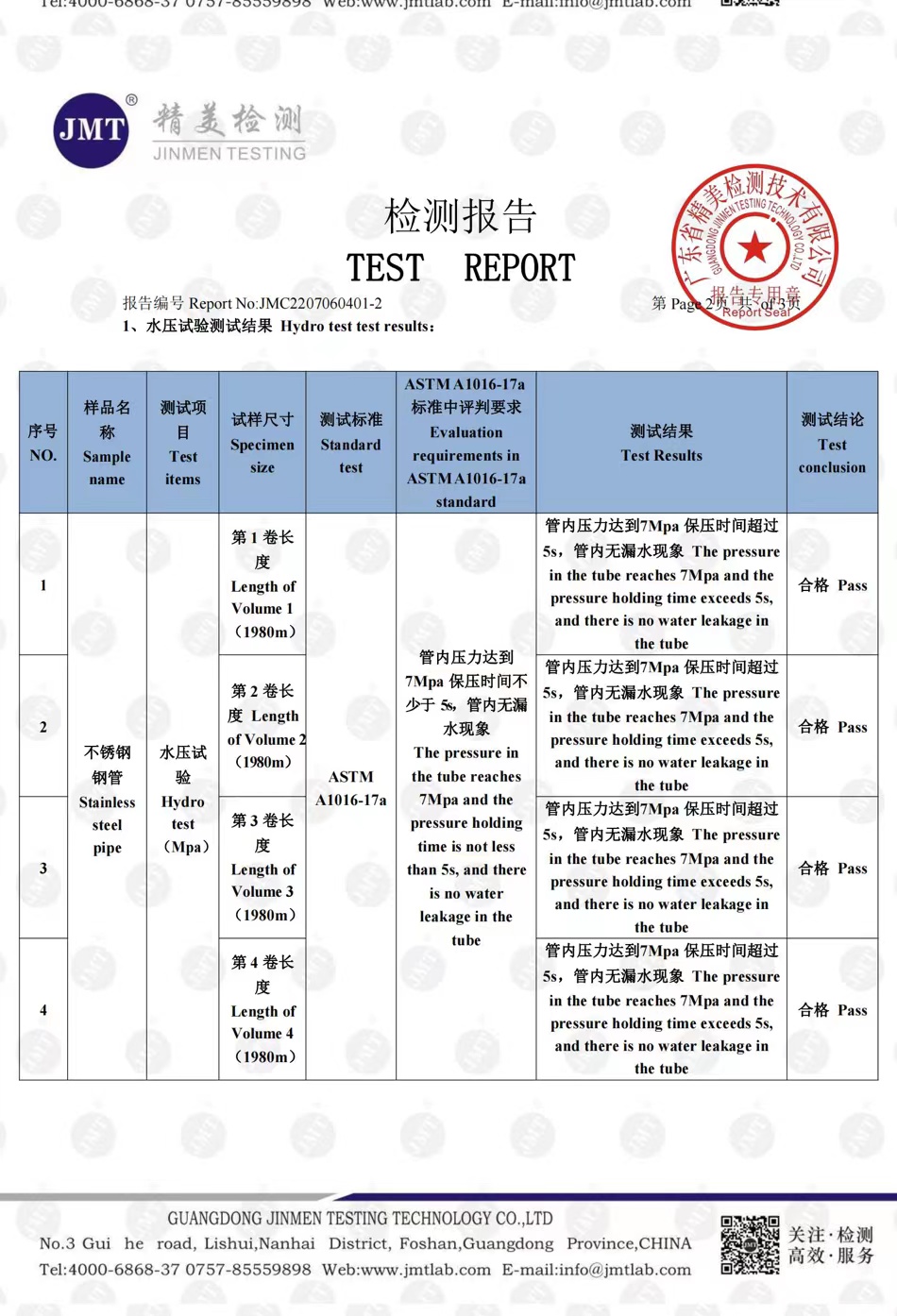
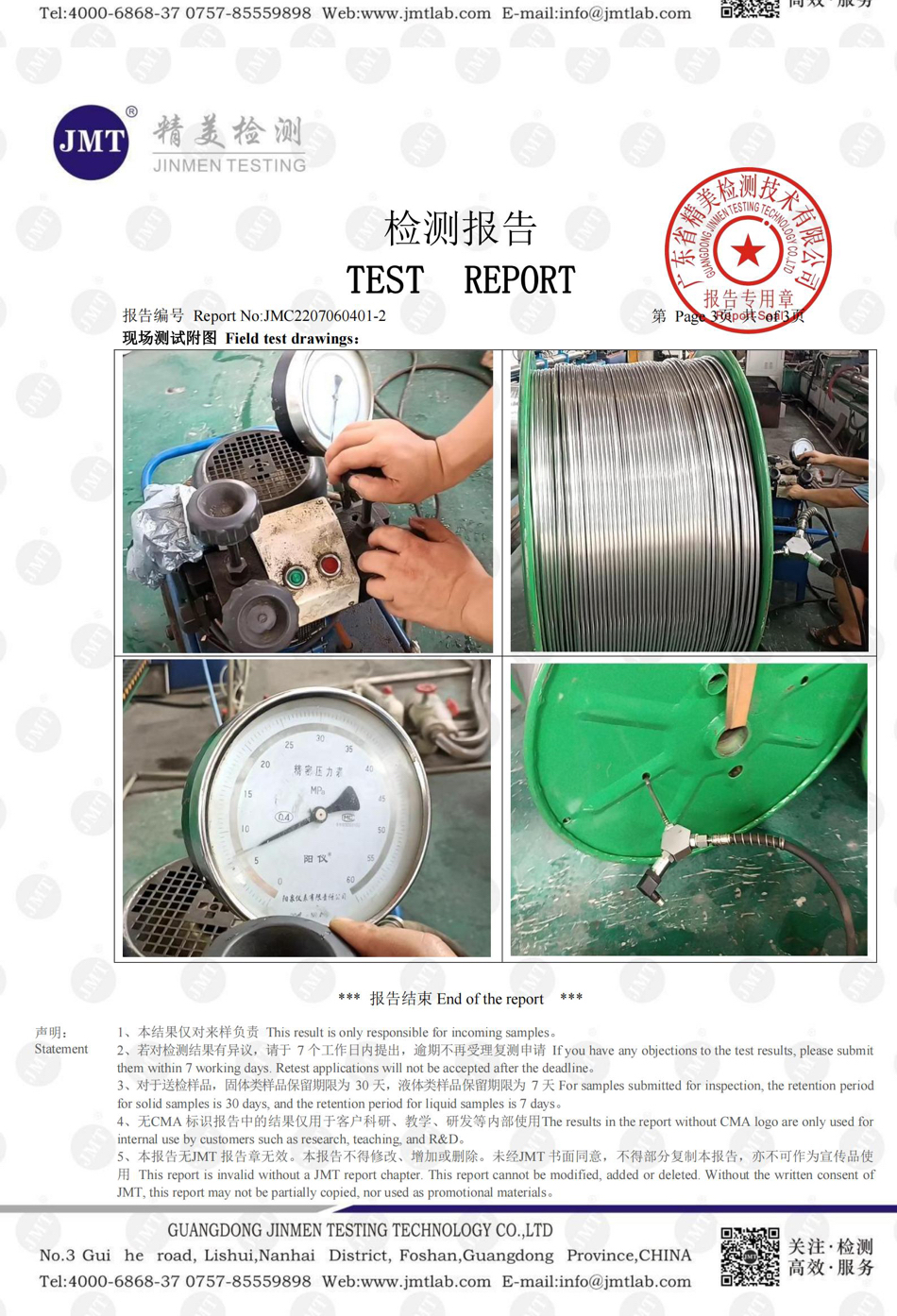
Tubes undergo continuous hydrostatic or pneumatic testing to check wall integrity, preventing micro-leaks in volatile hydrocarbon installations.
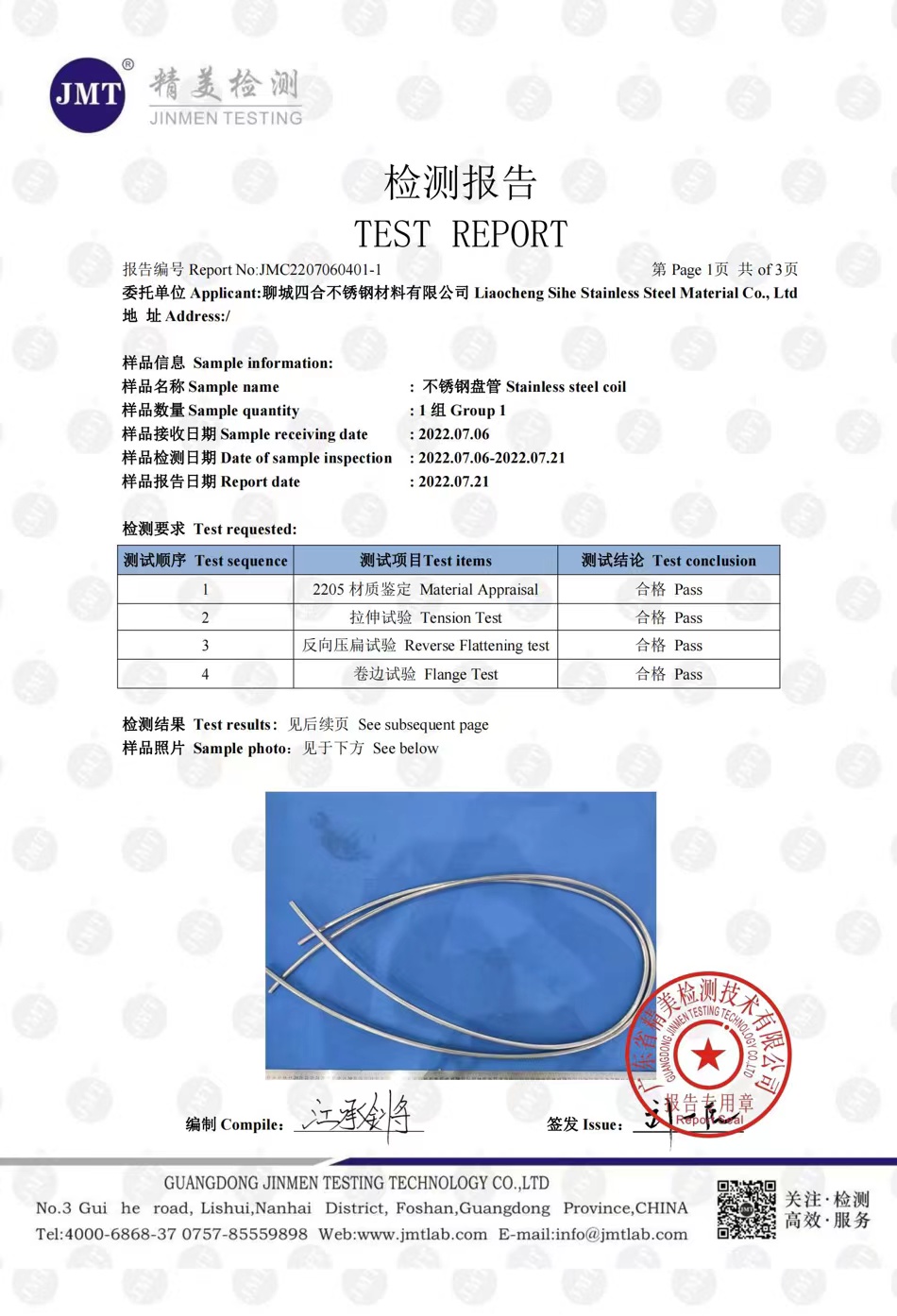
Verifies ductility and structural integrity under compression, ensuring suitability for bending, flanging, and flare-end instrumentation fittings.
Ensures tubes have the proper tensile profile to withstand hydraulic pressure spikes without deformation.
Bridging engineering requirements across borders for large-scale operations.
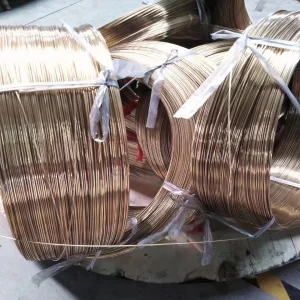
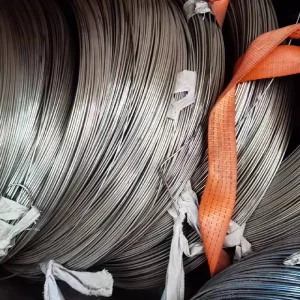
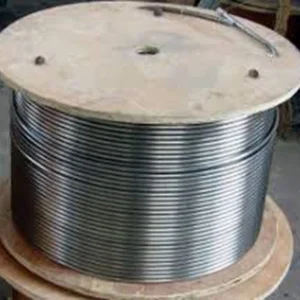
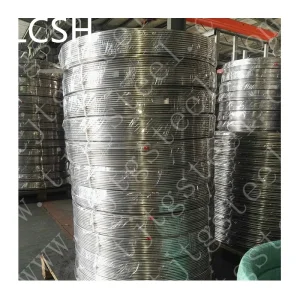
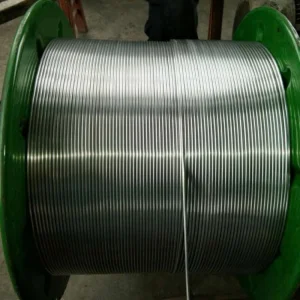
For modern offshore extraction, coiled subsea umbilical systems operate under intense mechanical stress and chemical exposure. Capillary lines within these umbilicals must withstand internal pressures of 10,000 to 15,000 psi while resisting seawater corrosion. Our ability to supply continuous single-piece coiled tubing up to 10,000 meters minimizes intermediate weld points, which are common failure locations. By using grade 304, 316L, or Duplex alloys, we support umbilical manufacturing for demanding oil and gas operations.
The performance of modern common-rail diesel engines and gasoline direct-injection systems depends on consistent fuel delivery under high pressure. Capillary lines with tight internal diameter tolerances are necessary to ensure uniform flow. Similarly, aerospace hydraulic systems use thin-walled 304 tubes to balance weight reduction with structural reliability.
Managing local documentation, port operations, and compliance standards for Algerian imports.
Importing steel products into Algeria requires navigating complex compliance processes. Liaocheng Sihe is experienced with local trade requirements, ensuring efficient logistics and shipping to ports such as Algiers, Oran, Skikda, and Bejaia.
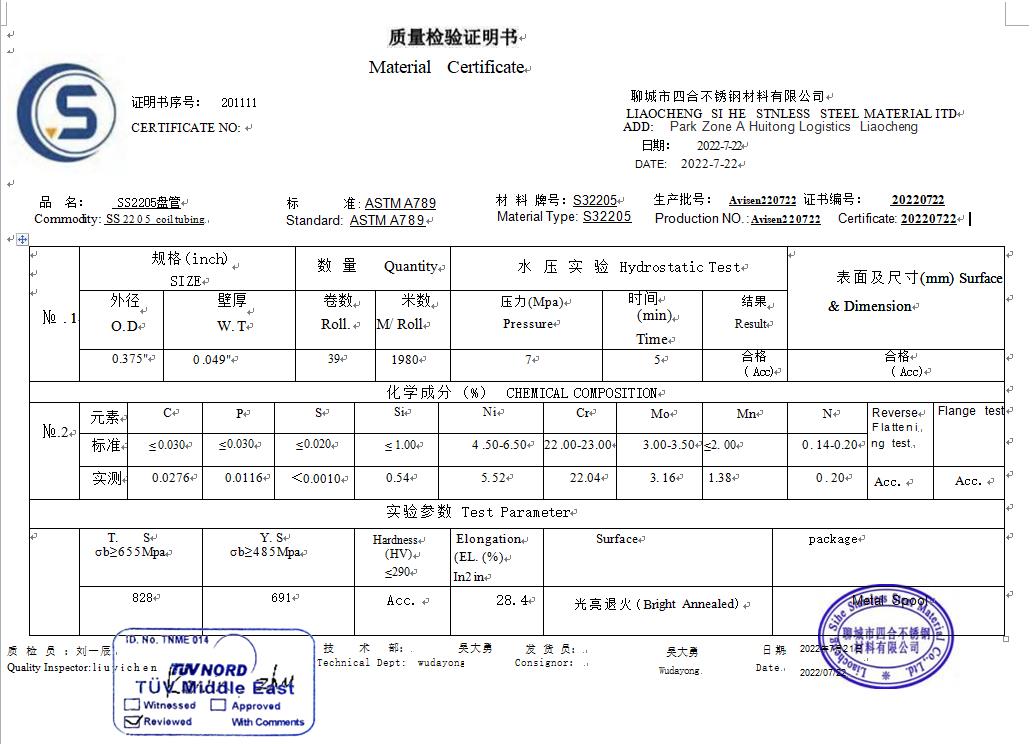
We provide full export documentation, including Certificates of Analysis (MTR to EN 10204 3.1), Certificates of Origin, EUR.1 movement certificates, packing lists, and commercial invoices stamped by relevant authorities.
We support transactions using Letters of Credit (L/C) issued by established Algerian banks (e.g., BEA, BNA, CPA). Our documentation conforms to international banking rules, reducing customs delays.
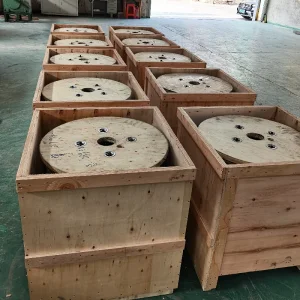
To withstand long sea voyages and maritime humidity, all shipments are packed in heavy-duty wooden crates, wrapped in waterproof vapor barriers, and fortified with rust-inhibiting desiccants.
Preparing for future industrial infrastructure demands.
As the Algerian government explores partnerships for green hydrogen export via pipelines to Europe, transport and storage infrastructure must adapt. Hydrogen atoms can migrate into steel grain boundaries, causing hydrogen embrittlement. Standard piping alloys are susceptible to this risk. Liaocheng Sihe is researching custom-treated 316L and 304L capillary lines with controlled nickel equivalents and fine austenitic grain structures to improve resistance to hydrogen diffusion.
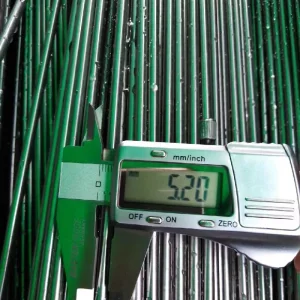
Modern processing plants are adopting remote monitoring systems that use micro-sensors embedded in capillary piping networks. Integrating these sensors requires tubing with high dimensional stability and low surface roughness. Our manufacturing roadmap focuses on maintaining inner diameter (ID) tolerances to ±0.01mm, supporting the requirements of next-generation digital sensors.
Answers to technical and logistical inquiries for buyers in Algeria.
Our pricing varies with international raw material costs (Nickel and Chromium indexes) and shipping fees. We provide detailed, itemized quotes for FOB, CFR, or CIF Algerian ports (Algiers, Oran, or Bejaia) upon receiving your project specifications.
Yes, international orders require a minimum order volume to maintain manufacturing efficiency. For custom capillary tubing runs, the MOQ depends on the dimensions. Smaller test quantities can sometimes be fulfilled from existing stock; please contact our sales team to discuss your requirements.
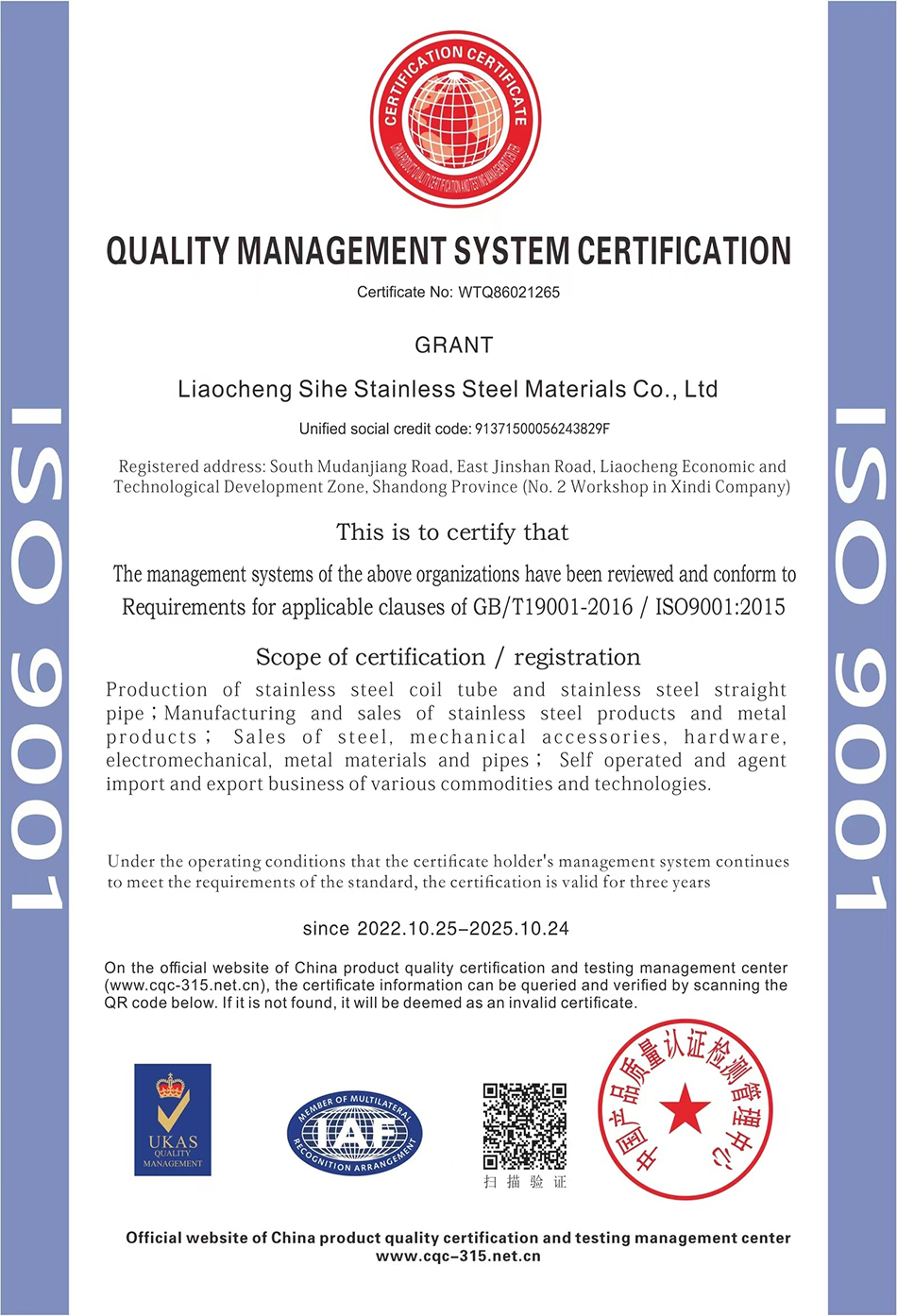
We supply complete material traceability, including Mill Test Reports (MTR) according to EN 10204 3.1, ASTM A269 compliance certificates, third-party inspection reports (SGS/TUV if requested), and ISO 9001/14001 quality certificates.
Production lead times range from 20 to 30 days after receipt of the deposit or L/C confirmation. Shipping from China to Algerian main ports usually takes 30 to 40 days, depending on shipping schedules.
We accept Telegraphic Transfer (T/T), with a standard structure of 30% deposit in advance and 70% balance paid against the copy of the Bill of Lading (B/L). We also accept irrevocable Letters of Credit (L/C at sight) from reputable banks.
Our manufacturing process is backed by a product warranty. In the event of a quality discrepancy, we investigate the issue alongside independent testing labs. We will replace or credit items that do not meet the agreed specifications.
A wider selection of stainless steel capillary tubes, heat exchanger pipes, and coiled configurations.
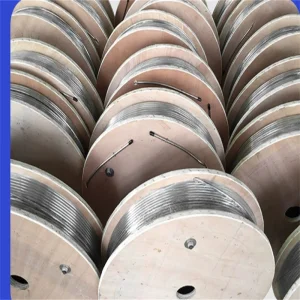
Corrosion-resistant alloys and polished tubing for demanding environments.
Partner with Liaocheng Sihe Stainless Steel Material LTD for project planning, material selection, and custom capillary tubing manufacturing.
Send Inquiry Now