 Sihe Steel
Sihe Steel
Sihe Steel
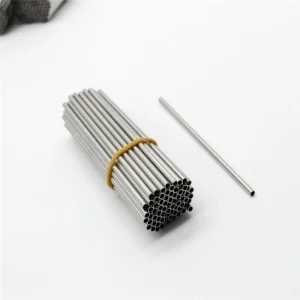
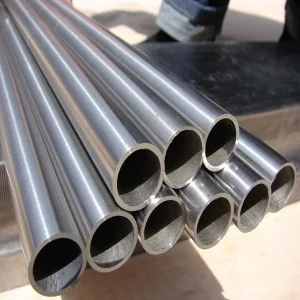
Explore our premium grade selection of mechanical and bright annealed polished tubes, manufactured in compliance with international tolerances and surface criteria.
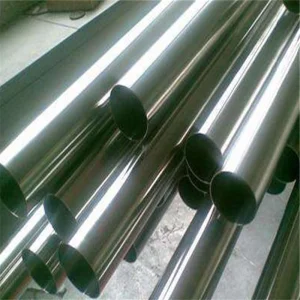
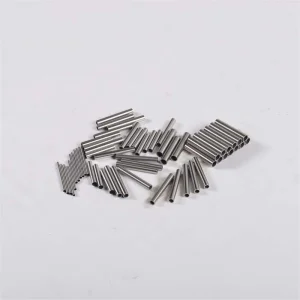
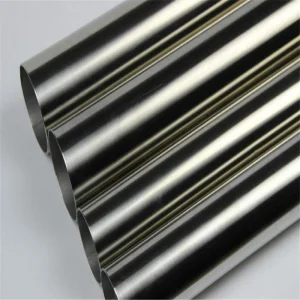
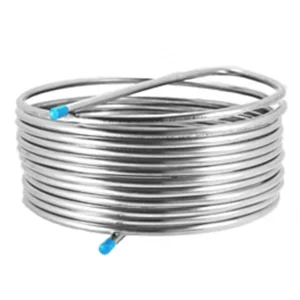
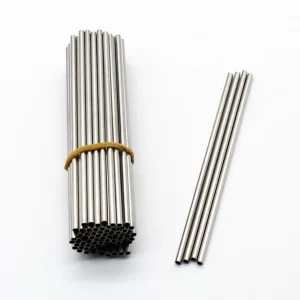
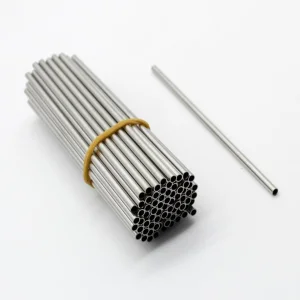
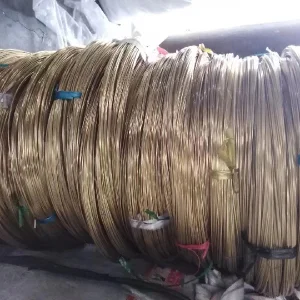
Understanding the molecular configuration and structural properties that govern superior corrosion resistance and surface finishing behavior.
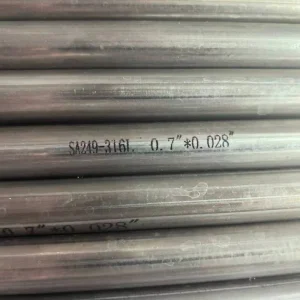
Austenitic stainless steels, specifically the widely specified AISI 304 (UNS S30400, EN 1.4301, JIS SUS304), represent the cornerstone of modern sanitary and industrial fluid-handling systems. The performance of a 304 stainless steel polishing tube depends fundamentally on its metallurgical composition. By maintaining a precise equilibrium of Chromium (typically 18% to 20%) and Nickel (8% to 10.5%), the alloy retains a stable FCC (Face-Centered Cubic) crystal structure. This microstructure ensures exceptional ductility, cryo-toughness, and non-magnetic behavior in the annealed state.
When selecting a manufacturer, understanding these chemical properties is crucial for engineering high-integrity applications. In particular, the sulfur content within the alloy is restricted (commonly <0.005% for high-purity components) to minimize non-metallic inclusions. These inclusions can manifest as surface voids during mechanical polishing, compromising both sanitary integrity and mechanical toughness.
| Chemical Spec (%) | Carbon (C) | Chromium (Cr) | Nickel (Ni) | Manganese (Mn) | Silicon (Si) | Phosphorus (P) | Sulfur (S) |
|---|---|---|---|---|---|---|---|
| AISI 304 (UNS S30400) | ≤ 0.08 | 18.00 - 20.00 | 8.00 - 10.50 | ≤ 2.00 | ≤ 0.75 | ≤ 0.045 | ≤ 0.030 |
| EN 1.4301 | ≤ 0.07 | 17.50 - 19.50 | 8.00 - 10.50 | ≤ 2.00 | ≤ 1.00 | ≤ 0.045 | ≤ 0.015 |
| JIS SUS304 | ≤ 0.08 | 18.00 - 20.00 | 8.00 - 10.50 | ≤ 2.00 | ≤ 1.00 | ≤ 0.045 | ≤ 0.030 |
A comprehensive analysis of surface treatment methodologies, roughness metrics, and passivating chemistry.
Utilizing abrasive media with varying grits (such as 180, 240, 320, 400, and 600 grit) to systematically shear surface asperities. Achieves surface roughness values down to Ra < 0.4 μm.
An electrochemical process that selectively dissolves high points on the metallic surface. This removes microscopic micro-peaks, producing a highly reflective, ultra-smooth surface with Ra < 0.13 μm.
Treating surfaces with nitric or citric acid solutions to selectively strip iron from the surface layers. This enriches the chromium content, strengthening the protective passive oxide film ($Cr_2O_3$).
For critical applications in sanitary piping and semiconductors, mechanical polishing alone is often insufficient. Mechanical abrasives can embed microscopic particulates into the tube wall. Electropolishing, by contrast, removes surface stresses, minimizes bacterial adhesion sites, and prevents bio-contamination. Consequently, electropolished (EP) tubing is preferred for high-purity applications, such as pharmaceutical formulation lines and semiconductor gas delivery networks.
A cross-industry assessment of where high-precision 304 stainless steel polishing tubes deliver critical structural value.
Strict hygienic requirements demand tubes with exceptionally smooth interior diameters (ID). These smooth surfaces prevent biofilm accumulation, facilitate clean-in-place (CIP) sterilization, and ensure process purity.
Ultra-High Purity (UHP) gas lines rely on electropolished 304 and 316L tubes to prevent outgassing and particle shedding, which could otherwise damage integrated wafer circuits.
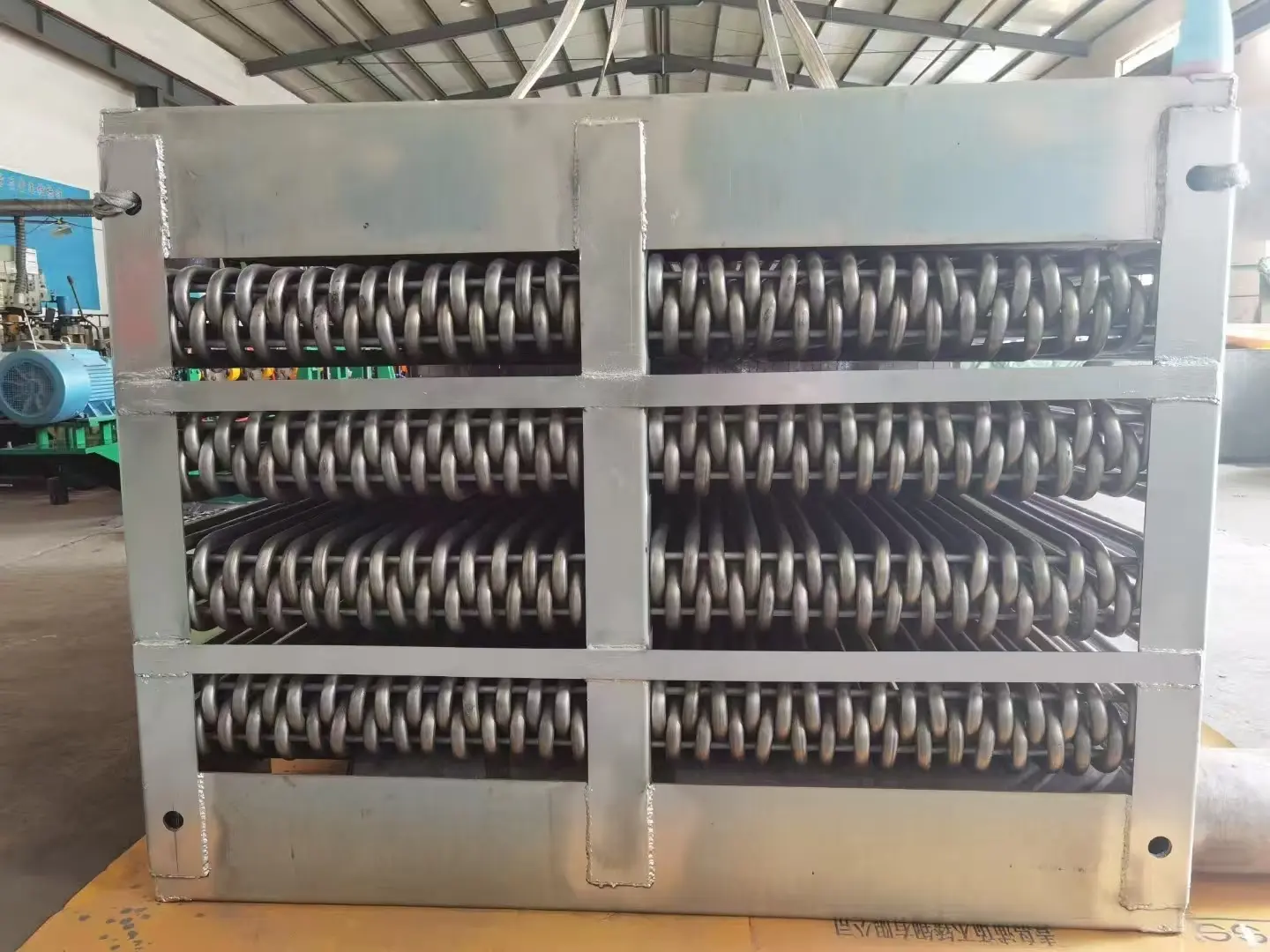
In thermal management and condenser systems, bright annealed and polished tubes improve fluid dynamics, reduce scaling, and maintain high thermal efficiency over long service lives.
To produce highly workable, ductile, and corrosion-resistant polished tubes, manufacturers utilize Bright Annealing (BA). This metallurgical treatment involves heating the cold-drawn or welded tube to recrystallization temperatures—typically between 1040°C and 1150°C (1900°F to 2100°F)—followed by rapid cooling. Crucially, this thermal cycle is performed inside a controlled atmosphere of pure hydrogen ($H_2$) or cracked ammonia (hydrogen-nitrogen mix).
Excluding oxygen from the furnace prevents scale formation on the tube's surface. This allows the material to retain its mirror-like finish directly from the drawing process. In addition, online induction heating systems ensure uniform softening throughout the tube length, which helps prevent localized microstructural variations. These variations can otherwise lead to premature failure when the tube is bent or flared during installation.
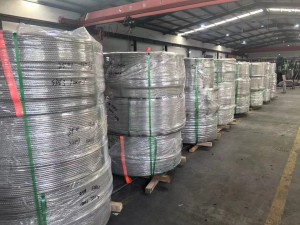
Analyzing procurement patterns, supply-chain logistics, and compliance frameworks across global industrial hubs.
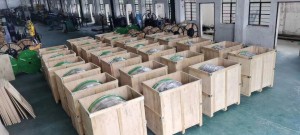
Liaocheng Sihe serves over 30 countries across North America, Europe, and Asia. Our distribution networks are designed to mitigate shipping disruptions and maintain consistent supply lines.
All exports comply with strict international regulatory standards, including PED (Pressure Equipment Directive) for European projects and CRN (Canadian Registration Number) certifications.
Collaborating with local Engineering, Procurement, and Construction (EPC) firms, we design tailored delivery systems optimized for complex industrial layouts.
Advanced Production Lines
Exporting Destinations
Continuous Tubing Lengths
Hydrostatic & Eddy Tested
The transition toward carbon neutrality, subsea exploration, and high-cleanliness hydrogen integration.
As industries adapt to clean energy transitions, the demand for high-integrity tubing is expanding beyond traditional oil and gas. Liquid hydrogen ($LH_2$) fuel cells, for instance, operate under high pressure and cryo-temperatures. Under these conditions, standard alloys can suffer from hydrogen embrittlement. To address this, manufacturers are developing specialized 304 and 316L alloys with adjusted nickel equivalent values to ensure structural stability down to -253°C.
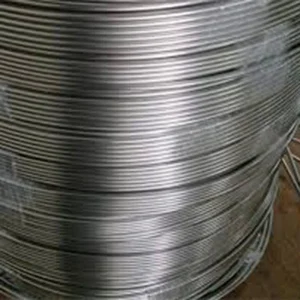
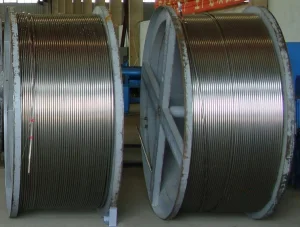
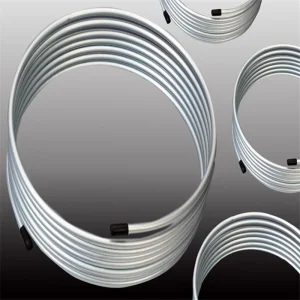
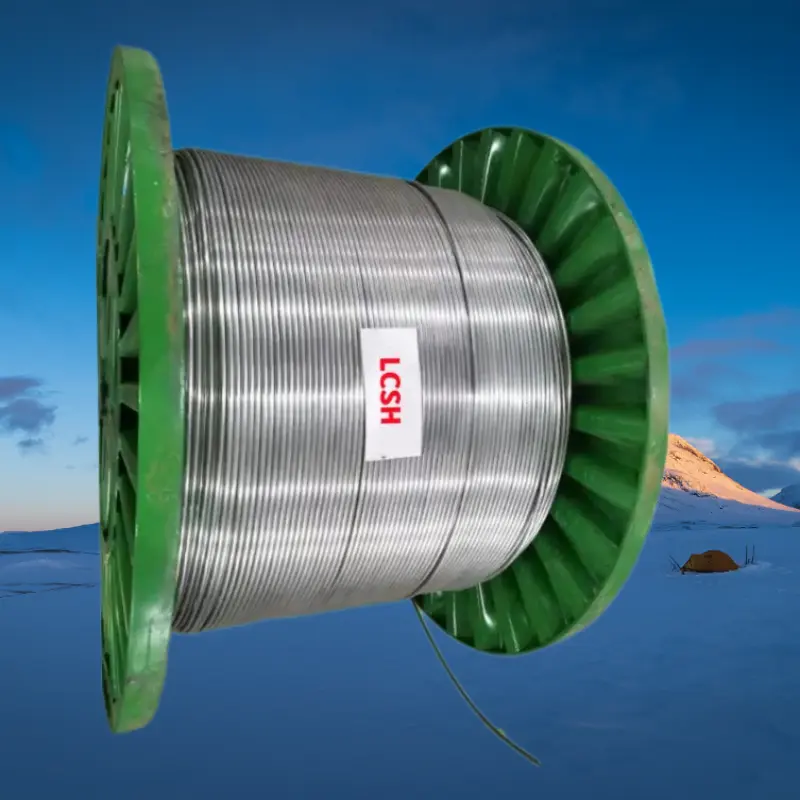
Additionally, subsea umbilicals used in deepwater oil extraction require extremely long, continuous lengths of tubing to avoid structural weaknesses at weld points. Our advanced manufacturing processes allow us to produce seamless coiled tubes up to 10,000 meters (32,800 feet) in length. This capability helps minimize subsea joints, reducing the risk of leakage and extending the operational lifespan of deepwater systems.
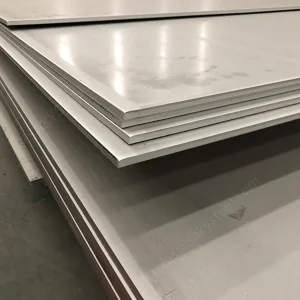
A broad look at our primary product families, engineering capabilities, and metal sheet structures.
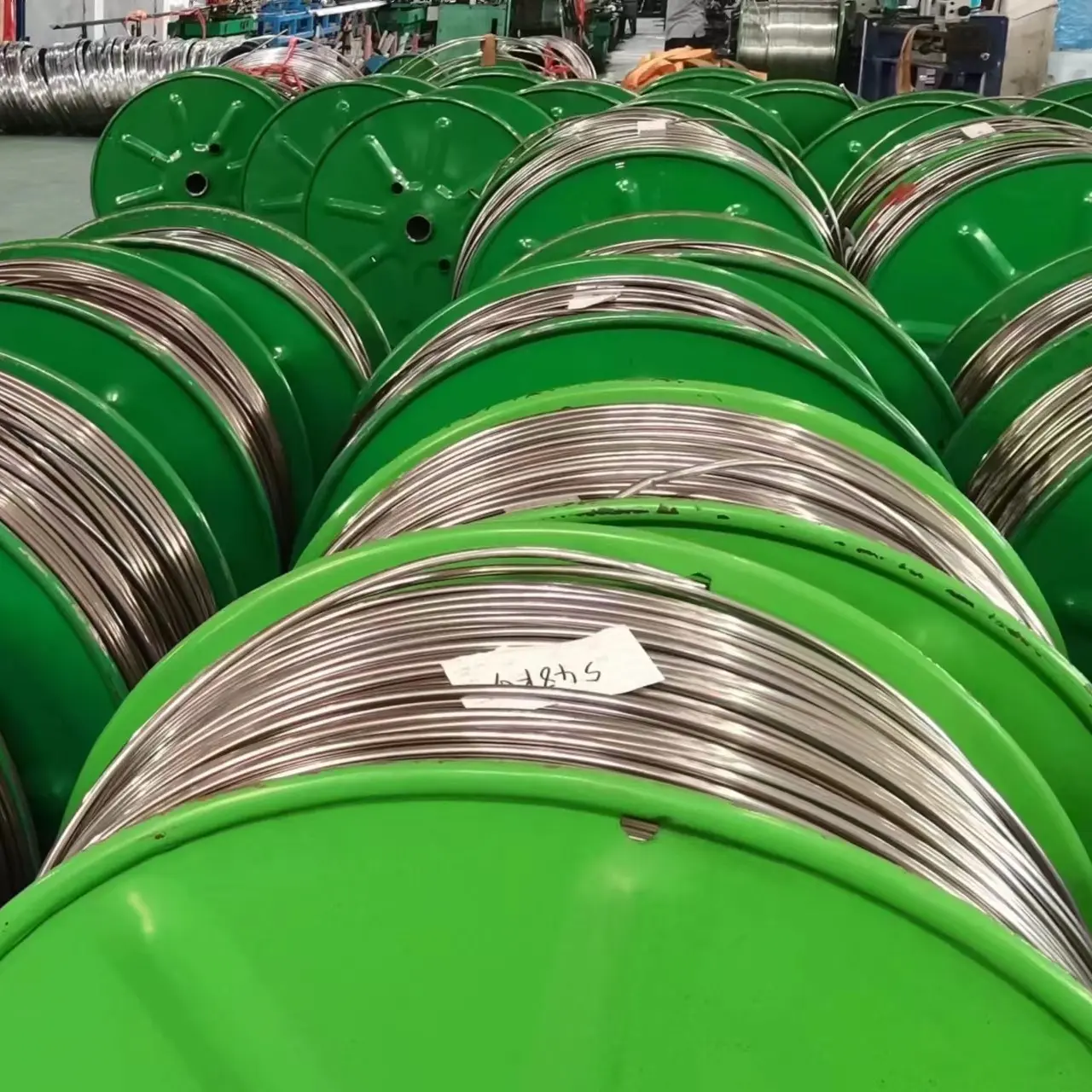
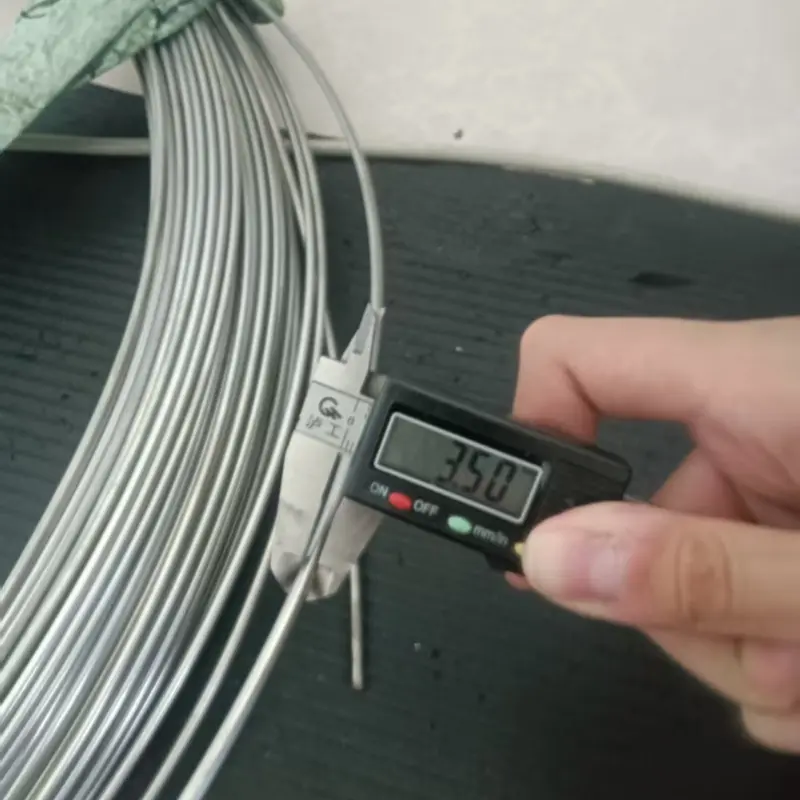
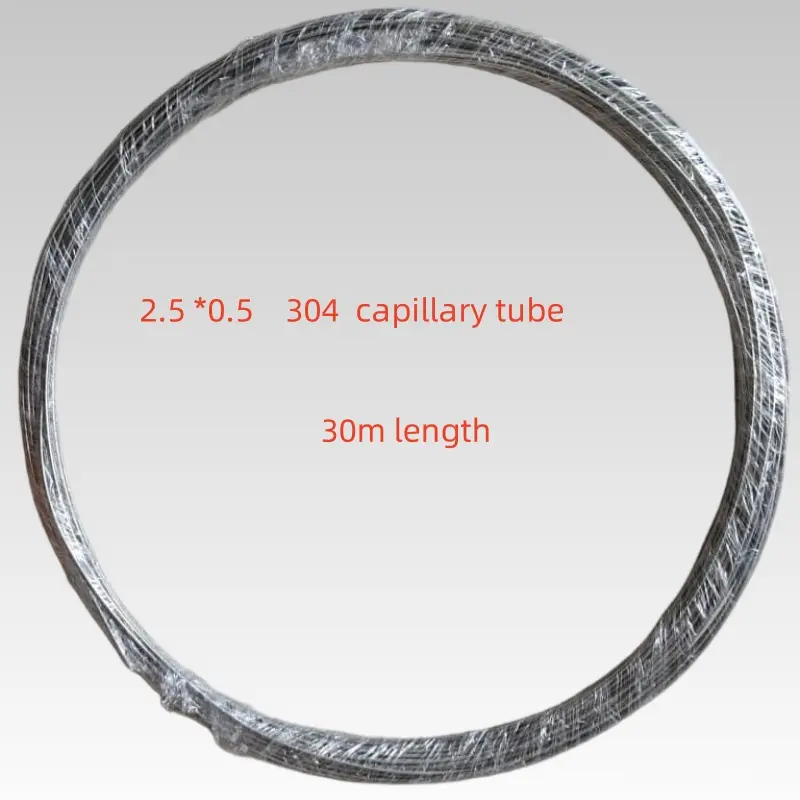
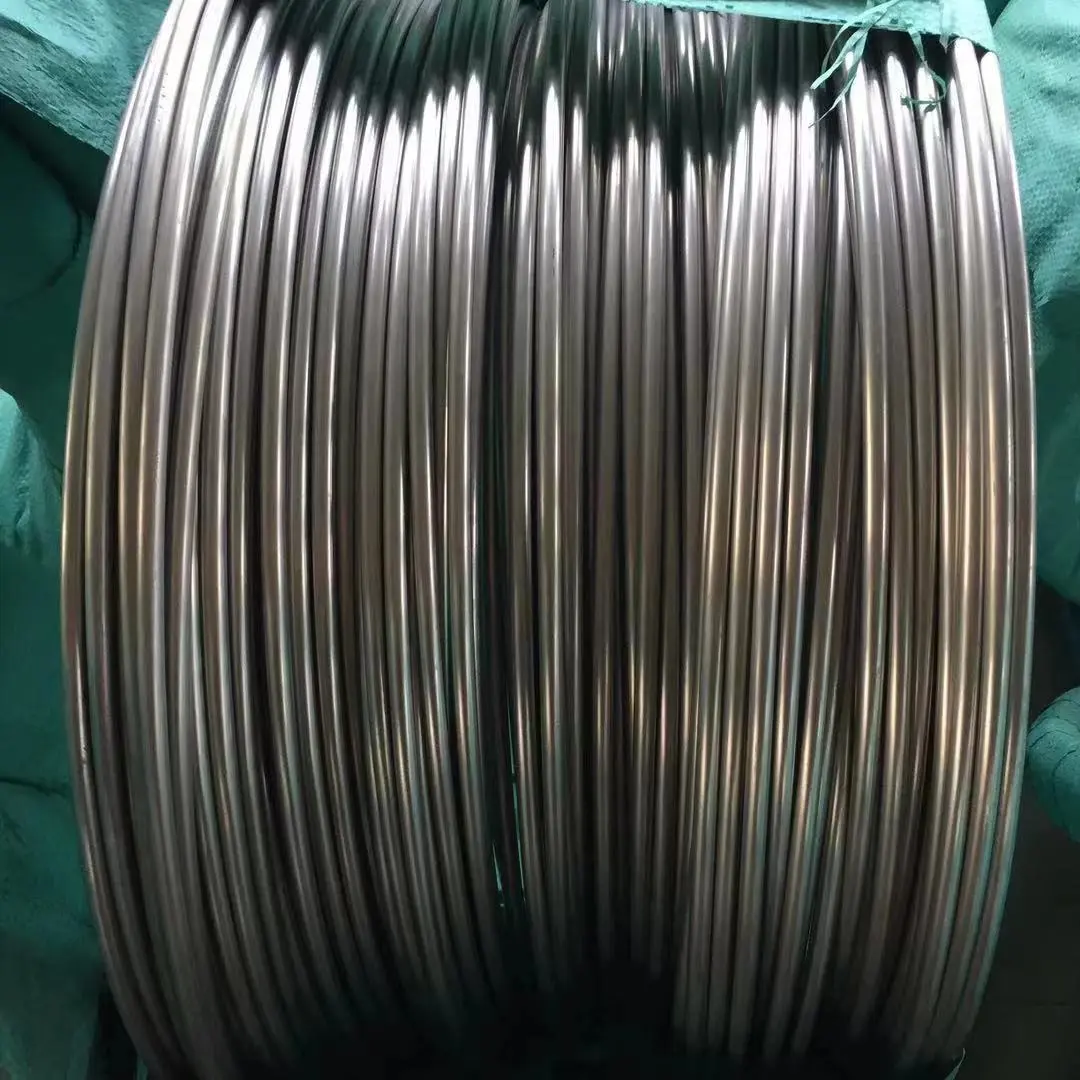
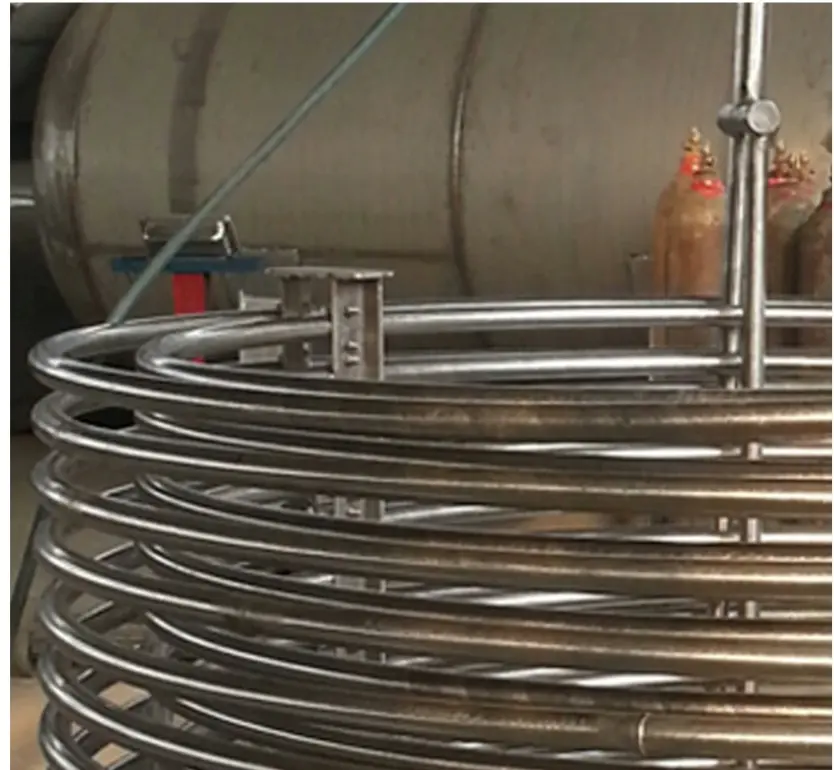
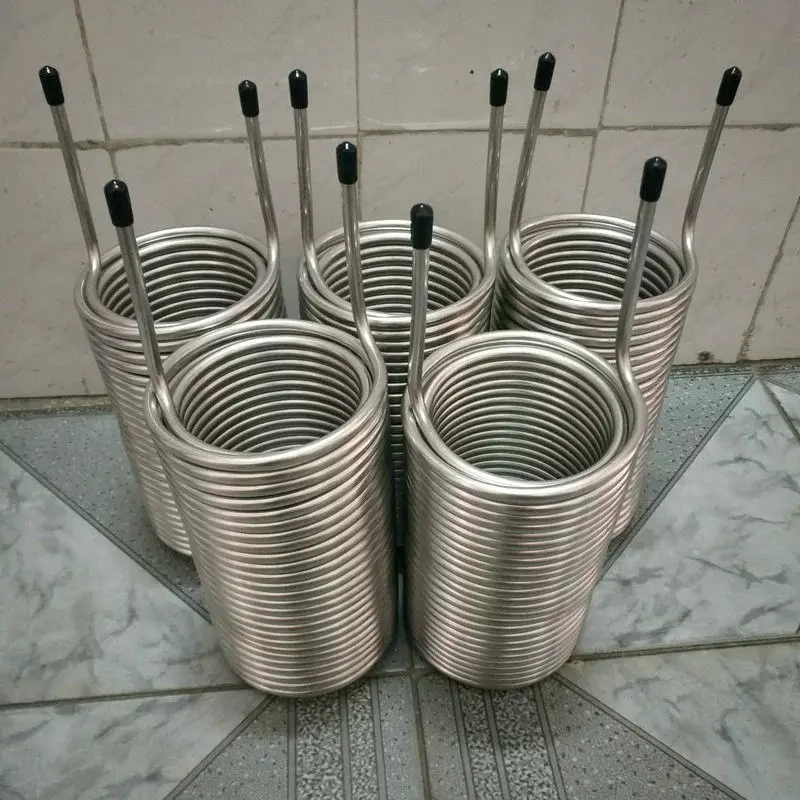
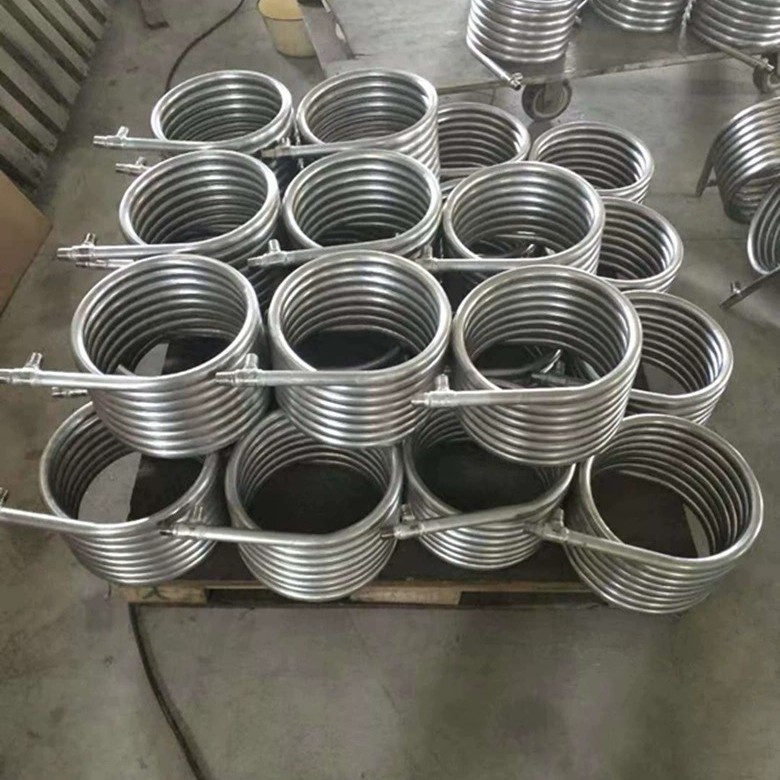
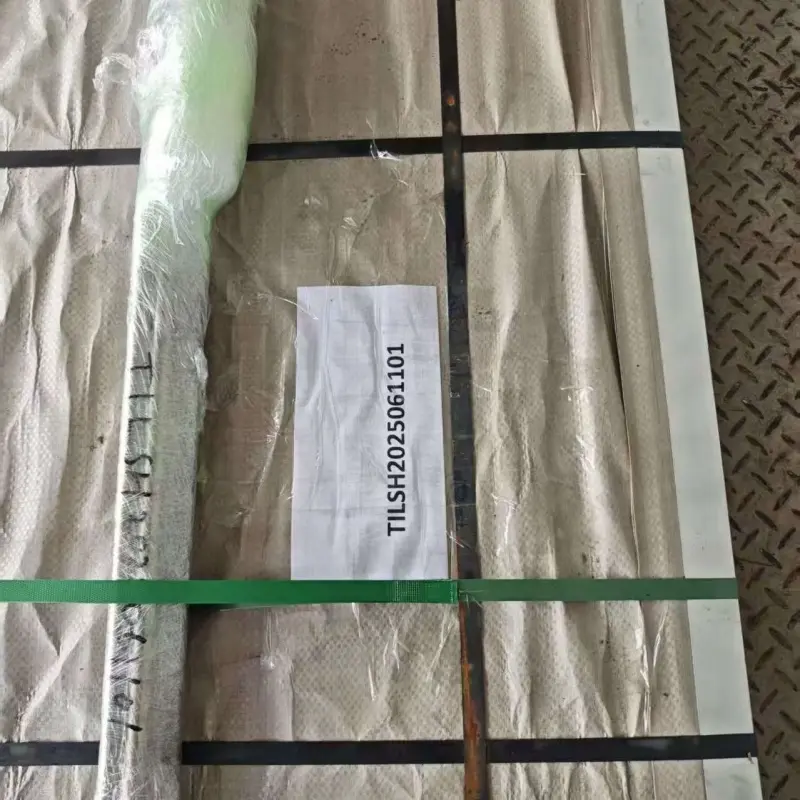
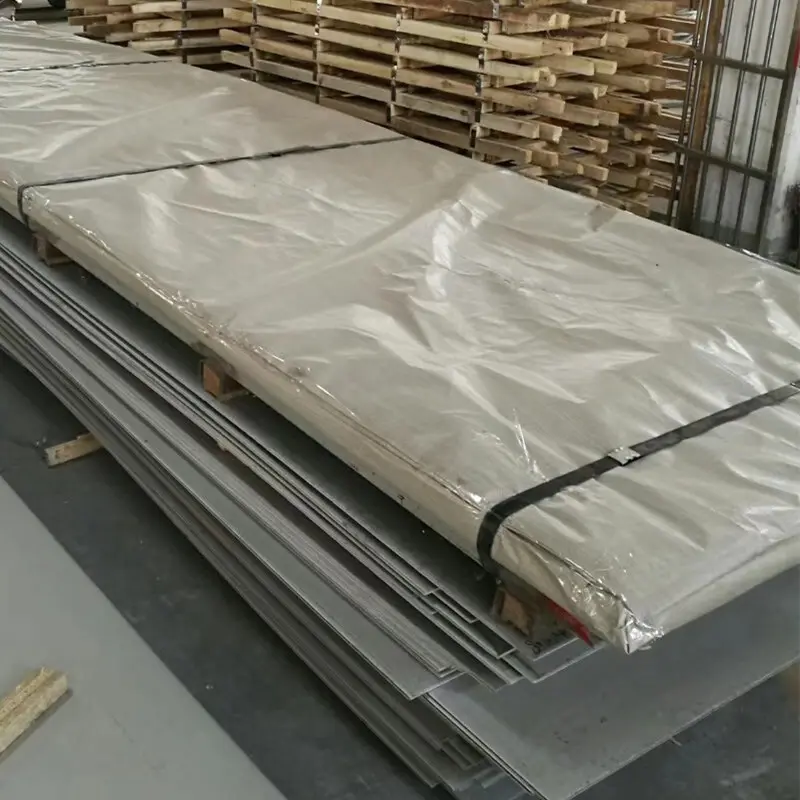
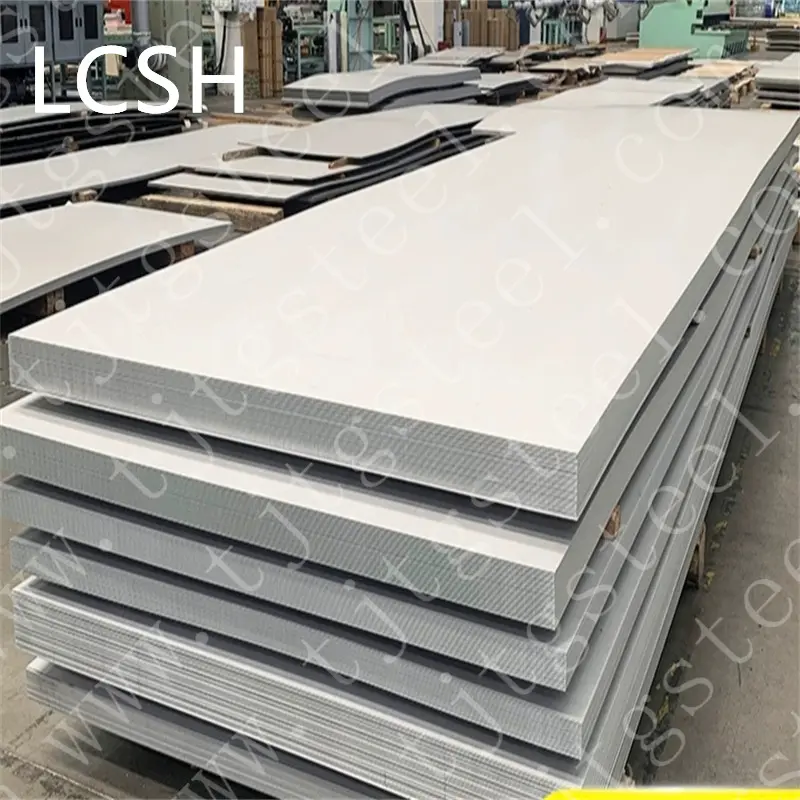
A leading expert in the production of stainless steel coiled tubes, polishing tubes, and seamless coiled tubing.
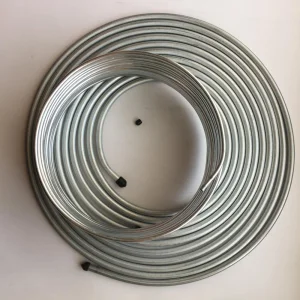
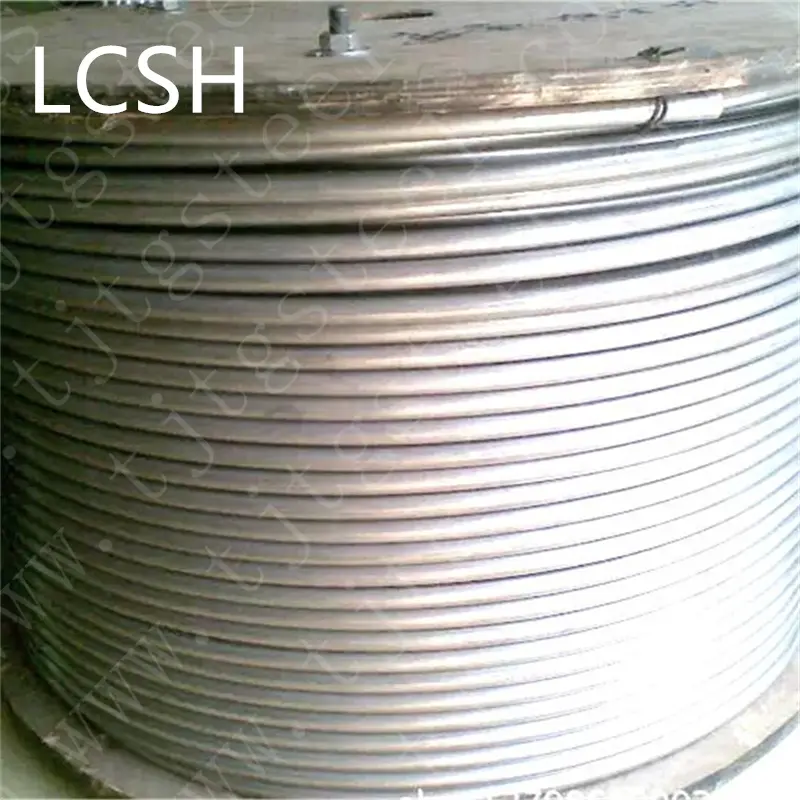
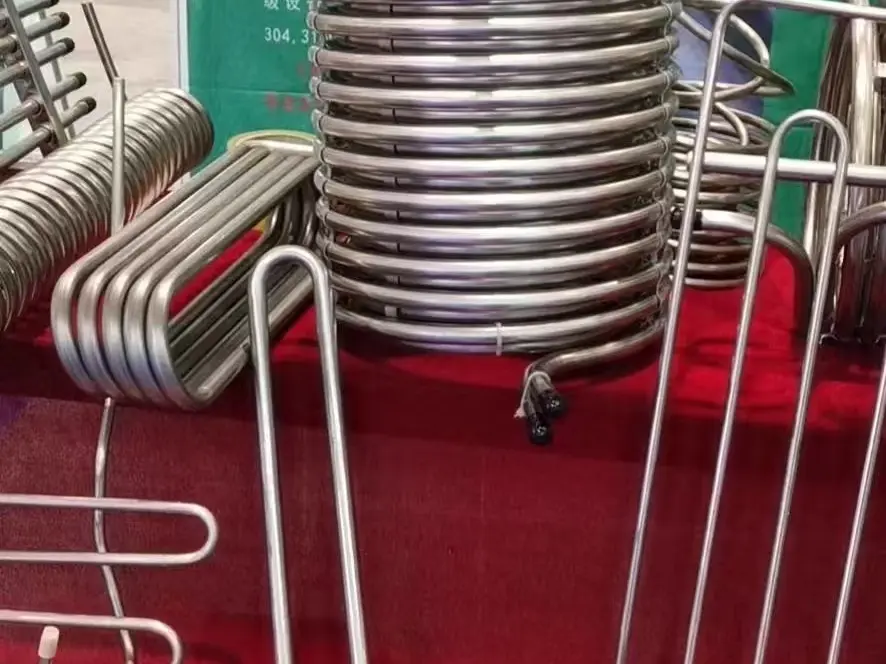
With a production history spanning over a decade, Liaocheng Sihe Stainless Steel Material LTD operates six modern production lines specializing in high-performance tubing. We manufacture a comprehensive range of stainless steel coiled tubes, polished tubes, and seamless coiled tubing. Our processes conform to global standards including GB, ASTM, ASME, JIS, and EN, ensuring consistent quality for critical applications.
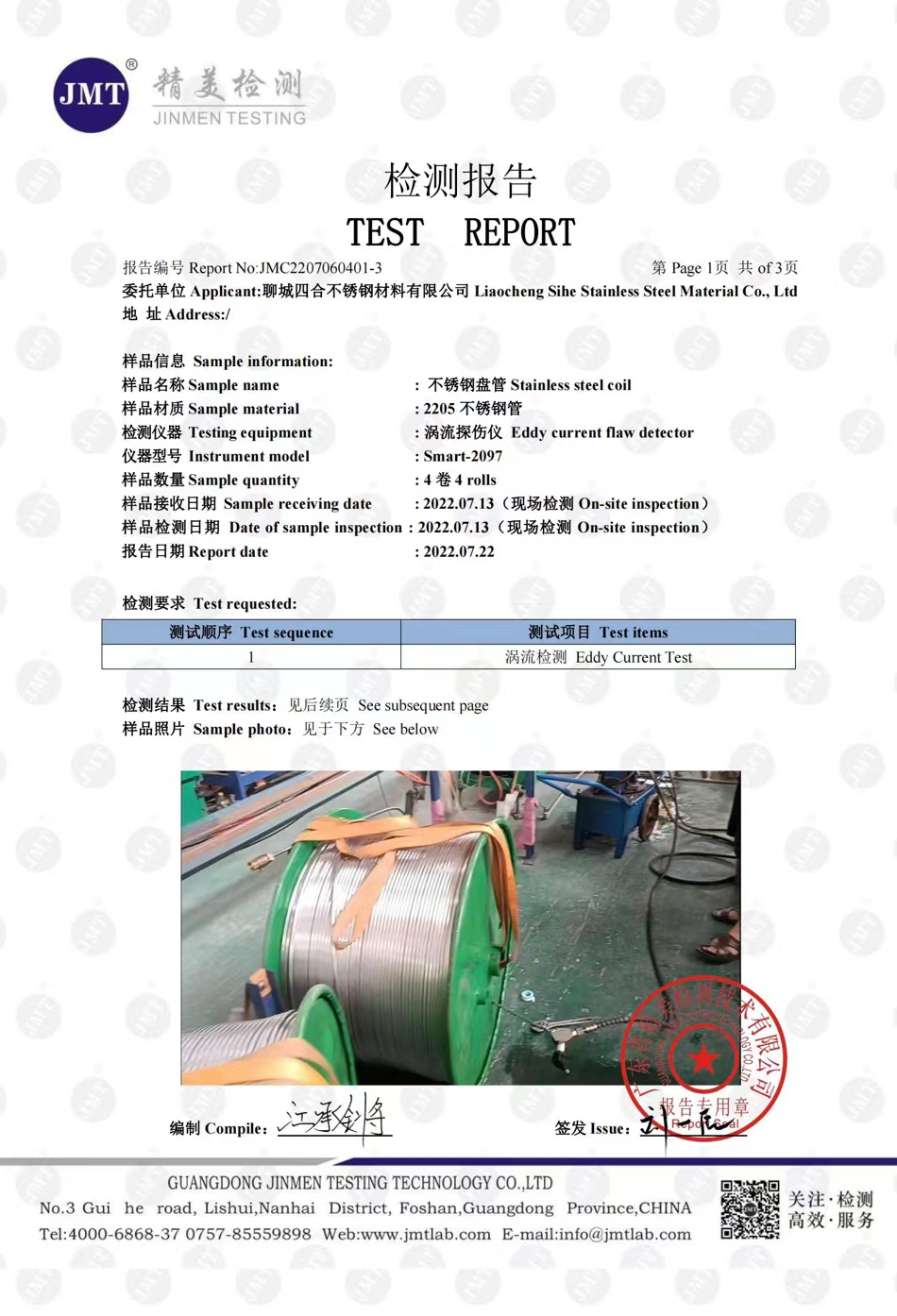
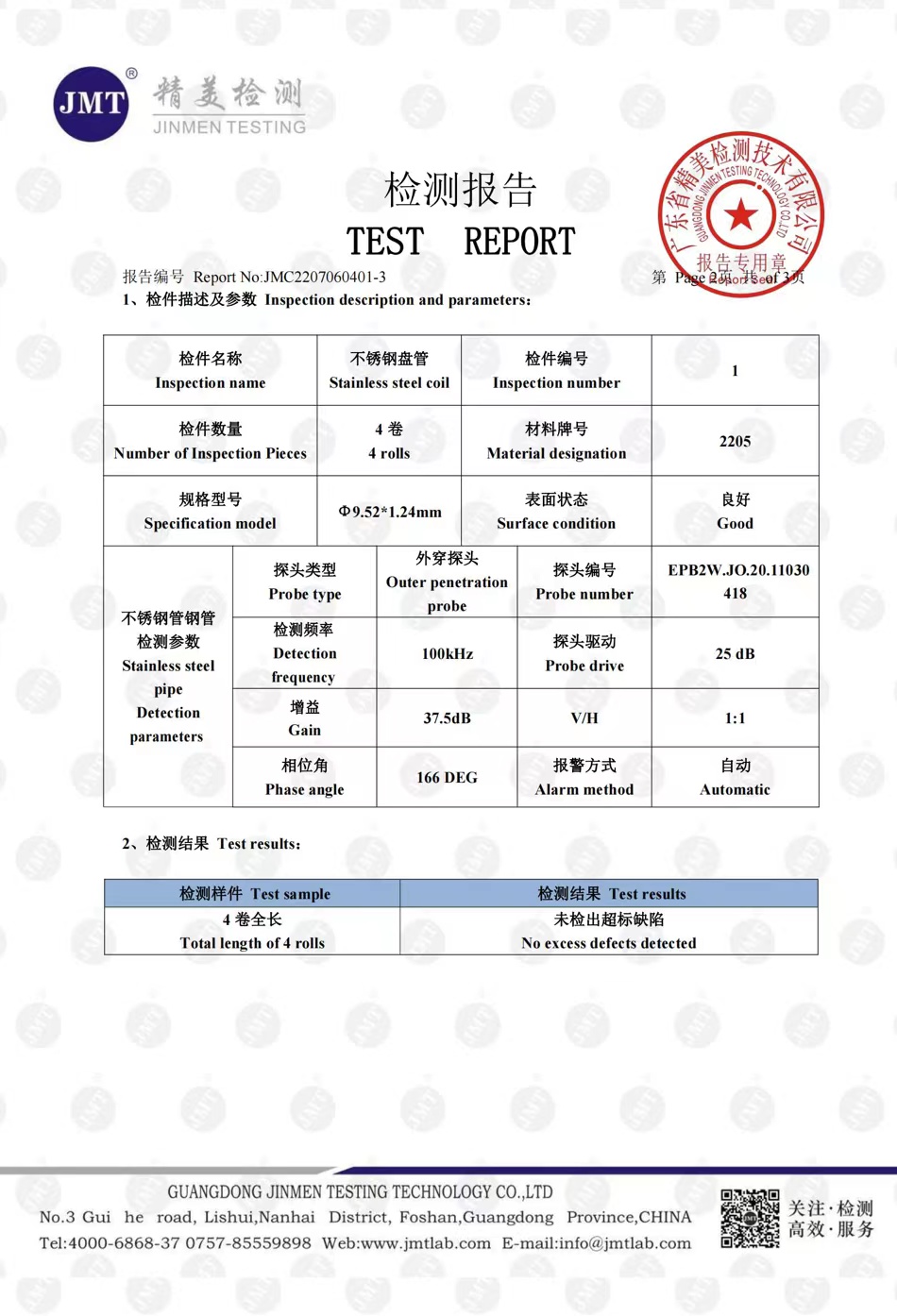
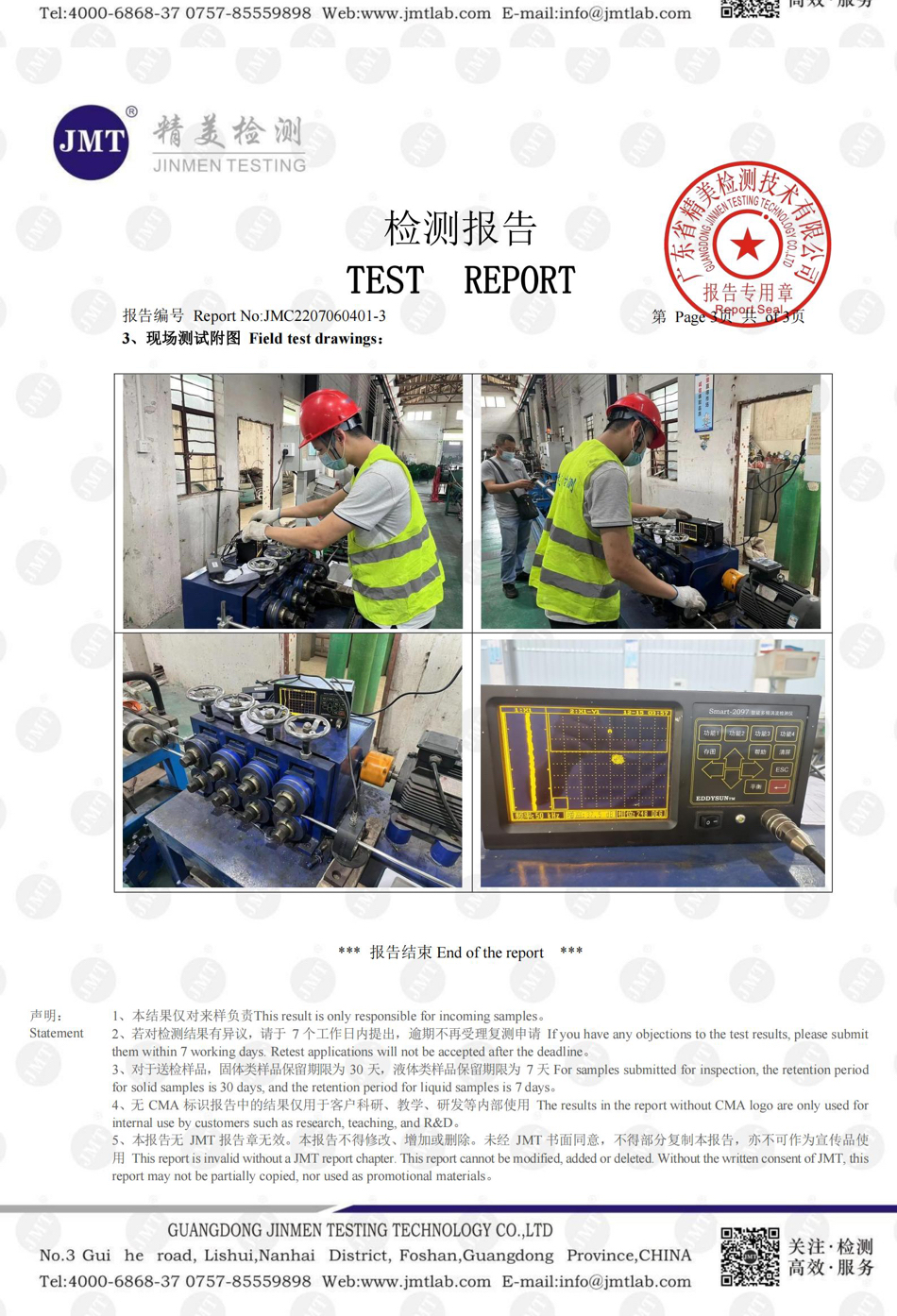
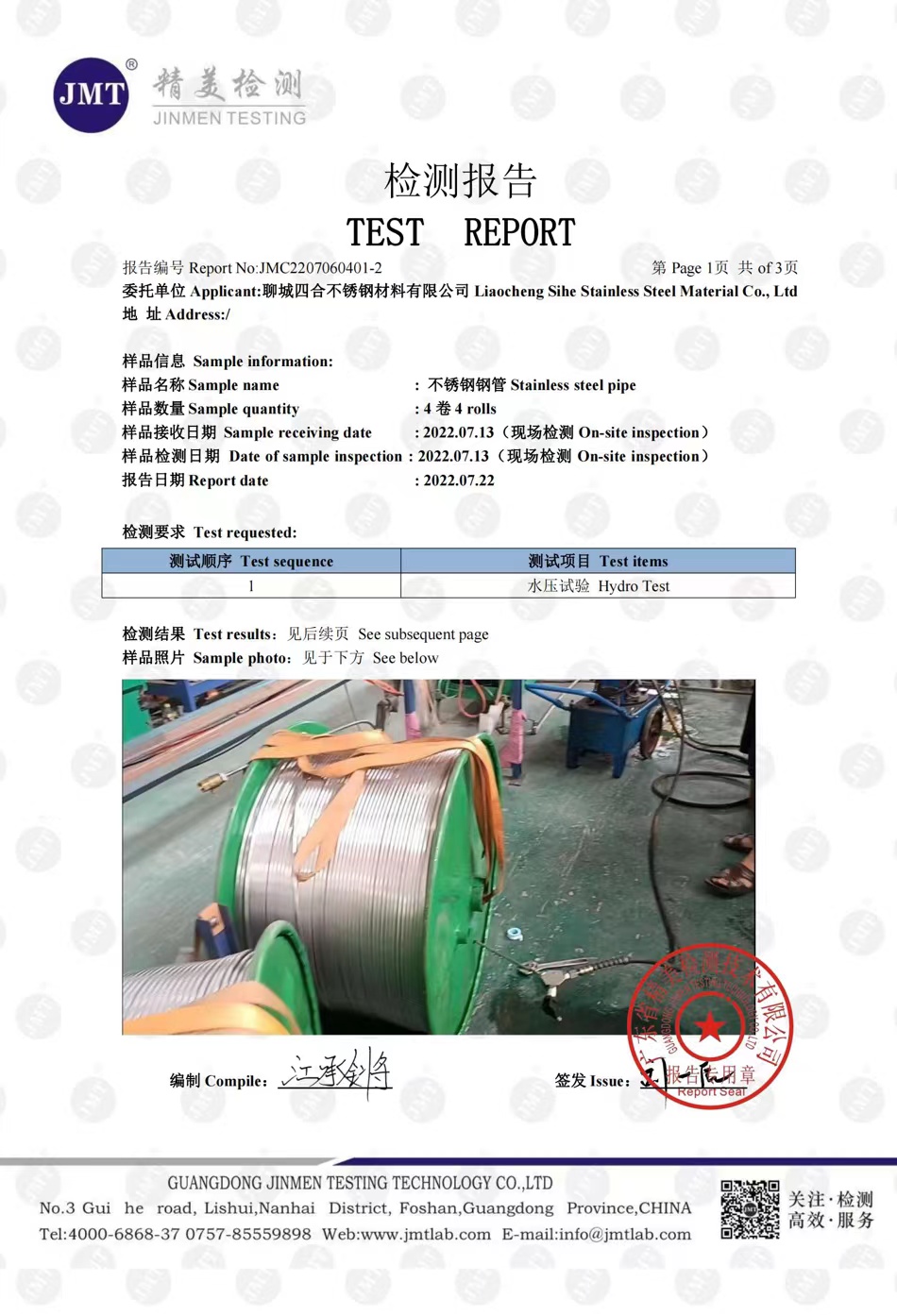
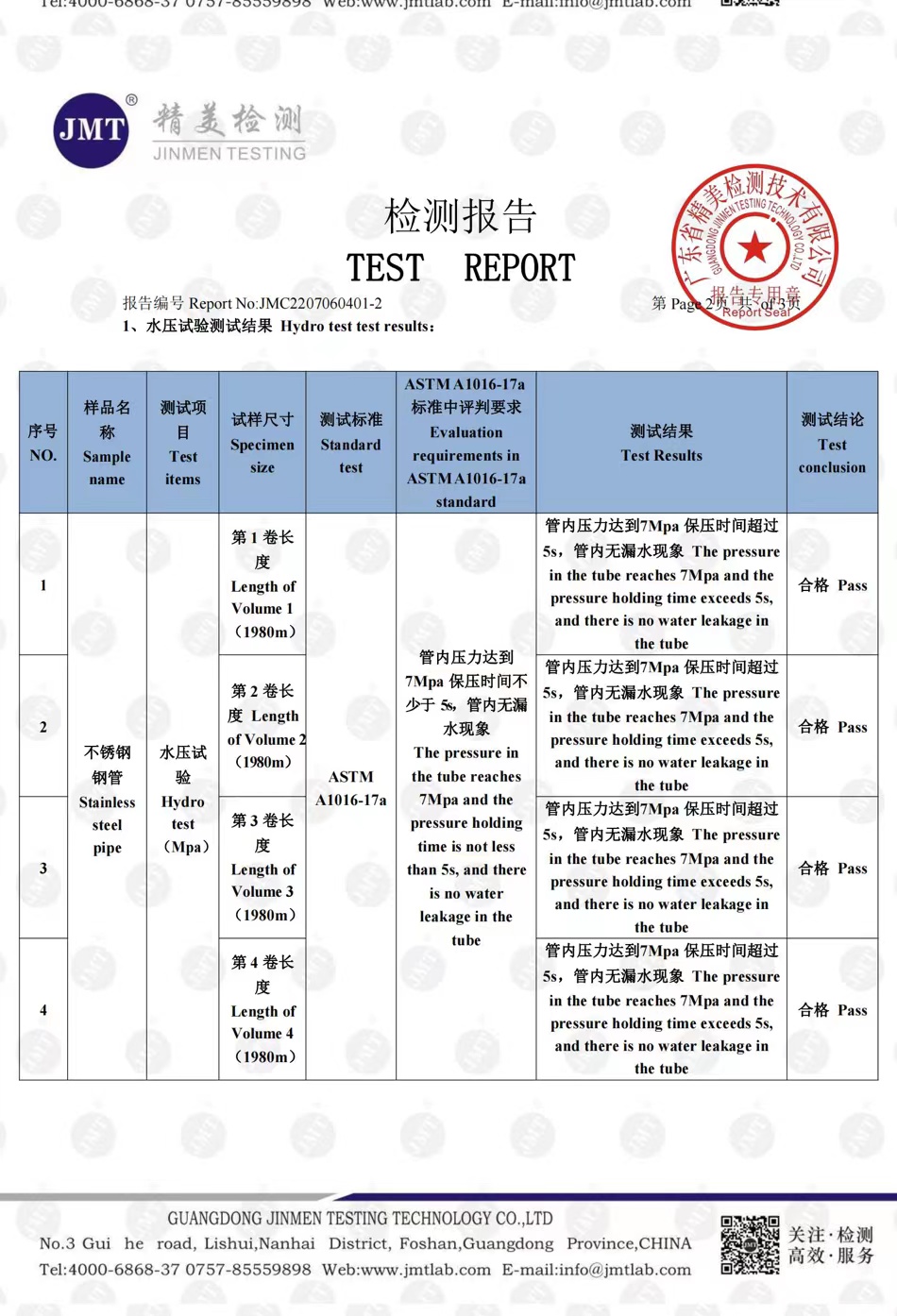
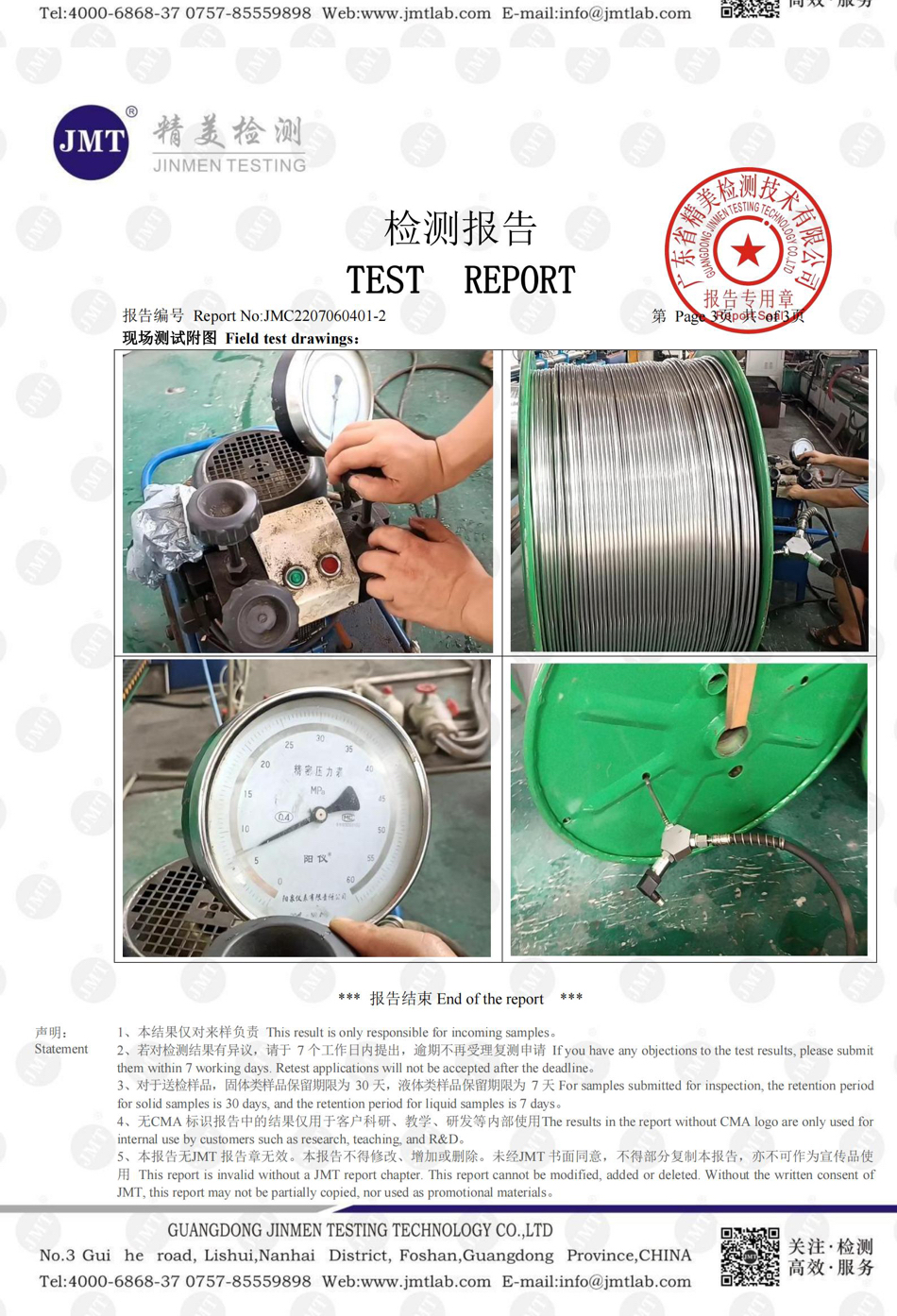
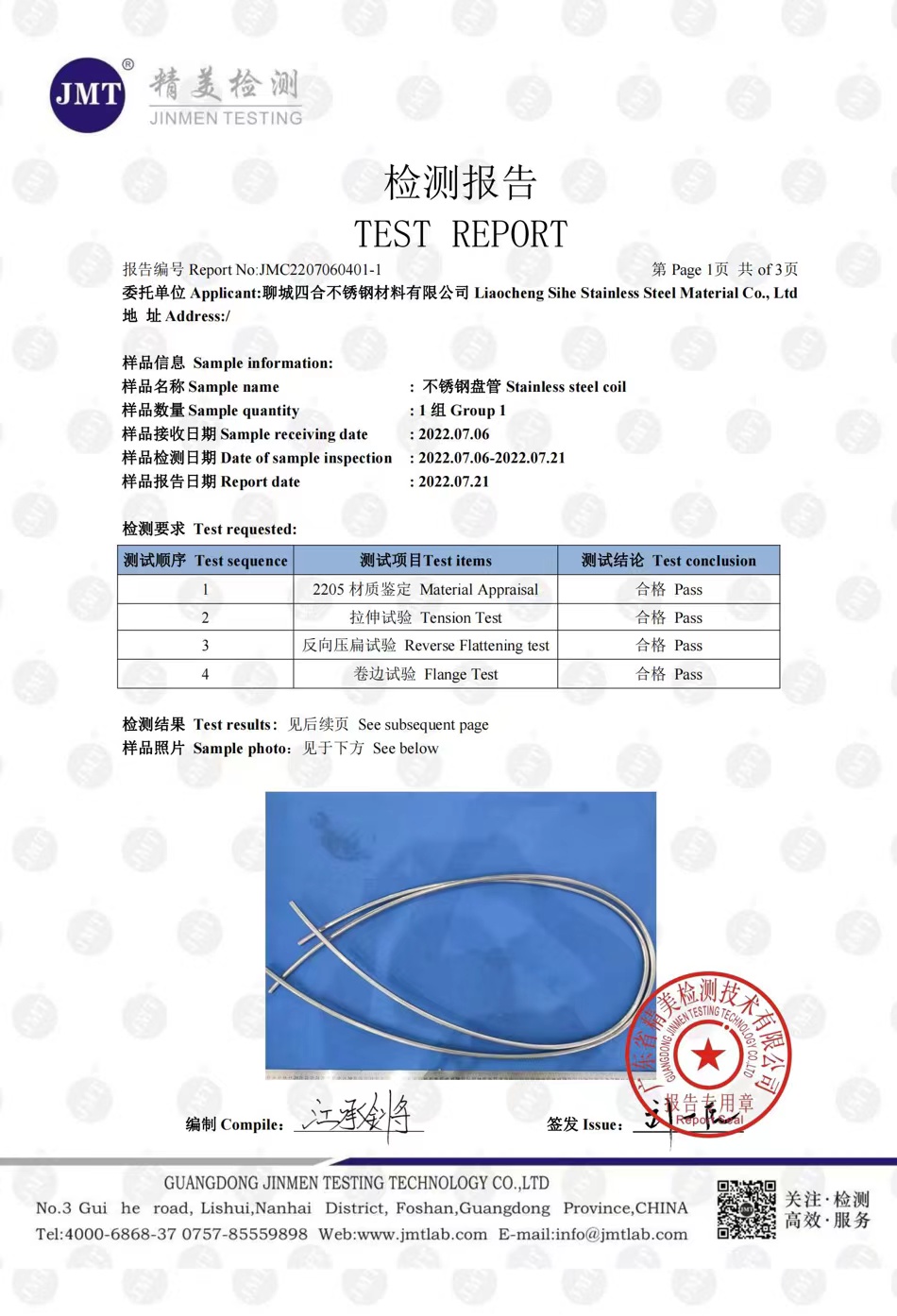
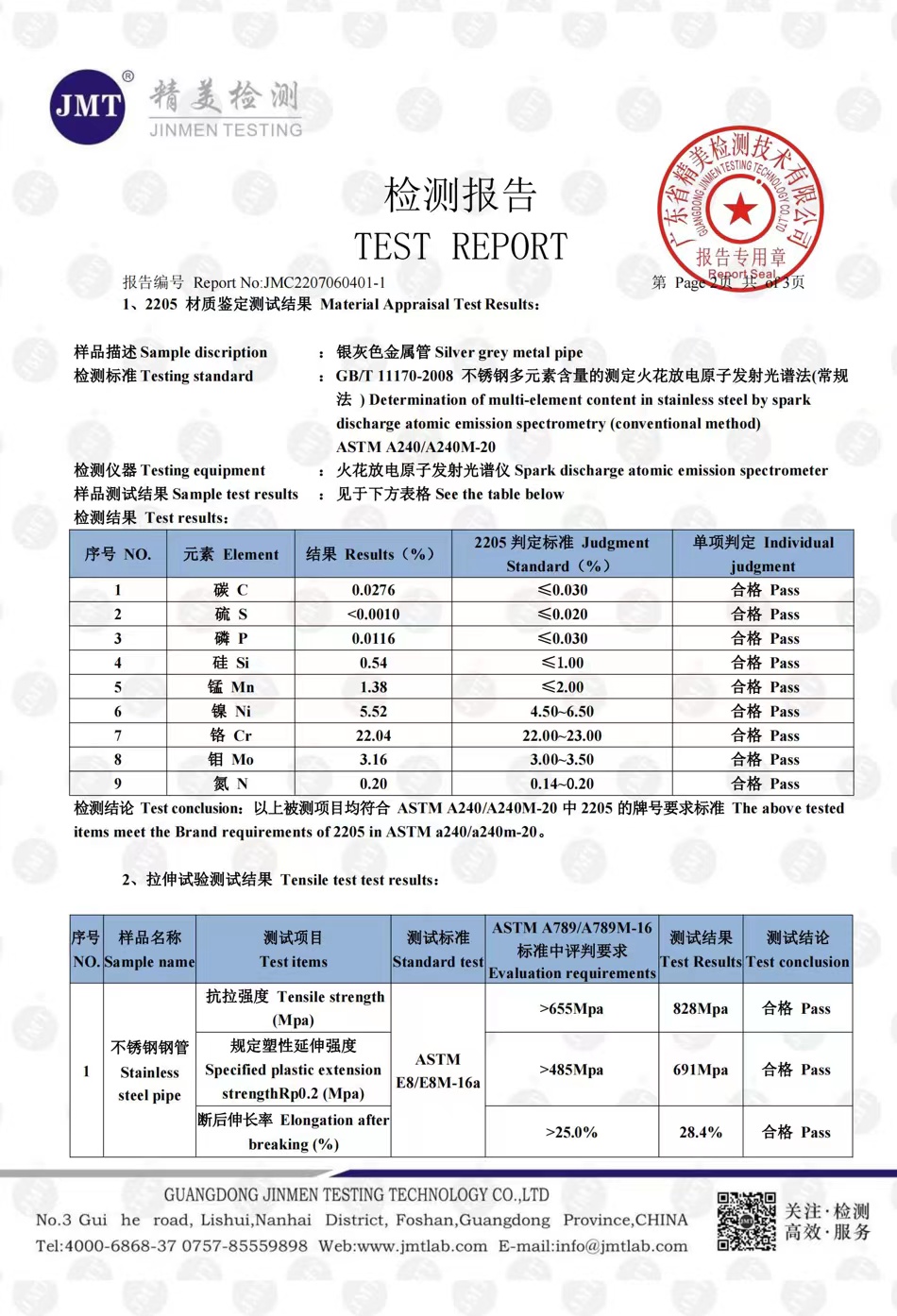
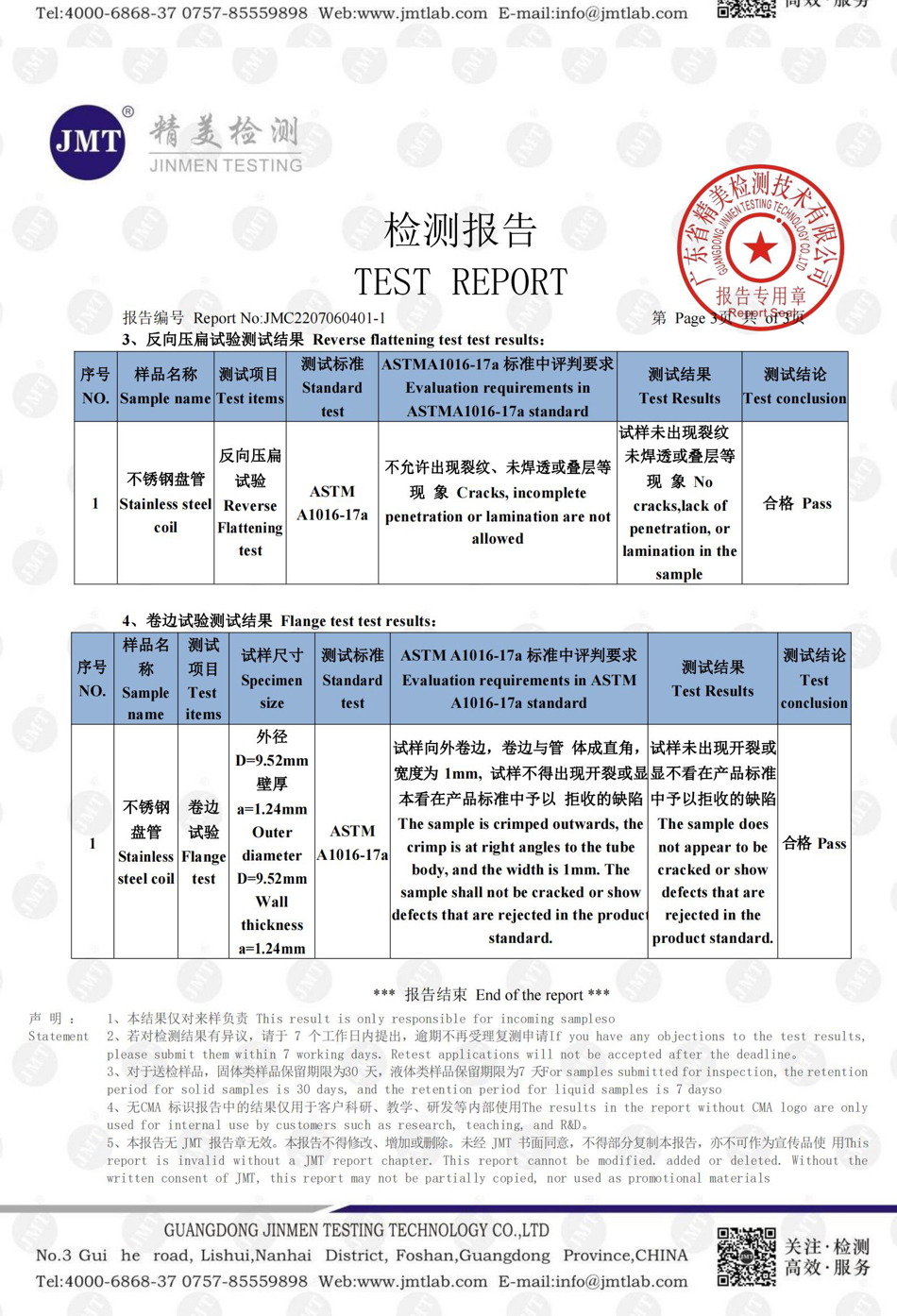
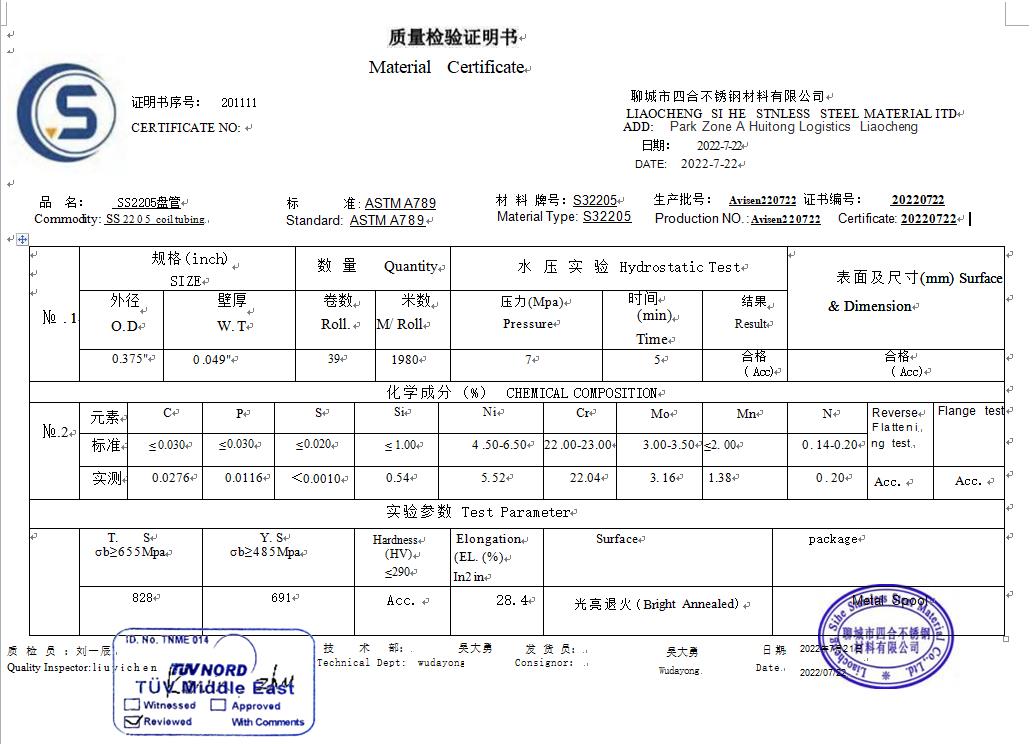
Our material catalog features a wide selection of corrosion-resistant alloys, including austenitic grades (304/304L, 316L, 321, 317L, 309S, 310S), duplex steels (2205, 2507), and nickel-based superalloys (Incoloy 800/825, Inconel 625). To ensure metallurgical reliability, we utilize inline bright annealing systems along with strict testing protocols: 100% hardness tests, tensile testing, pneumatic leak detection, and flaring/bending verification.
Today, our products are exported to over 30 countries and regions, including the United States, Germany, Spain, South America, Southeast Asia, and the Middle East. We specialize in custom dimensional specifications, providing continuous coiled tubing in outer diameters from 0.125 inch (3.175 mm) up to 1 inch (25.4 mm), with wall thicknesses up to 0.165 inch (3 mm).
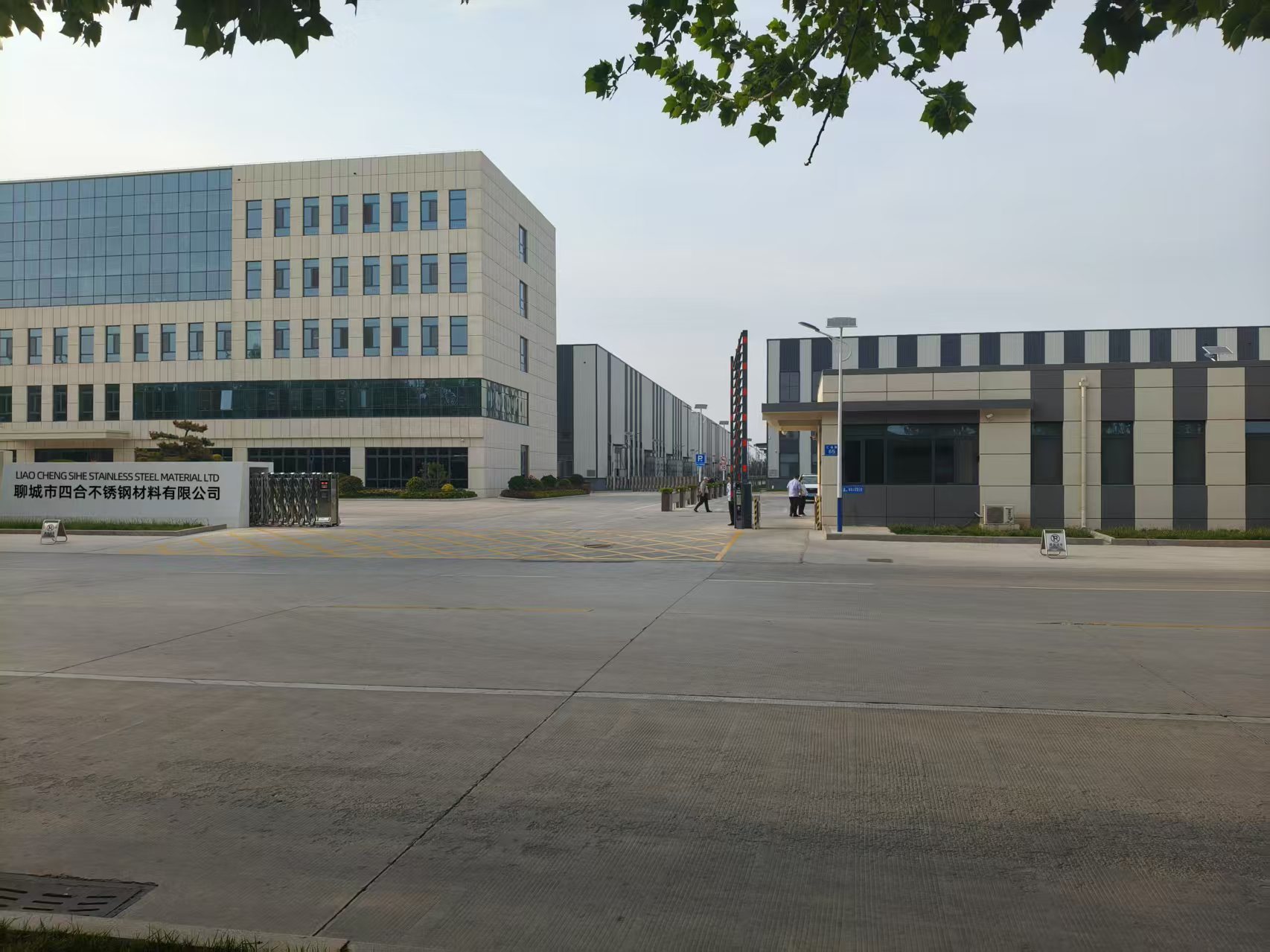
Custom fabrication and processing services tailored to demanding piping layouts and engineering specifications.
We process various materials (including 304, 316L, and 2205) in diameters ranging from 6.35 mm to 19 mm to match specific design requirements.
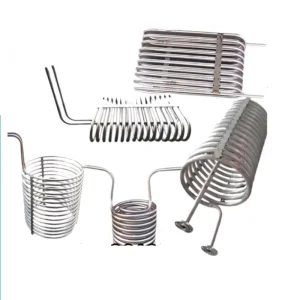
Specialized fabrication options, including complex bending, spiral forming, and precision drawing, designed for heat exchanger assemblies.
Laser and mechanical cutting services that achieve tight dimensional tolerances with clean, burr-free ends.
Precision flanged joints designed for reliable connections in automotive exhaust systems, chemical pipelines, and instrument lines.
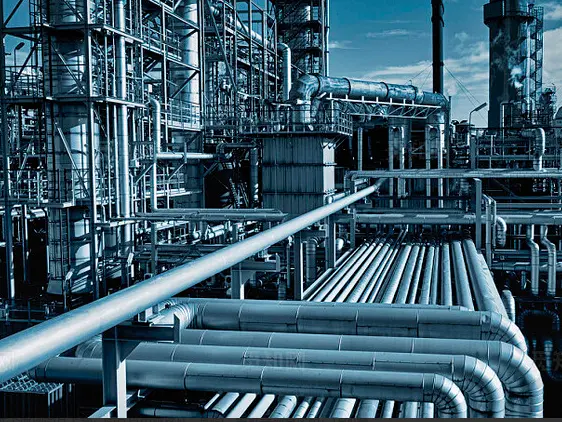
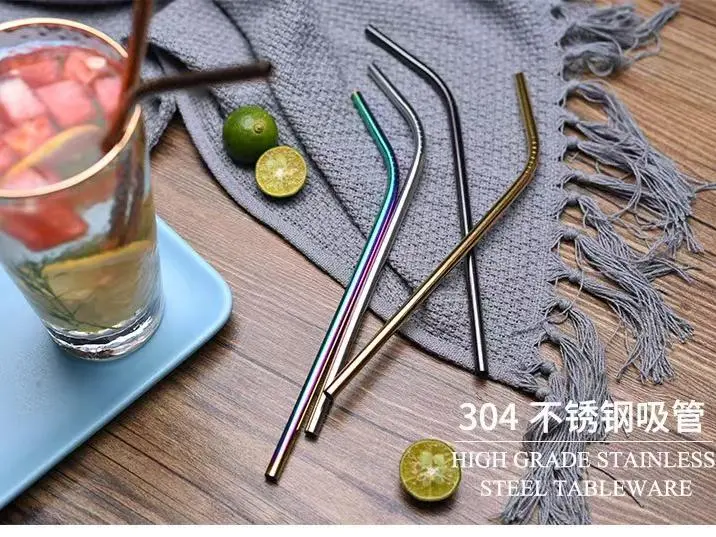
Explore our key application areas, showing where our high-performance tubing is integrated into global industrial systems.
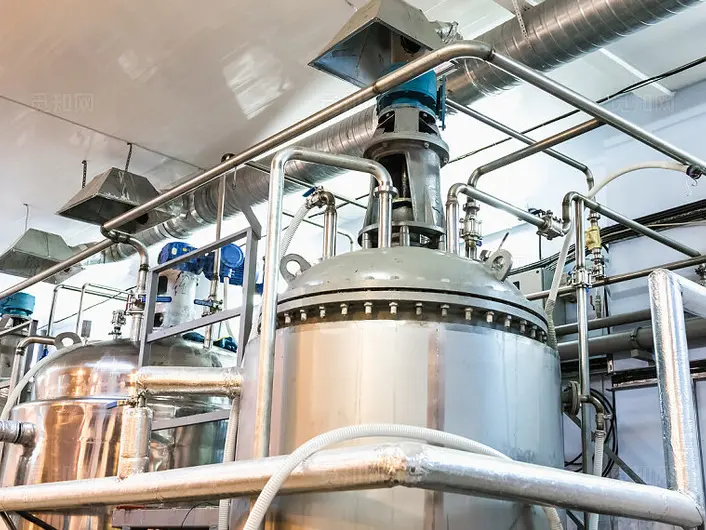
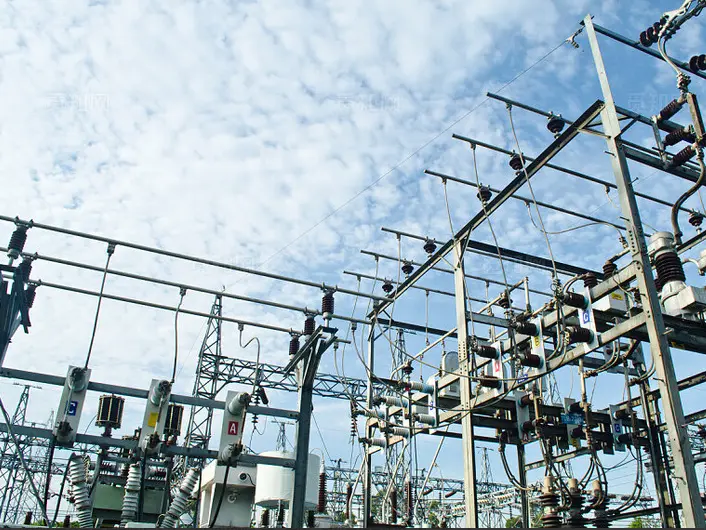
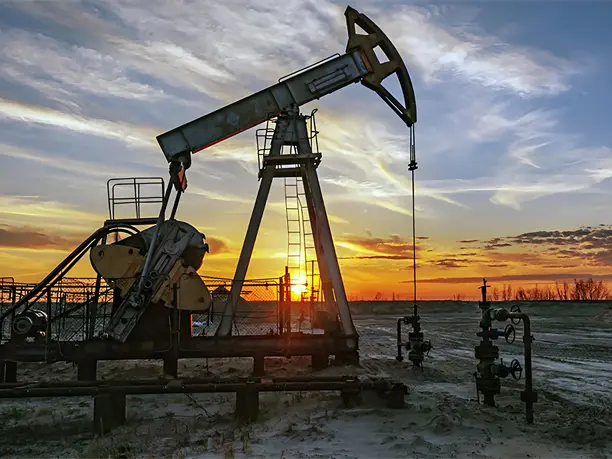
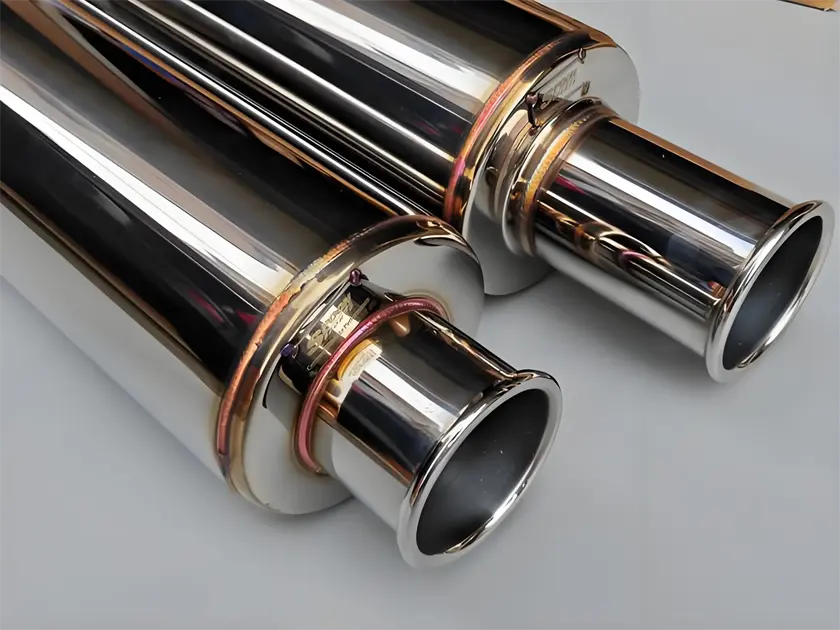
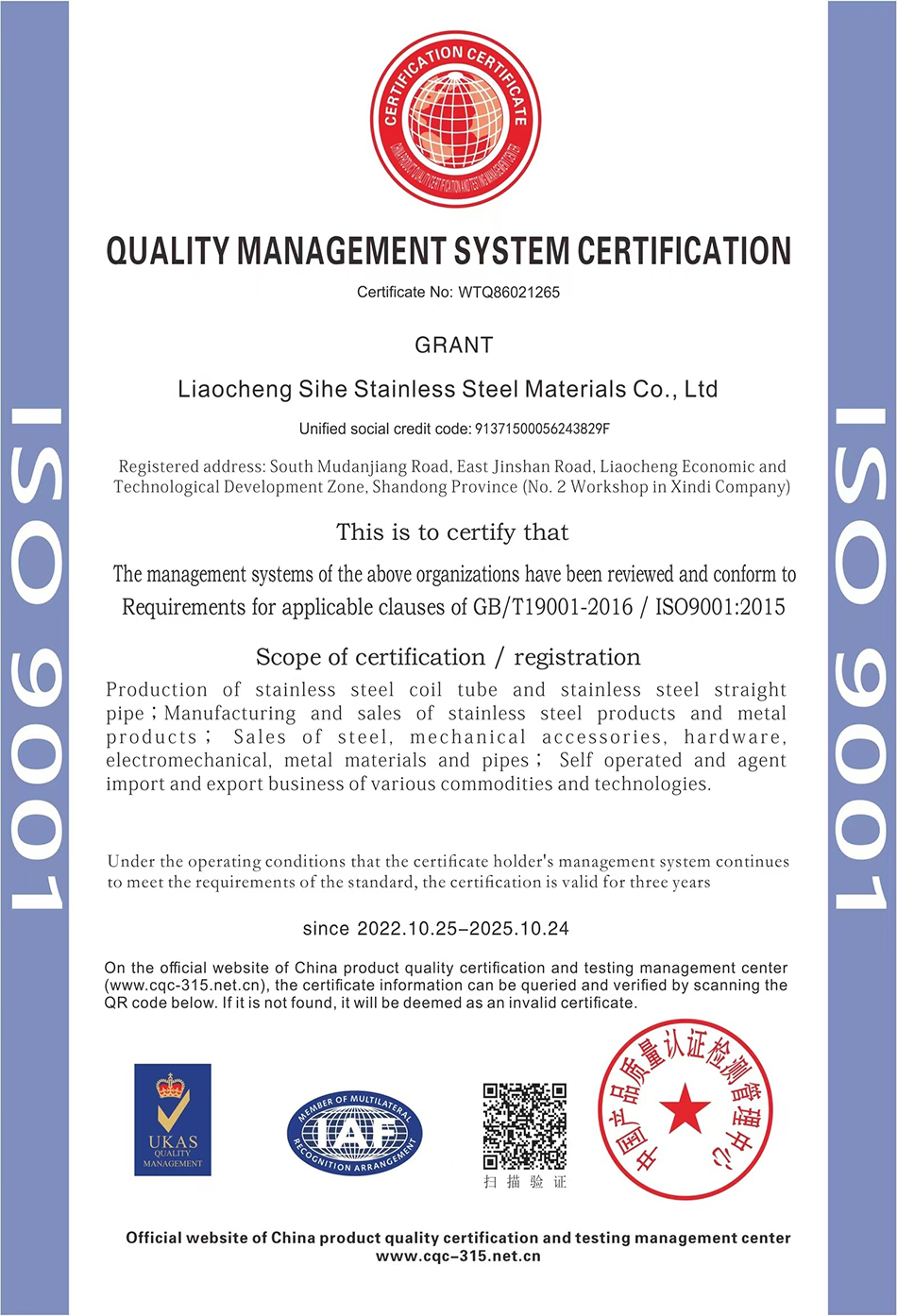
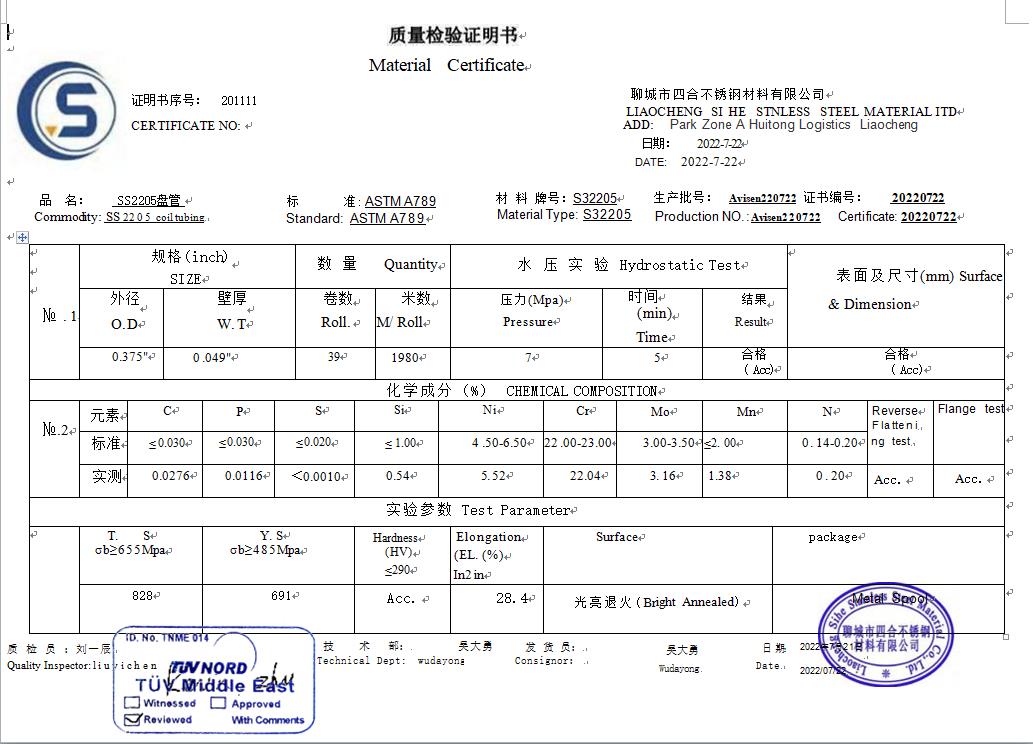
Our manufacturing and testing protocols are fully certified by leading international verification authorities.
Find answers to common questions about technical specifications, quality assurance, and order logistics.
Explore our specialized range of high-performance piping, engineered for critical applications and harsh industrial environments.