 Sihe Steel
Sihe Steel
Sihe Steel
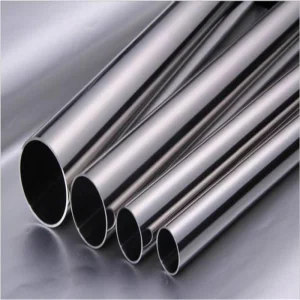
Select premium alloy heat exchanger tubes, sheets, and capillary lines engineered for corrosive and thermal environments.
310S (UNS S31008 / W.Nr. 1.4845) is a highly alloyed austenitic stainless steel engineered for service in extreme high-temperature environments. Below is the detailed breakdown of the alloy's structural advantages and its resistance threshold against oxidation.
The premium performance of 310S stainless steel heat exchanger tubes originates from its high chromium (24% to 26%) and nickel (19% to 22%) content. Unlike standard 304 or 316 grades, 310S maintains high creep strength and structural stability at temperatures up to 1035°C (1895°F) in continuous service, and up to 1150°C (2102°F) under cyclic thermal exposures. The low carbon content (0.08% max) significantly reduces carbide precipitation at the grain boundaries during welding or long-term thermal operation, keeping the metal ductile and preserving corrosion-resistant properties in the Heat Affected Zone (HAZ).
By preventing sensitization, 310S remains exceptionally resistant to oxidation, sulfidation, and moderate carburization. Industrial plants choose 310S to prevent mechanical scaling and surface degradation under extreme combustion gases.
| Element | Chemical Range (wt. %) | Core Engineering Function |
|---|---|---|
| Chromium (Cr) | 24.0% – 26.0% | Provides passive chromia layer; resists high-temperature oxidation. |
| Nickel (Ni) | 19.0% – 22.0% | Stabilizes austenitic structure; enhances ductility and thermal shock resistance. |
| Silicon (Si) | ≤ 1.50% | Acts as a powerful deoxidizer; improves scaling resistance. |
| Manganese (Mn) | ≤ 2.00% | Assists in deoxidation and increases hot workability. |
| Carbon (C) | ≤ 0.08% | Low carbon variant; inhibits intergranular carbide precipitation during thermal cycles. |
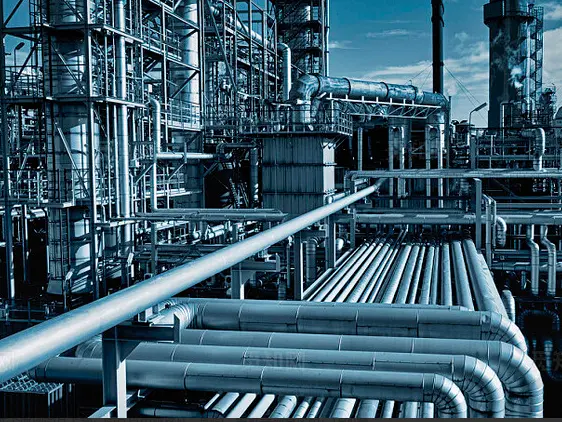
Under high energy costs and deep decarbonization pressures, high-temperature heat exchangers are critical components for thermal recovery systems.
Heavy manufacturing, refineries, and chemical synthesis plants are optimizing waste-heat recovery. Heat exchangers using 310S tubing capture high-grade heat from flue gas, reducing primary energy consumption and carbon footprints.
As standard products become commoditized, industrial buyers require custom configurations, certified testing, and direct-from-factory logistics to limit down-time. Liaocheng Sihe coordinates with logistics providers across North America, the EU, and Southeast Asia.
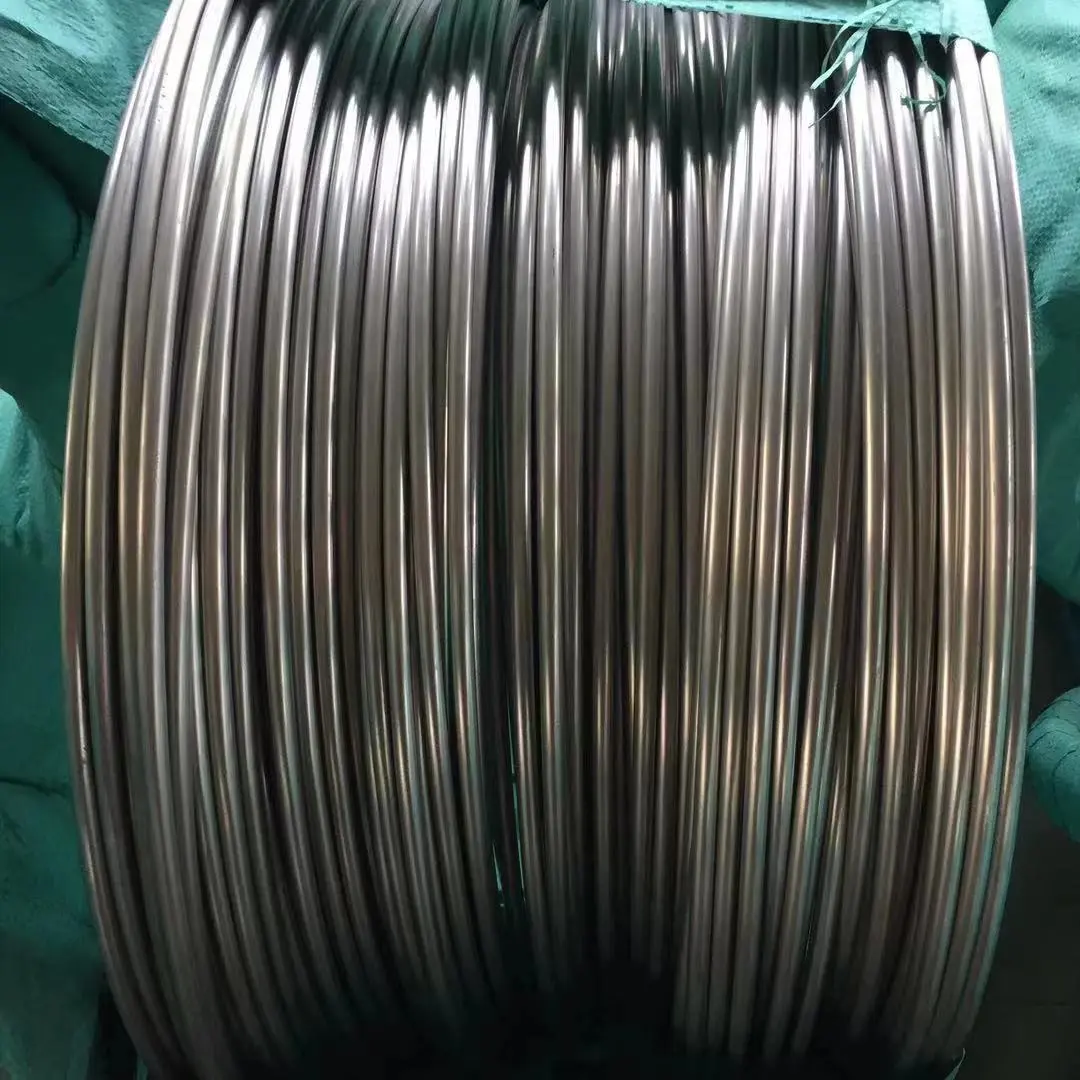
Traditional annealed tubes suffer from surface micro-roughness. Modern processes rely on Bright Annealing (BA) technologies to produce smooth, non-oxidized inner and outer tube walls, reducing flow drag and preventing ash fouling.
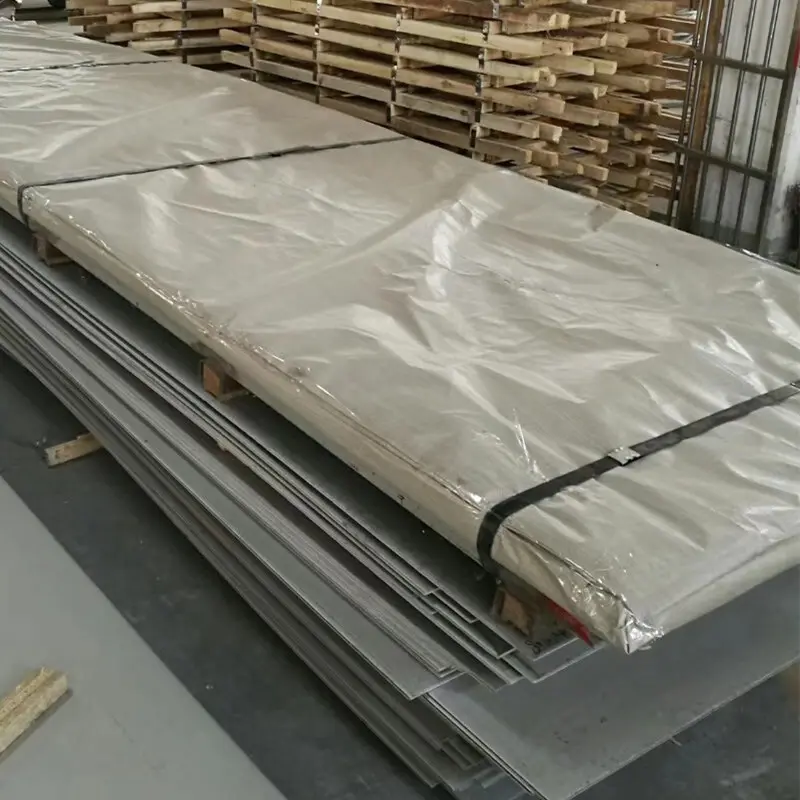
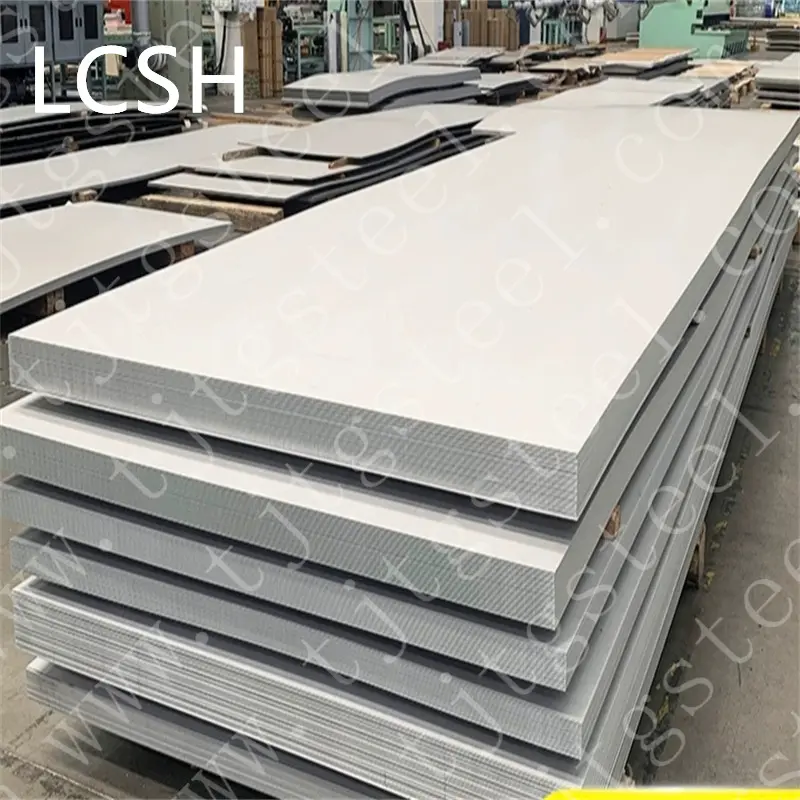
Our 310S tubing, sheets, and capillary lines are engineered for high-temperature and highly corrosive operating environments globally.
Used in catalytic cracking units, ethylene furnace tubes, and syngas coolers. The high nickel/chromium content resists carburization and sulfide scaling in hydrocarbon processing.
Maintains strength in superheater assemblies and reheat circuits, resisting coal ash corrosion and oxygen-rich combustion atmospheres.
Bright annealed 310S tubing provides clean internal surfaces, preventing particulate shedding and outgassing in high-temperature nitrogen/oxygen transport systems.
Resists chlorinated gas mixtures and acid condensation. The 310S alloy maintains structural integrity when exposed to municipal waste incineration flue gases.
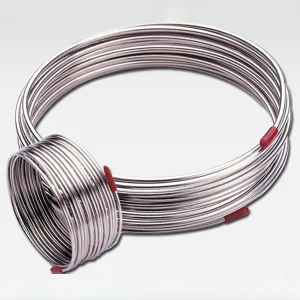
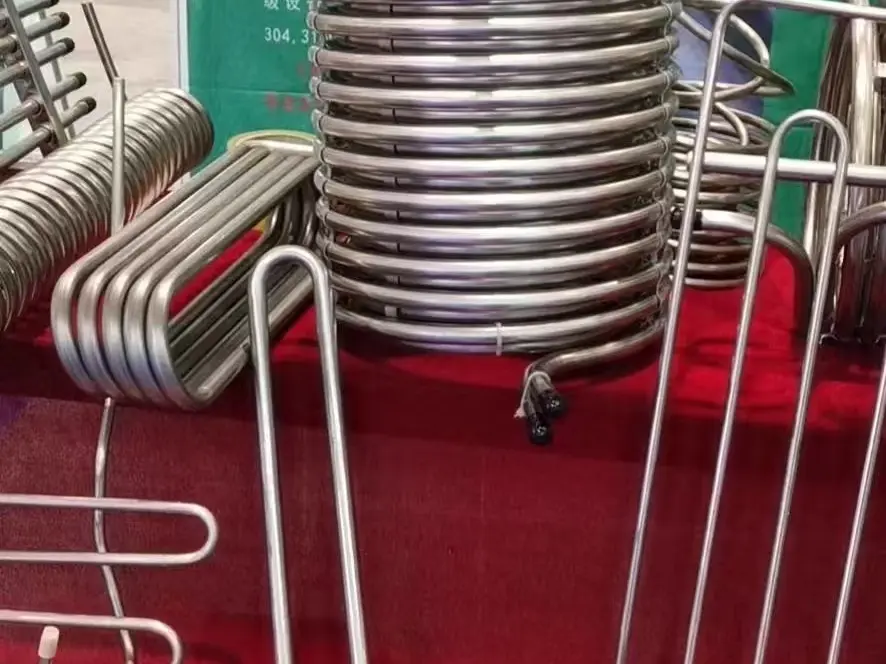
Operating from China, we specialize in seamless coiled tubing, heat exchanger pipes, sheets, and capillary systems.
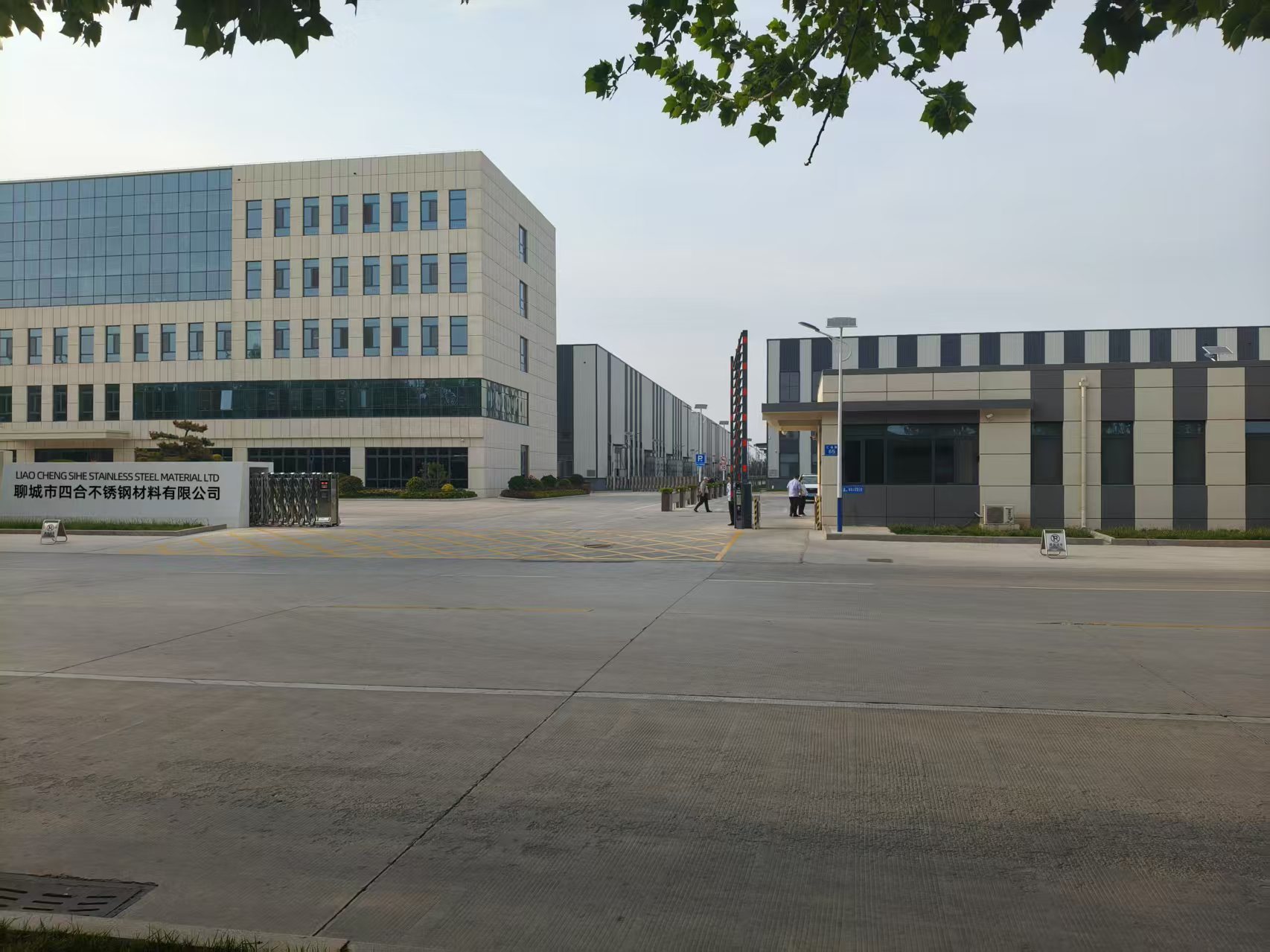
Liaocheng sihe stainless steel material LTD is a leading expert in the field of stainless steel coiled tube, stainless steel polishing tube, and stainless steel seamless coiled tubing. Sticking strictly to production standards such as GB, ASTM, ASME, JIS, and EN, our mill operates six production lines to manufacture sheets and pipes from standard austenitic grades to super duplex and high-nickel alloys: 304/304L, 316L, 321, 317L, 309S, 310S, INCOLOY800, Duplex 2205, Super Duplex 2507, Incoloy 825, and Inconel 625.
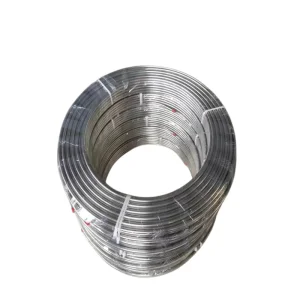
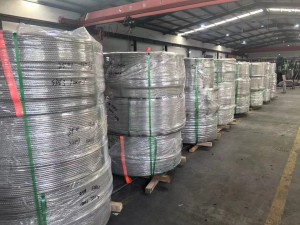
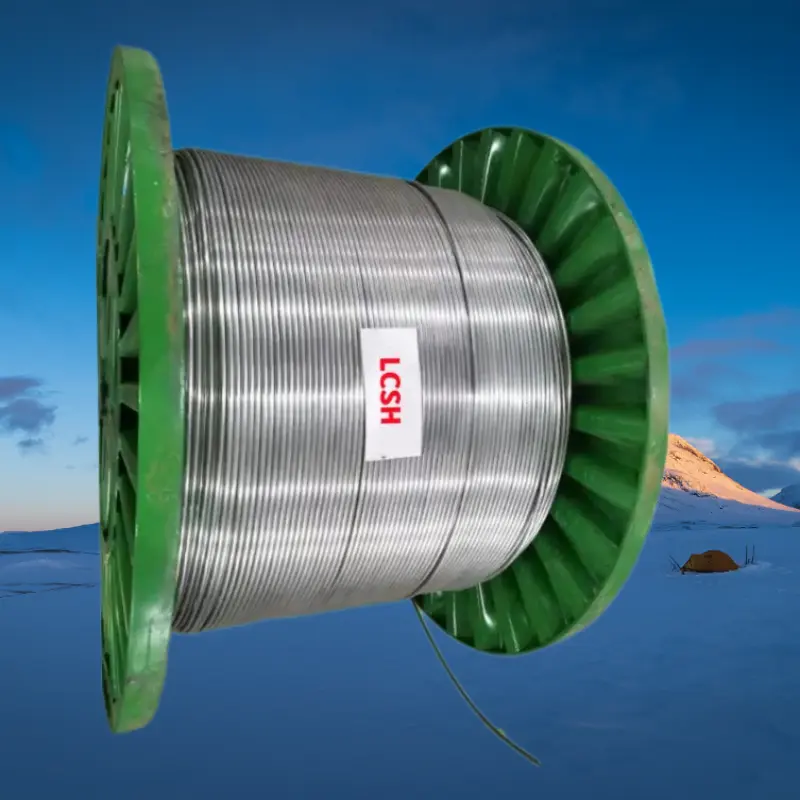
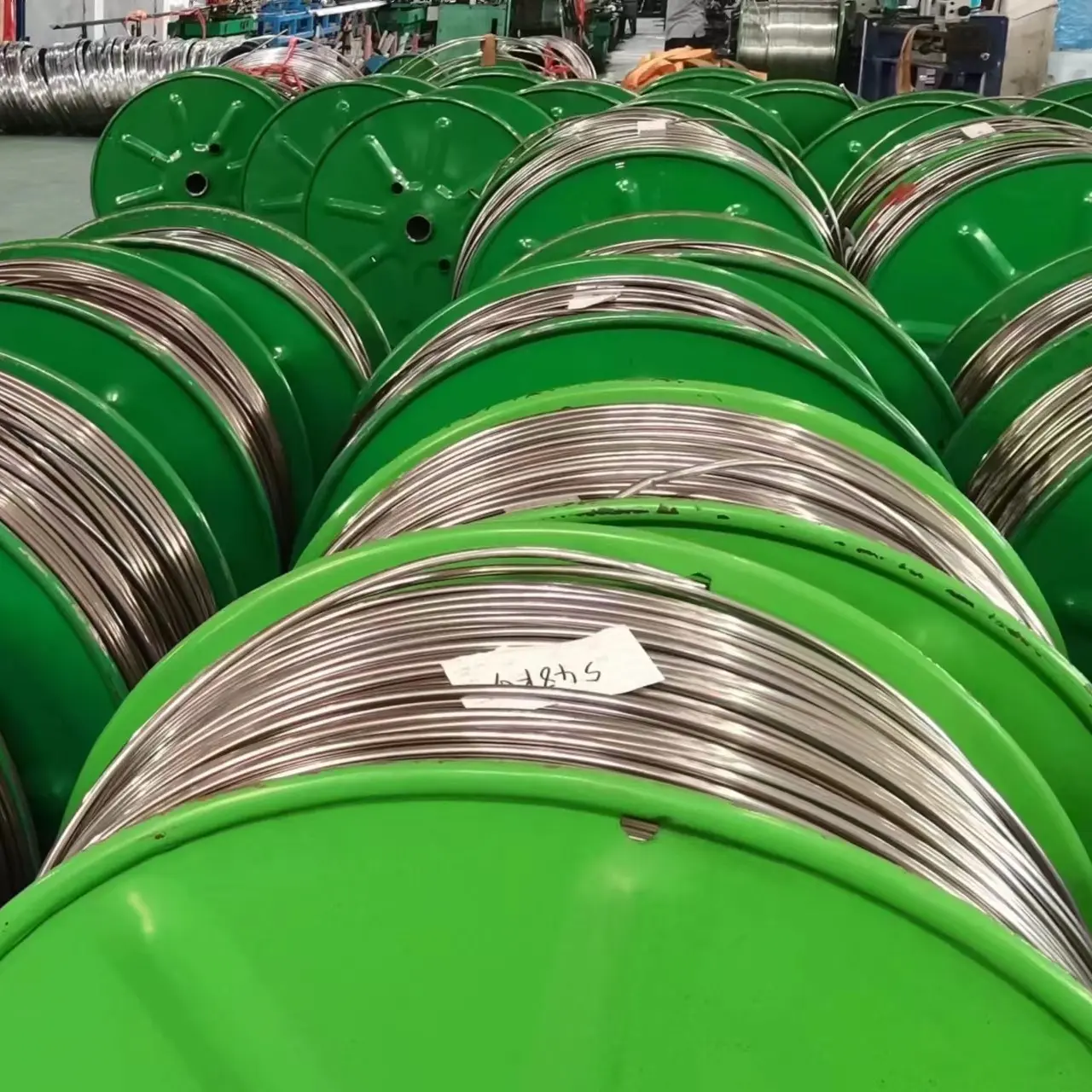
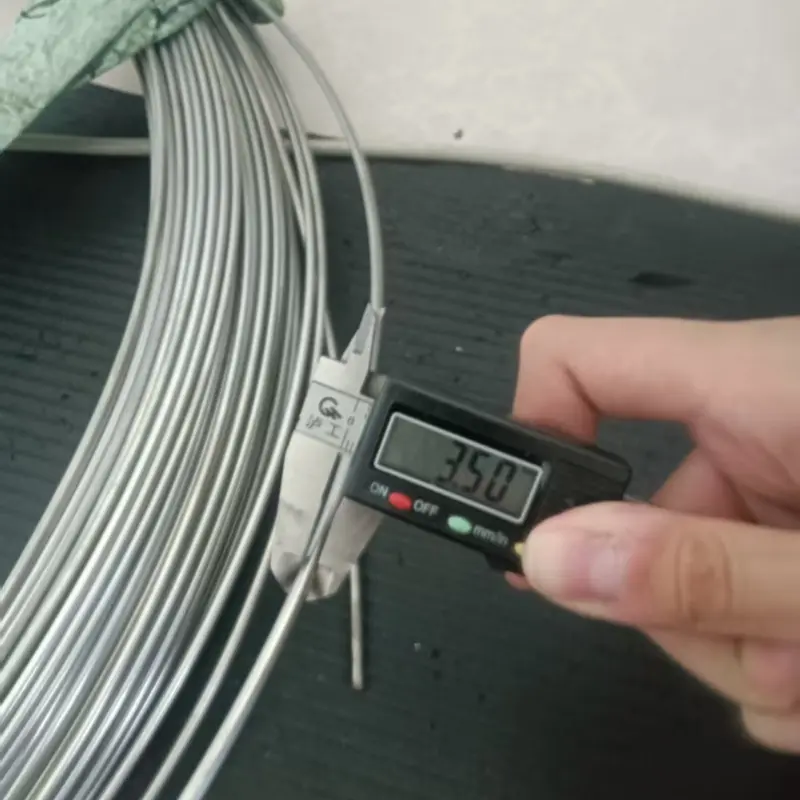
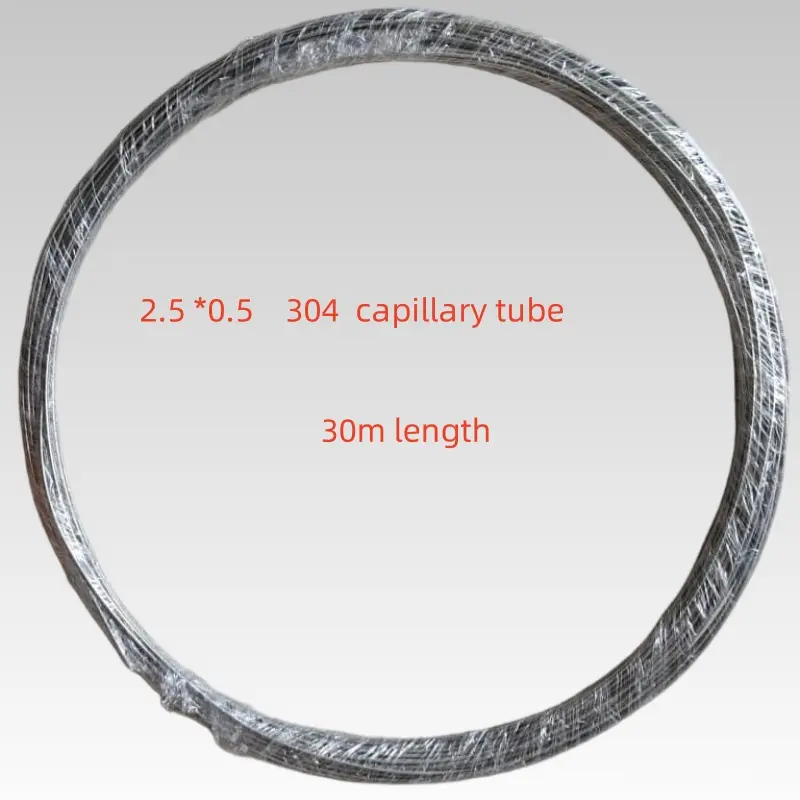
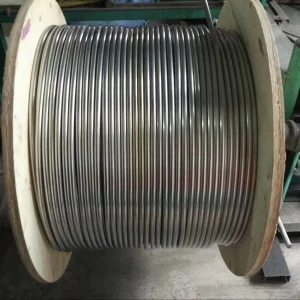
Coiled tubing is available in outer diameters ranging from 0.125 inch (3.175 mm) to 1 inch (25.4 mm), with wall thicknesses up to 0.165 inch (3 mm). We deliver continuous, weld-free lengths up to 32,800 feet (10,000 meters) for cost-effective umbilical and heat exchanger manufacturing, and offer customized dimensions to meet specific project needs.
As offshore oil and gas extractions move into deeper and harsher waters where extreme environments demand strict safety margins, we help you deploy the correct corrosion-resistant material for coiled umbilical tubing to improve system reliability. This objective drives our product development and engineering upgrades.
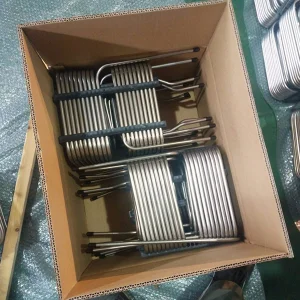
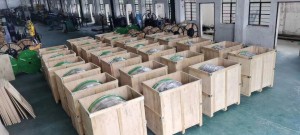
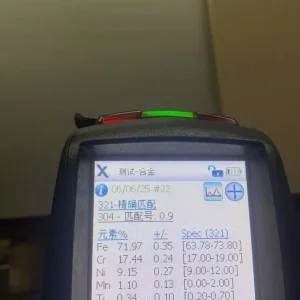
Liaocheng Sihe has manufactured stainless steel coils for over a decade. We utilize advanced bright annealing equipment to perform online tube softening. In addition, our standard quality control includes flaring, compression, bending, 100% hardness, tensile, and air tightness testing. We export to over 30 countries and regions, including the United States, Germany, Spain, South America, Southeast Asia, the Middle East, and Eastern Europe.
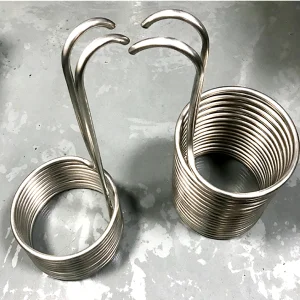
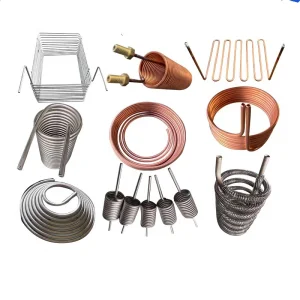
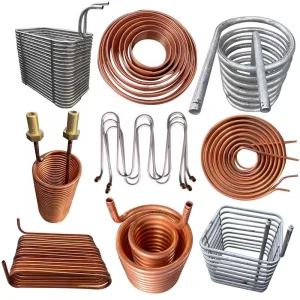
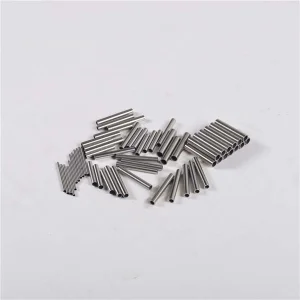
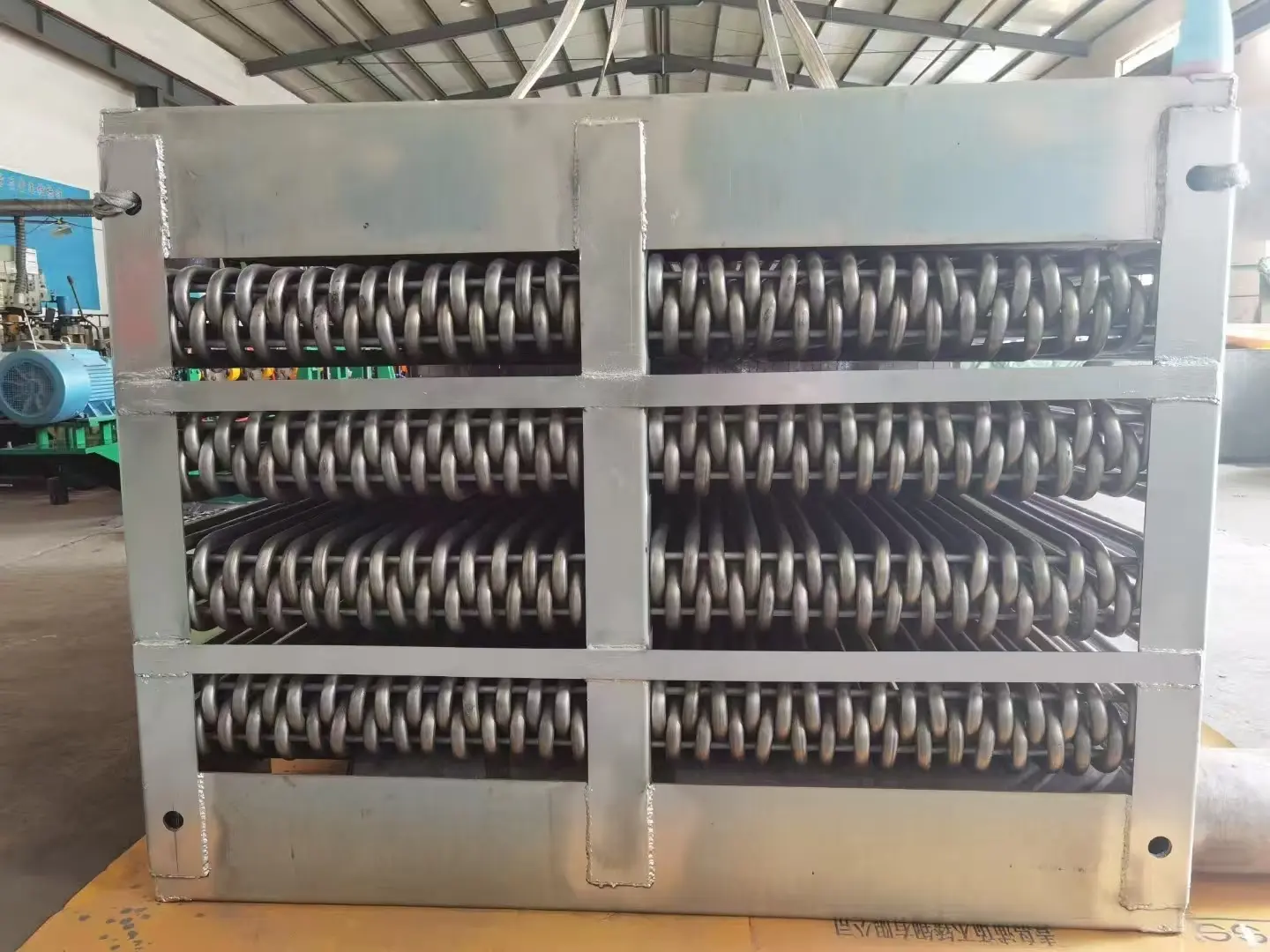
We provide custom fabrication, surface finishing, and quality inspection for projects requiring heat exchanger coils and precise capillary lines.
Supports various materials (e.g., 304, 316L, 2205, 310S) and specifications (diameter 6.35mm to 19mm) for stainless steel coils.
Includes bending, spiral forming, precision drawing, and other processes tailored for heat exchangers.
Laser cutting, mechanical cutting, or flame cutting for high-precision and efficient material processing.
Bright annealing, acid pickling, mechanical polishing, and passivation treatments to ensure corrosion-resistant surface properties.
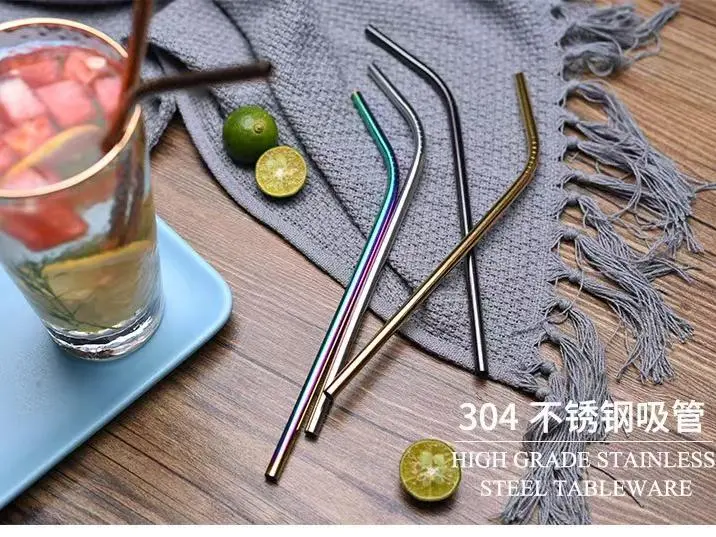
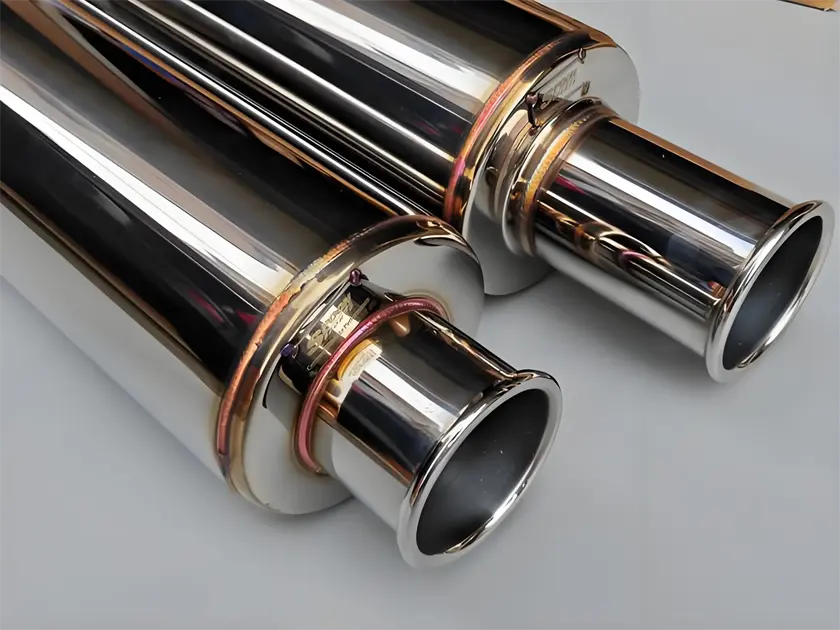
Used in automotive exhaust systems, chemical pipelines, and precision instrument connections.
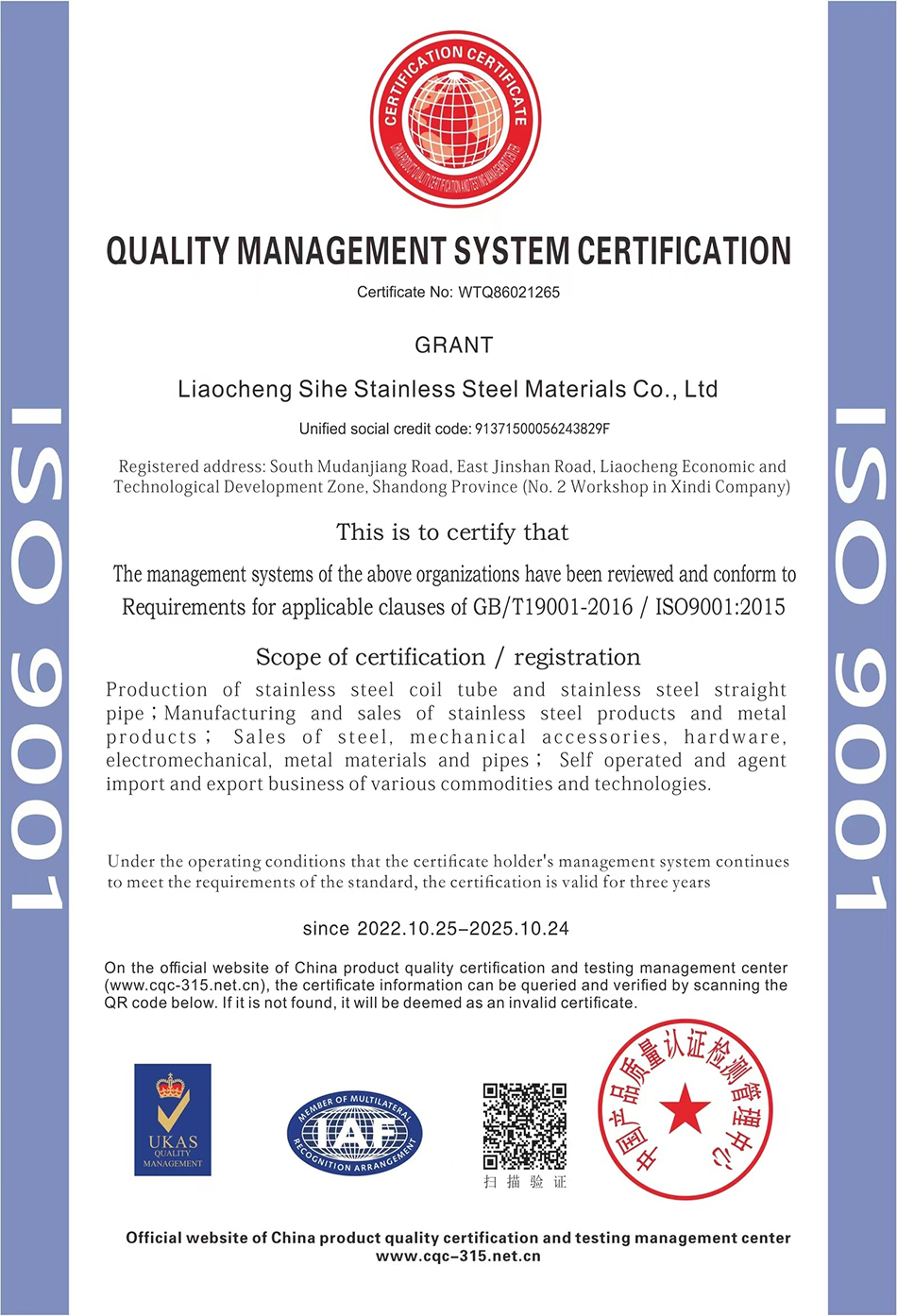
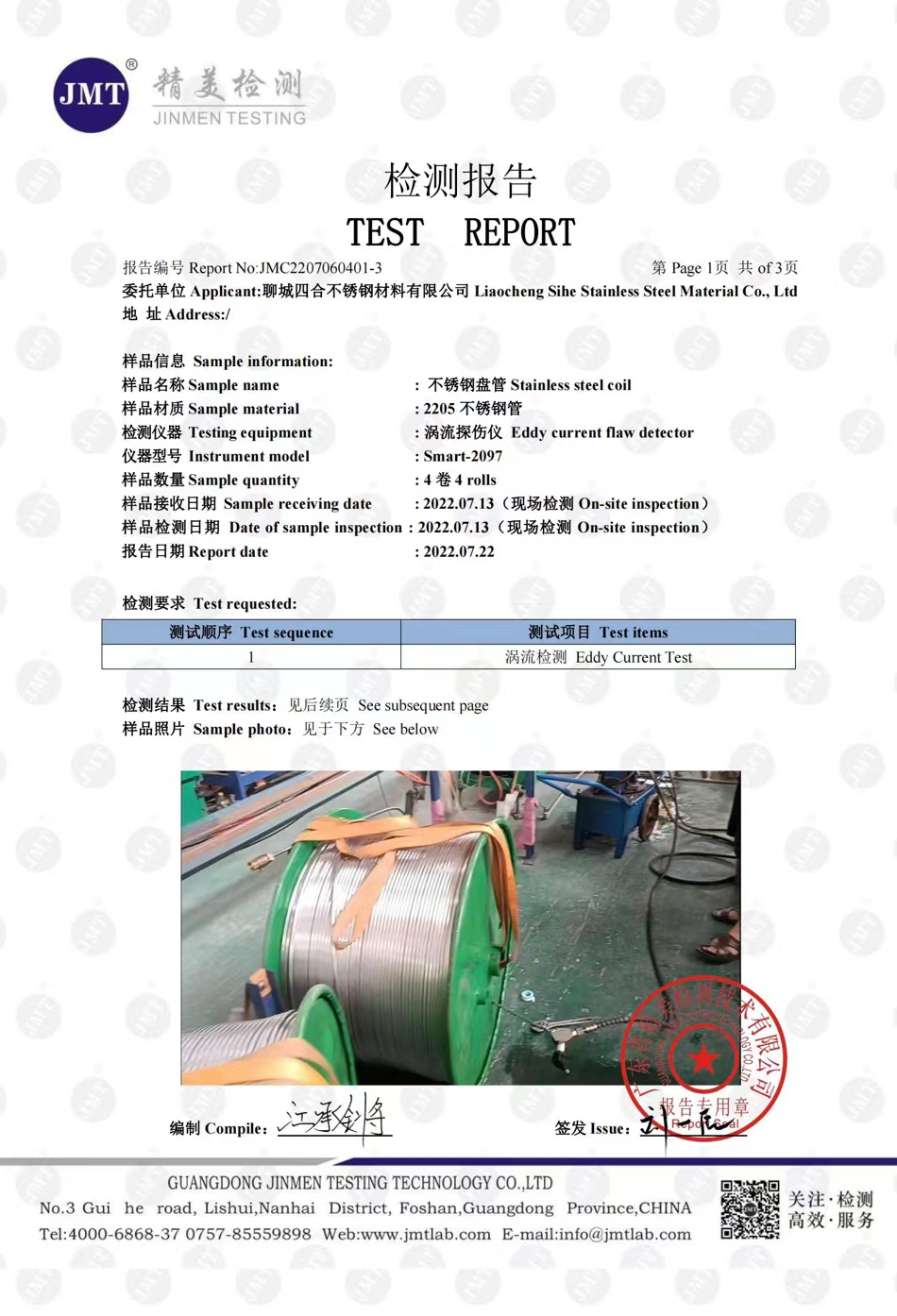
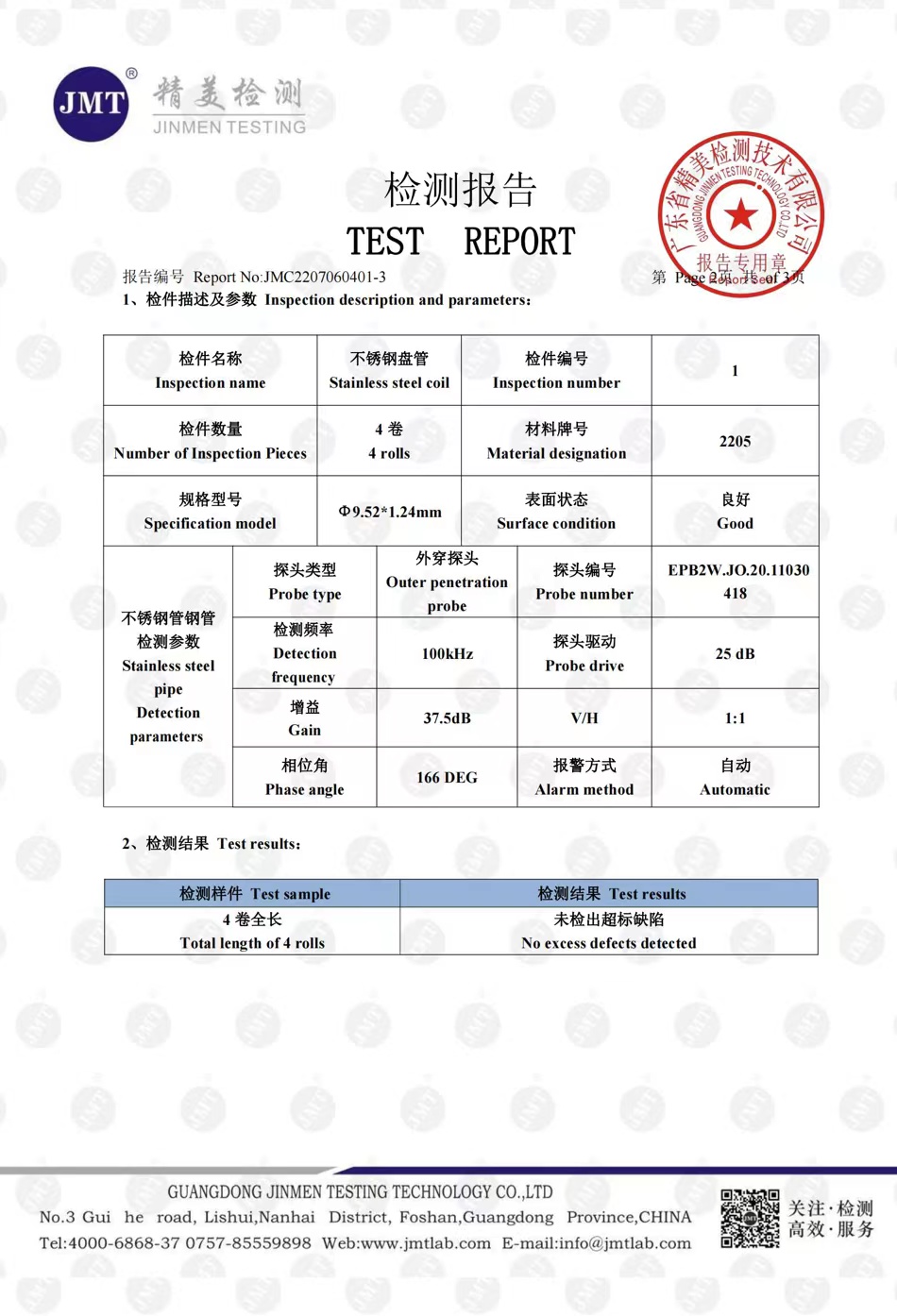
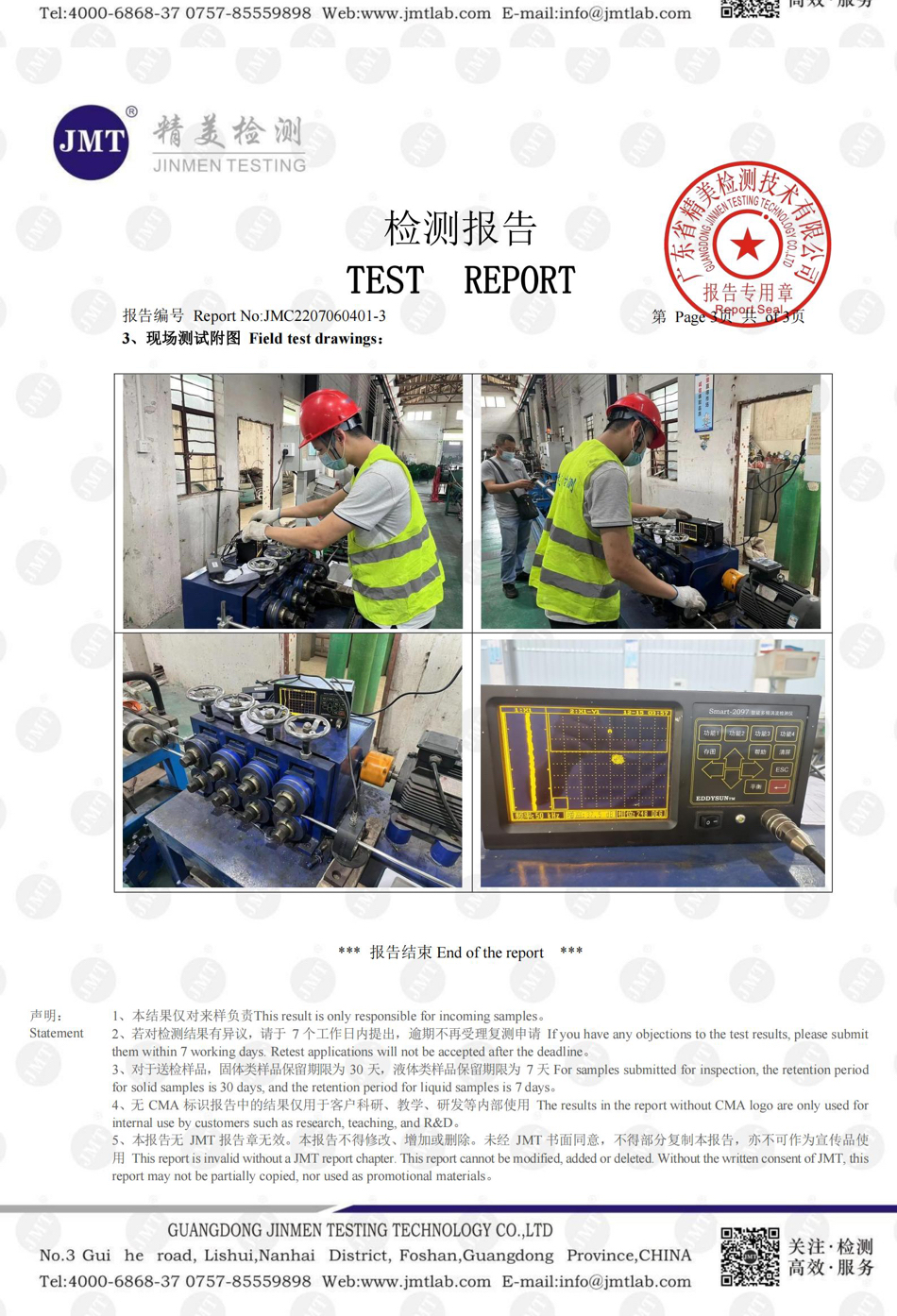
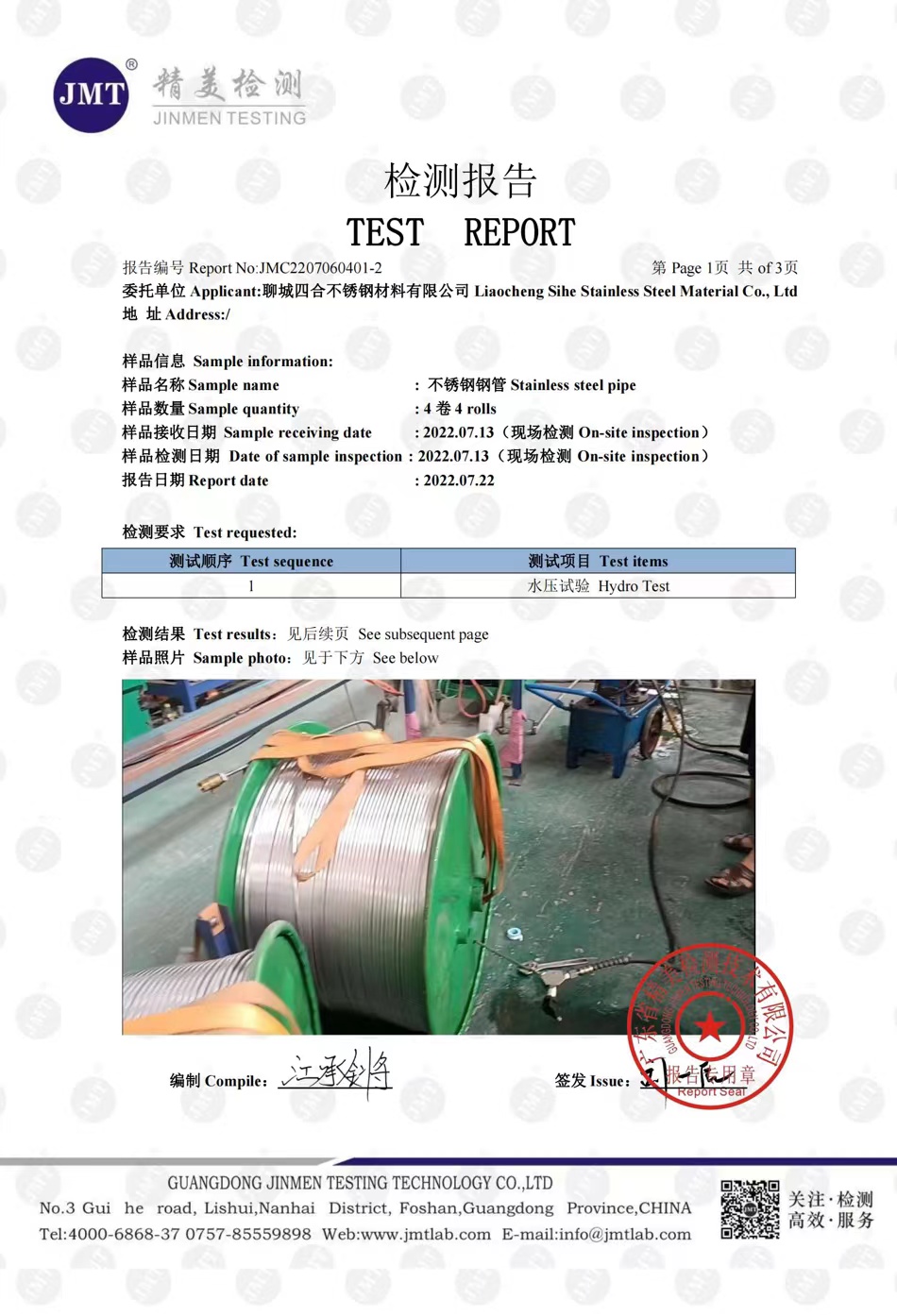
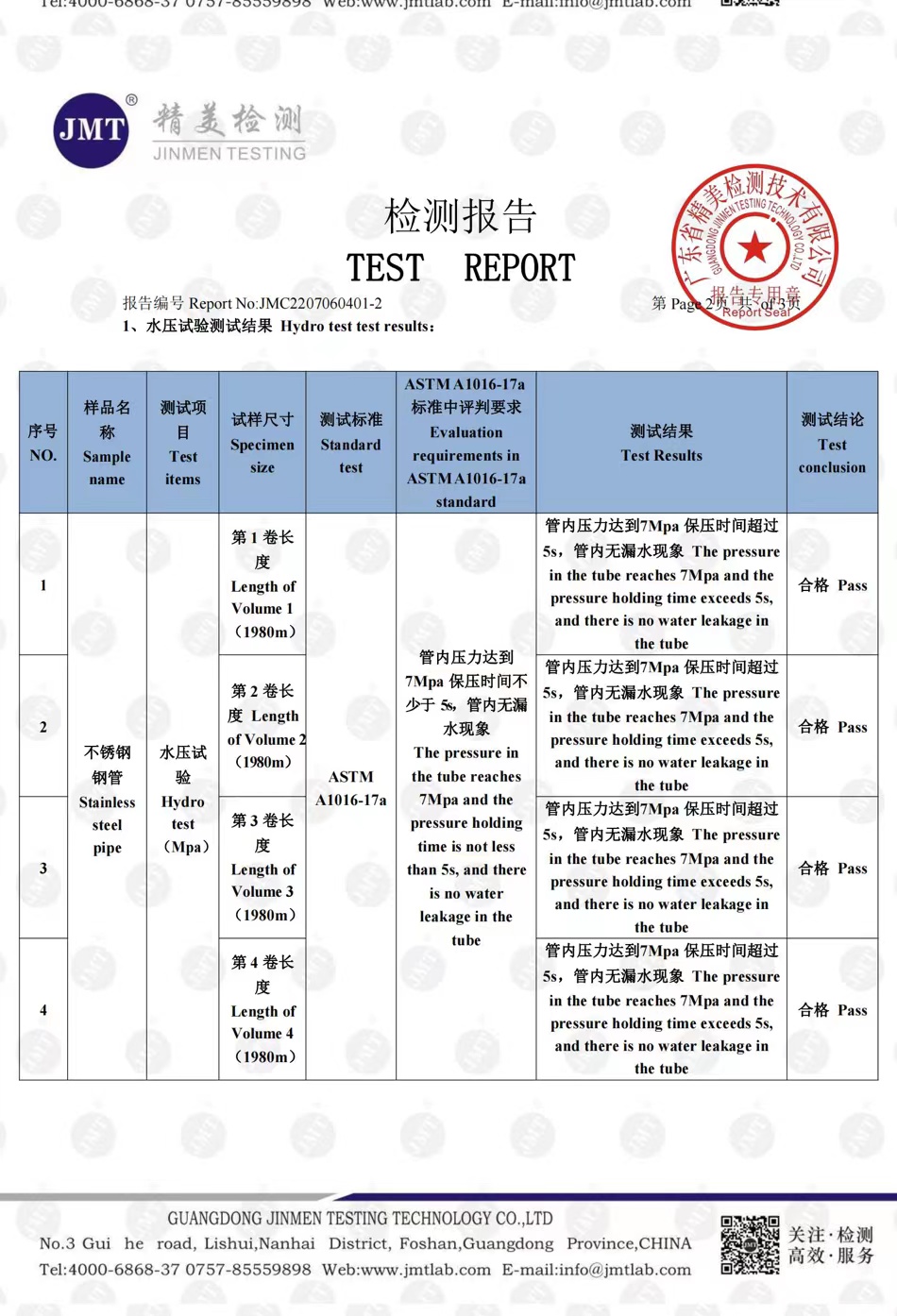
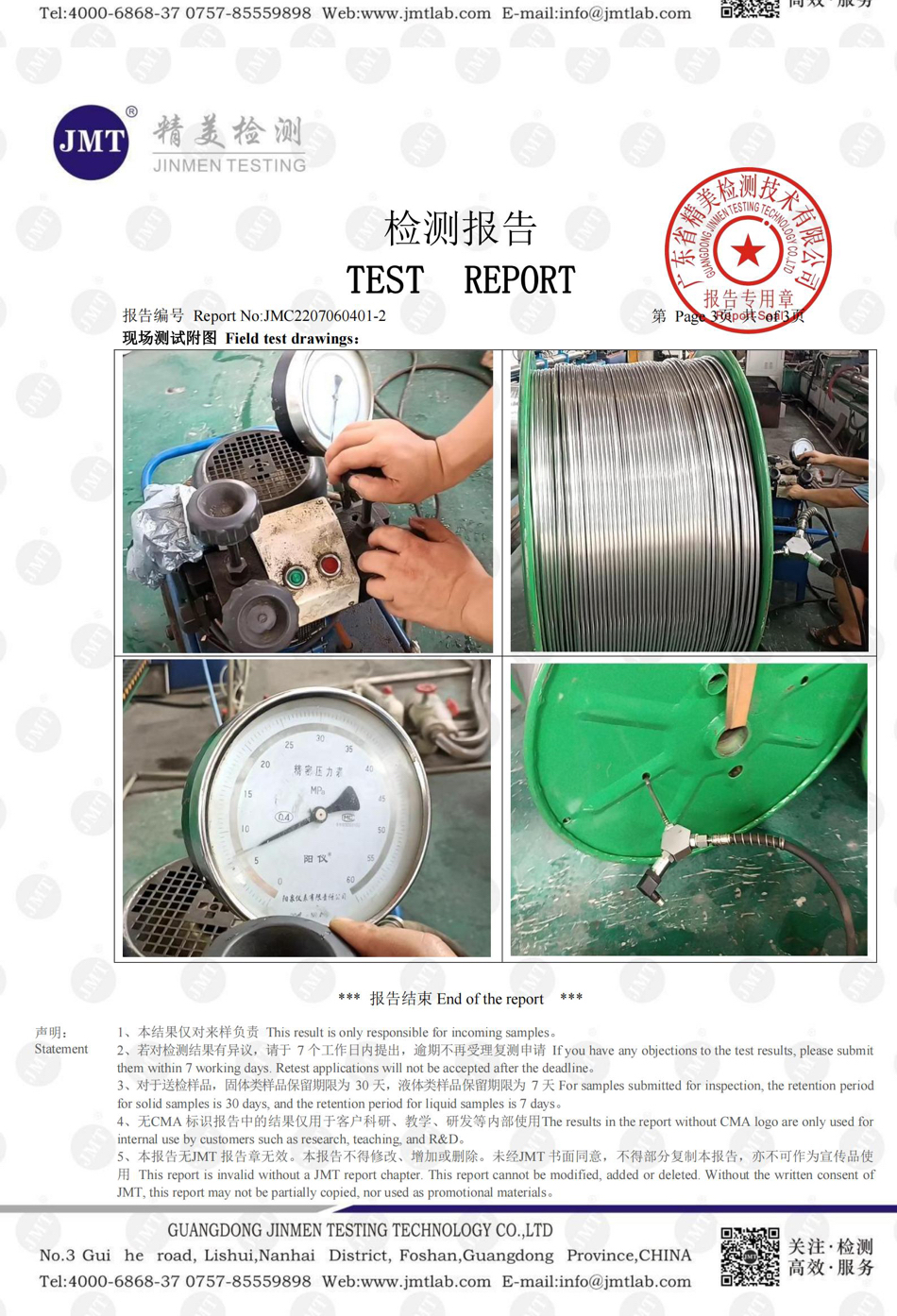
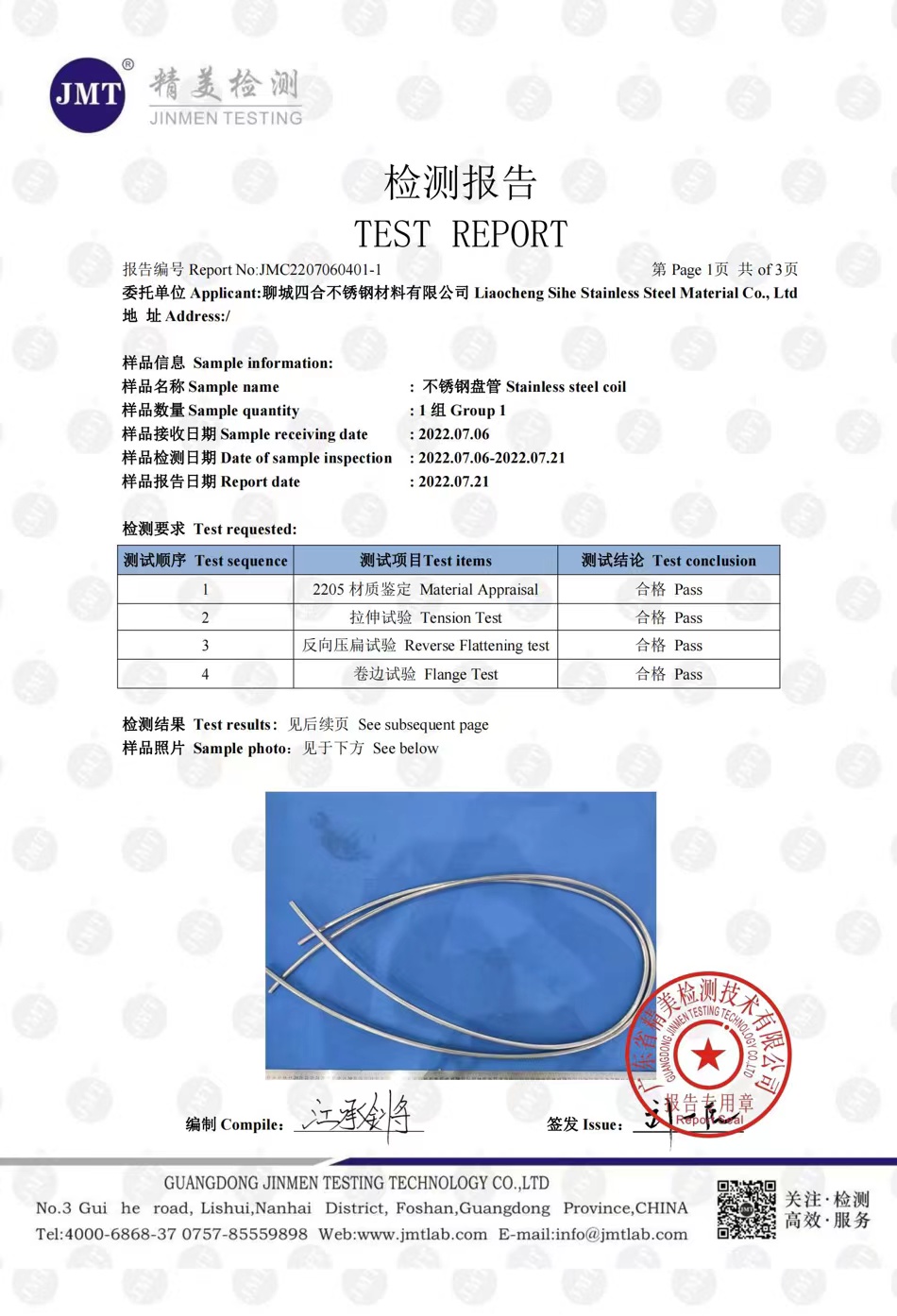
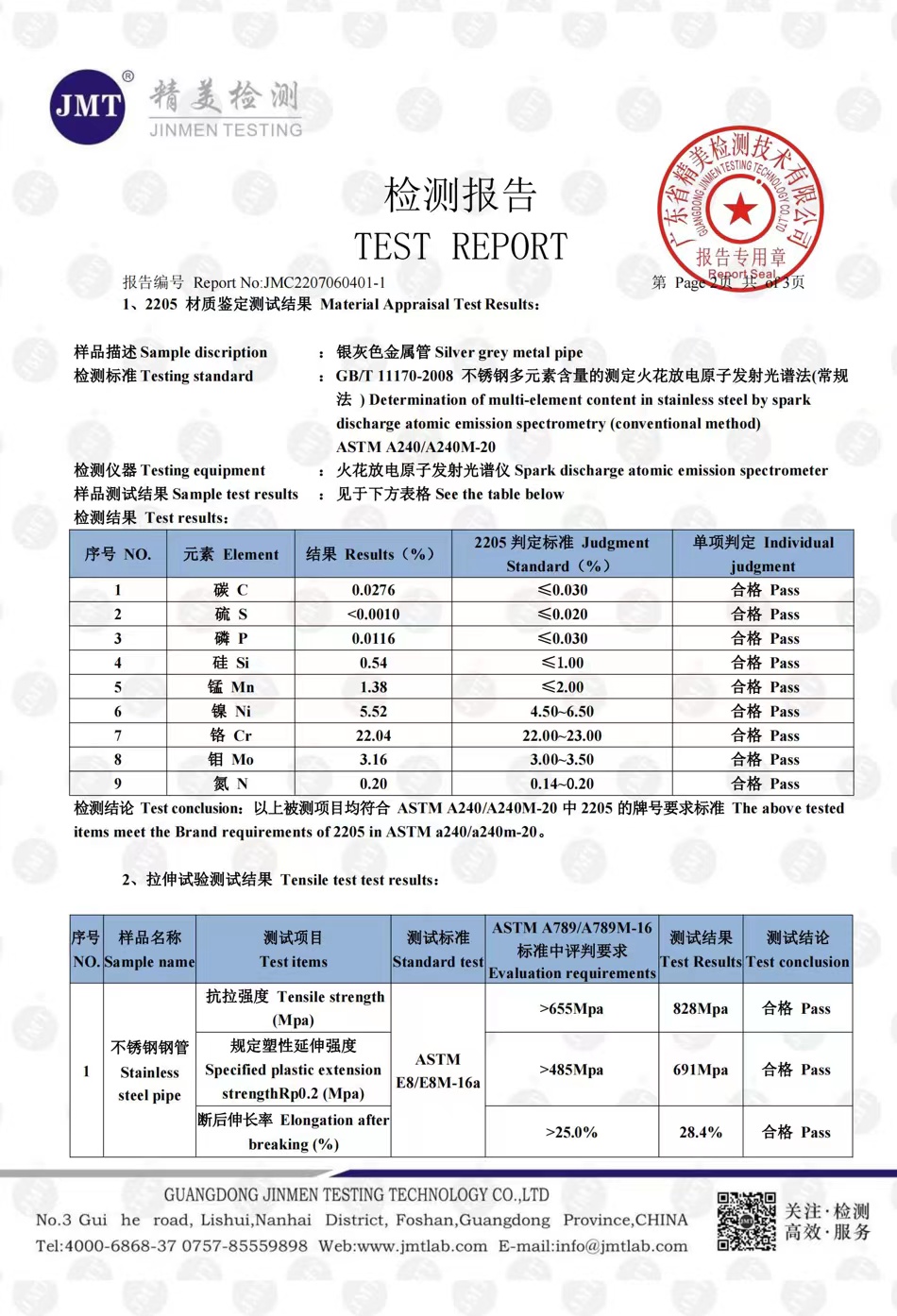
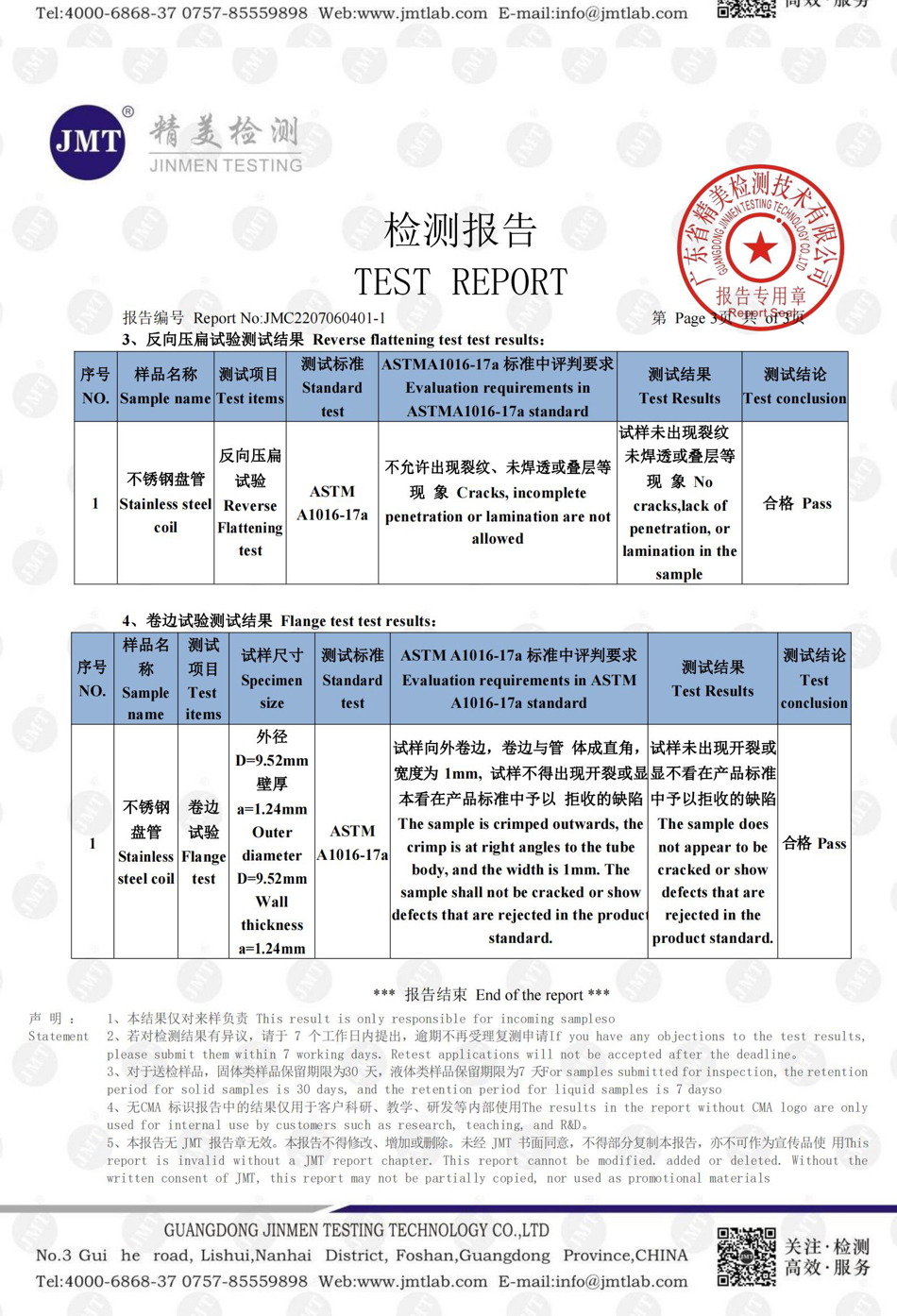
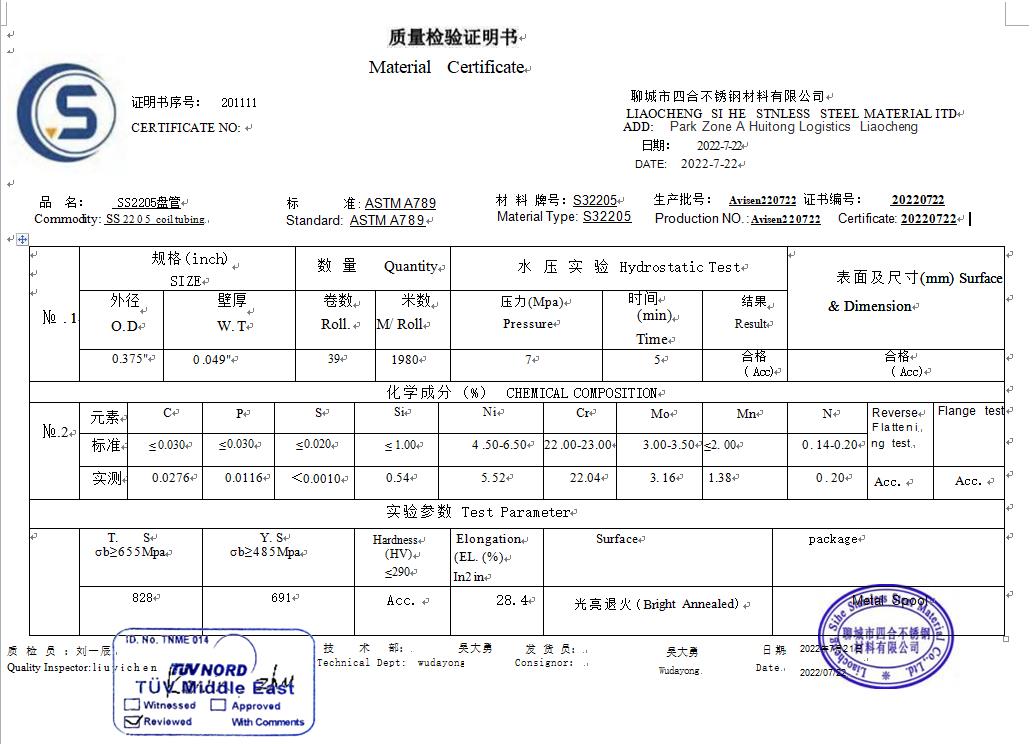
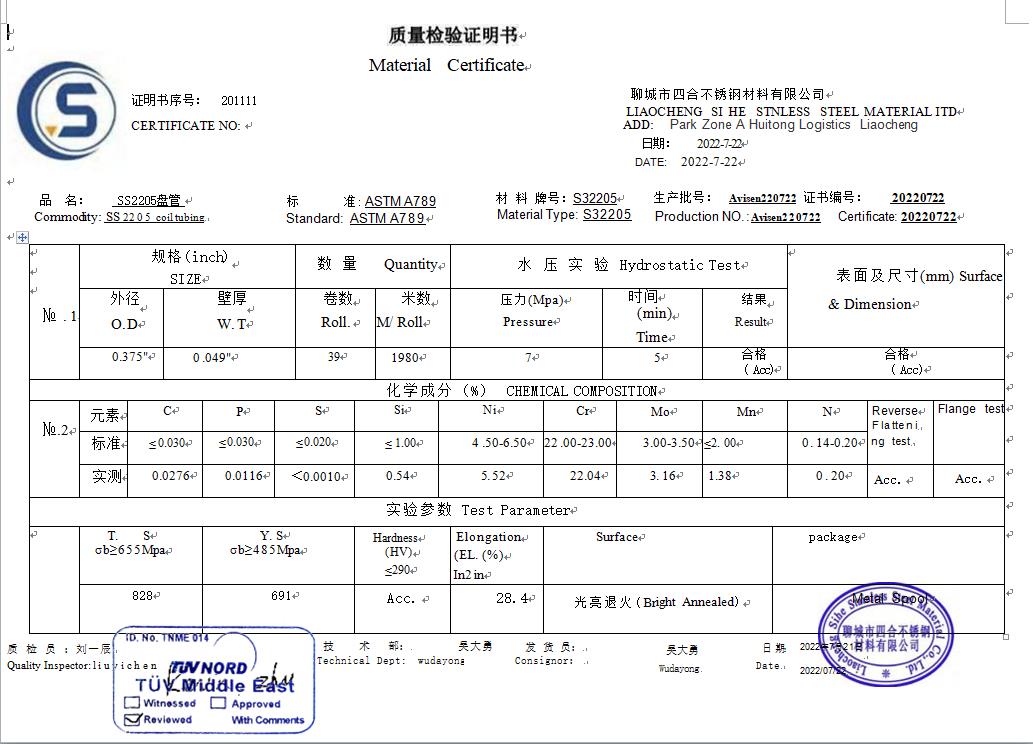
Our manufacturing facility conforms to global quality standards. Below are the verified test certificates and licenses for our tubing and piping products.
Understanding the engineering challenges associated with high-temperature alloys and microstructural preservation.
When austenitic alloys like 310S are exposed to temperatures between 600°C and 900°C for extended periods, they can form the brittle intermetallic "Sigma Phase". This phase reduces the alloy's impact toughness and room-temperature ductility. Our engineering roadmap includes:
Inner tube surface roughness can accelerate chemical fouling and ash deposition in flue gas applications, lowering thermal efficiency over time. Using bright annealing technologies, we produce tubes with low surface roughness (Ra < 0.4 microns). This smooth finish:
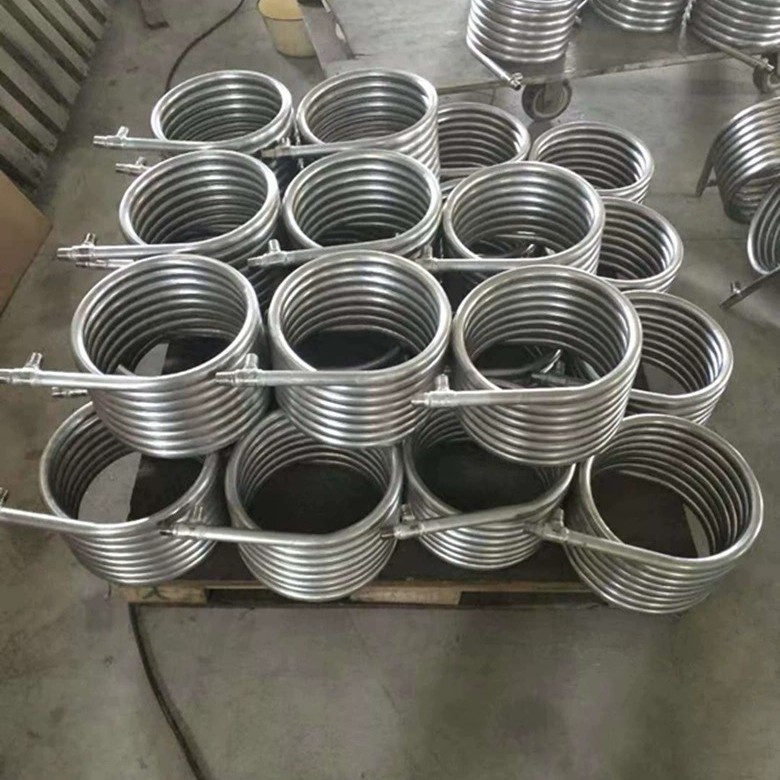
Select product designs manufactured for extreme heat recovery systems.
2205 duplex stainless steel containing austenitic and ferritic phases, providing high mechanical strength and stress corrosion cracking resistance.
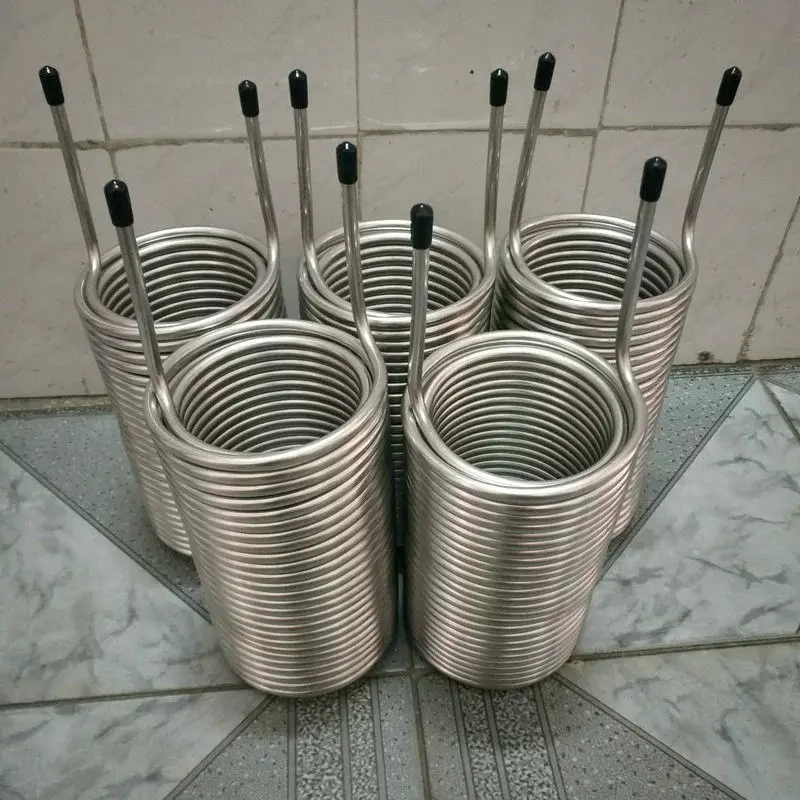
1/2" stainless steel coiled tubing refers to a continuous coil configuration designed to reduce potential leak paths in downhole and chemical injection systems.
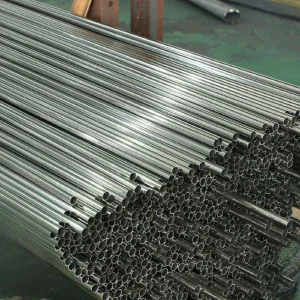
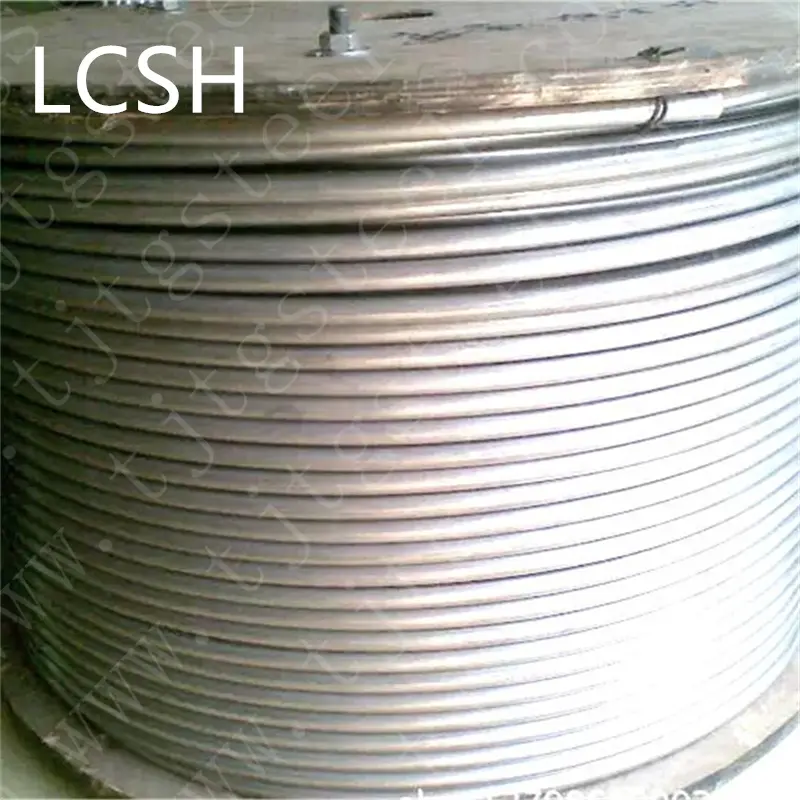
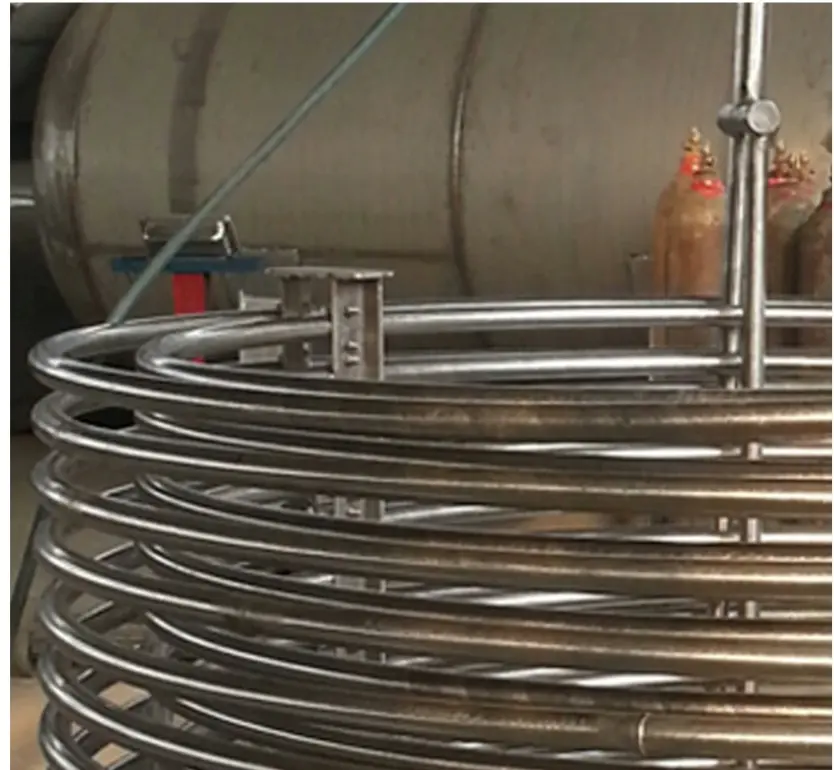
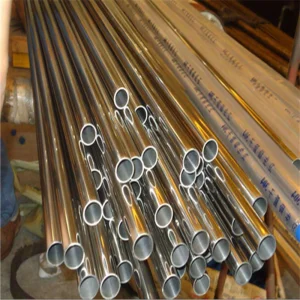
High-temperature 310/310S stainless steel coiled tubes manufactured by domestic factories for high-temperature furnace inserts and thermal systems.
Technical and commercial details regarding our manufacturing capabilities, pricing policies, and materials validation.
Verified tubing, polishing pipes, and custom sheets for high-temperature, clean energy, and process industries.