 Sihe Steel
Sihe Steel
Sihe Steel
Premium industrial stainless steel grades engineered to meet strict ASME, ASTM, and JIS specifications
Liaocheng Sihe Stainless Steel Material Co., Ltd. is an industry-leading manufacturer specializing in high-grade stainless steel products, with a robust reputation built over decades of engineering research and field applications. Operating from China, our state-of-the-art facilities house six specialized production lines configured to process high-performance alloys and standard grades alike.
Our core manufacturing programs adhere strictly to global regulatory frameworks, including GB, ASTM, ASME, JIS, and EN standards. We supply a diverse catalog of steel grades engineered for extreme resistance to thermal deformation, mechanical stress, and aggressive chemical degradation: 304/304L, 316L, 321, 317L, 309S, 310S, and INCOLOY 800, alongside specialized alloys like Austenitic 316L, Duplex 2205, Super Duplex 2507, Incoloy 825, and Inconel 625.
We leverage advanced engineering tools, including online bright annealing and rigorous non-destructive testing (NDT), to ensure dimensional precision and metallurgical integrity. By supplying direct from our manufacturing hubs to global supply networks, we serve critical applications across more than 30 countries—including the United States, Germany, Spain, South America, Southeast Asia, the Middle East, and Eastern Europe.
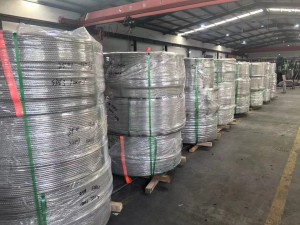
The metallurgical foundation of cold-rolled stainless steel sheets
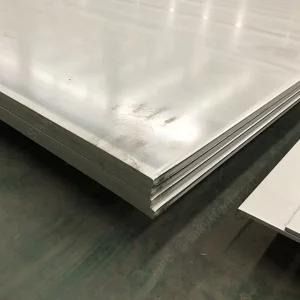
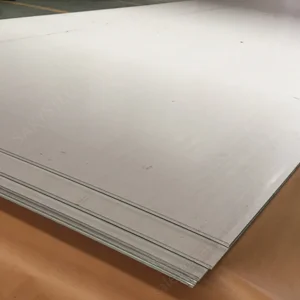
The 2B finish represents the most widely utilized cold-rolled surface specification in the global stainless steel industry. It is characterized by a smooth, moderately reflective metallic luster achieved through specific post-rolling thermal and mechanical processing. Understanding the metallurgical timeline of 2B finishing is critical for procurement departments and design engineers seeking to optimize structural integrity and corrosion resistance:
The stainless steel slab is reduced to its target thickness at ambient temperatures. This process introduces strain hardening, modifying the internal crystalline structure to increase mechanical tensile strength and yield performance while establishing dimensional uniformity.
The cold-rolled sheet undergoes thermal processing in controlled-atmosphere furnaces to relieve internal stresses and restore ductility. Acid pickling or descaling baths are subsequently used to eliminate oxide scales formed during heat treatment, yielding a dull, matte "2D finish" base.
To transition the sheet from a matte 2D state to a polished 2B finish, the material undergoes a final, light skin-pass rolling. Passing through highly polished precision rolls under controlled pressure flattens microscopic surface irregularities without reducing material thickness.
This sequence creates a surface finish that is less reflective than a mirror-polished Bright Annealed (BA) or No. 8 sheet, yet provides a smooth, non-porous matrix. This characteristics make 2B finish stainless steel sheets exceptionally easy to clean, highly resistant to localized pitting, and highly receptive to subsequent polishing or protective coating deposition.
Analyzing market trends, regional capacities, and macro-economic demand drivers
The global demand for 2B finish stainless steel sheets is driven by massive infrastructure expansion, clean energy transitions, and demanding sanitary standards in food and chemical processing. Because 2B sheets serve as the primary raw feedstock for countless manufactured components, the health of the 2B sheet manufacturing sector serves as a leading indicator for global industrial production.
China remains the largest producer and consumer of cold-rolled stainless steel sheets, housing integrated mills that optimize cost structures through scale and modern, automated cold-reduction machinery. Simultaneously, markets in Western Europe and North America have pivoted toward high-value alloy formulations. The growth of specialized industries—such as hydrogen generation, green chemical syntheses, and subsea carbon capture systems—demands advanced grades like Duplex 2205, Super Duplex 2507, and nickel-base superalloys like Inconel 625. This demand has spurred global manufacturers to adopt more agile production frameworks capable of handling high-hardness materials on standard cold-rolling lines.
From a supply chain perspective, B2B procurement professionals face complex challenges: fluctuating raw material input costs (specifically nickel, chromium, and molybdenum), evolving carbon boundary tariffs (like Europe's CBAM), and shifting maritime logistics. To mitigate these risks, leading international buyers are prioritizing direct relationships with vertically integrated Chinese factories. These facilities offer comprehensive quality assurance, predictable lead times, and customized dimensional profiles, enabling buyers to reduce scrap rates and streamline downstream production.
To ensure our materials withstand the extreme conditions of modern industrial environments, Liaocheng Sihe has introduced advanced bright annealing processes alongside standard thermal descaling. Unlike standard air-atmosphere annealing, which forms surface oxide scales that require chemical pickling, bright annealing occurs in a hermetically sealed hydrogen-nitrogen reducing gas mixture.
By preventing oxygen contact at elevated recrystallization temperatures, the steel maintains its cold-rolled luster, eliminating the need for aggressive acid pickling. This results in a cleaner, smoother surface profile with lower surface roughness values (Ra), improving corrosion resistance in marine and chemical environments by removing potential site initiators for pitting corrosion.
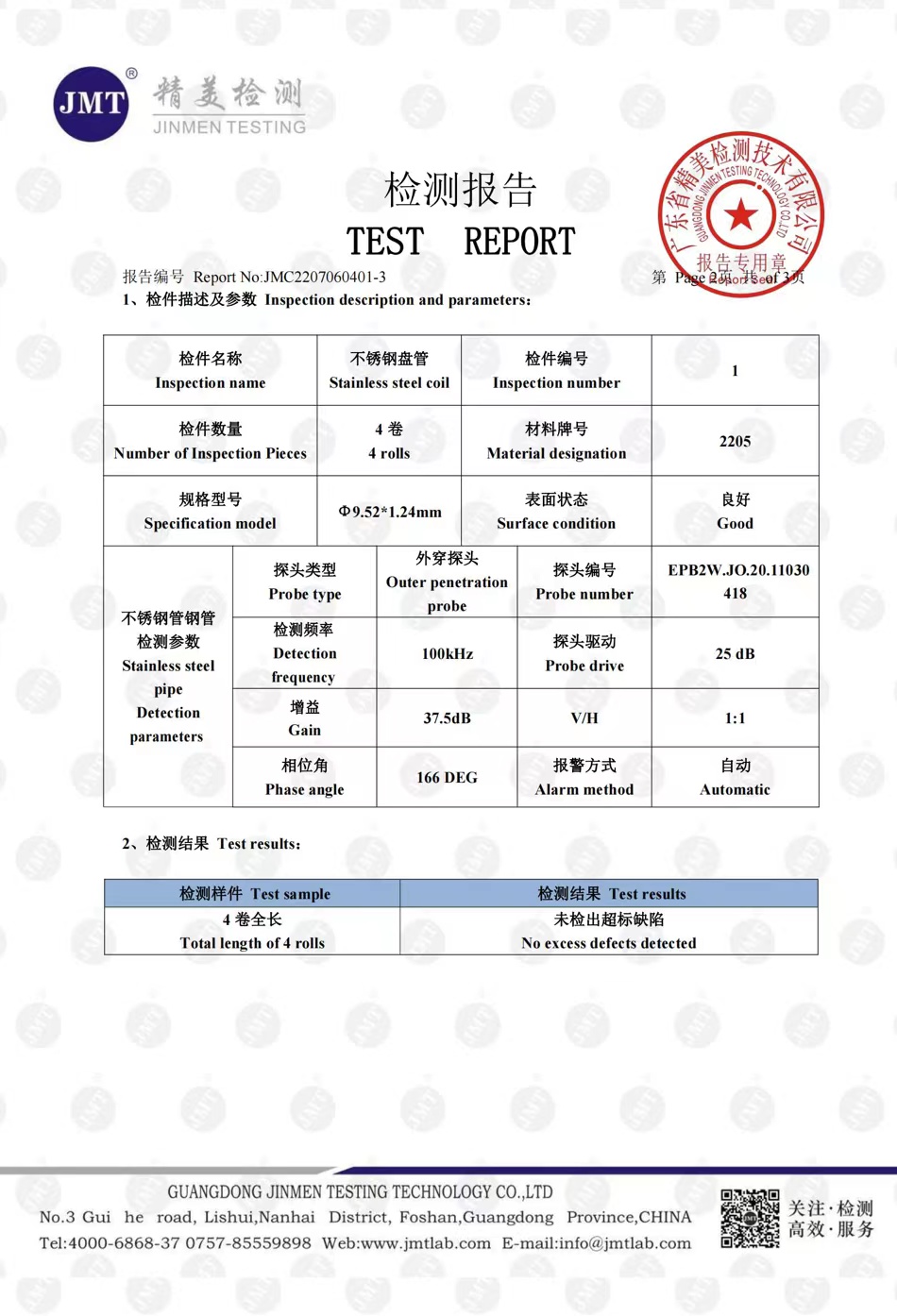
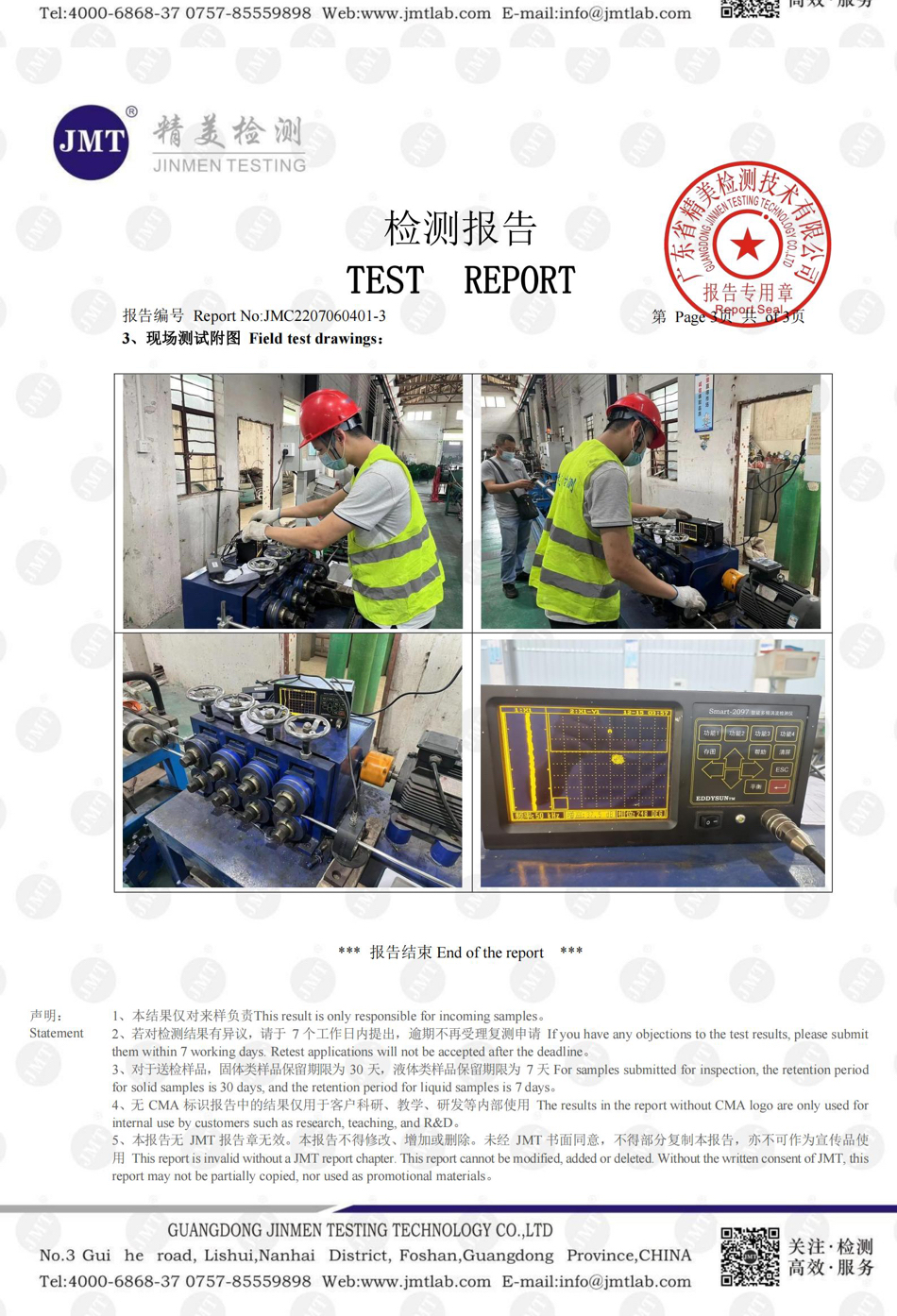
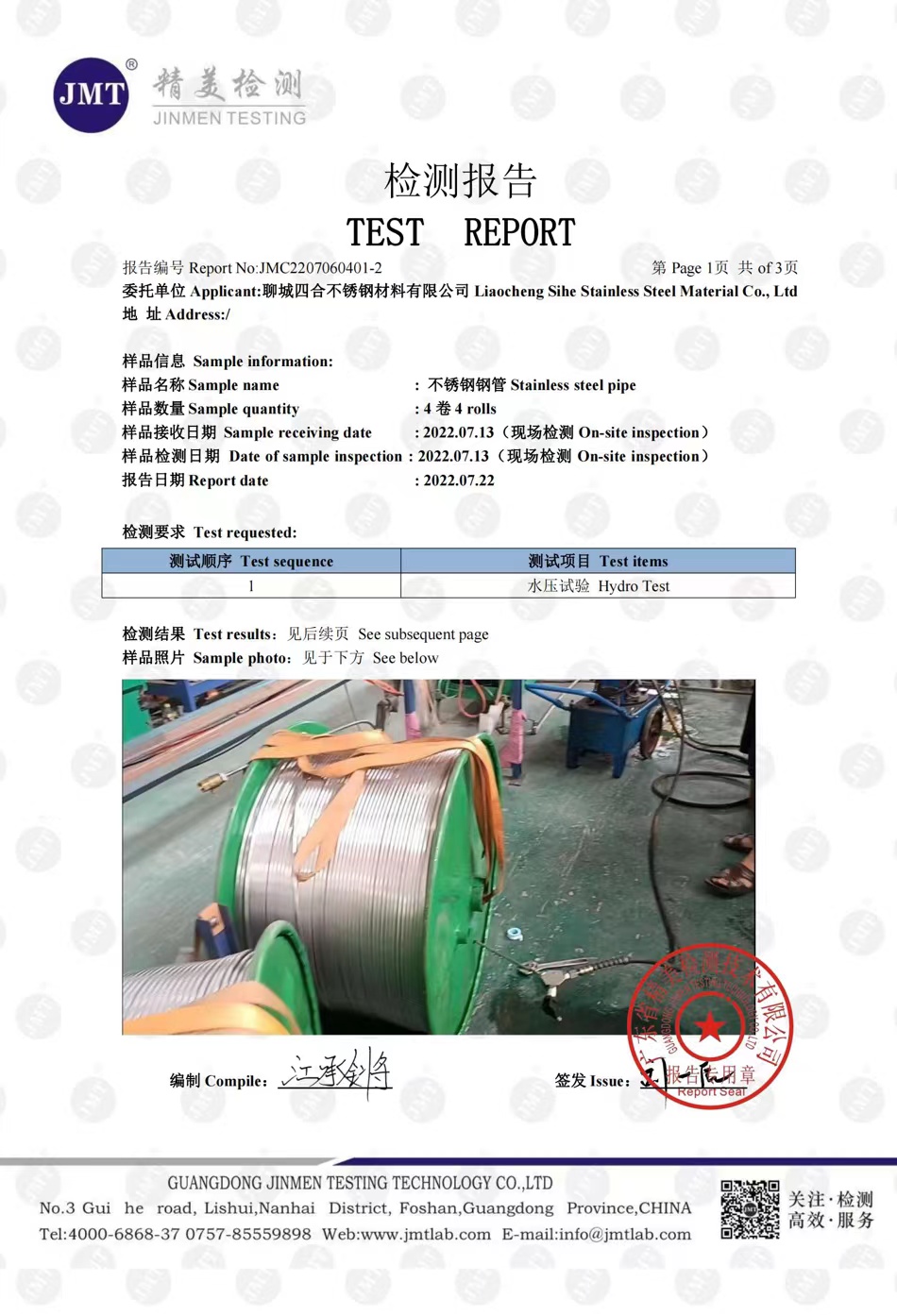
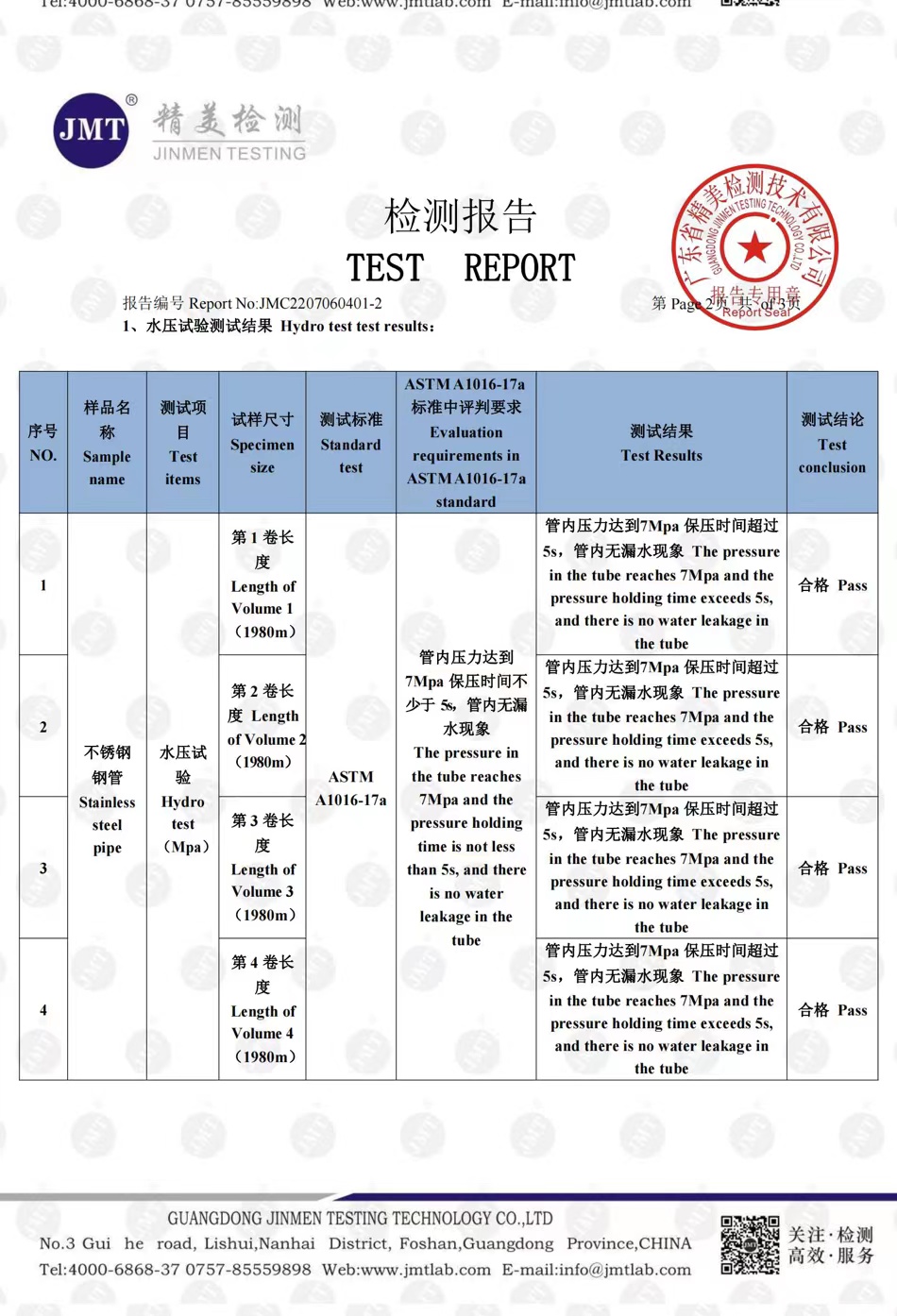
Our quality control protocol is backed by fully integrated, online diagnostic systems. Every production run is subjected to rigorous testing regimes, including hydrostatic pressure, pneumatic leakage checks, mechanical tensile and elongation testing, hardness verification, flaring/flattening tests, and ultrasonic crack detection, ensuring zero defects leave our factory floor.
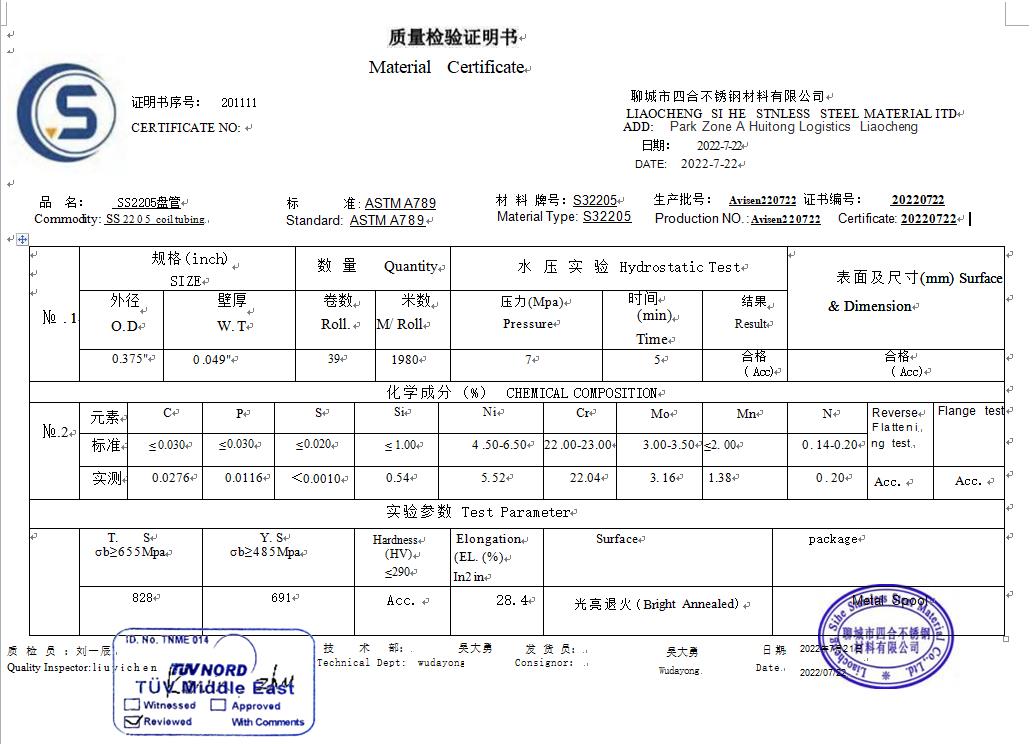
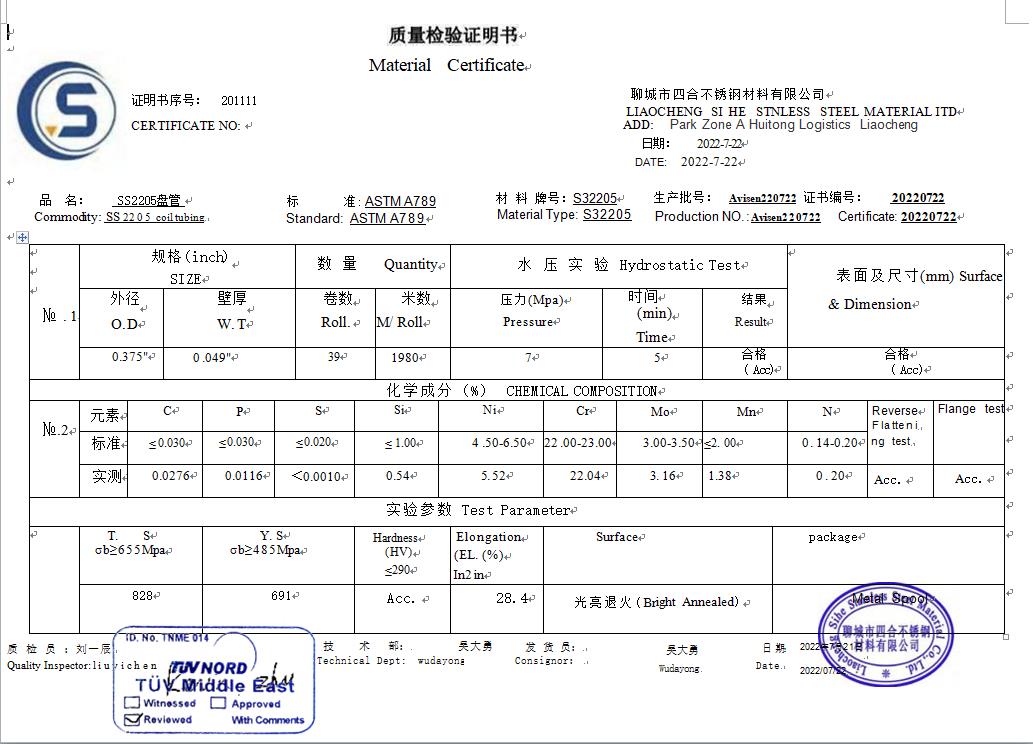
Our commitment to international quality management and material validation
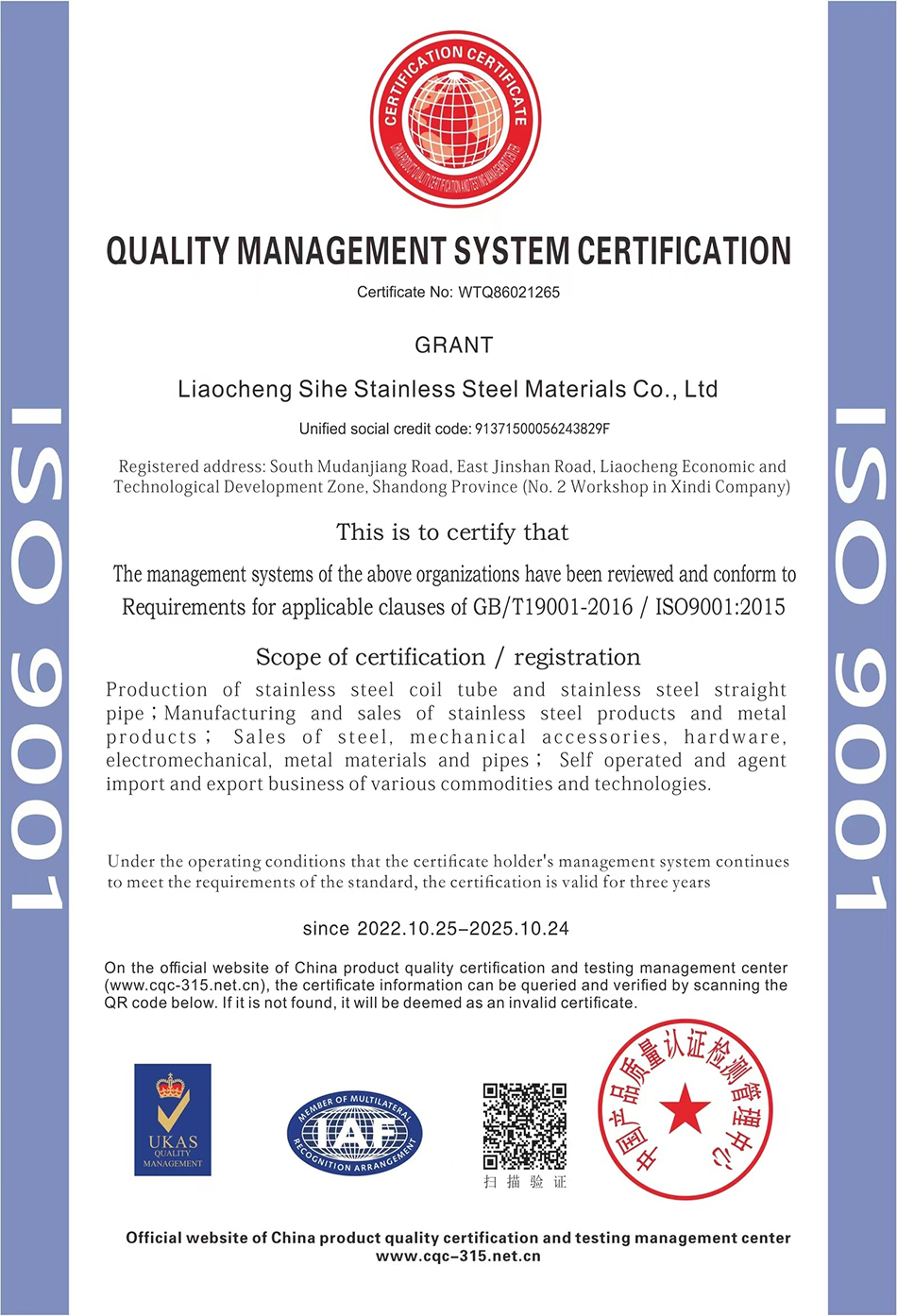
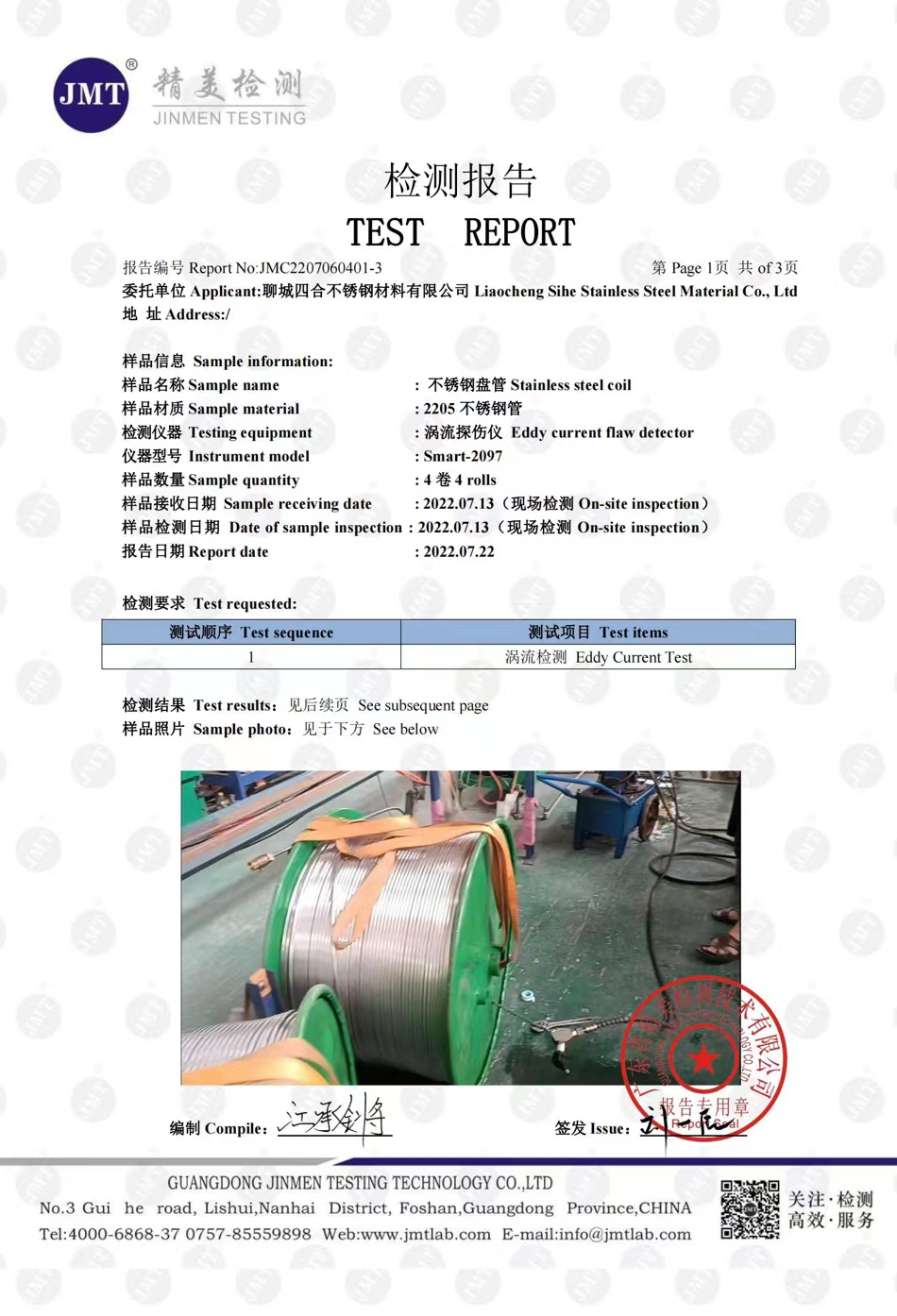
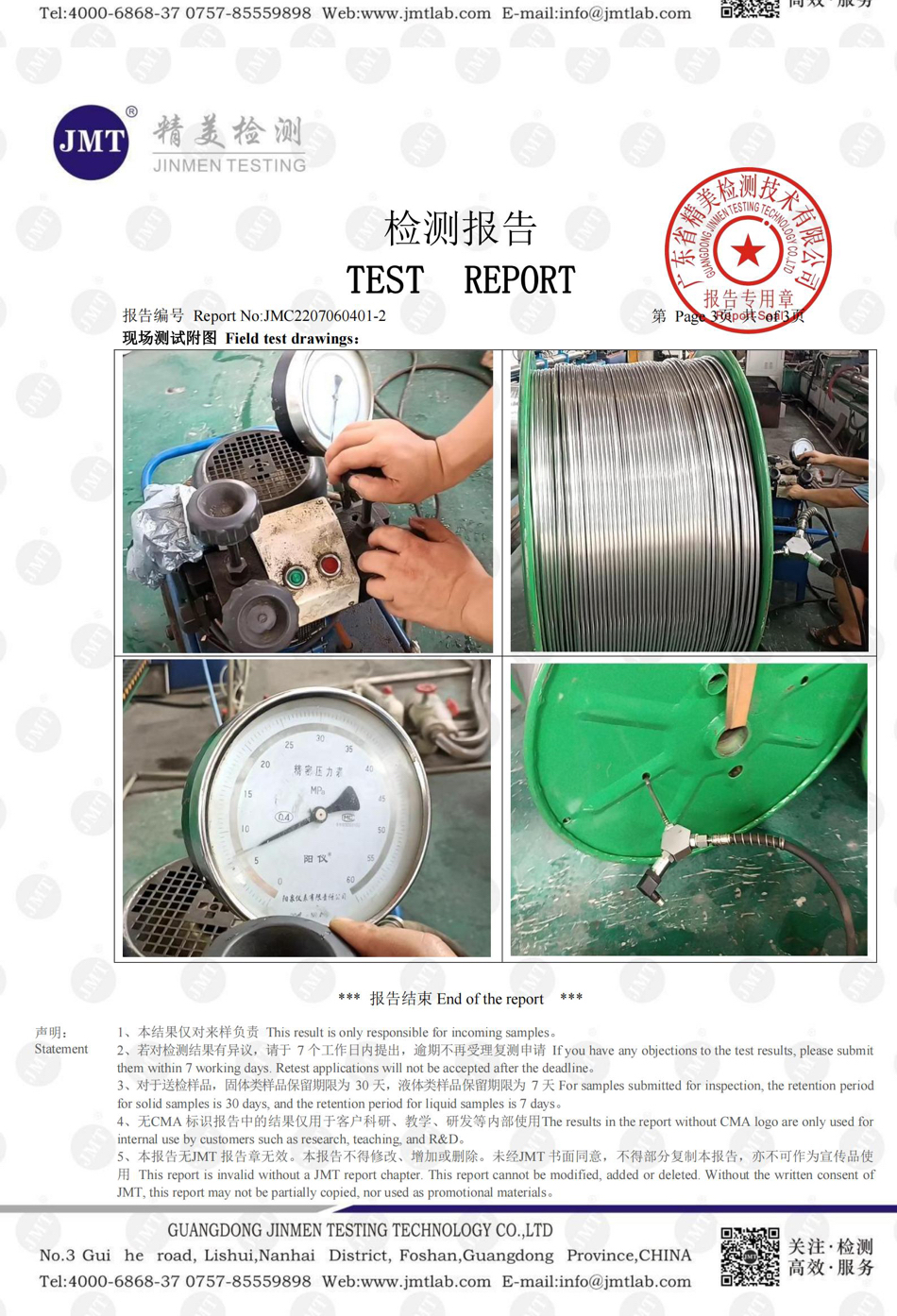
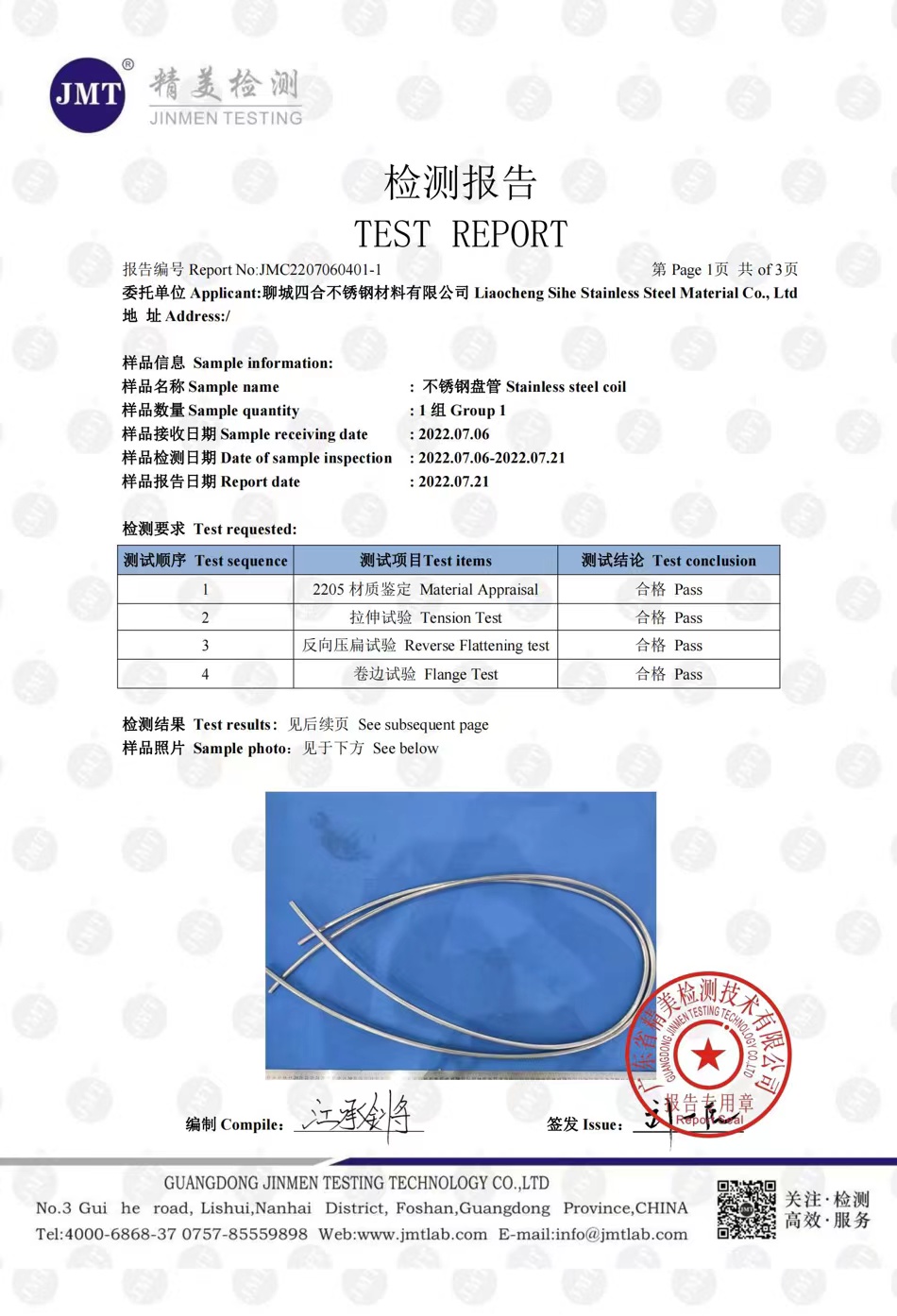
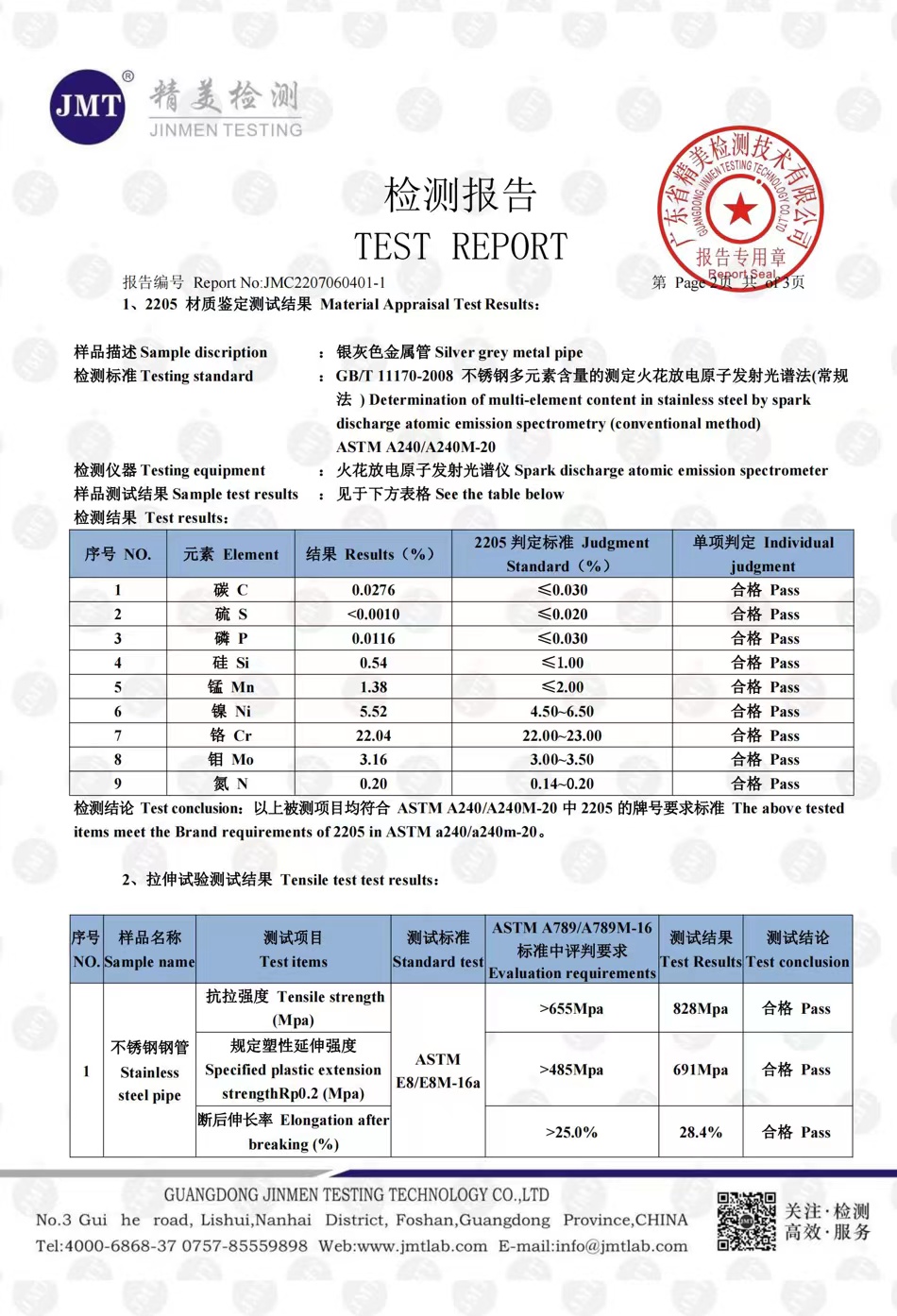
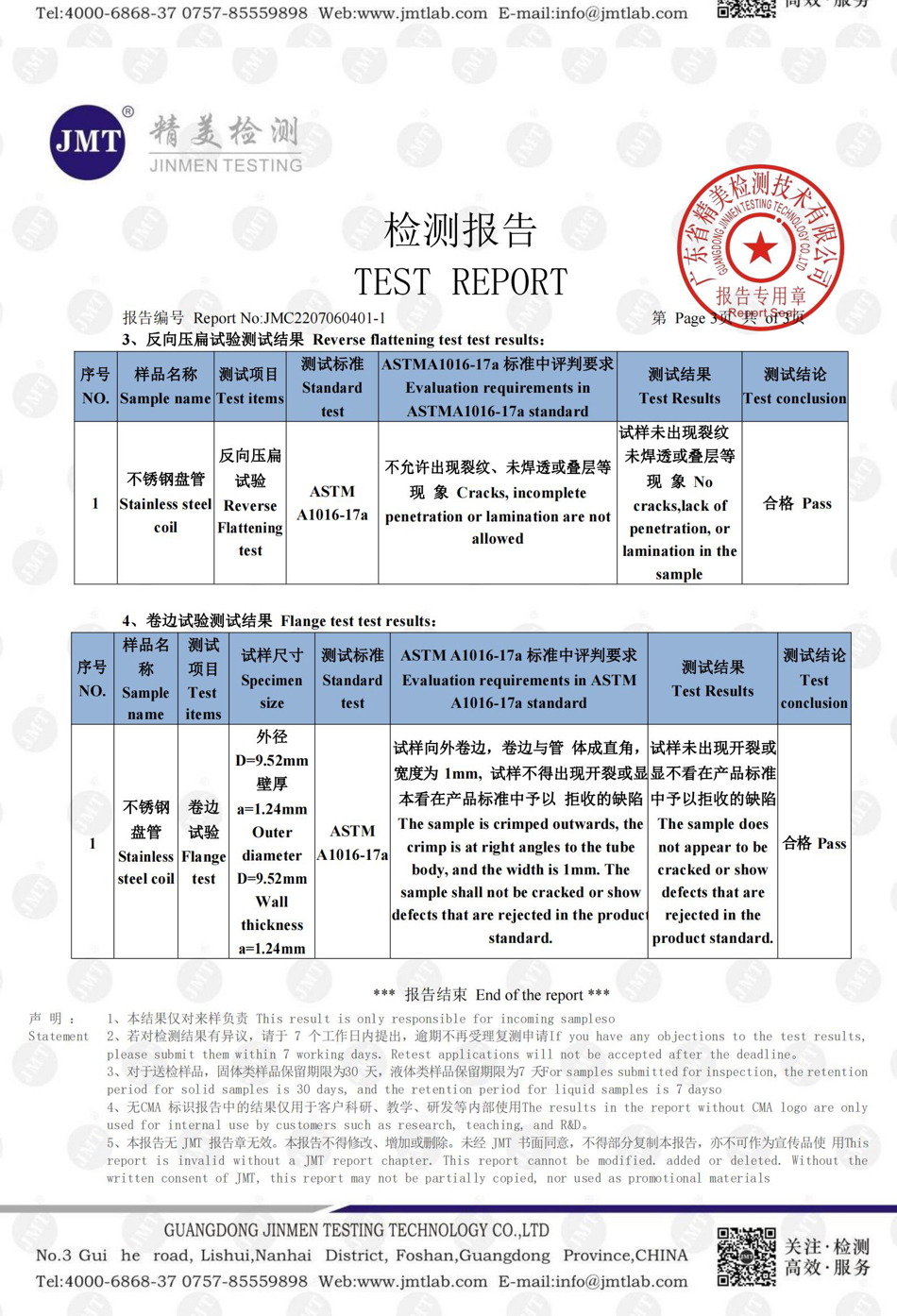
Providing value-added fabrication to reduce client processing times and material waste
Providing reliable performance across demanding industrial environments
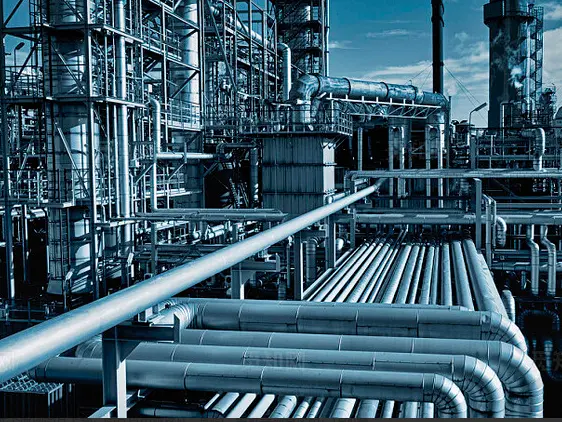
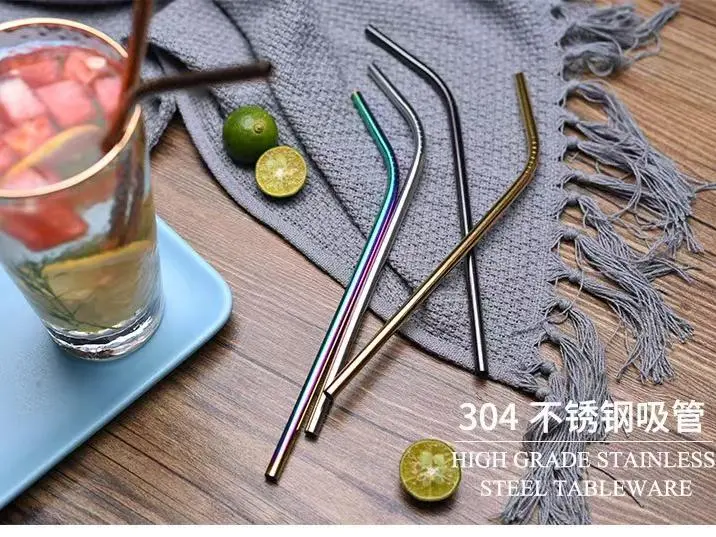
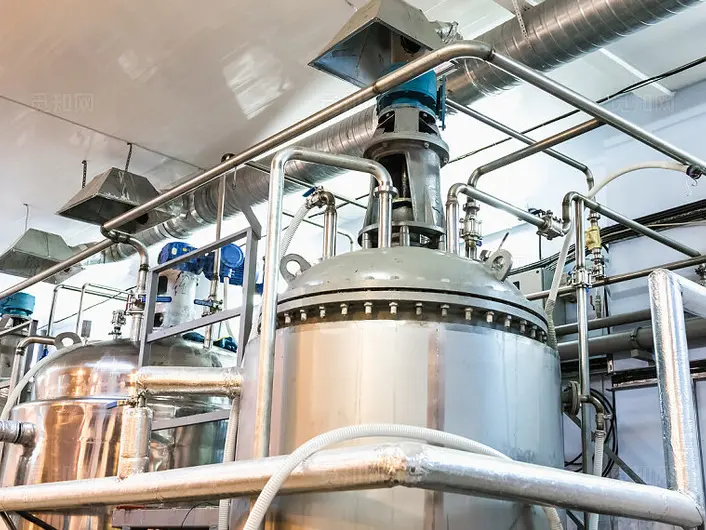
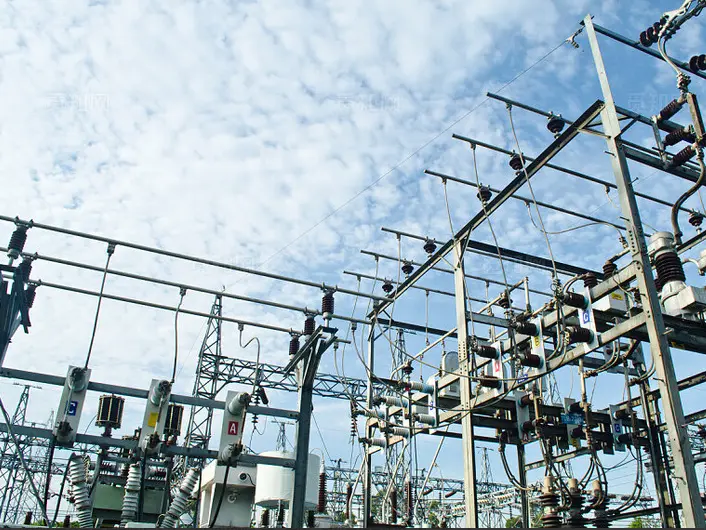
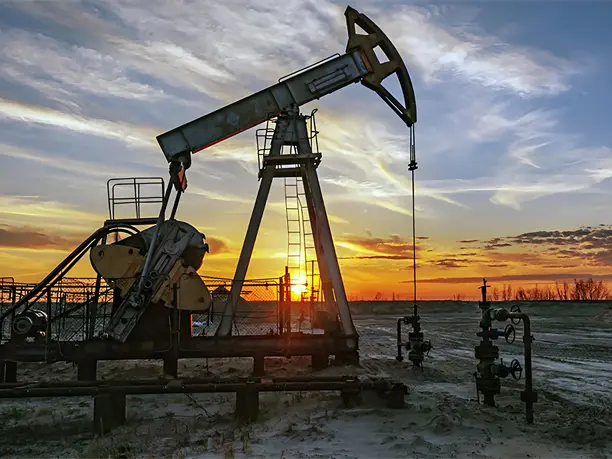
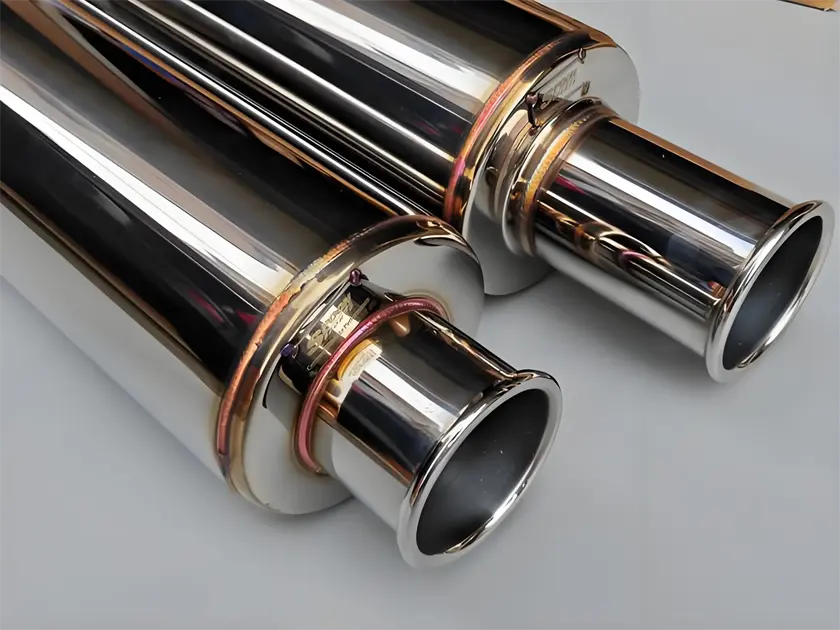
Our comprehensive manufacturing capabilities for global projects
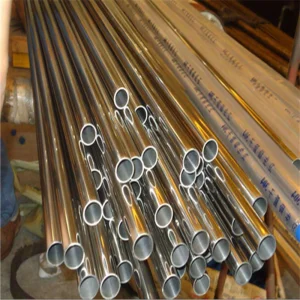
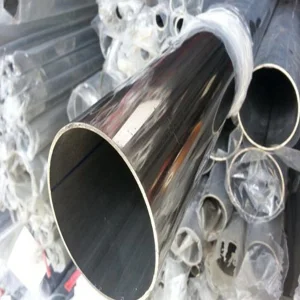
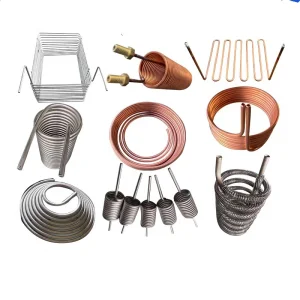
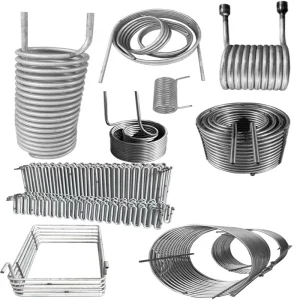
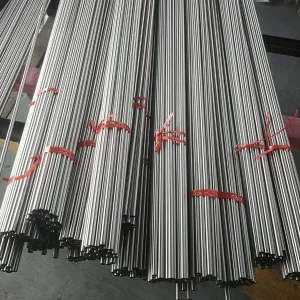
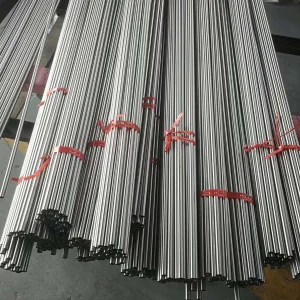
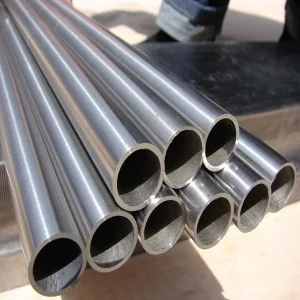
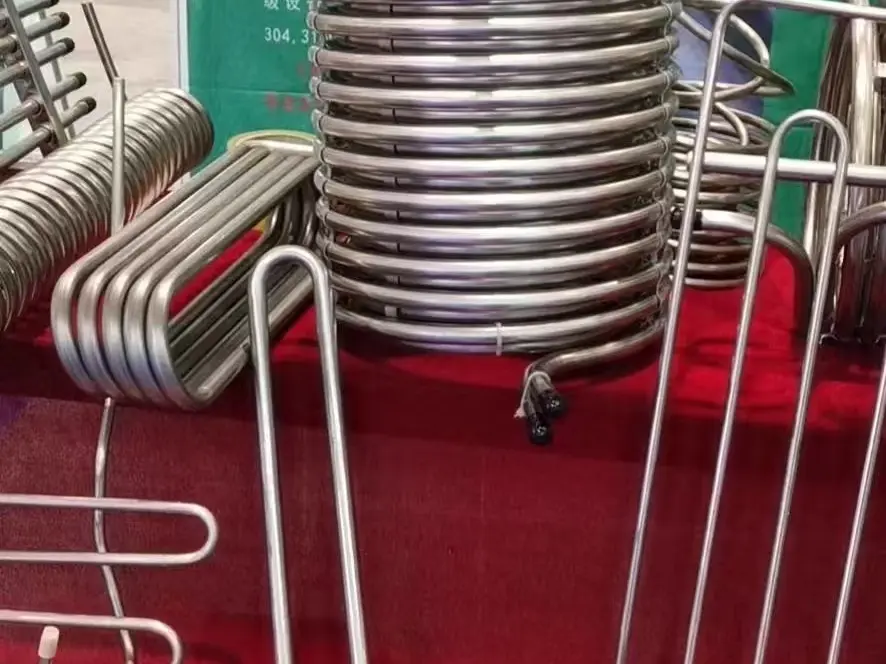
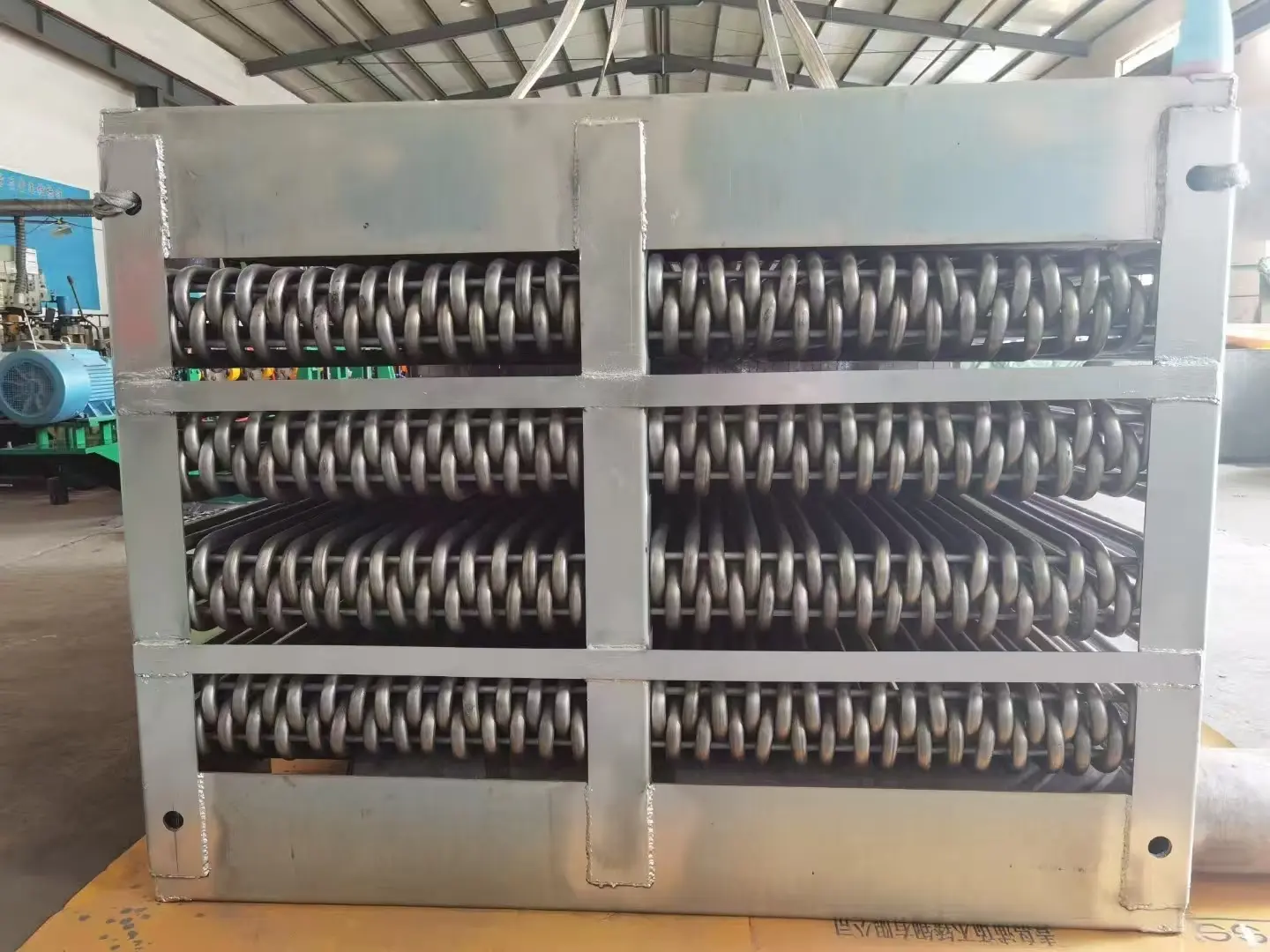
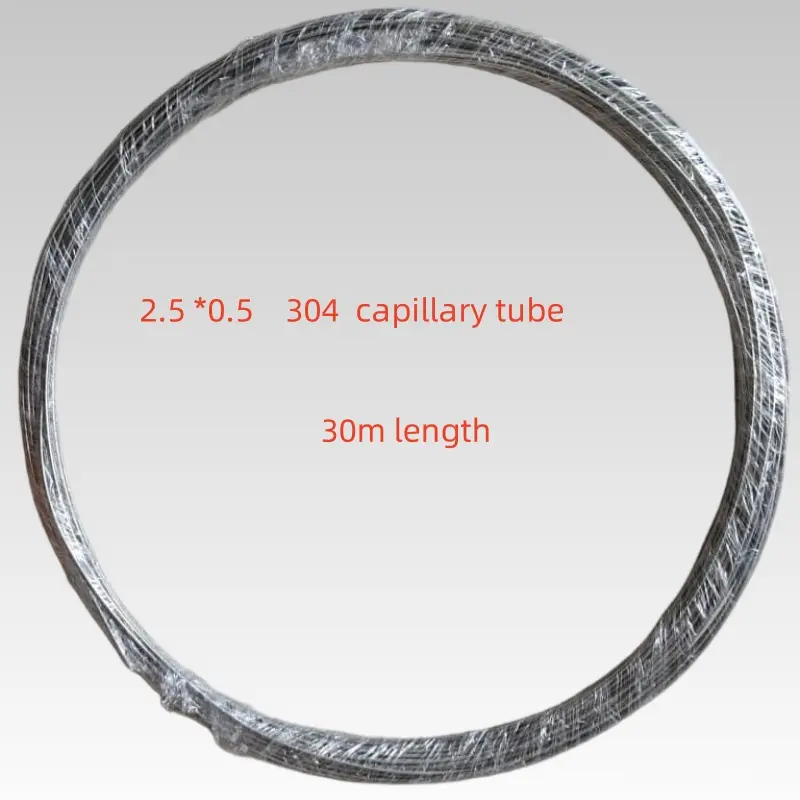
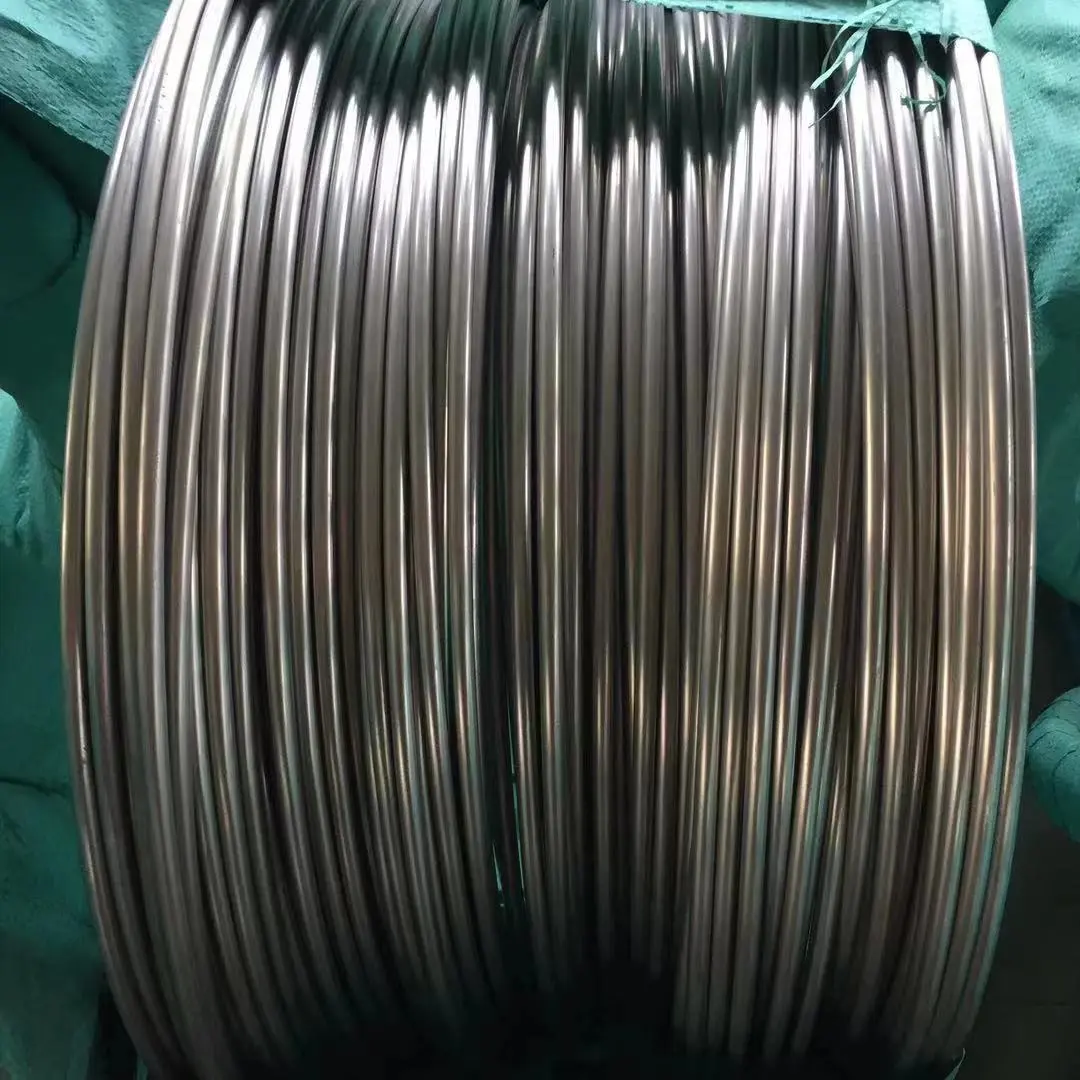
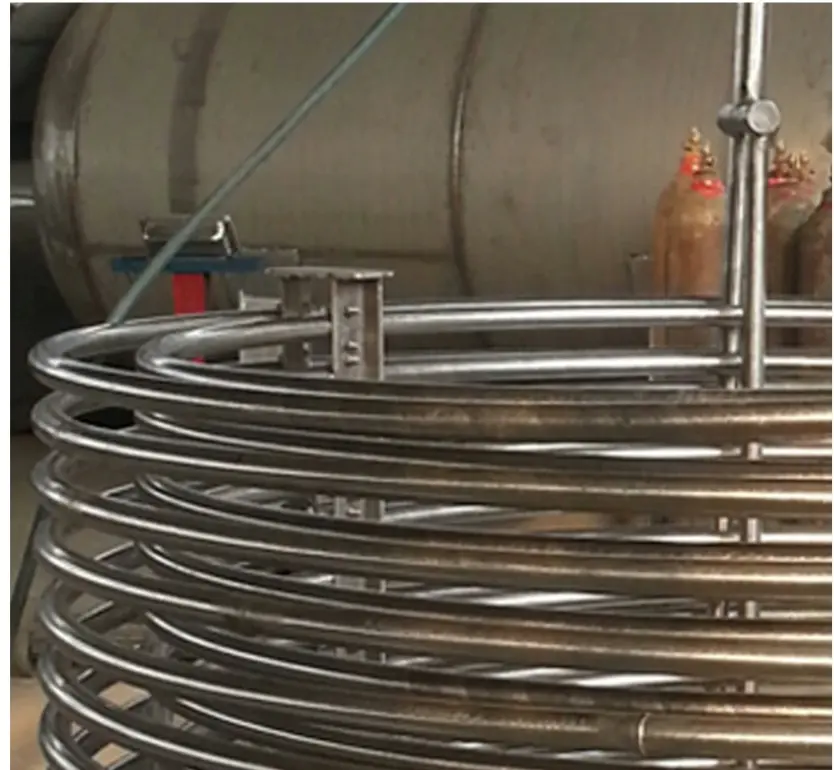
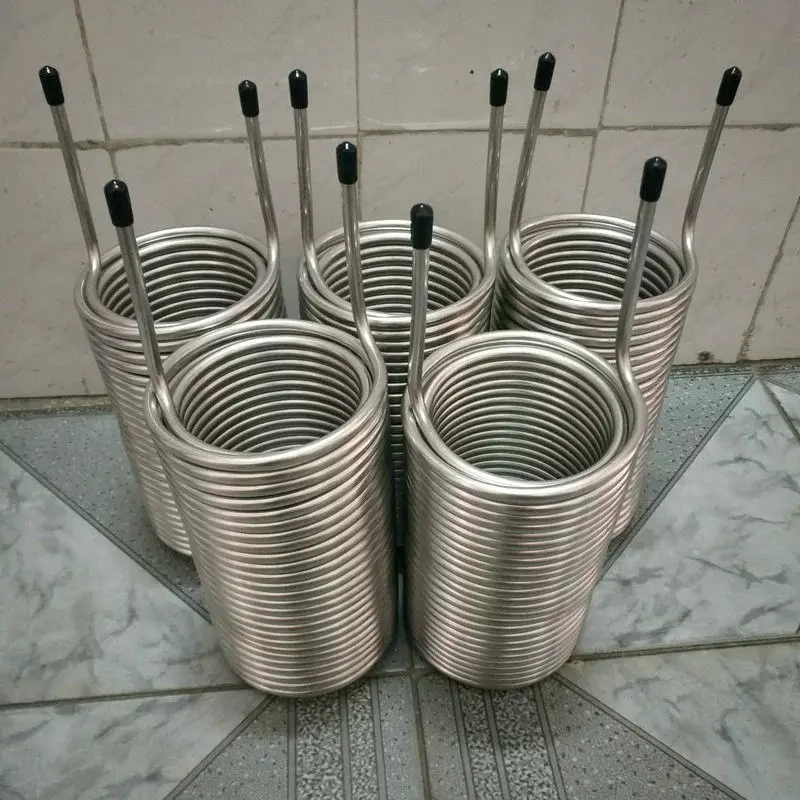
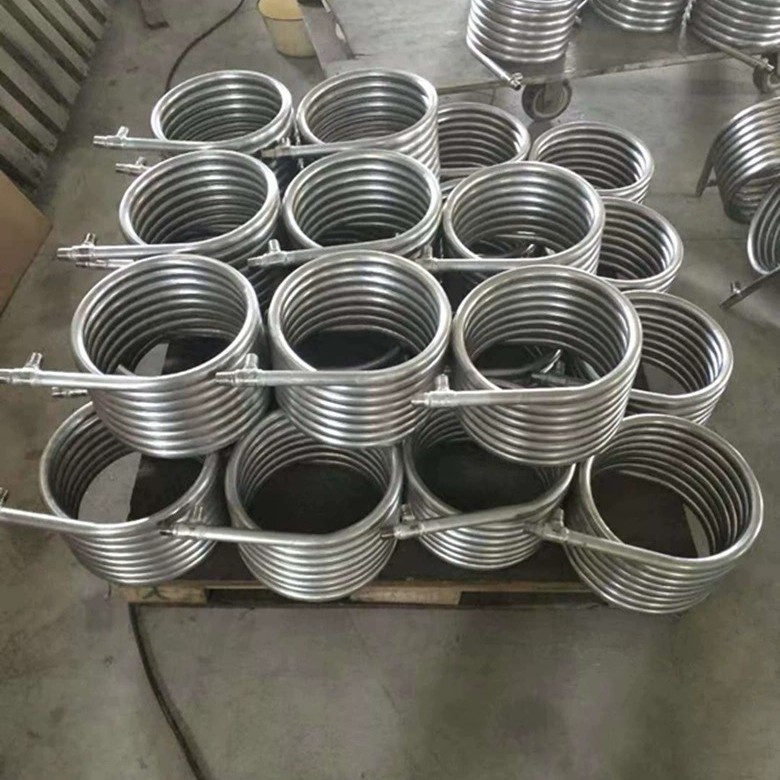
Liaocheng Sihe manufactures and stocks an extensive inventory of stainless steel tubing, capillary networks, heat exchanger coils, and flat-rolled sheet products. By managing both sheet rolling and tube drawing, we maintain strict control over mechanical properties and chemical compositions, ensuring high quality for global projects.
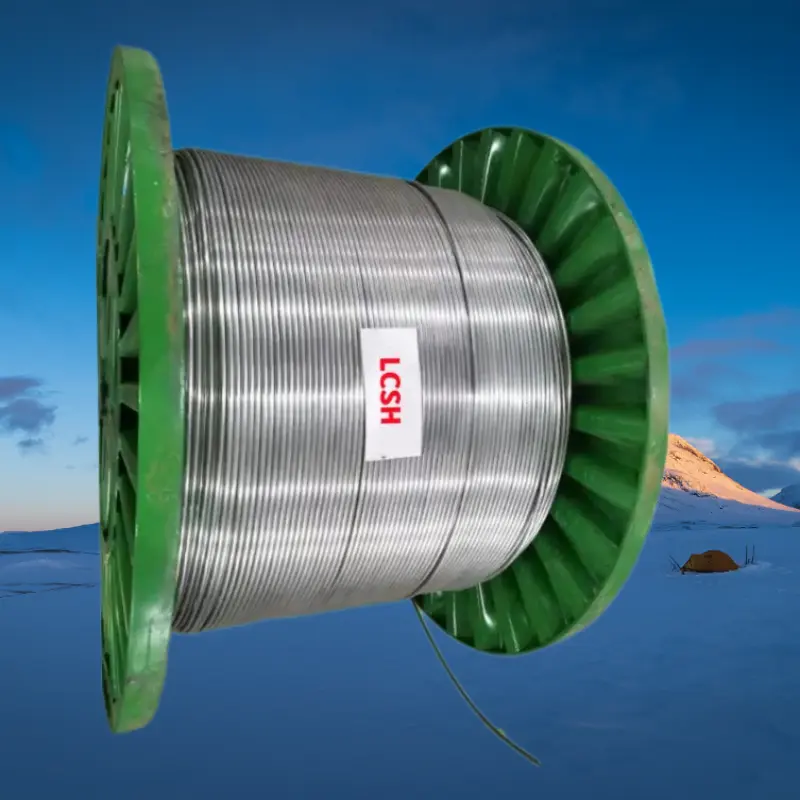
Duplex 2205 is a nitrogen-enhanced duplex stainless steel developed to address common corrosion problems encountered with 300 series stainless steels. It provides superior fatigue strength and resistance to stress corrosion cracking.
Learn More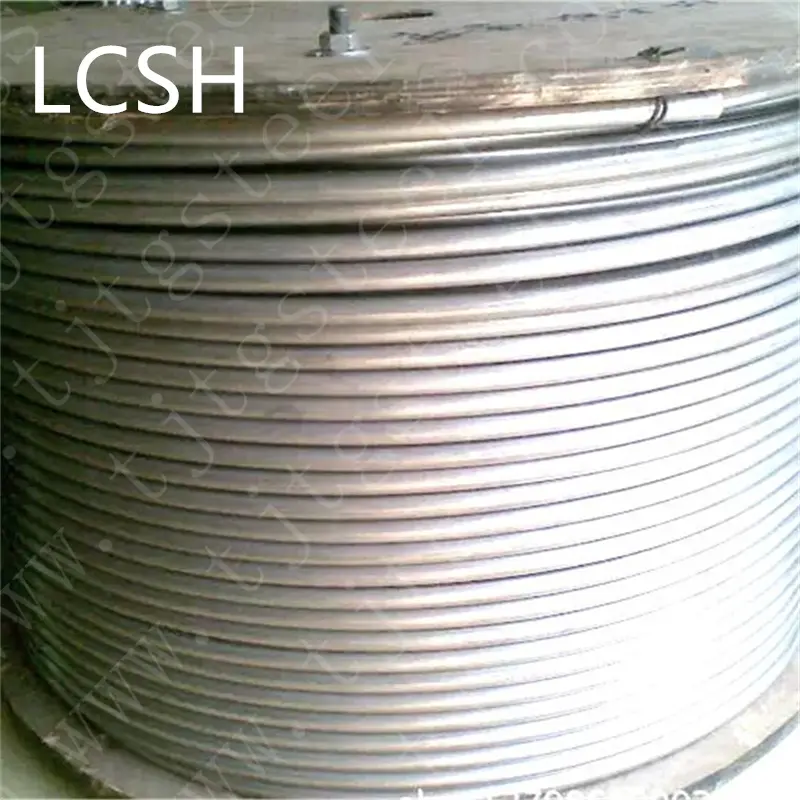
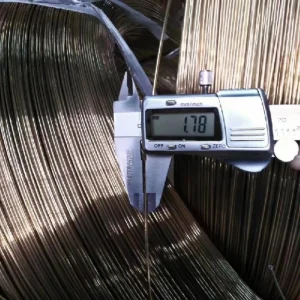
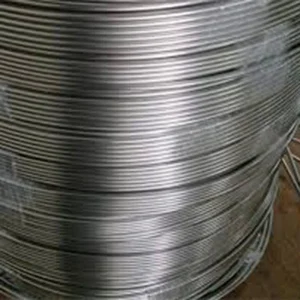
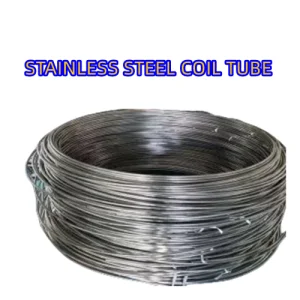
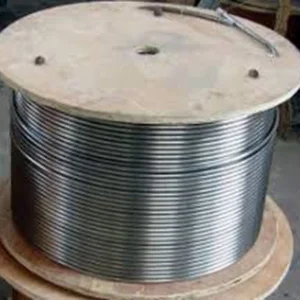
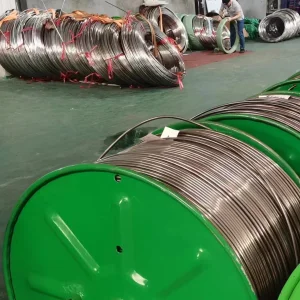
1/2-inch stainless steel coiled tubing refers to a continuous coil configuration optimized for hydraulic control lines, instrumentation packaging, and subsea umbilical assembly designs.
Learn More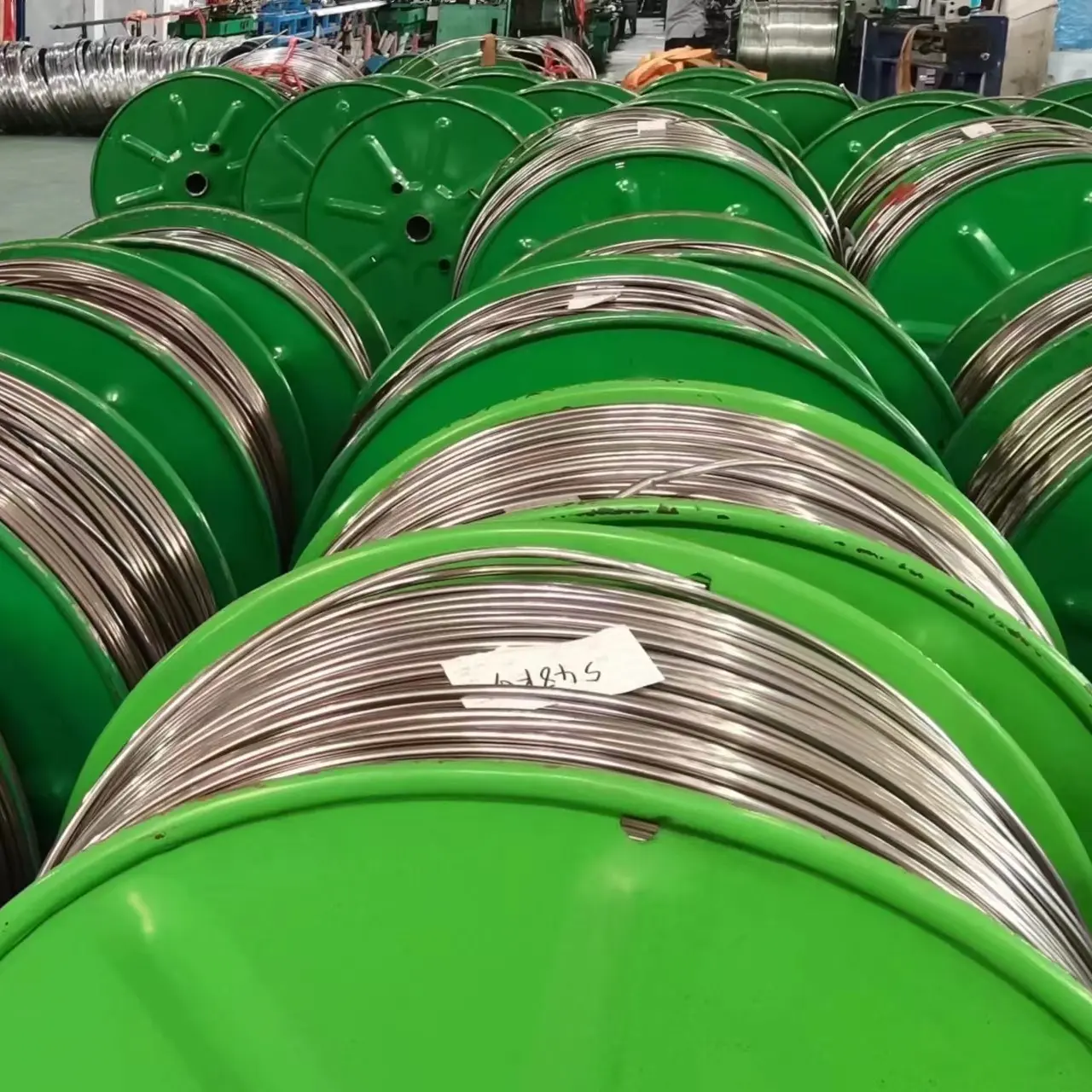
Engineered specifically for high-temperature service, Grade 310/310S offers exceptional oxidation resistance under cyclic heating conditions up to 1150°C, maintaining high structural strength.
Learn More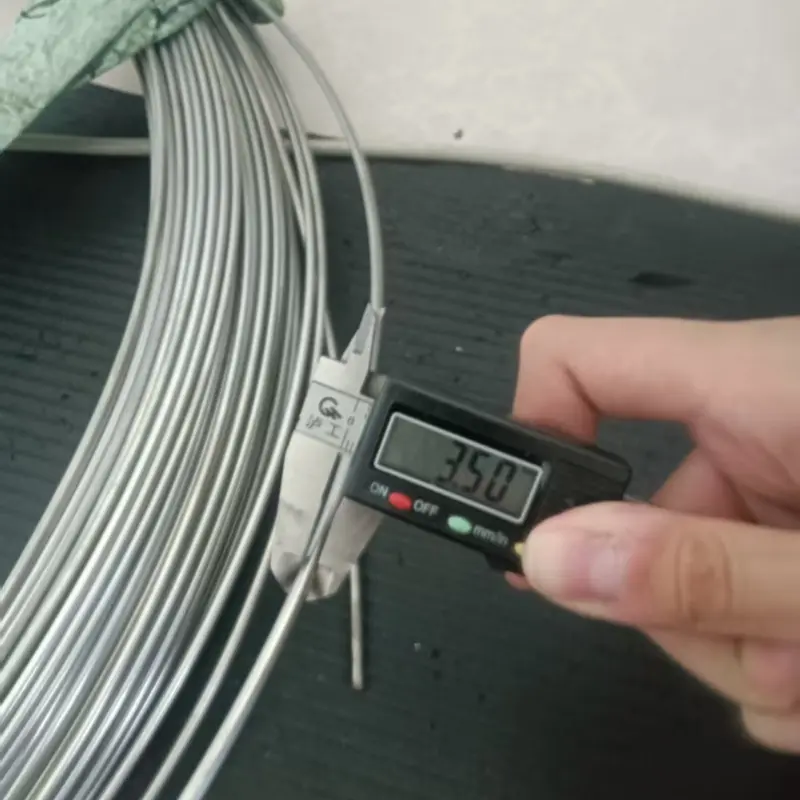
Essential answers for B2B procurement professionals, engineers, and supply chain managers
Our pricing structures are determined by base metal indices (such as LME Nickel and Chromium) and dynamic energy surcharges. We provide firm price validity periods to protect clients against market volatility. Please contact our sales team with your detailed specification list to receive an updated pricelist.
Yes, we require minimum order quantities for international shipments to optimize logistics costs. The MOQ depends on the grade, thickness, and dimensions requested. For standard sizes (such as 304 or 316L 2B sheets), MOQ is typically 1 to 5 metric tons. Custom production runs for exotic alloys may require larger minimums. Contact us to discuss your requirements.
We supply comprehensive documentation packages with every shipment, including Mill Test Certificates (MTC) conforming to EN 10204 3.1 or 3.2. These packages contain full chemical analyses, mechanical properties (yield, tensile, elongation, hardness), heat numbers, dimensional checks, PMI testing, and non-destructive test certificates (such as ultrasonic or hydrostatic reports) where applicable.
For standard sample specifications, lead times average 7 business days. For mass production runs, lead times typically range from 20 to 30 days following receipt of deposit and technical approval. Lead times become active when (1) your advance payment is received, and (2) all product specification datasheets are mutually signed off. We strive to accommodate urgent project timelines.
We accept secure wire transfers (Telegraphic Transfer, T/T), Irrevocable Letters of Credit (L/C at sight), and Western Union or PayPal for sample orders. Our standard commercial terms are a 30% advance deposit to initiate production, with the remaining 70% balance paid against presentation of the copy Bill of Lading (B/L) and MTC.
We provide a comprehensive warranty covering material quality and workmanship, ensuring all products comply with the ordered chemical and mechanical specifications. If any defect or out-of-tolerance material is discovered upon arrival, our policy is to inspect, address, and resolve the issue through prompt replacement or financial credit to ensure client satisfaction.
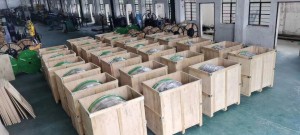
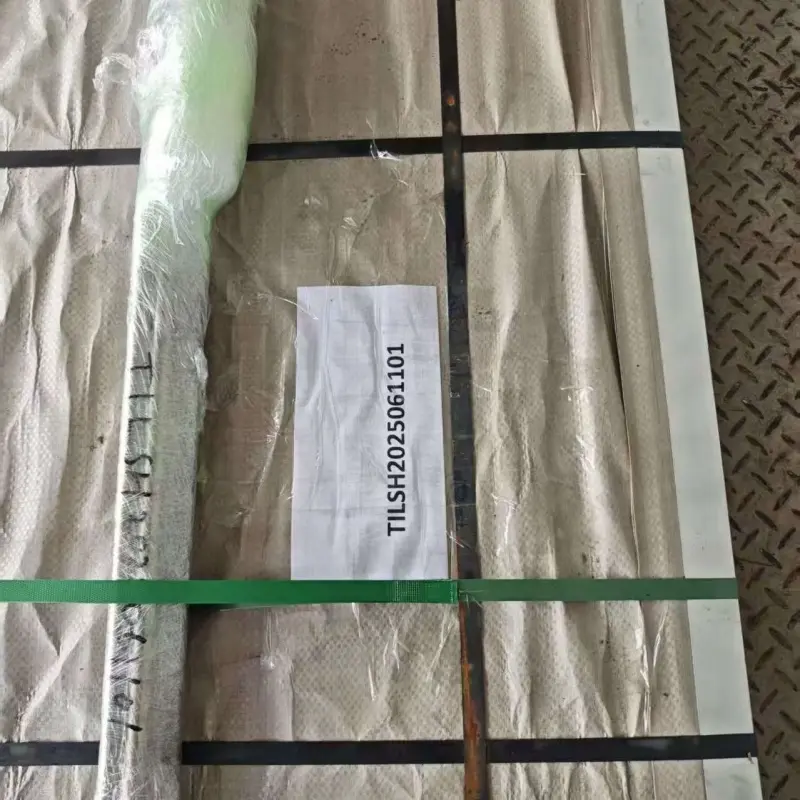
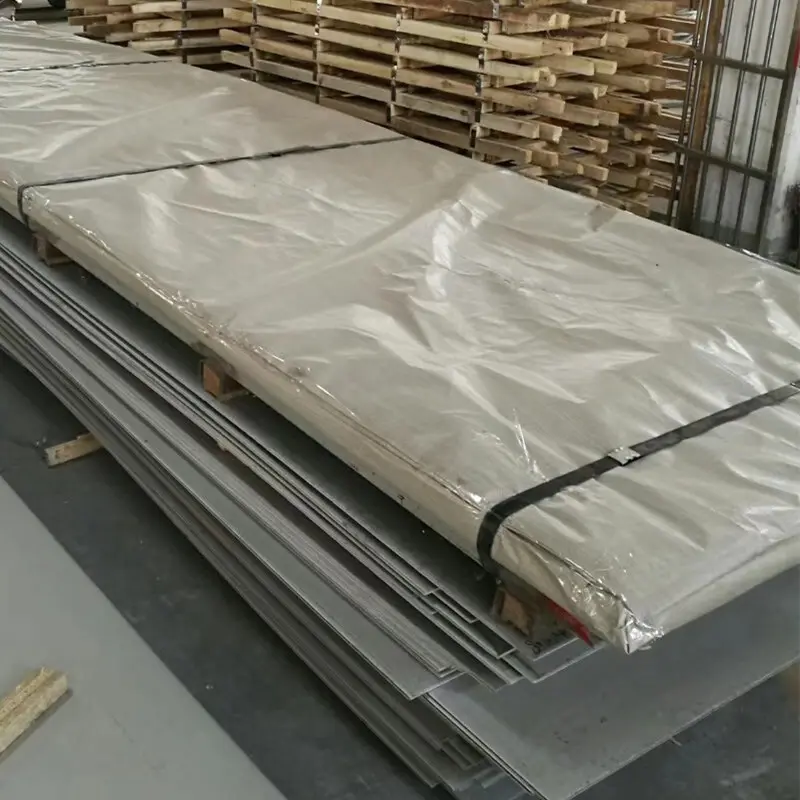
We utilize heavy-duty export packaging designed for marine transport. For stainless steel sheets, this includes placing waterproof barrier paper and metal edge protectors on wooden skids, secured with steel banding. For coiled tubes, we use reinforced wooden boxes or steel-framed drums to prevent deformation. Specialized packaging is also available for hazardous or temperature-sensitive goods.
Shipping fees are calculated based on cargo weight, volume, selected shipping route, and delivery terms (FOB, CIF, CFR, DDP). For sample shipments, air express is fastest but more expensive. For large industrial orders, sea freight is the most cost-effective method. We work with major shipping lines to secure competitive freight rates for our clients.
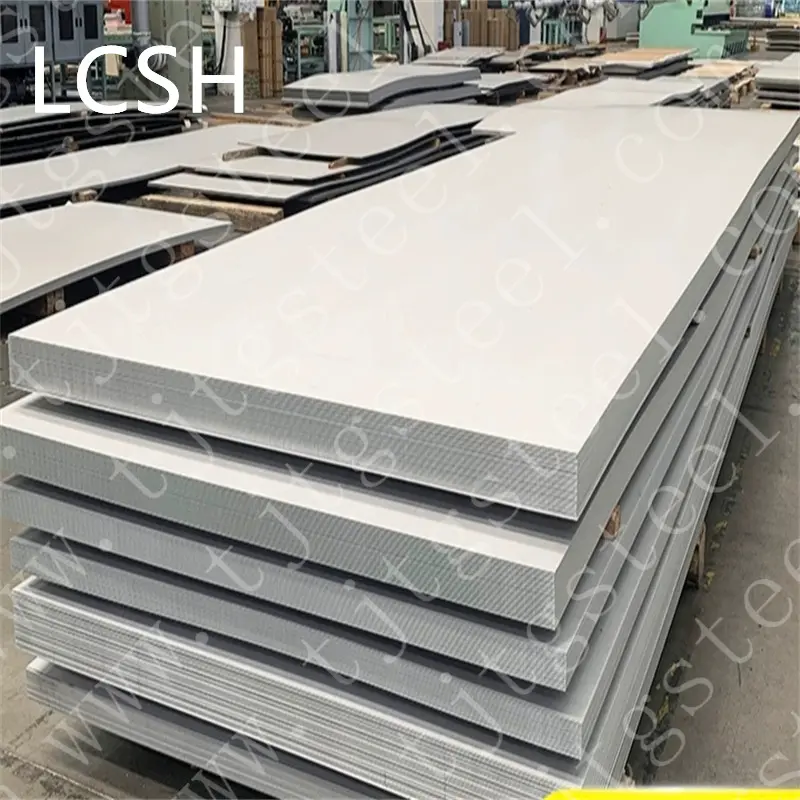
A 2B finish is a cold-rolled sheet that has been annealed, pickled, and given a final light pass through polished rolls, resulting in a smooth, grey, slightly reflective surface. A BA finish is heat-treated in a controlled oxygen-free atmosphere, maintaining a highly reflective, mirror-like appearance directly from the furnace without subsequent acid pickling.
High-precision capillary systems, heat-exchanger tubing, and coiled control lines