 Sihe Steel
Sihe Steel
Sihe Steel
Engineered to exact international standards (ASTM, ASME, JIS, EN, GB) for high-integrity piping systems
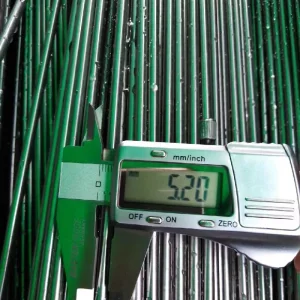
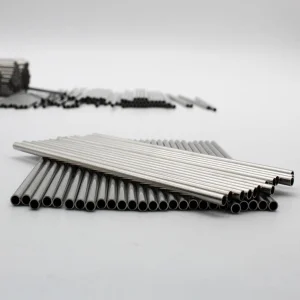
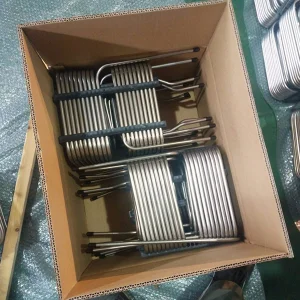
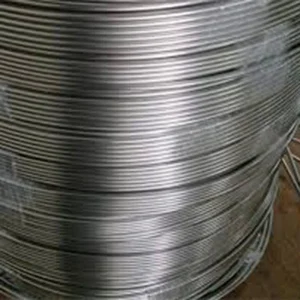
Choosing between Type 304 and Type 304L seamless stainless steel pipes requires an understanding of their microstructural behaviors. While both are austenitic stainless steels featuring approximately 18% chromium and 8% nickel, the primary differentiation lies in their carbon limits. Standard 304 (UNS S30400) permits a maximum carbon concentration of 0.08%, whereas 304L (UNS S30403) restricts carbon to a strict maximum of 0.03%.
This lower carbon content in 304L minimizes the precipitation of chromium carbides along the grain boundaries during welding processes. In welded components of standard 304, exposure to temperatures within the sensitization range of 800°F to 1500°F (427°C to 816°C) can cause chromium depletion adjacent to the grain boundaries. This depletion results in susceptibility to Intergranular Corrosion (IGC) in corrosive working media. Consequently, for piping systems undergoing heavy thermal processing or welding, 304L seamless tubing represents the primary material choice to ensure long-term mechanical stability without post-weld solution annealing.
However, the reduced carbon content of 304L slightly lowers its mechanical yield strength compared to standard 304. For applications operating at elevated temperatures where design limits depend on creep strength, standard 304, or dual-certified 304/304L, may be specified depending on environmental conditions.
Comparative chemical analysis (wt%) and minimal mechanical limits under ASTM A312 / ASTM A269 standards
| Steel Grade | Carbon (C) max | Manganese (Mn) max | Phosphorus (P) max | Sulfur (S) max | Silicon (Si) max | Chromium (Cr) | Nickel (Ni) | Yield Strength (min) | Tensile Strength (min) |
|---|---|---|---|---|---|---|---|---|---|
| TP304 (UNS S30400) | 0.08% | 2.00% | 0.045% | 0.030% | 0.75% | 18.00 - 20.00% | 8.00 - 11.00% | 30 ksi (205 MPa) | 75 ksi (515 MPa) |
| TP304L (UNS S30403) | 0.03% | 2.00% | 0.045% | 0.030% | 0.75% | 18.00 - 20.00% | 8.00 - 12.00% | 25 ksi (170 MPa) | 70 ksi (485 MPa) |
| TP316L (UNS S31603) | 0.03% | 2.00% | 0.045% | 0.030% | 0.75% | 16.00 - 18.00% | 10.00 - 14.00% | 25 ksi (170 MPa) | 70 ksi (485 MPa) |
Leveraging automated production networks and online metallurgical processing to support international procurement
Integration of high-speed inline hydrogen-atmosphere bright annealing heat treatment. This processing ensures the seamless tubing retains a reflective, scale-free inner and outer surface, eliminating the environmental impact of traditional acid pickling while maintaining strict microstructural consistency.
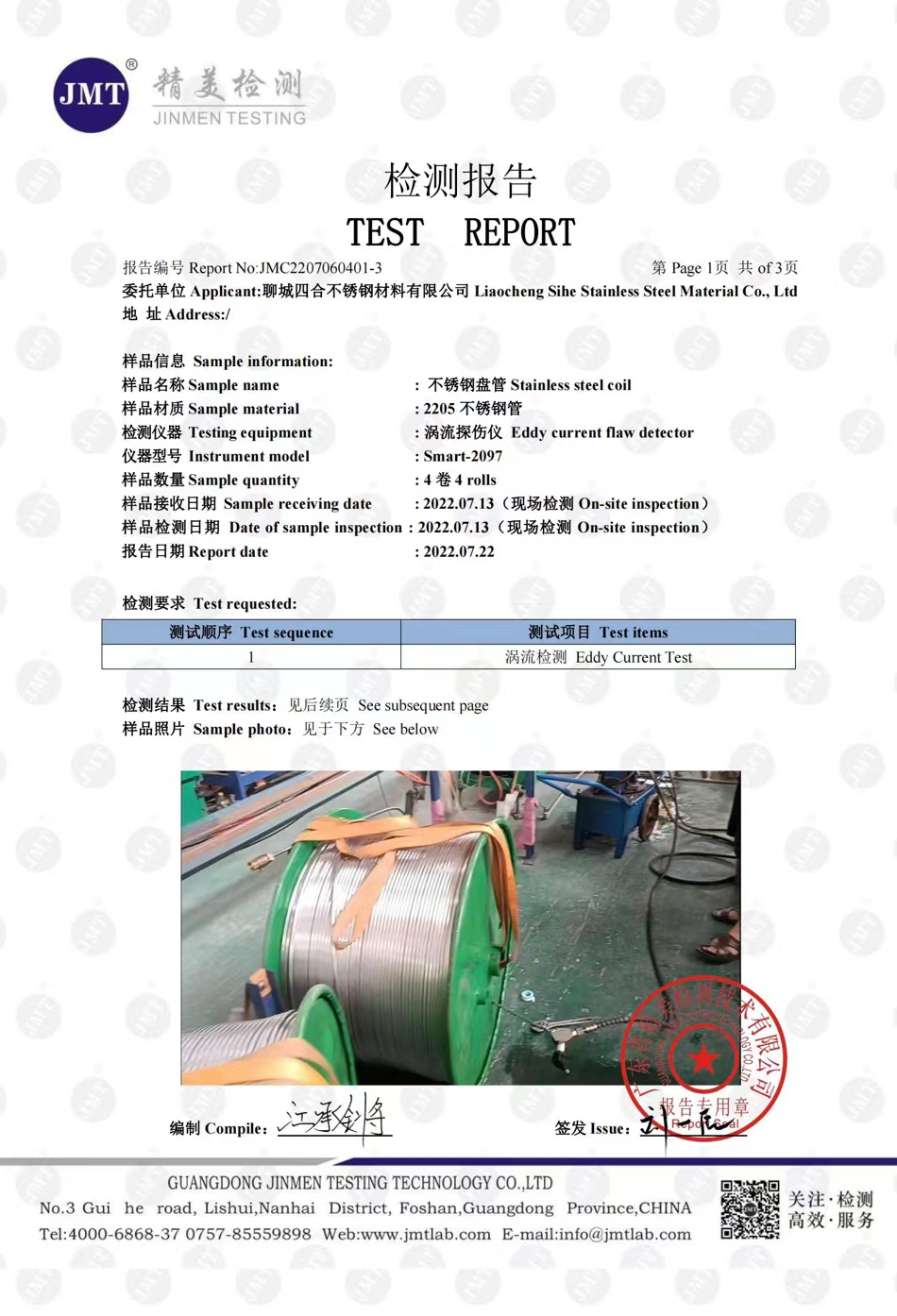
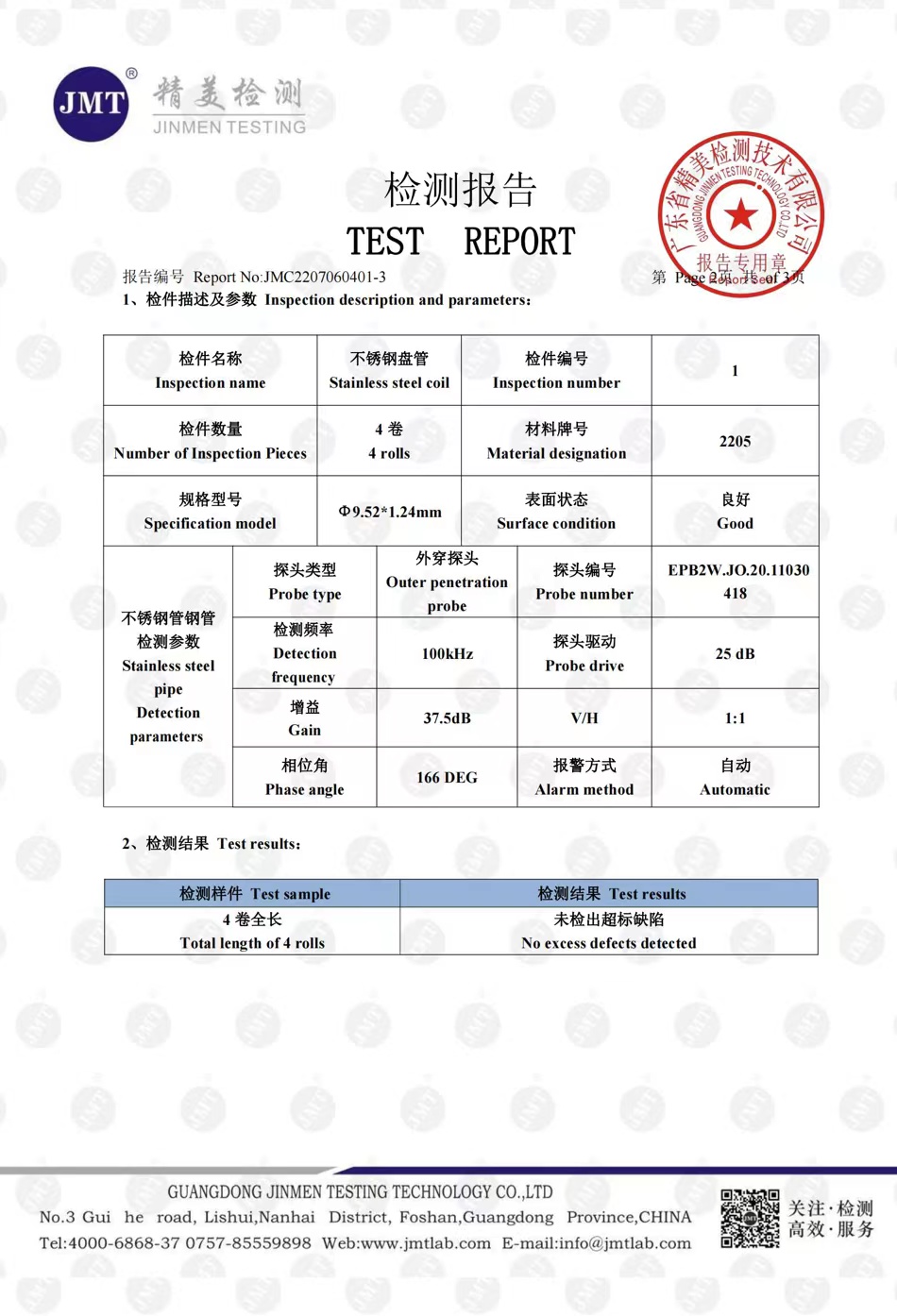
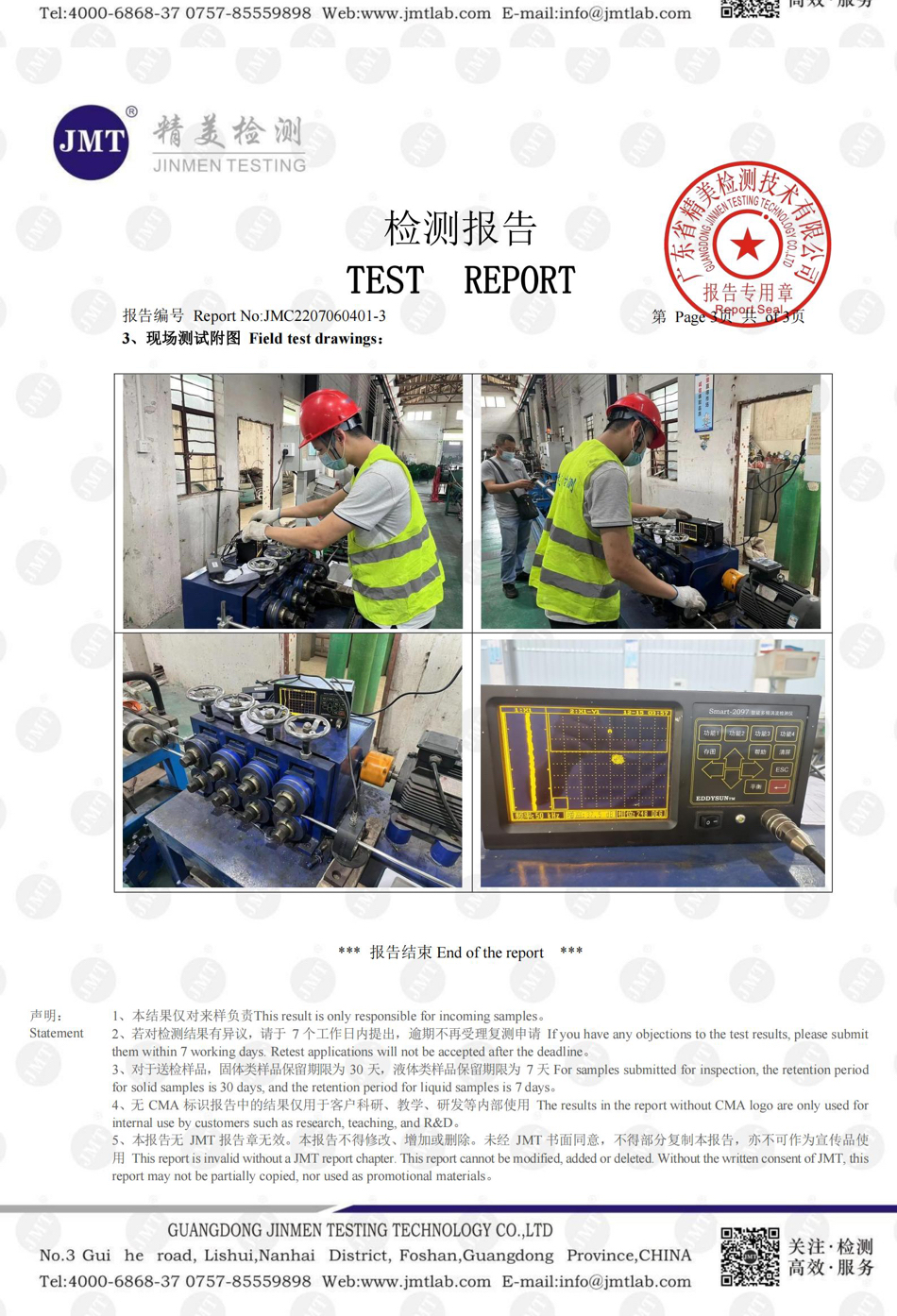
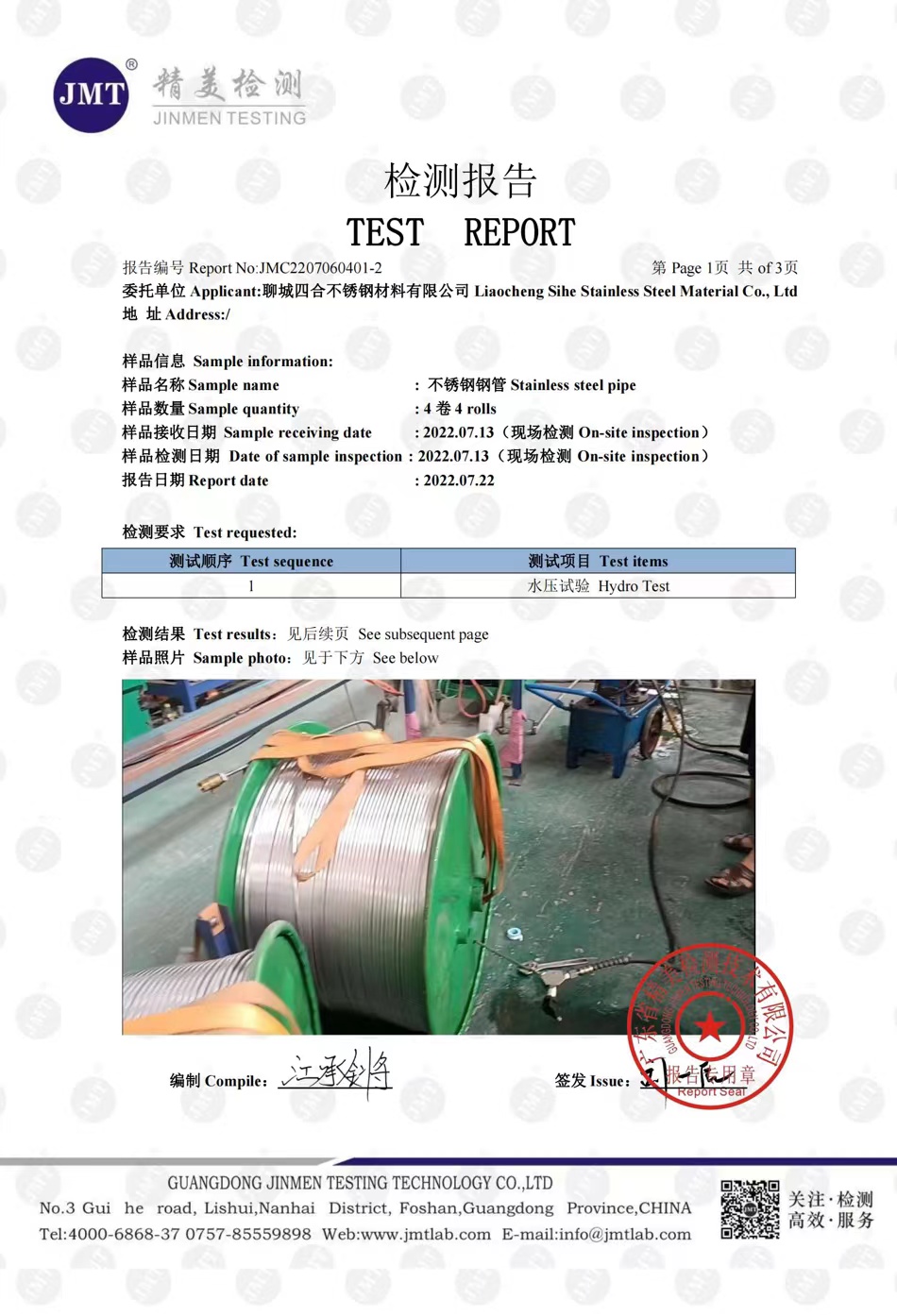
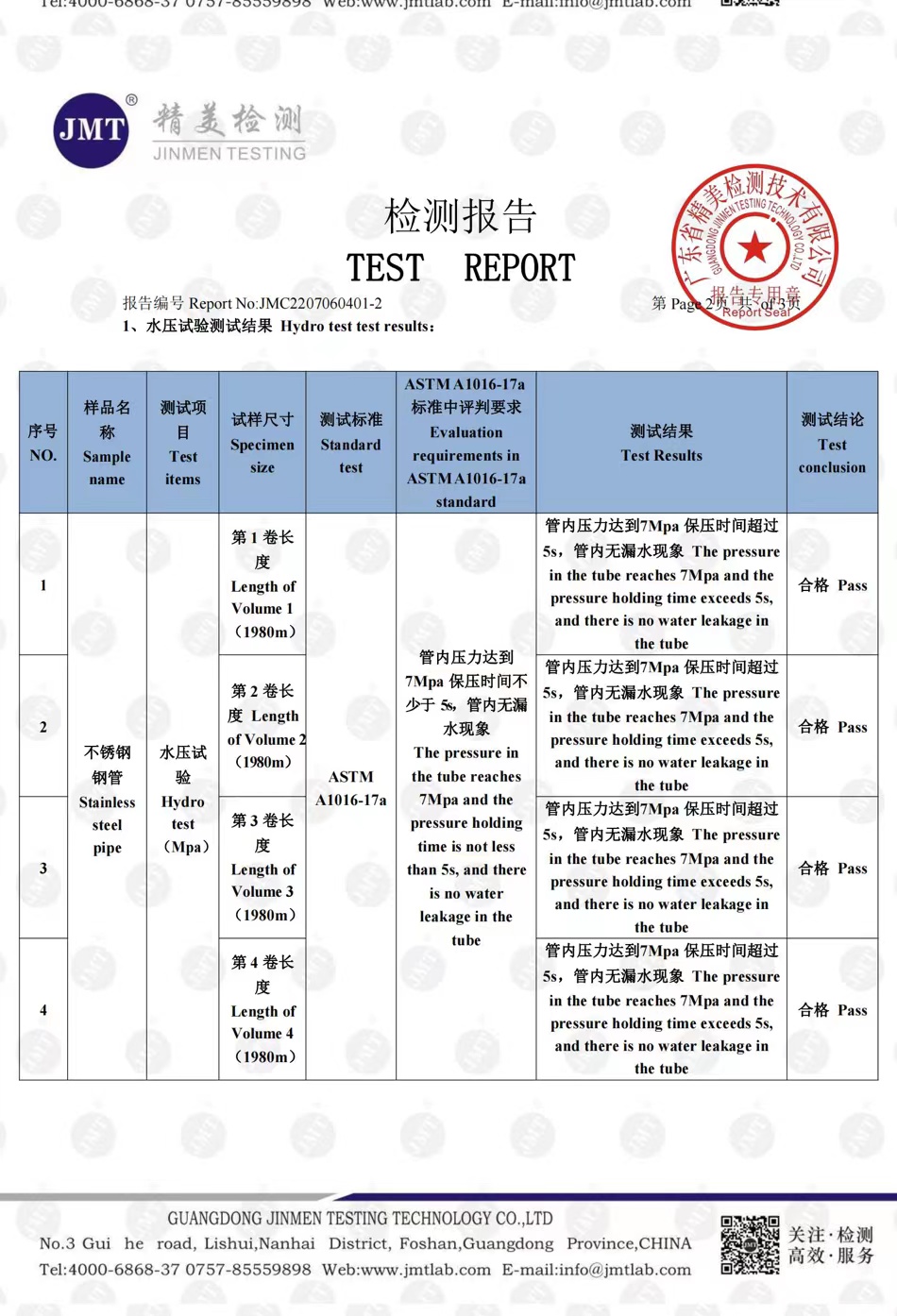
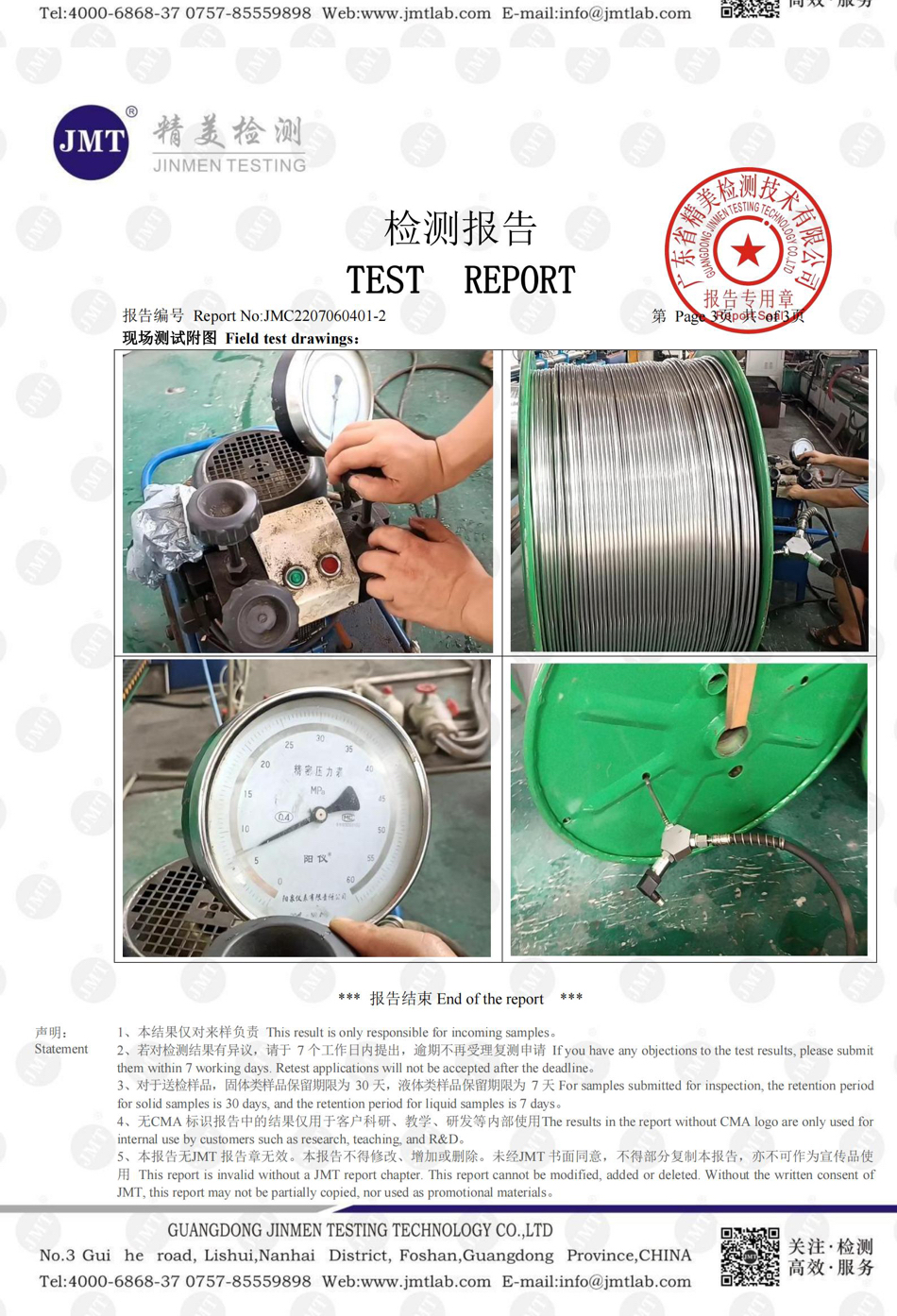
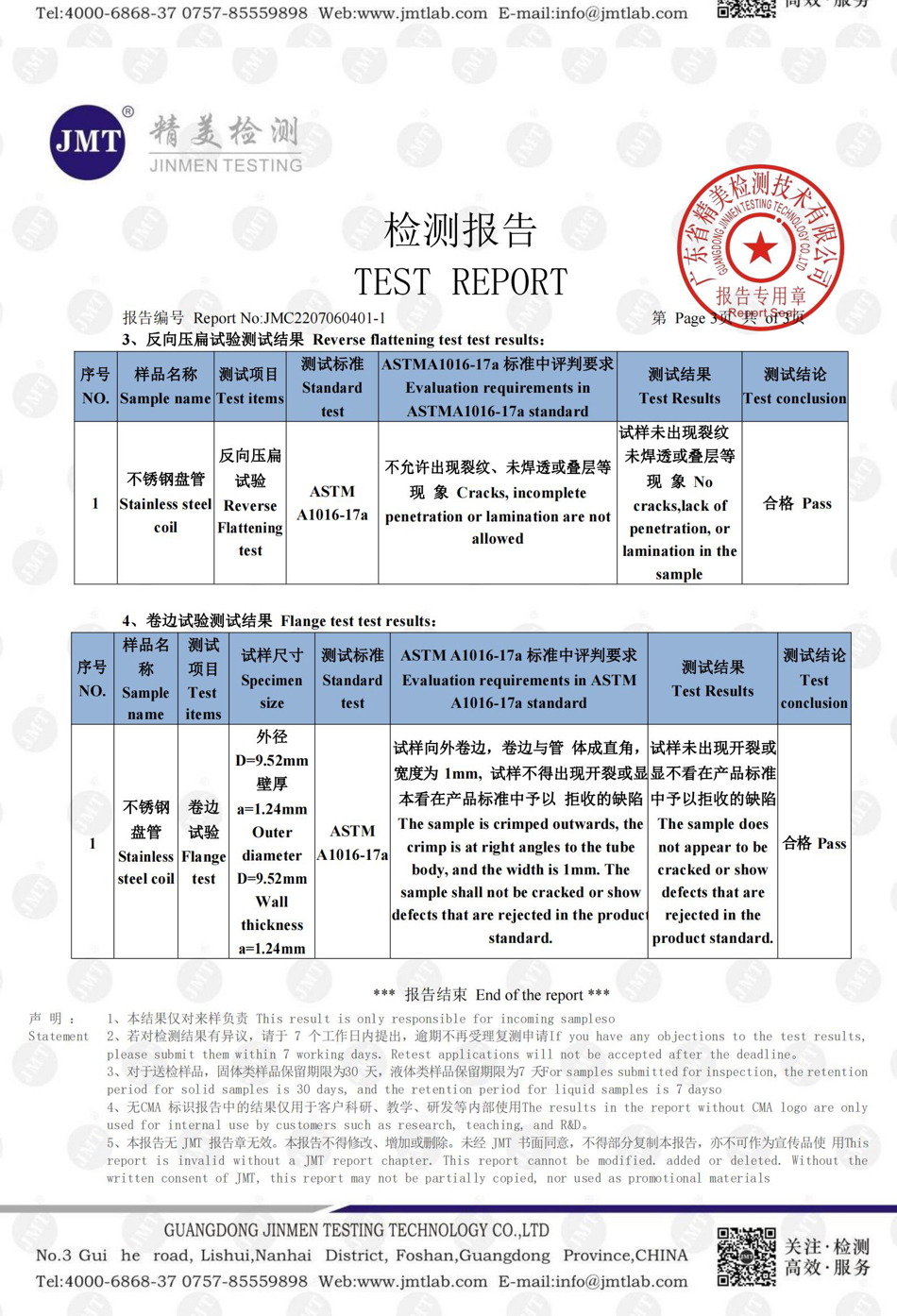
All seamless tubes undergo non-destructive inspection, including continuous Eddy Current Testing (ECT) per ASTM E426, ultrasonic flaw detection, and high-pressure hydrostatic checks, to ensure material continuity in high-vibration and high-pressure applications.
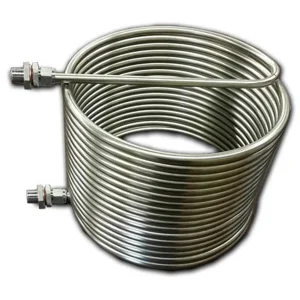
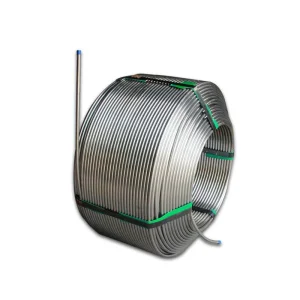
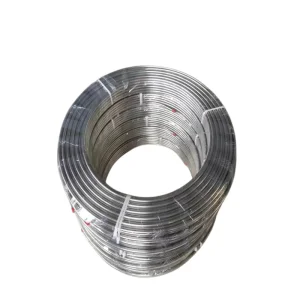
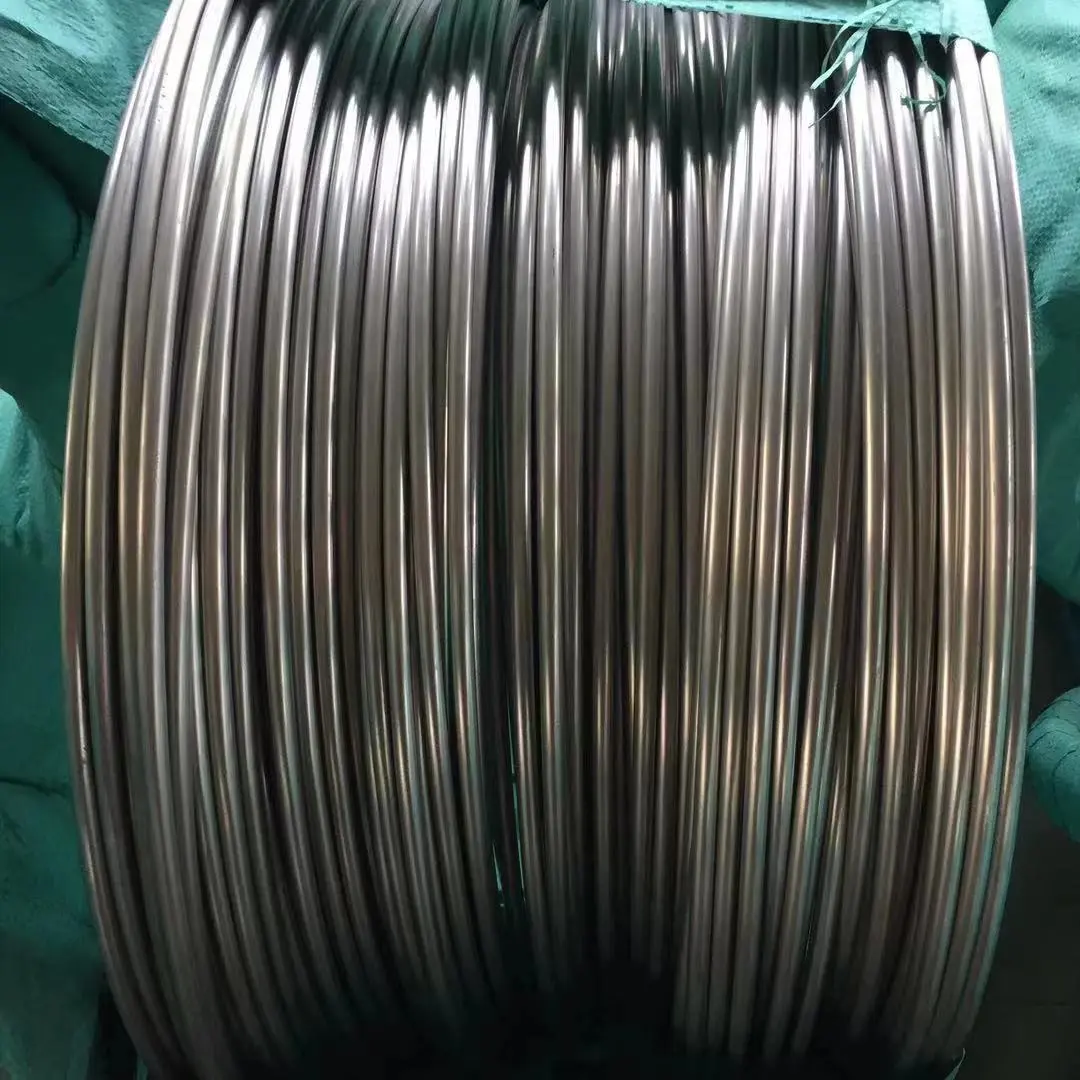
Our processes permit orbital-free continuous cold-drawn coiled tubes up to 32,800 feet (10,000 meters) in length. This design minimizes mechanical joints, reducing the potential for leak paths in umbilical systems and hydraulic control lines.
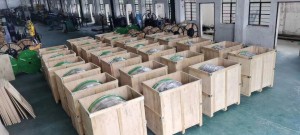
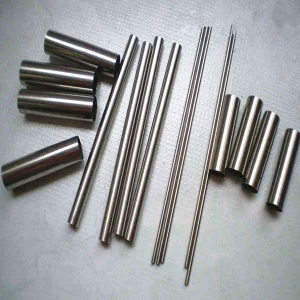
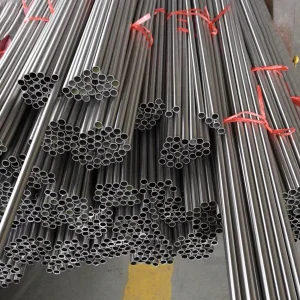
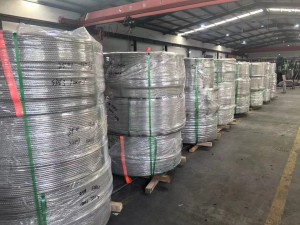
Located in Shandong Province, China, Liaocheng Sihe Stainless Steel Material Co., Ltd. operates six high-precision cold-drawing and cold-rolling lines. We specialize in producing coiled tubing, heat exchanger pipes, capillary lines, and high-precision straight seamless tubing. Our manufacturing framework utilizes international standards, including ASTM A312, ASTM A269, ASME SB312, JIS G3459, and EN 10216-5.
In addition to standard 304 and 304L grades, we process high-alloy steels, including 316L, 321, 317L, 309S, 310S, and Incoloy 800. For extreme environments, such as marine offshore drilling, subsea chemical injection, and aerospace instrumentation, our production line handles duplex alloy 2205, super duplex 2507, Incoloy 825, and Inconel 625.
Through our inline bright annealing technology, we control surface roughness and internal cleanliness parameters. This makes our tubes suitable for semiconductor fabrication, biopharmaceutical processing, and analytical equipment gas lines.
Value-added engineering services to meet precise customer specifications
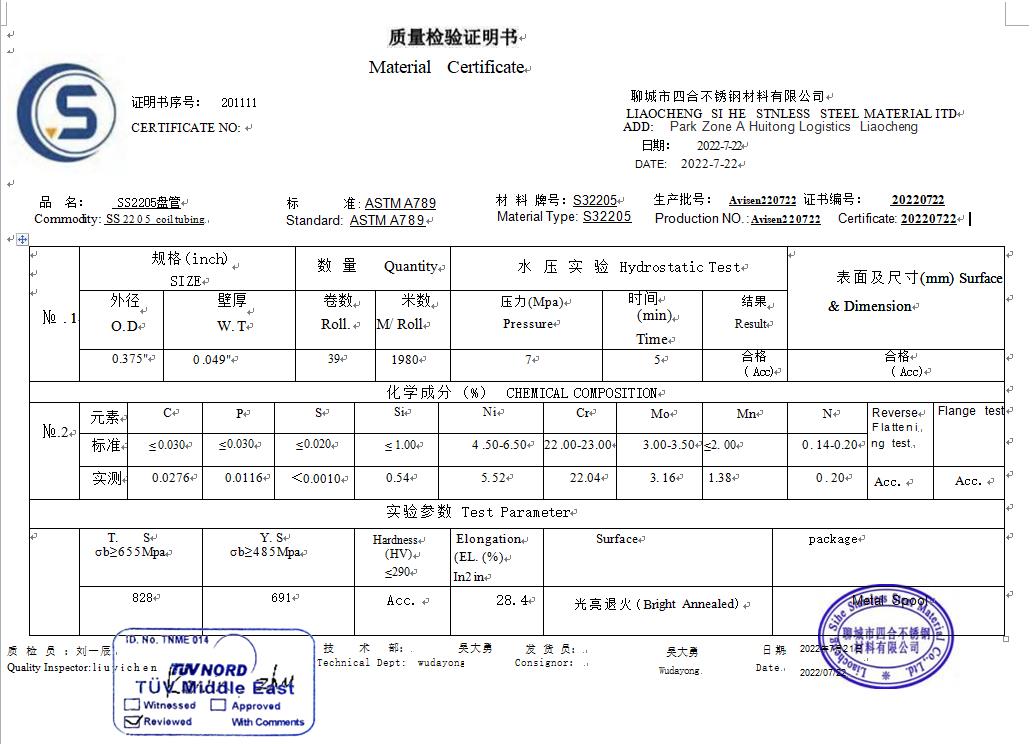
We support various materials (e.g., 304, 316L, 2205) and custom specifications, including outside diameters ranging from 6.35mm to 19.05mm, with specific coiled configurations tailored to unique installation spaces.
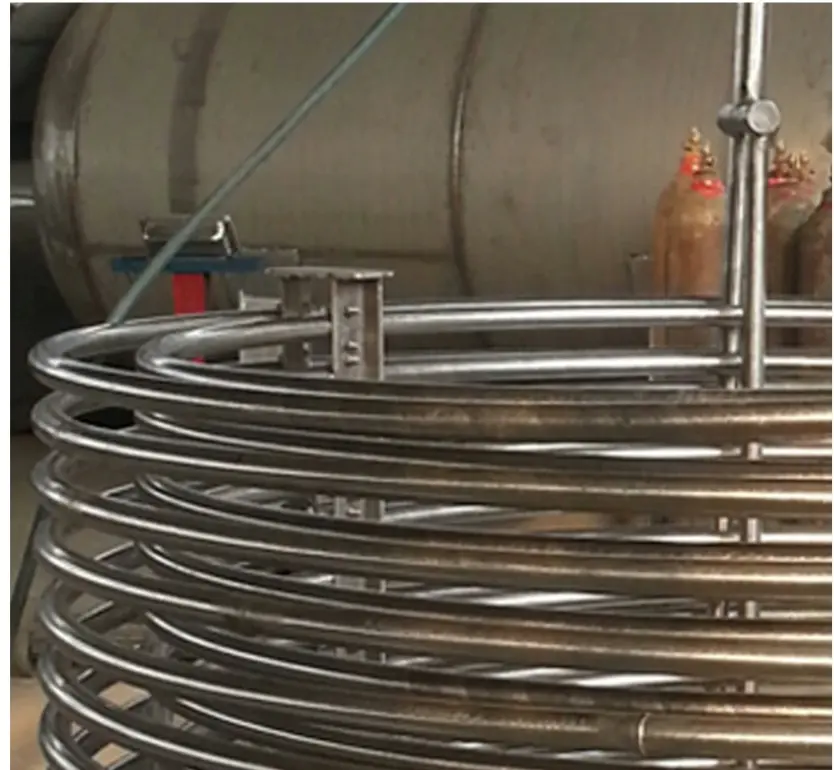
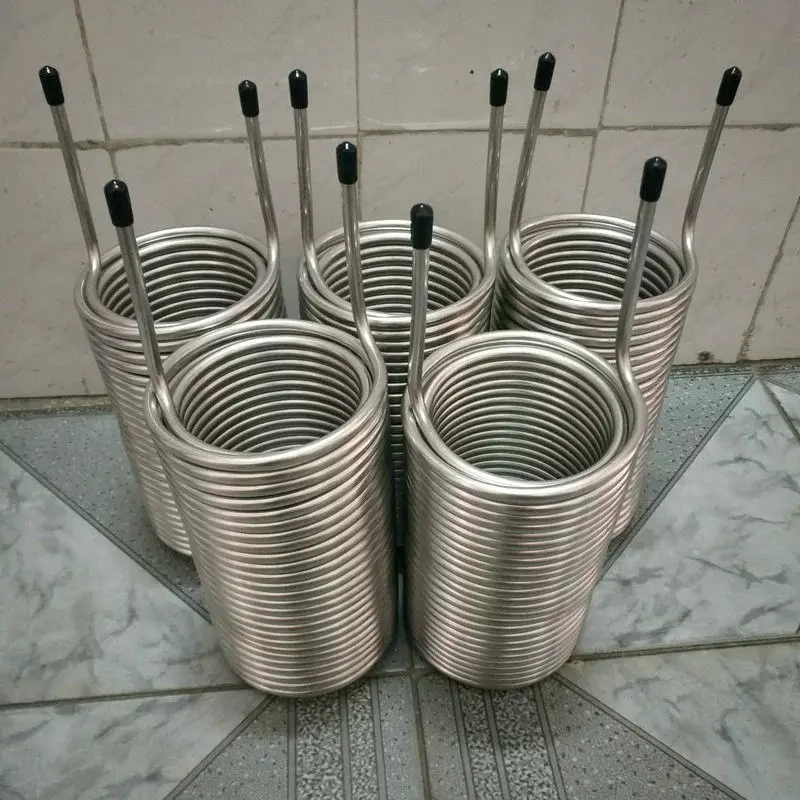
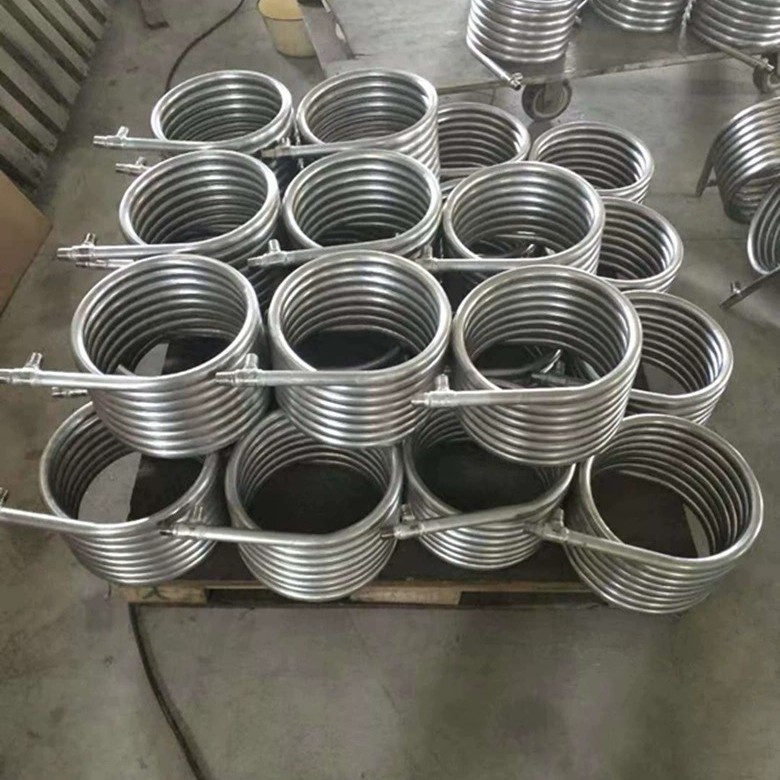
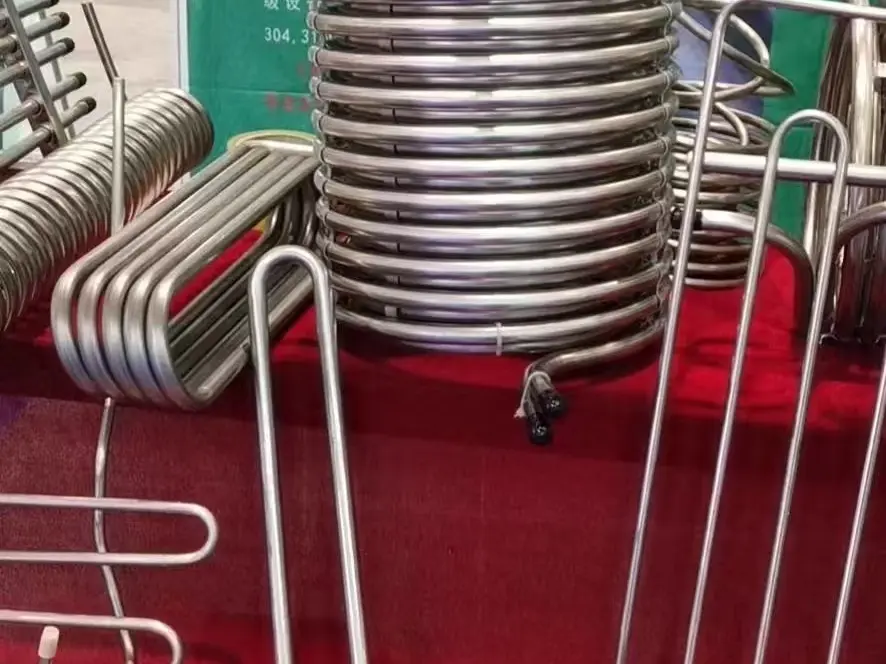
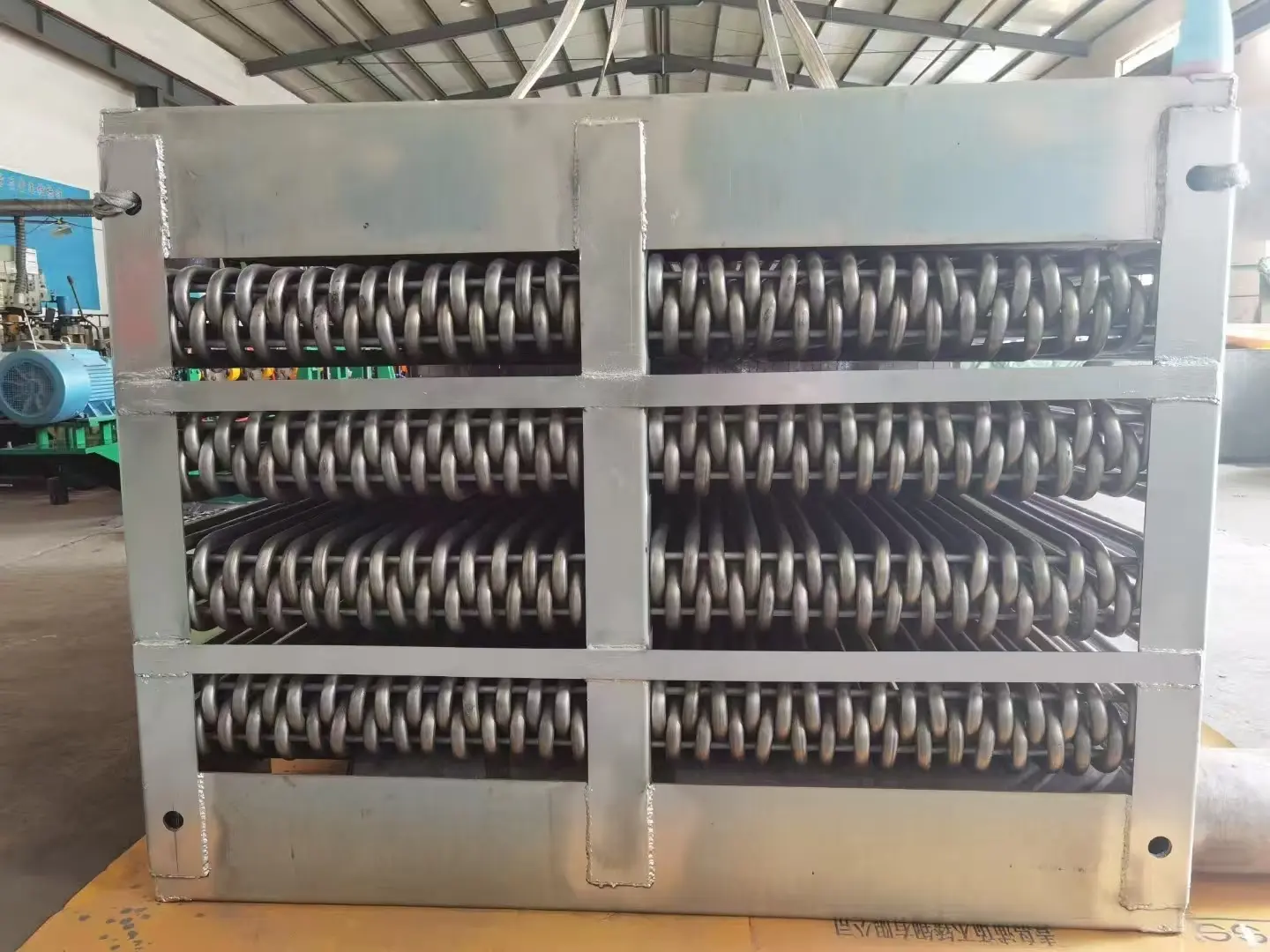
Our plant is equipped to perform specialized bending, spiral forming, and precision drawing. This allows us to supply ready-to-install tubes for condensation coils and high-efficiency heat exchangers.
Laser cutting, mechanical cold cutting, and plasma cutting services are available to supply precise tube segments with clean, burr-free cuts, reducing prep time before orbital welding.
We offer electropolishing (EP), mechanical polishing (MP), and chemical passivation treatments. These surface modifications help control surface roughness to meet strict sanitary standards.
Custom cold-formed end flanging services are available, facilitating reliable flange connections in automotive exhaust systems, high-pressure chemical transfer pipelines, and hydraulic setups.
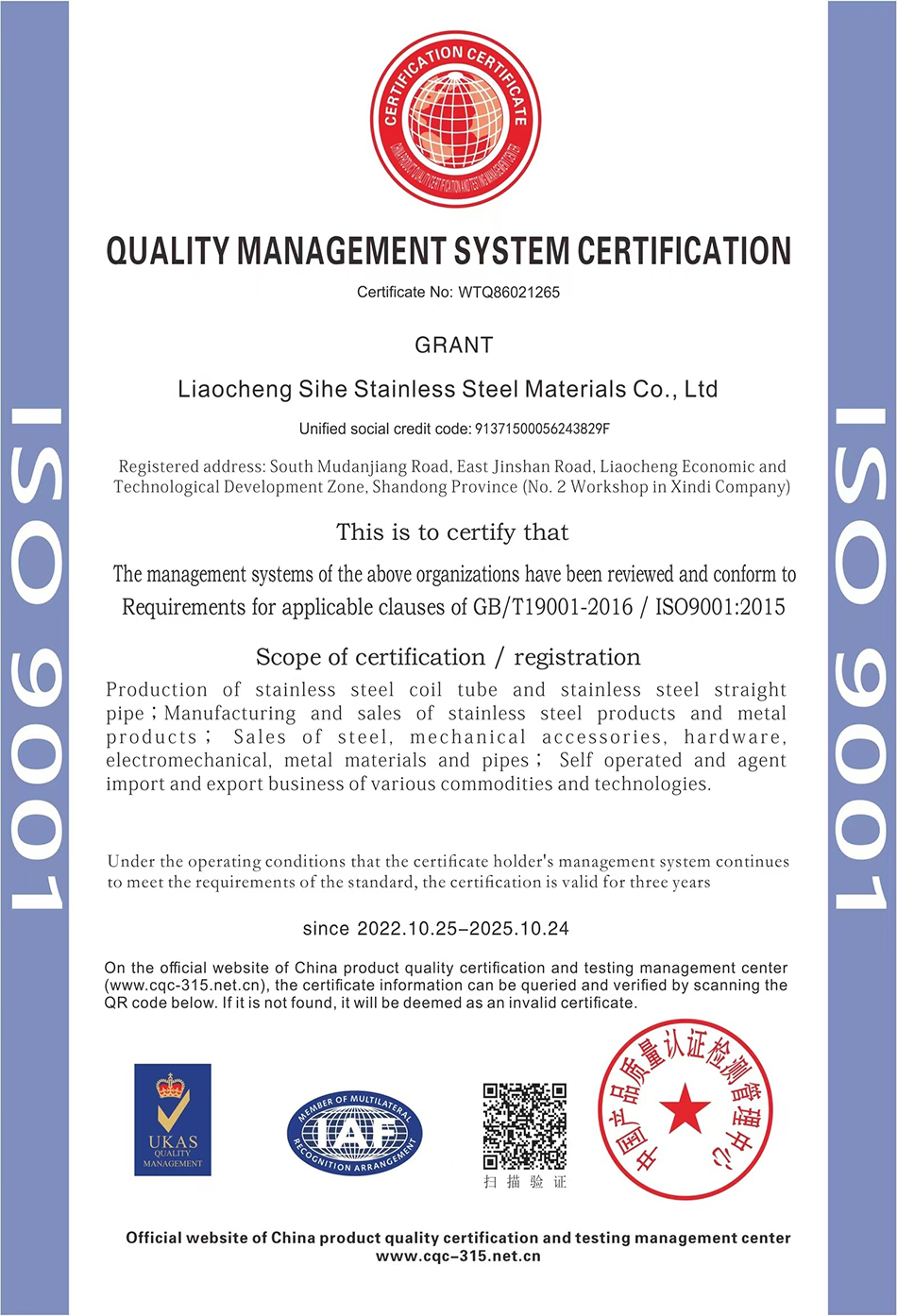
Select from our manufacturing configurations, verified through ISO 9001 and PED 2014/68/EU quality standards
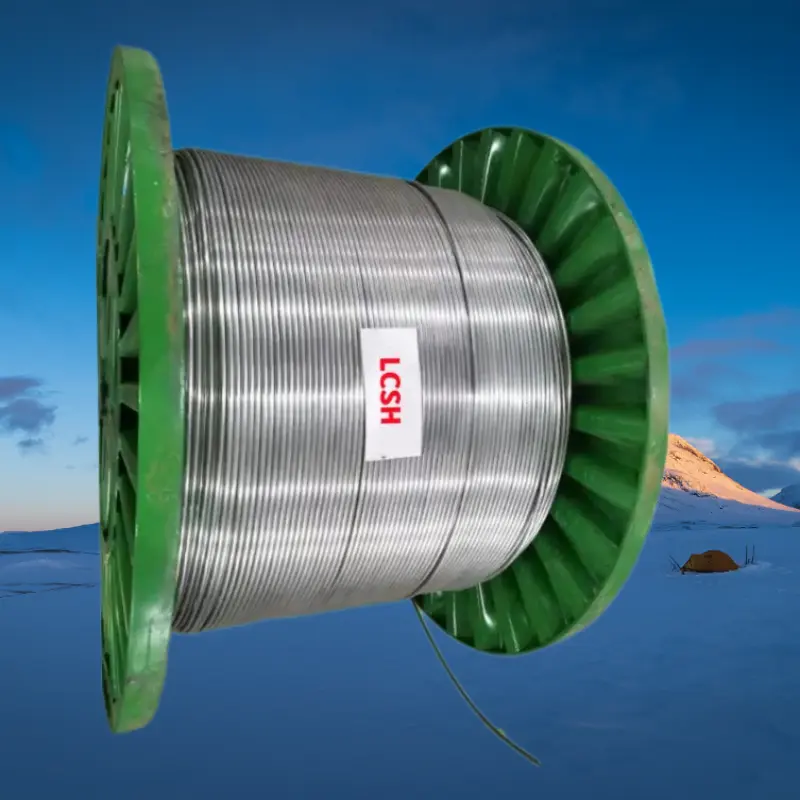
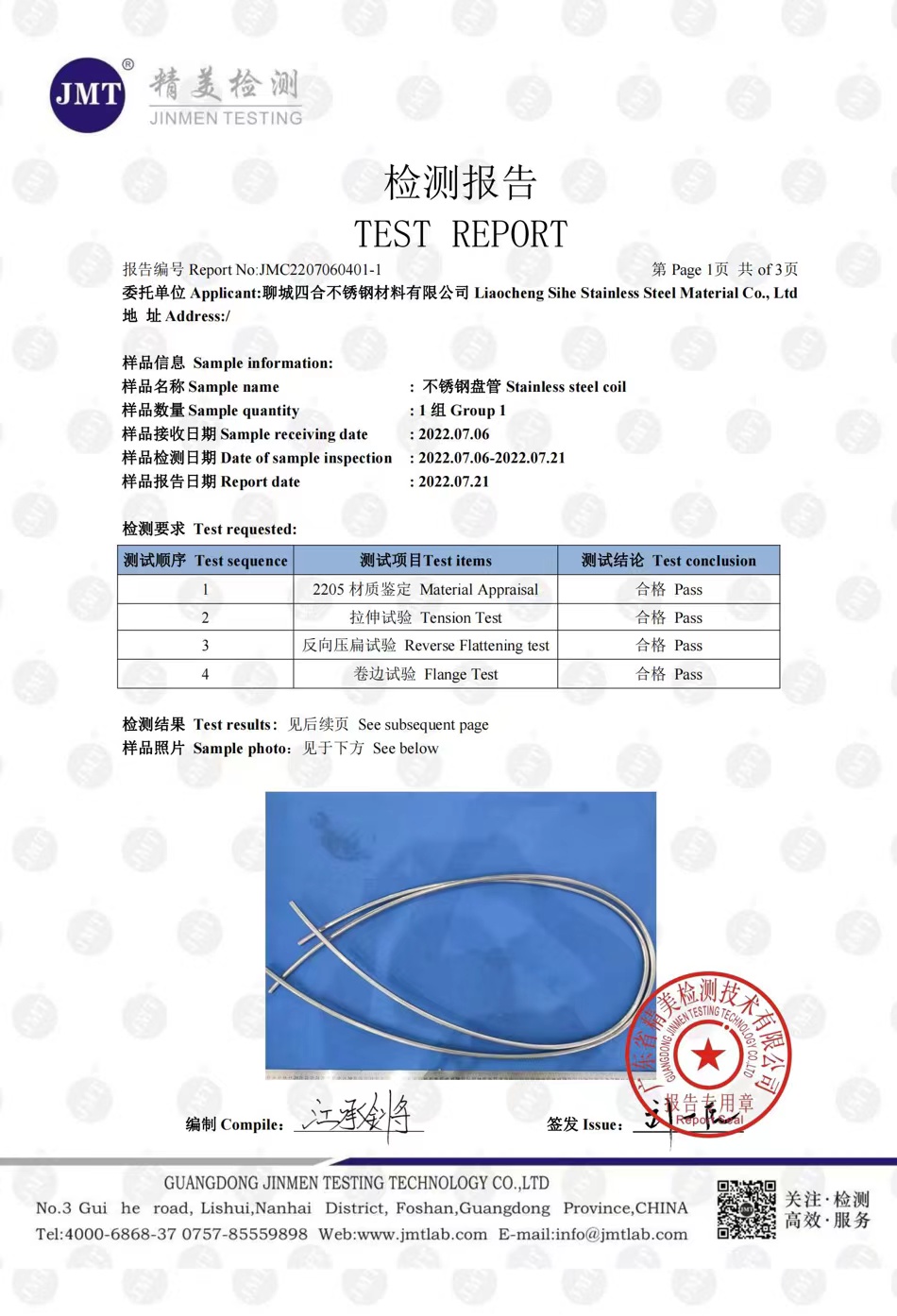
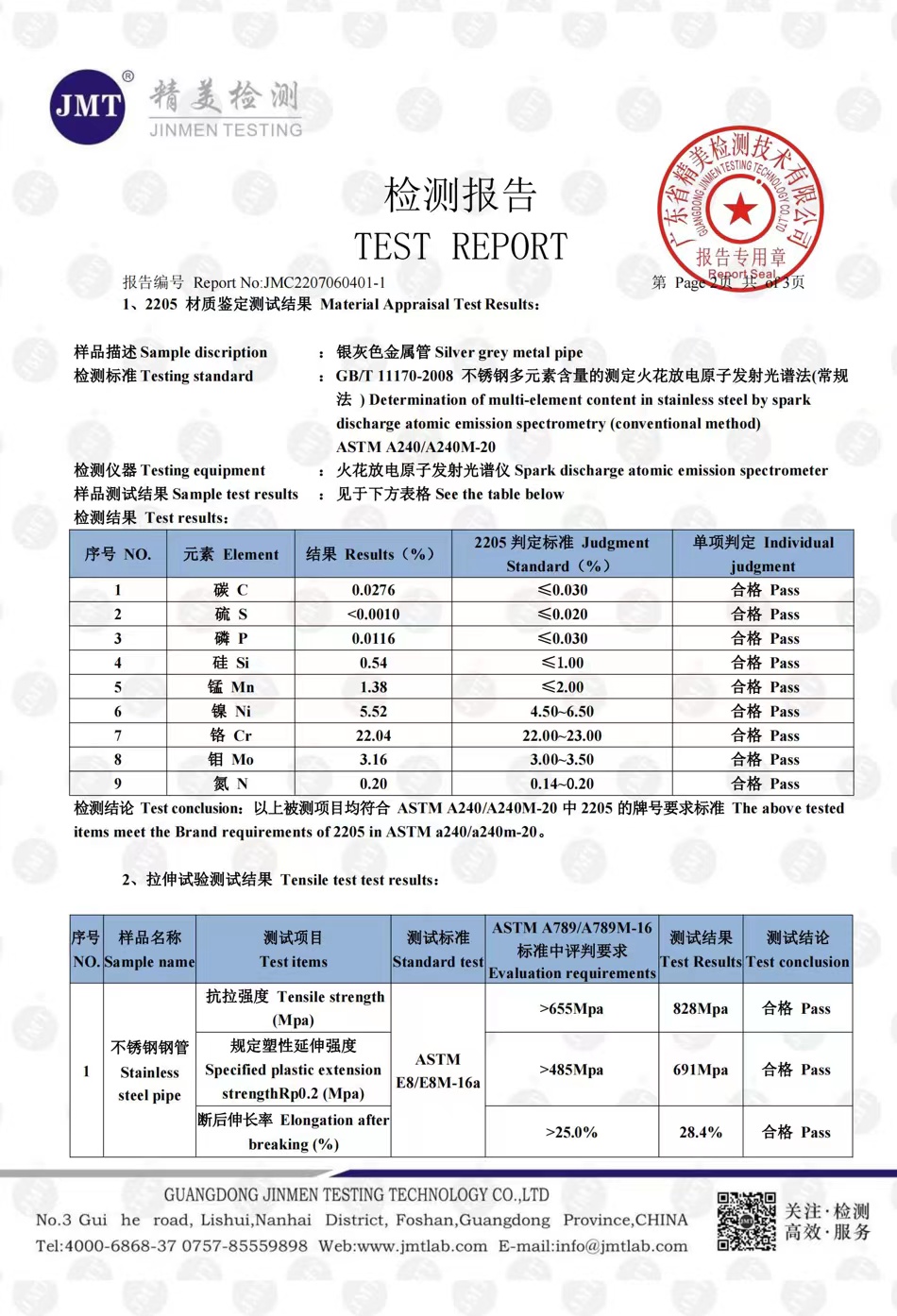
2205 stainless steel is a duplex stainless steel containing austenitic and ferritic microstructures...
VIEW MORE PRODUCT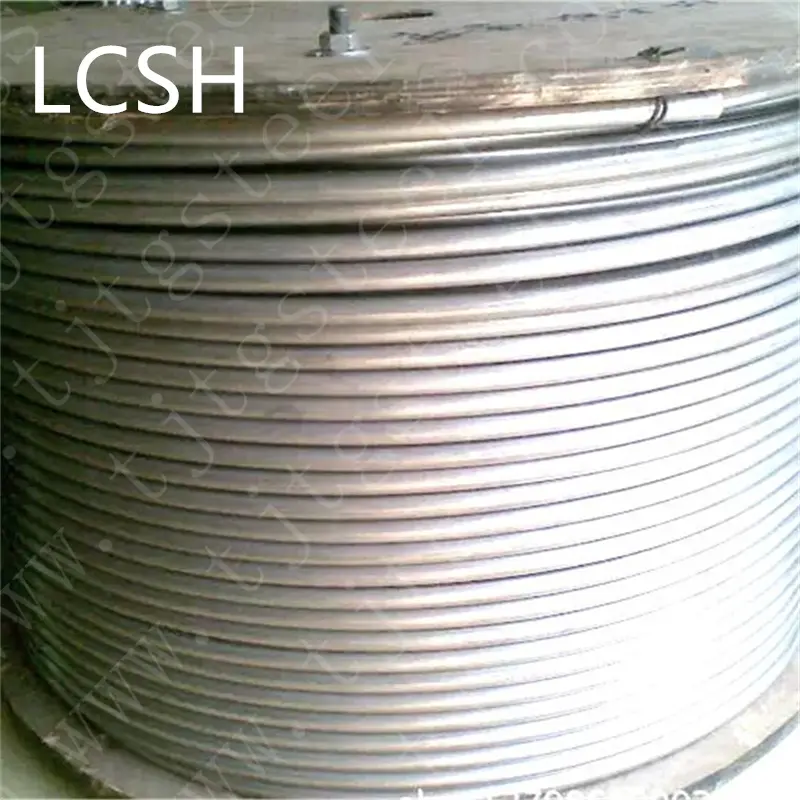
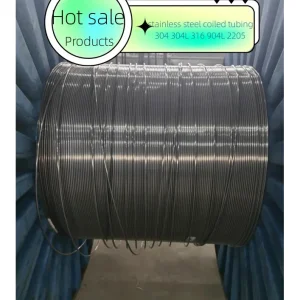
1/2 stainless steel coiled tubing refers to a coil of stainless steel tubing with a nominal...
VIEW MORE PRODUCT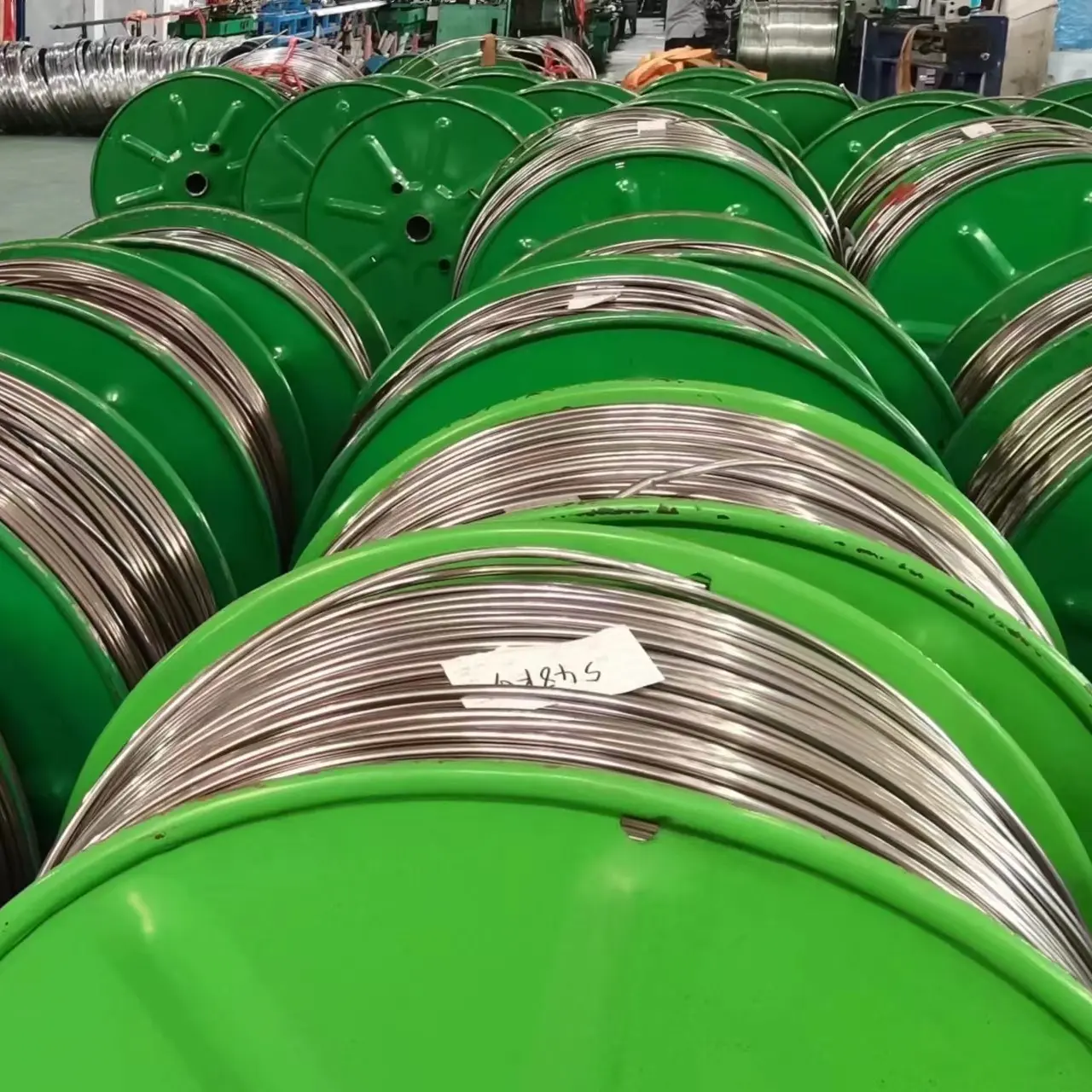
China 310 Steel Coil Tube Factories: We manufacture high-temperature oxidation resistant...
VIEW MORE PRODUCT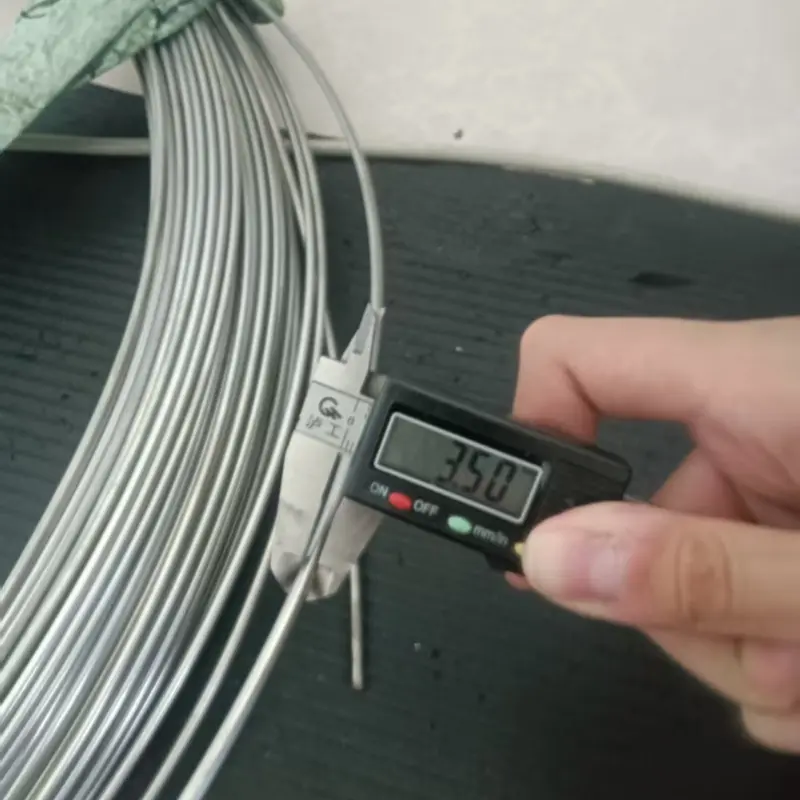
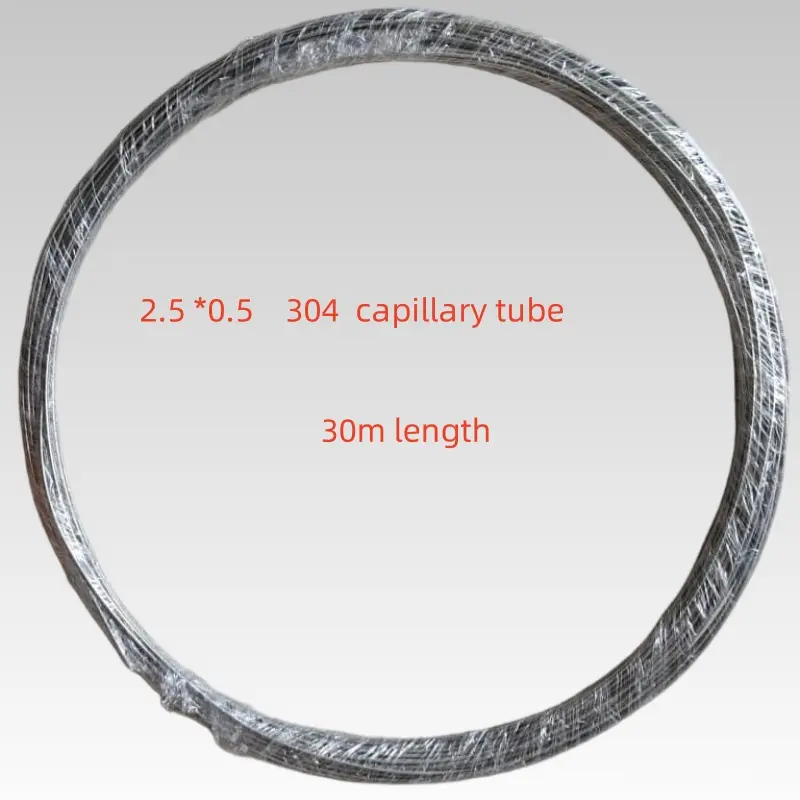
Providing reliable performance in corrosive, high-pressure, and high-purity environments
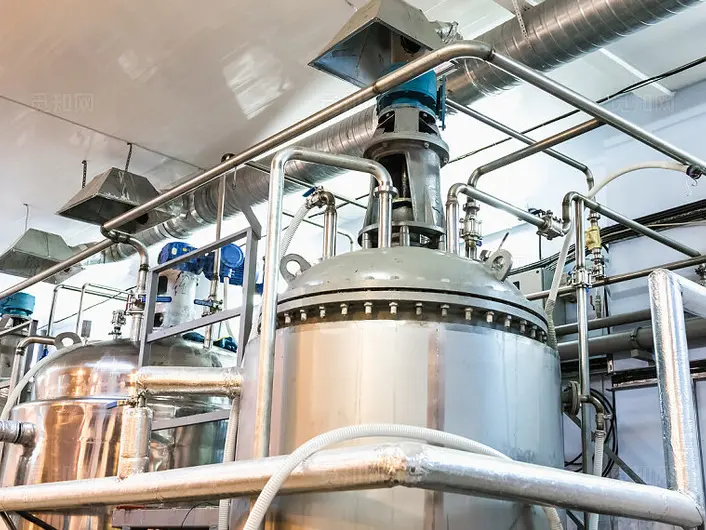
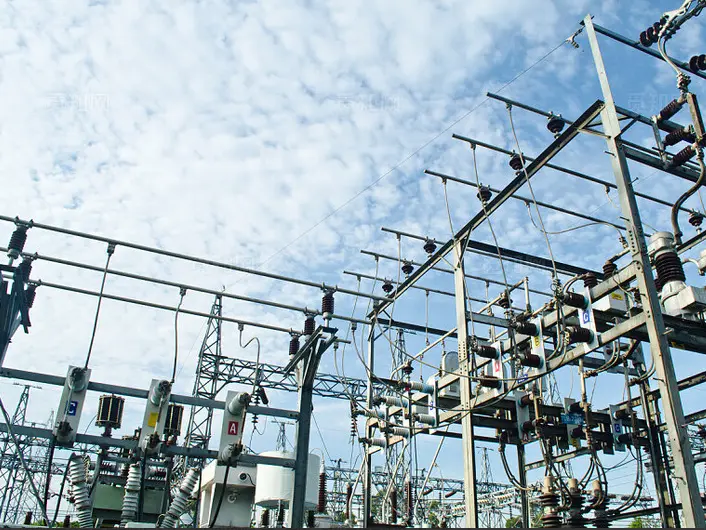
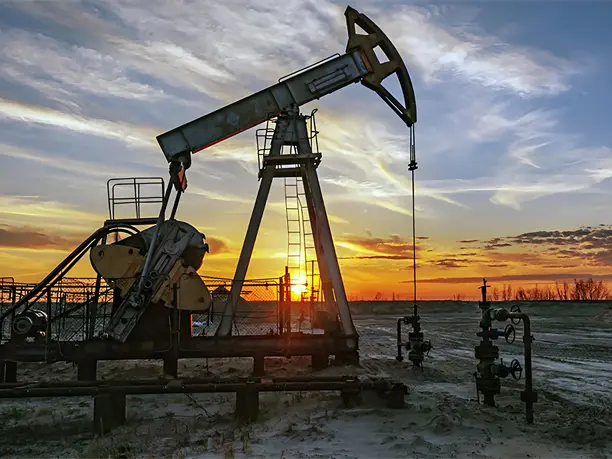
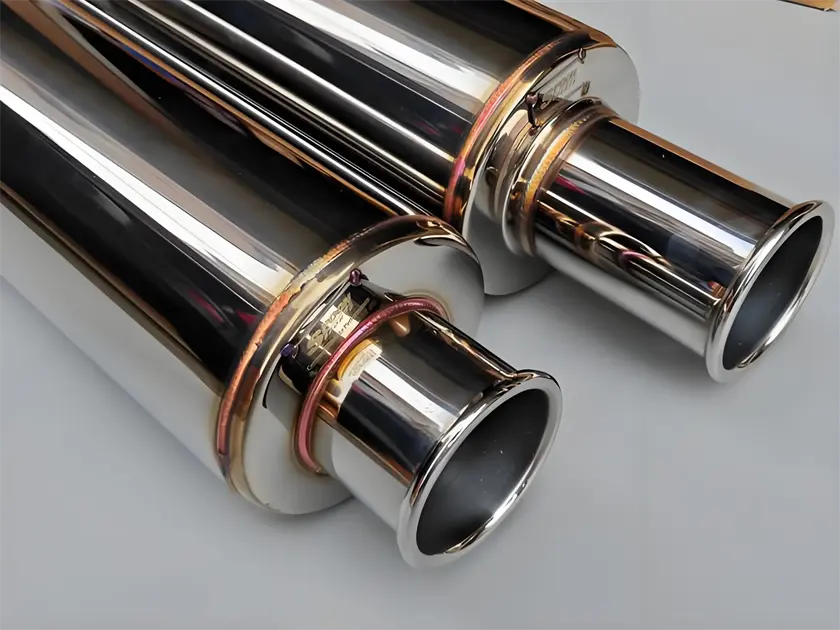
Verified manufacturing processes conforming to global quality standards
Deciphering price indexes, trade corridors, and risk management strategies in global procurement
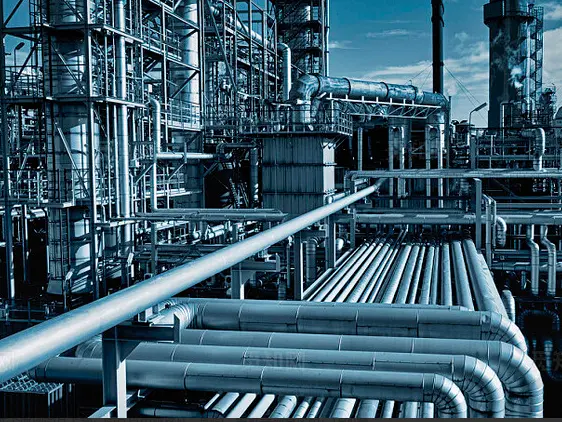
As oil and gas extraction transitions into deeper waters and more demanding offshore environments, operating safety remains a key priority. Subsea umbilical systems operate under high external pressures and in corrosive chloride environments, requiring materials that resist localized pitting and stress corrosion cracking (SCC).
In response, our continuous product development provides corrosion-resistant tubing solutions for offshore umbilical applications. Replacing mechanical joints with ultra-long continuous coiled tubes lowers the risk of fluid leakage, supporting safer offshore operations.
Beyond fossil energy, the growth of green hydrogen infrastructure, high-temperature concentrated solar power (CSP) generation, and industrial biomass plants has increased demand for specialty alloys. Modern boiler systems and heat exchangers utilize ASME SB163/SB167 standards, specifying elements like Incoloy 800H and Inconel 625 to manage thermal strain and oxidation.
Raw material indexes, including LME Nickel and Ferrochrome prices, are primary factors in stainless steel pipe pricing. For instance, alloy additions in 316L (such as 2% Molybdenum) or duplex steels create a pricing gap relative to standard 304/304L grades.
Additional production steps, such as dimensional tolerance control (e.g., +/- 0.05mm OD tolerances for chromatography capillaries), mechanical polishing (Ra < 0.4μm), and custom continuous lengths (such as spooled coils), influence processing costs. Working with a direct Chinese manufacturer with integrated bright annealing and cold-drawing lines can improve cost efficiencies compared to sourcing through distribution intermediaries.
To manage price volatility, we offer quarterly pricing contracts for regular bulk orders. Contact our sales department to receive an updated pricelist tailored to your specific size, alloy grade, and delivery terms.
Key information regarding procurement, testing, logistics, and global supply agreements
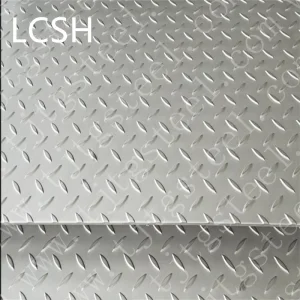
Browse our broader range of high-performance piping and sheet metal offerings