1 / 3
 Sihe Steel
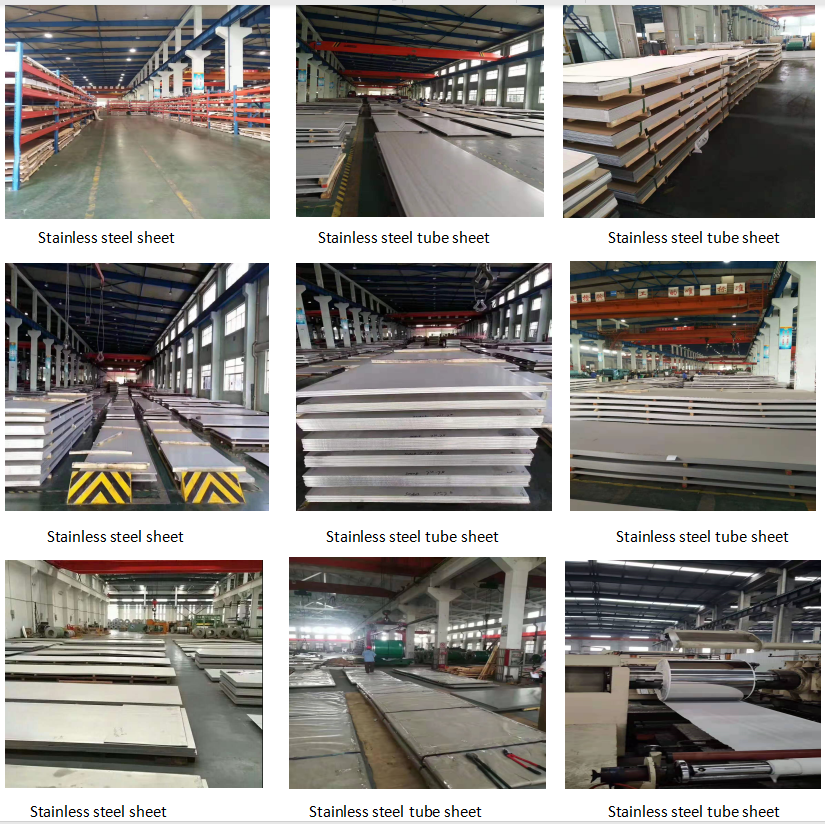
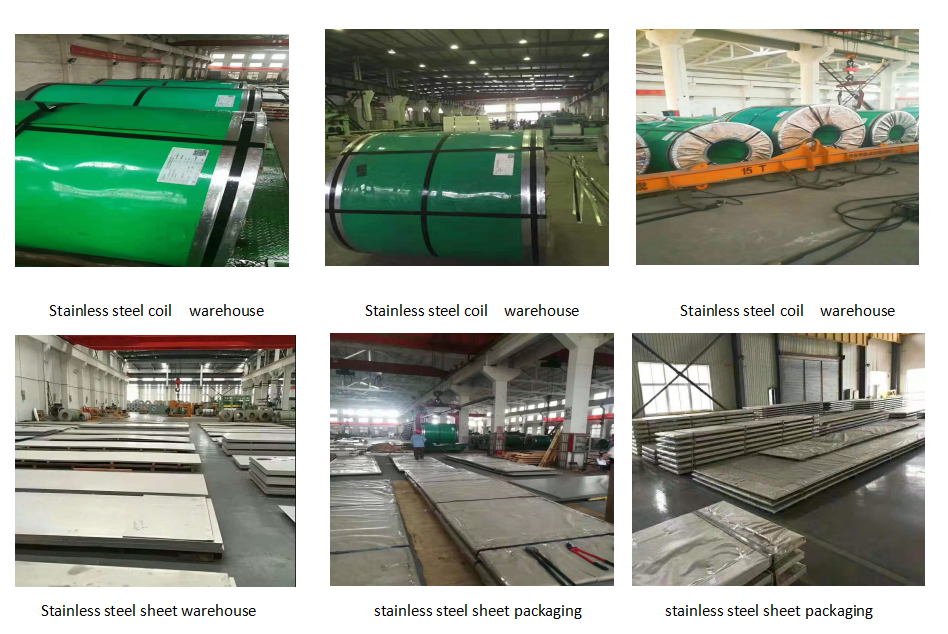
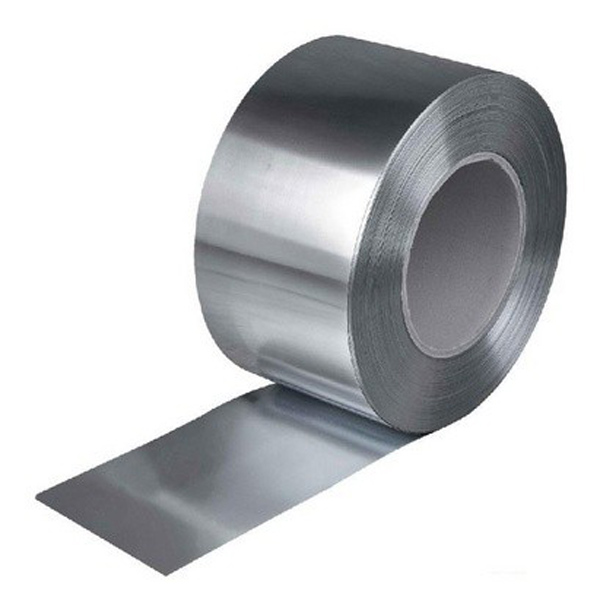
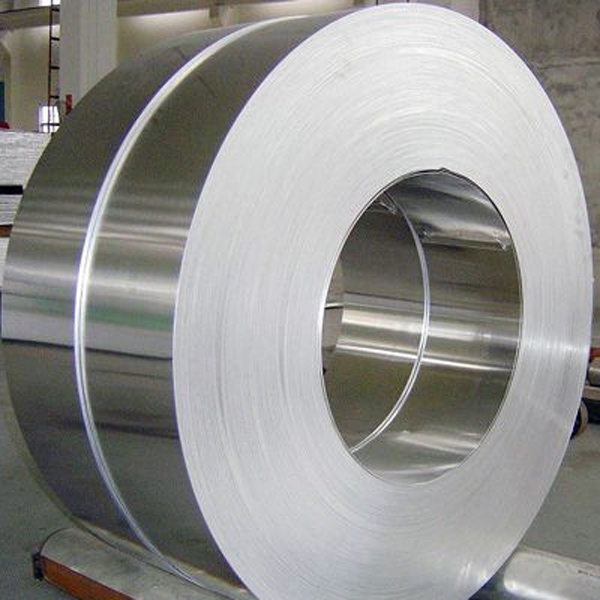
Alloy 304L is a T-300 series austenitic stainless steel, which has a minimum of 18% chromium and 8% nickel. Type 304L has a carbon maximum of 0.030. It is the standard “18/8 stainless” that is commonly found in pans and cooking tools. Alloys 304L is the most versatile and widely used alloy in the stainless steel family. Ideal for a wide variety of home and commercial applications, Alloys 304L exhibits excellent corrosion resistance and has a high ease of fabrication, outstanding formability. The austenitic stainless steels are also considered to be the most weldable of the high-alloy steels and can be welded by all fusion and resistance welding processes.
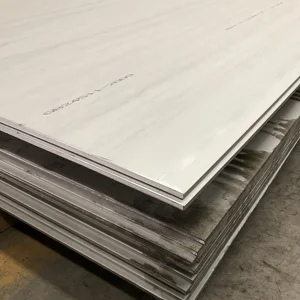
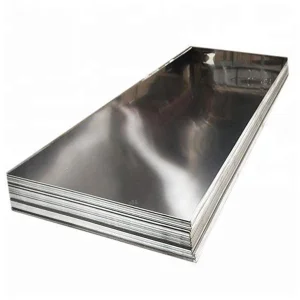
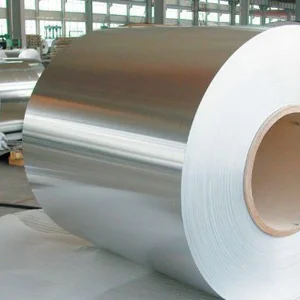
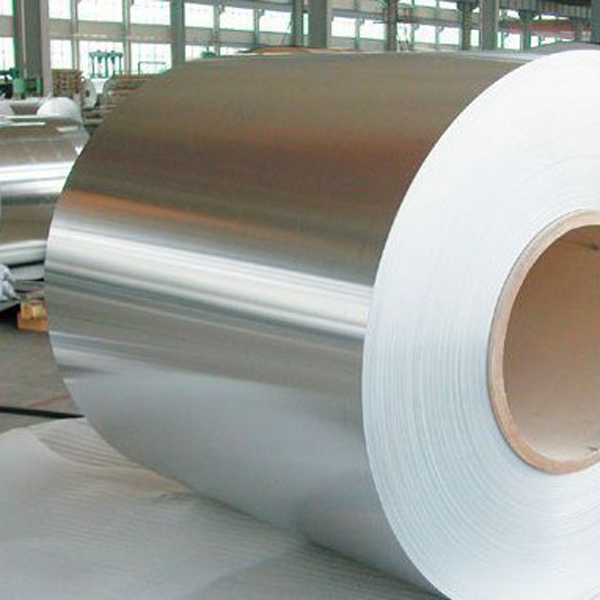
Stainless Steel sheet, No.1 Stainless Steel Plate, 304/201/316/2205/409/310S Stainless Steel sheet No.1 finished, High Quality Thick 304 /316L Metal Sheet Hot Rolled No.1 Surface 316 Stainless Steel Plate, Stainless Steel Plate Mill finished surface. 304 Stainless steel sheet, 304 Stainless Steel Plate, Grade 201/304/316L/310S/409/2205 ect, Decorative sheet, Structure Steel sheet, Hot Rolled sheet, Cold Rolled sheet, Anti-Corrosion Steel sheet, Anti-Rust stainless steel sheet. 304 Stainless Steel Plate, 304 Sheets and Coils in Hot Rolled (HR) and Cold Rolled (CR) Conditions No.1 Finish, No.2B Finish, No. 8 Finish, BA Finish (Bright Annealed), Satin Finish, Hairline Finish.
UNS Specification: UNS S30403
International Standards:
Alloy 304L Stainless Steel is used in a wide variety of home and commercial applications, including:
Excellent welding properties; post-weld annealing is not required when welding thin sections. Two important considerations in producing weld joints in the austenitic stainless steels are:
The use of chip breakers is advised since the chips can be stringy. Stainless steel work harden rapidly; heavy positive feeds, sharp tooling, and a rigid set-up should be used below the work-hardened layer resulting from previous passes.
Hot Forming: To forge, heat uniformity to 2100 / 2300 °F. Do not forge below 1700 °F. Forging can be air cooled without danger of cracking.
Cold Forming: Its austenitic structure allows it to be deep-drawn without intermediate annealing, making this the stainless steel grade of choice in the manufacturing of sinks, hollow-ware and saucepans. These grades work harden rapidly. To relieve stresses produced in severe forming or spinning, parts should be full annealed or stress relief annealed as soon as possible after forming.
Applications: Construction and decoration
| Specification | Steel Grade | C% Max. | Si% Max. | Mn% Max. | P% Max. | S% Max. | Cr% | Ni% | Mo% | Ti% | OTHER |
|---|---|---|---|---|---|---|---|---|---|---|---|
| JIS G4303 | SUS301 | 0.15 | 1 | 2 | 0.045 | 0.03 | 16.00-18.00 | 6.00-8.00 | - | - | - |
| JIS G4303 | SUS302 | 0.15 | 1 | 2 | 0.045 | 0.03 | 17.00-19.00 | 8.00-10.00 | - | - | - |
| JIS G4304 | SUS304 | 0.08 | 1 | 2 | 0.045 | 0.03 | 18.00-20.00 | 8.00-10.50 | - | - | - |
| JIS G4305 | SUS304L | 0.03 | 1 | 2 | 0.045 | 0.03 | 18.00-20.00 | 9.00-13.00 | - | - | - |
| JIS G4312 | SUS304J3 | 0.08 | 1 | 2 | 0.045 | 0.03 | 17.00-19.00 | 8.00-10.50 | - | - | Cu:1.00-3.00 |
| - | SUH309 | 0.2 | 1 | 2 | 0.045 | 0.03 | 22.00-24.00 | 12.00-15.00 | - | - | - |
| - | SUS309S | 0.08 | 1 | 2 | 0.045 | 0.03 | 22.00-24.00 | 12.00-15.00 | - | - | - |
| - | SUH310 | 0.25 | 1.5 | 2 | 0.045 | 0.03 | 24.00-26.00 | 19.00-22.00 | - | - | - |
| - | SUS310S | 0.08 | 1.5 | 2 | 0.045 | 0.03 | 24.00-26.00 | 19.00-22.00 | - | - | - |
| - | SUS316 | 0.08 | 1 | 2 | 0.045 | 0.03 | 16.00-18.00 | 10.00-14.00 | 2.00-3.00 | - | - |
| - | SUS316L | 0.03 | 1 | 2 | 0.045 | 0.03 | 16.00-18.00 | 12.00-15.00 | 2.00-3.00 | - | - |
| - | SUS317 | 0.08 | 1 | 2 | 0.045 | 0.03 | 18.00-20.00 | 11.00-15.00 | 3.00-4.00 | - | - |
| - | SUS321 | 0.08 | 1 | 2 | 0.045 | 0.03 | 17.00-19.00 | 9.00-13.00 | - | 5*C Min. | - |
| - | SUS347 | 0.08 | 1 | 2 | 0.045 | 0.03 | 17.00-19.00 | 9.00-13.00 | - | - | Nb:10*C Min. |
| - | SUSXM7 | 0.08 | 1 | 2 | 0.045 | 0.03 | 17.00-19.00 | 8.50-10.50 | - | - | Cu:3.00-4.00 |
| - | SUH409 | 0.08 | 1 | 1 | 0.04 | 0.03 | 10.50-11.75 | - | - | 6*C to 0.75 | - |
| - | SUH409L | 0.03 | 1 | 1 | 0.04 | 0.03 | 10.50-11.75 | - | - | 6*C to 0.75 | - |
| - | SUS410 | 0.15 | 1 | 1 | 0.04 | 0.03 | 11.50-13.50 | - | - | - | - |
| - | SUS420J1 | 0.16-0.25 | 1 | 1 | 0.04 | 0.03 | 12.00-14.00 | - | - | - | - |
| - | SUS420J2 | 0.26-0.40 | 1 | 1 | 0.04 | 0.03 | 12.00-14.00 | - | - | - | - |
| - | SUS430 | 0.12 | 0.75 | 1 | 0.04 | 0.03 | 16.00-18.00 | - | - | - | - |
| - | SUS434 | 0.12 | 1 | 1 | 0.04 | 0.03 | 16.00-18.00 | - | 0.75~1.25 | - | - |
| Specification | Steel Grade | C% Max. | Si% Max. | Mn% Max. | P% Max. | S% Max | Cr% | Ni% | Mo% | Ti% | OTHER |
|---|---|---|---|---|---|---|---|---|---|---|---|
| ASTM A240 | S30100 | 0.15 | 1 | 2 | 0.045 | 0.03 | 16.00-18.00 | 6.00-8.00 | - | - | N:0.10 Max |
| ASTM A240 | S30200 | 0.15 | 0.75 | 2 | 0.045 | 0.03 | 17.00-19.00 | 8.00-10.00 | - | - | N:0.10 Max |
| ASTM A240 | S30400 | 0.08 | 0.75 | 2 | 0.045 | 0.03 | 18.00-20.00 | 8.00-10.5 | - | - | N:0.10 Max |
| ASTM A240 | S30403 | 0.03 | 0.75 | 2 | 0.045 | 0.03 | 18.00-20.00 | 8.00-12.00 | - | - | N:0.10 Max |
| ASTM A240 | S30908 | 0.08 | 0.75 | 2 | 0.045 | 0.03 | 22.00-24.00 | 12.00-15.00 | - | - | - |
| ASTM A240 | S31008 | 0.08 | 1.5 | 2 | 0.045 | 0.03 | 24.00-26.00 | 19.00-22.00 | - | - | - |
| ASTM A240 | S31600 | 0.08 | 0.75 | 2 | 0.045 | 0.03 | 16.00-18.00 | 10.00-14.00 | 2.00-3.00 | - | N:0.10 Max |
| ASTM A240 | S31603 | 0.03 | 0.75 | 2 | 0.045 | 0.03 | 16.00-18.00 | 10.00-14.00 | 2.00-3.00 | - | N:0.10 Max |
| ASTM A240 | S31700 | 0.08 | 0.75 | 2 | 0.045 | 0.03 | 18.00-20.00 | 11.00-15.00 | 3.00-4.00 | - | N:0.10 Max |
| ASTM A240 | S32100 | 0.08 | 0.75 | 2 | 0.045 | 0.03 | 17.00-19.00 | 9.00-12.00 | - | 5*(C+N) Min / 0.70 Max | N:0.10 Max |
| ASTM A240 | S34700 | 0.08 | 0.75 | 2 | 0.045 | 0.03 | 17.00-19.00 | 9.00-13.00 | - | - | Cb:10*C Min / 1.00 Max |
| ASTM A240 | S40910 | 0.03 | 1 | 1 | 0.045 | 0.03 | 10.50-11.70 | 0.5 Max | - | - | Ti:6*C Min / 0.5 Max |
| ASTM A240 | S41000 | 0.15 | 1 | 1 | 0.04 | 0.03 | 11.50-13.50 | 0.75 Max | - | - | - |
| ASTM A240 | S43000 | 0.12 | 1 | 1 | 0.04 | 0.03 | 16.00-18.00 | 0.75 Max | - | - | - |
| Item | Surface finishing | Surface finishing methods | Main application |
|---|---|---|---|
| NO.1 | HR | Heat treatment after hot rolling, pickling, or with treatment | For without the purpose of the surface gloss |
| NO.2D | Without the SPM | Method of heat treatment after cold rolling, pickling surface roller with wool or eventually a light rolling a matte surface processing | General materials, building materials. |
| NO.2B | After SPM | Giving No.2 processing materials appropriate method of cold light sheen | General materials, building materials ( most of the goods are processed ) |
| BA | Bright annealed | Bright heat treatment after cold rolling , in order to be more shiny, cold light effect | Automotive parts, home appliances, vehicles, medical equipment, food equipment |
| NO.3 | Shiny, coarse grain processing | The NO.2D or NO.2B processing timber No. 100-120 polishing abrasive grinding belt | Building materials, kitchen supplies |
| NO.4 | After CPL | The NO.2D or NO.2B processing timber No. 150-180 polishing abrasive grinding belt | Building materials, kitchen supplies, vehicles, medical equipment, food equipment |
| 240# | Grinding of fine lines | The NO.2D or NO.2B processing timber 240 polishing abrasive grinding belt | Kitchen appliances |
| 320# | More than 240 lines of grinding | The NO.2D or NO.2B processing timber 320 polishing abrasive grinding belt | Kitchen appliances |
| 400# | Close to BA luster | The MO.2B timber 400 polishing wheel polishing method | Building materials, kitchen utensils |
| HL (hair lines) | Polishing line having a long continuous processing | In a suitable size ( usually mostly No. 150-240 grit ) abrasive tape for as long as the hair, having a continuous processing method of polishing line | The most common building materials processing |
| NO.6 | NO.4 processing less than the reflection , the extinction | NO.4 processing material used for polishing Tampico brushing | Building materials, decorative |
| NO.7 | Highly accurate reflectance mirror processing | No. 600 of the rotary buff with a polishing | Building materials, decorative |
| NO.8 | Highest reflectivity mirror finish | Fine particles of abrasive material in order polishing , mirror polishing with a polishing | Building materials, decorative, mirrors |