 Sihe Steel
Sihe Steel
Sihe Steel
Direct factory supply conforming to international standards including ASTM, DIN, JIS, and EN specifications.
Oman is undergoing a structural transition spearheaded by Oman Vision 2040, which emphasizes economic diversification, downstream industrial capacity building, and robust infrastructure. Significant developments in the Sohar Industrial Port, the Duqm Special Economic Zone (SEZAD), and logistics nodes in Salalah have catalyzed the demand for cost-effective, high-yield metallurgical solutions.
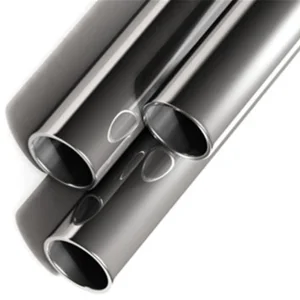
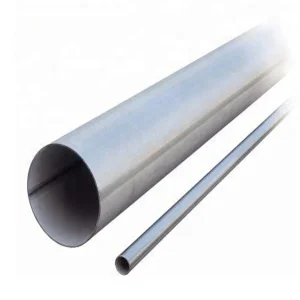
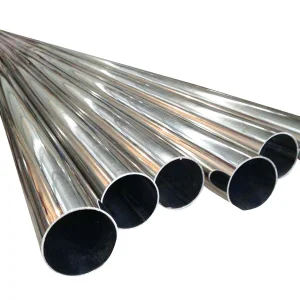
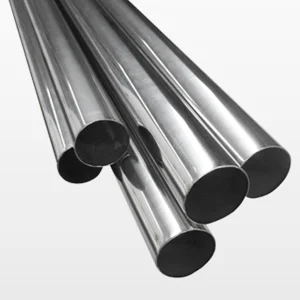
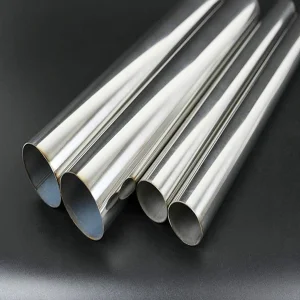
Grade 430 (UNS S43000 / EN 1.4016) is a ferritic, straight-chromium, non-hardenable stainless steel. Known for its strong resistance to mild atmospheric corrosion and stress corrosion cracking in high-temperature environments, 430 stainless steel welded pipes serve as an optimal material choice for architectural, heat exchange, and domestic applications across Muscat, Sohar, and Duqm.
Unlike traditional austenitic steel series (such as 304 or 316), the low nickel content in grade 430 allows Omani industrial buyers to reduce material acquisition costs without compromising structural integrity. This is particularly advantageous for applications operating within non-saline, interior desert sites, or closed architectural installations requiring strong thermal fatigue resistance.
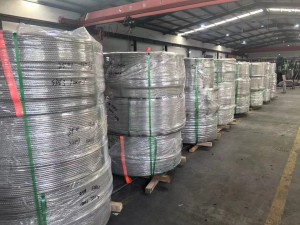
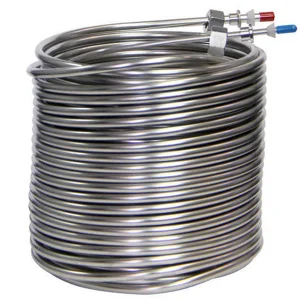
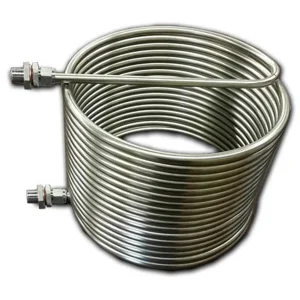
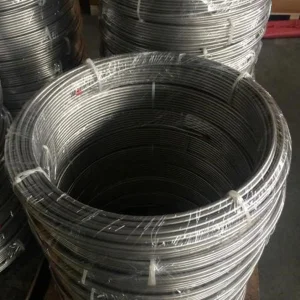
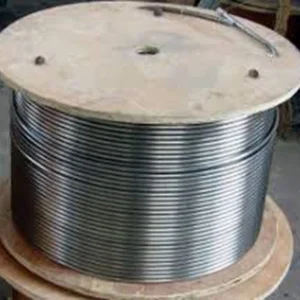
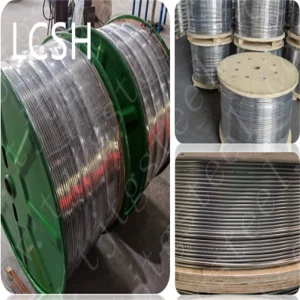
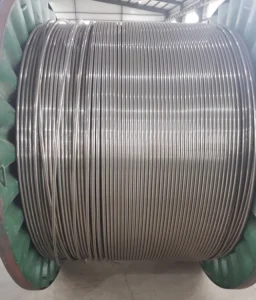
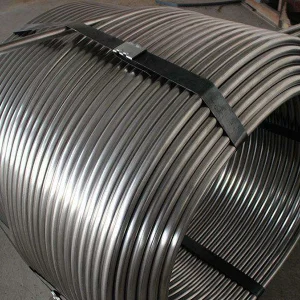
As a leading exporter of stainless steel coiled tubing and welded pipes, we manufacture under rigorous quality parameters to guarantee high performance under temperature cycling and mechanical stress. Below is the technical specification breakdown comparing Grade 430 with other common engineering alloys used in Oman:
| Property / Specification | Grade 430 (Ferritic) | Grade 304 (Austenitic) | Grade 316L (Austenitic) | Duplex 2205 (Austenitic-Ferritic) |
|---|---|---|---|---|
| Chromium Content (Cr %) | 16.0 - 18.0 | 18.0 - 20.0 | 16.0 - 18.0 | 22.0 - 23.0 |
| Nickel Content (Ni %) | ≤ 0.75 | 8.0 - 10.5 | 10.0 - 14.0 | 4.5 - 6.5 |
| Molybdenum (Mo %) | - | - | 2.0 - 3.0 | 3.0 - 3.5 |
| Stress Corrosion Cracking (SCC) | Excellent Resistance | Moderate Susceptibility | Moderate Susceptibility | Extremely High Resistance |
| Thermal Conductivity (W/m·K) | 26.3 at 100°C | 16.2 at 100°C | 15.0 at 100°C | 19.0 at 100°C |
| Coefficient of Thermal Expansion | Low (10.4 μm/m·°C) | High (17.3 μm/m·°C) | High (16.0 μm/m·°C) | Medium (13.7 μm/m·°C) |
Ferritic stainless steels exhibit excellent resistance to chloride-induced stress corrosion cracking (SCC), making them highly reliable for cooling circuits and processing units. Additionally, the low thermal expansion coefficient of Grade 430 prevents structural buckling under rapid cyclic temperature swings. This makes the material highly effective for solar thermal units, commercial HVAC conduits, and domestic boiler lines operated under high sun-exposure cycles in Middle Eastern deserts.
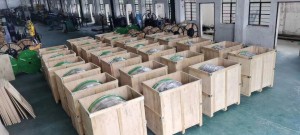
Liaocheng Sihe Stainless Steel Material LTD operates six modern production lines specializing in high-precision coiled tubing, capillary tubing, and heat exchanger pipes. Incorporating automated cold-drawing and high-frequency induction welding, we deliver exceptional structural uniformity and weld seam integrity.
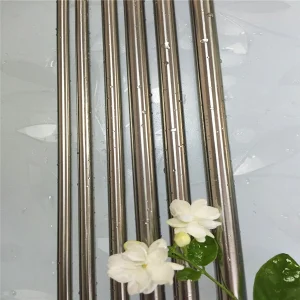
Our facility features the industry's leading online bright annealing technology. By heat-treating stainless steel pipes in a protective atmosphere of hydrogen and nitrogen, we prevent surface oxidization. This online processing eliminates the need for acid pickling, yielding a smooth, reflective, and scale-free inner diameter (ID) and outer diameter (OD).
To ensure supply chain reliability for Omani construction, engineering, and industrial distributor networks, we maintain strong logistics links between our factory and major ports including Sohar, Salalah, and Duqm. We supply our products globally, offering optimized shipping times and bulk delivery schedules customized to match regional construction timelines.
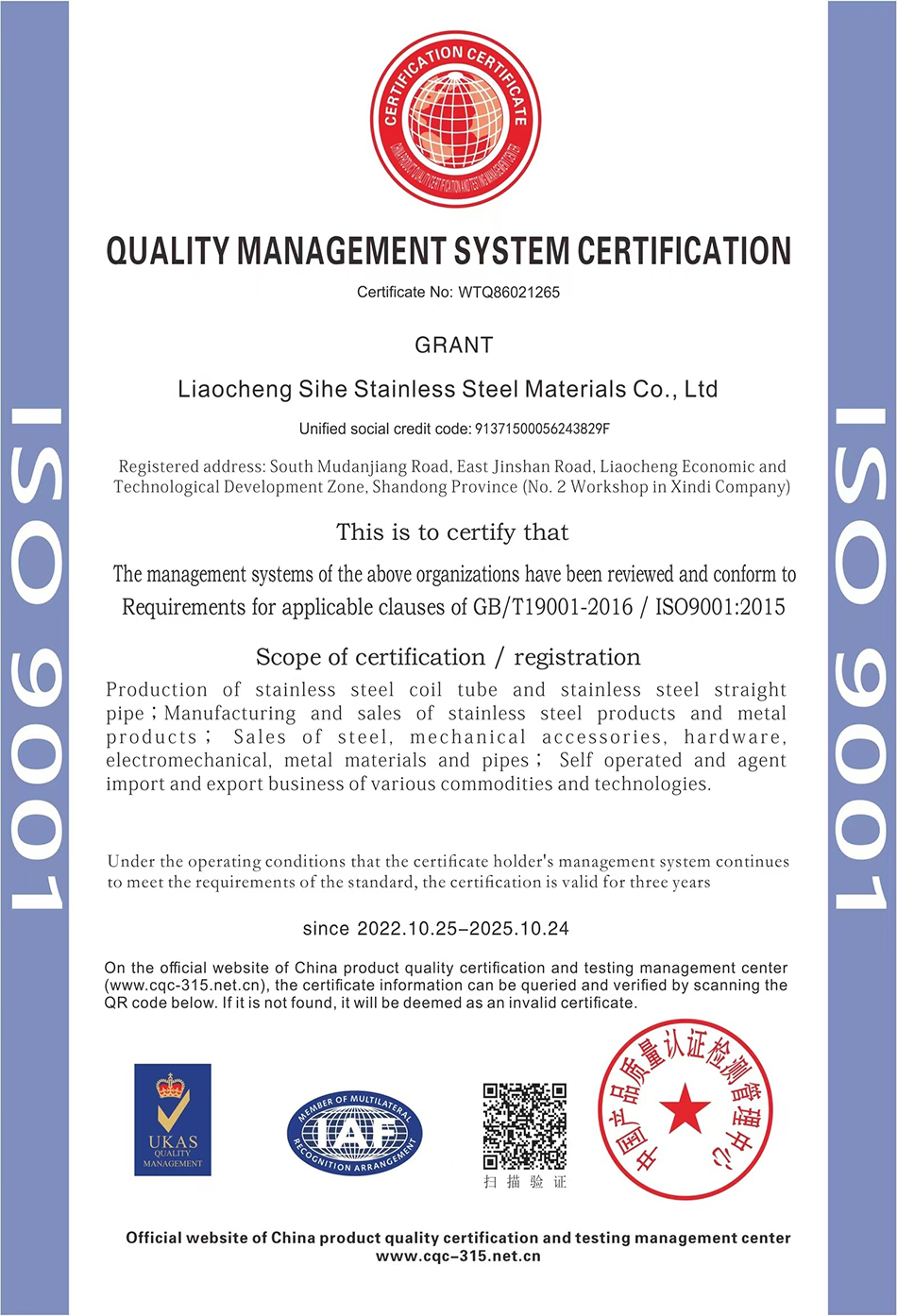
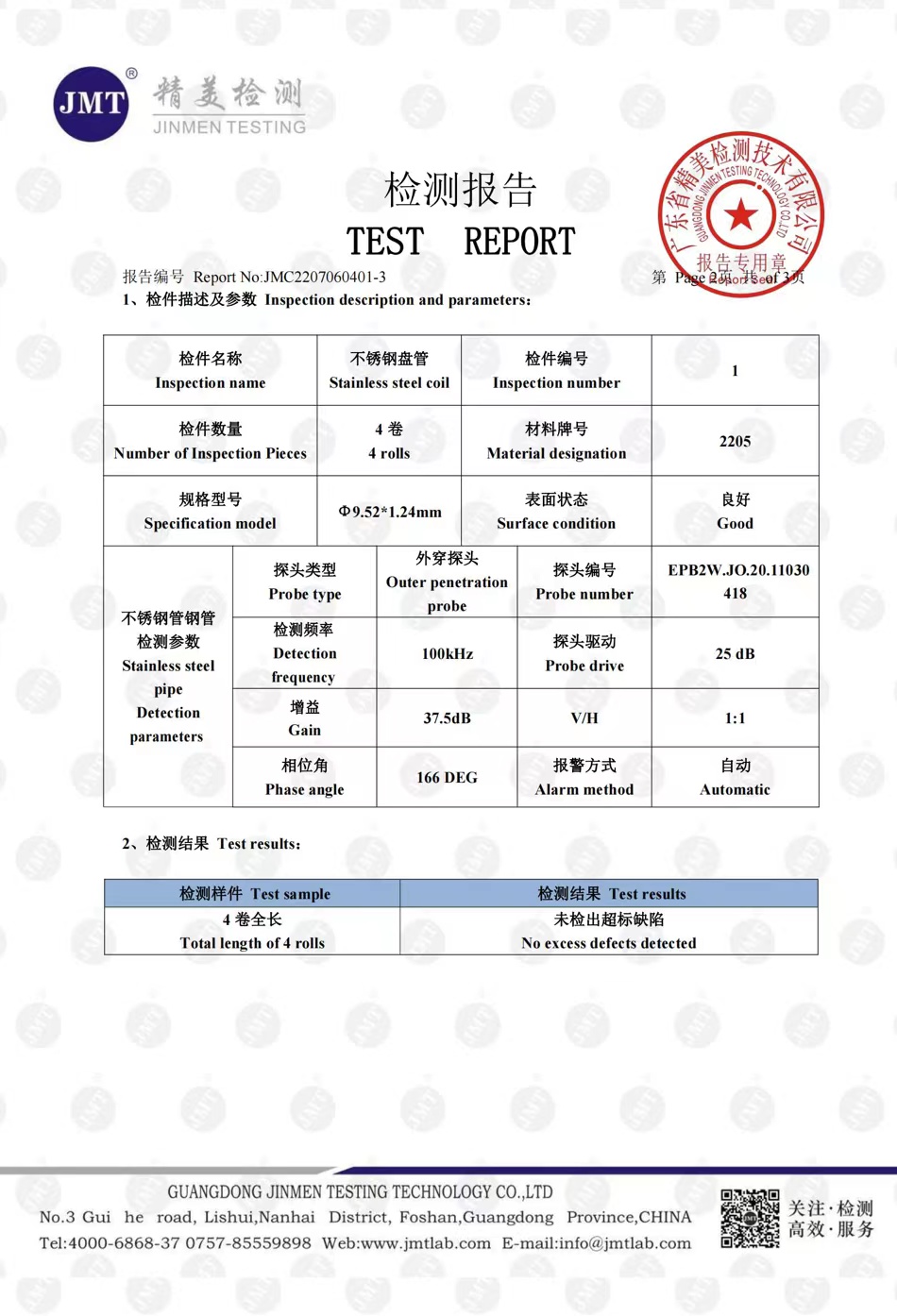
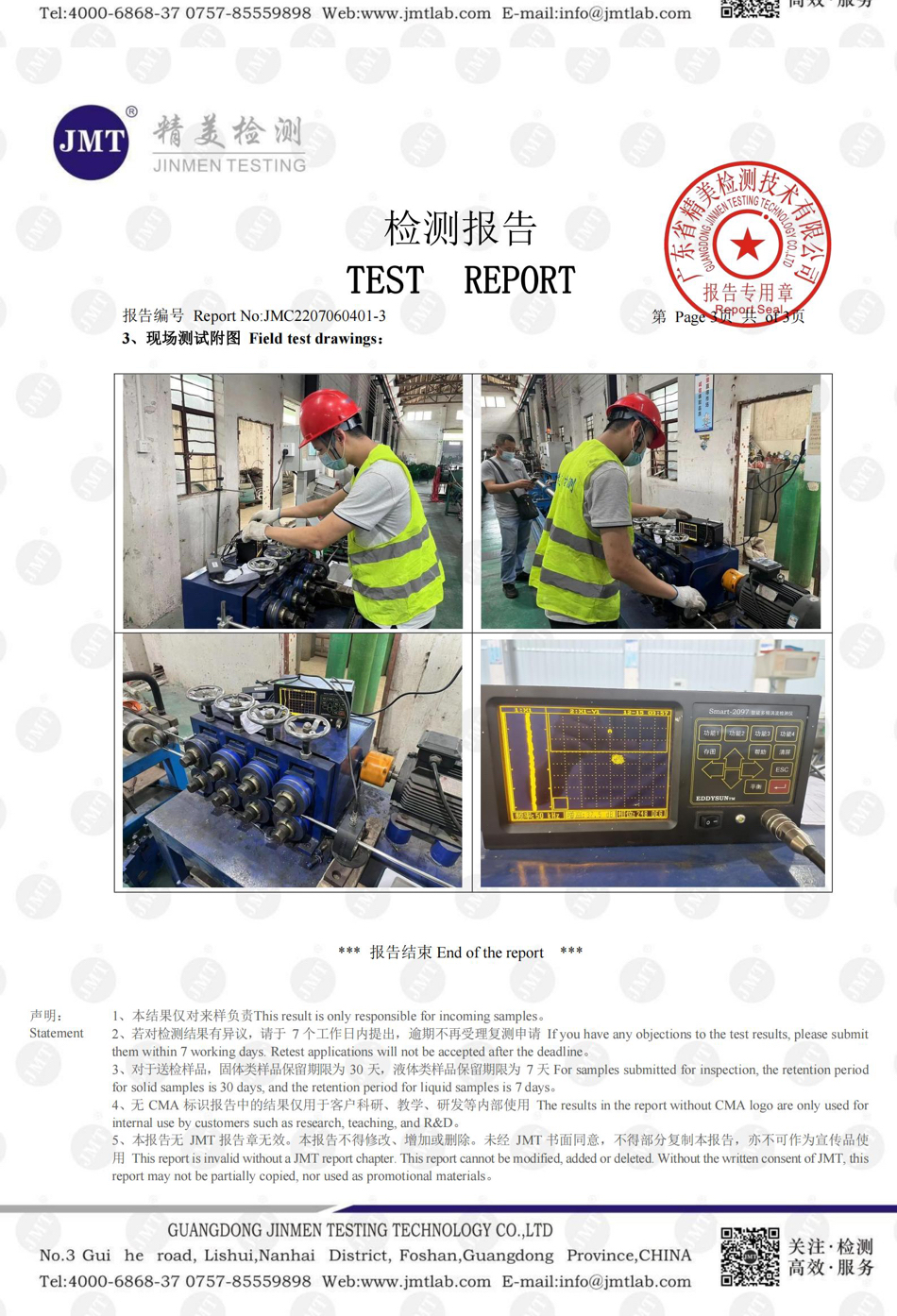
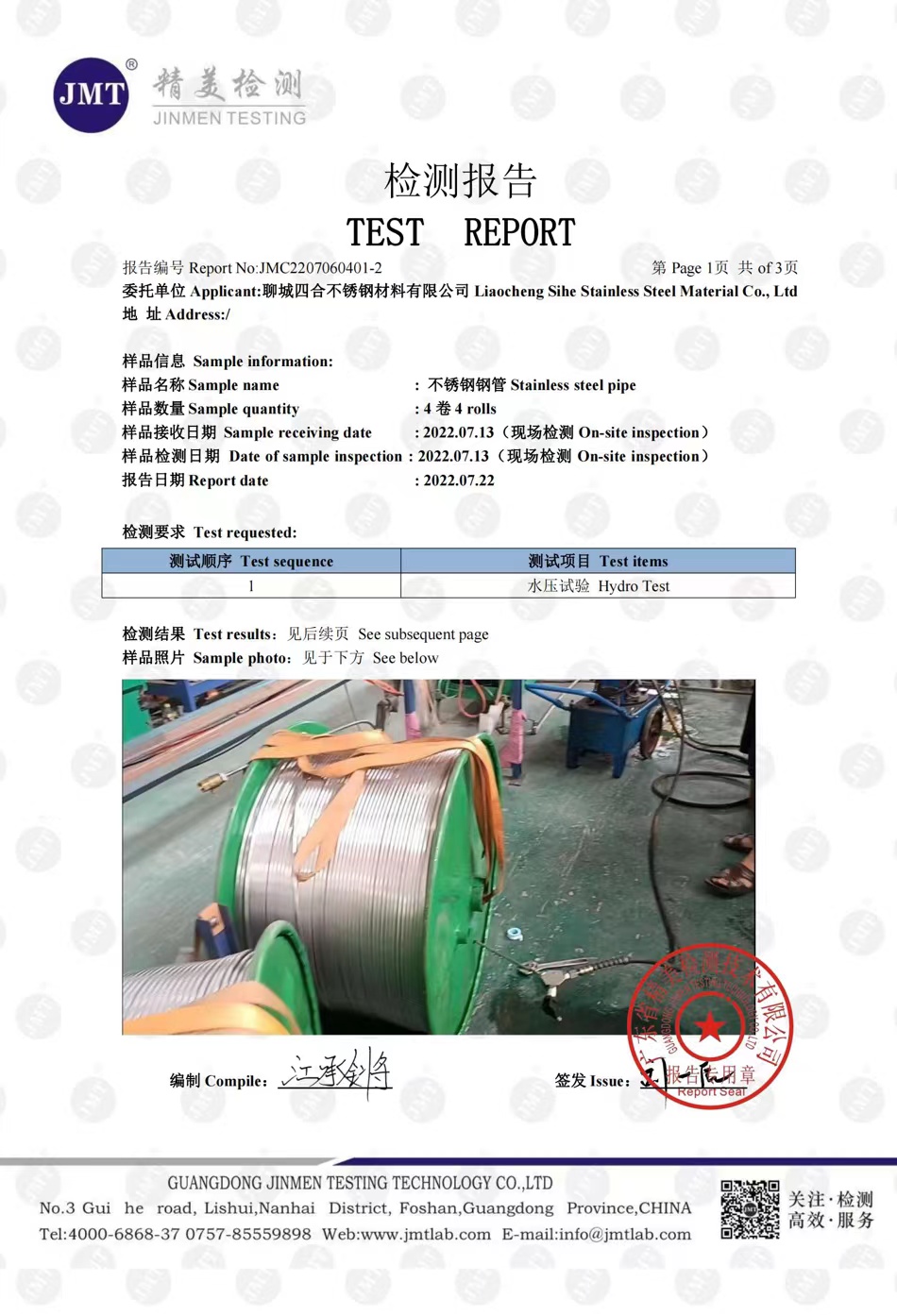
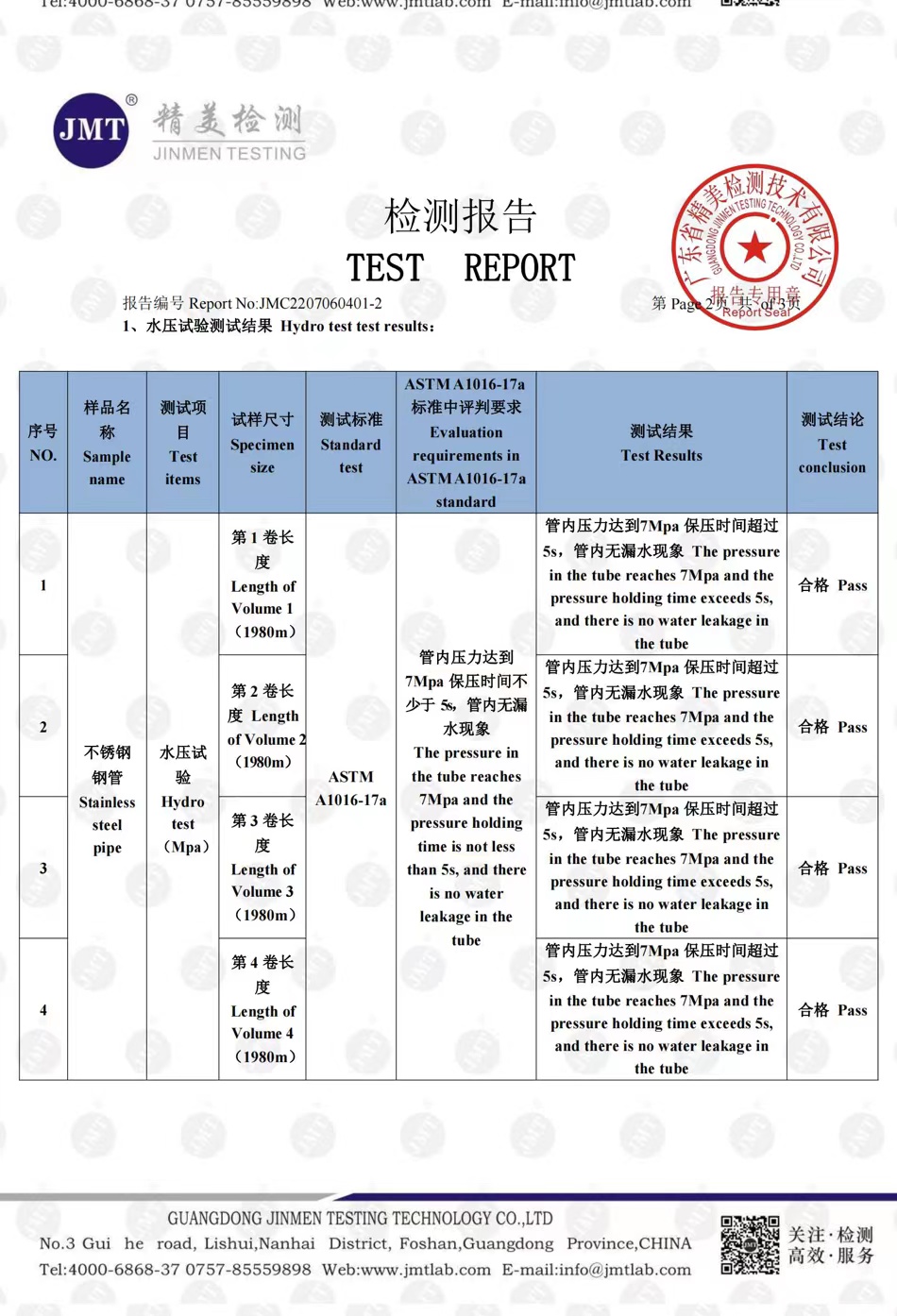
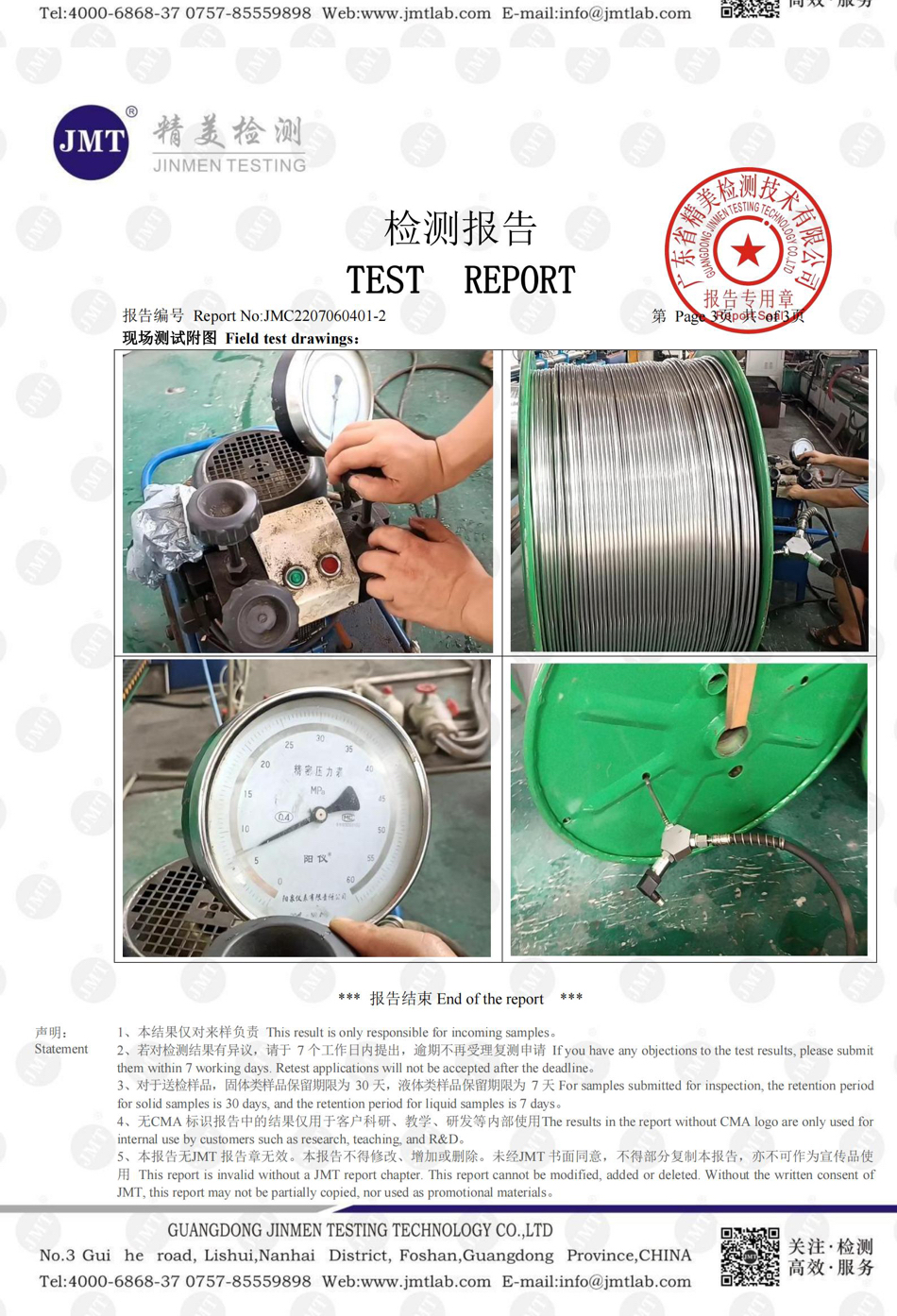
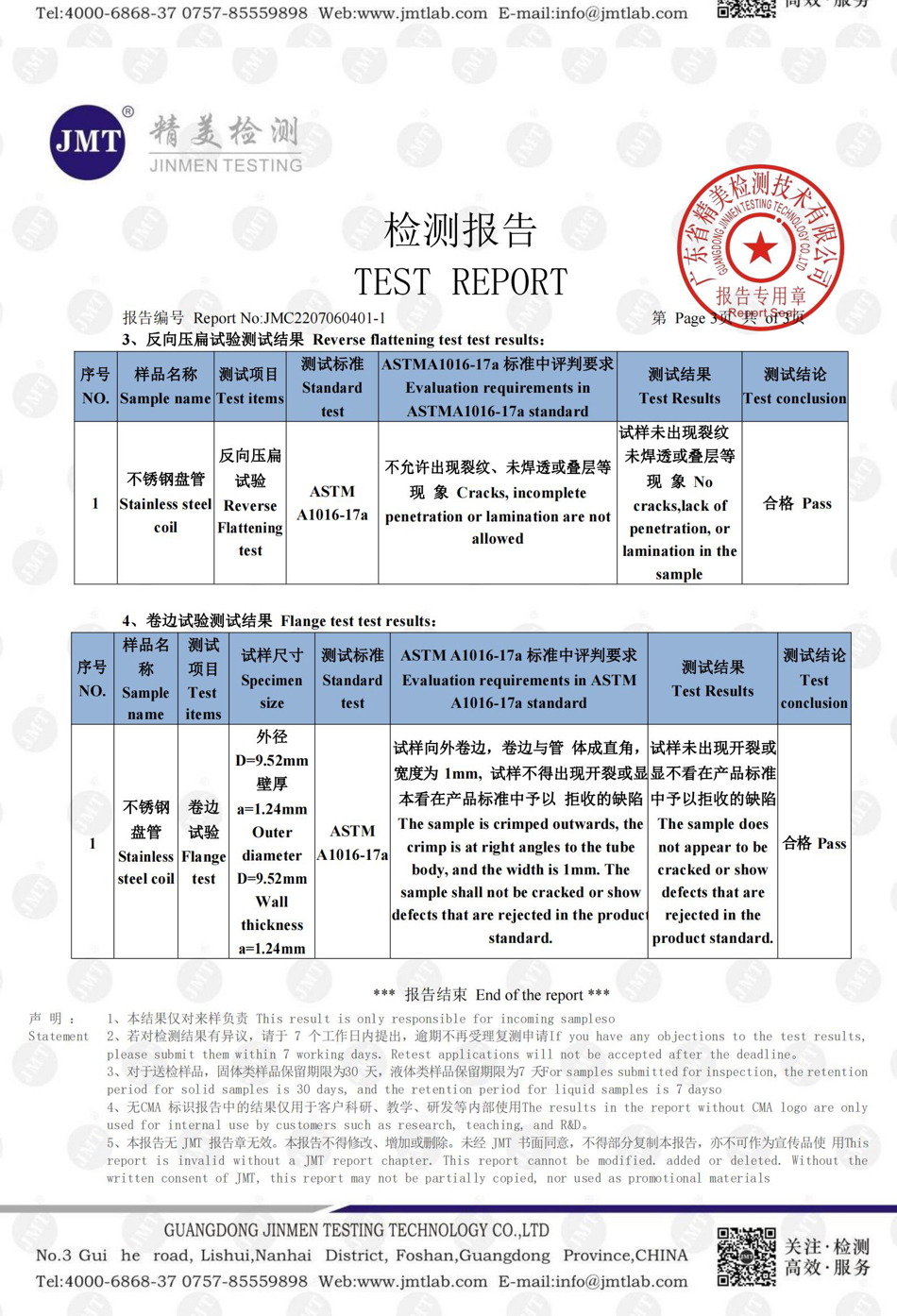
Our products conform strictly to international specifications, including GB, ASTM, ASME, JIS, and EN. Every batch is supplied with Mill Test Certificates (MTC) conforming to EN 10204 3.1, detailing mechanical properties, chemical composition, and testing parameters.
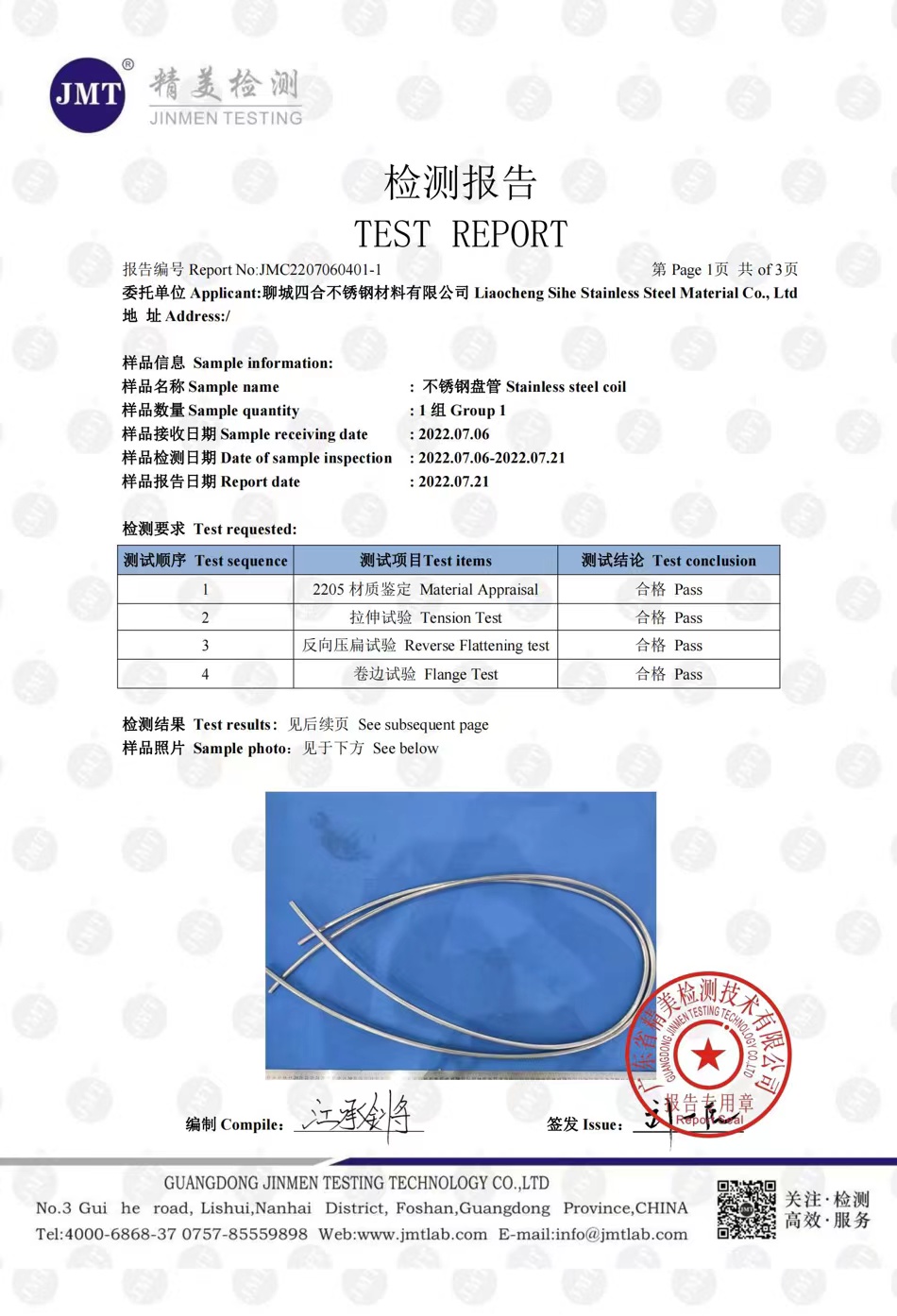
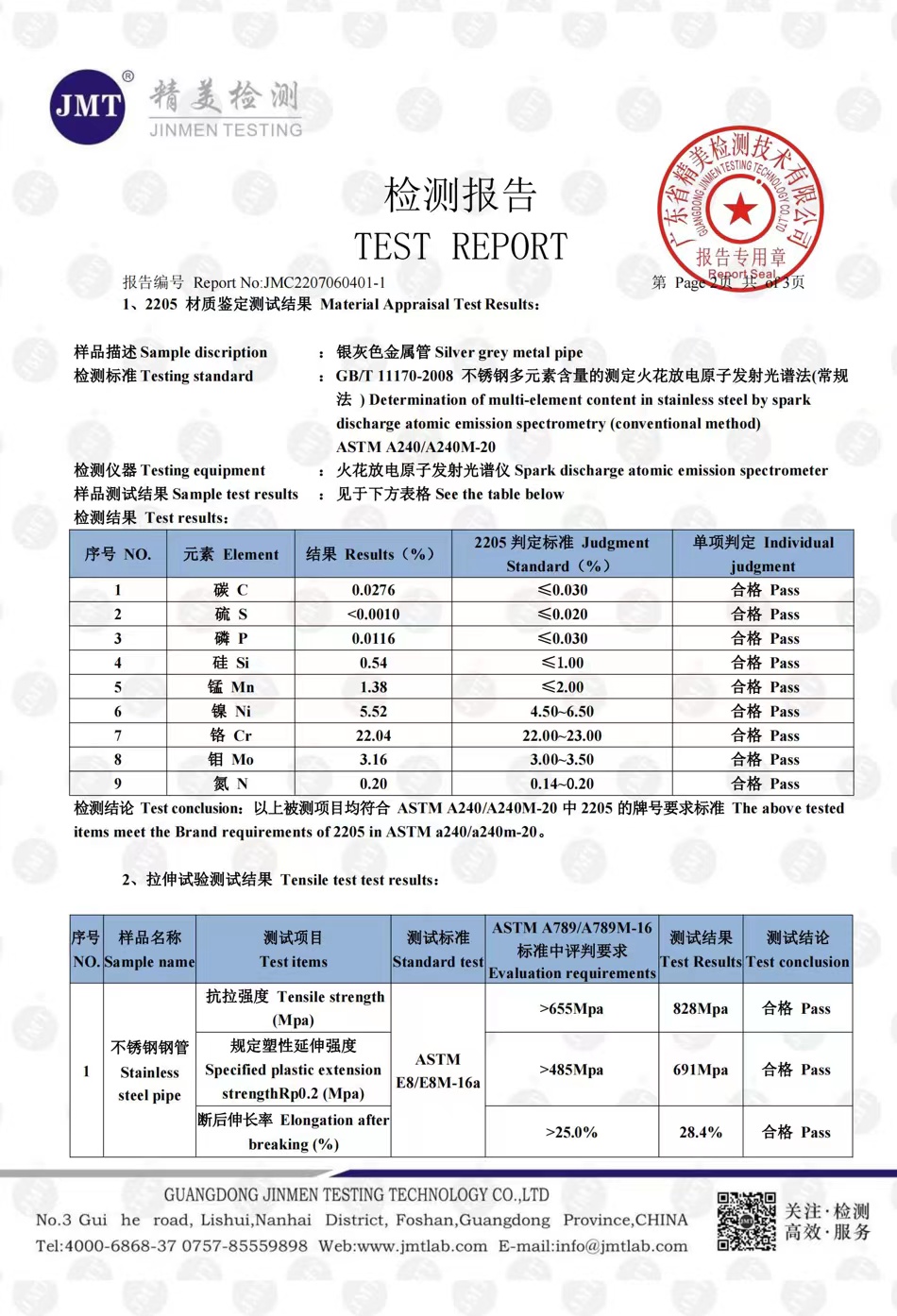
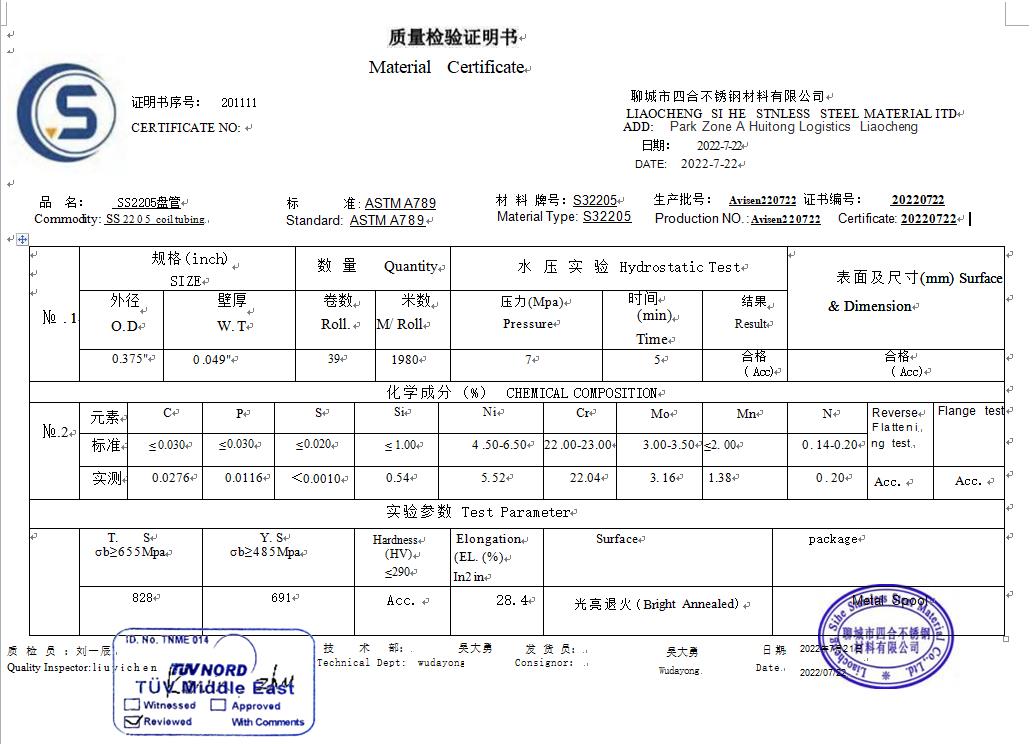
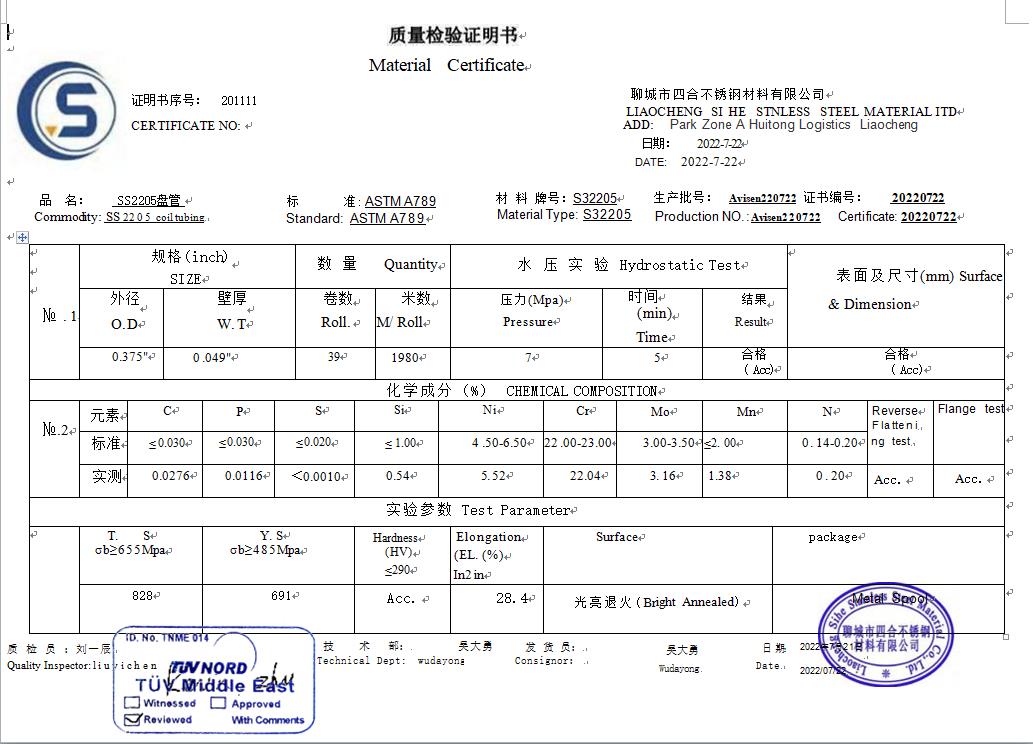
We process standard and complex configurations (such as 304, 316L, and 2205) with outer diameters ranging from 6.35mm to 19mm to fit custom systems.
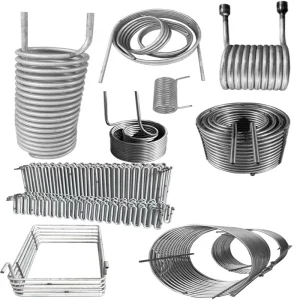
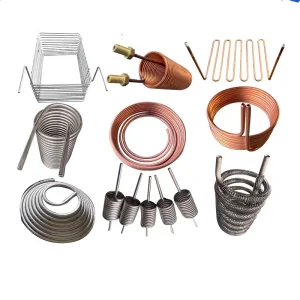
Tailored processing techniques including double-walled spiral forming, tight radius bending, and heat exchanger coil configurations.
Industrial laser cutting and hydraulic straightening ensure strict length tolerances and minimize burr formations on tube ends.
Offering options from bright annealed mill finish to high-grit mechanical polishing (up to 800 Grit) and electrolytic polishing.
Custom end configuration including pre-swaged couplings, precision flanging, and flare-end tubes to simplify mechanical installations.
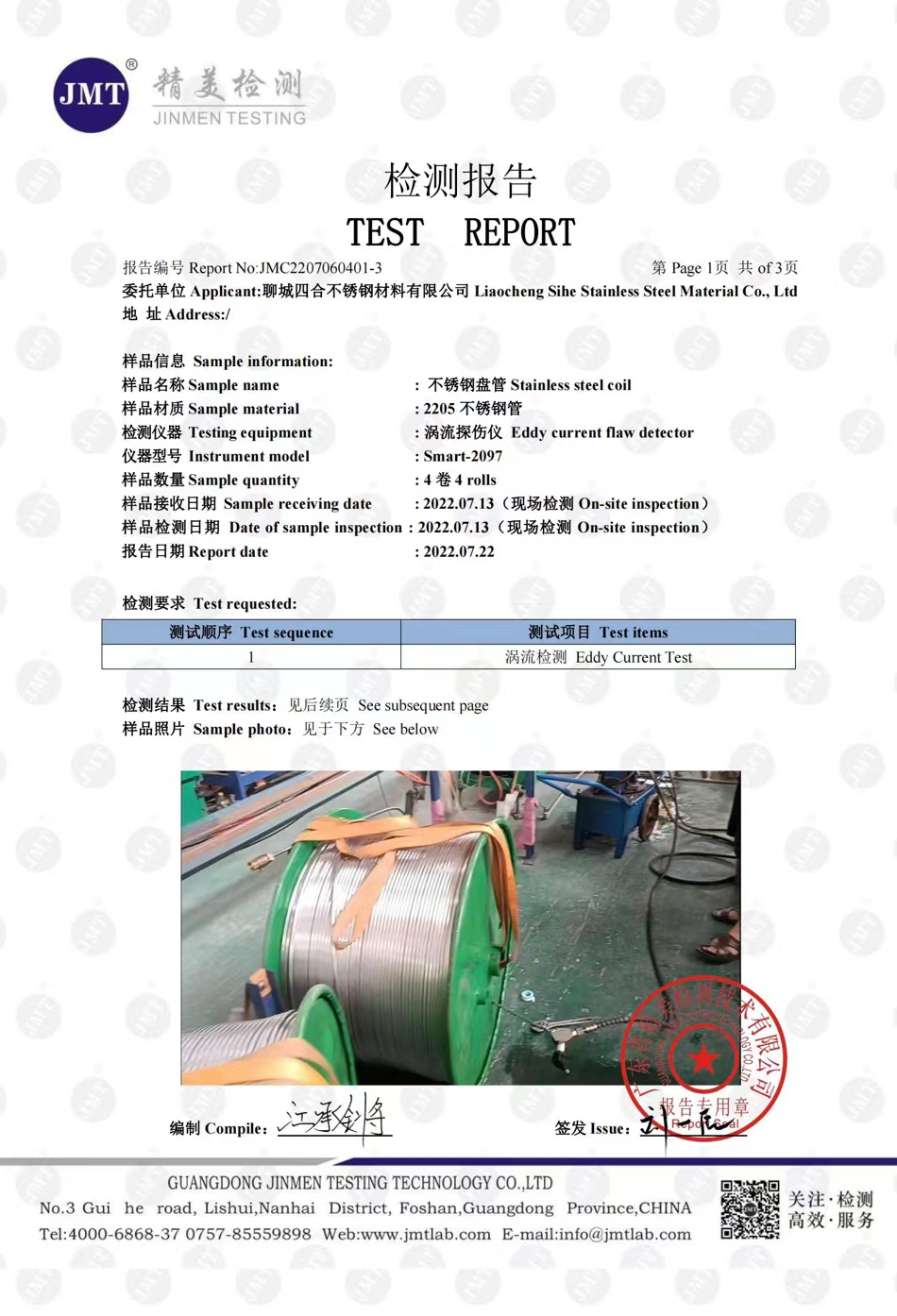
100% testing coverage utilizing pneumatic, hydrostatic, eddy current, and ultrasonic verification to ensure maximum system reliability.
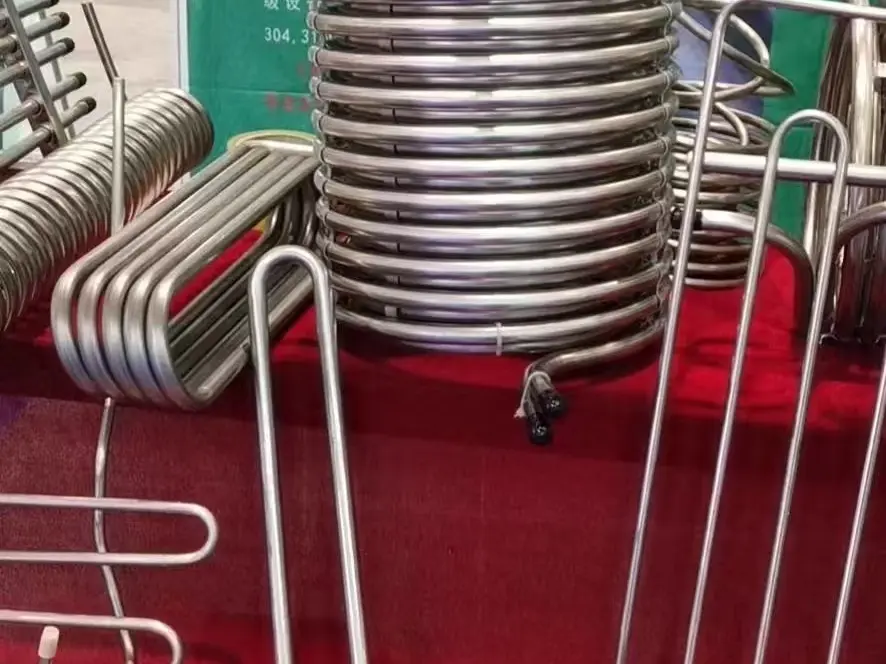
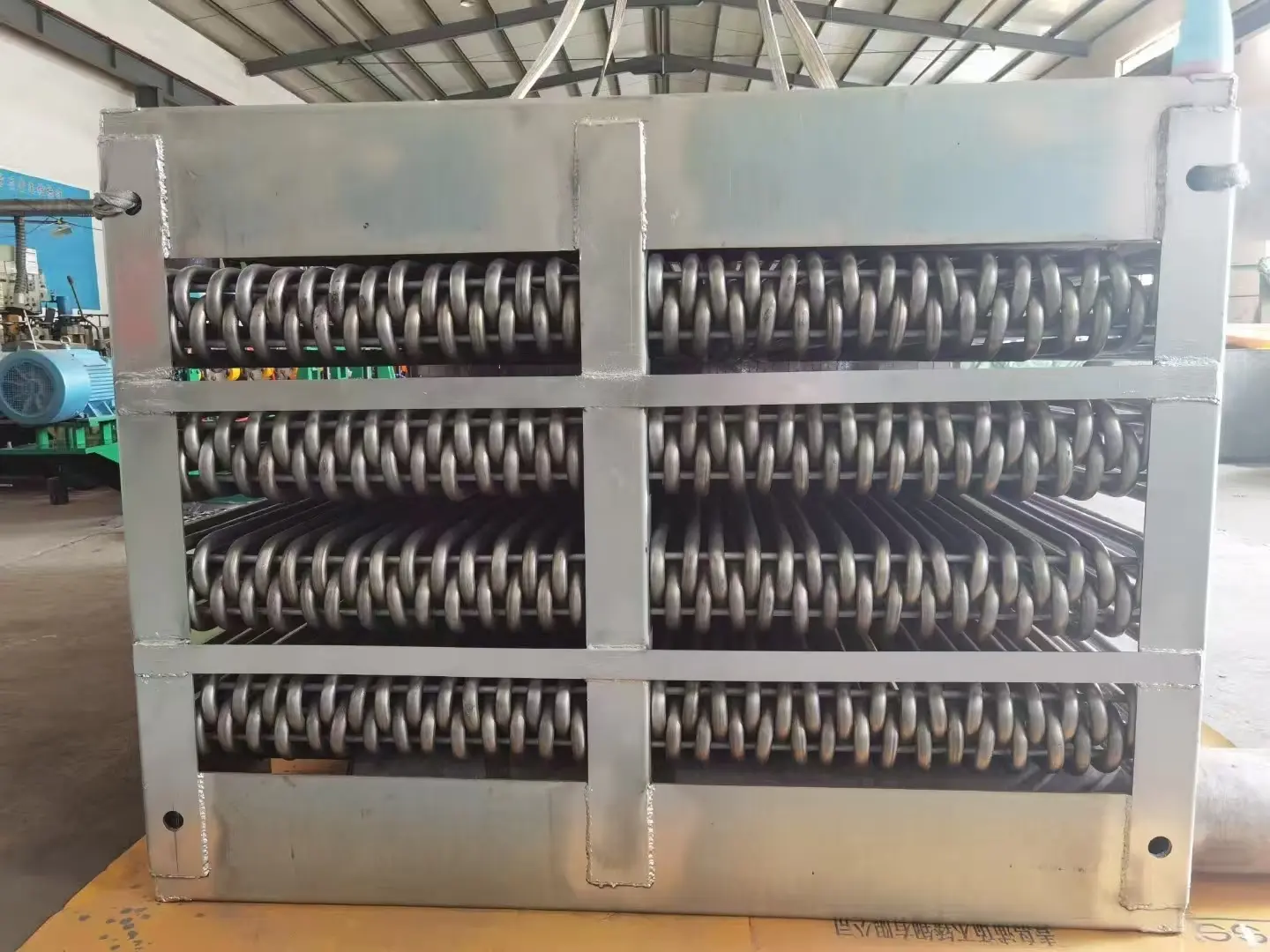
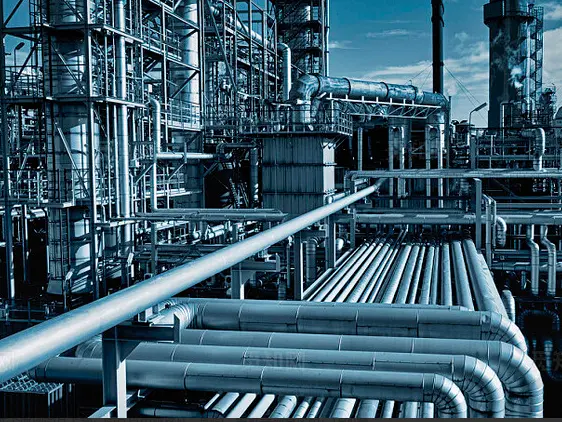
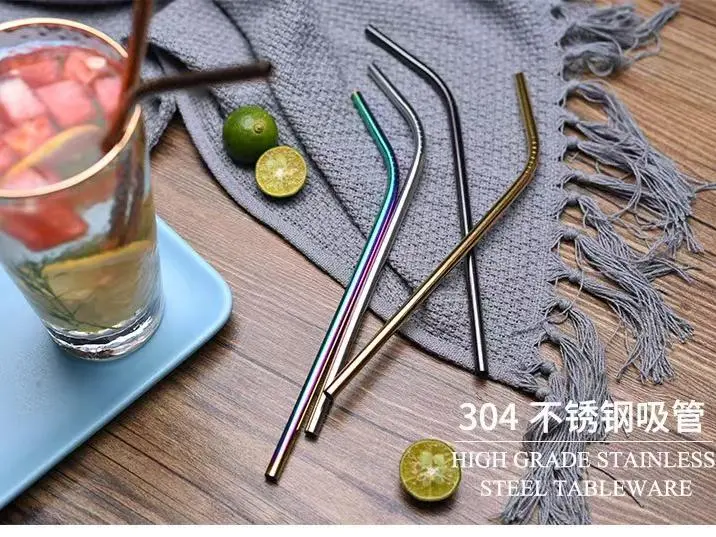
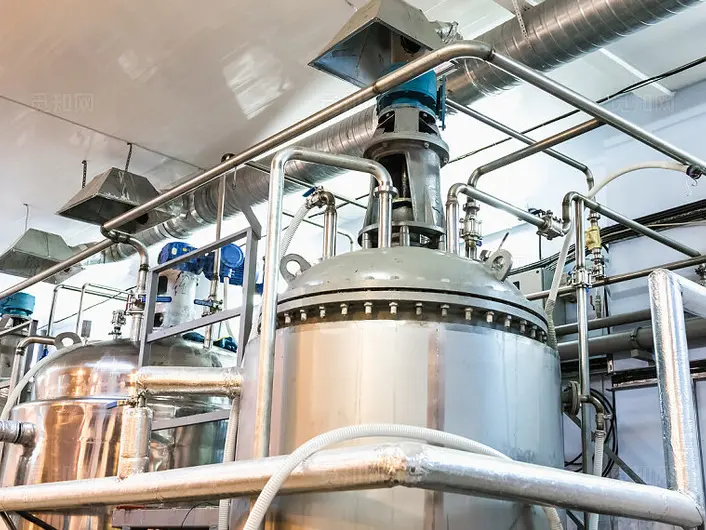
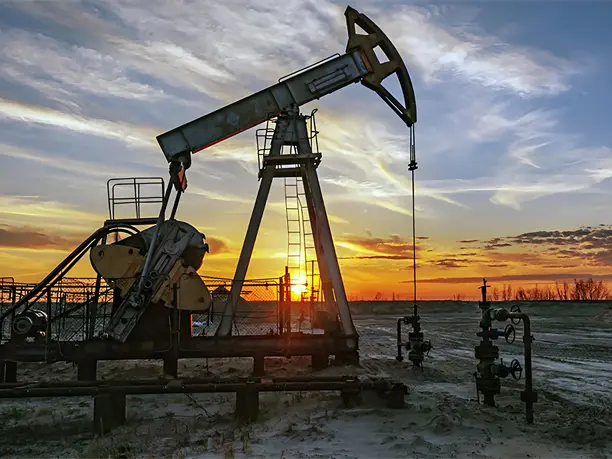
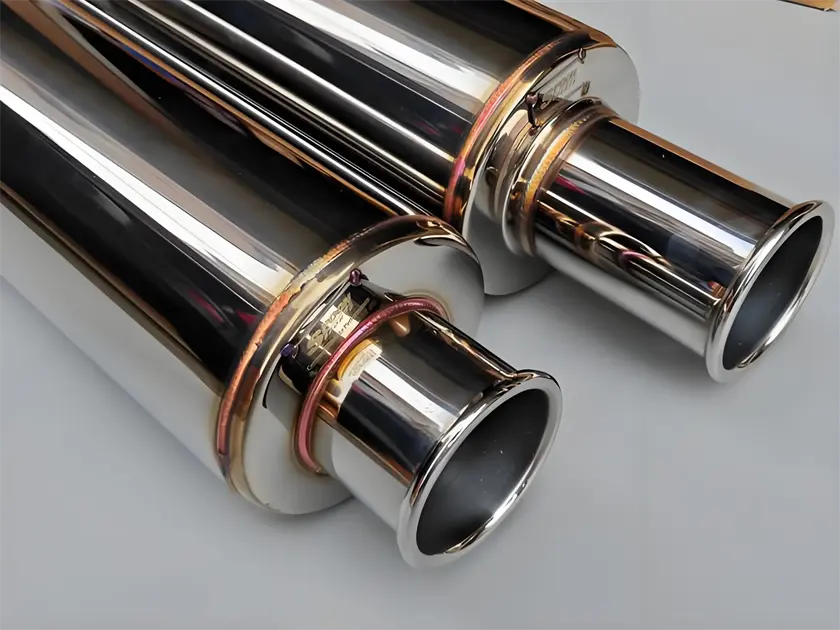
Explore our comprehensive range of high-performance alloys, specialized heat exchanger pipes, and customized coiled tubing options.
Purchasing decisions for industrial projects in Oman must balance severe environmental factors with economic practicality. High coastal relative humidity coupled with extreme temperatures creates a corrosive climate. However, for interior operations, structural components, exhaust systems, and moderate temperature heat exchangers, utilizing austenitic grades (like 316L) is often an over-specification that increases project cost without functional benefits.
Grade 430 contains 16-18% chromium, which forms a resilient passive chromium-oxide layer that resists oxidation under moderate atmospheric conditions. In inland projects across Al Dakhiliyah or Ad Dhahirah governorates, where the saline marine breeze is absent, Grade 430 operates with comparable efficiency to Grade 304 at a lower price point. It resists corrosion from mild chemicals, nitric acid, and organic acids, making it highly suitable for domestic water heaters, kitchen ventilation systems, and regional food processing machinery.
A primary risk for austenitic alloys (such as 304/316) in high-temperature environments is chloride-induced stress corrosion cracking. Because Grade 430 is a ferritic stainless steel with a body-centered cubic (BCC) crystal structure, it is highly resistant to SCC. This makes it an ideal option for thermal installations, condenser pipes, and steam boiler heat exchangers in Oman's manufacturing plants, where trace chlorides in process water could cause catastrophic structural failure in austenitic pipelines.
Thermal performance is a key design consideration for HVAC condensers, solar thermal collectors, and gas processing plant heat exchangers. Grade 430 has higher thermal conductivity than Grade 304, allowing for faster heat transfer. Additionally, its lower coefficient of thermal expansion minimizes thermal stresses and joint fatigue caused by high day-night temperature differences in desert climates.
Find answers to technical questions about ordering, logistics, properties, and applications of 430 stainless steel pipes.