 Sihe Steel
Sihe Steel
Sihe Steel
High-performance corrosion-resistant alloy tubing engineered for heat exchangers, deep-water offshore umbilicals, and critical instrumentation.
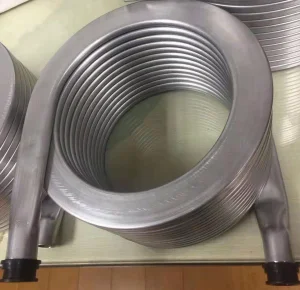
Engineered for extreme thermal cycling and high corrosive media, optimizing thermal transfer profiles.
View Product Details ➔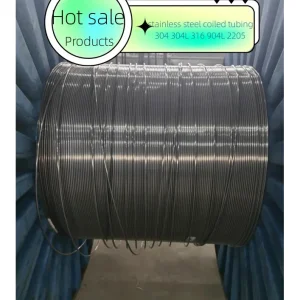
Continuous long-length seamless coils, eliminating joint failures in subsea and industrial hydraulic routing.
View Product Details ➔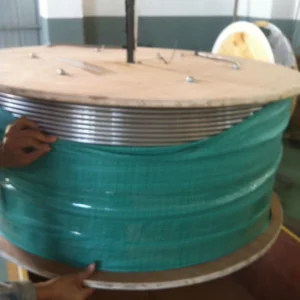
Nickel-iron-chromium alloy formulated with copper and molybdenum to resist extreme oxidizing environments.
View Product Details ➔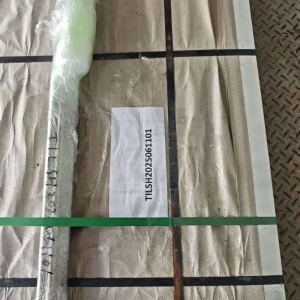
Premium structural grade sheet and plate featuring outstanding formability, weldability, and corrosion properties.
View Product Details ➔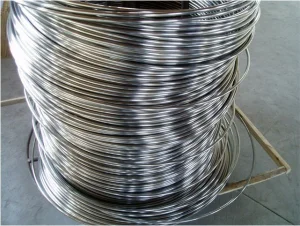
Precision micro-bore dimensional tubing designed for analytical instruments, chromatography, and control valves.
View Product Details ➔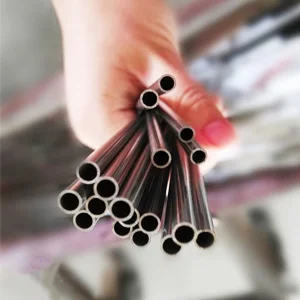
Heavy-duty structural and fluid transport piping manufactured to strict dimensional tolerances.
View Product Details ➔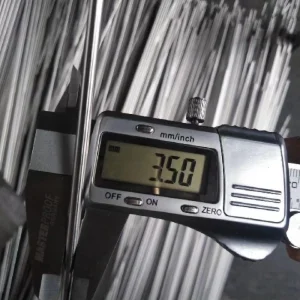
Dual-phase steel offering twice the mechanical strength of typical austenitic steels and high pitting resistance.
View Product Details ➔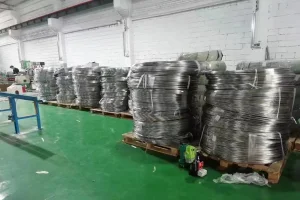
Continuous long lengths up to 32,800 feet (10,000 meters) engineered for deep-well geothermal and chemical lines.
View Product Details ➔Understanding metallurgical composition, global sourcing shifts, and supply chain security in modern processing infrastructure.
In modern industrial processes, mechanical strength, thermal efficiency, and corrosion mitigation are critical factors. For engineering teams developing subsea oil and gas umbilicals, high-purity semiconductor cleanrooms, pharmaceutical bioreactors, or chemical processing plants, select materials must withstand severe conditions. Grade 316 stainless steel, with its specific molybdenum-alloyed structure, represents a key solution for high-performance fluid transport.
While Grade 304 stainless steel serves as an industry standard for moderate environmental conditions, it often proves vulnerable to localized pitting corrosion and crevice attack in chloride-rich environments. The inclusion of 2-3% Molybdenum (Mo) in Grade 316 transforms its microstructure, creating a protective barrier against halide-induced pitting. This is essential for offshore oil fields, coastal chemical operations, and maritime environments where airborne salt and saltwater contact accelerate oxidation.
As deep-sea oil exploration moves into harsher waters, the structural integrity of control lines and hydraulic umbilical systems cannot be compromised. Under these conditions, the risks of mechanical failure, stress corrosion cracking (SCC), and pitting corrosion increase, making Grade 316 the baseline standard for critical systems.
The global industrial piping supply chain faces challenges, including fluctuating nickel and molybdenum pricing, strict trade regulations, and shifting lead times. Procurement teams require manufacturers with strong raw material networks and advanced manufacturing capabilities. Our state-of-the-art facility in Liaocheng, China, features six specialized production lines designed to meet international demands for precision, speed, and standard compliance.
Exporting to over 30 countries across the US, Germany, Spain, South America, Southeast Asia, the Middle East, and Eastern Europe, we align our logistics, quality control documents (including DIN EN 10204 3.1 MTCs), and packaging with international shipping requirements, ensuring a reliable supply of premium alloy piping.
A professional leader in high-precision stainless steel coiled tubing and bright-annealed process piping.
Established as an industry expert in China, Liaocheng Sihe Stainless Steel Material LTD manufactures high-quality sheet and pipe solutions. We operate six advanced production lines dedicated to stainless steel coiled tubing, polishing tubes, and seamless coiled tubing. Our processes conform strictly to GB, ASTM, ASME, JIS, and EN production standards.
We work with a wide range of corrosion-resistant alloys, including 304/304L, 316/316L, 321, 317L, 309S, 310S, INCOLOY 800, Duplex 2205, Super Duplex 2507, Incoloy 825, and Inconel 625. Our specialized focus on coiled tubing provides the global energy, automotive, and aerospace sectors with continuous line solutions that minimize connection failure risks.
Our coiled tubing is available in sizes ranging from an outer diameter of 0.125 inches (3.175 mm) to 1 inch (25.4 mm), with wall thicknesses up to 0.165 inches (3 mm). We supply continuous lengths up to 32,800 feet (10,000 meters) without orbital welds, providing an efficient solution for umbilical manufacturing, chemical injection systems, and subsea downhole control systems.
A deep dive into chemistry, physical properties, and standard conformity of Liaocheng Sihe Grade 316 Pipes.
| Alloy Grade | UNS Designation | Chromium (Cr) % | Nickel (Ni) % | Molybdenum (Mo) % | Carbon (C) % Max | PREN Value |
|---|---|---|---|---|---|---|
| Grade 304 | S30400 | 18.00 - 20.00 | 8.00 - 10.50 | - | 0.080 | ~18.0 - 20.0 |
| Grade 316 | S31600 | 16.00 - 18.00 | 10.00 - 14.00 | 2.00 - 3.00 | 0.080 | ~22.6 - 27.9 |
| Grade 316L | S31603 | 16.00 - 18.00 | 10.00 - 14.00 | 2.00 - 3.00 | 0.030 | ~22.6 - 27.9 |
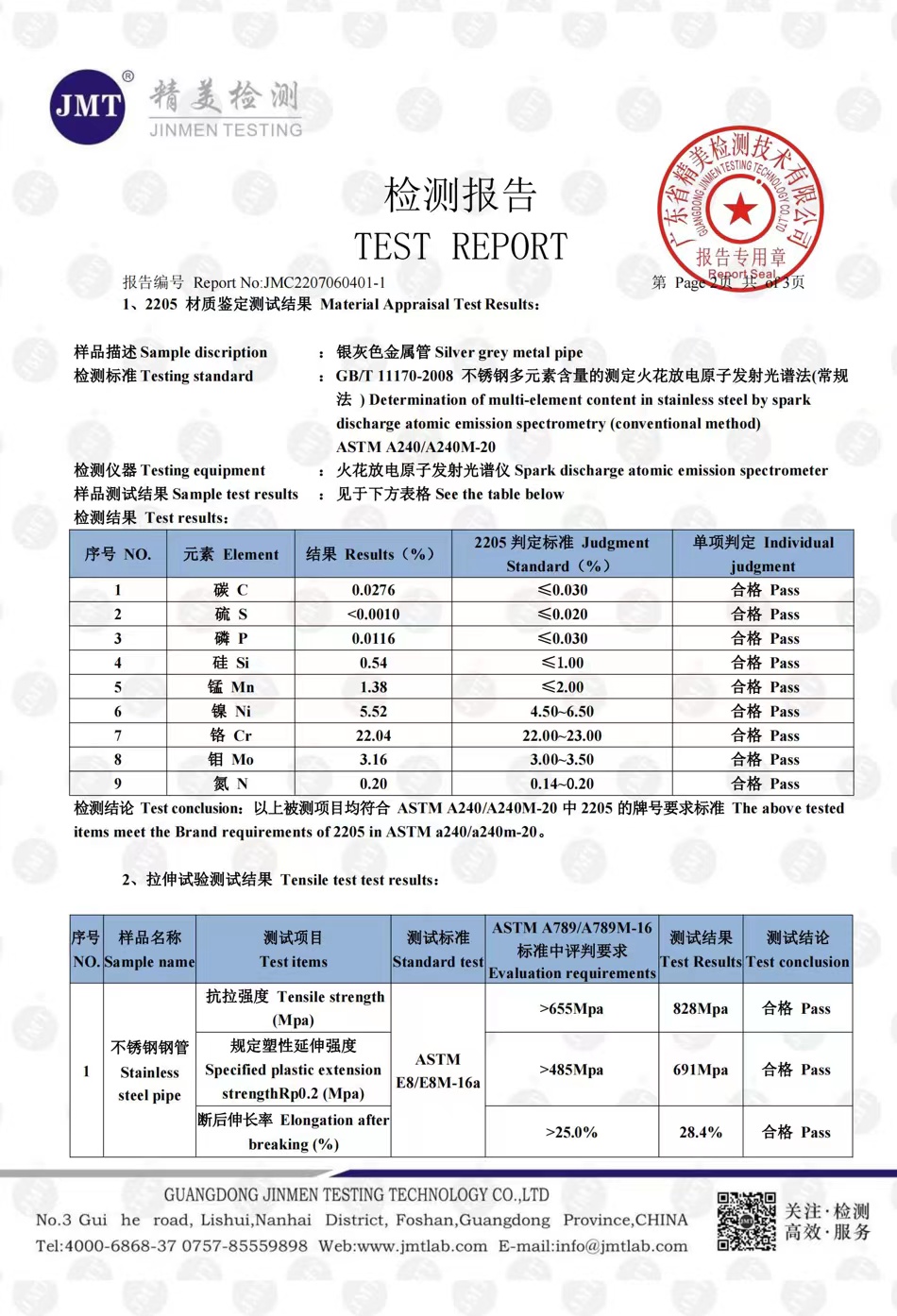
| Duplex 2205 | S32205 | 22.00 - 23.00 | 4.50 - 6.50 | 3.00 - 3.50 | 0.030 | ~34.0 - 40.0 |
| Incoloy 825 | N08825 | 19.50 - 23.50 | 38.00 - 46.00 | 2.50 - 3.50 | 0.050 | ~31.0 - 35.0 |
The Pitting Resistance Equivalent Number (PREN) is a predictive measurement of an alloy's resistance to localized pitting corrosion in chloride-bearing solutions. Calculated via the formula PREN = %Cr + 3.3%Mo + 16%N, it highlights the performance difference between Grade 304 and Grade 316/316L. The addition of Molybdenum increases the PREN value from approximately 19 in standard 304 steel to over 23-25 in 316 systems. This provides resistance to pitting and crevice corrosion in marine engineering, industrial heat exchangers, and wastewater treatment plants.
The crucial difference between Grade 316 and Grade 316L (Low Carbon) lies in their maximum carbon content: 0.08% for 316 versus 0.03% for 316L. In high-temperature manufacturing or structural welding processes, high-carbon alloys are susceptible to sensitization, a process where chromium carbides precipitate at the grain boundaries, depleting the surrounding steel of chromium and making it vulnerable to intergranular corrosion. Grade 316L mitigates sensitization risk, maintaining corrosion resistance along welded joints without requiring post-weld annealing.
Ensuring metallurgical integrity and dimensional accuracy through advanced testing and automated processing.
Utilizing clean, dry hydrogen atmospheres to anneal stainless tubing inline, eliminating oxidation scales while maintaining a reflective, contamination-free inner and outer surface.
Capable of drawing capillary and control tubes down to 0.125-inch (3.175 mm) outer diameters, maintaining strict tolerances required for HPLC, analytical chemistry, and medical applications.
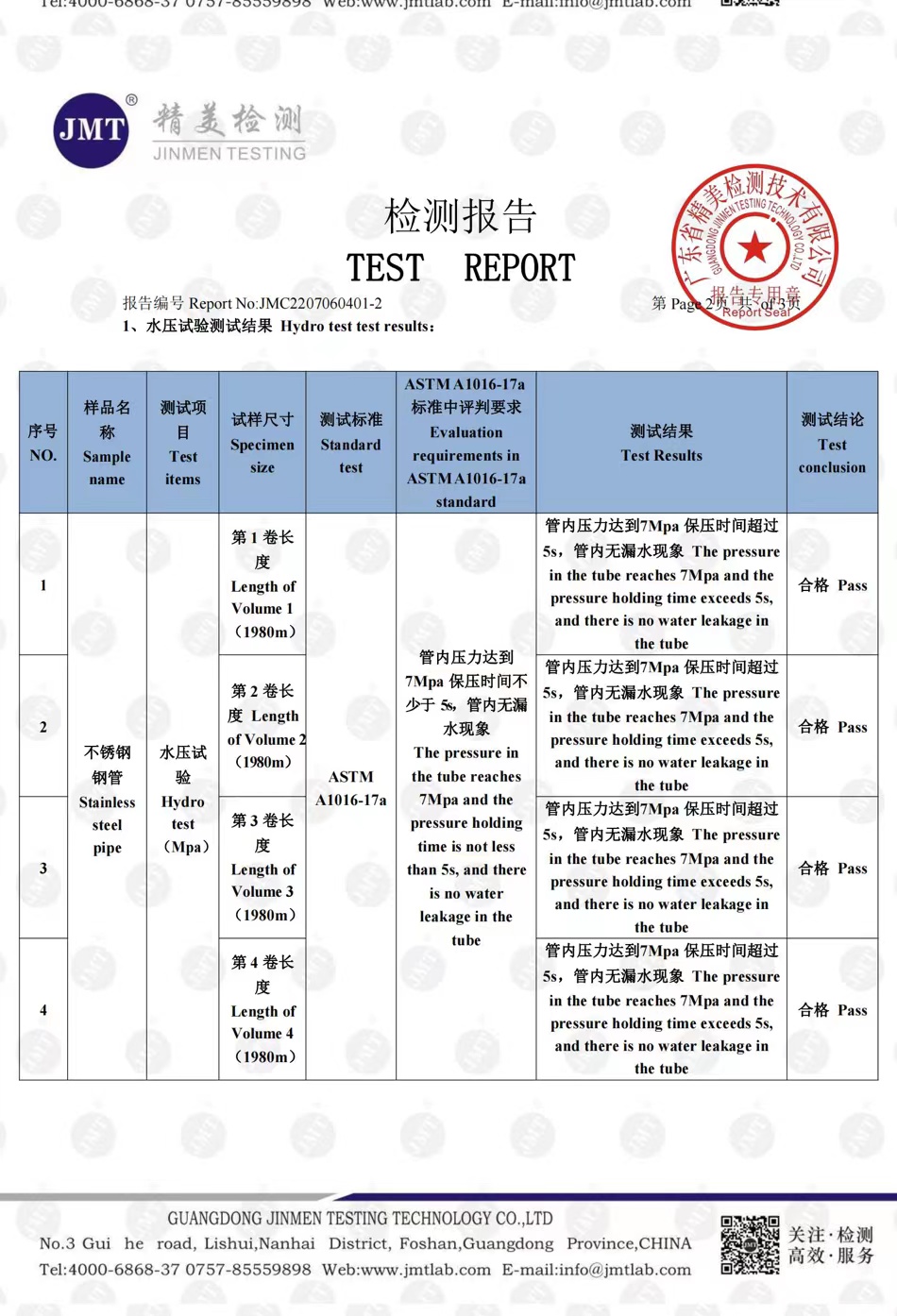
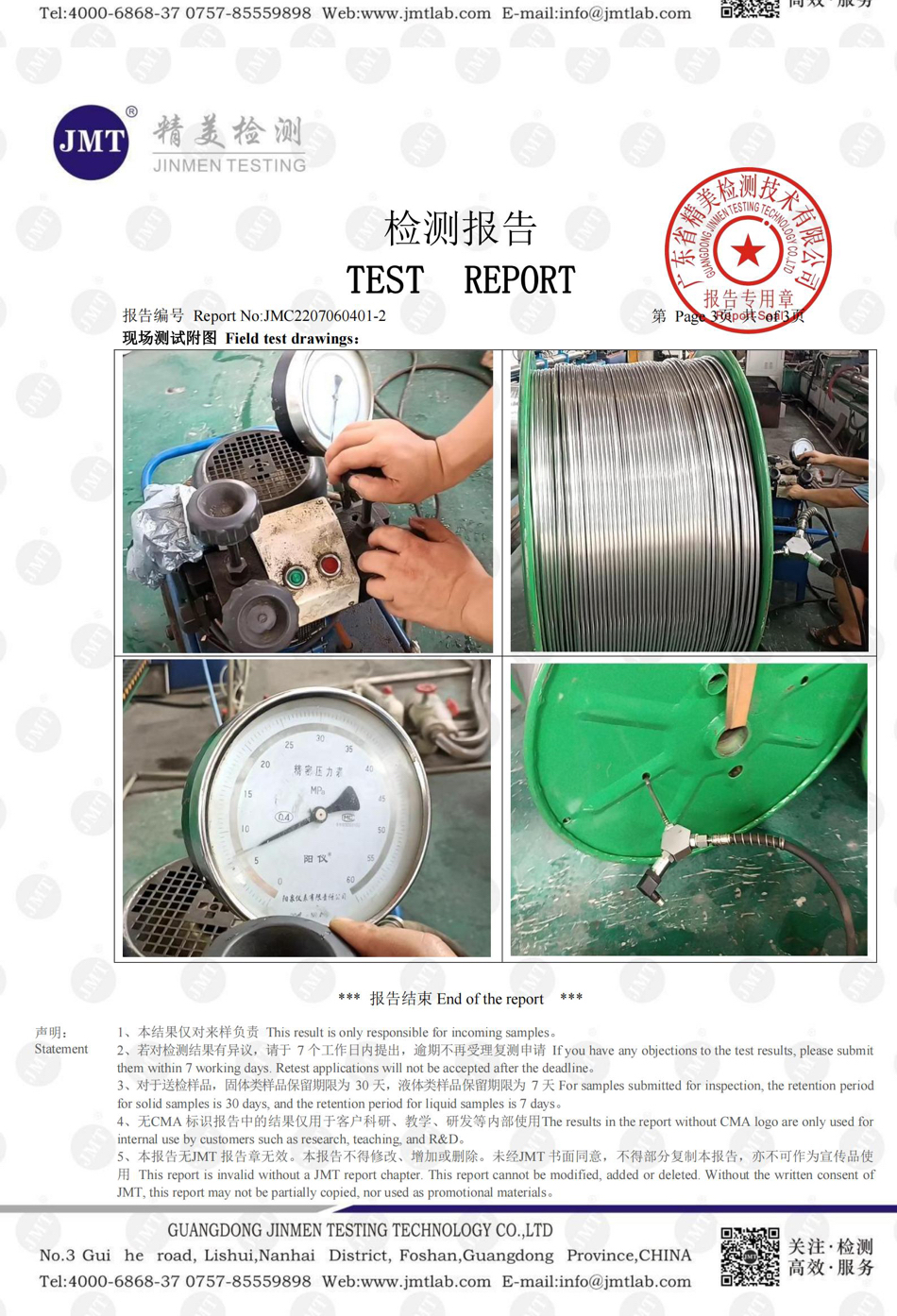
Every run undergoes 100% pneumatic, hydrostatic, tensile, hardness, flaring, and bending tests, combined with eddy current testing to ensure zero structural defects.
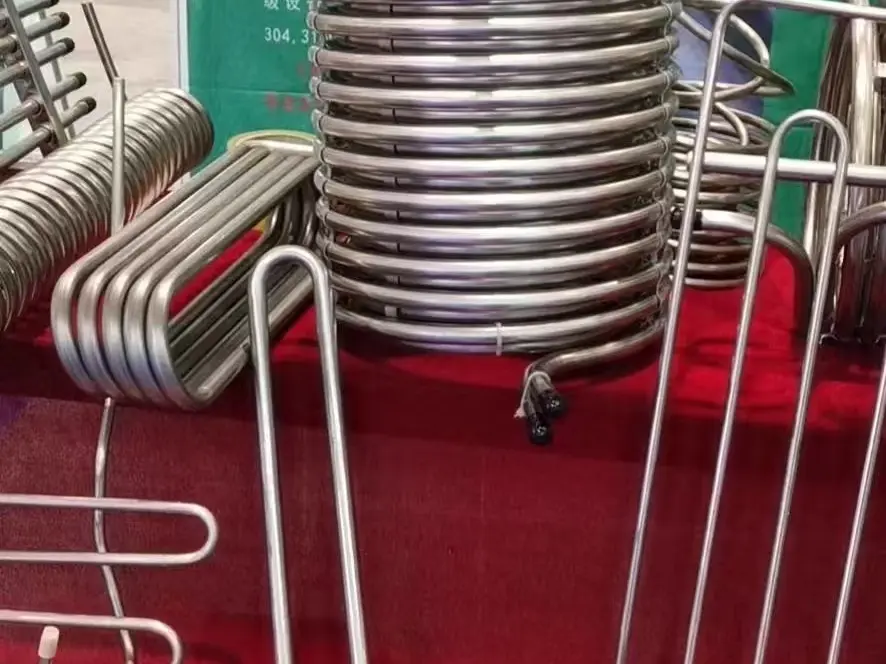
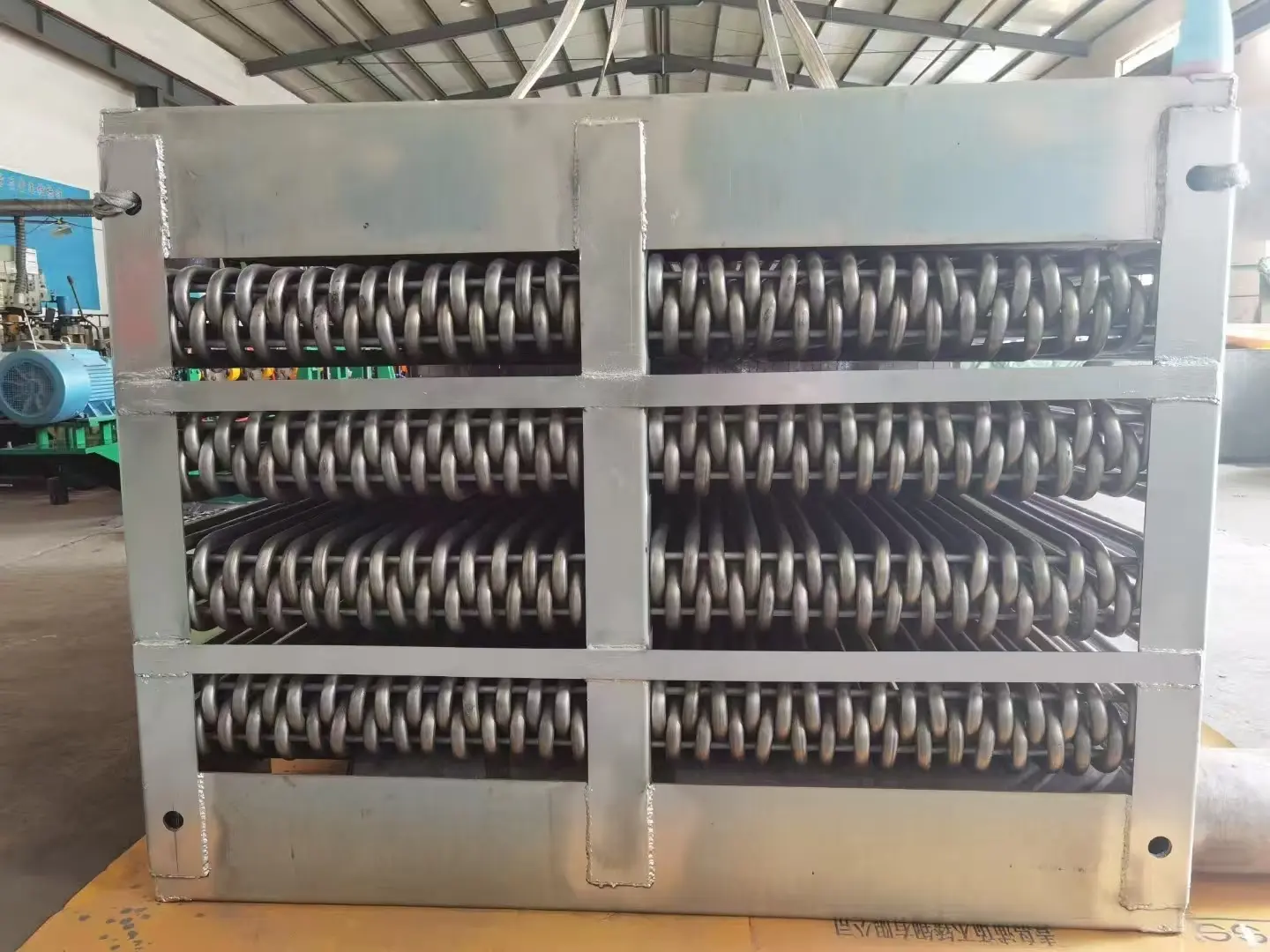
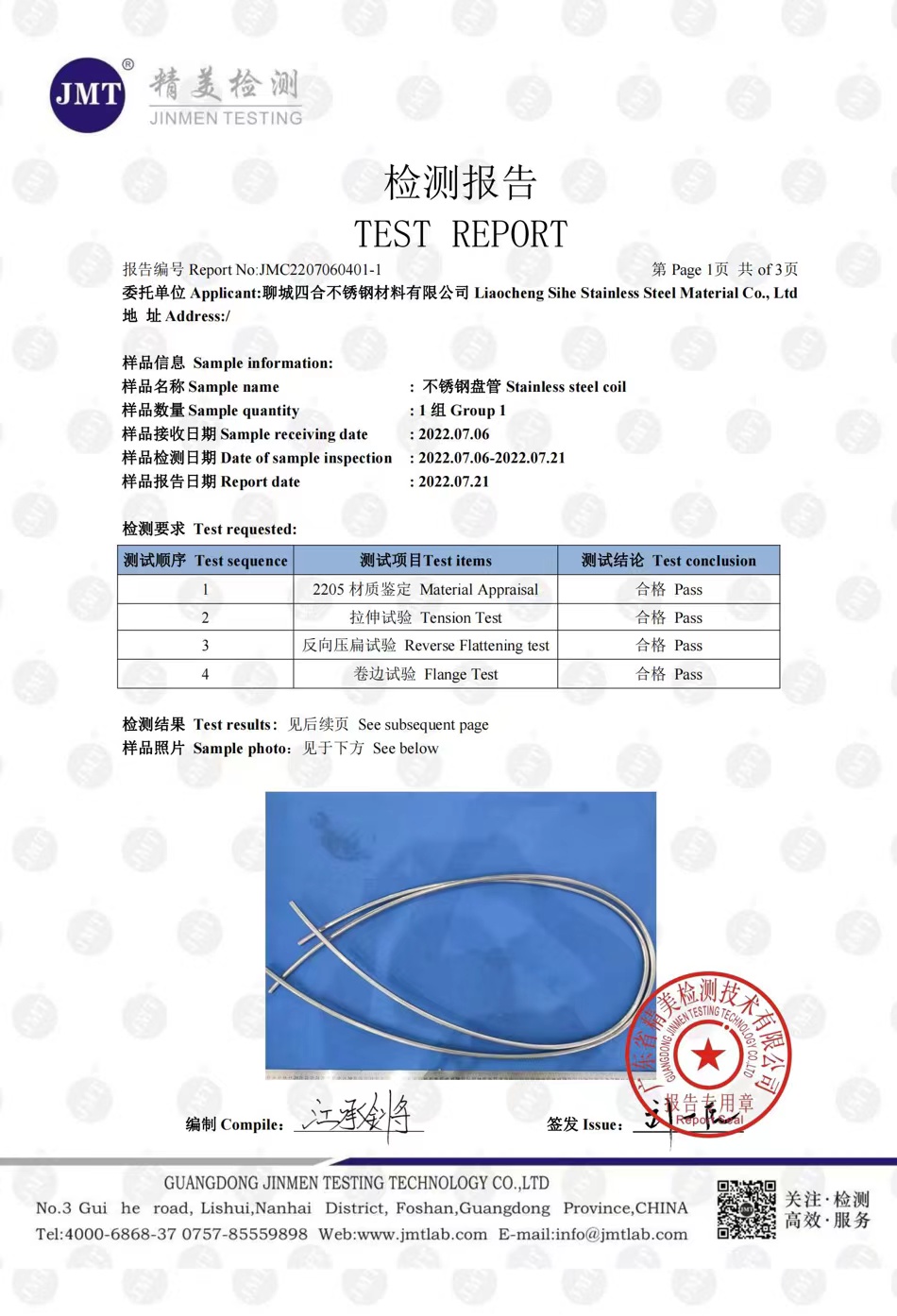
Supports various materials (e.g., 304, 316L, 2205) and specifications (diameter 6.35mm to 19mm) for stainless steel coils. Customized configurations include spiral coils, double-wall coils, and specific bending radiuses for industrial heat exchangers.
We provide burr-free mechanical and laser tube cutting alongside automated straightening processes, preparing stainless pipes for immediate assembly lines without requiring further end-finishing.
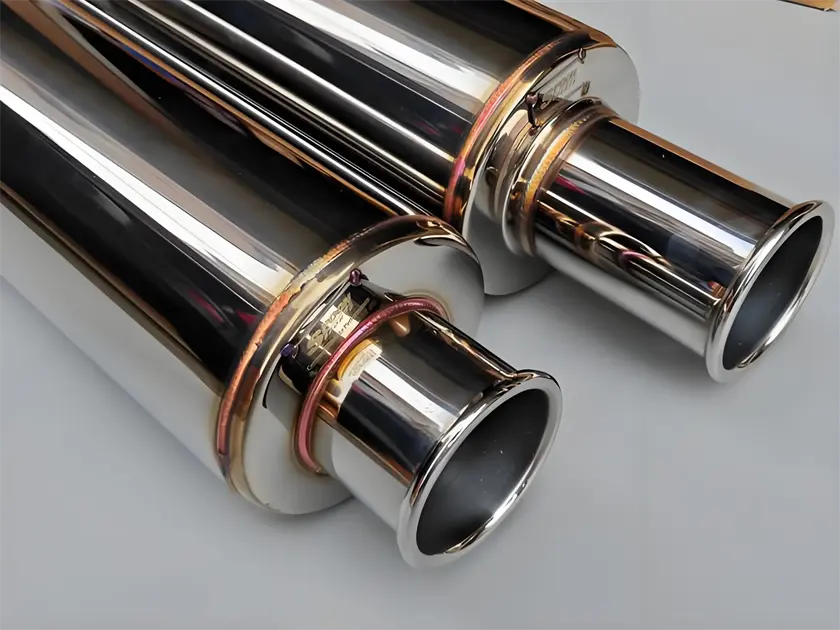
We offer specialized flanging and end-forming services, widely used in automotive exhaust systems, high-pressure chemical lines, and precision instruments to ensure secure, leak-free fittings.
From chemical passivation and pickle-annealing to precision mechanical and electrochemical polishing, we deliver inner/outer surface roughness (Ra) down to sub-micron standards, suitable for ultra-high purity gas and fluid transfer.
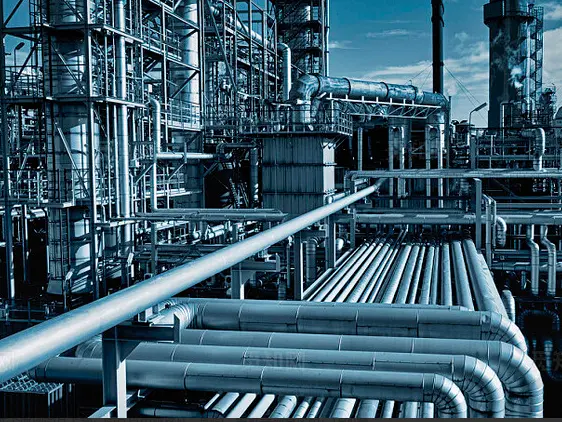
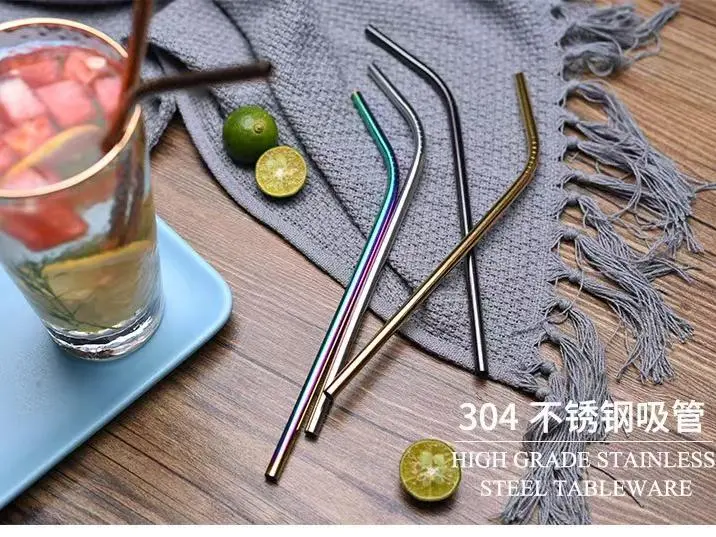
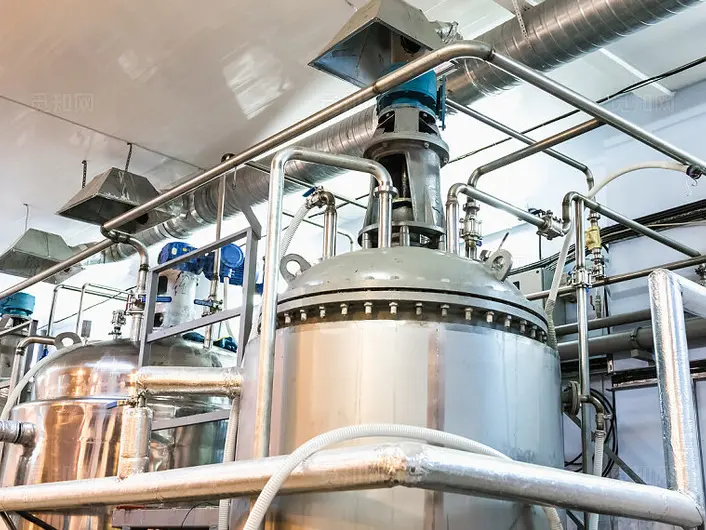
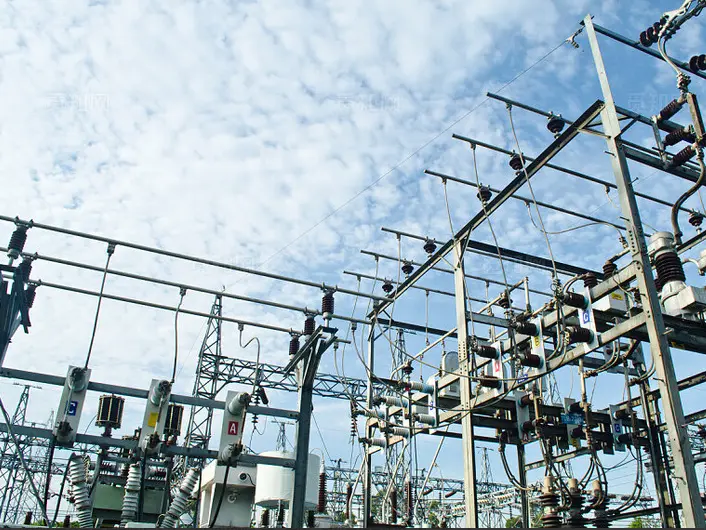
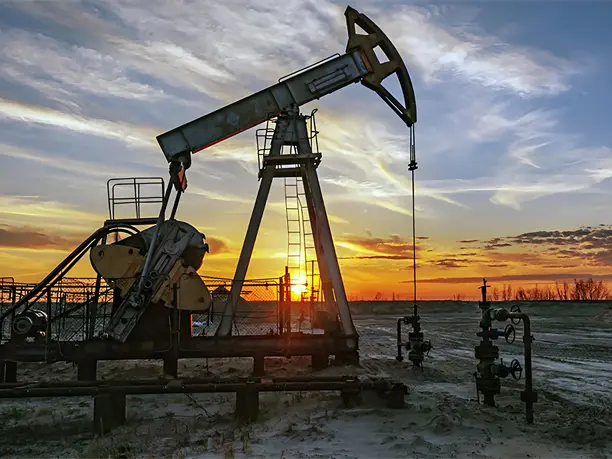
Our 316 and specialty alloy piping products are designed for highly demanding operating environments.
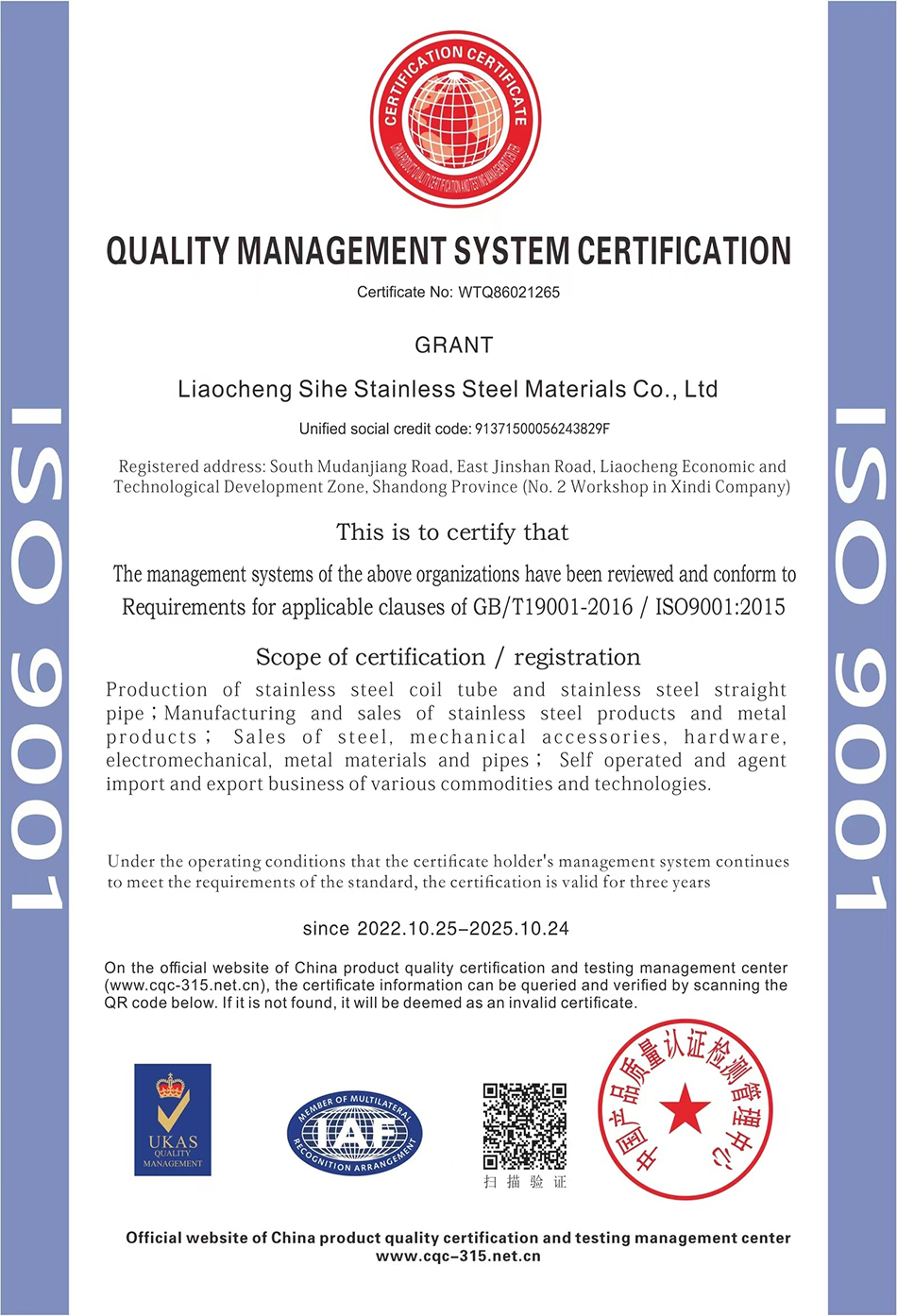
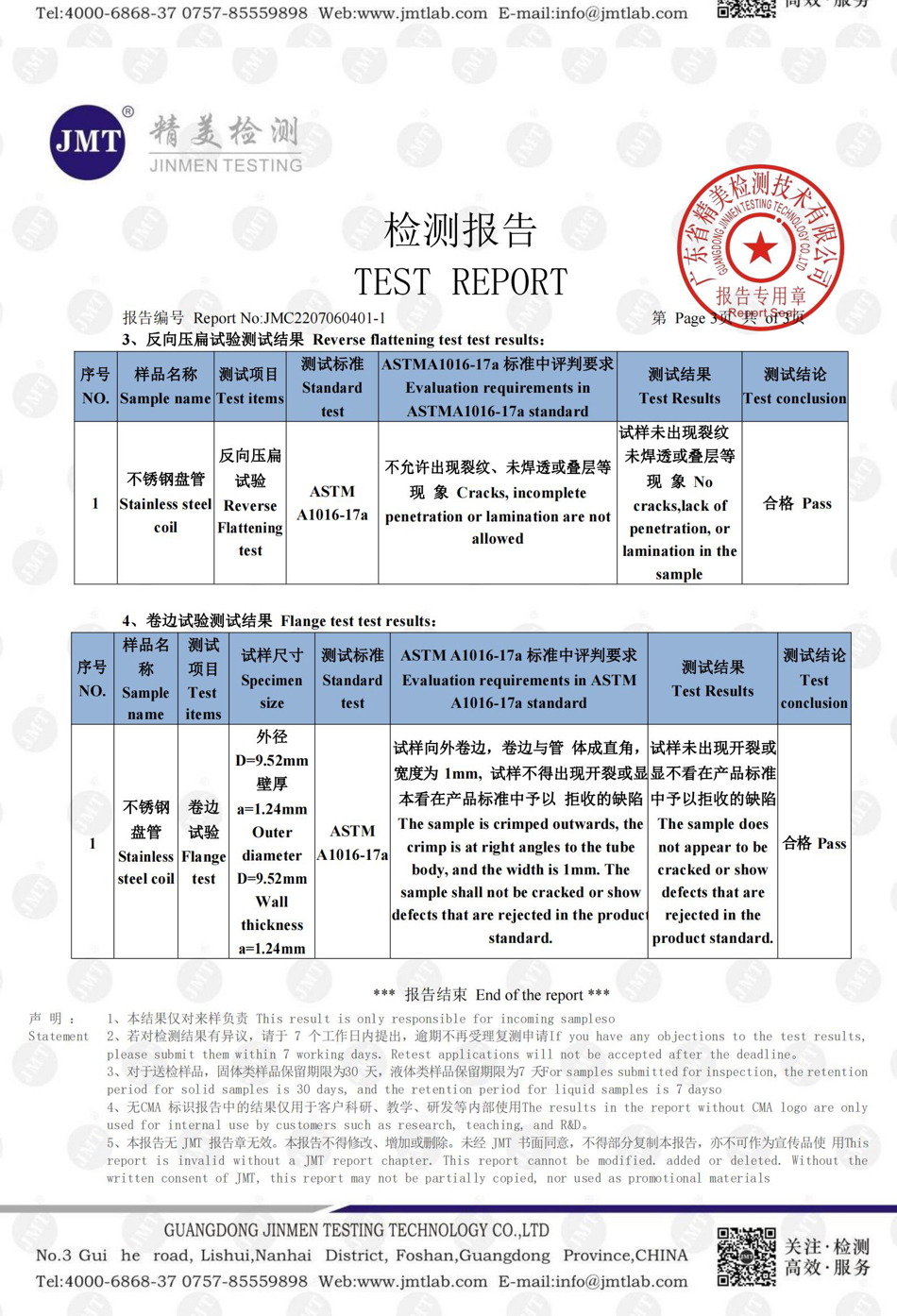
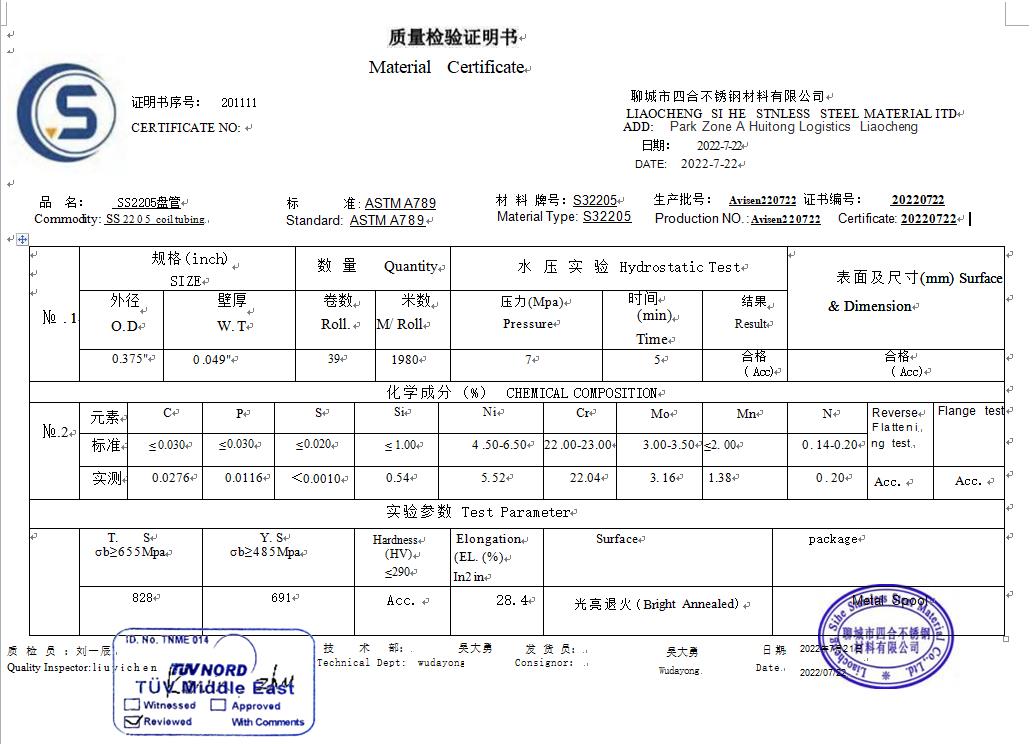
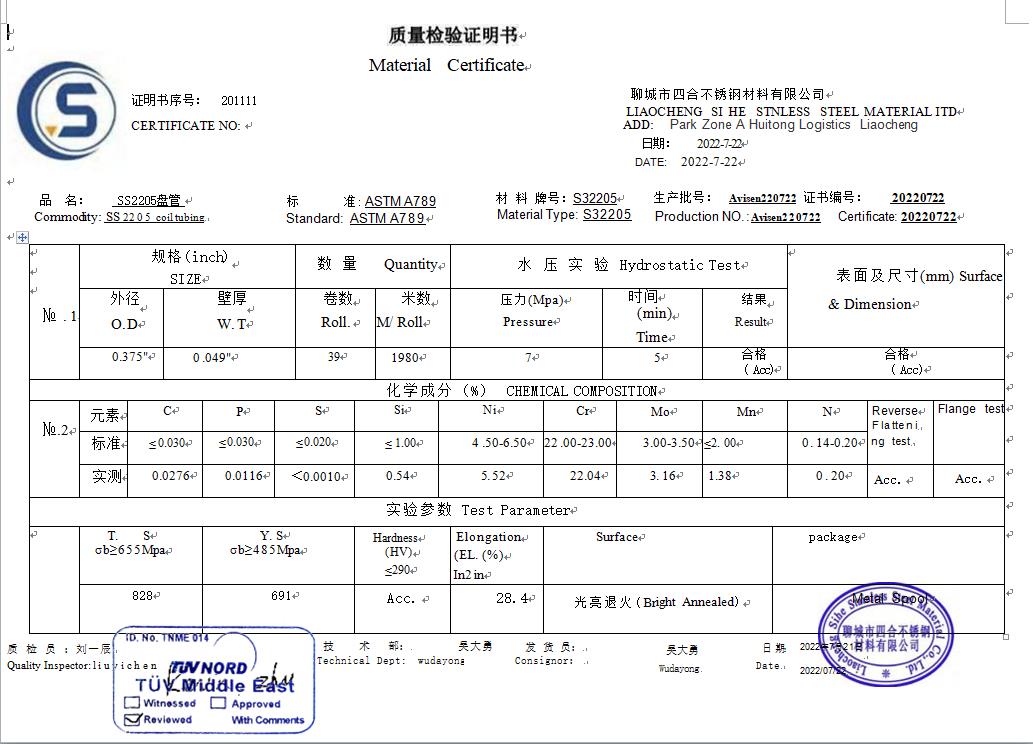
Our production runs are manufactured to match global verification standards for structural and material performance.
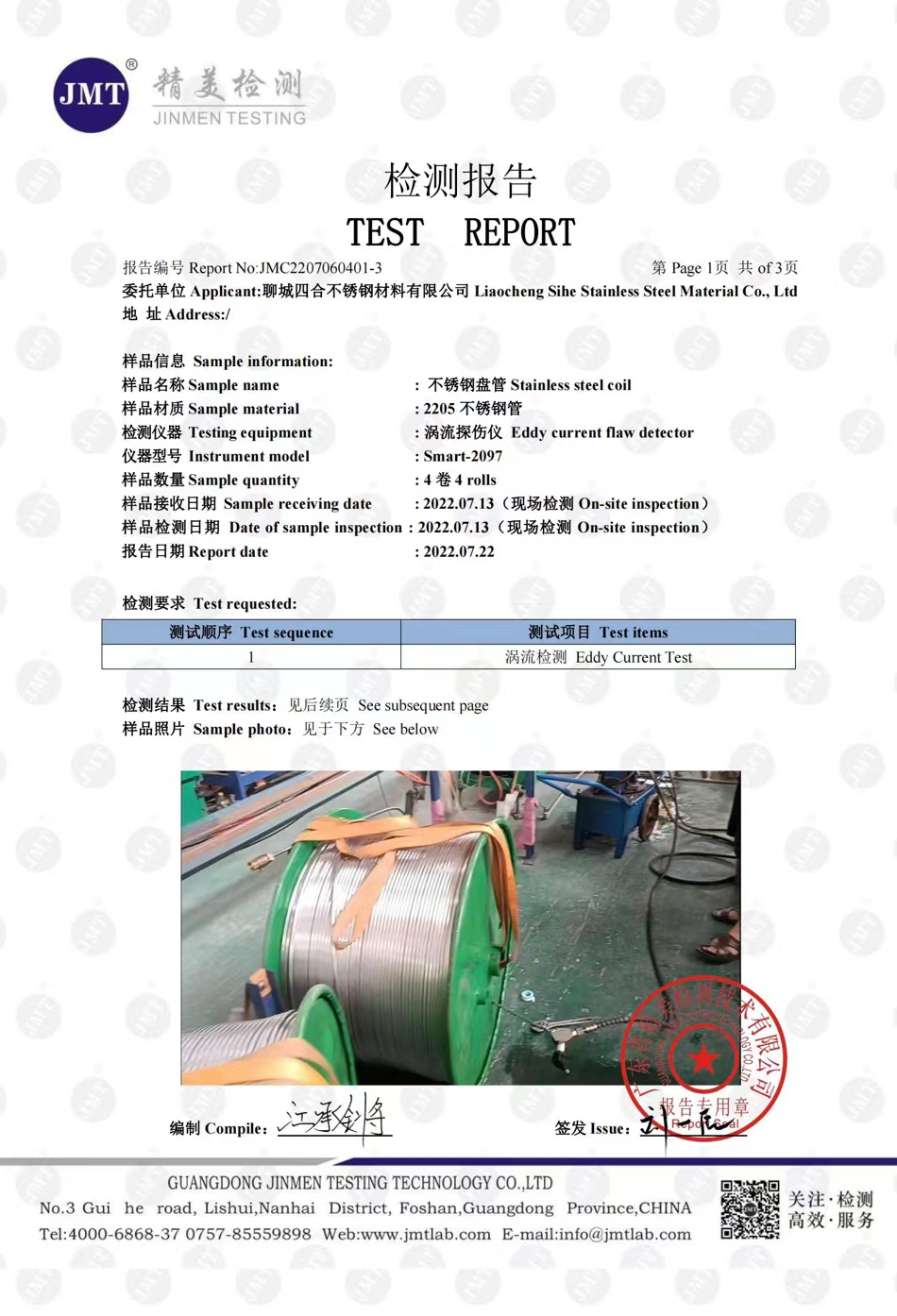
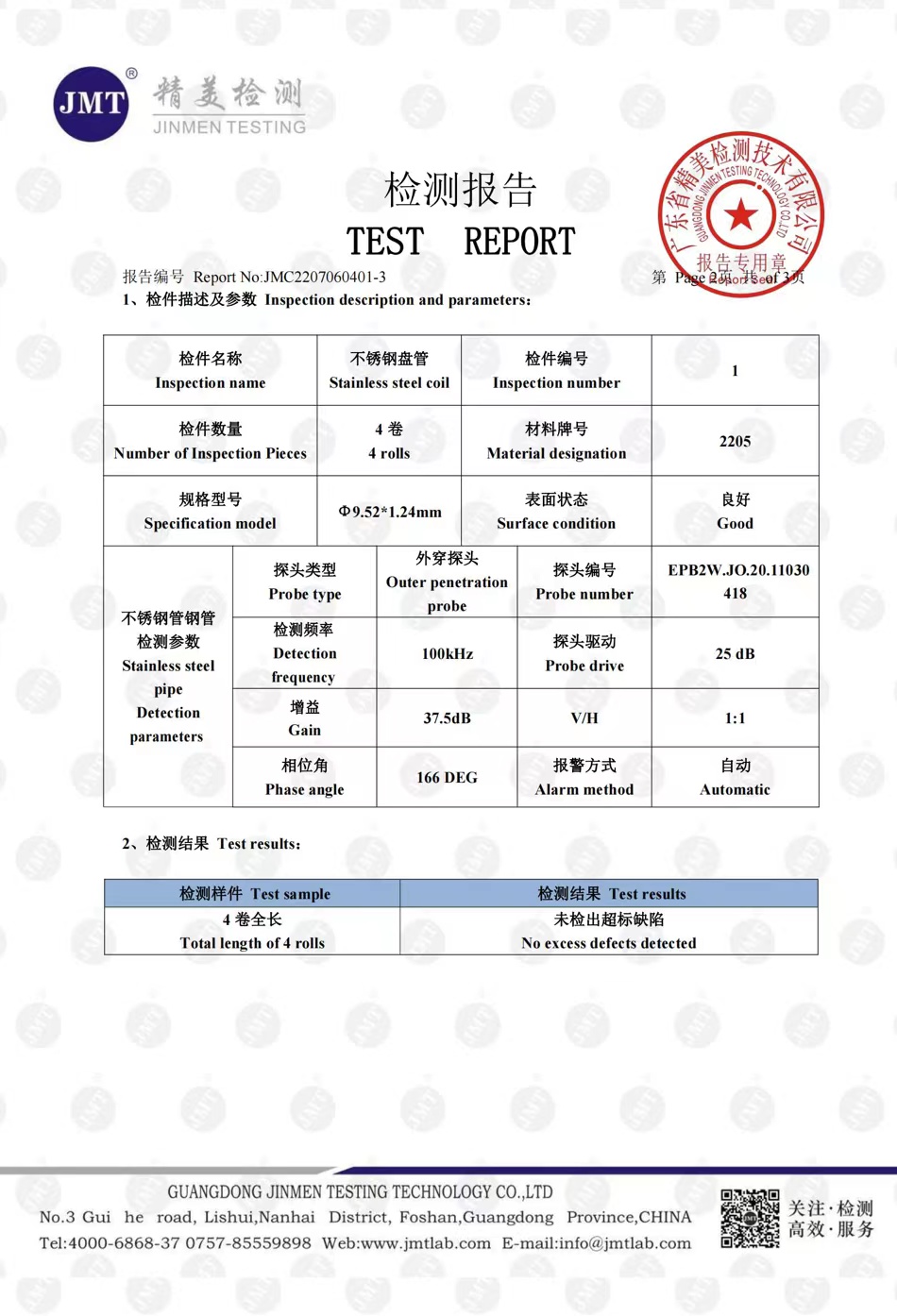
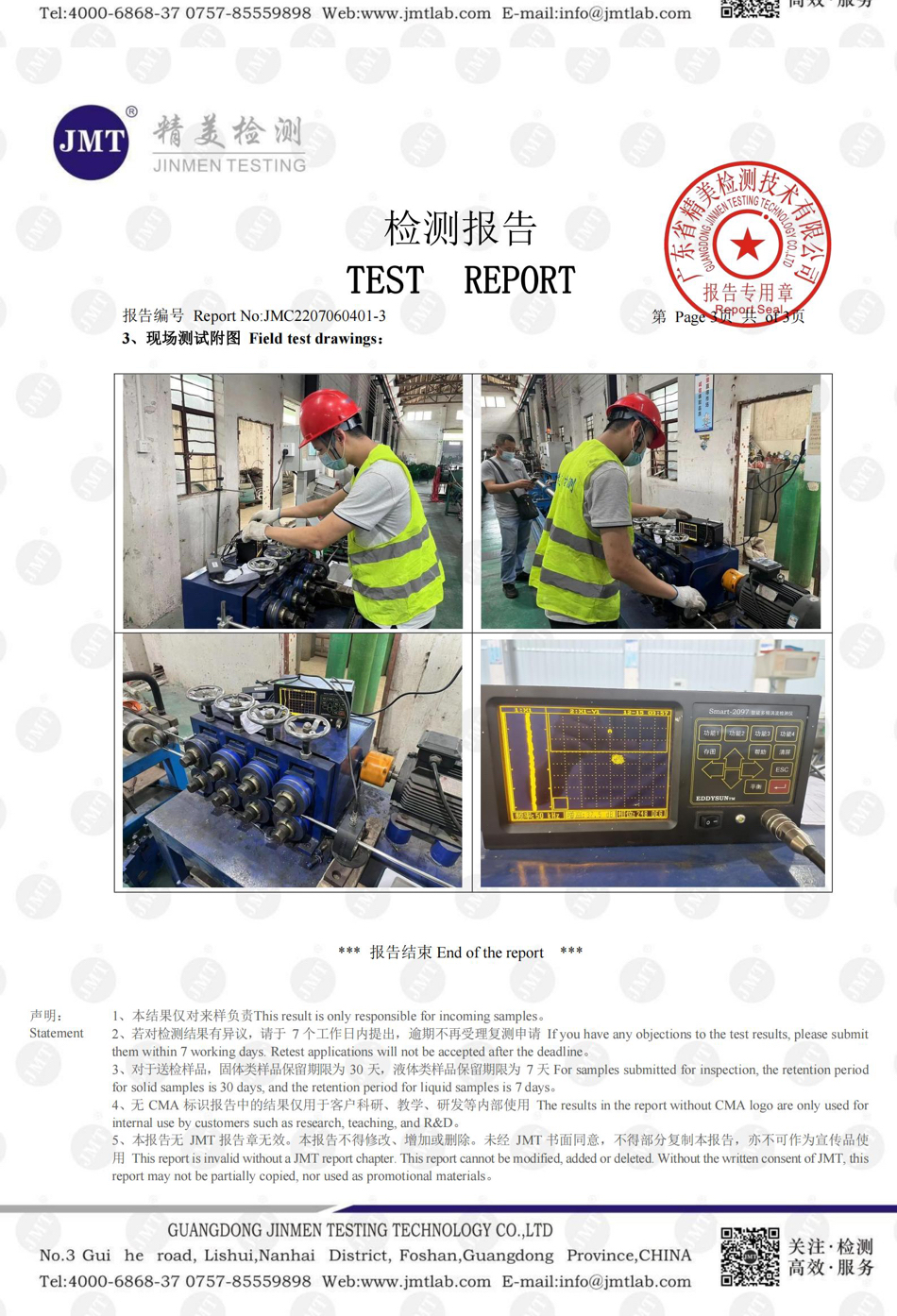
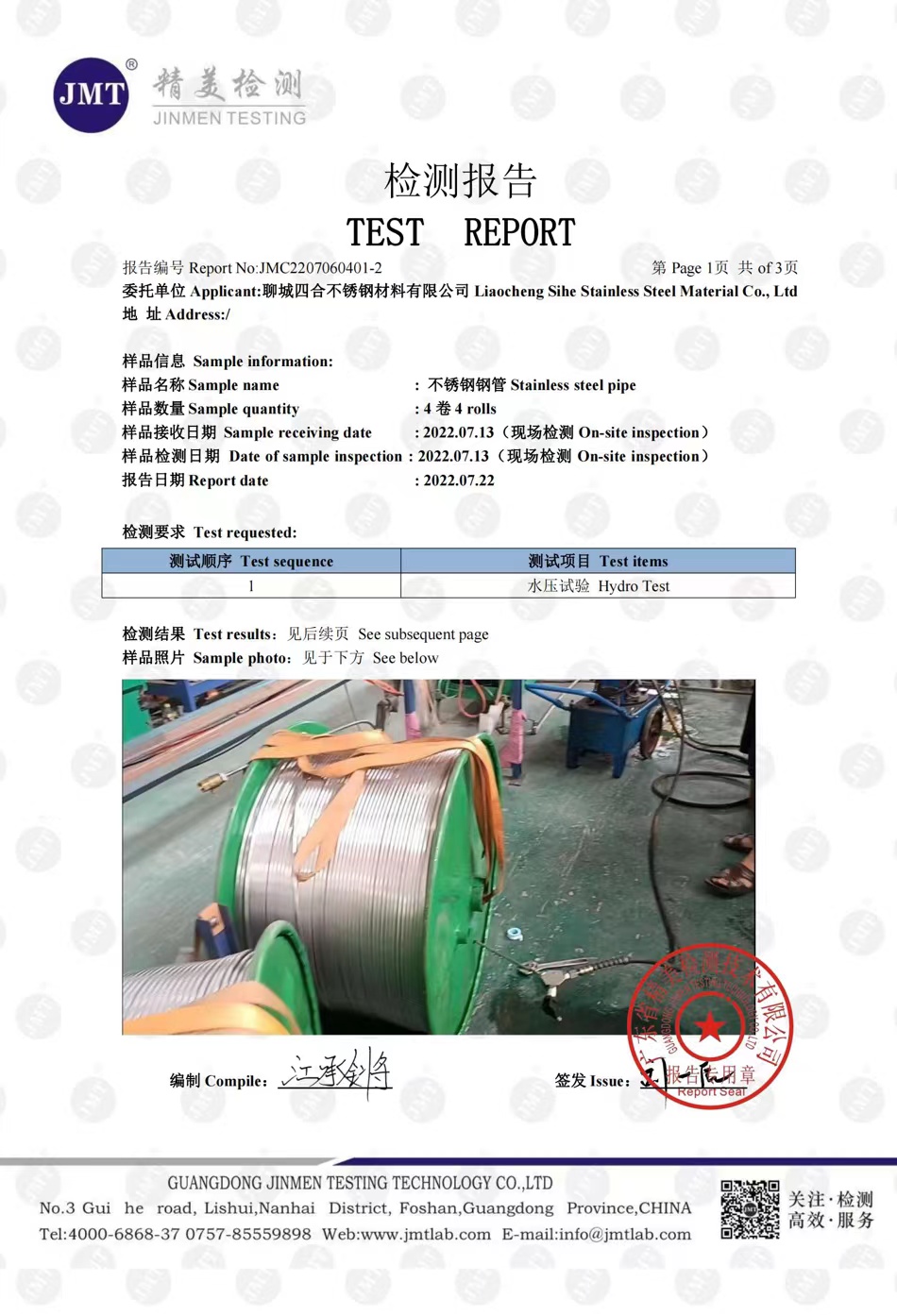
Building future-proof fluid transportation networks with advanced alloys and comprehensive documentation.
Critical industrial installations operate under strict regulatory and safety frameworks. In the United States, pressure vessel and process piping designs are governed by ASME B31.3 and ASME Section VIII, which establish strict limits for maximum allowable stresses and design pressures. In the European Union, the Pressure Equipment Directive (PED 2014/68/EU) requires independent verification and CE marking for high-pressure installations. Liaocheng Sihe complies with these standards, providing complete traceability from melting point to final hydrostatic test.
Our material test certificates (MTC) conform to DIN EN 10204 3.1, documenting the verified chemical heat analysis, mechanical tensile strength, yield strength, elongation, and testing results (including non-destructive eddy current testing and micro-hardness ratings). This documentation is essential for quality audits and project documentation in high-stakes fields like subsea energy extraction or aerospace systems.
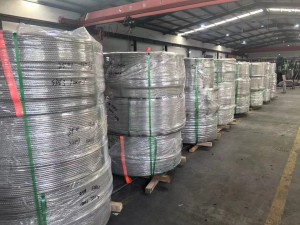
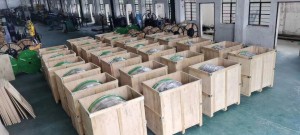
Procuring large quantities of stainless steel coiled tubing requires coordinated logistics and reliable supply networks. We manage international freight forwarding, custom clearance, and specialized export packaging. To protect long-length coiled tubes during transport, we secure them on heavy-duty, reinforced wooden or steel drums, wrapped in protective moisture-barrier sheeting to prevent mechanical damage and maritime corrosion.
Additionally, we work closely with on-site engineering teams to provide custom solutions. Whether you require specific cut-to-length tubing, integrated connection fittings, custom bending, or technical support for material selection, our application engineers assist throughout the procurement process to ensure seamless deployment.
As industrial processing demands higher pressures, temperatures, and corrosion resistance, standard austenitic steels are pushed to their limits. Our R&D efforts focus on developing advanced alloy solutions:
For applications involving high levels of sulfuric acid, phosphoric acid, and sour gas, we produce coiled tubing in Alloy 825 and Inconel 625. These alloys provide resistance to stress corrosion cracking and pitting under severe environmental conditions.
Combining the benefits of austenitic and ferritic microstructures, our Duplex 2205 and Super Duplex 2507 tubing offers high yield strength and pitting resistance, allowing for thinner tube walls and reduced weight in structural designs.
We are refining electropolishing techniques to achieve inner surface roughness profiles of Ra < 0.25 μm, designed for ultra-high purity gas distribution lines in semiconductor fabrication and sterile biotech systems.
Answers to common technical, metallurgical, and logistical questions regarding stainless steel piping systems.
Grade 316 has a maximum carbon content of 0.08%, whereas Grade 316L is limited to a maximum of 0.03%. The lower carbon content in 316L minimizes carbide precipitation at grain boundaries during welding, protecting the heat-affected zone from localized intergranular corrosion without requiring post-weld annealing.
Our prices fluctuate based on the cost of raw materials (particularly nickel and molybdenum) and global logistics rates. Contact our sales department with your specifications for a current, customized price quote.
We require all international shipments to meet an ongoing minimum order quantity. For specific details regarding custom orders or standard stock configurations, contact our export department.
Yes. We provide complete certification packages, including EN 10204 3.1 Material Test Certificates (MTC), chemical heat analysis, mechanical test results, non-destructive test (NDT) reports, certificates of origin, and custom export documentation.
Sample production requires approximately 7 days. For mass production, standard lead times run between 20 and 30 days after receiving down payment and final order approval. Contact our sales team to discuss accelerated scheduling options.
We process payments via wire transfer (T/T), Western Union, and PayPal. Our standard terms are a 30% deposit in advance, with the remaining 70% balance paid upon presentation of the Bill of Lading (B/L) copy.
We guarantee the material quality and workmanship of all our products. We resolve any reported material performance issues, whether during the warranty period or afterwards, to meet project safety standards.
We use heavy-duty export packaging, including reinforced wooden cases, steel frames, and protective plastic wrapping. For temperature-sensitive or chemical-grade alloys, we apply specialized packaging to prevent moisture and physical damage during transit.
Shipping costs depend on the delivery method, shipment weight, dimensions, and destinations. Ocean freight is recommended for large volume bulk shipments, while air freight is available for urgent, low-weight orders. Contact us for direct freight estimates.
All tubes are subjected to eddy current testing, pneumatic and hydrostatic pressure testing, mechanical tensile and elongation testing, hardness measurements, and dimensional checks. We also perform specialized bending and flaring tests as required by industry standards.
Explore our complete range of certified ASTM A312, ASTM A213, and DIN compliant piping products.
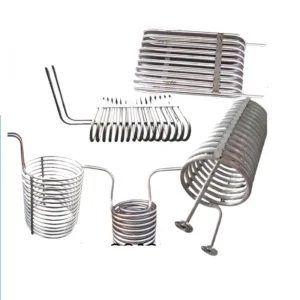
Designed for heavy-duty thermal processing systems with resistance to high-pressure environments.
View Product Details ➔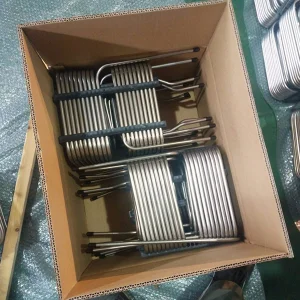
Low-carbon variation of 316 alloy, providing corrosion resistance at welded connection points.
View Product Details ➔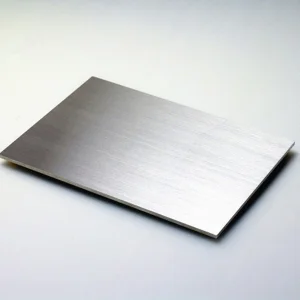
Ferritic stainless steel alloy providing heat resistance and mechanical strength for automotive exhaust systems.
View Product Details ➔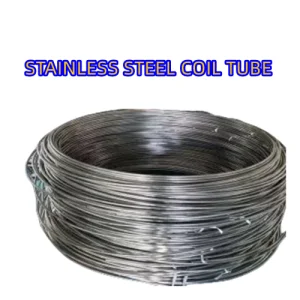
High-strength coiled tubing engineered for chemical injection and hydraulic lines in standard wells.
View Product Details ➔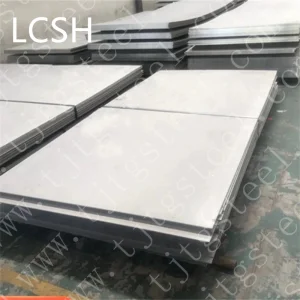
Low-carbon austenitic sheet metal designed for marine structures and chemical tanks.
View Product Details ➔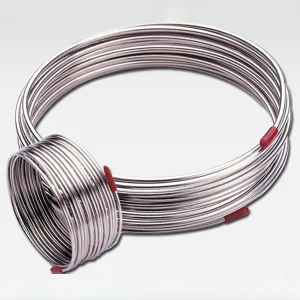
Super-austenitic stainless alloy providing resistance to localized pitting and stress corrosion cracking.
View Product Details ➔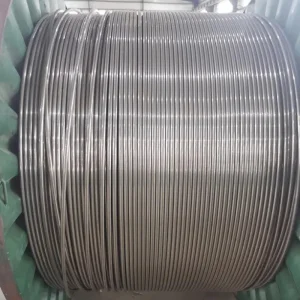
High-integrity seamless coils suited for industrial heat exchange, instrumentation, and control loops.
View Product Details ➔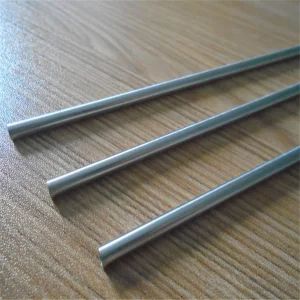
Conforms to European standards for process piping networks, chemical plants, and heavy machinery.
View Product Details ➔