 Sihe Steel
Sihe Steel
Sihe Steel
Explore our specialized range of high-precision stainless steel sheets, plates, and industrial capillary/coiled tubes engineered to withstand corrosive environments.
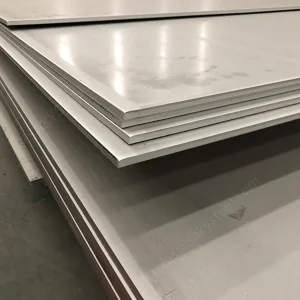
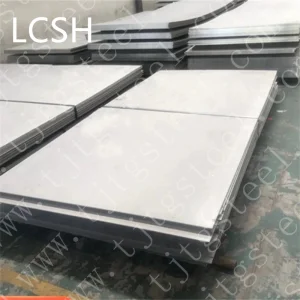
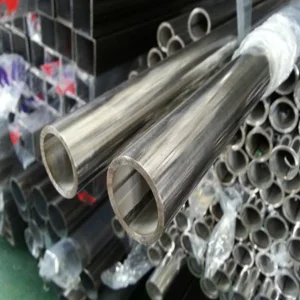
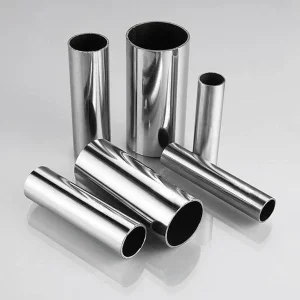
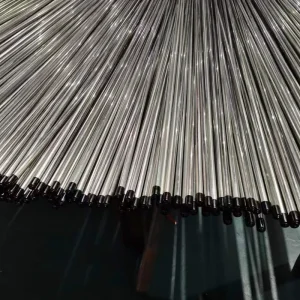
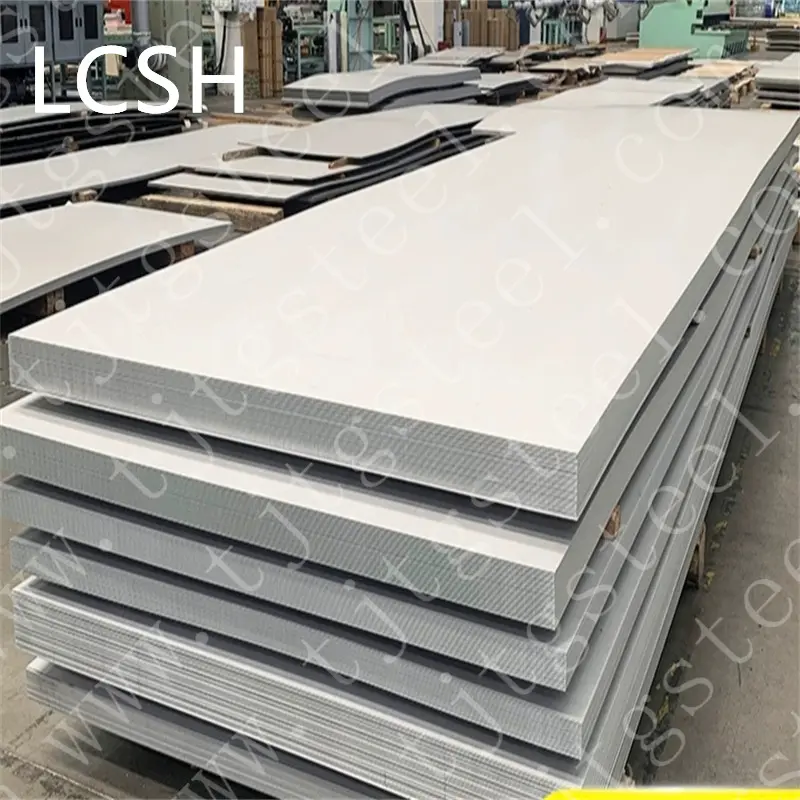
Mirror-polished stainless steel, typically characterized as No.8 or 8K mirror finish, plays a vital role across critical commercial, scientific, and industrial sectors. The classification "8K" denotes the reflectivity grade, where "8" represents the ratio of alloy composition to polishing surface density, and "K" represents the reflective quality grade. Achieving this high-gloss surface requires mechanical polishing using progressively finer abrasive compounds, followed by meticulous buffing with specialized felt wheels and chemical polishing solutions.
Selecting the appropriate grade for mirror-finish sheets is determined by structural demands and environmental chemistry. The core difference between AISI 304 and AISI 316 lies in their elemental chemistry, which dictates their mechanical properties and corrosion resistance profiles:
| Alloy Grade | Chromium (Cr) % | Nickel (Ni) % | Molybdenum (Mo) % | Pitting Resistance Equivalent Number (PREN) | Primary Environmental Suitability |
|---|---|---|---|---|---|
| AISI 304 | 18.00 - 20.00 | 8.00 - 10.50 | - | ~ 18 - 20 | Atmospheric conditions, food processing, architectural facades, general machinery. |
| AISI 316 | 16.00 - 18.00 | 10.00 - 14.00 | 2.00 - 3.00 | ~ 23 - 25 | Marine environments, chemical storage, offshore exploration, high-salinity zones. |
| AISI 316L | 16.00 - 18.00 | 10.00 - 14.00 | 2.00 - 3.00 | ~ 23 - 25 (Low Carbon <0.03%) | Heavy-weld assemblies, subsea pipelines, semiconductor systems, biopharmaceuticals. |
The addition of 2-3% Molybdenum in AISI 316 provides robust resistance to pitting and crevice corrosion in chloride-rich environments. The low-carbon version (316L) prevents carbide precipitation during welding, maintaining corrosion resistance in welded zones without the need for post-weld annealing.
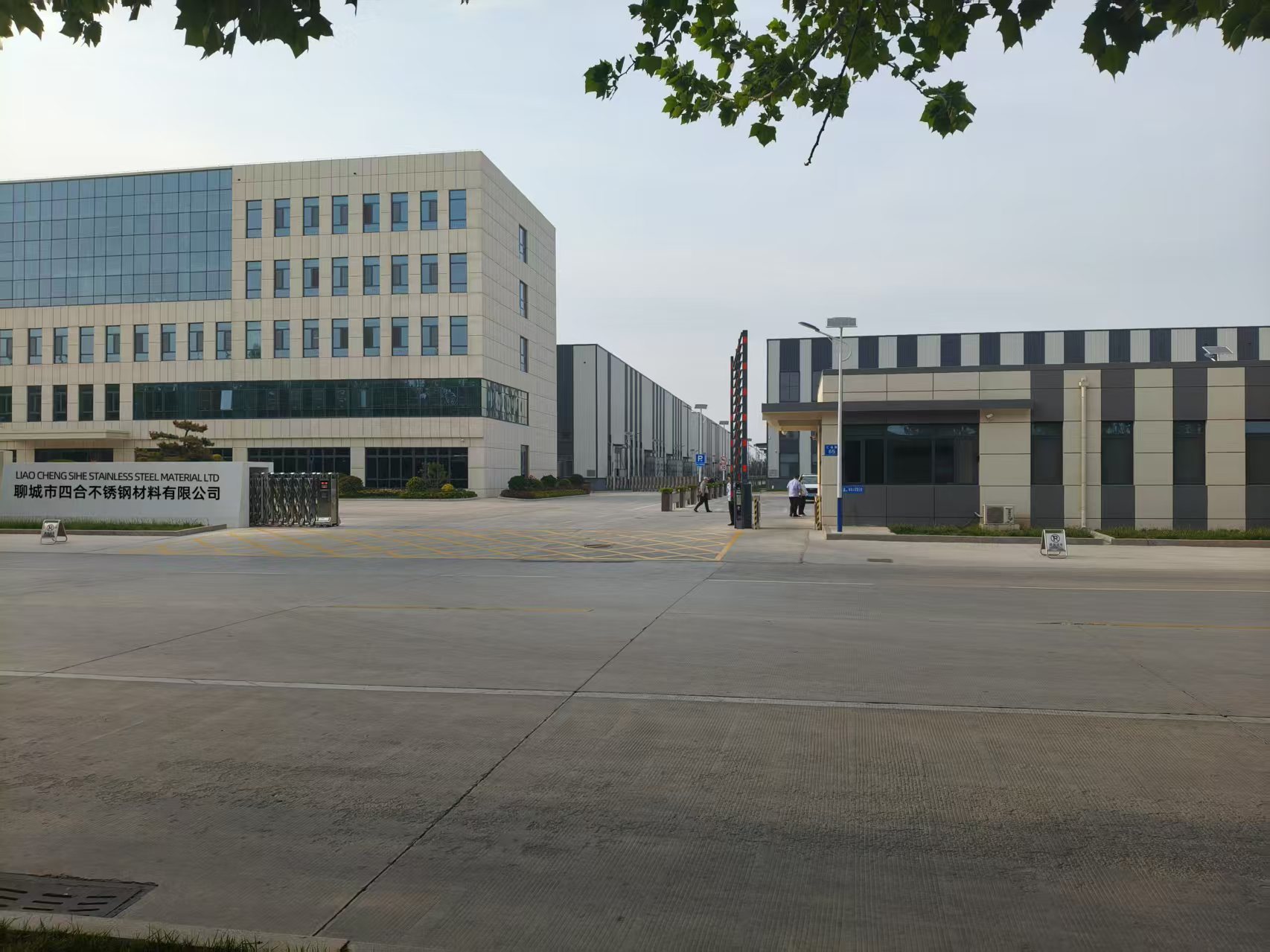
China's stainless steel industry has transitioned from high-volume manufacturing to advanced precision production. Facilities like Liaocheng Sihe Stainless Steel Material LTD lead this shift by integrating raw materials sourcing, high-speed automated rolling mills, and online processing technologies.
Integrated supply chains reduce shipping and handling of raw materials, keeping production costs competitive while meeting stringent international mechanical property standards.
Our online bright annealing technology processes stainless steel tubing and sheets in a controlled, oxygen-free hydrogen atmosphere, preventing scale formation and preserving a smooth, clean surface finish.
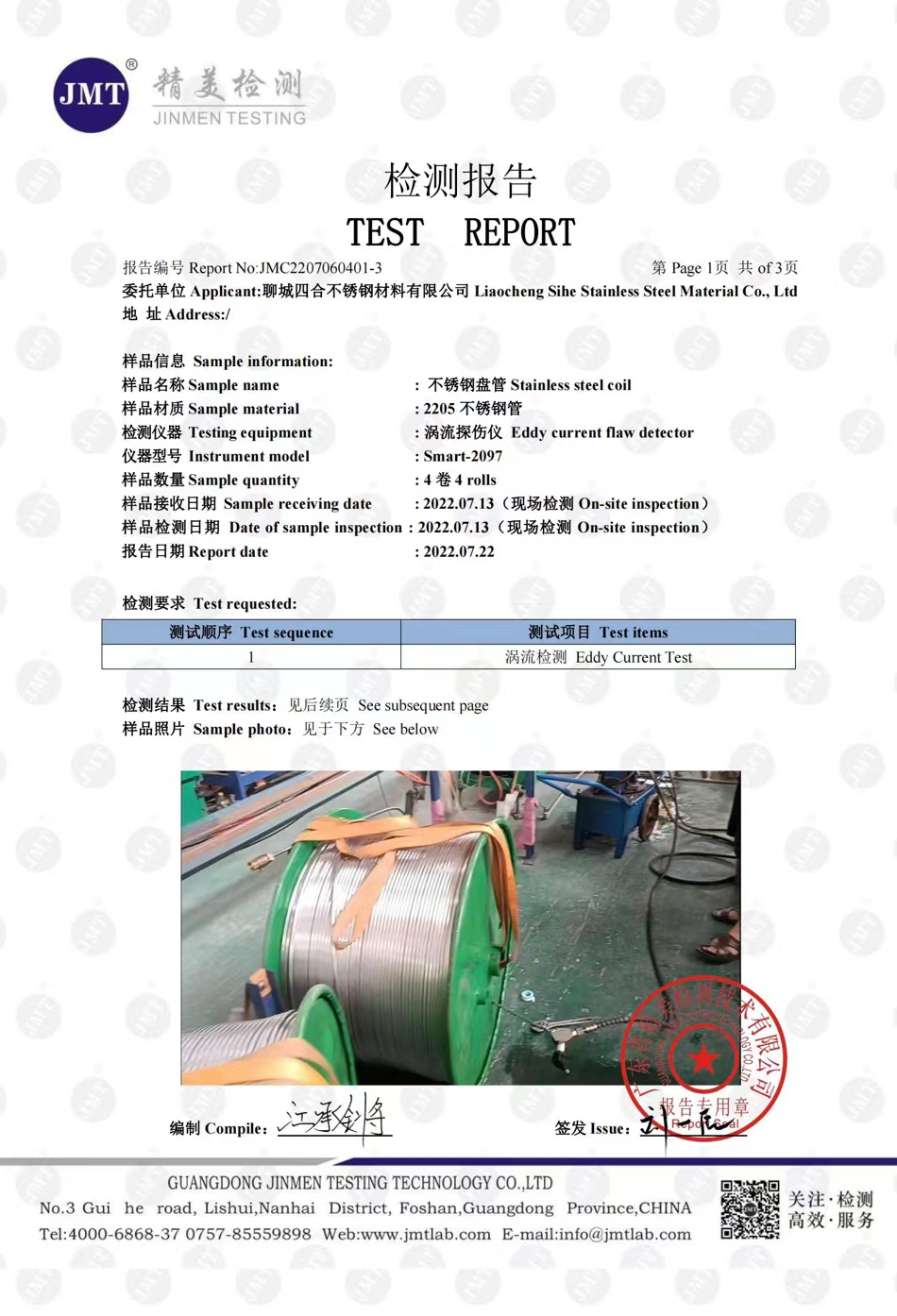
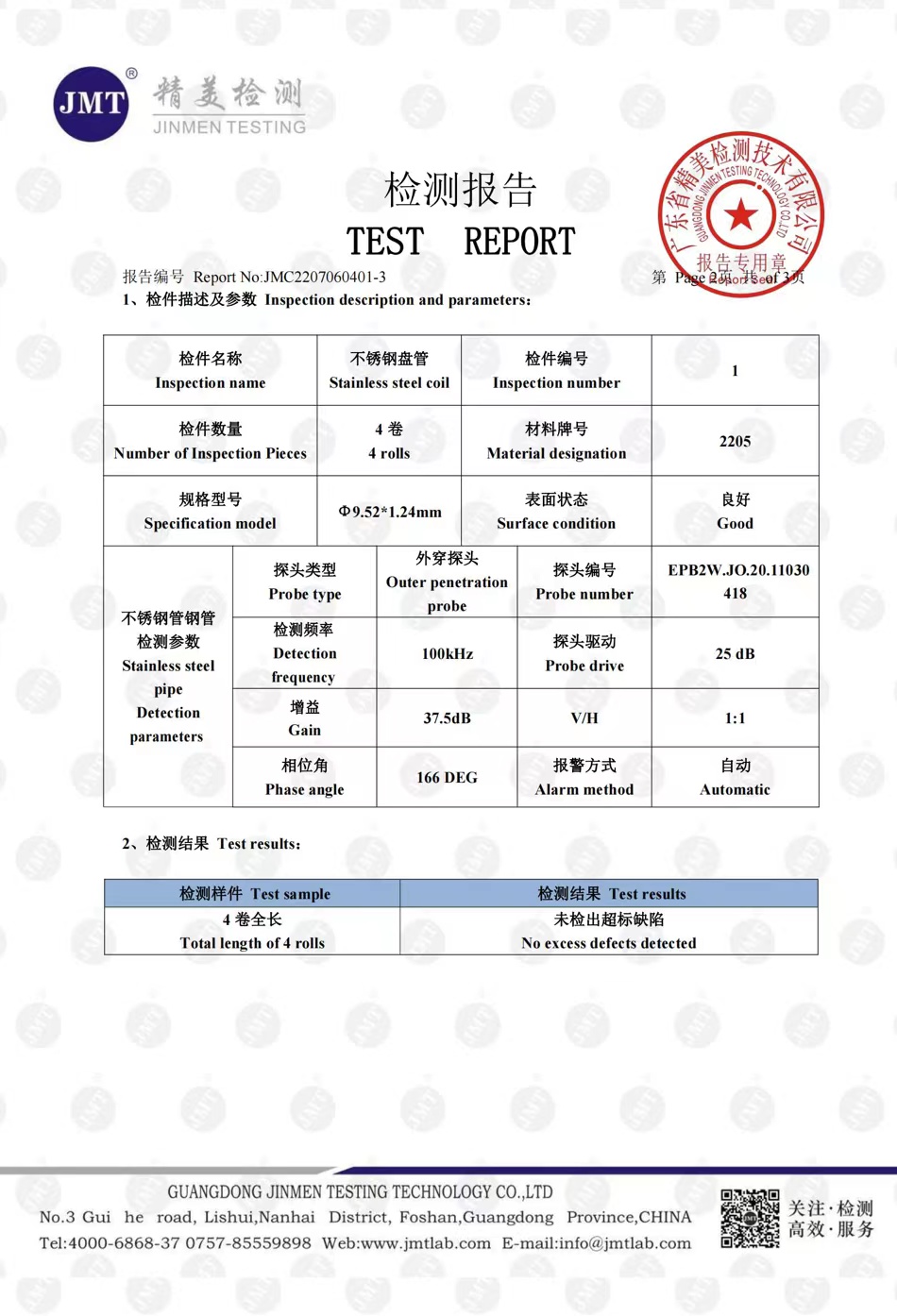
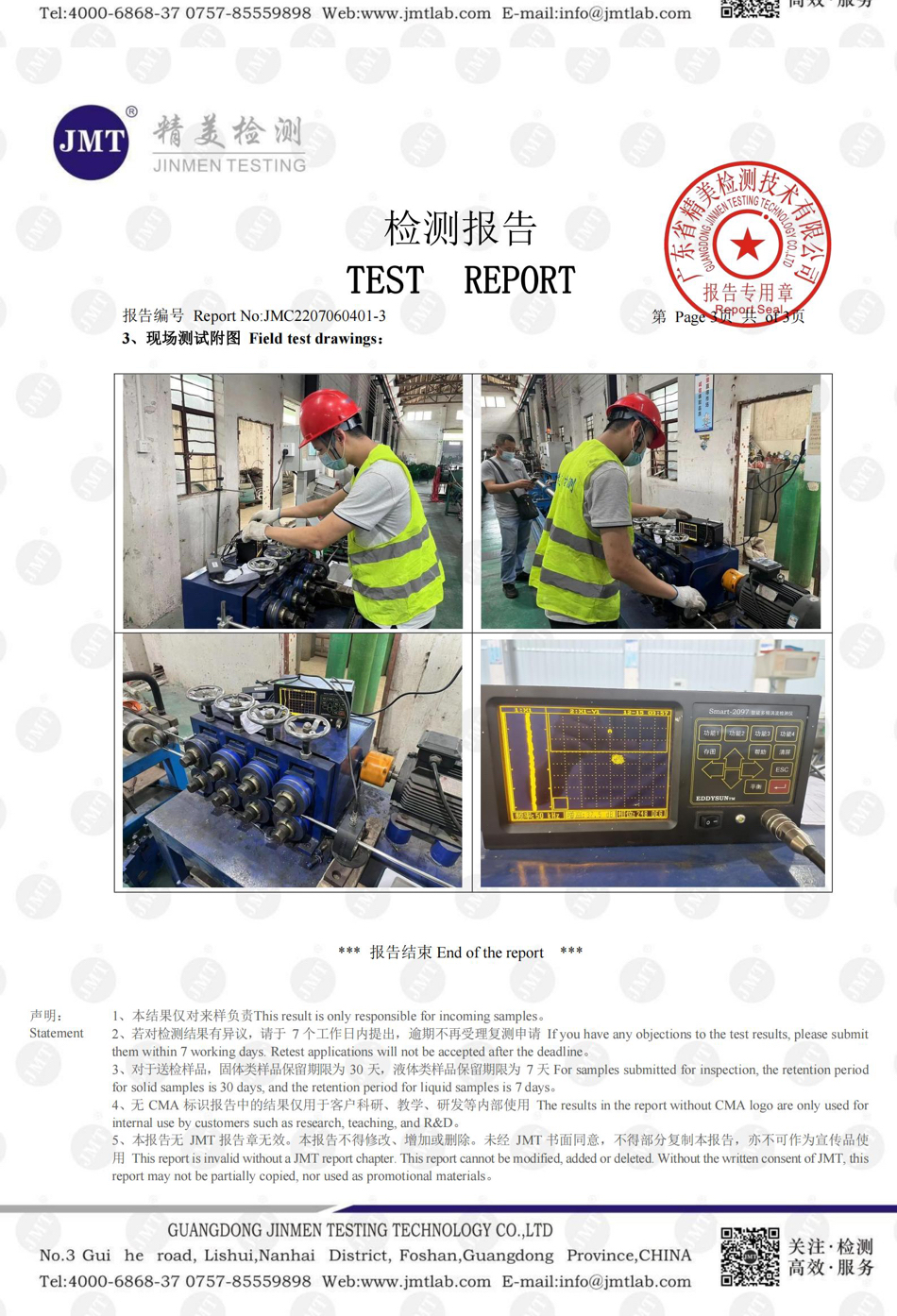
Every batch undergoes testing, including tensile, flaring, flattening, hardness, 100% hydrostatic, air tightness, and non-destructive eddy current testing to guarantee physical and structural integrity.
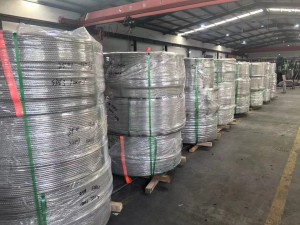
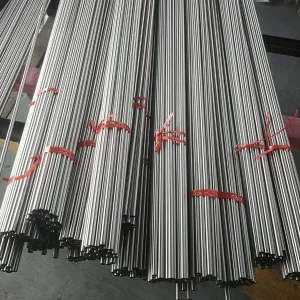
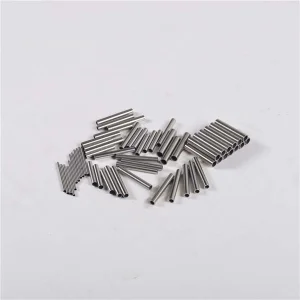
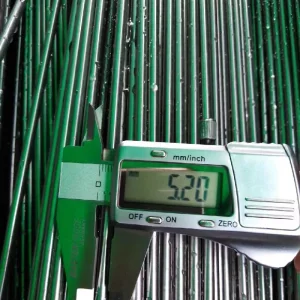
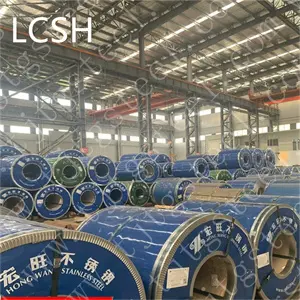
Production Floor
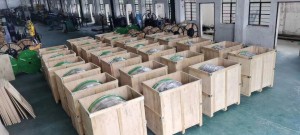
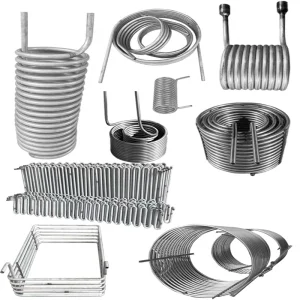
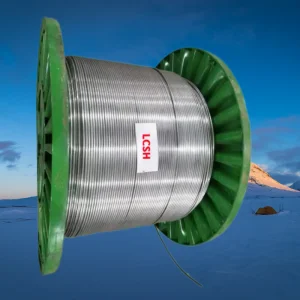
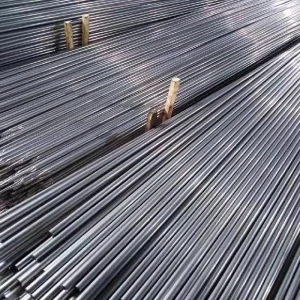
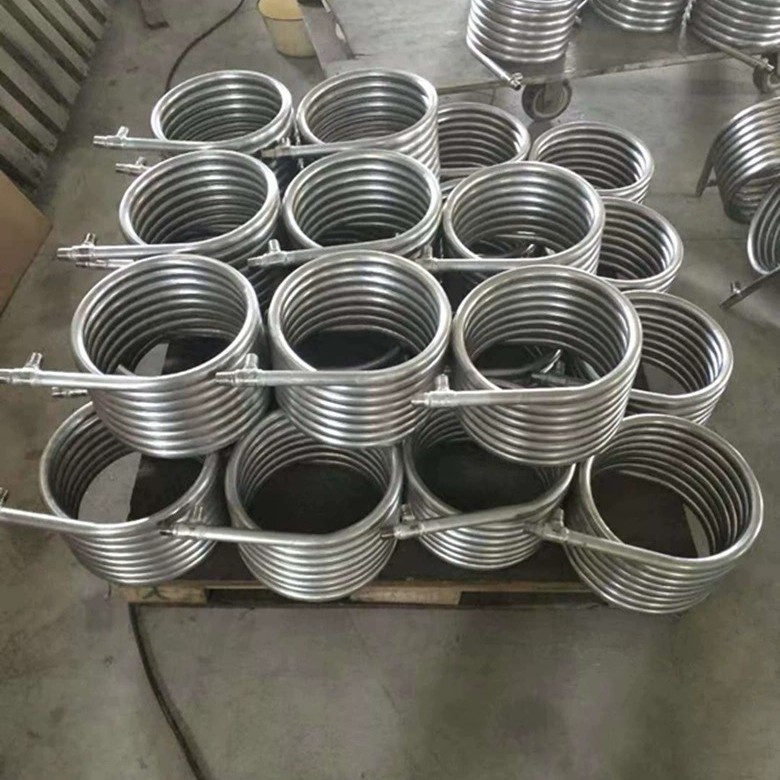
Coiled Tubing Lines
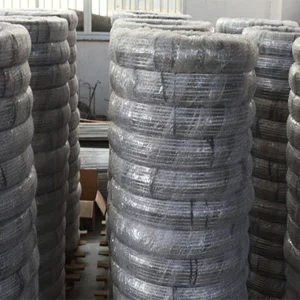
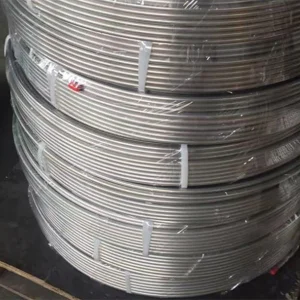
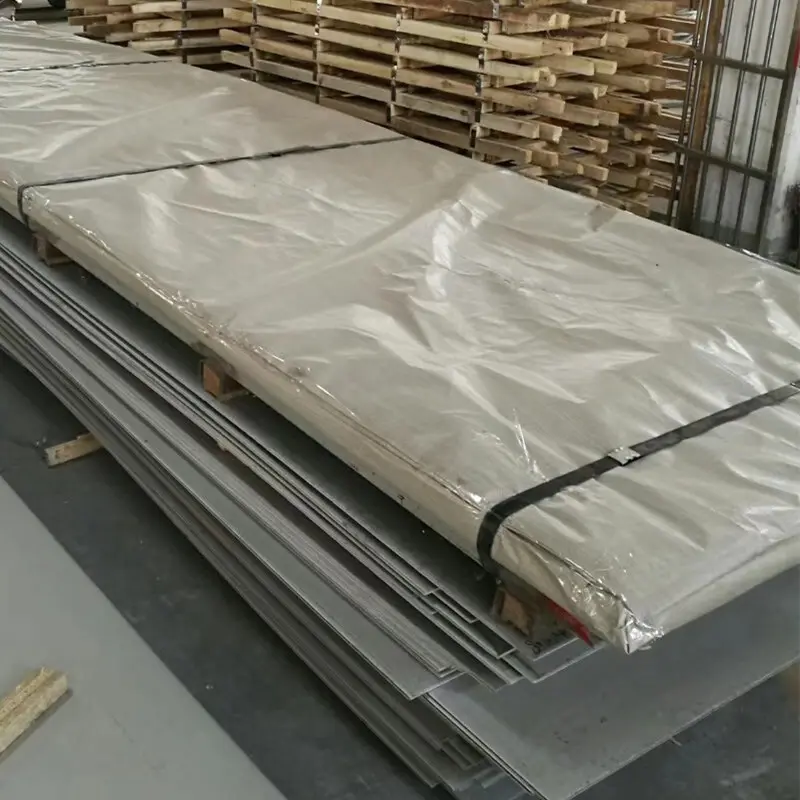
Coil Inventory
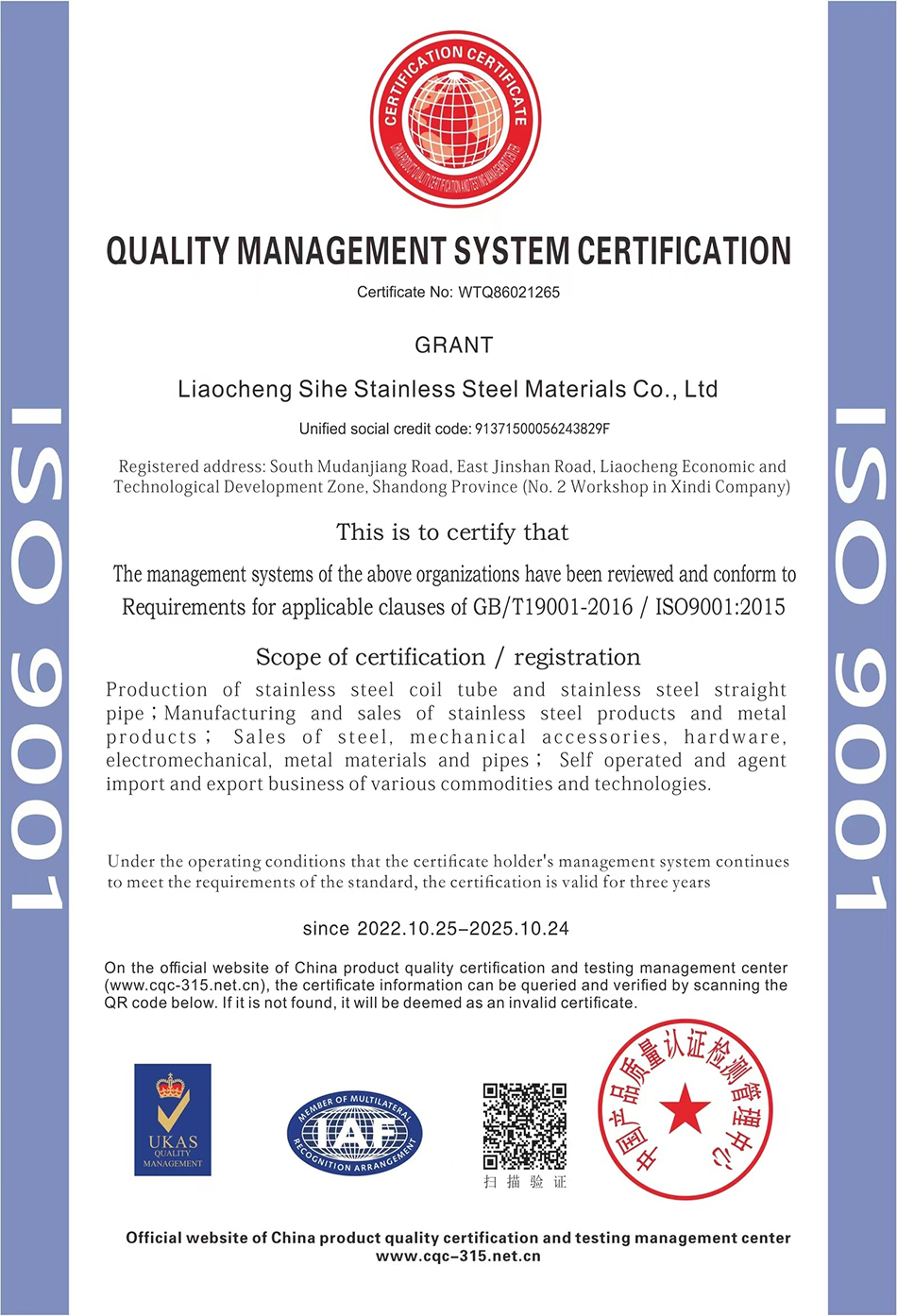
Our manufacturing and processing lines adhere strictly to GB, ASTM, ASME, JIS, and EN standards, certified for critical high-pressure and offshore applications.
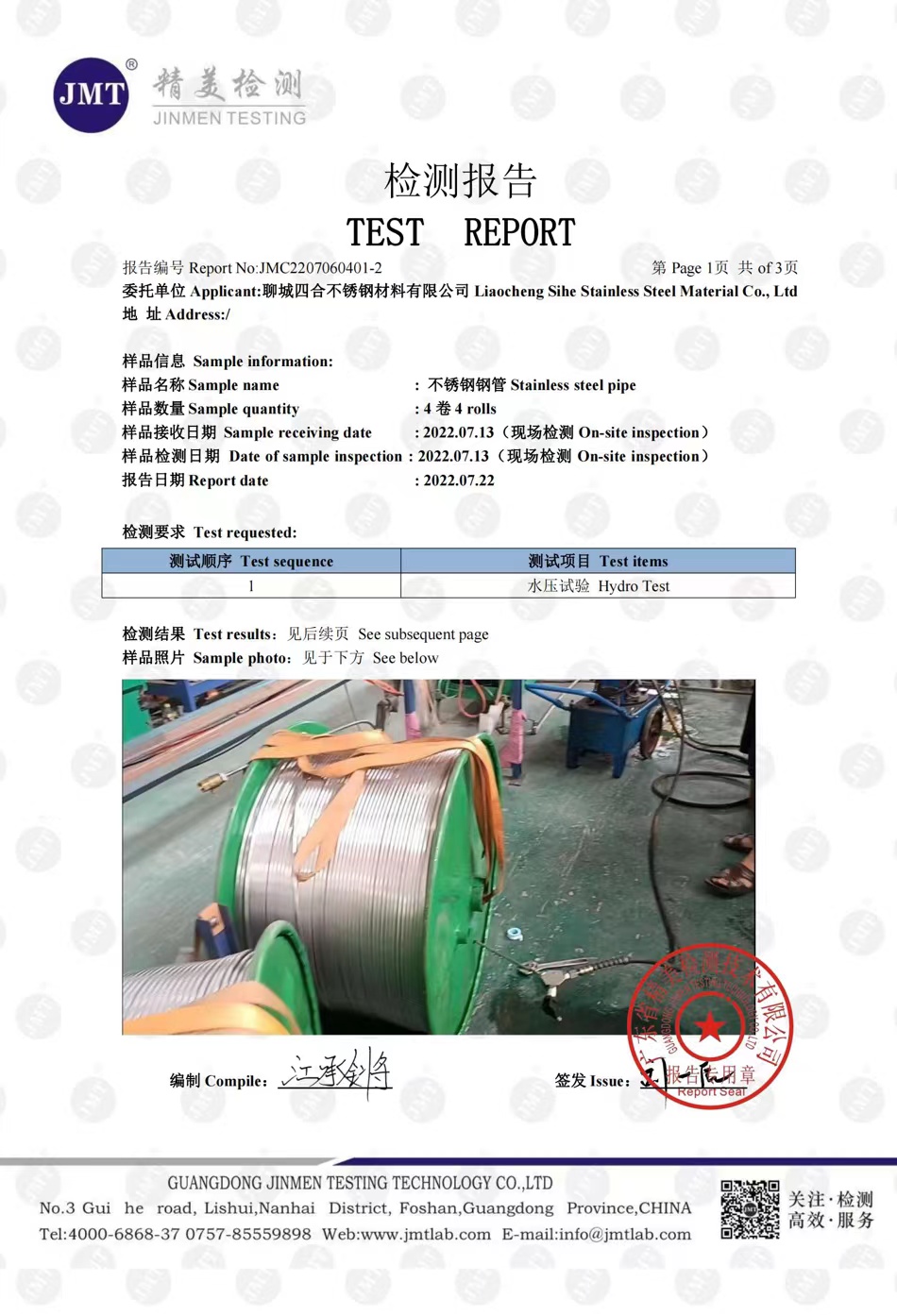
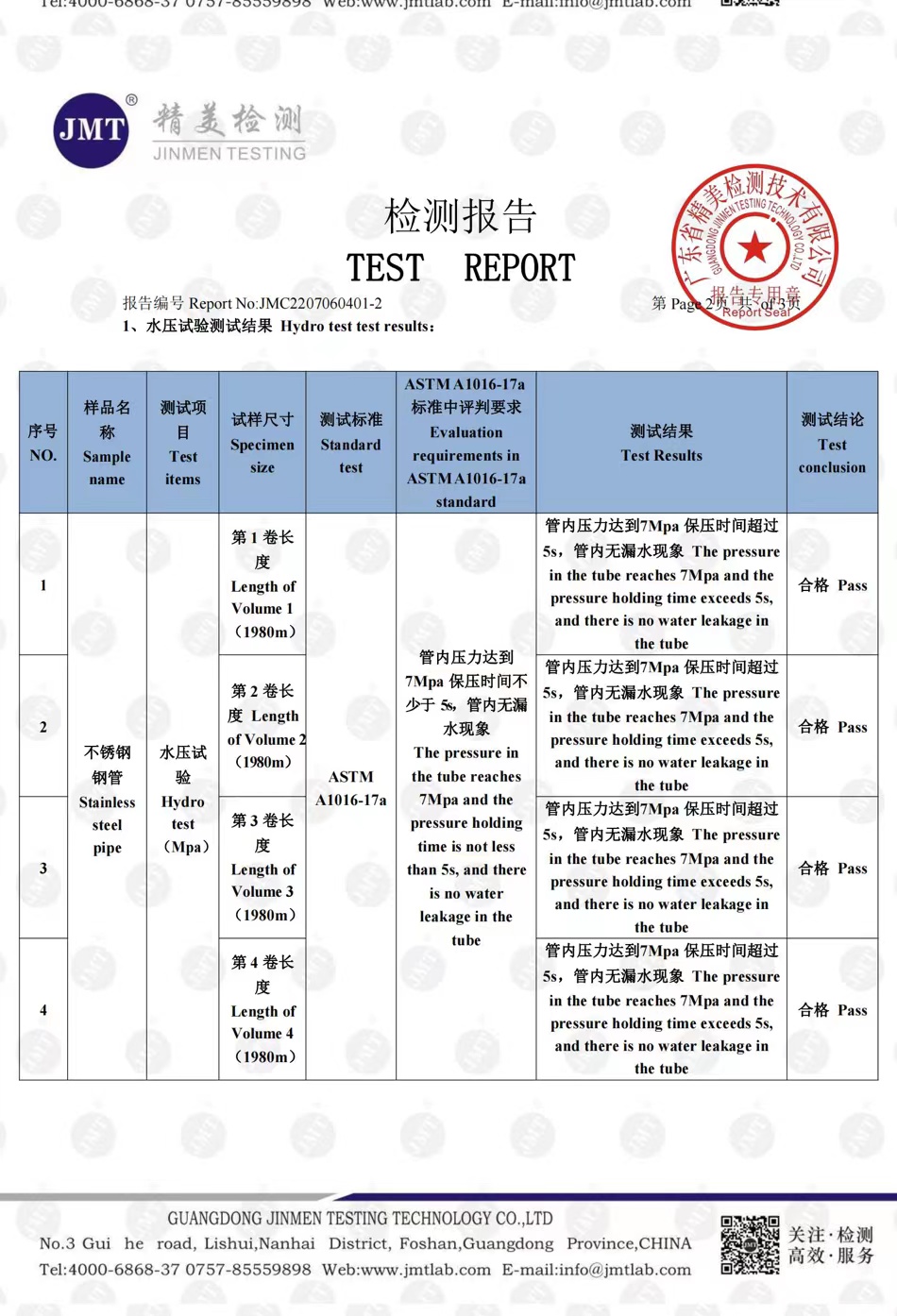
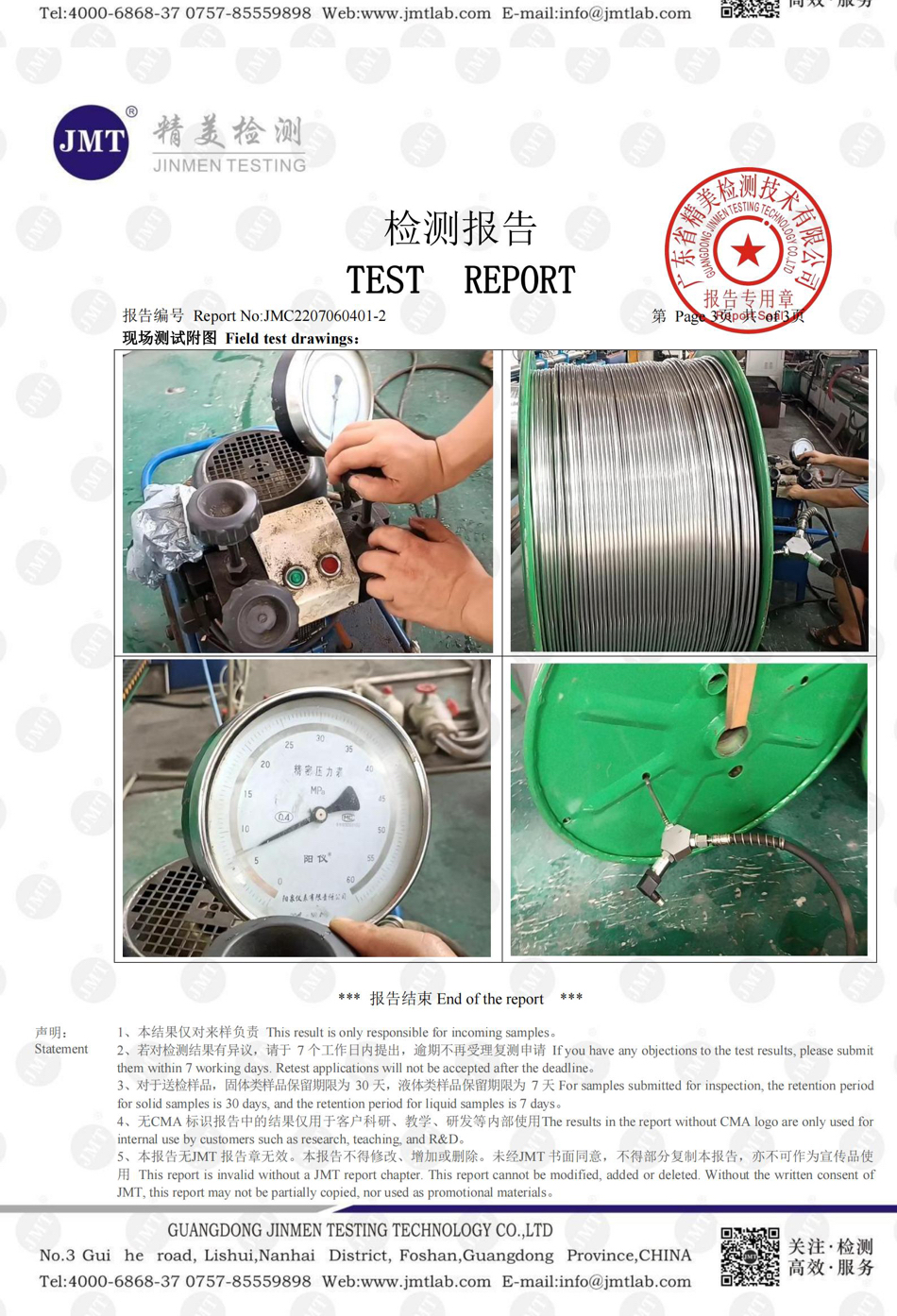
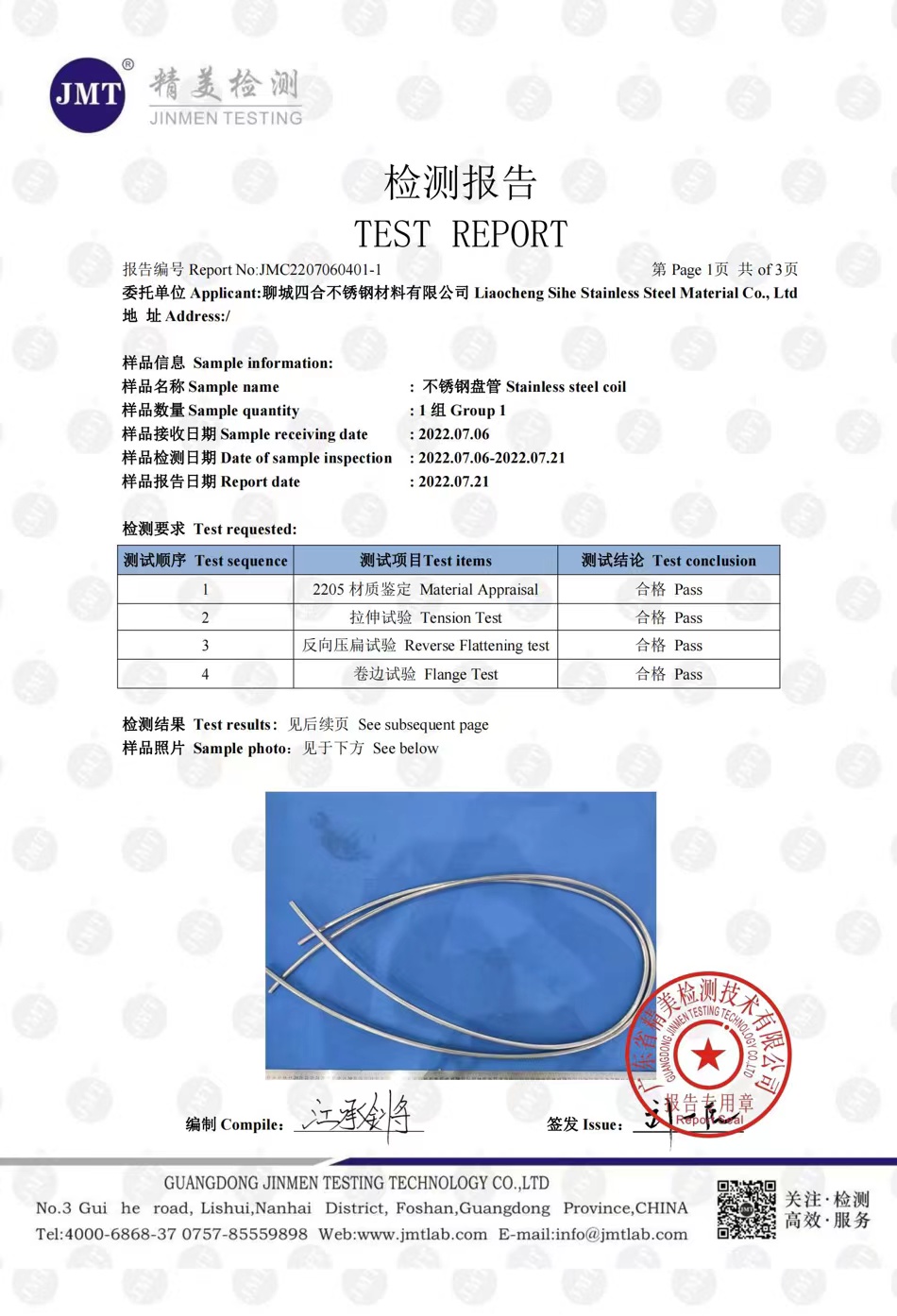
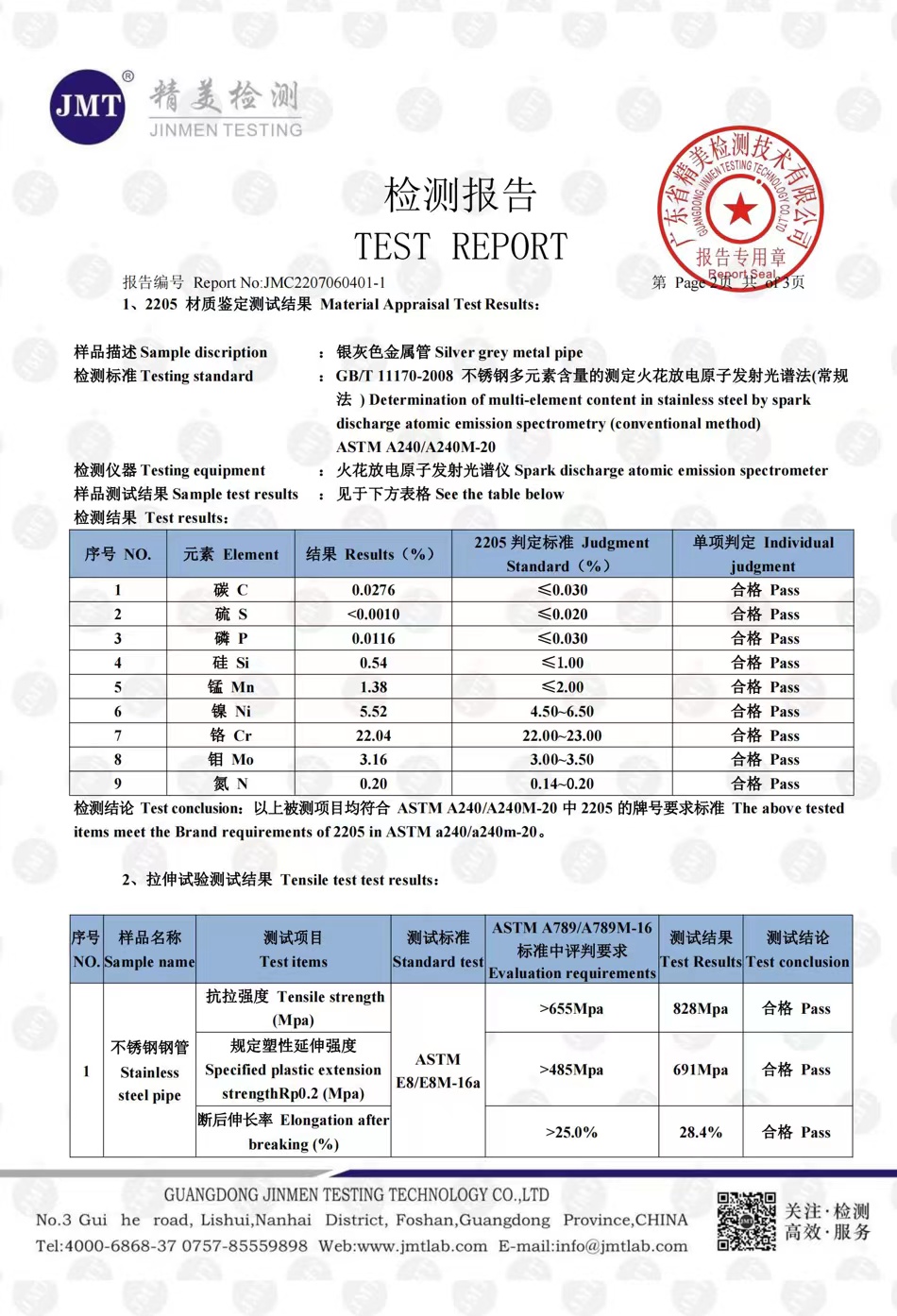
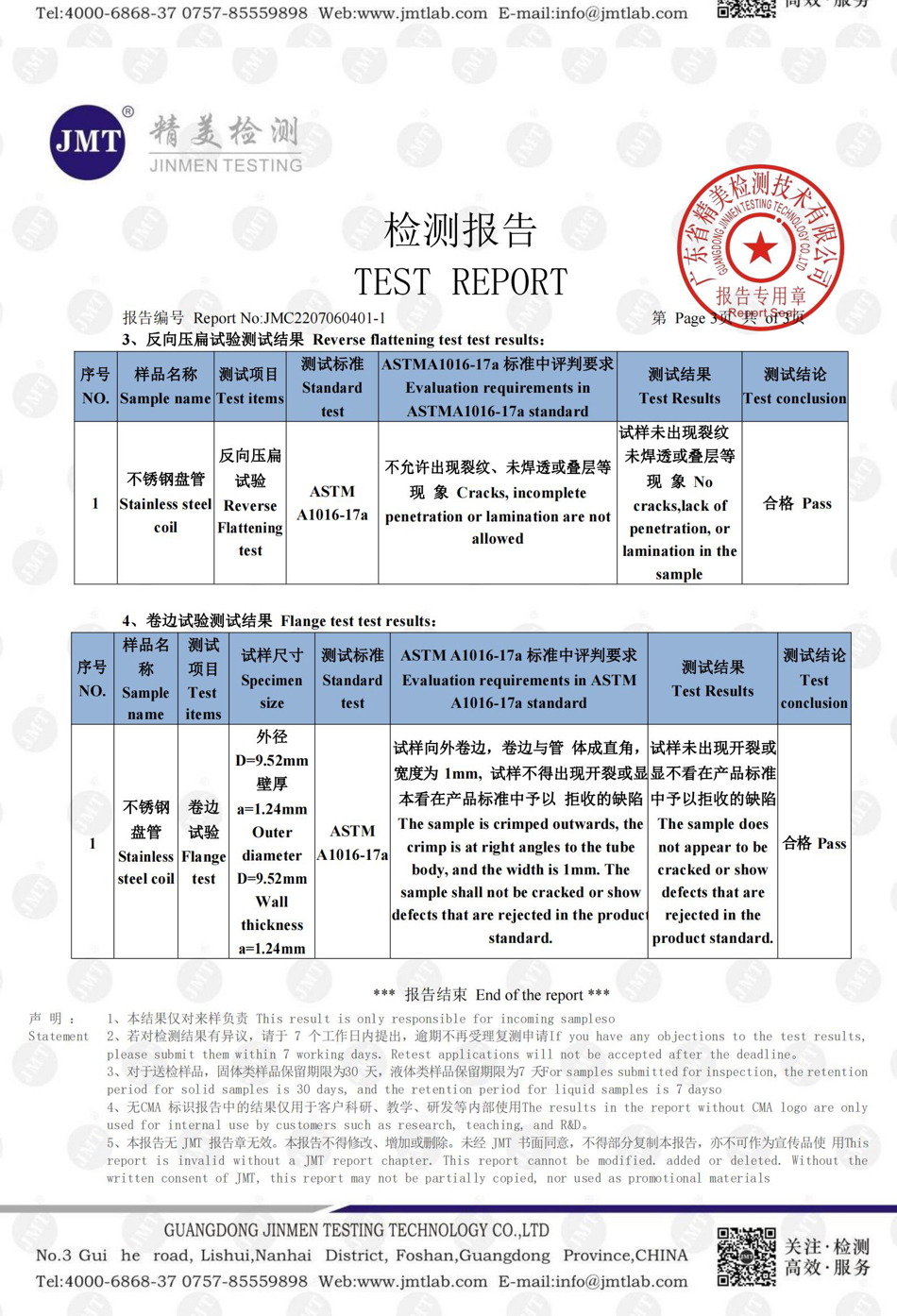
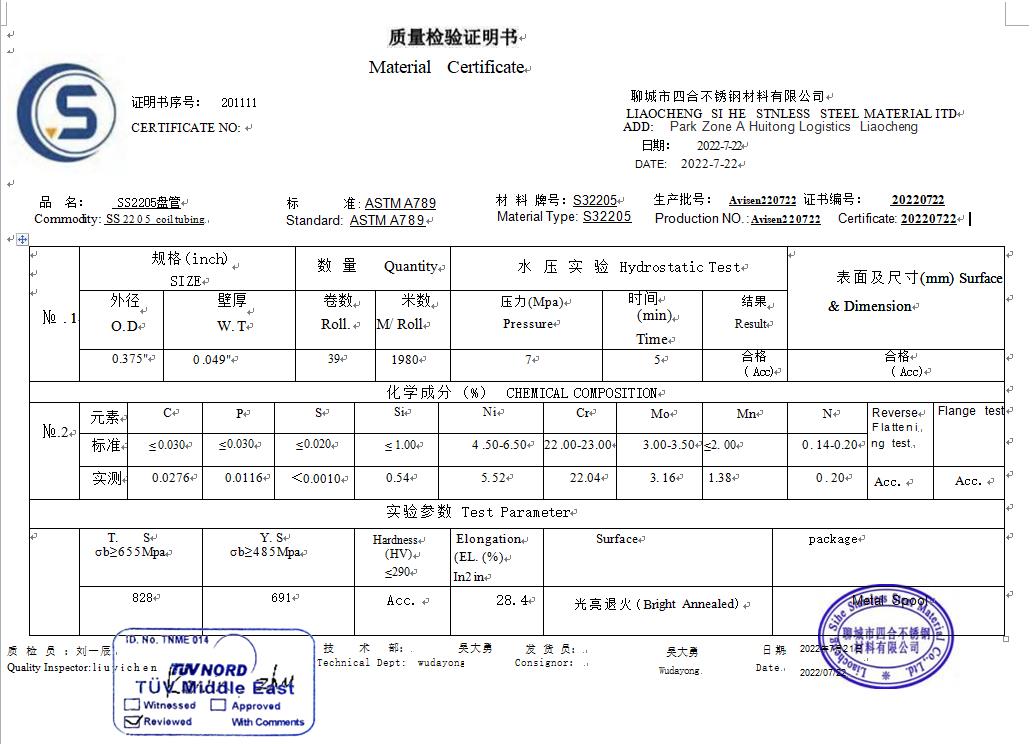
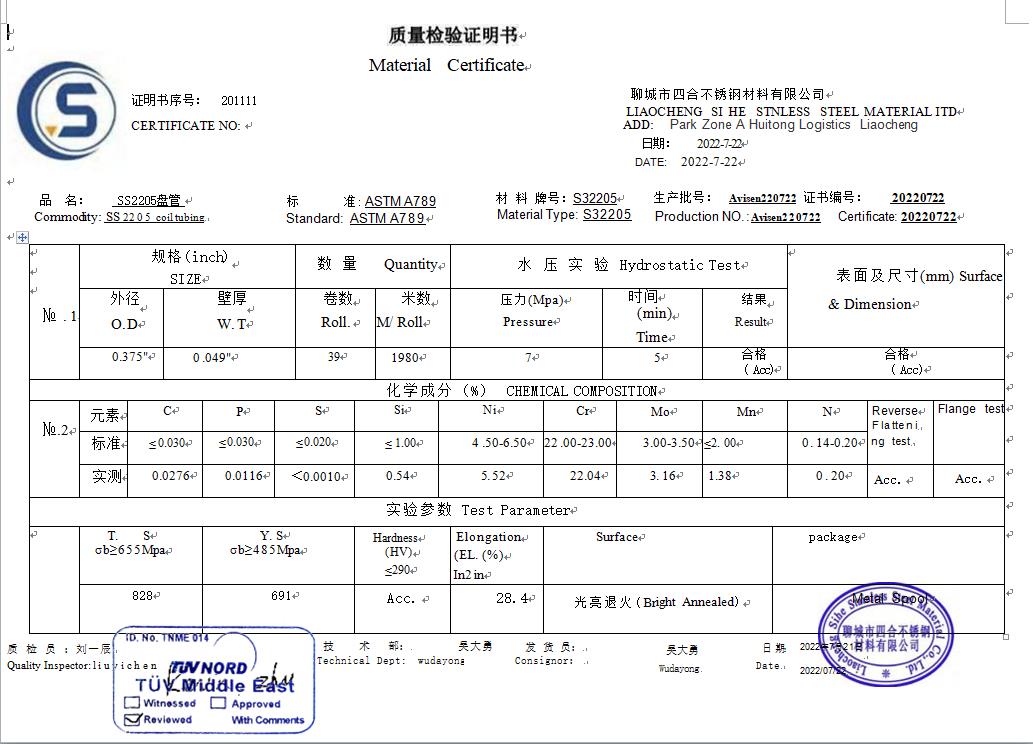
Selecting mirror-polished stainless steel sheets and precision coiled tubing depends on the application's environment. Different industries require specific processing methods, sizes, and chemical resistance profiles.
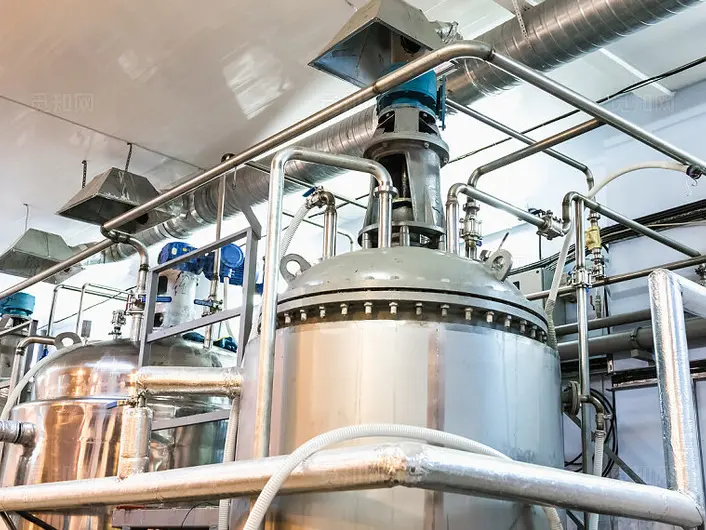
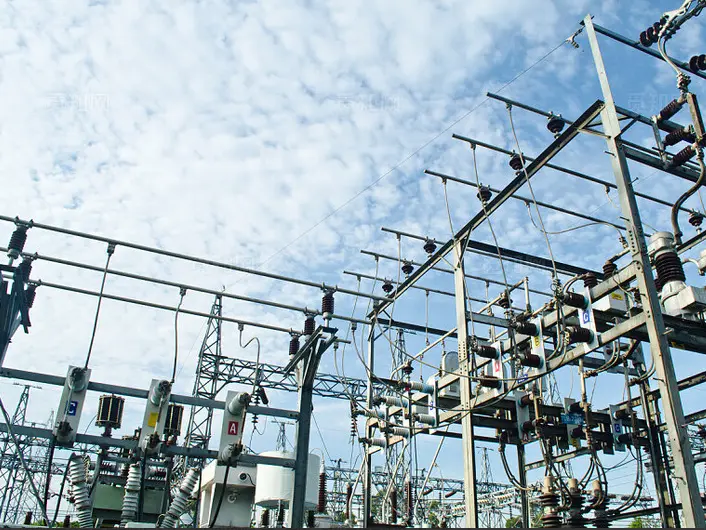
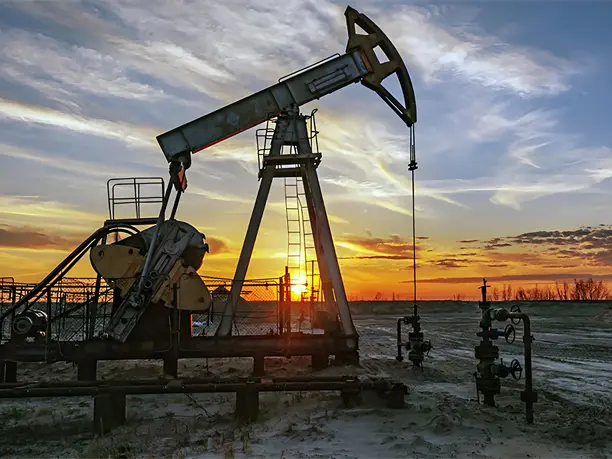
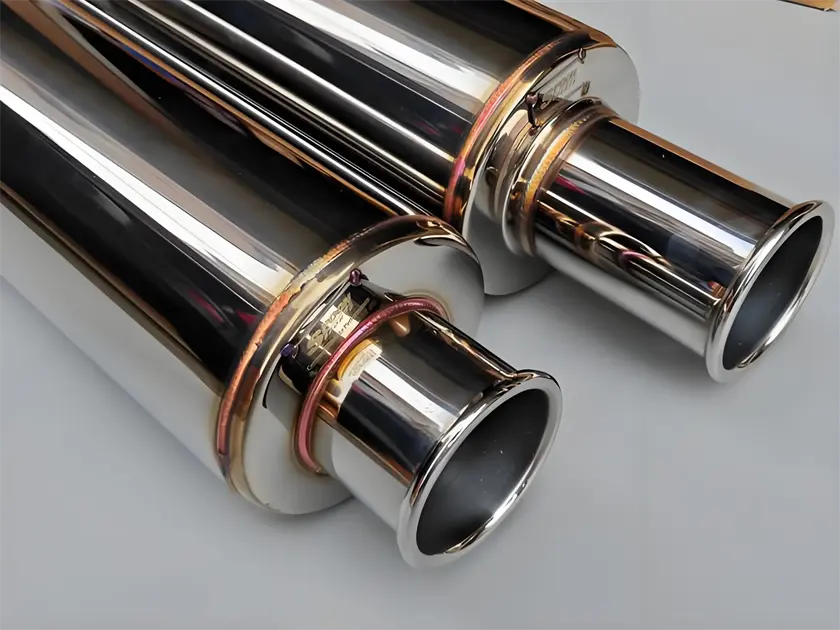
To meet custom project requirements, we offer precise finishing, cutting, and shaping services that maintain the surface finish without compromising the metallurgical structure:
Industries like semiconductor manufacturing and hydrogen fuel transport require clean internal surfaces. Standard finishes can trap microscopic particles, leading to micro-contamination or hydrogen embrittlement. Using electropolished and mirror-polished AISI 316L sheets and seamless tubing reduces surface roughness, minimizing friction and particle entrapment.
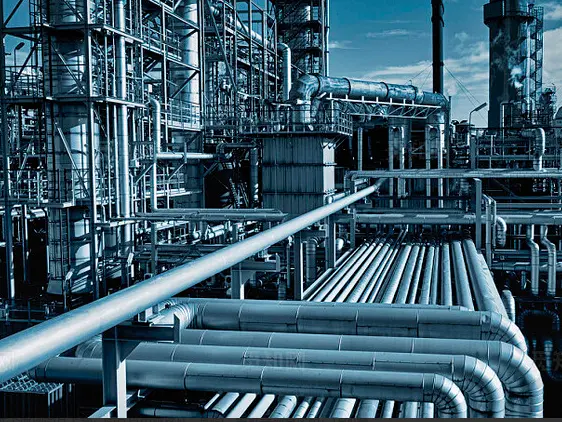
Deep sea exploration demands corrosion-resistant materials for chemical injection lines and control umbilicals. Standard Austenitic steels are increasingly being replaced by Duplex 2205 and Super Duplex 2507. These materials offer higher tensile strength and pitting resistance, allowing for reduced wall thicknesses in deep-sea environments.
European and North American procurement directives are emphasizing the environmental impact of suppliers. Modern factories are reducing emissions by utilizing zero-emission bright annealing lines, closed-loop acid cleaning systems, and energy-efficient polishing mills.
A focused selection of high-durability stainless steel products, engineered to maintain chemical stability and mechanical performance in critical applications.
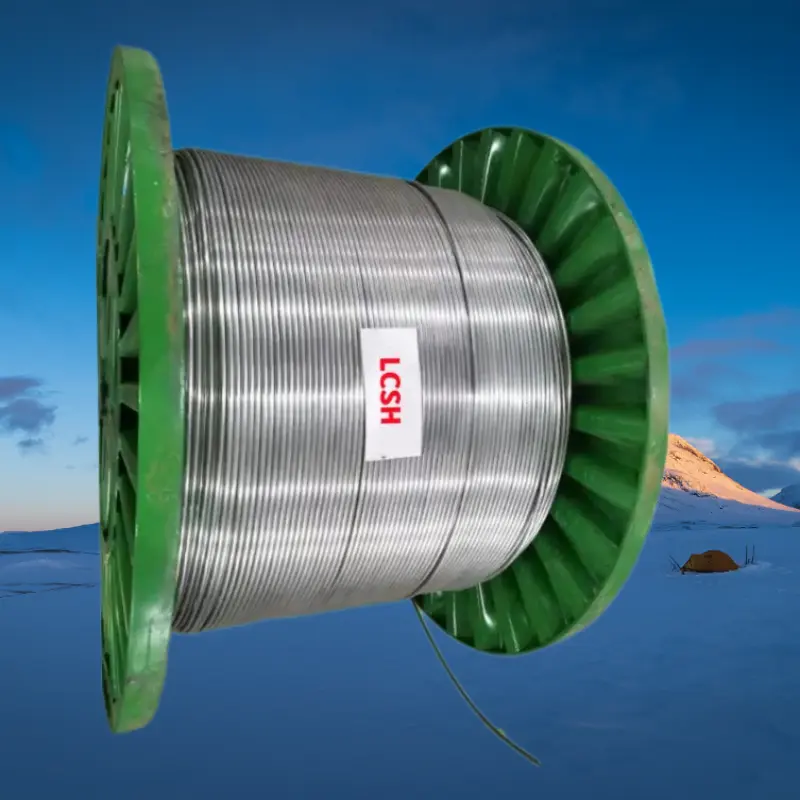
2205 stainless steel is a duplex stainless steel containing austenitic and ferritic structures, offering balanced corrosion resistance and high mechanical yield strength.
VIEW MORE PRODUCT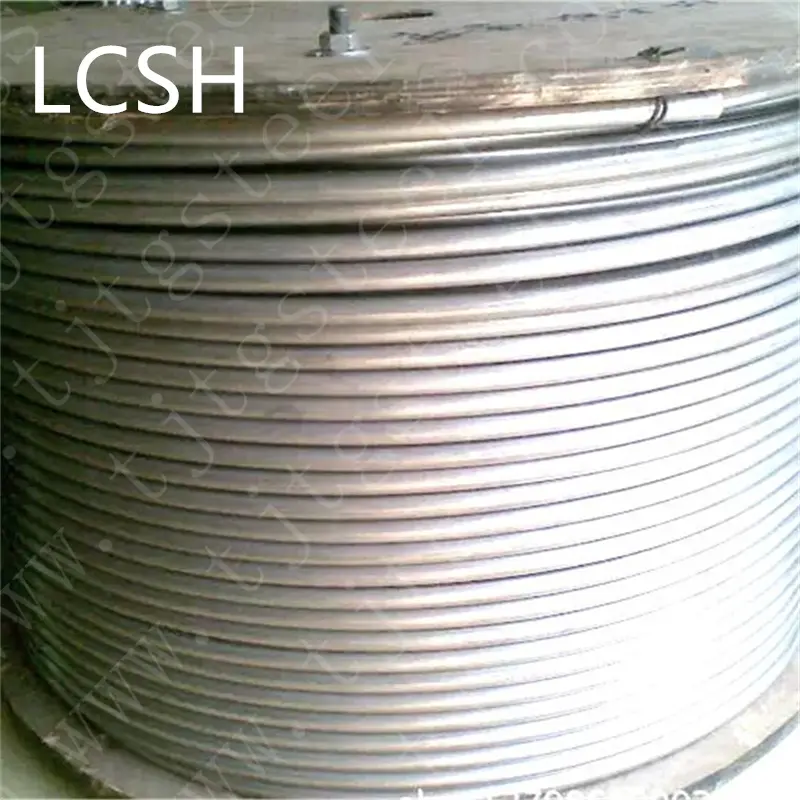
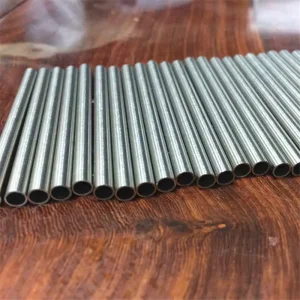
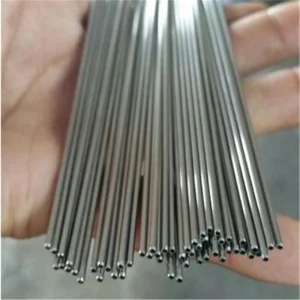
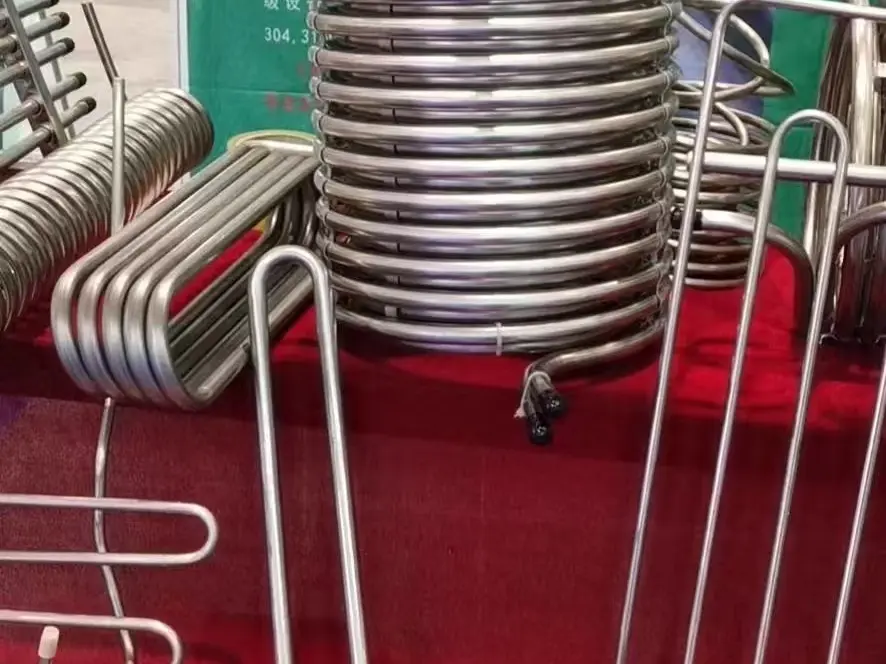
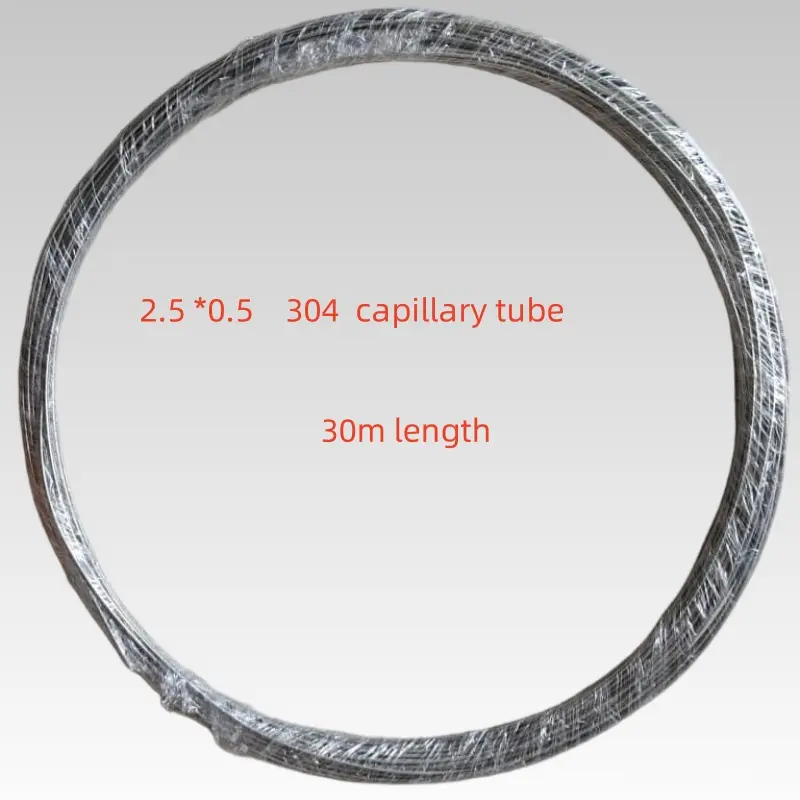
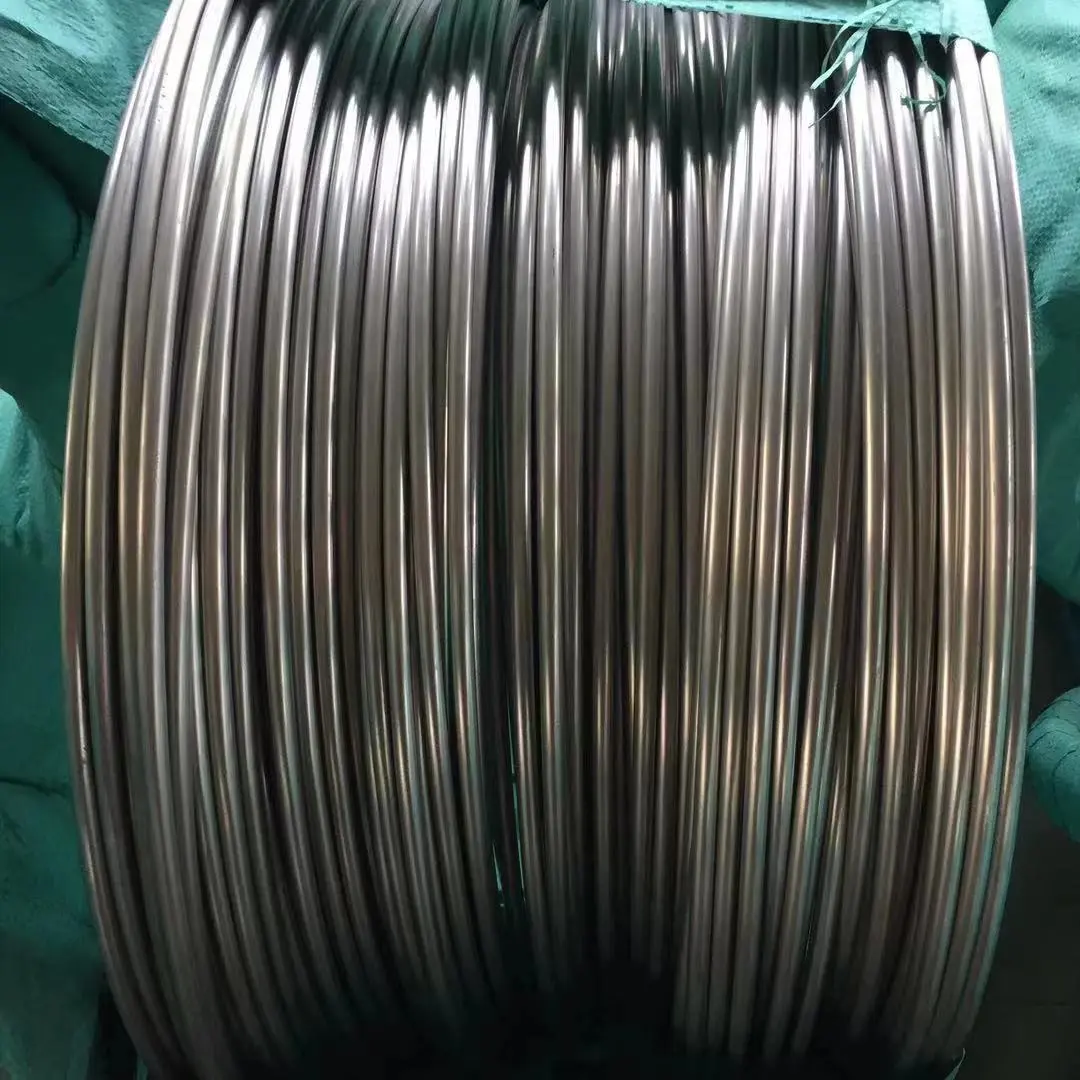
Our 1/2-inch stainless steel coiled tubing is engineered for long-length, low-connection systems, reducing leakage risks in chemical and hydraulic networks.
VIEW MORE PRODUCT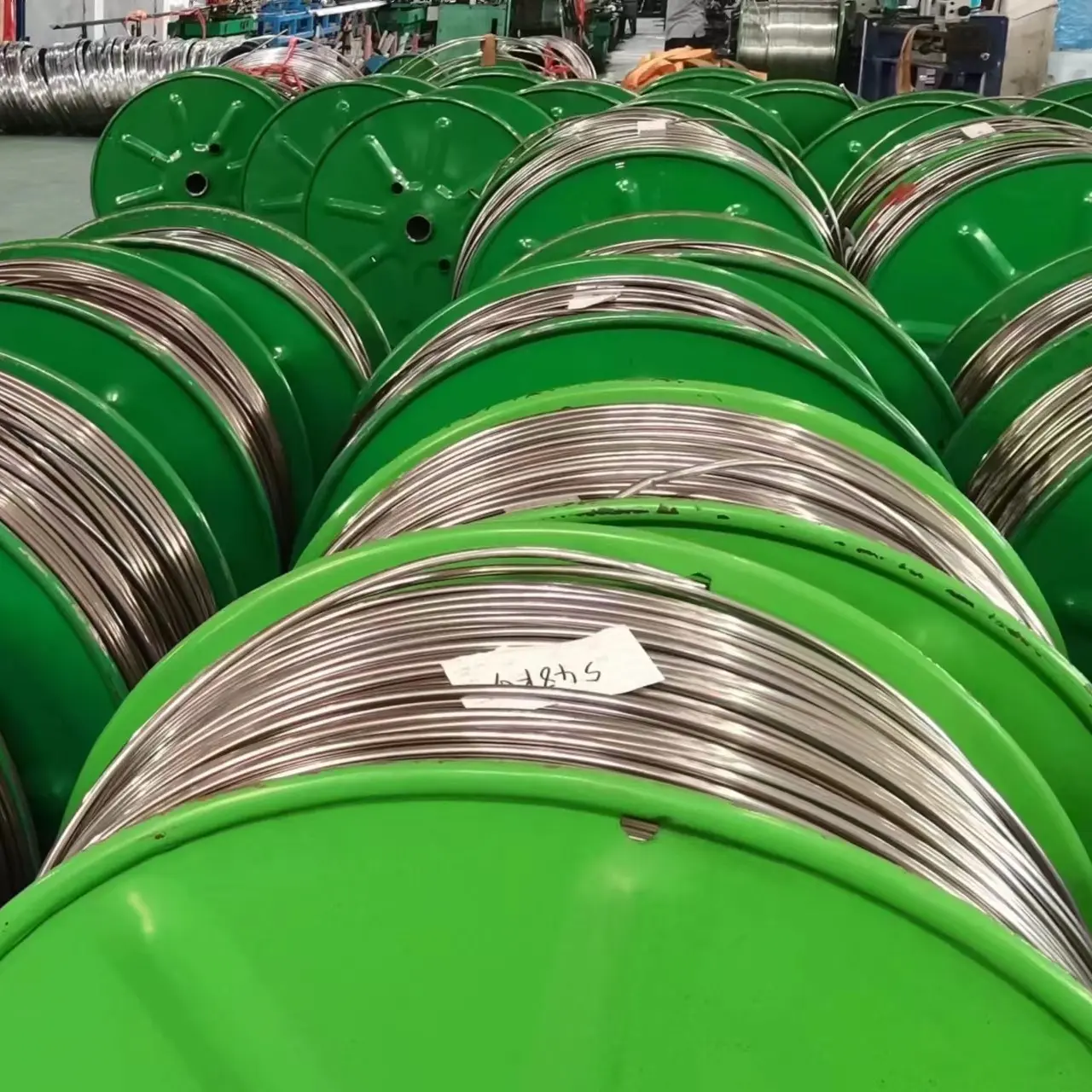
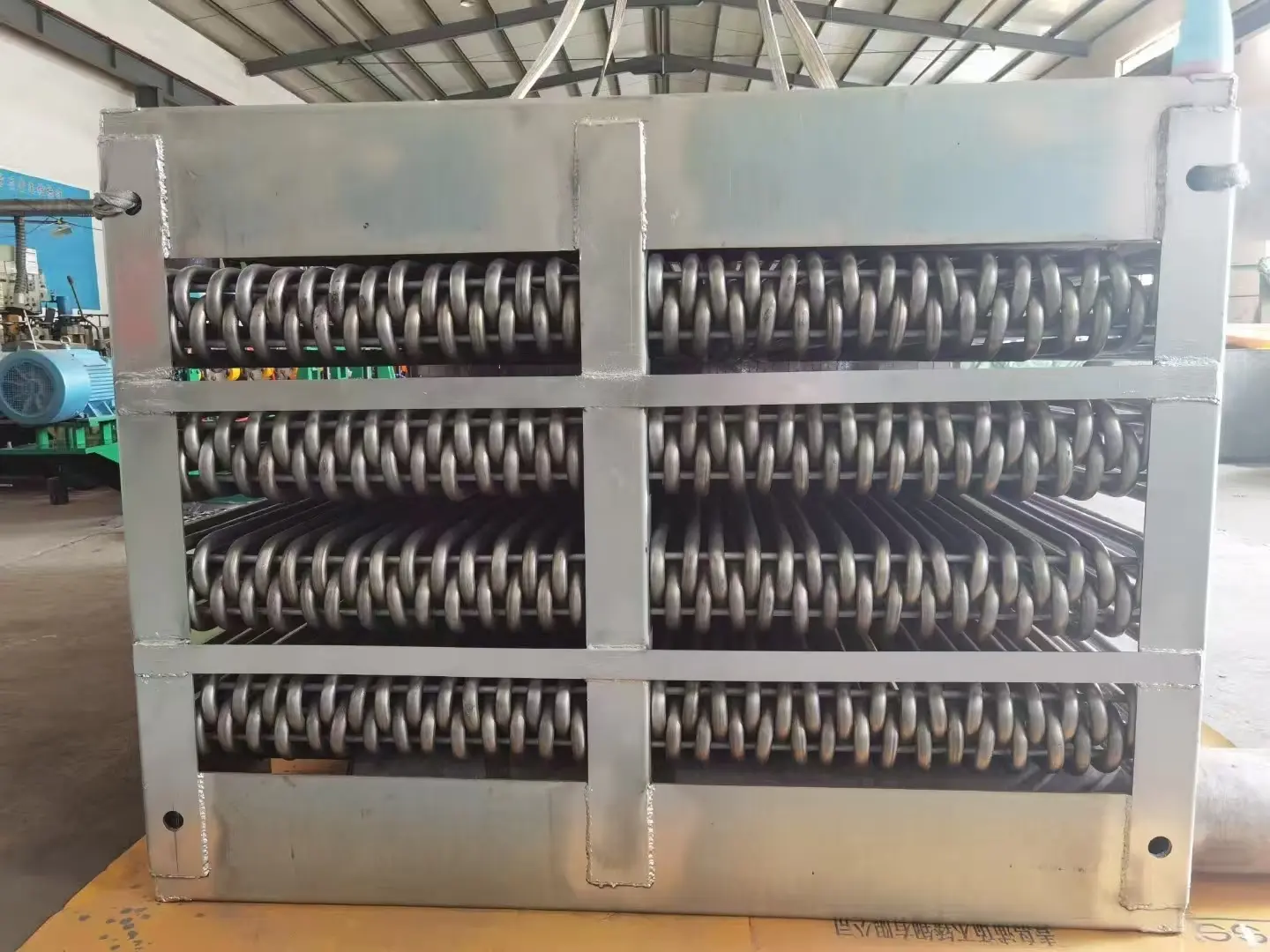
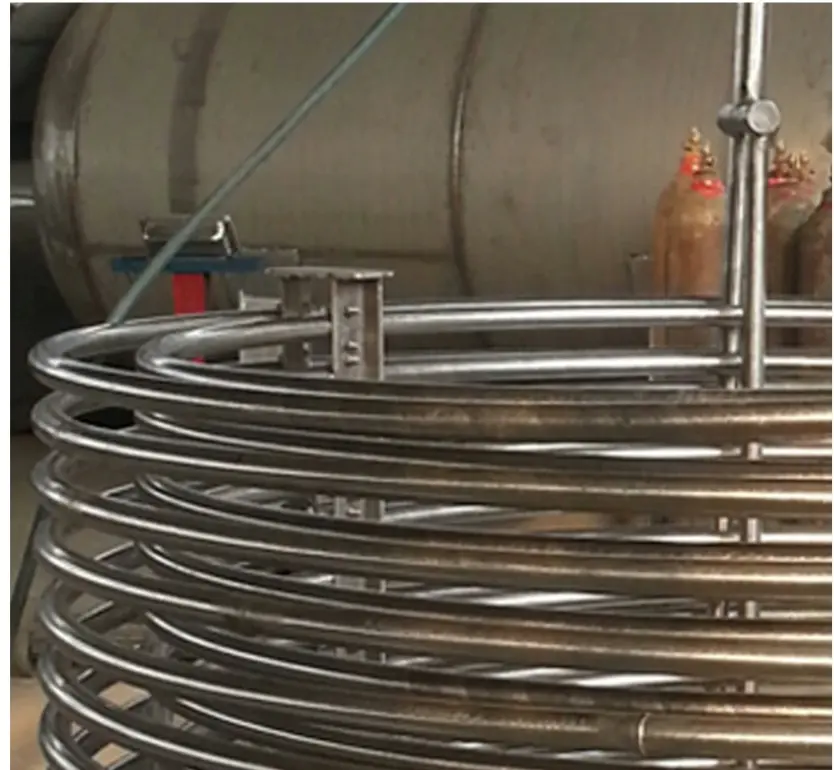
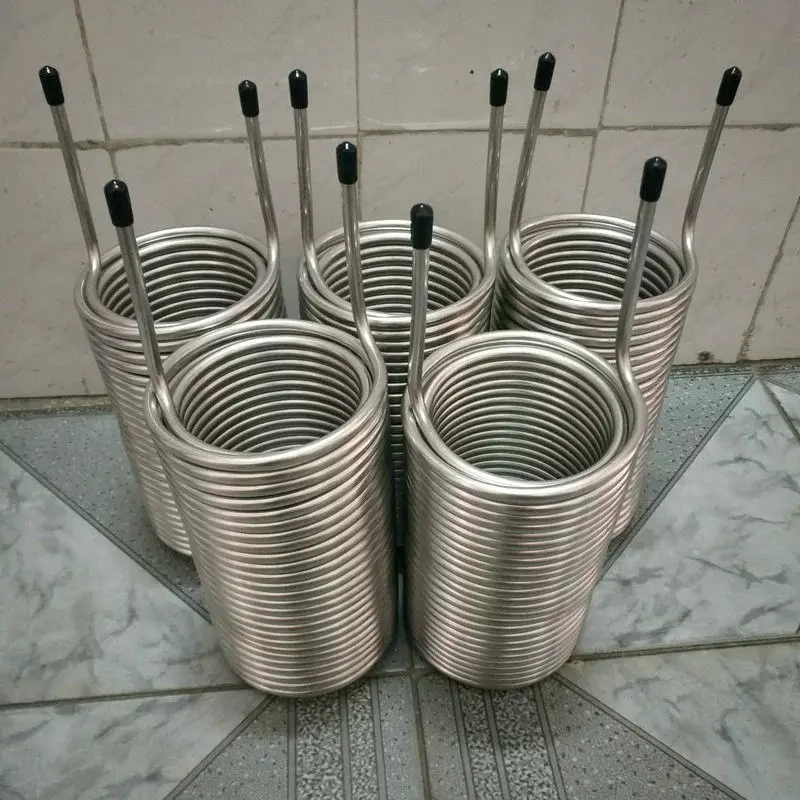
High-temperature 310 grade coiled tubing options, suitable for heat exchangers and boiler components operating in thermal oxidation conditions.
VIEW MORE PRODUCT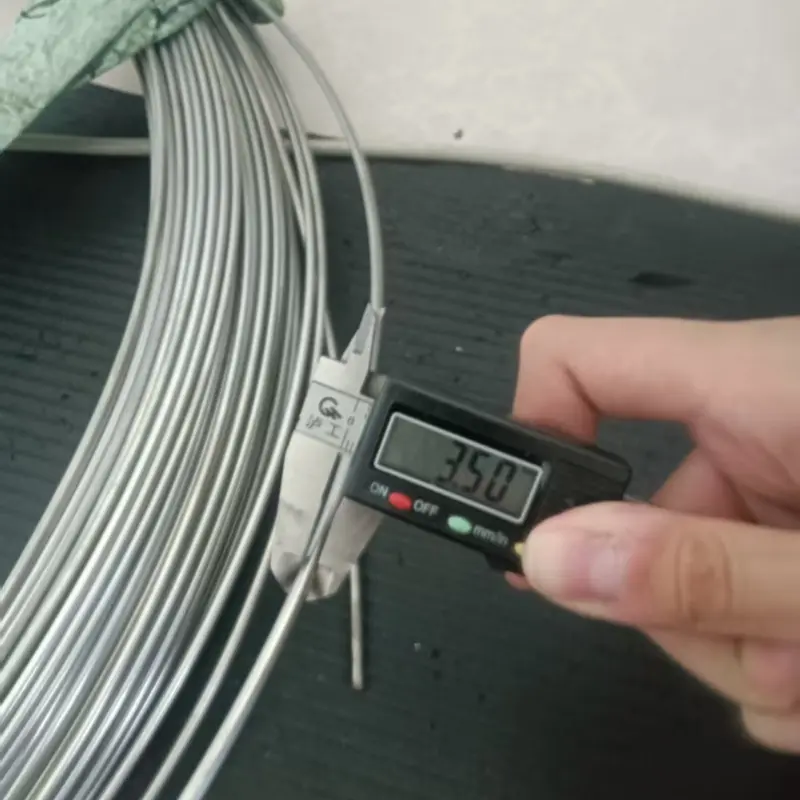
Find technical, logistics, and quality assurance answers for your next procurement cycle.
Prices are subject to change based on material costs (Nickel/Molybdenum) and market factors. Contact us for an updated price list tailored to your specific project volume and delivery timeline.
Yes, all international shipments require an ongoing minimum order quantity (MOQ). For smaller scale distributor orders or custom trials, please contact our support team to verify current batch availability.
We provide comprehensive documentation, including Certificates of Analysis / Conformance (MTR according to EN 10204 3.1), insurance records, certificates of origin, and custom export papers.
For custom product samples, lead time is approximately 7 days. Standard mass production orders take 20 to 30 days following receipt of deposit and technical approval. We work to accommodate tight project deadlines.
We accept bank wire transfers (T/T), Western Union, and PayPal. Our typical commercial terms are a 30% deposit in advance, with the remaining 70% balance paid against the copy of the Bill of Lading (B/L).
We warrant our materials and workmanship. In the event of material defects, our quality control team coordinates with customers to resolve issues to project satisfaction.
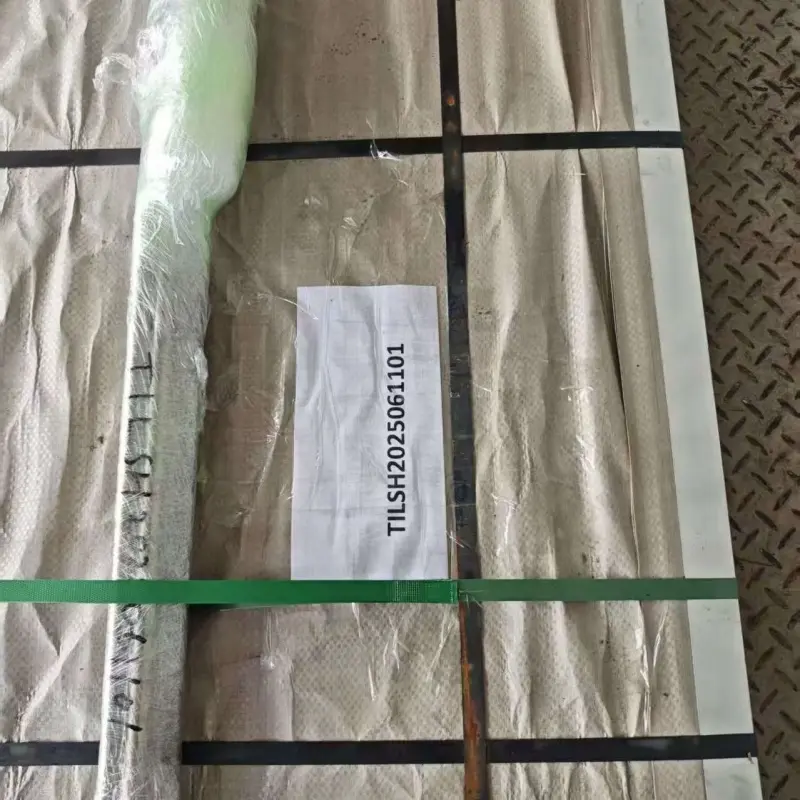
Yes, we use heavy-duty export packaging, including reinforced wooden crates and internal plastic wrapping, to protect mirror-polished surfaces from moisture and abrasion during transit.
Shipping fees depend on the selected transport method. Ocean freight is typically the most cost-effective solution for high-volume cargo. We provide accurate freight estimates once cargo weight, dimensions, and destinations are confirmed.
Browse our selection of specialized high-alloy tubing, precision capillary tubes, and heat exchanger pipes designed for harsh chemical and offshore environments.