 Sihe Steel
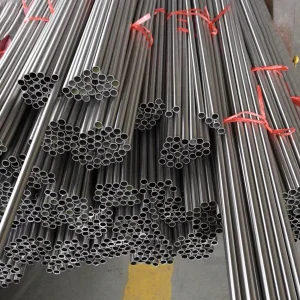
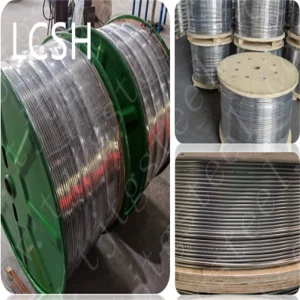
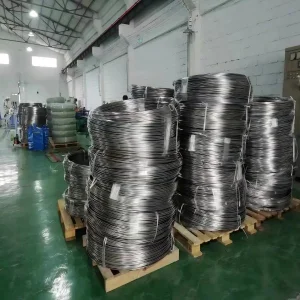
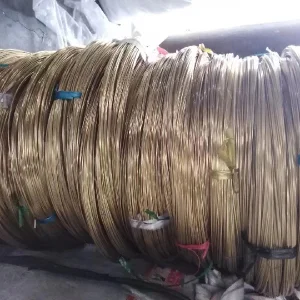
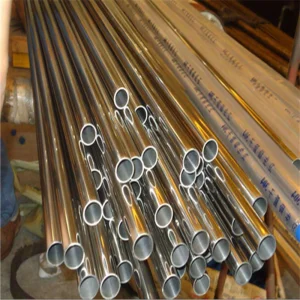
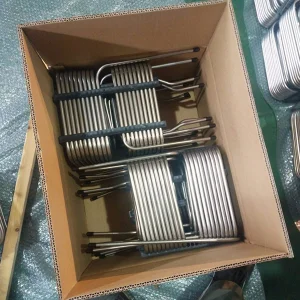
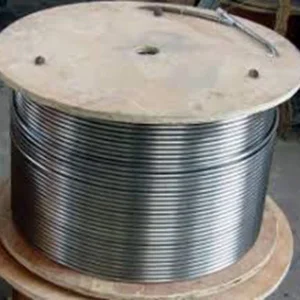
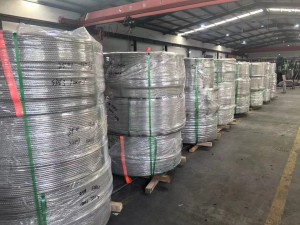
Technical White Paper: Industrial 316 Stainless Steel Coiled Tubing
An in-depth metallurgical analysis, mechanical performance breakdown, and market trajectory outline for global engineering procurement managers.
1. The Metallurgical Advantage of Alloy 316 vs. 316L in Aggressive Environments
Austenitic stainless steel grade 316 represents the benchmark for corrosion resistance in chemical processing and marine engineering. The incorporation of 2.0% to 3.0% Molybdenum (Mo) significantly boosts the alloy’s resistance to localized pitting and crevice corrosion in chloride-rich environments compared to standard 304 alloys. The Pitting Resistance Equivalent Number (PREN) of grade 316 ranges between 23 and 25, providing strong protection against saltwater degradation.
In thermal systems and applications involving field welding, low-carbon 316L (carbon content restricted to ≤ 0.03%) is preferred. Restricting the carbon prevents the sensitization effect, which occurs when chromium carbides precipitate along grain boundaries at temperatures between 800°F and 1500°F (427°C - 816°C). This depletion of chromium can lead to intergranular corrosion. Utilizing 316L coiled tubing ensures the heat-affected zones adjacent to welds maintain the same resistance to chemical degradation as the base metal.
2. Global Procurement Dynamics & Strategic Supply Chain Insights
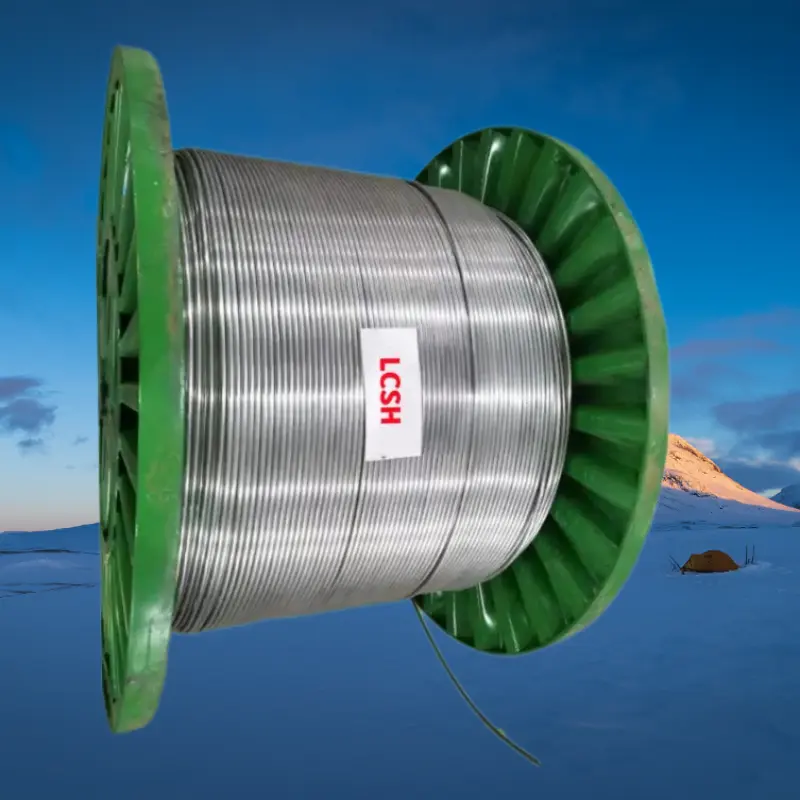
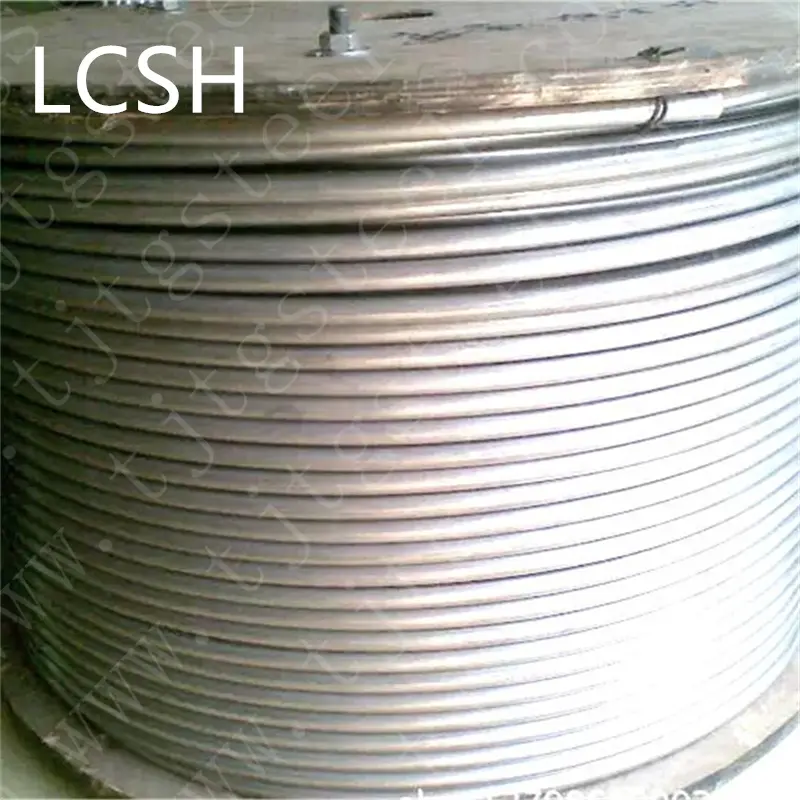
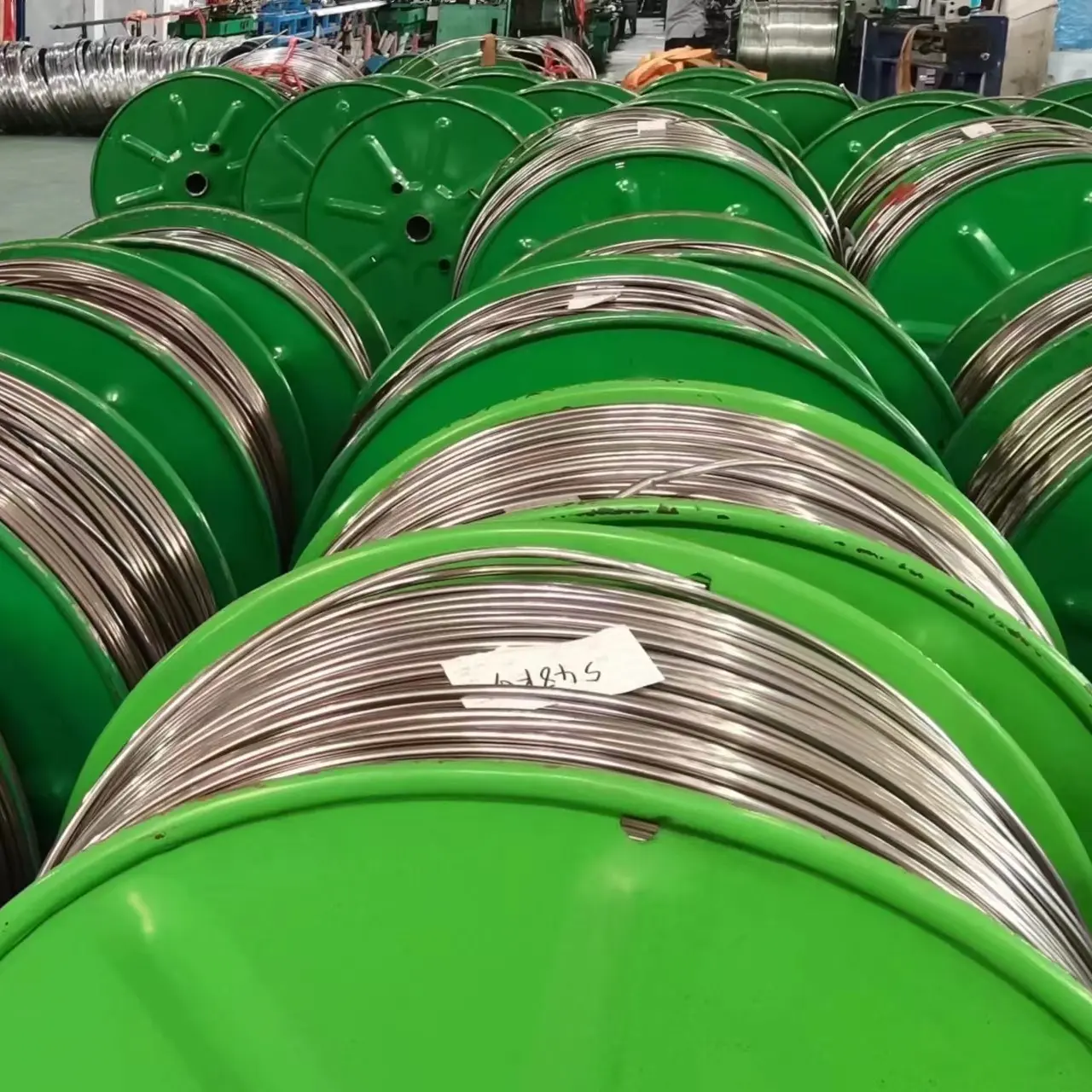
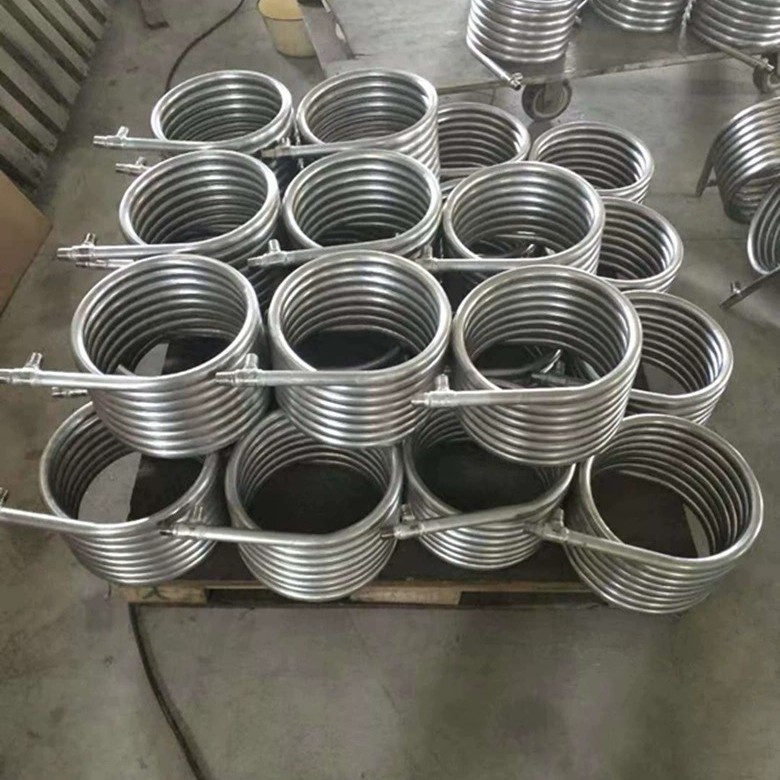
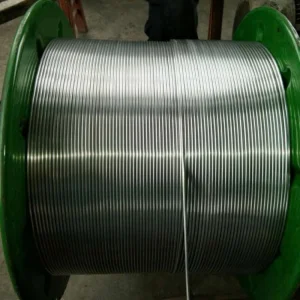
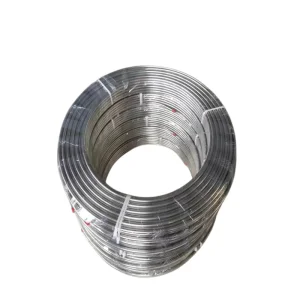
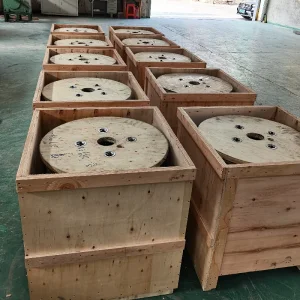
As offshore exploration pushes into deeper waters and high-pressure reservoirs, procurement specialists face challenging supply chain environments. The demand for subsea control lines, chemical injection systems, and hydraulic umbilicals is shifting toward ultra-long continuous coiled tubing. Traditional mechanical joints and orbital welds present potential failure points; selecting continuous seamless coil reels is a critical strategy to mitigate these structural risks.
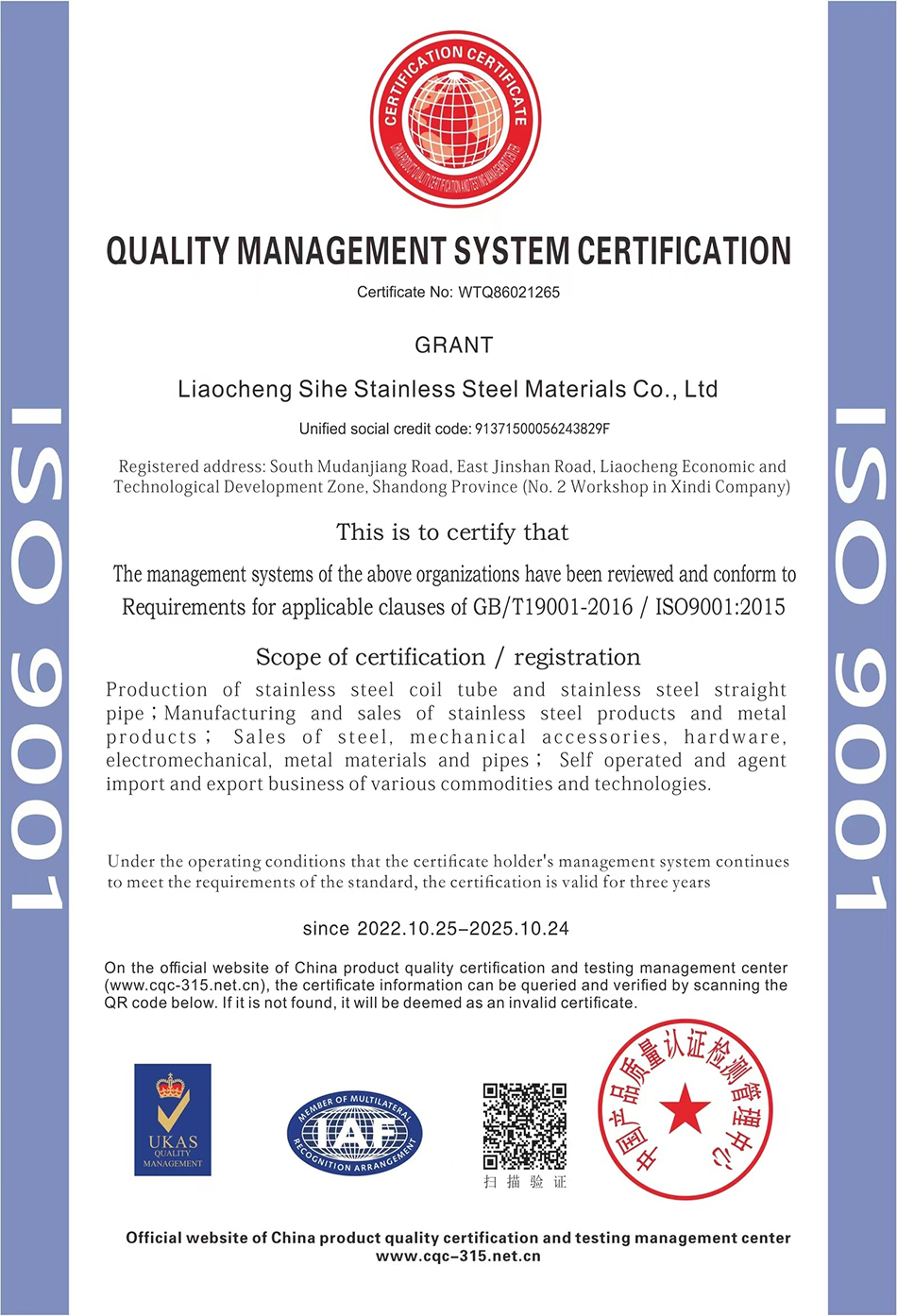
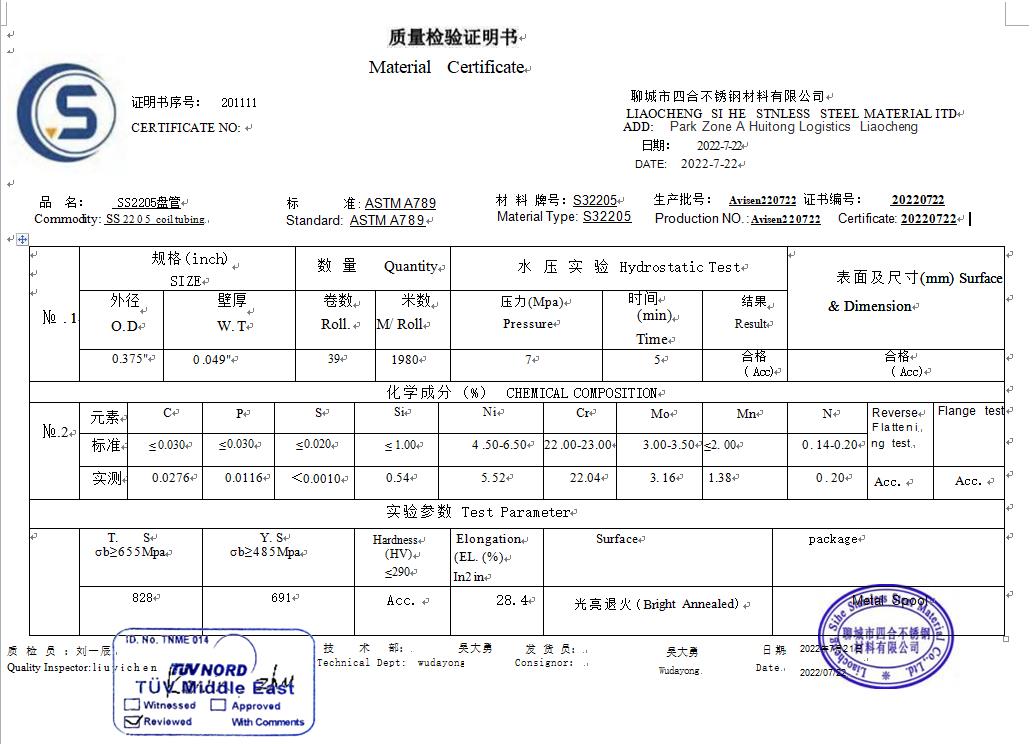
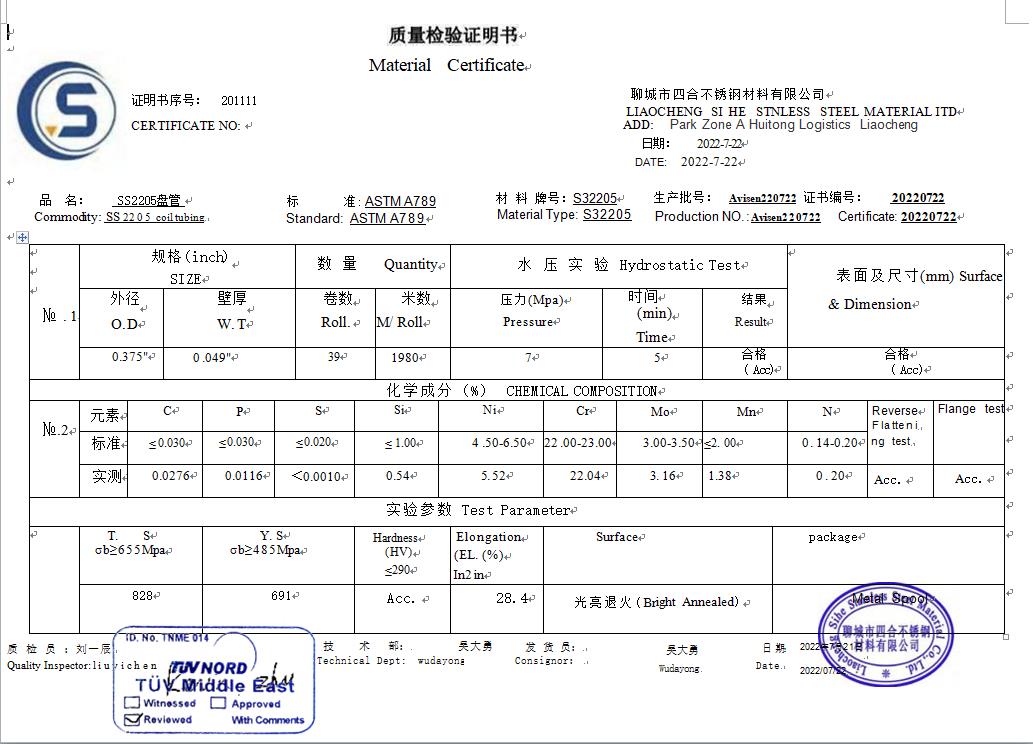
Procuring from Liaocheng Sihe Material Limited Company provides international buyers with a secure supply route. With 10 years of export experience to major markets including the United States, Germany, Spain, South America, and Eastern Europe, we offer complete quality certification and material traceability. Managing total cost of ownership (TCO) requires verifying raw material sources, and we provide complete Melt Mill Certificates (MTRs) according to EN 10204 3.1 for all shipments.
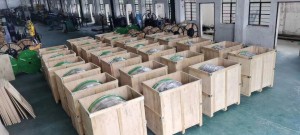
3. Process Engineering Capabilities & Dimensional Tolerances
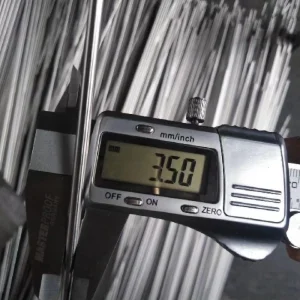
At Liaocheng Sihe, we offer coiled tubing starting from an outer diameter (OD) of 0.125 inches (3.175 mm) up to 1.0 inch (25.4 mm). Wall thickness limits extend up to 0.165 inches (3.0 mm). Our drawing process is calibrated to maintain precise tolerances, which are critical for high-pressure compression fitting compatibility.
| Standard Specification | Material Grade Group | Outer Diameter (OD) Range | Wall Thickness (WT) Range | Maximum Coil Length |
|---|---|---|---|---|
| ASTM A269 / A213 | 304/304L, 316/316L, 317L | 0.125" - 1.000" (3.175 - 25.4 mm) | 0.020" - 0.165" (0.50 - 3.00 mm) | Up to 32,800 feet (10,000 m) |
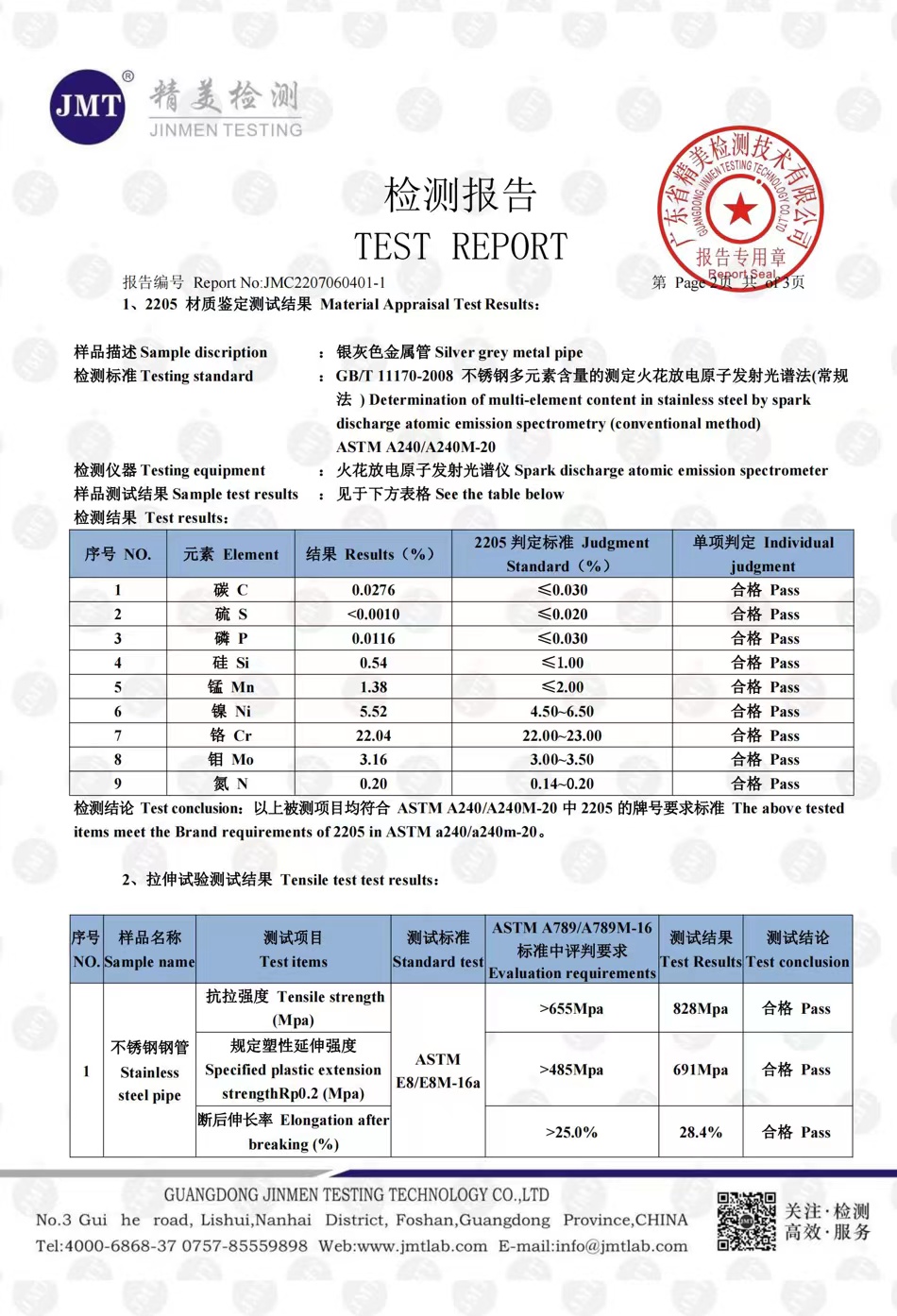
| ASTM A789 | Duplex 2205, Super Duplex 2507 | 0.250" - 0.750" (6.35 - 19.05 mm) | 0.035" - 0.095" (0.89 - 2.41 mm) | Up to 19,680 feet (6,000 m) |
| ASTM B704 / B444 | Incoloy 825, Inconel 625 | 0.125" - 0.500" (3.175 - 12.7 mm) | 0.020" - 0.065" (0.50 - 1.65 mm) | Custom engineered on request |
4. Quality Assurance Protocols: Structural and Integrity Testing
Coiled tubing installed in offshore umbilicals or industrial heat exchangers operates under continuous cyclic loads and thermal stress. To ensure structural integrity, Liaocheng Sihe subjects every batch to a rigorous quality control regimen:
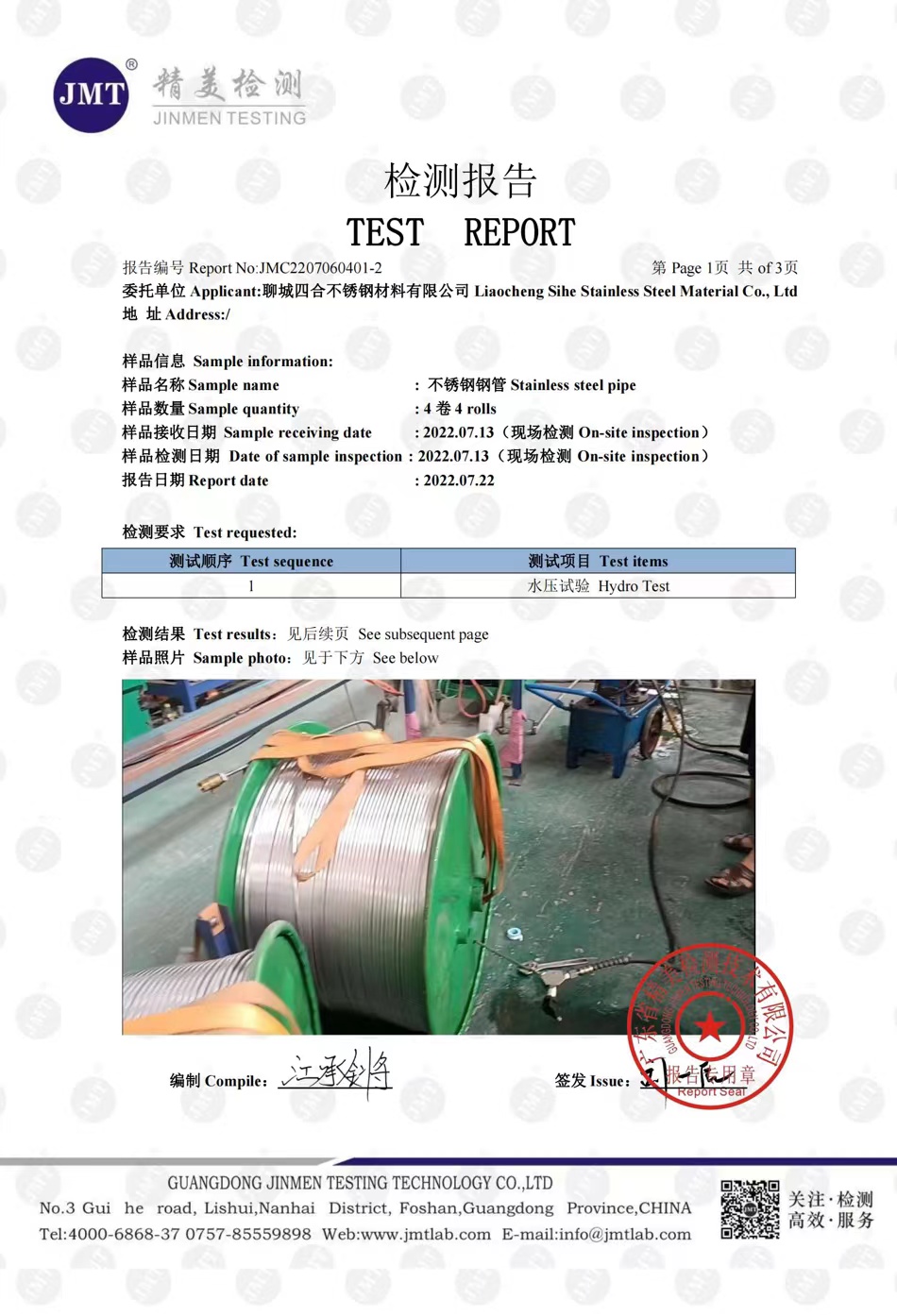
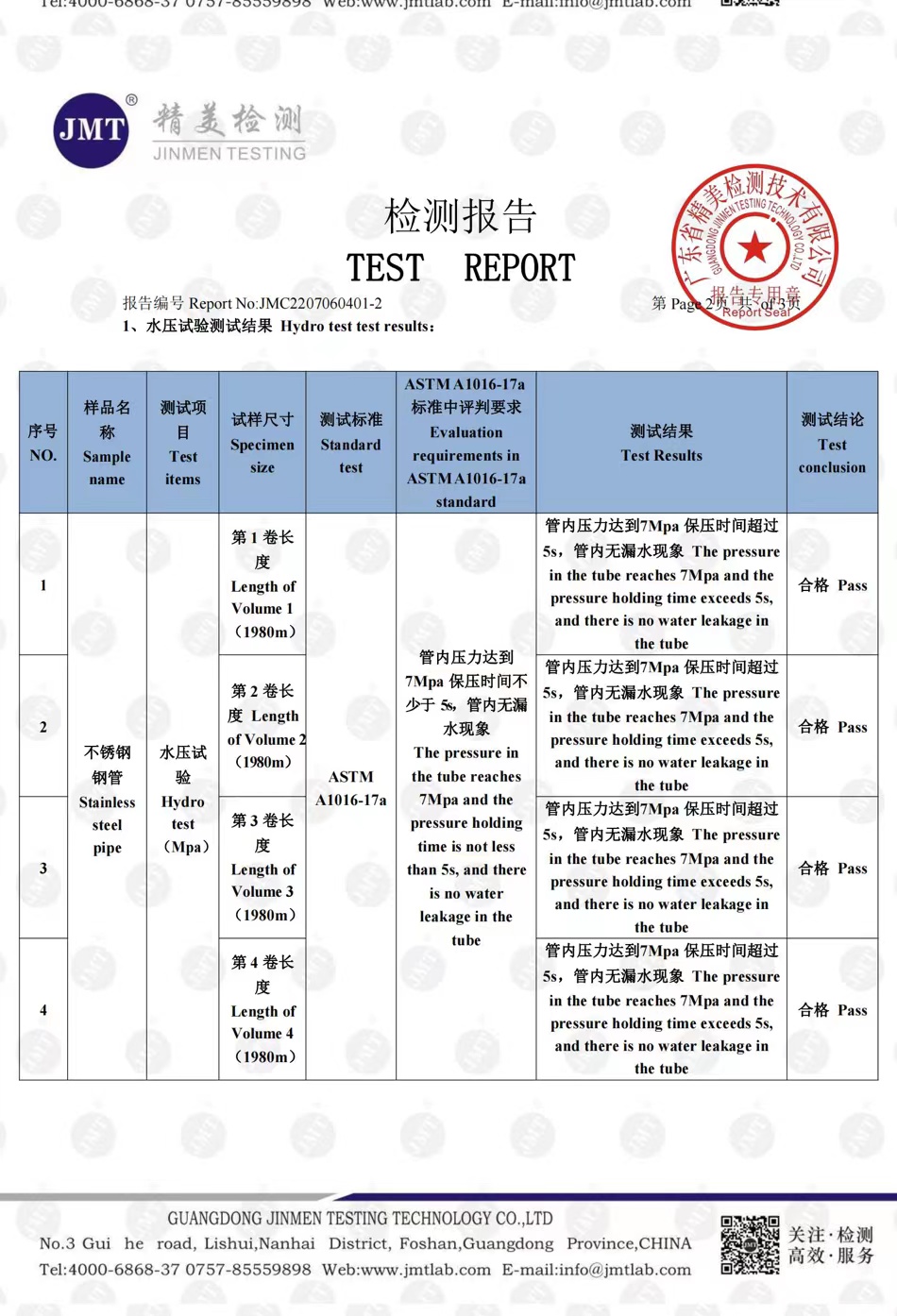
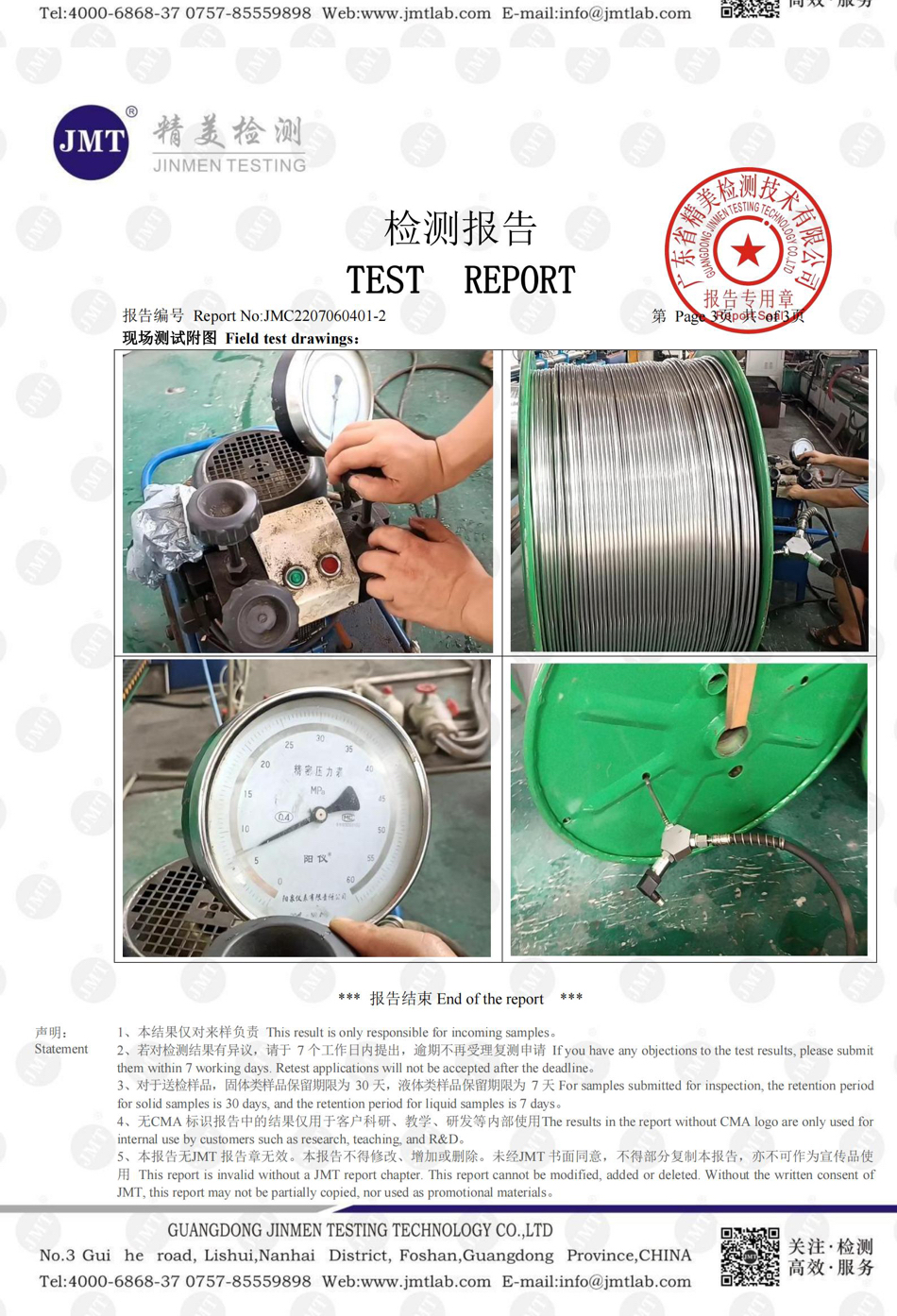
- Hydrostatic Testing: All coils are pressurized to meet ASTM requirements, verifying seam integrity and pressure-bearing capability.
- Pneumatic Decay Testing: Standard air-tightness testing is executed at defined pressures to guarantee leak-free performance.
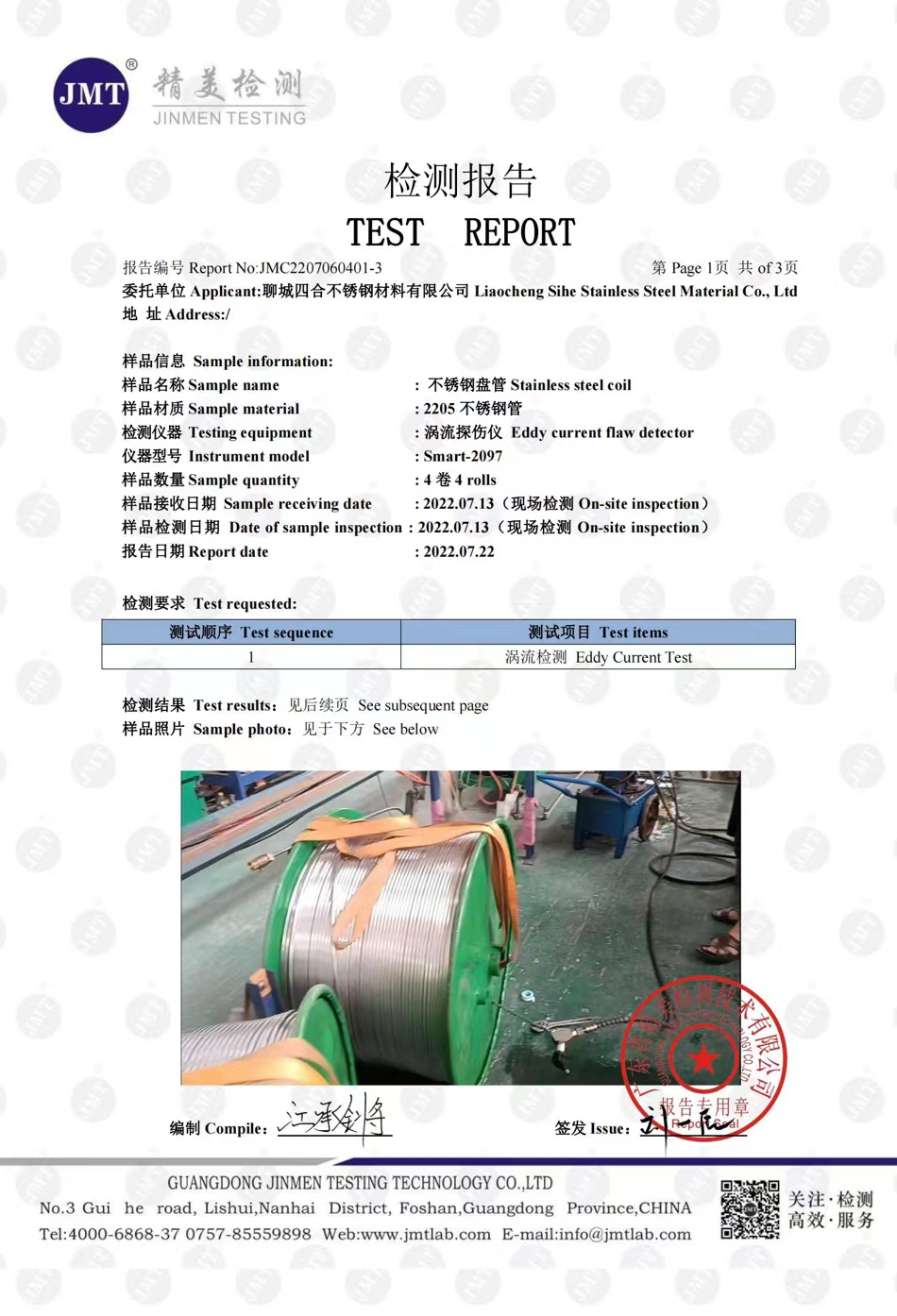
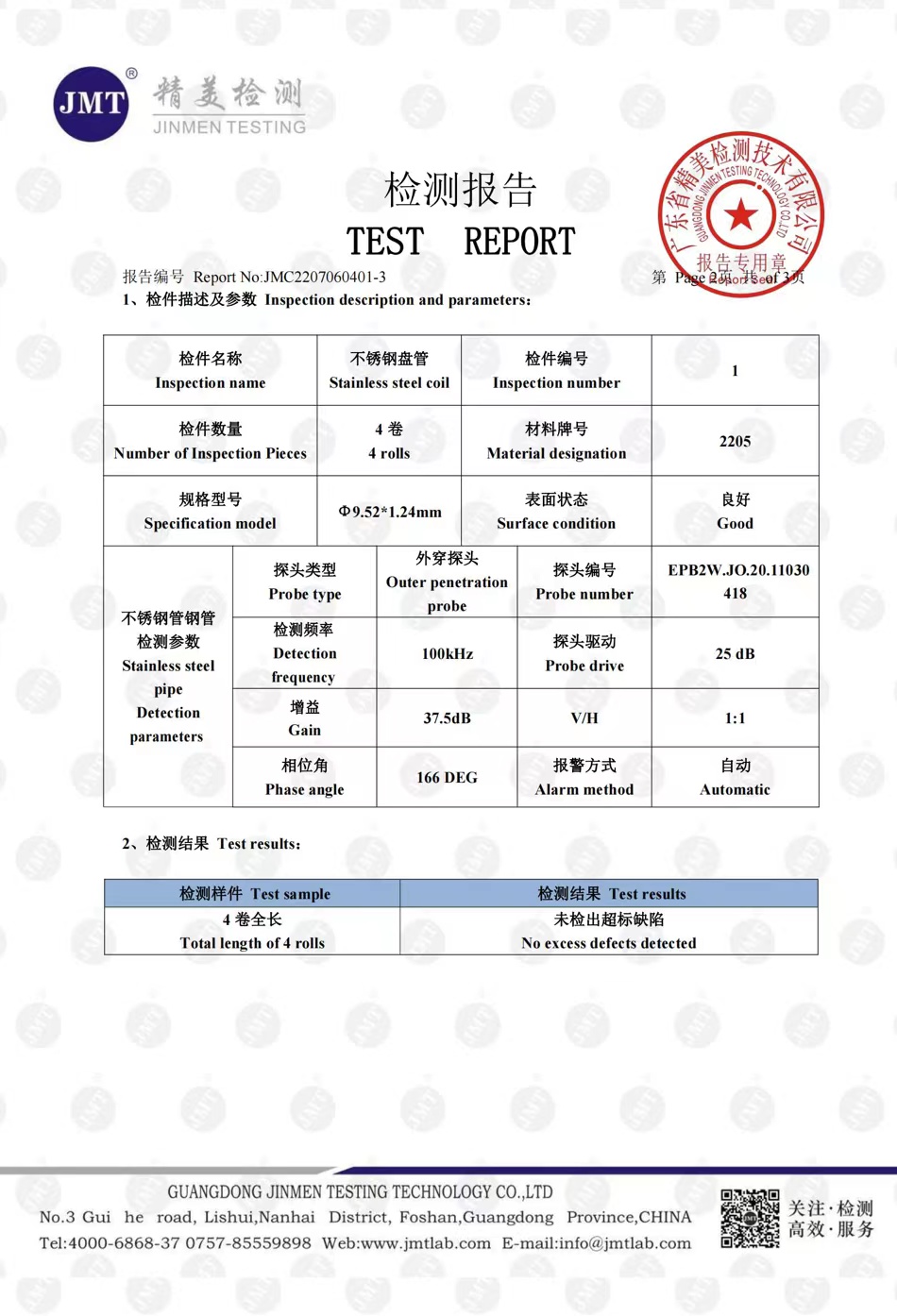
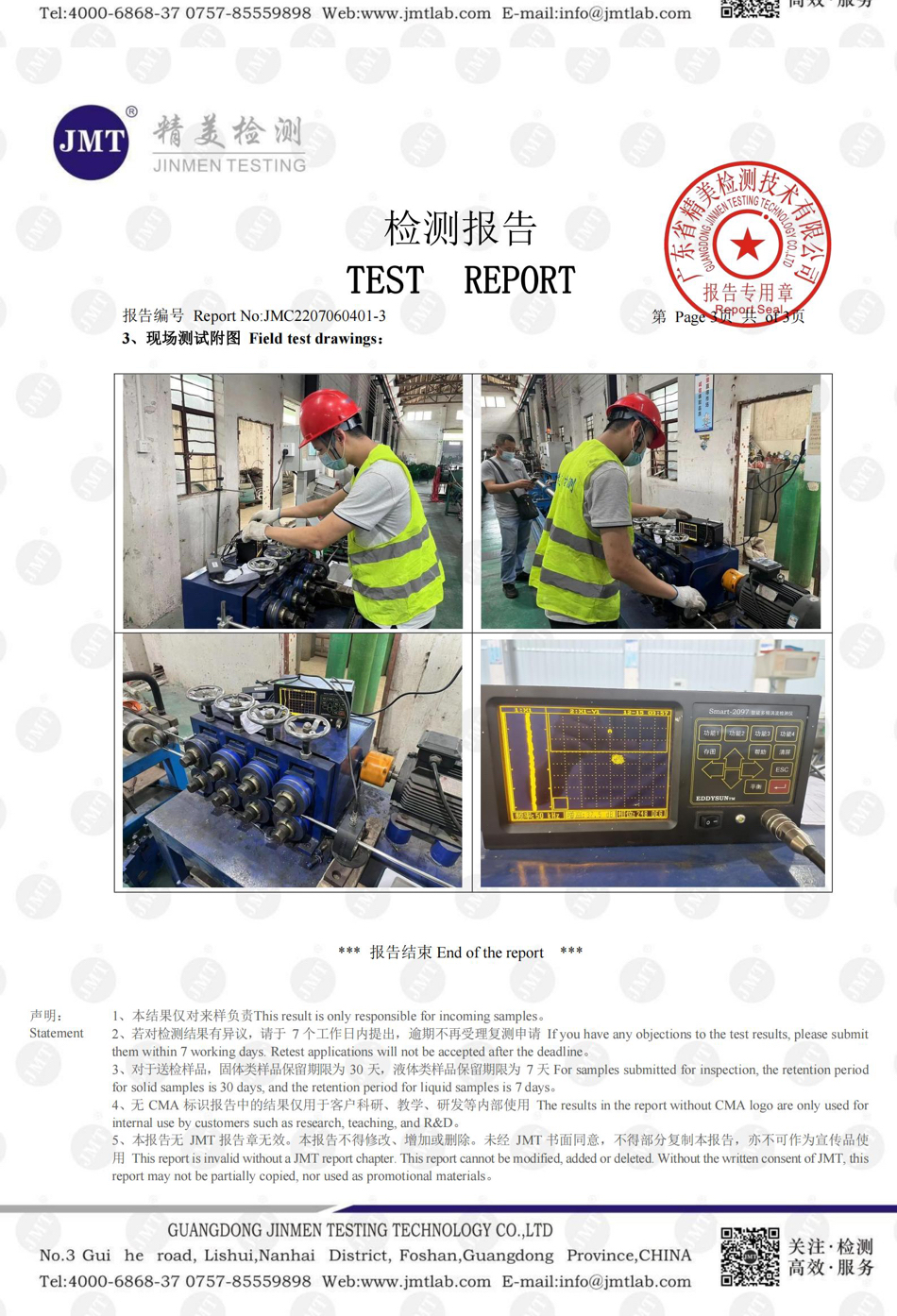
- Online Eddy Current (ECT) Inspection: High-resolution electromagnetic testing is conducted continuously along the line to detect microscopic surface defects.
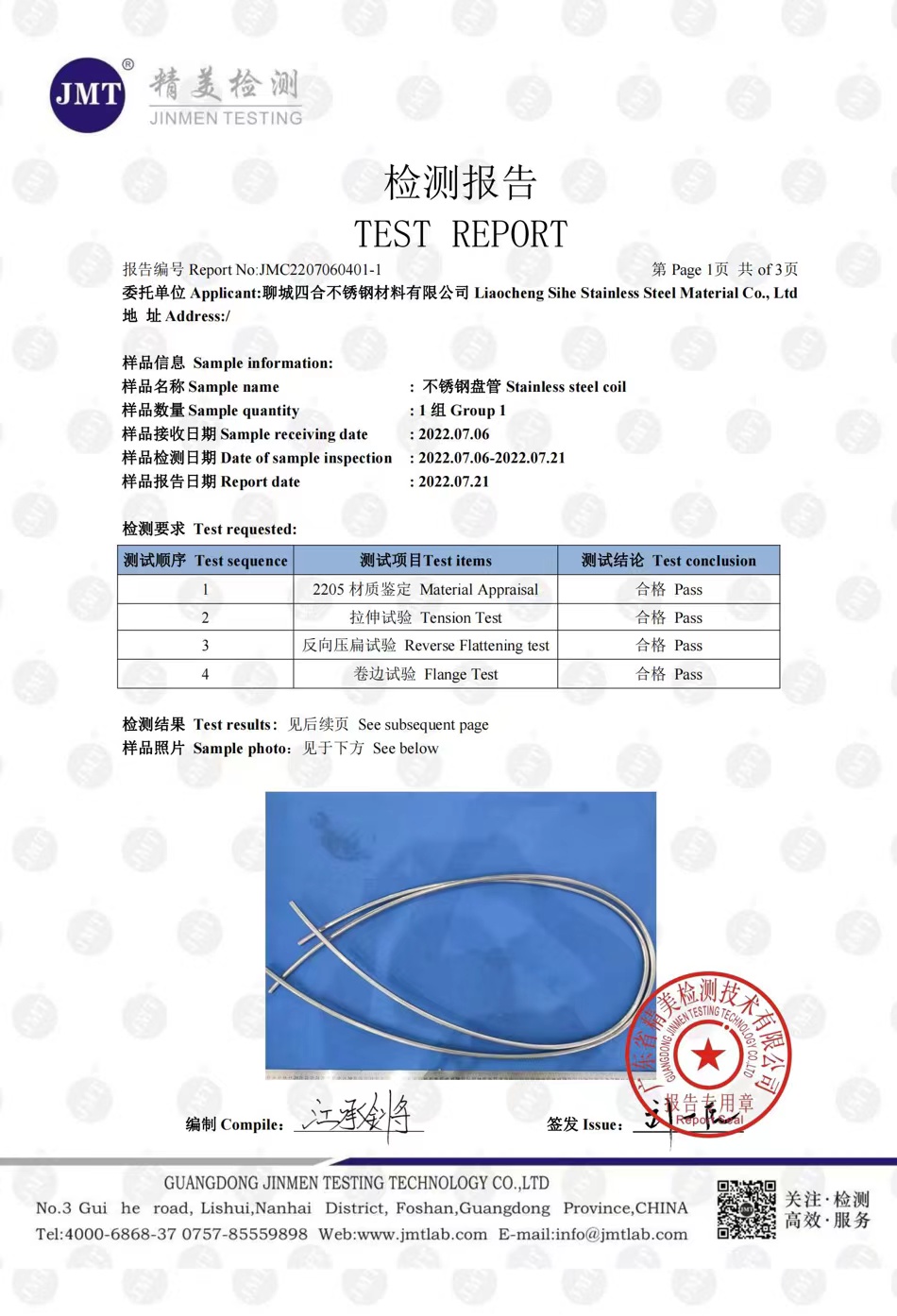
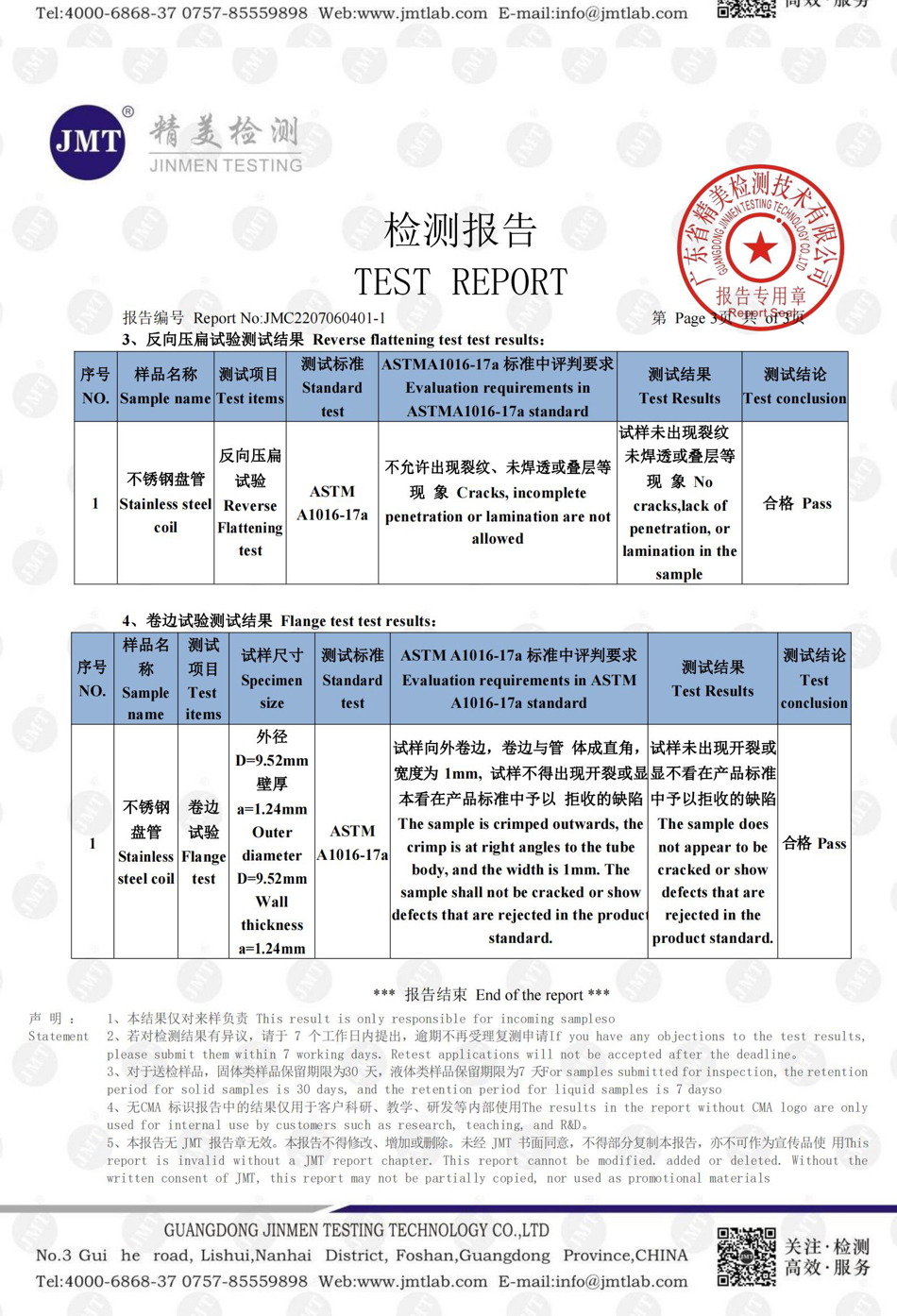
- Mechanical Test Suite: Standard tension, flaring, compression, and hardness tests verify the ductility and bending response of the material.
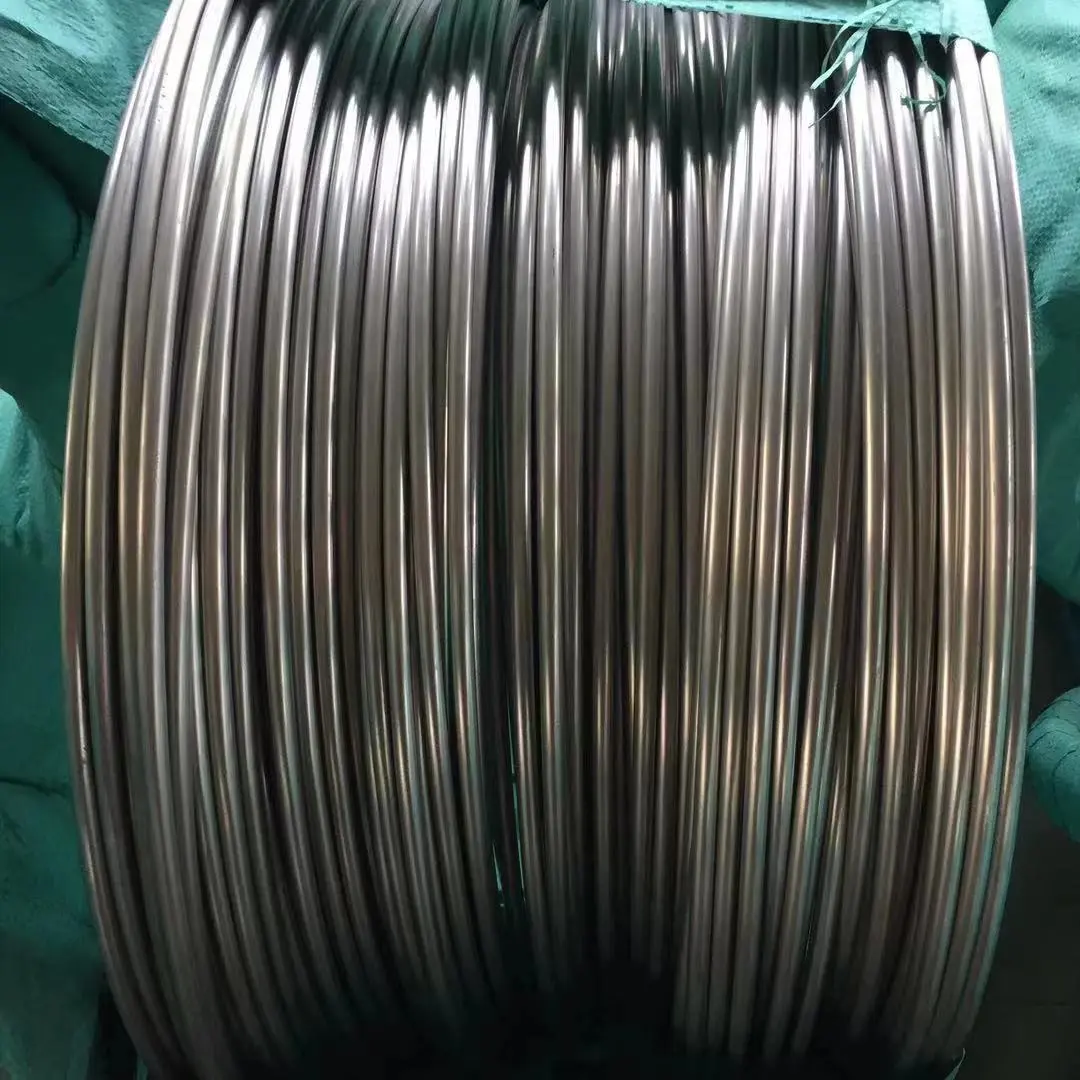
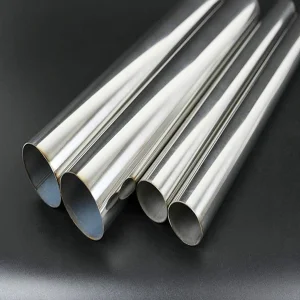
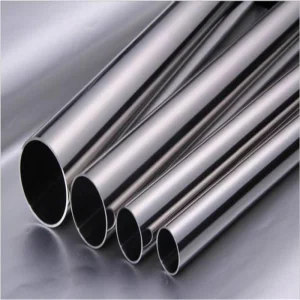
- Hydrogen-Shielded Bright Annealing: The thermal treatment is carried out online in a high-purity hydrogen atmosphere, ensuring clean surfaces free from oxidation.