 Sihe Steel
Sihe Steel
Sihe Steel
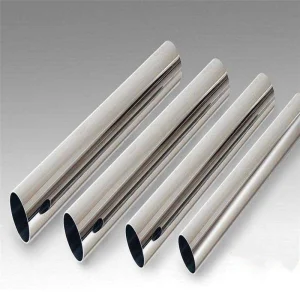
Explore our high-performance 316 stainless steel polished lines, engineered under rigid ASTM, JIS, and EN specifications.
How 316 Stainless Steel Polishing Tubes drive modern process engineering globally.
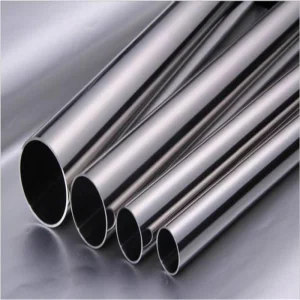
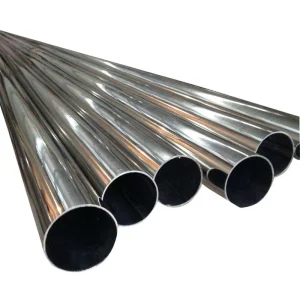
The industrial landscape for 316 stainless steel polishing tubes is marked by high demand in sectors where corrosion resistance, surface hygiene, and high-pressure integrity are critical. Grade 316 (UNS S31600) and its low-carbon variant 316L (UNS S31603) contain chromium, nickel, and molybdenum (typically 2-3%). This molybdenum addition makes them highly resistant to chloride-induced pitting and crevice corrosion compared to Grade 304.
Global procurement teams in the pharmaceutical biotechnology, semiconductor, and subsea oil & gas sectors rely on polished finishes. Polished tubes are processed using mechanical polishing (MP) or electropolishing (EP). These methods reduce surface roughness (Ra), which prevents contamination build-up and bacterial adhesion on the inner walls. In semiconductor manufacturing, polished tubes are used to transport ultra-pure process gases without particle contamination.
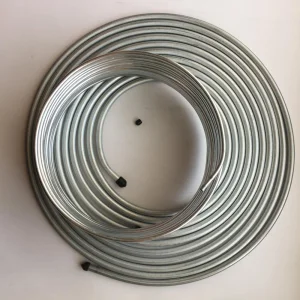
In offshore and marine engineering, 316 and 316L coiled tubing is used in subsea control lines (umbilicals) to link surface platforms with seafloor wells. These subsea systems operate in harsh environments where corrosion, vibrations, and high pressures are constant. Polishing the inner and outer diameters of the tubes helps prevent crevice corrosion under marine encrustations, extending the lifespan of subsea equipment.
The Pitting Resistance Equivalent Number (PREN) formula is PREN = %Cr + 3.3%Mo + 16%N. While standard 304 stainless steel yields a PREN of approximately 18-20, 316 grade steels achieve a PREN of 23-25, making them more resilient against localized chloride attacks.
A technical breakdown of Grade 316 vs. alternative high-performance alloys.
| Steel Grade (Standard / UNS) | Chromium (Cr) % | Nickel (Ni) % | Molybdenum (Mo) % | Carbon (C) % Max | Tensile Strength (MPa) | Yield Strength (MPa) |
|---|---|---|---|---|---|---|
| 304 / UNS S30400 | 18.00 - 20.00 | 8.00 - 10.50 | - | 0.08 | ≥ 515 | ≥ 205 |
| 316 / UNS S31600 | 16.00 - 18.00 | 10.00 - 14.00 | 2.00 - 3.00 | 0.08 | ≥ 515 | ≥ 205 |
| 316L / UNS S31603 | 16.00 - 18.00 | 10.00 - 14.00 | 2.00 - 3.00 | 0.030 | ≥ 485 | ≥ 170 |
| Duplex 2205 / UNS S32205 | 22.00 - 23.00 | 4.50 - 6.50 | 3.00 - 3.50 | 0.030 | ≥ 655 | ≥ 450 |
| Inconel 625 / UNS N06625 | 20.00 - 23.00 | Bal (≥ 58.0) | 8.00 - 10.00 | 0.10 | ≥ 827 | ≥ 414 |
Using low-carbon variants like 316L reduces the risk of chromium carbide precipitation during welding. This sensitization risk is lowered because there is less carbon to bind with chromium, maintaining corrosion resistance along the weld line. For applications that require high strength and high corrosion resistance, duplex alloys (like Duplex 2205) or super-alloys (like Inconel 625 or Incoloy 825) may be specified, though they come with higher raw material costs.
Deep engineering integration, scale economies, and online bright annealing technologies.
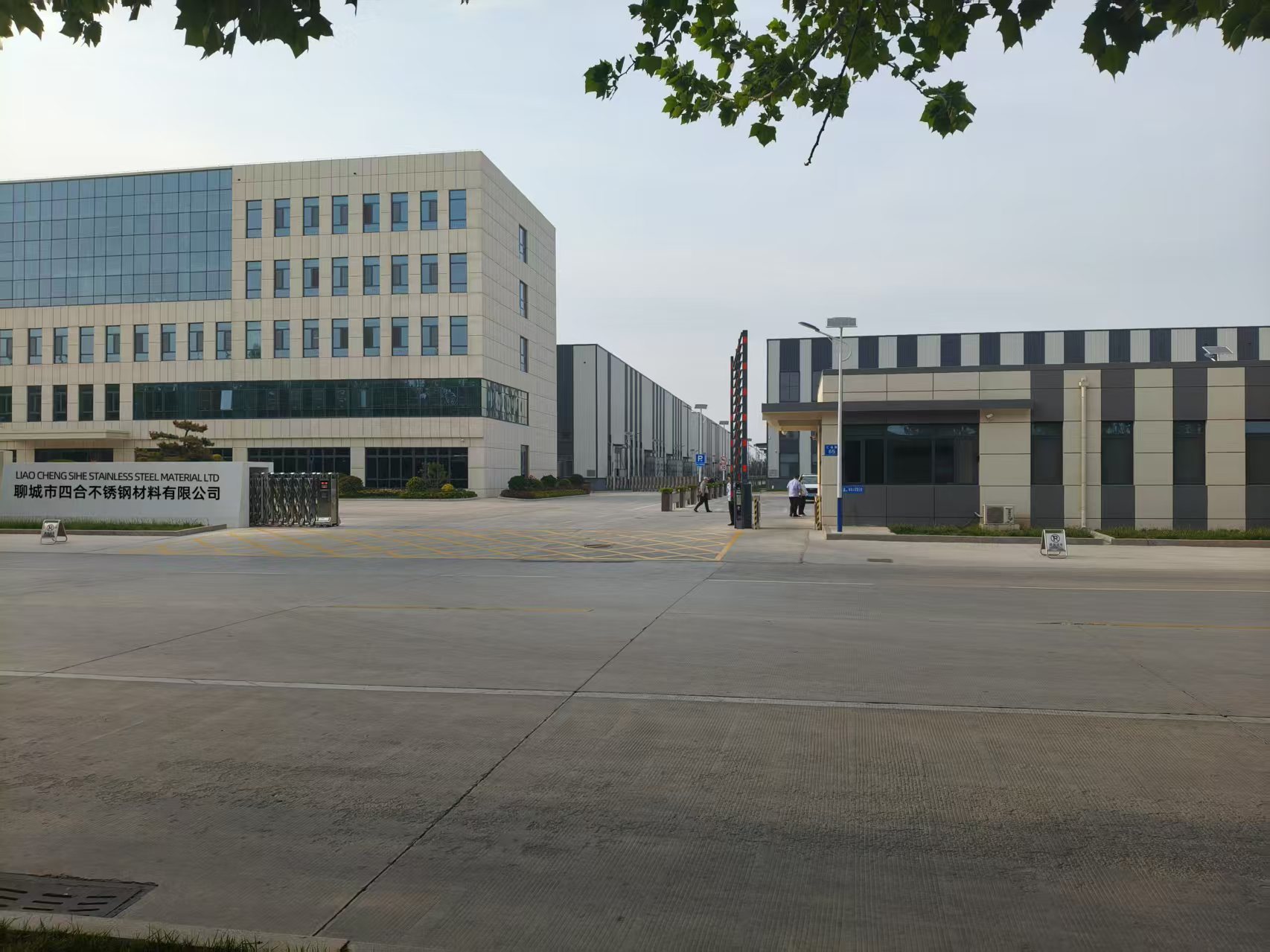
Based in China, Liaocheng sihe stainless steel material LTD has a ten-year history of manufacturing high-quality stainless steel coiled tubes, polishing tubes, and seamless coiled tubing. Operating six specialized production lines, the company serves as an industrial supplier for global B2B operations.
By using modern, high-precision online bright annealing technology, we process stainless steel tubes in a controlled-atmosphere chamber to prevent surface scaling. This eliminates the need for acid pickling and results in a clean, mirror-like finish with low surface roughness (Ra) directly from the drawing process.
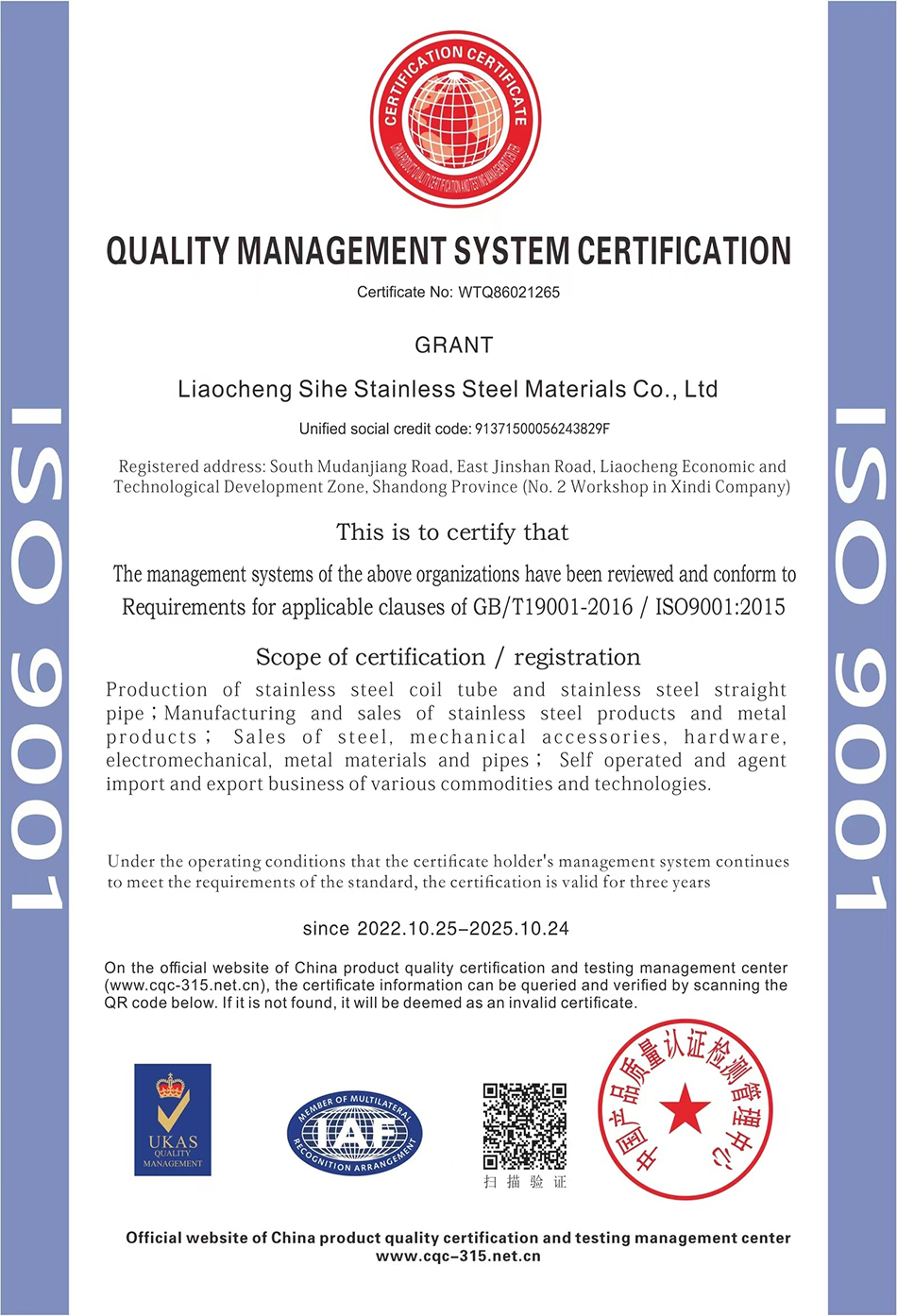
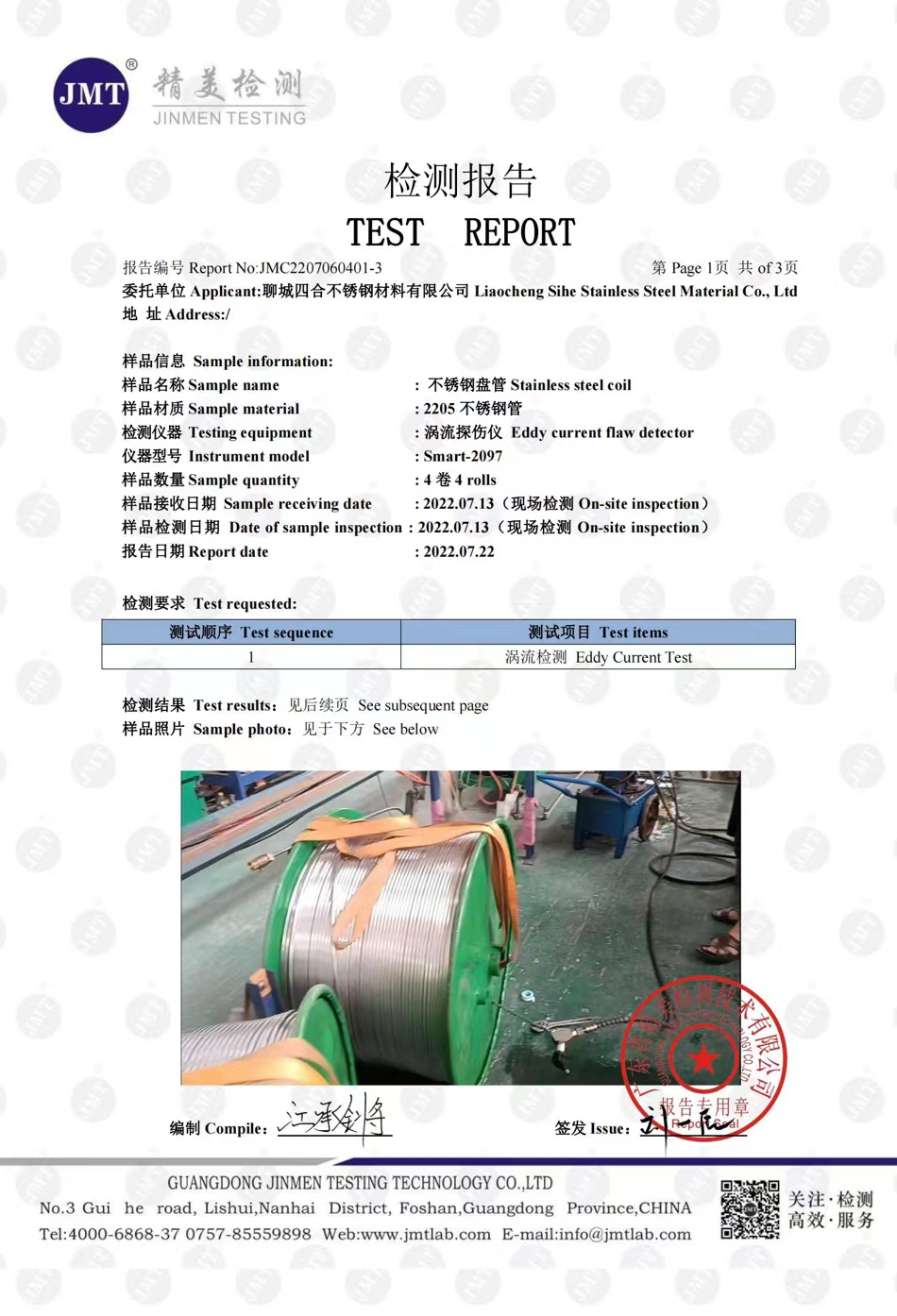
We test our materials for structural integrity and pressure performance before shipment. Testing processes include:
How different industries utilize 316/316L polished tubes under demanding conditions.
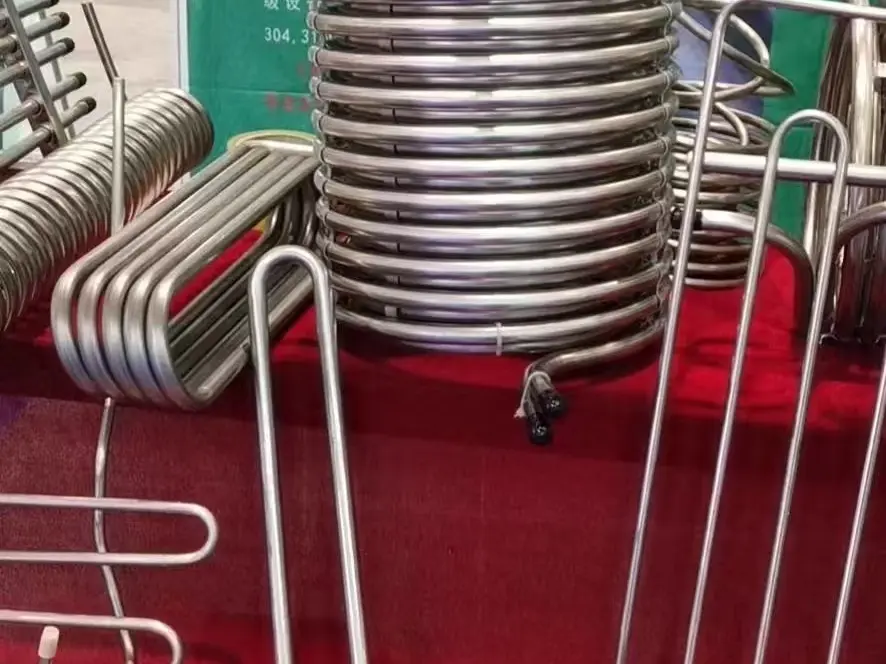
Polished tubes help maintain heat transfer rates by preventing organic fouling and scaling on tube walls in high-temperature systems.
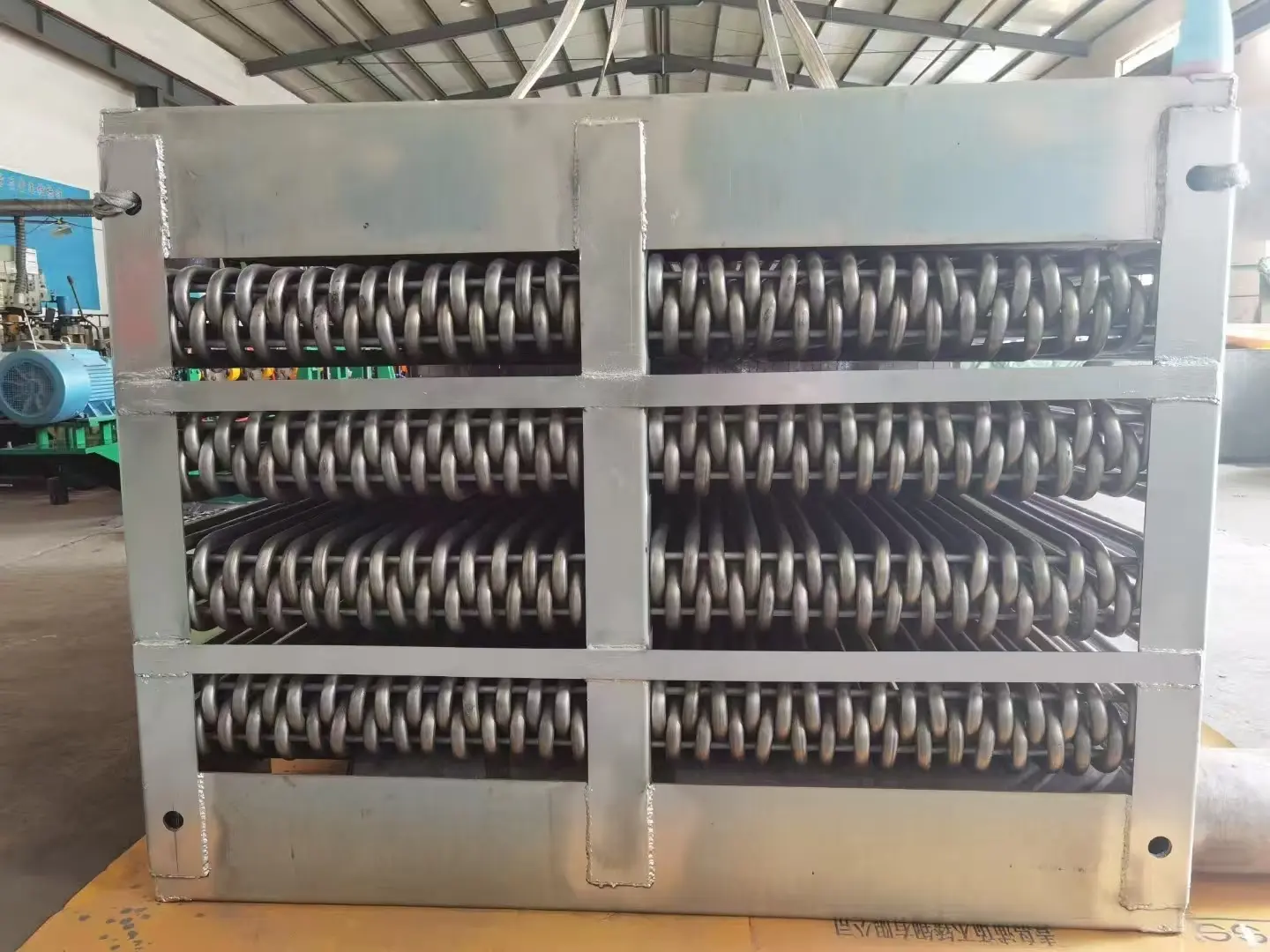
Supports low-temperature refrigerant cooling loops and heat recovery coils. The clean inner walls minimize pressure drop.
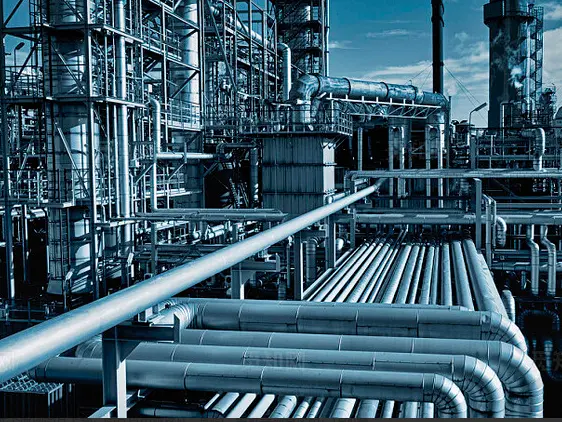
Transports corrosive acids and alkaline solutions. Grade 316 resists localized chemical attack and stress corrosion cracking.
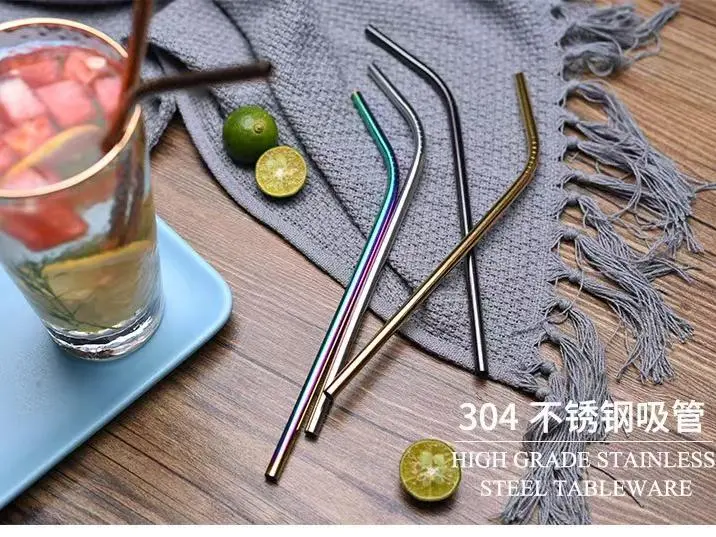
Smooth, polished surfaces prevent bacterial growth in process lines. Safe for Clean-in-Place (CIP) sanitization cycles.
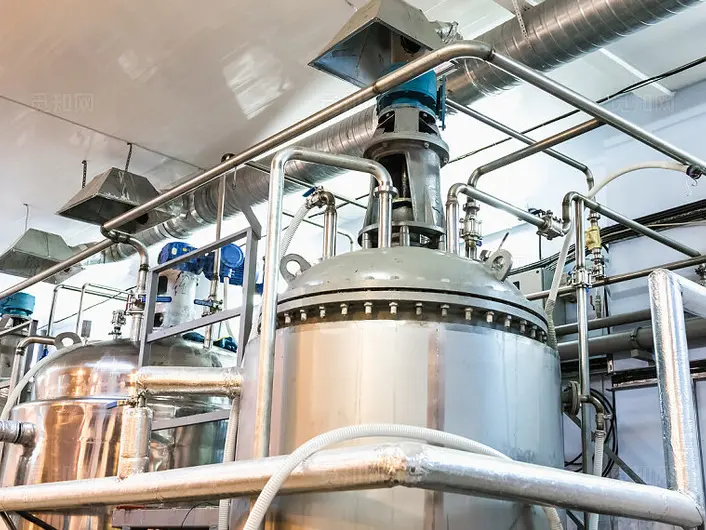
Polished and electropolished 316L tubes are used to transfer high-purity water (WFI) and active pharmaceutical ingredients (APIs).
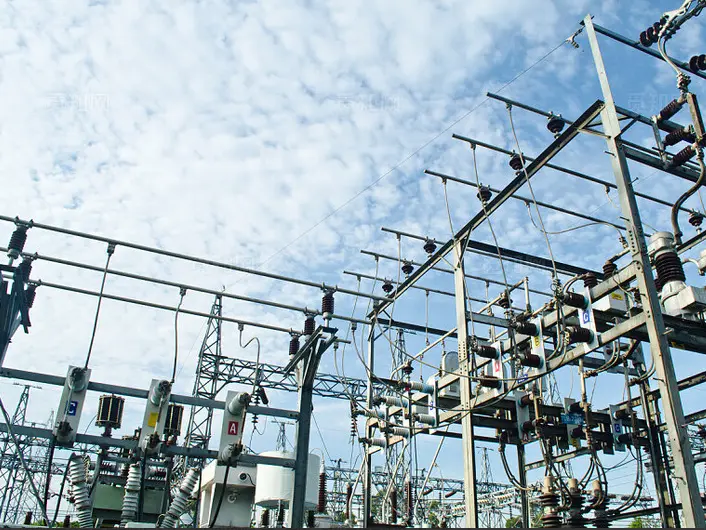
Used in high-pressure steam lines, condenser piping, and boiler heat exchangers to withstand oxidation under thermal stress.
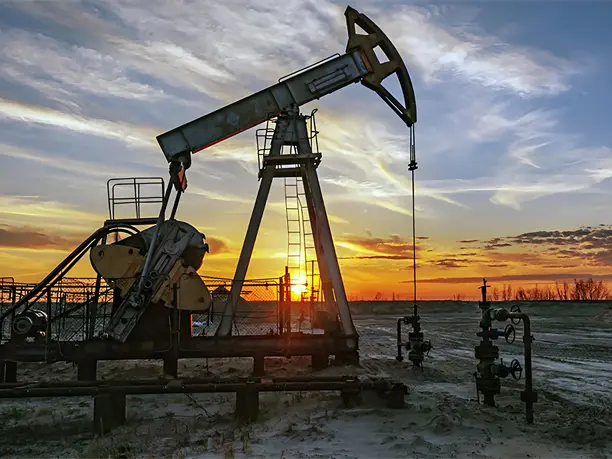
Resists sulfide stress cracking and high-pressure hydrocarbon flows in offshore platforms and refining facilities.
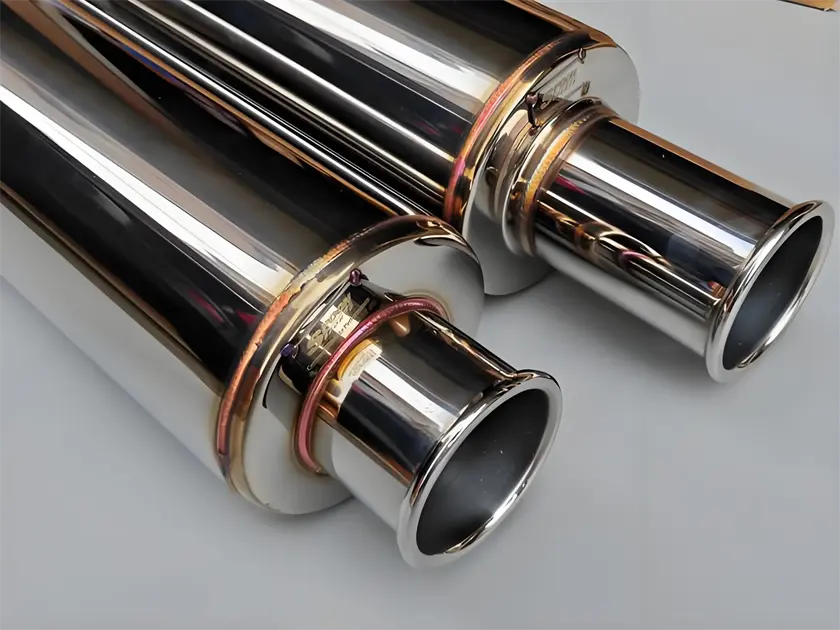
Used in high-pressure fuel injection lines, hydraulic flight controls, and exhaust treatment systems where high fatigue resistance is required.
Liaocheng Sihe quality standards comply with international manufacturing regulations.
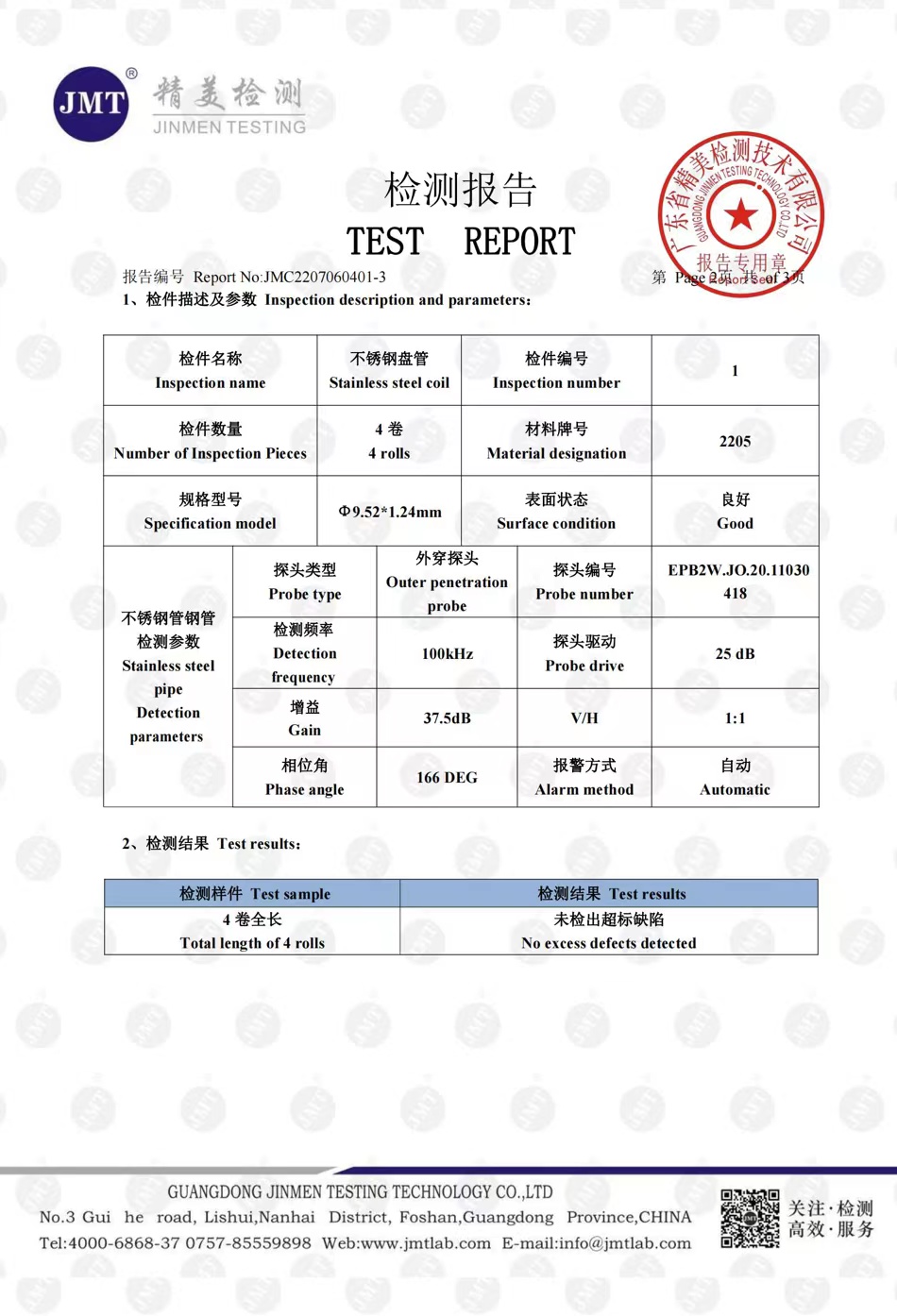
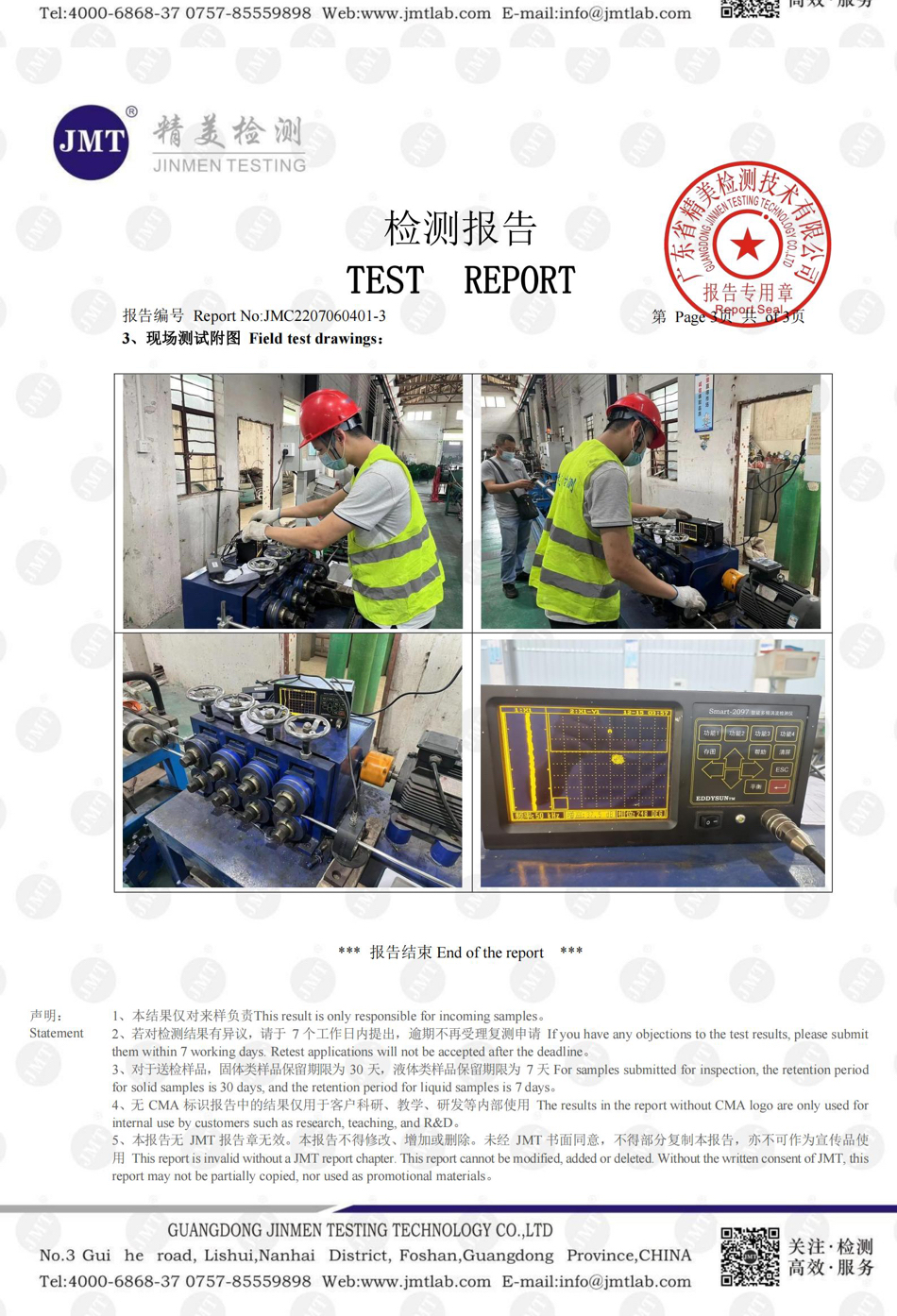
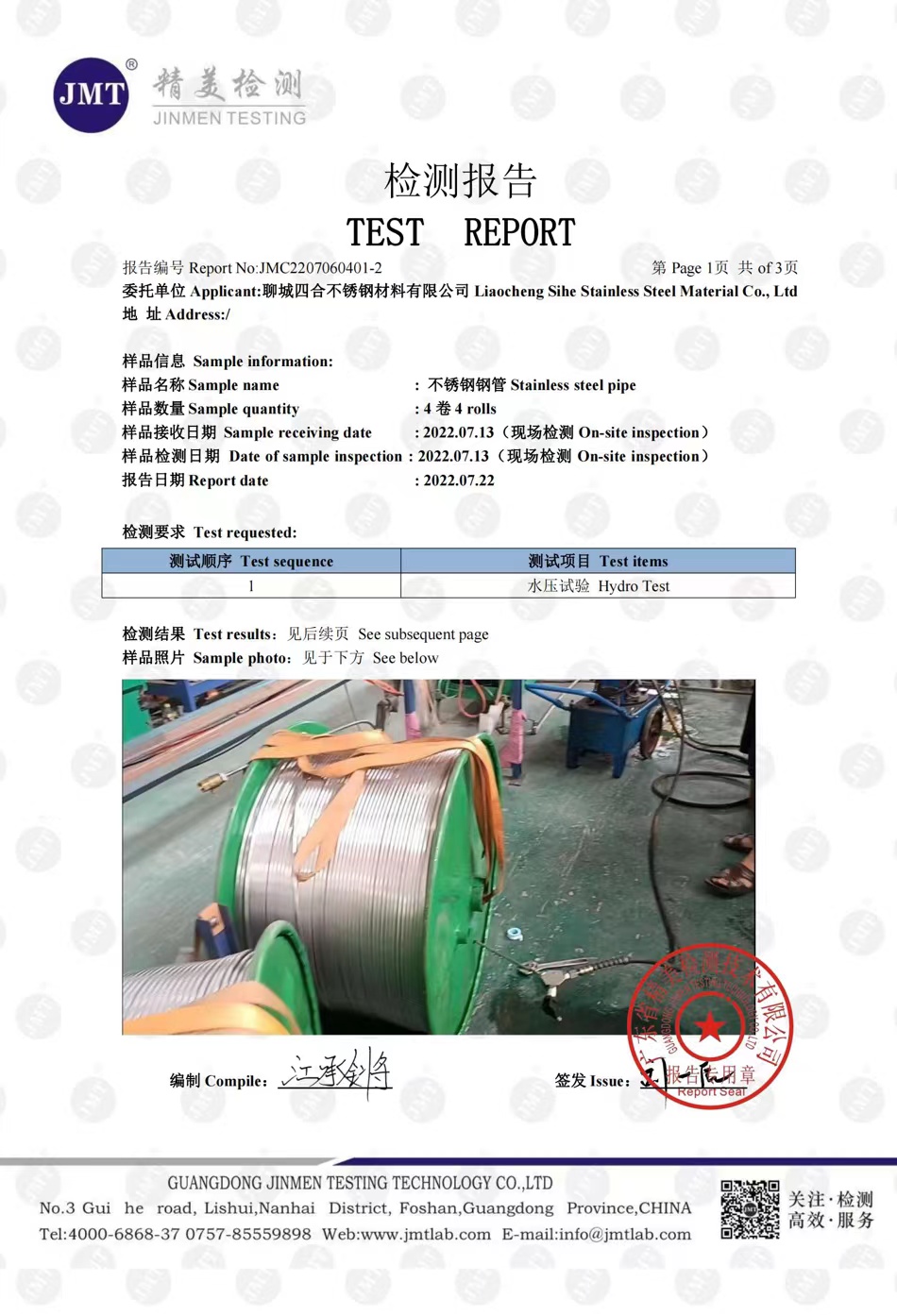
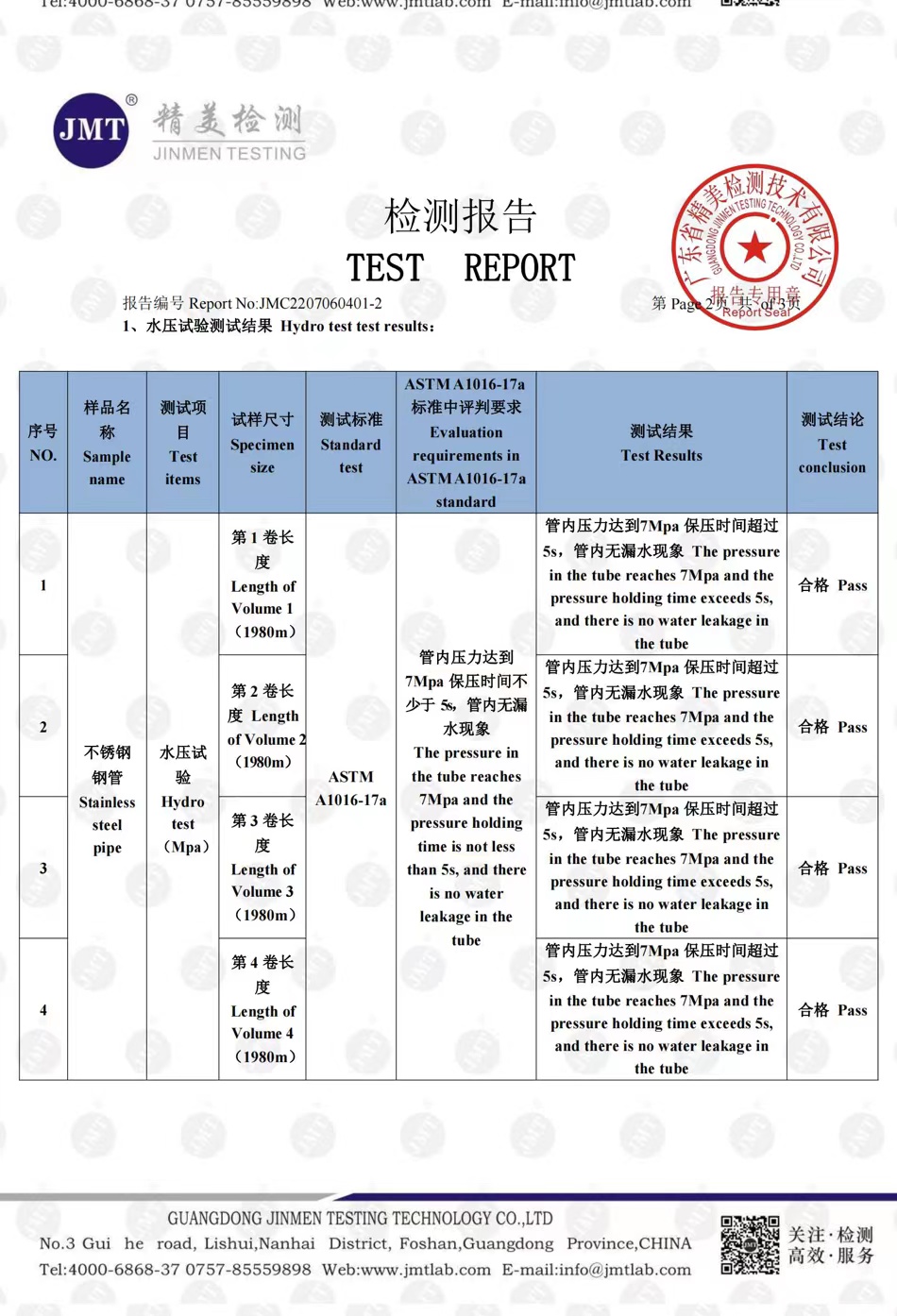
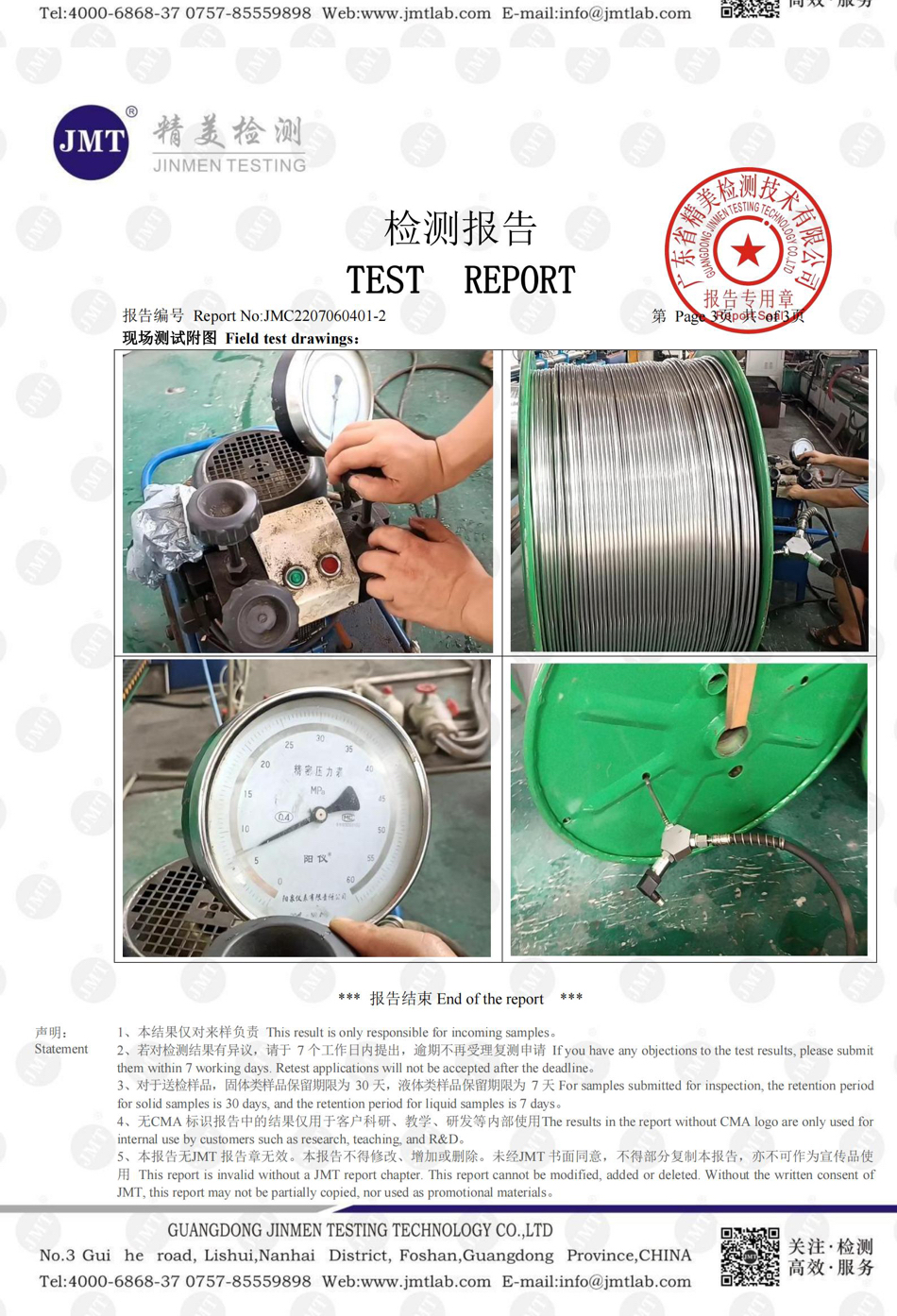
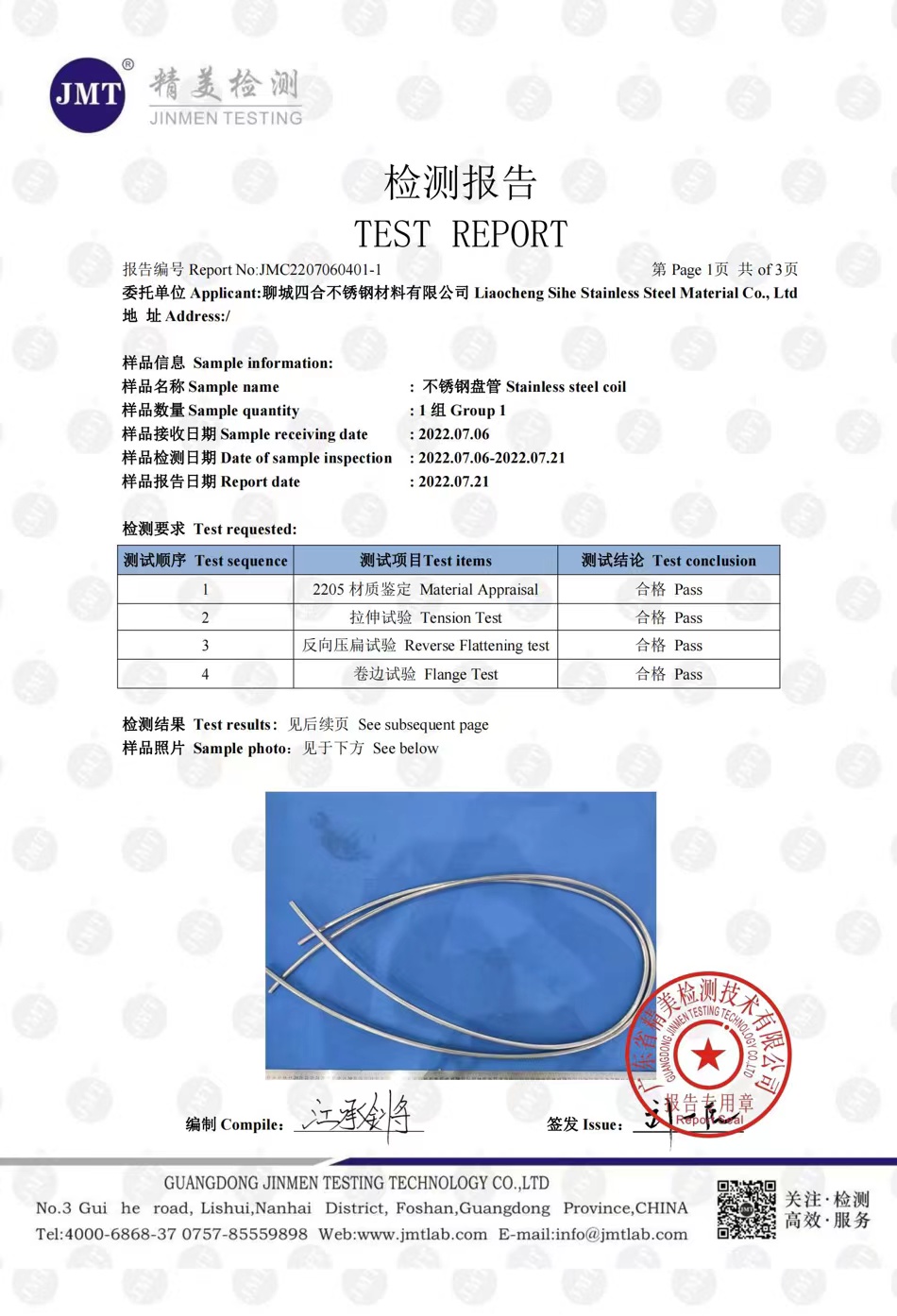
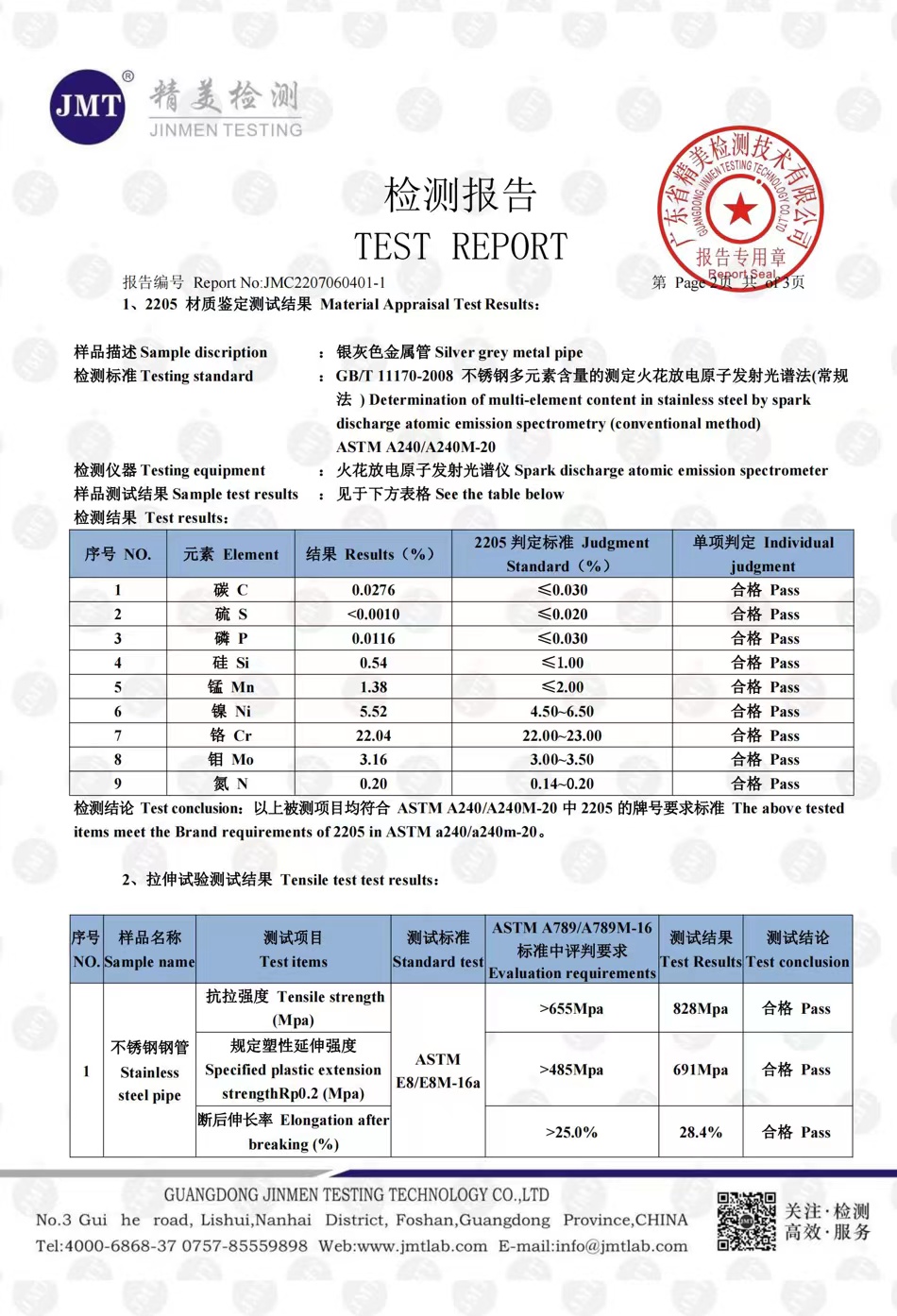
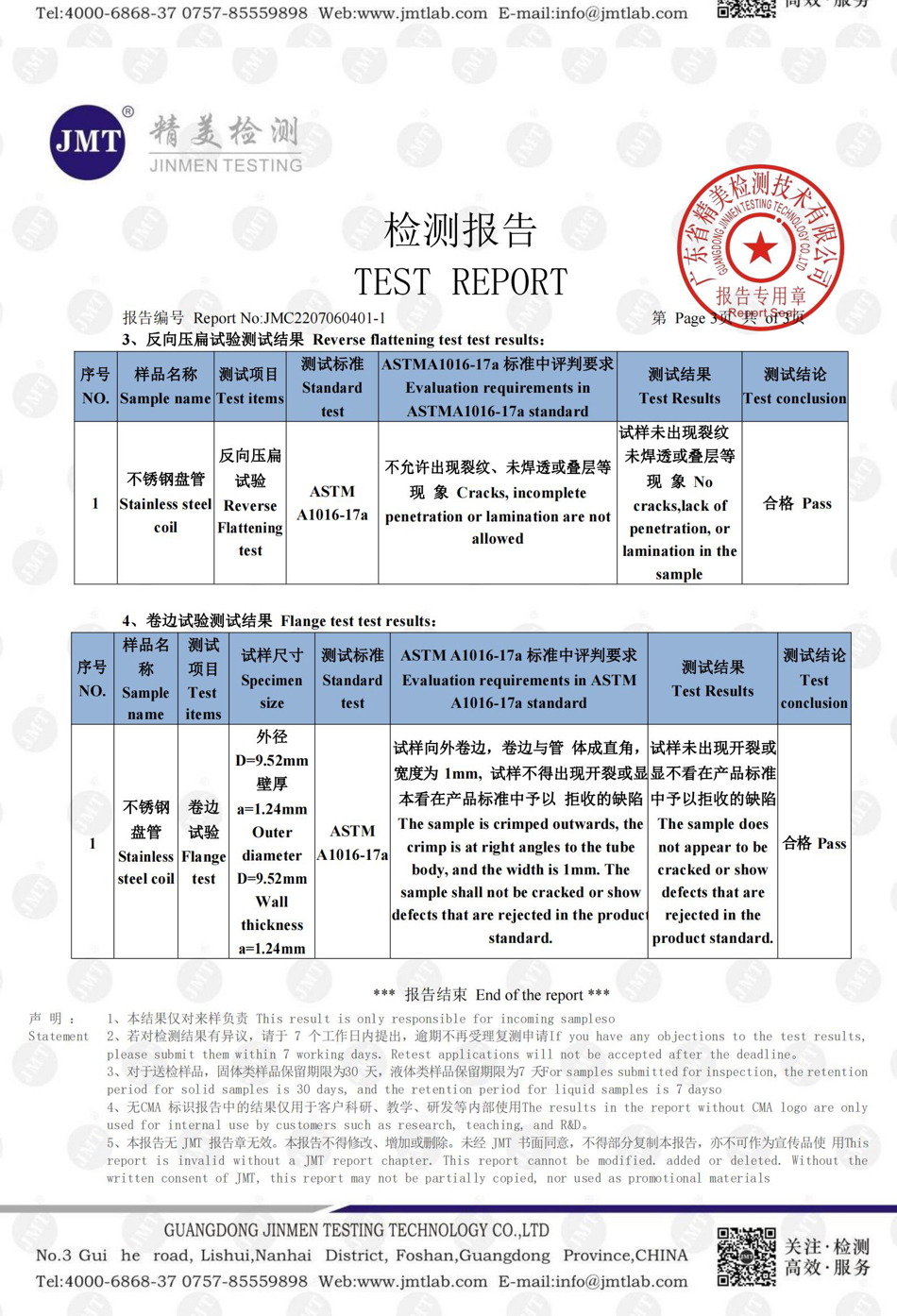
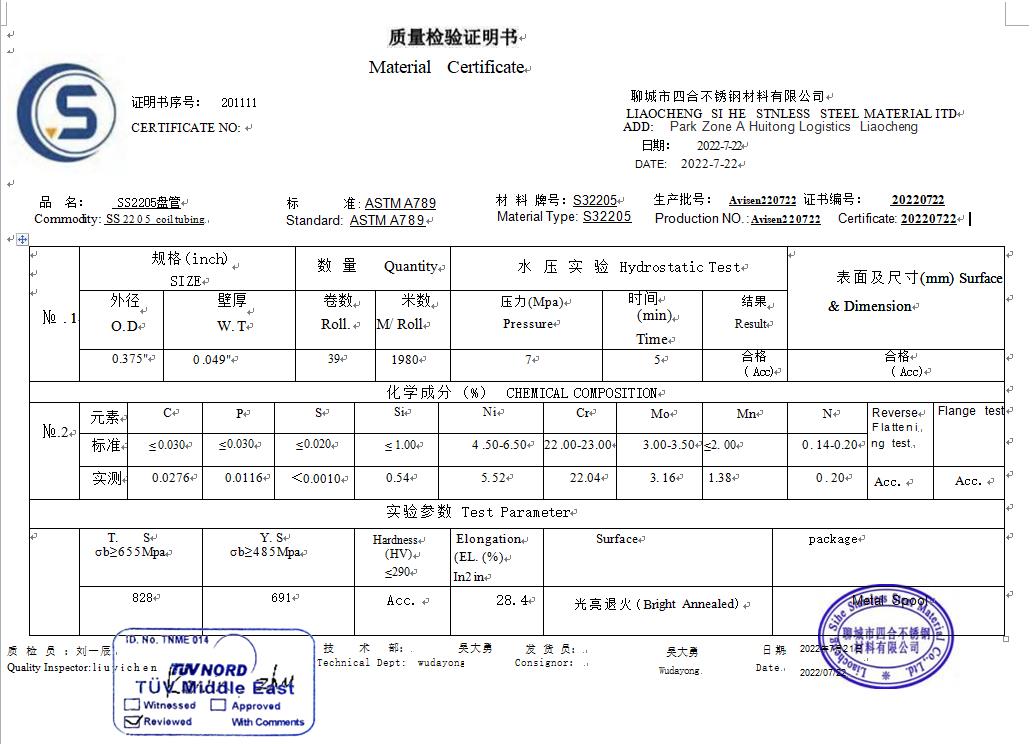
Custom modification, fabrication, and finishing capabilities from our factory floor.
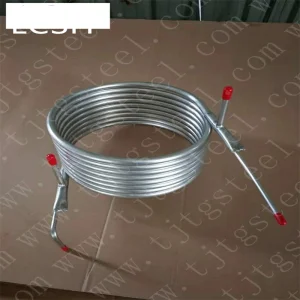
We support various materials (e.g., 304, 316L, 2205) and custom specifications, including outer diameters ranging from 6.35mm to 19mm for stainless steel coils.
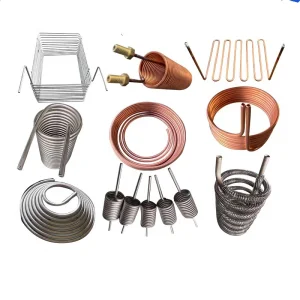
We provide bending, spiral forming, and precision drawing services. These services are tailored for complex heat exchangers and condensing coil configurations.
We offer laser, mechanical, and flame cutting. These processes provide clean, square ends and precise tube lengths for automated orbital welding.
We perform mechanical polishing, electrochemical treatments, and bright annealing. These services help meet strict roughness (Ra) targets for sanitary and high-purity applications.
We perform precise end flanging for clean-fitting connections. These connections are designed for automotive exhaust systems, chemical pipelines, and instrument lines.
Critical verification checkpoints for technical purchasing managers.
Procurement teams should verify the chemical composition of Grade 316. In critical environments, positive material identification (PMI) is used to confirm the 2.0-3.0% molybdenum range. Request a Mill Test Certificate (MTC) conforming to EN 10204 3.1. The certificate should detail chemical composition, tensile strength, yield strength, and elongation.
Surface roughness (Ra) affects corrosion resistance and cleanability. For standard applications, the internal surface roughness of bright-annealed tubes is typically Ra ≤ 0.8 μm. For high-purity applications, such as biotechnology and semiconductors, electropolishing is used to achieve Ra ≤ 0.38 μm (15 μin).
Verify compliance with manufacturing standards: ASTM A269 for general service, ASTM A270 for sanitary applications, or EN 10216-5 for pressure tubes. Check outer diameter (OD) and wall thickness (WT) tolerances, which should fall within ±0.05 mm to ±0.10 mm to ensure secure welding and fitting connections.
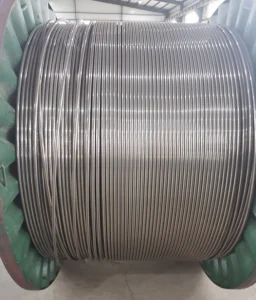
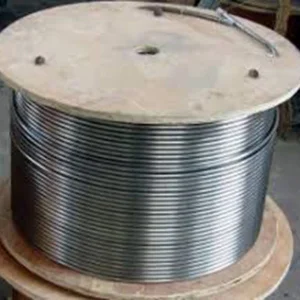
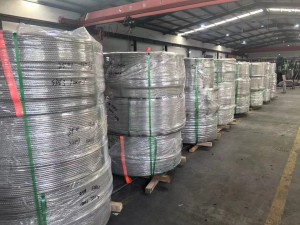
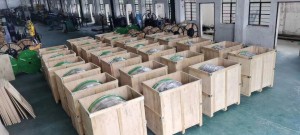
Long, continuous-length coiled tubing (up to 10,000 meters or 32,800 feet) should be shipped on metal or wooden reels. The tubes should have protective plastic caps on both ends. This protects the outer surface and inner diameter from moisture and particle contamination during transit.
Technical and commercial answers for purchasing managers and mechanical engineers.
Our prices vary based on global metal raw material index prices (Chromium, Nickel, Molybdenum) and custom order specifications. Please contact our sales office with your detailed requirements (material grade, diameter, wall thickness, and total volume) to receive an updated quote.
Yes, we require minimum order quantities for international shipments to maintain production efficiency. For custom dimensions or special alloys (like Duplex 2205 or Inconel 625), contact our sales representatives to check available raw material stocks.
We provide all necessary export documentation, including Mill Test Certificates (MTC to EN 10204 3.1), Certificate of Origin, Packing Lists, Bills of Lading, and Export Customs declarations. Third-party testing reports can be arranged upon request.
For standard dimensions in stock, lead times are approximately 7 days. For mass production orders, the standard lead time is 20-30 days after receipt of the deposit. Lead times vary depending on the production schedule and raw material availability.
Our standard payment term is 30% T/T in advance as a deposit, with the remaining 70% balance payable against the copy of the Bill of Lading (B/L). We also accept payments via Western Union and PayPal for smaller orders.
We offer a warranty that covers material defects and workmanship. If a quality issue arises, our technical team works to resolve it, which may include replacing material or issuing credits.
We package our products for export using reinforced wooden crates, robust metal reels, or custom packaging for long coiled tubing. Tubes are capped to prevent moisture and particle ingress during sea and air transit.
Mechanical polishing uses abrasive belts or pads to mechanically smooth the steel surface. Electropolishing is an electrochemical process that removes micro-peaks on the surface, creating a smooth finish and a passive, chromium-rich oxide layer that improves corrosion resistance.
Explore secondary product selections, specialty tubes, and plates.
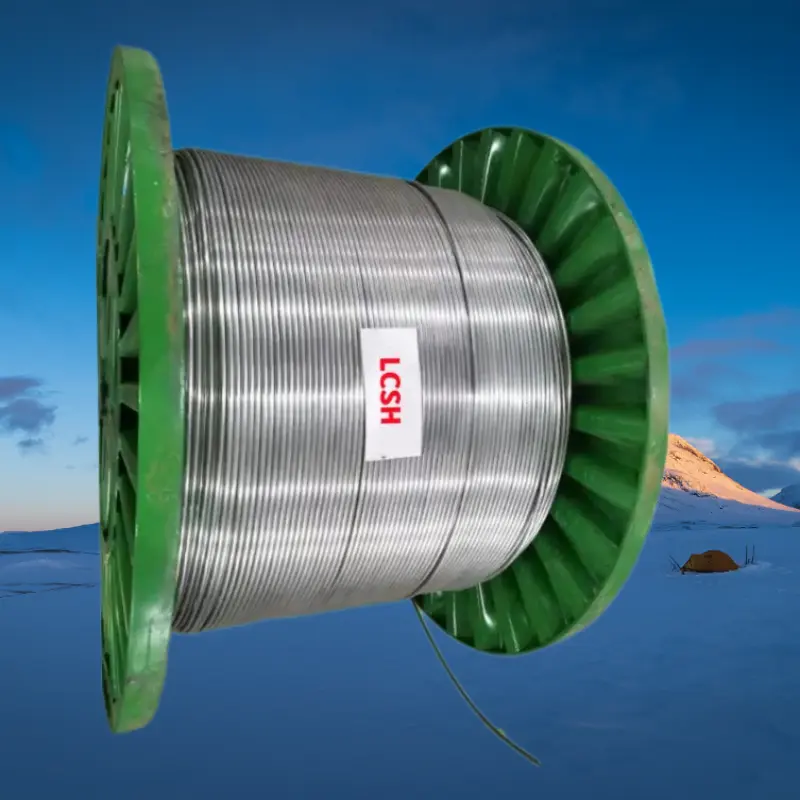
2205 stainless steel is a duplex stainless steel containing austenitic and ferrite phases...
VIEW MORE PRODUCT →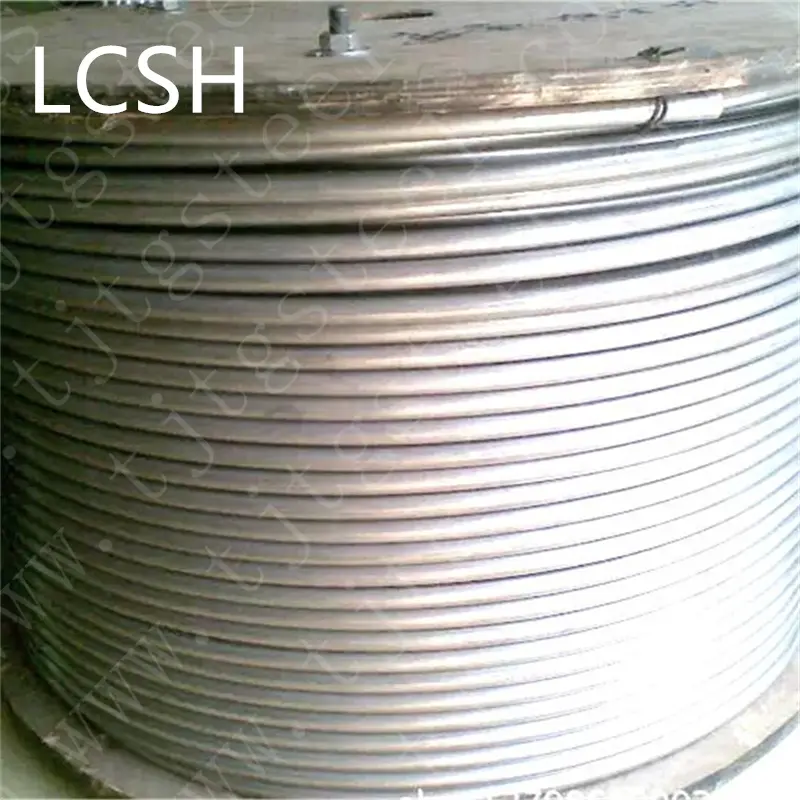
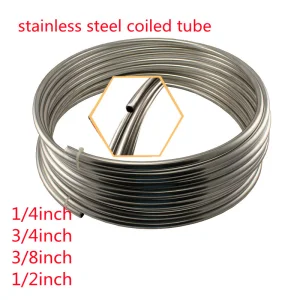
1/2 stainless steel coiled tubing refers to a coil of stainless steel tubing...
VIEW MORE PRODUCT →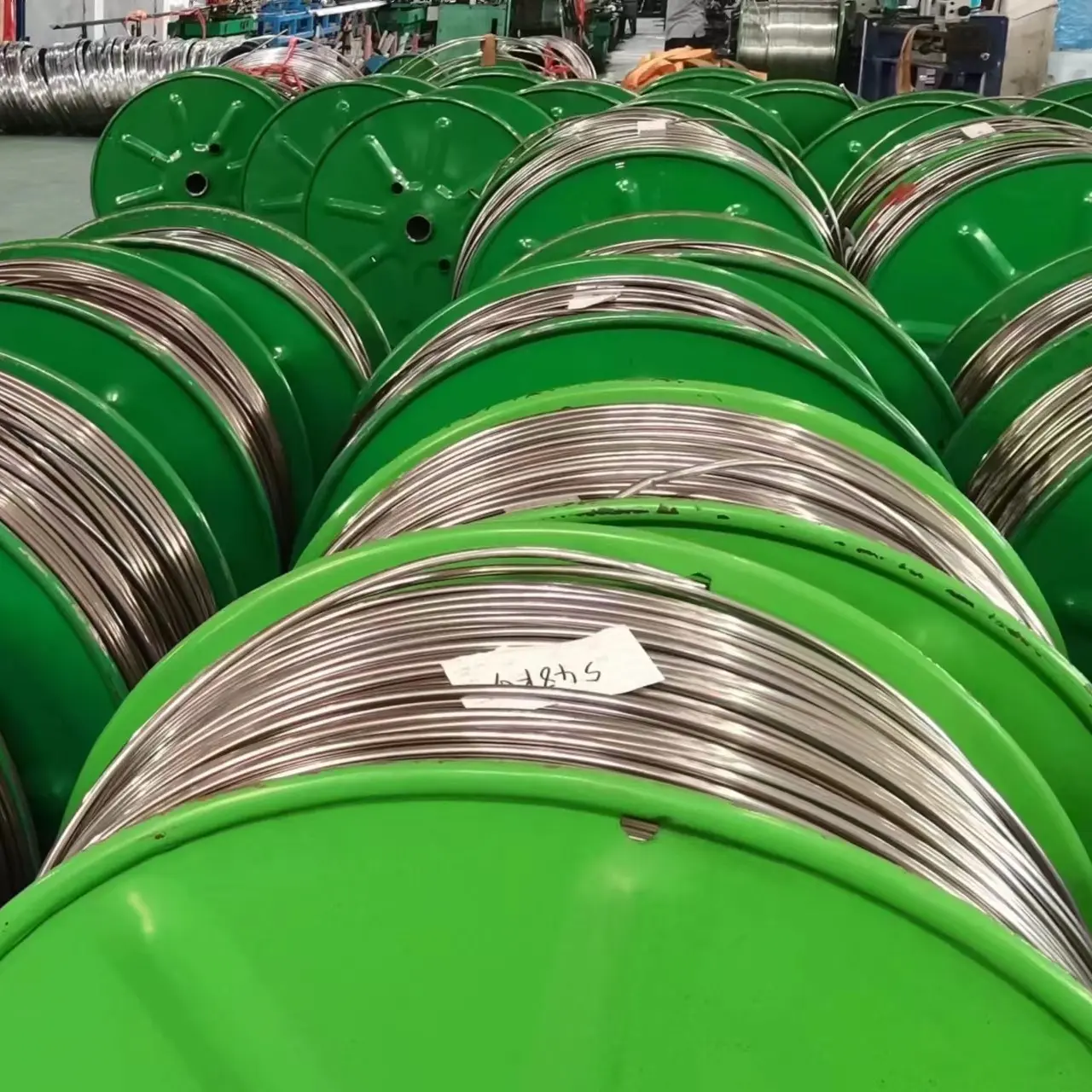
China 310 Steel Coil Tube Factories. There are factories in China that manufacture...
VIEW MORE PRODUCT →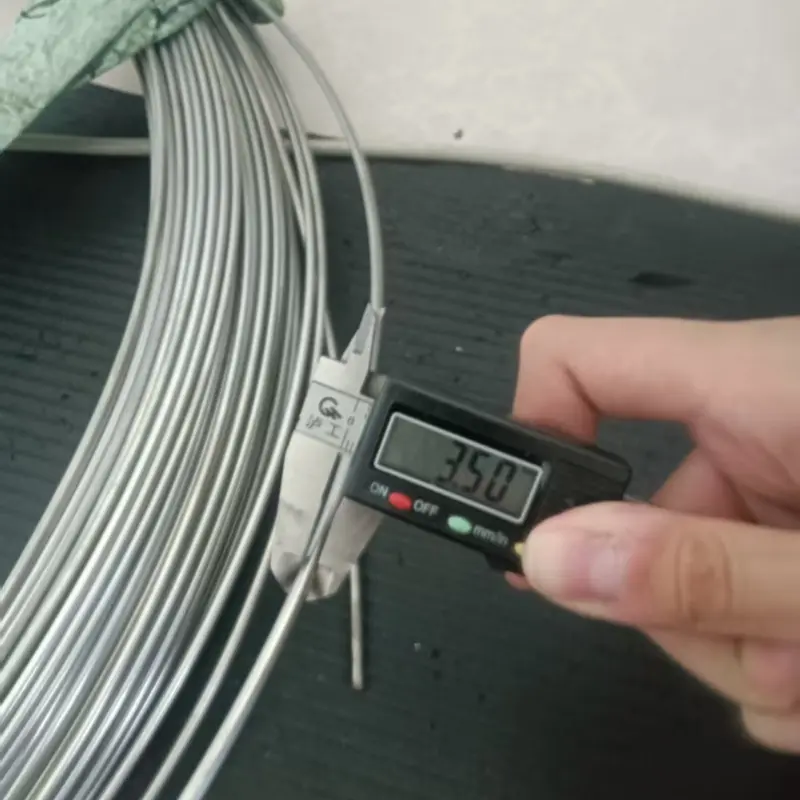
Industrial processing pipelines designed for reliable performance in chemical transport lines.
Learn More →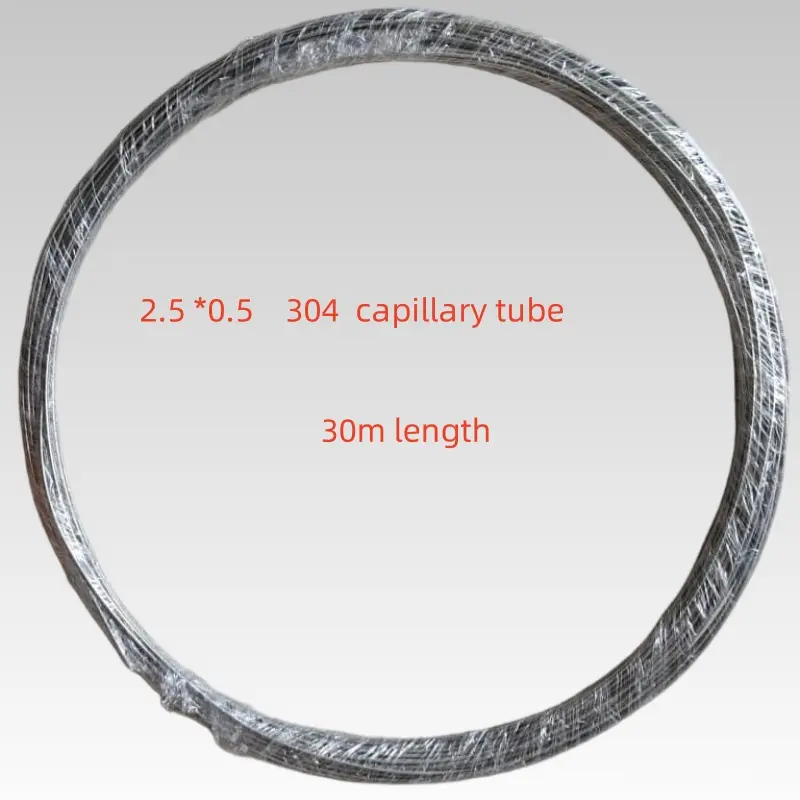
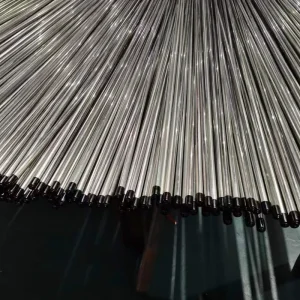
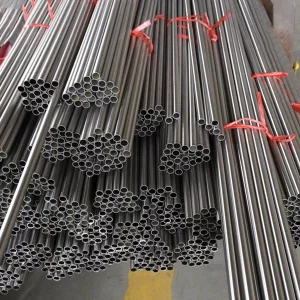
Cold-drawn mother tubes ready for precision reduction, straightening, and surface polishing.
Learn More →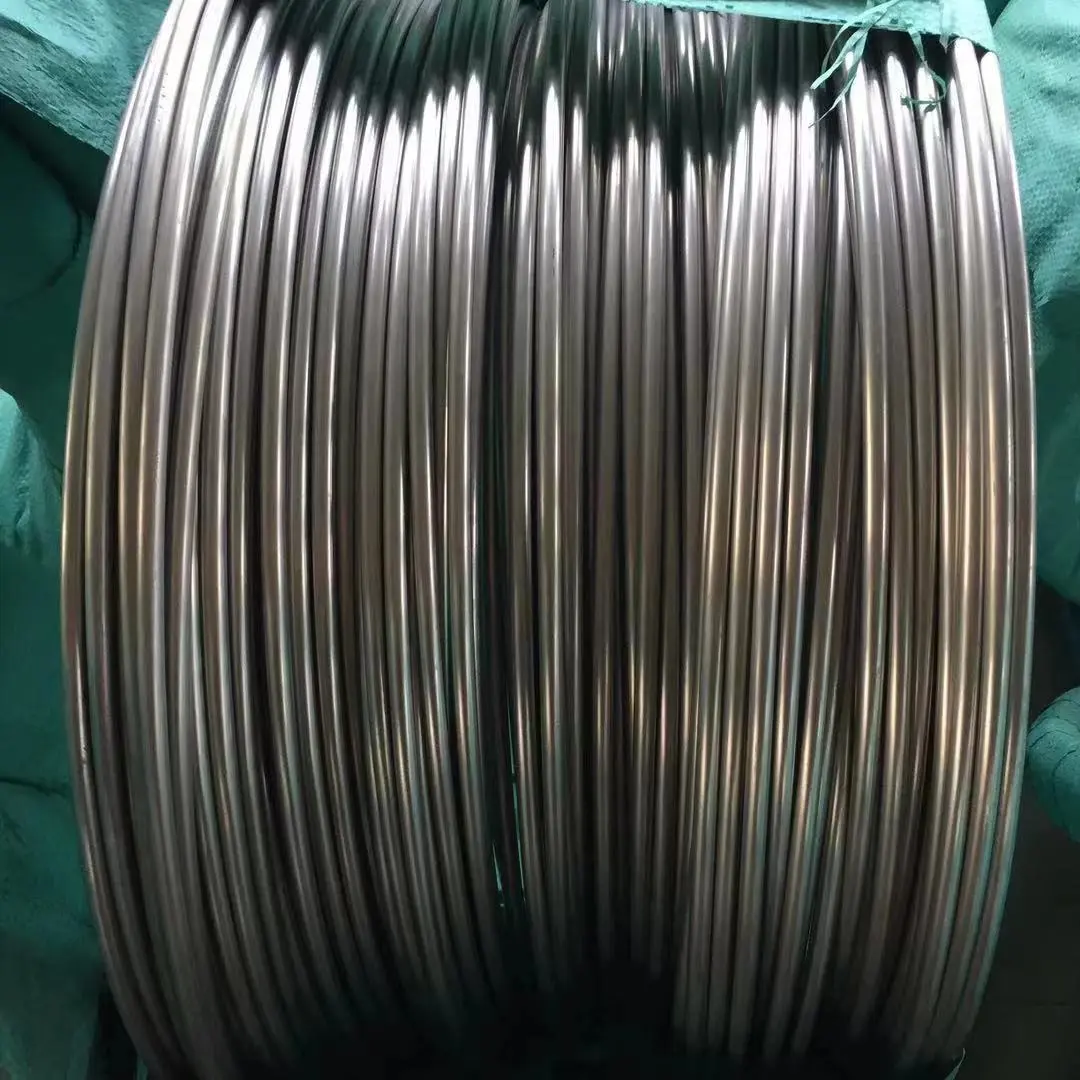
Online bright annealing furnace operations running under hydrogen atmospheres.
Learn More →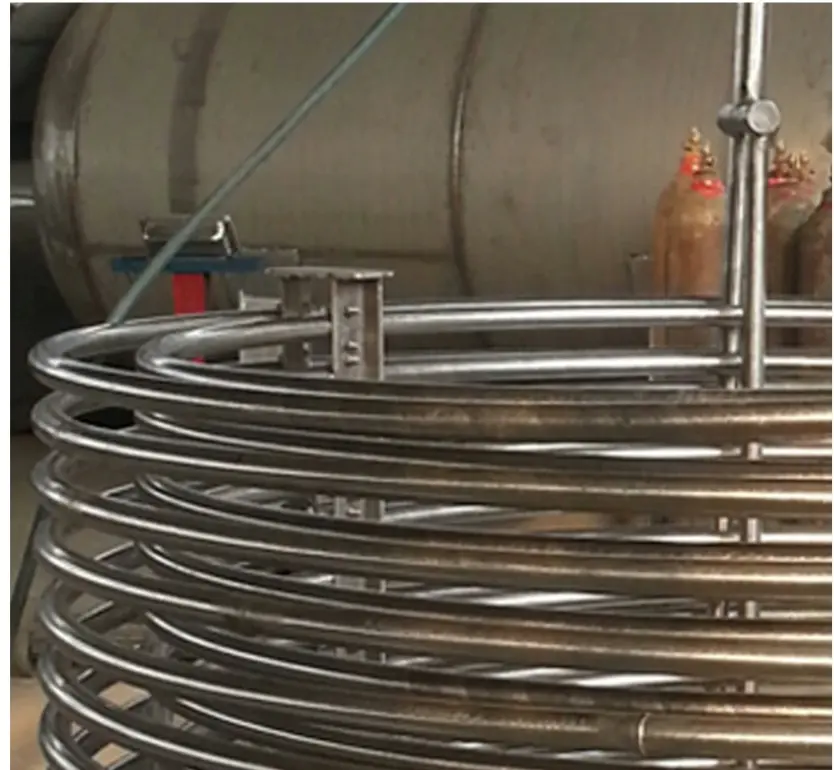
Equipped with hydrostatic, pneumatic, and eddy current non-destructive testing units.
Learn More →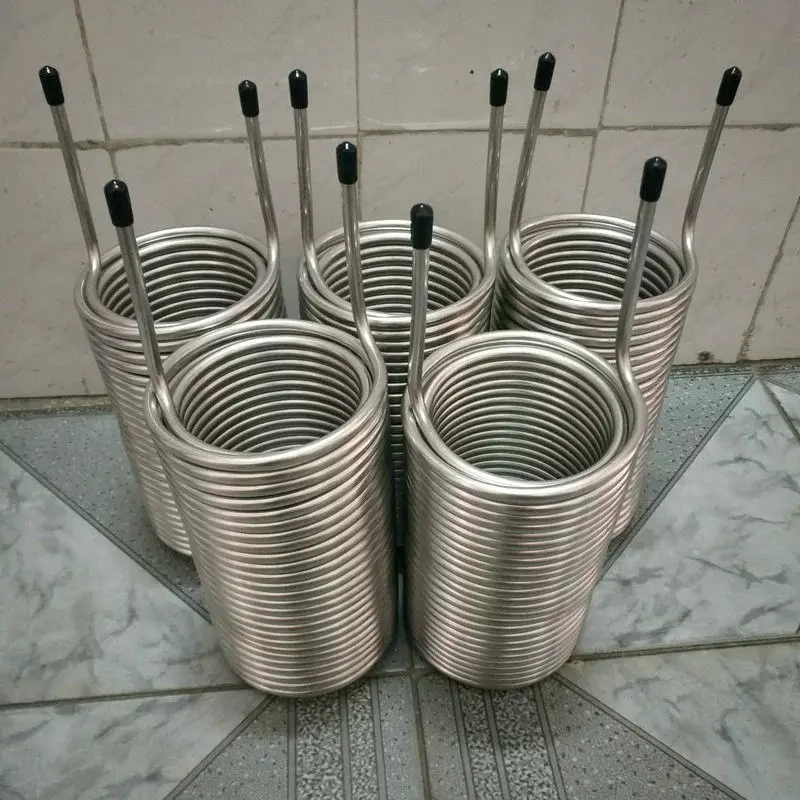
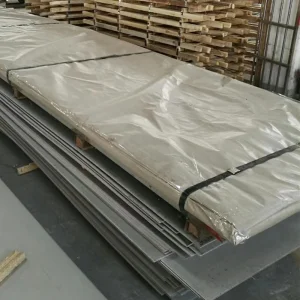
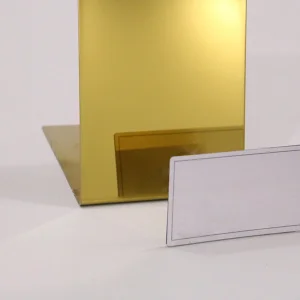
Processing sheets and plates to close tolerances for manufacturing applications.
Learn More →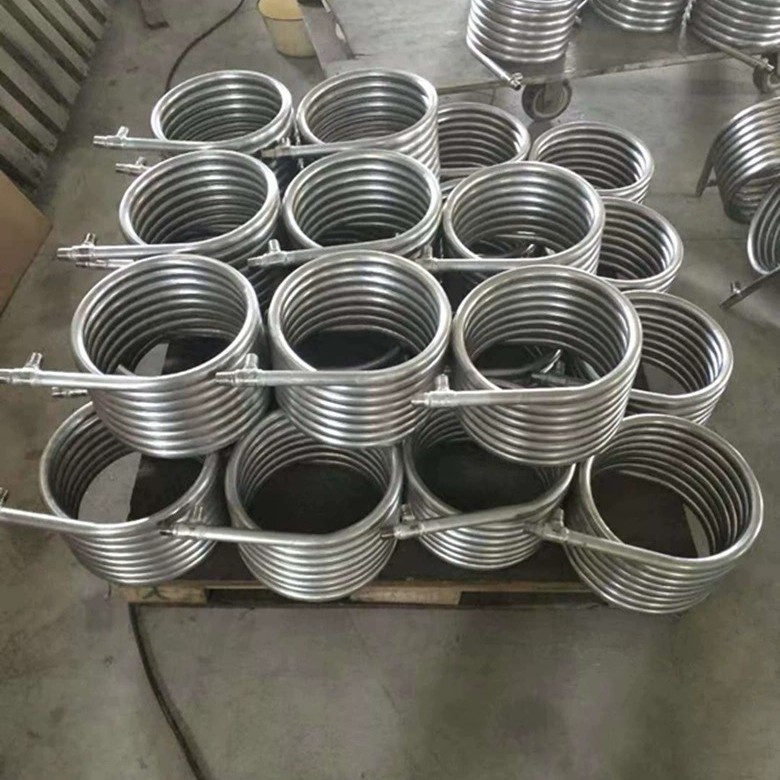
Heavy-duty wooden crates and steel reels designed to protect long-length coils during shipping.
Learn More →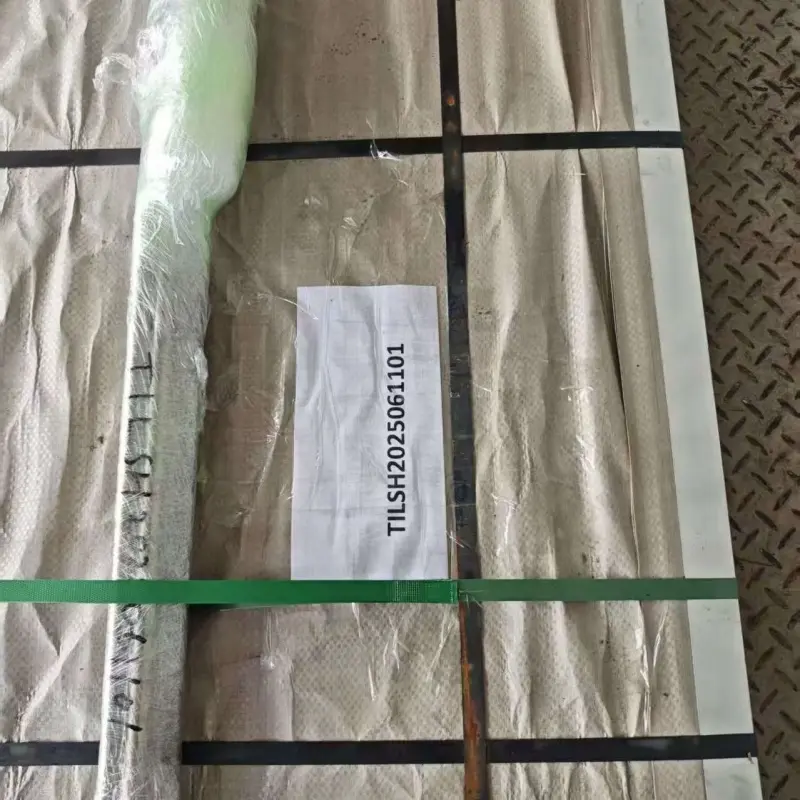
Designed for subsea umbilical control systems and chemical injection lines.
Learn More →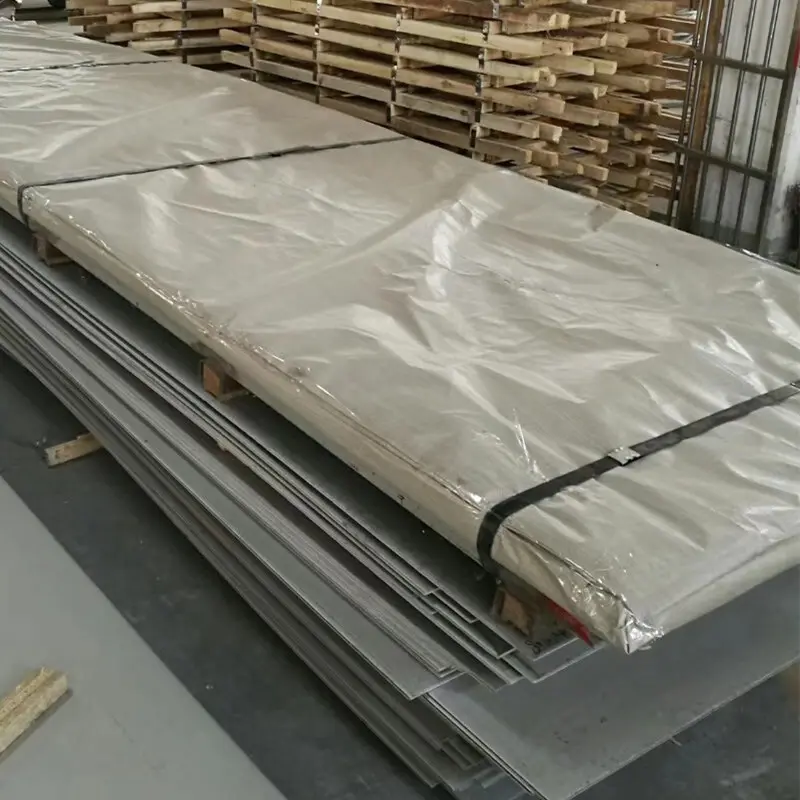
Small-diameter, thin-wall tubes for chromatography, core sampling, and instrumentation.
Learn More →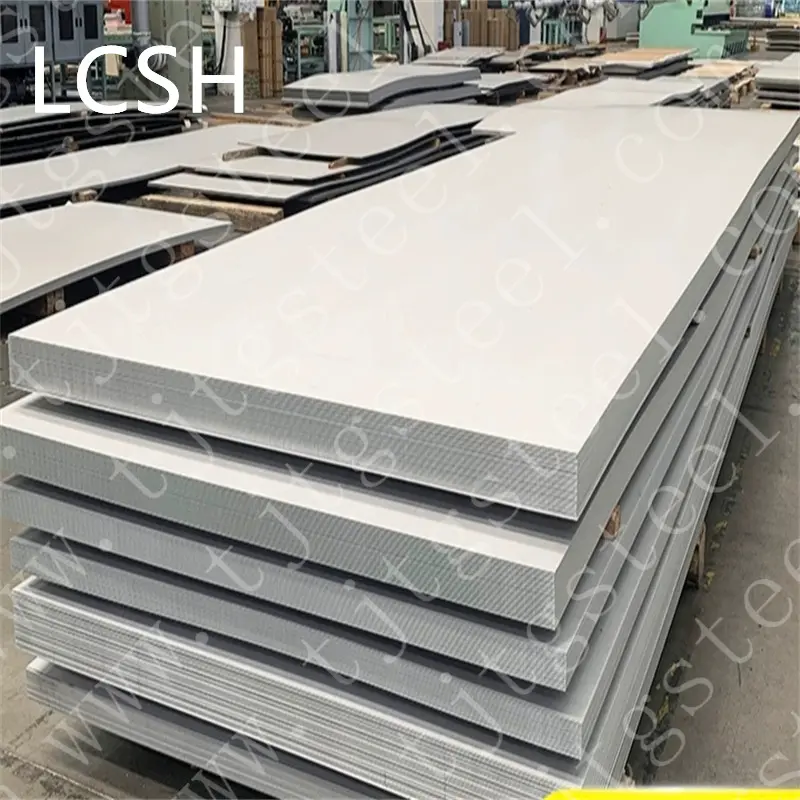
Multi-roll cold rolling mills for achieving precise tube sizing and wall consistency.
Learn More →
Processing operations for forming secure flange connections on tubes.
Learn More →Explore more products from our factory inventory, covering various steel grades and shapes.