1 / 3
 Sihe Steel
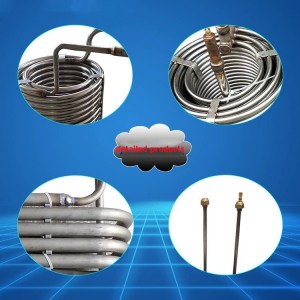
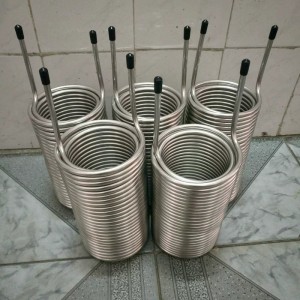
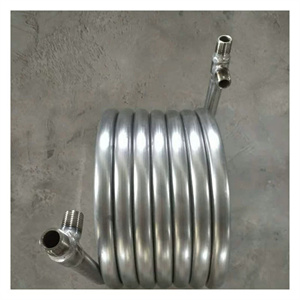
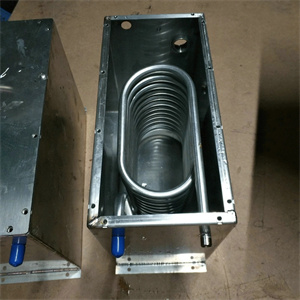
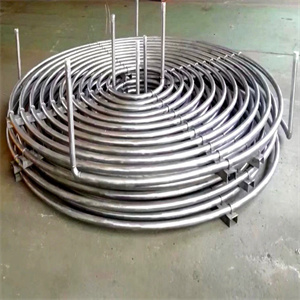
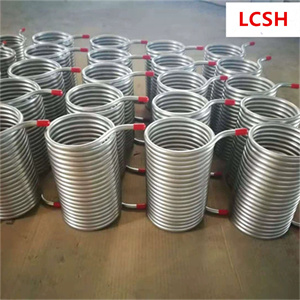
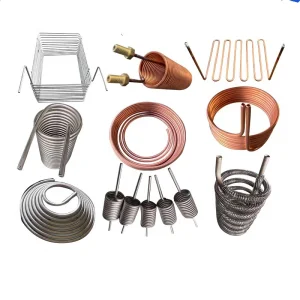
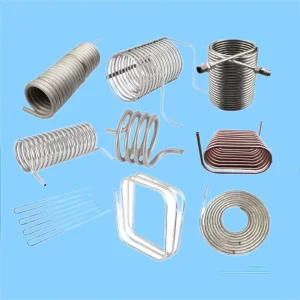
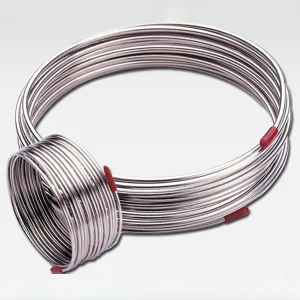
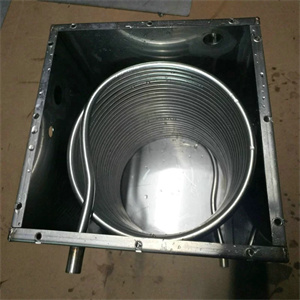
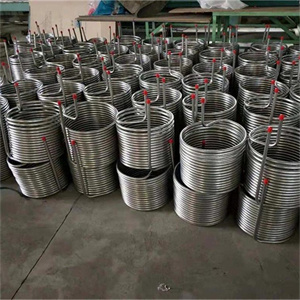
Stainless steel heat exchanger tubes are often used in the chemical industry to transfer heat from one chemical stream to another. They are commonly used to regulate the temperature of chemical reactions, condense or vaporize gases, or cool chemical products.
Stainless steel heat exchange tubes are also used in the pharmaceutical industry to transfer heat during pharmaceutical processing and manufacturing. They are used in processes such as sterilization, purification and evaporation of liquids.
Stainless steel heat exchanger tubes are commonly used in the food and beverage processing industry to cool or heat liquids or as part of the pasteurization or sterilization process.
Stainless steel heat exchange tubes are an important part of heating, ventilation and air conditioning systems, they transfer heat from air or water to regulate the temperature of commercial and residential buildings.
Stainless steel heat exchange tubes are used in power generation systems to transfer heat from steam or hot water to cold water or air. They are commonly used in power plants, nuclear facilities and other energy systems. The versatility and durability of stainless steel heat exchanger tubes make them a popular choice in a range of industries and applications requiring high performance heat transfer.
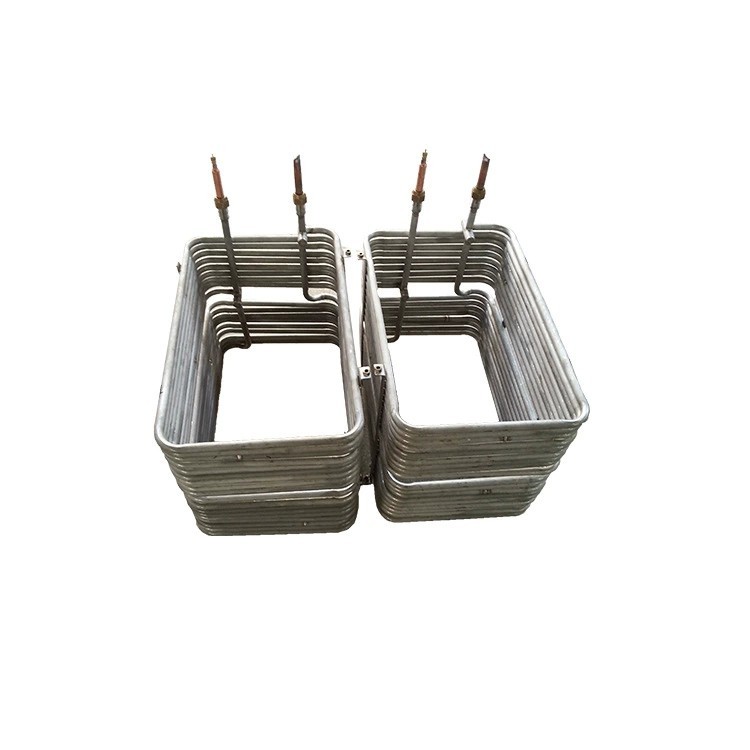
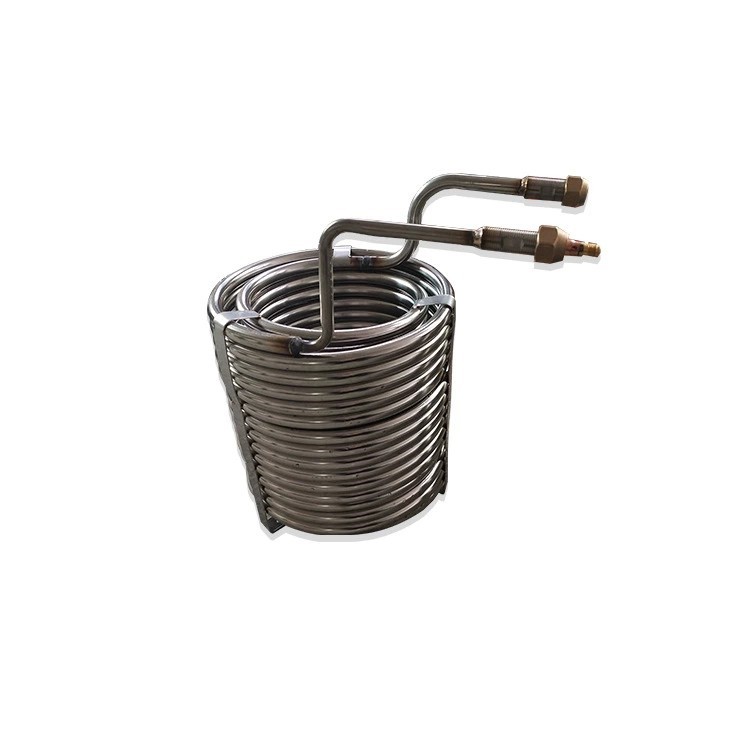
The keyword "317 stainless steel heat exchange tube" refers to a special type of stainless steel heat exchange tube. 317 stainless steel is a low carbon austenitic stainless steel that contains molybdenum, making it resistant to corrosion and pitting. It is commonly used in applications where high temperatures and corrosive environments are a concern.
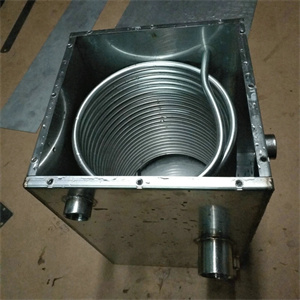
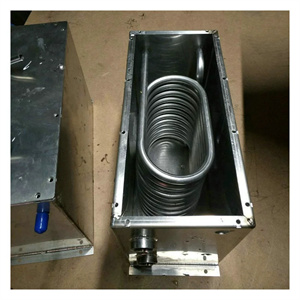
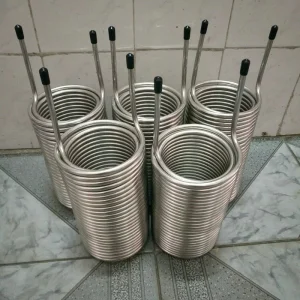
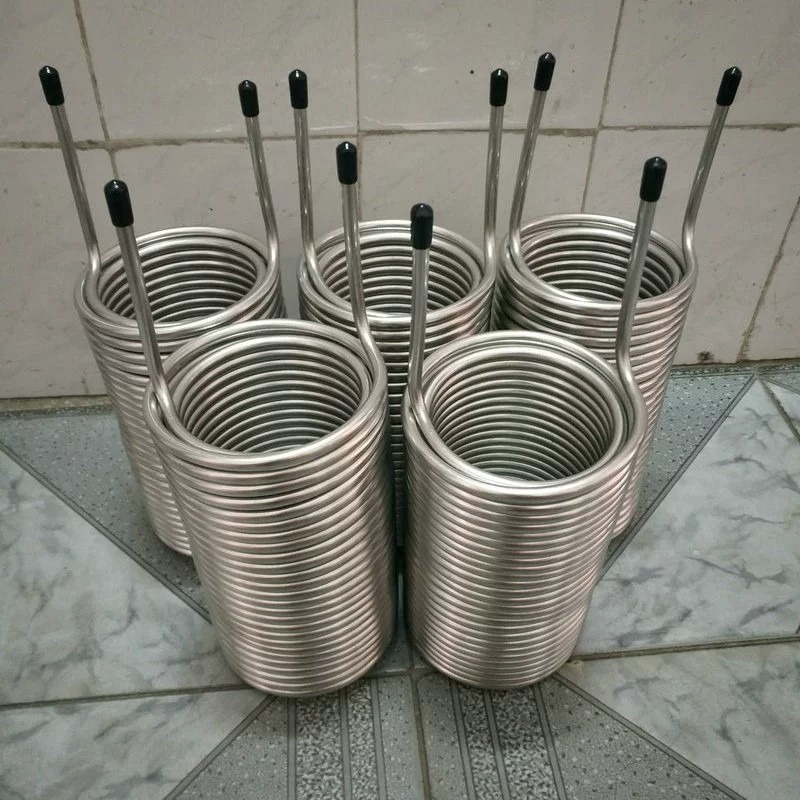
Heat exchanger tubes are used to transfer heat between two fluids or gases, usually in a heat exchanger. A heat exchanger is a device that transfers heat between two fluids without allowing them to mix. Heat exchanger tubes are usually made of corrosion-resistant materials, such as stainless steel, to withstand the corrosive action of the fluid being transferred.
317 stainless steel heat exchange tube is a high performance heat exchange tube suitable for applications where corrosive fluids or high temperatures are present. It is commonly used in chemical and petrochemical processing, power generation and other demanding applications. 317 stainless steel heat exchanger tubes offer excellent corrosion resistance, durability, and heat transfer performance.