 Sihe Steel
Sihe Steel
Sihe Steel
Engineered for high-purity semiconductors, biopharmaceuticals, and tropical marine installations across the Singapore Straits.
As a global maritime gateway, biopharmaceutical hub, and semiconductor manufacturing powerhouse, Singapore sets strict metallurgical and surface-finish standards for fluid delivery infrastructure.
Singapore's tropical marine environment features high humidity and elevated saline atmospheric conditions. Crucial maritime assets operating along the Jurong and Tuas shorelines demand AISI 316 stainless steel with a minimum molybdenum content of 2.0%. This element forms an active-passive barrier against pitting and crevice corrosion, preventing costly operational failures in offshore exploration and marine heat exchangers.
Woodlands and Tampines wafer fabrication plants require Ultra-High Purity (UHP) gas lines. Standard mechanical polishing is insufficient; instead, electropolishing (EP) is used to achieve a mirror finish of Ra ≤ 0.13 μm. This flat microstructure prevents molecular entrapment, limits the accumulation of micro-particles, and ensures the uncompromised yield of delicate semiconductor chips.
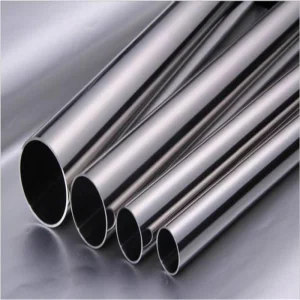
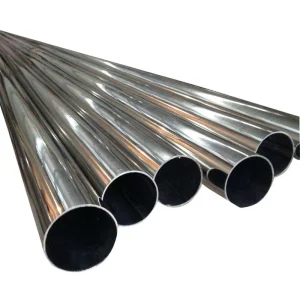
The Tuas Biomedical Park accommodates global pharma giants relying on high-purity fluid transfer tubes. ASME BPE certified 316L (low carbon) stainless steel polishing tubes are mandatory here. The smooth internal surfaces prevent microbial colonization and bio-film formation, facilitating Clean-in-Place (CIP) and Steam-in-Place (SIP) operations under strict Singapore Health Sciences Authority (HSA) guidelines.
Reliable technical parameters driving performance in critical applications.
Polishing stainless steel is more than an aesthetic enhancement; it is a critical process that modifies surface chemistry, alters microstructure, and optimizes fluid dynamics. In high-purity industries, selecting the right polishing methodology directly influences corrosion resistance and cleanability.
| Polishing Method | Surface Roughness (Ra) | Key Process Mechanism | Primary Industrial Application |
|---|---|---|---|
| Mechanical Polishing (MP) | 0.4 μm – 0.8 μm | Abrasive belts and wheels remove surface peaks, creating a uniform, lined grain direction. | General HVAC, decorative architecture, clean utility systems, and outer tube protection. |
| Bright Annealing (BA) | 0.25 μm – 0.5 μm | Heat-treated in a controlled hydrogen atmosphere to prevent oxidation, retaining a reflective cold-rolled finish. | Automotive fuel lines, hydraulic control lines, and industrial instrumentation systems. |
| Electropolishing (EP) | 0.1 μm – 0.25 μm | Anodic dissolution electrochemically dissolves microscopic peaks, enriching chromium in the surface layer. | Semiconductor gas lines, pharmaceutical active pharmaceutical ingredient (API) transport, and UHP gas distribution. |
During the electropolishing process, iron atoms are preferentially dissolved from the stainless steel matrix, leaving behind a highly dense chromium oxide film (Cr2O3). In the Singapore market, projects regulated by the Public Utilities Board (PUB) or global engineering consultants often specify a Cr/Fe ratio of 1.5 or higher. This layer provides corrosion protection by preventing chloride ions from initiating pitting on the metal surface.
A rough surface has microscopic valleys that act as nesting sites for bacterial spores and particulate contaminants. Mechanical polishing removes bulk material but can leave microscopic tears and embedded abrasives. Electropolishing, by contrast, removes these defects to yield a smooth profile that prevents microbial adhesion, ensuring rapid cleaning and disinfection cycles in sterile environments.
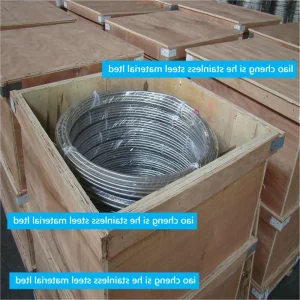
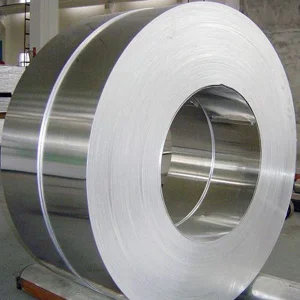
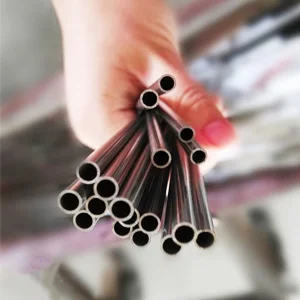
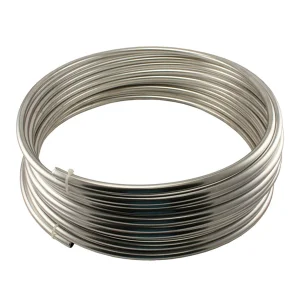
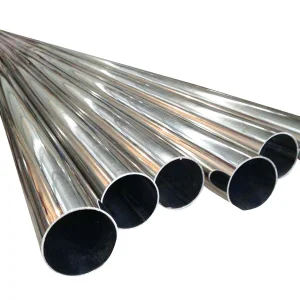
Liaocheng sihe stainless steel material LTD is a leading expert in the design, development, and manufacture of high-quality stainless steel coiled tubes, stainless steel polishing tubes, and stainless steel seamless coiled tubing. Utilizing six advanced production lines and adhering to strict international manufacturing standards including GB, ASTM, ASME, JIS, and EN, our mill guarantees consistency in metallurgy and dimensions.
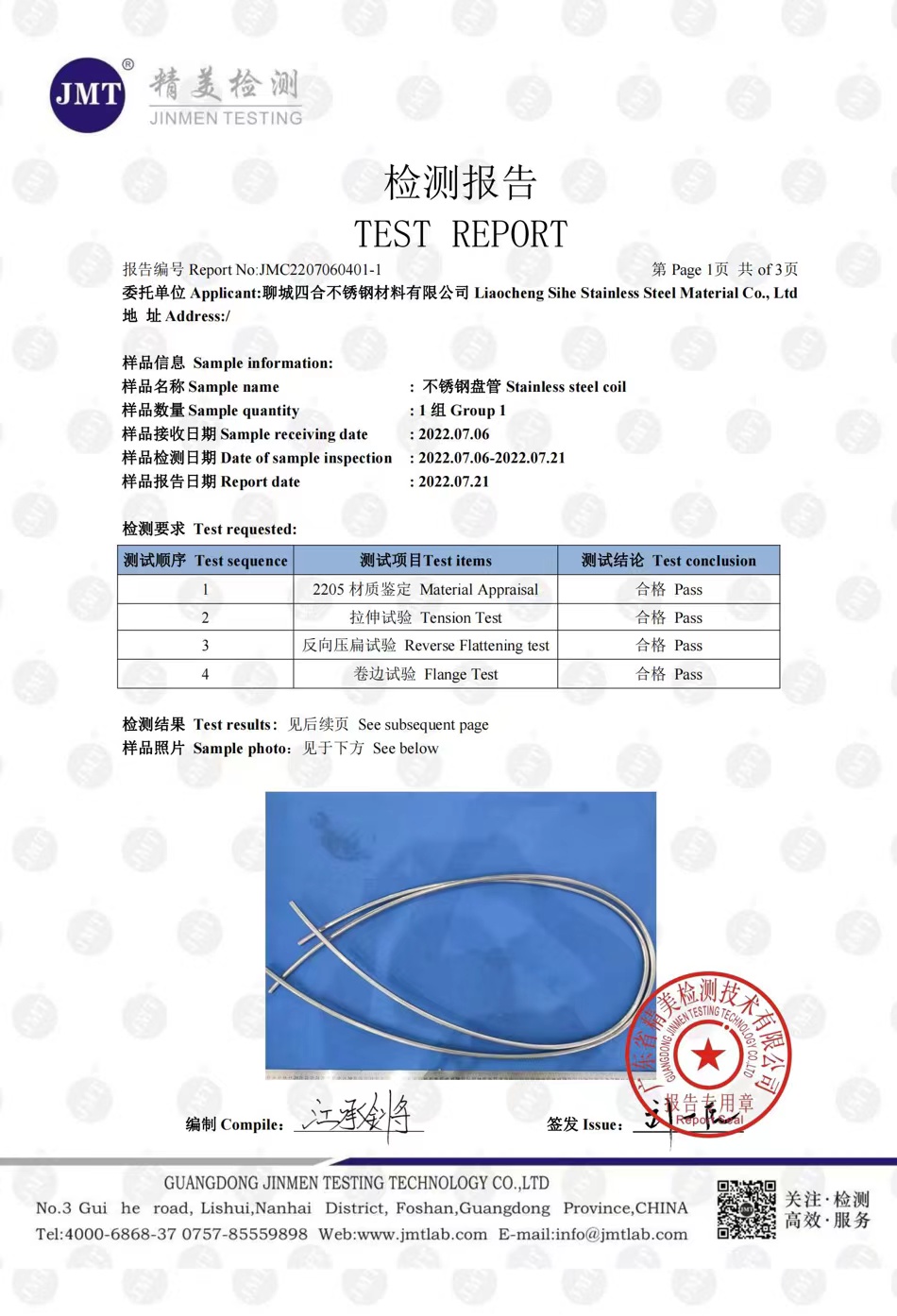
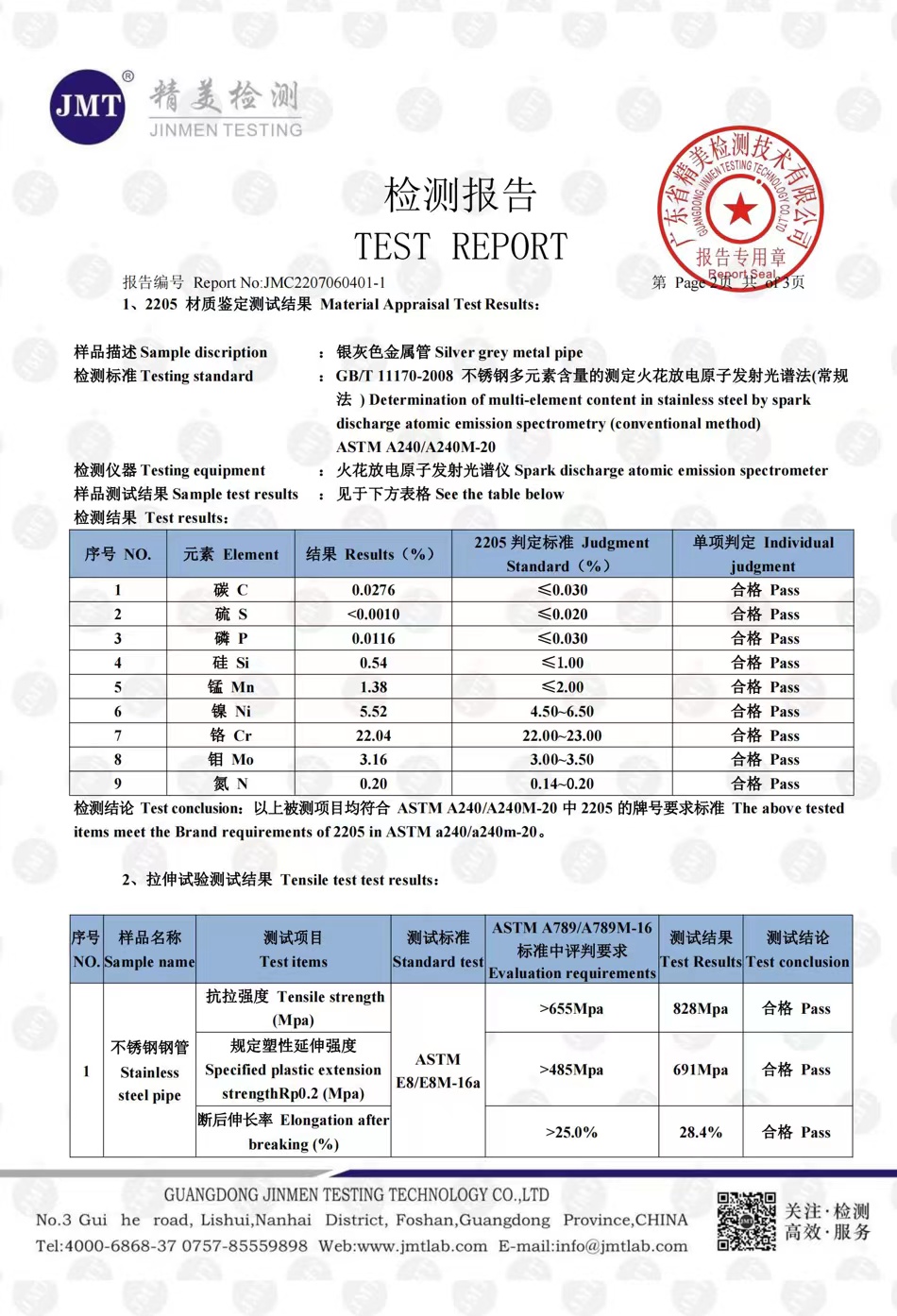
Our comprehensive material options range from classic austenitic grades (304/304L, 316/316L, 321, 317L, 309S, 310S) to high-performance Duplex 2205, Super Duplex 2507, and nickel-based superalloys (Incoloy 800, Incoloy 825, Inconel 625). With over a decade of continuous research, we lead in deep offshore engineering, pharmaceutical biotechnology, solar energy, rail transit, and aerospace applications.
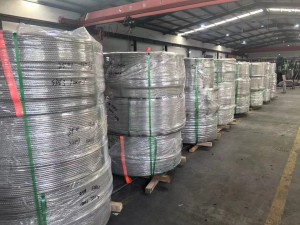
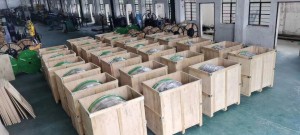
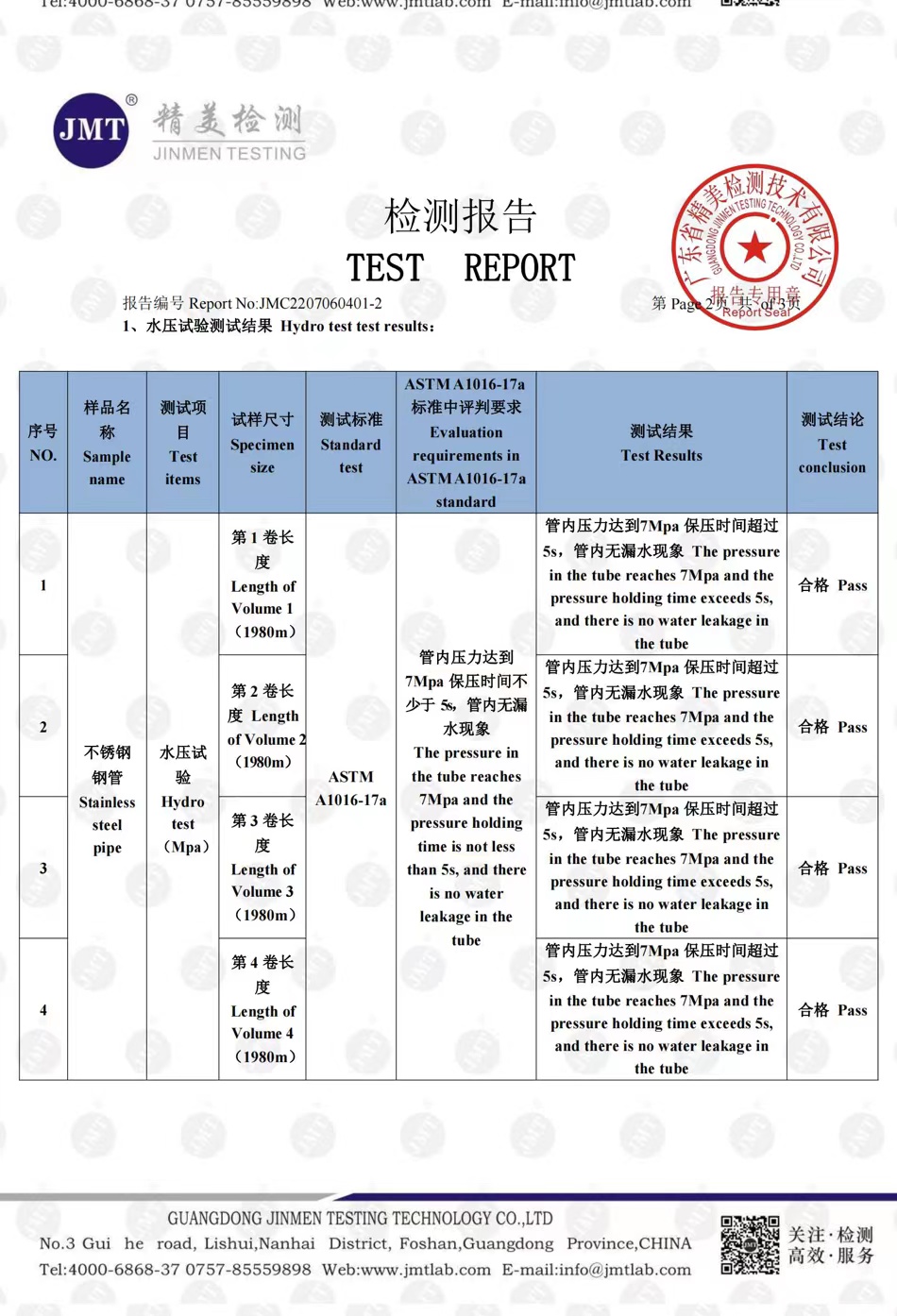
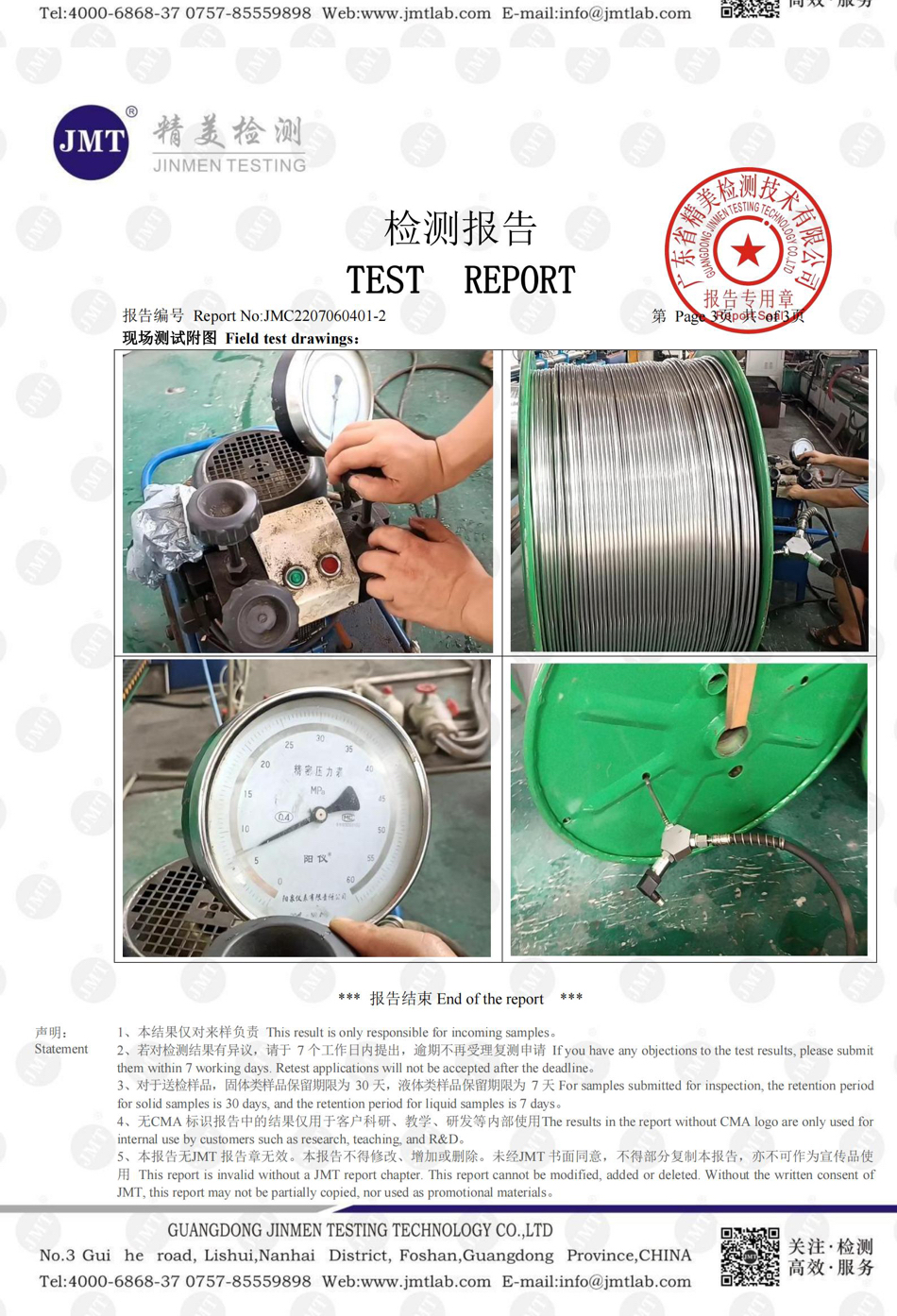
To ensure superior material ductility and structural integrity, we utilize an advanced bright annealing process with an online protective hydrogen atmosphere. This eliminates oxidation scales, maintaining a clean surface both internally and externally. We support this with rigorous testing protocols, including pneumatic and hydrostatic pressure tests, flaring and flattening diagnostics, 100% hardness inspections, and tensile tests. These measures ensure our coiled tubes handle pressure limits up to 10,000 meters in length without leaks.
In the era of fluctuating raw material costs and volatile shipping timetables, Singaporean developers and procurement executives require agility, scalability, and absolute quality assurance.
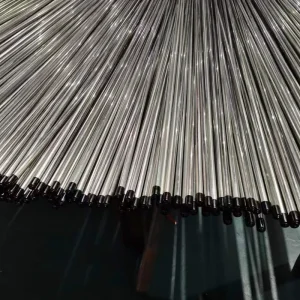
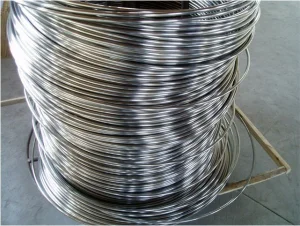
By manufacturing continuous seamless coiled tubes up to 10,000 meters in length, we minimize orbital butt-welding joints. Fewer welds mean fewer potential leakage points, lower non-destructive testing (NDT) expenditures, and reduced installation labor costs in Singapore shipyards and subsea installations.
Located near major Chinese maritime shipping corridors, our logistics network provides expedited transit to Singapore. Bulk cargo or standard container shipments reach the Port of Singapore within 7 to 10 days, maintaining smooth, just-in-time inventory flows for critical projects.
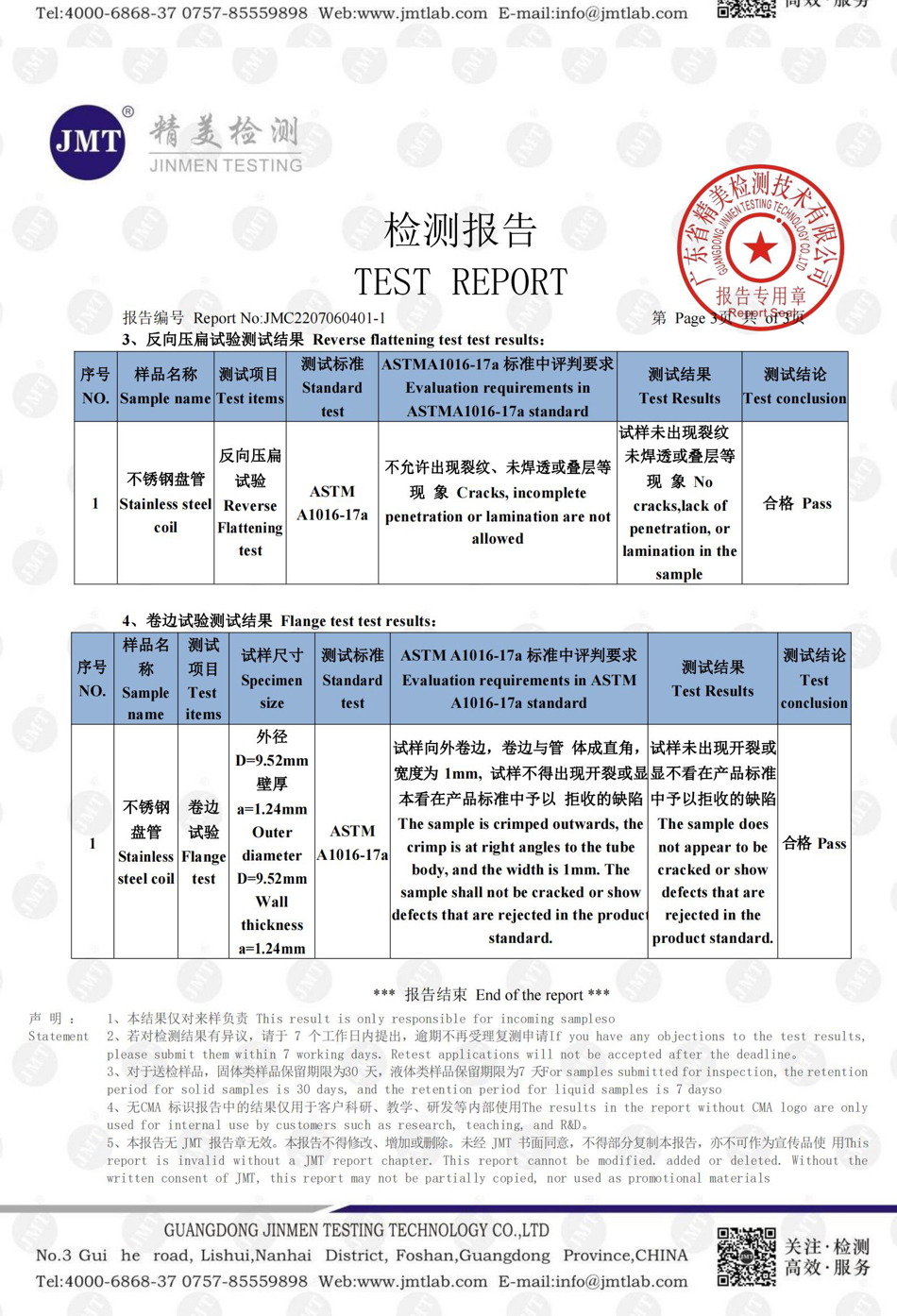
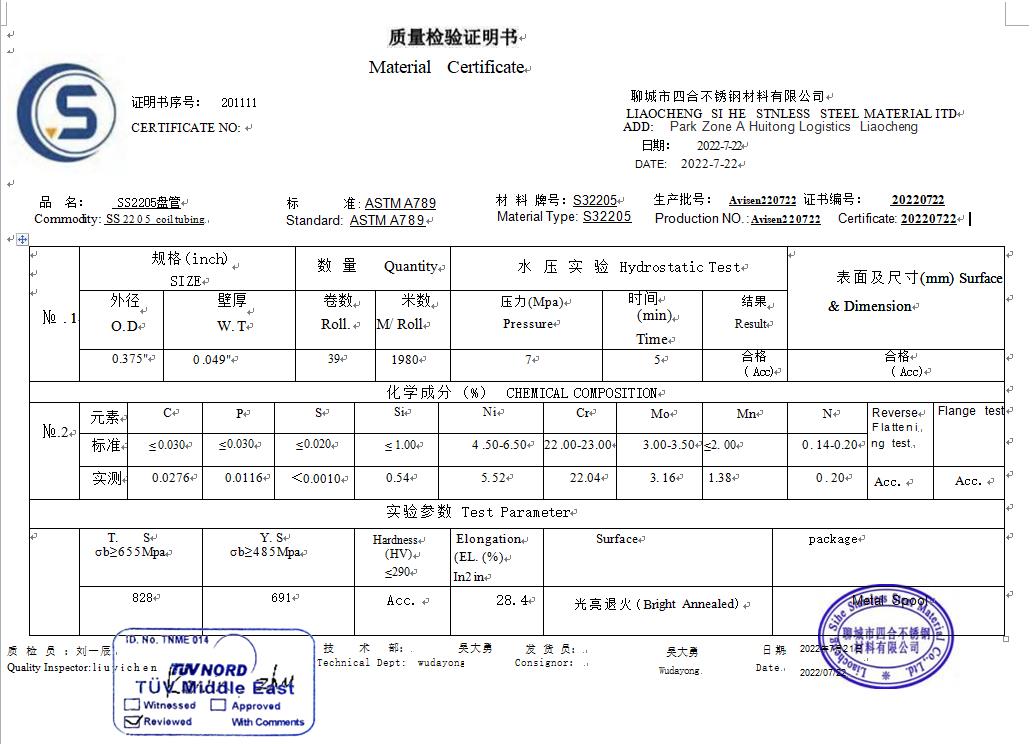
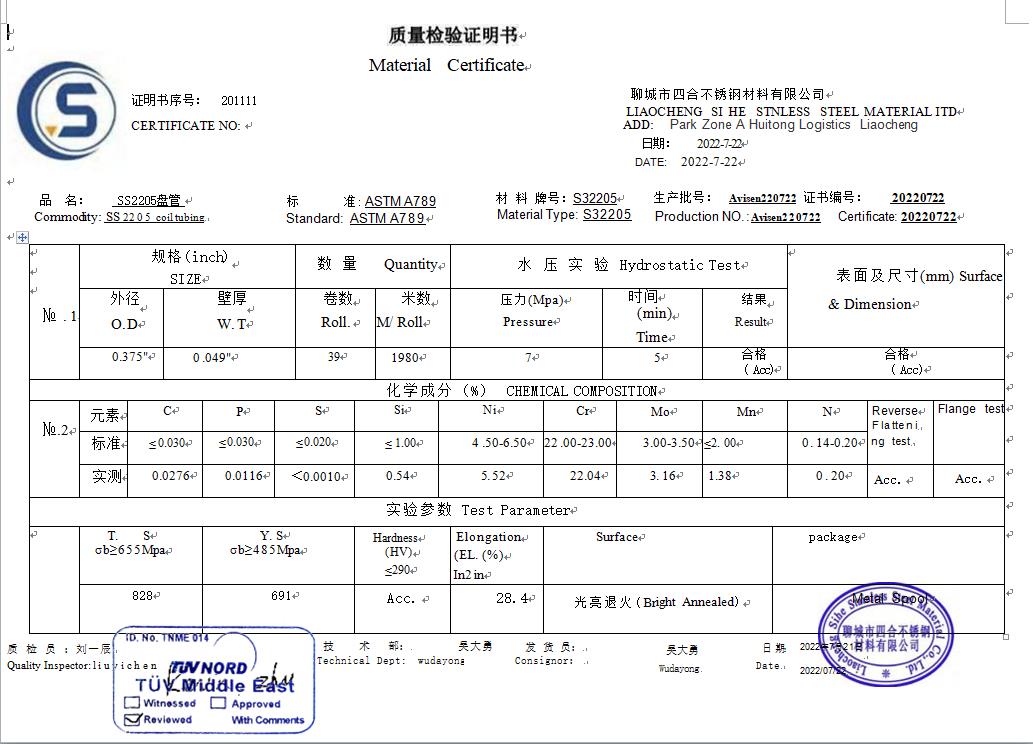
Every batch leaves our mill with an original Mill Test Certificate (MTC) conforming to EN 10204 3.1. We verify elemental limits (such as nickel, molybdenum, and carbon contents) and mechanical properties, ensuring complete compliance with the requirements of Singaporean QA/QC inspectors.
Providing tailored metallurgical engineering for varied industrial operations.
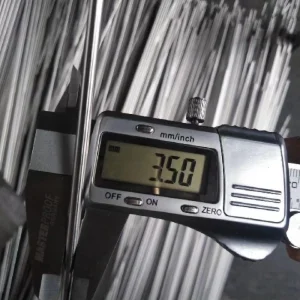
We support various materials (including 304, 316L, and Duplex 2205) and custom specifications, covering diameters from 6.35mm up to 19mm for stainless steel coils.
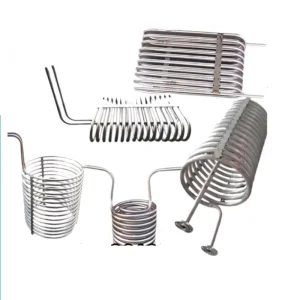
Our capabilities include precision bending, spiral forming, and precision drawing, delivering bespoke heat exchanger and condenser tube configurations.
We utilize laser cutting, high-speed mechanical cutting, and flame cutting systems to ensure precise, burr-free end preparation.
We develop high-purity electropolished, mechanically polished, and chemically passivated inner and outer surfaces.
Our custom flanging is ideal for automotive exhaust networks, chemical pipeline manifolds, and high-pressure instrument couplings.
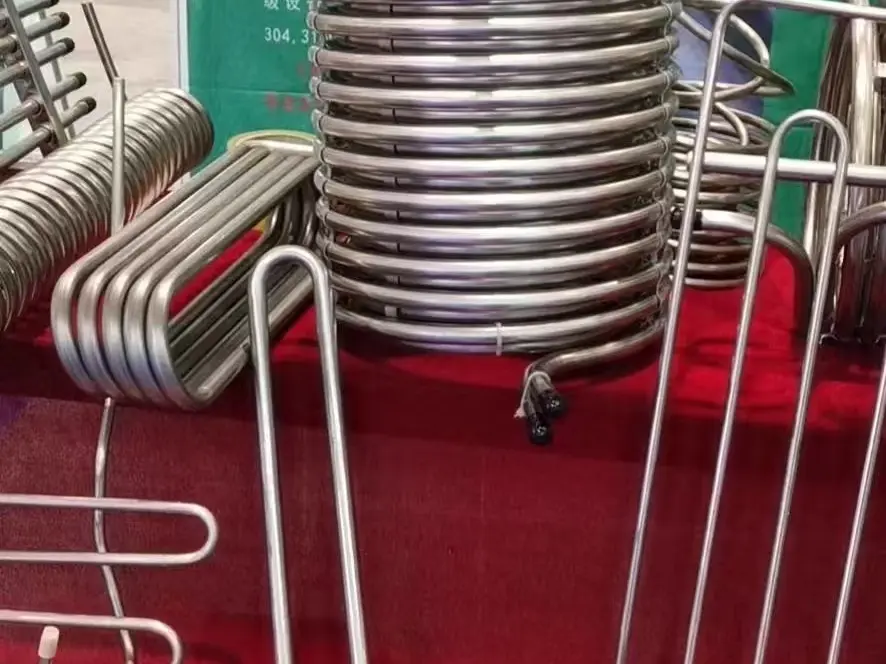
Corrosion-resistant tubing optimized for industrial thermal transfer systems.
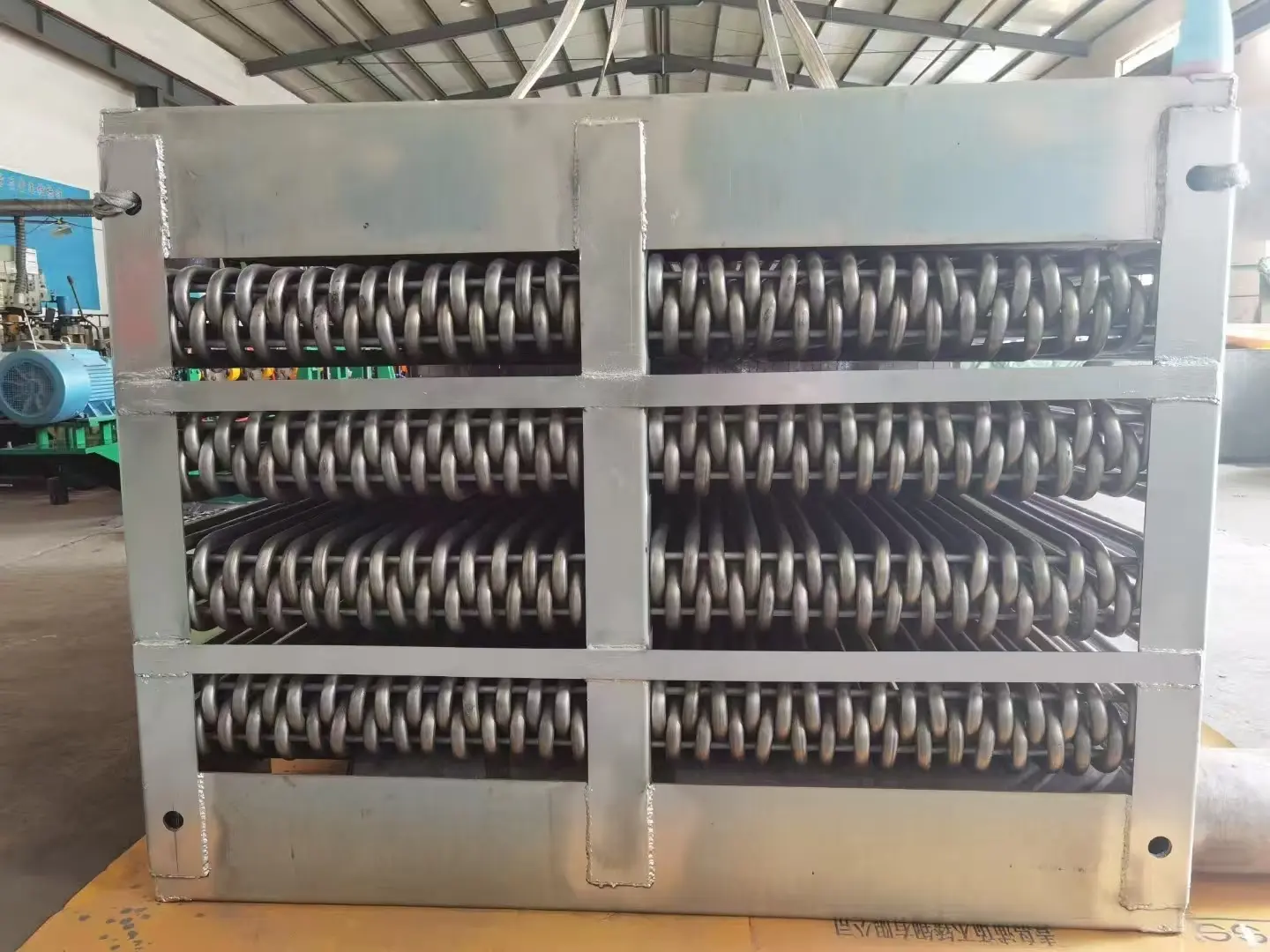
Flexible seamless coiled tubing designed for high-pressure refrigerant containment.
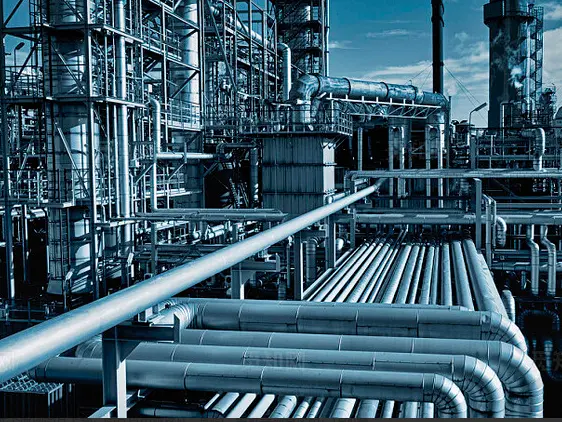
Alloy tubes designed to withstand aggressive acids and elevated process temperatures.
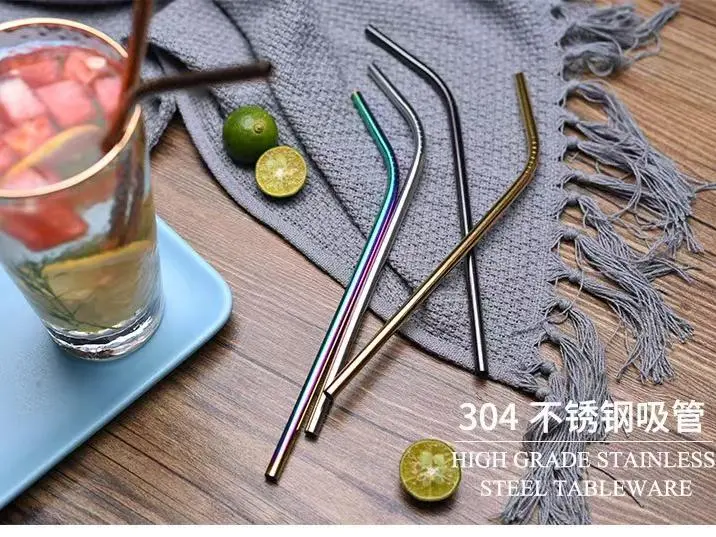
FDA-compliant polished stainless steel tubes for sanitary food processing systems.
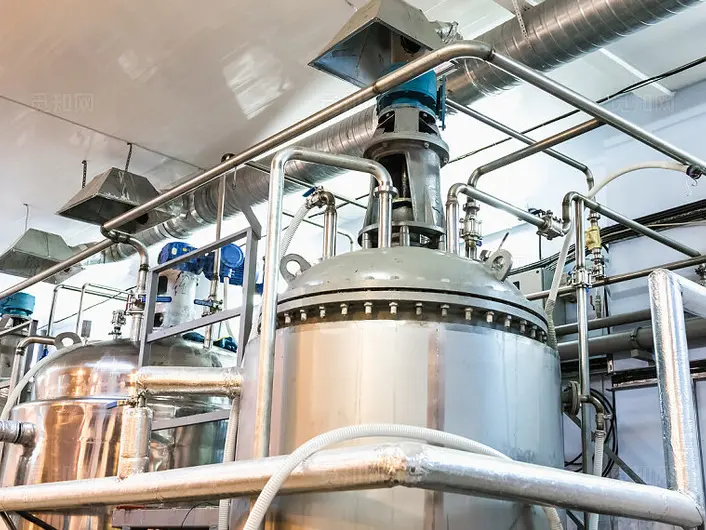
Ultra-smooth electropolished inner surfaces that prevent bacterial contamination.
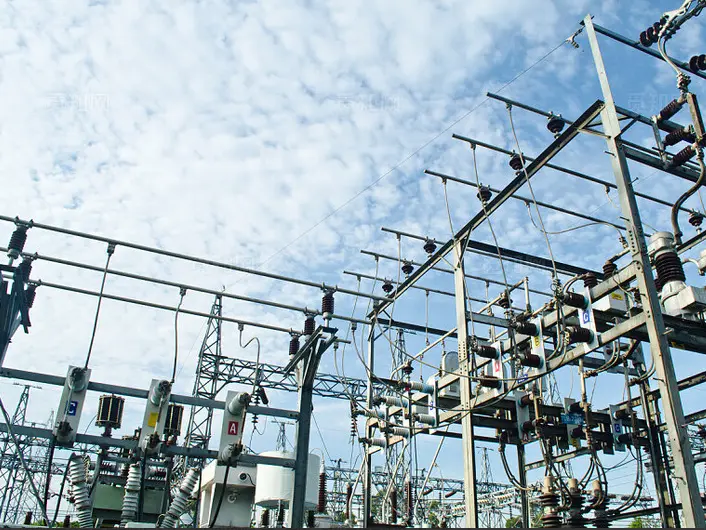
High-integrity alloy piping for high-temperature steam utility lines.
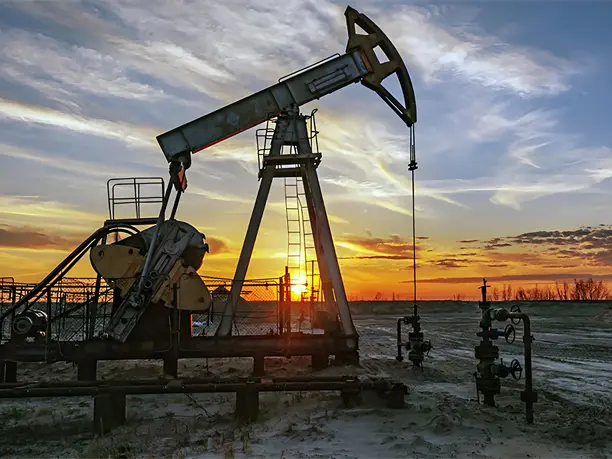
High-integrity piping systems designed for aggressive oil refining and processing environments.
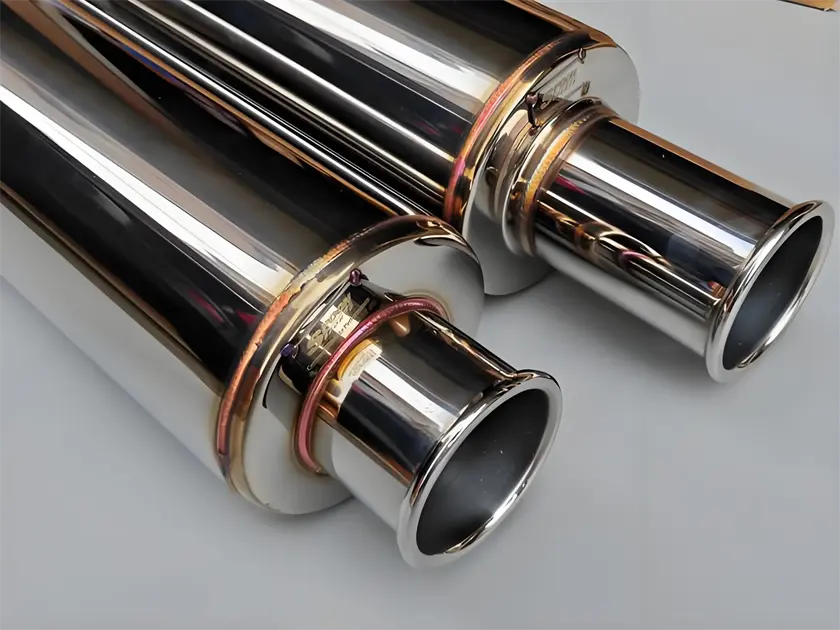
High-durability tubing solutions built to withstand extreme hydraulic pressures.
Mill operations comply with strict regulatory frameworks, ensuring high product reliability.
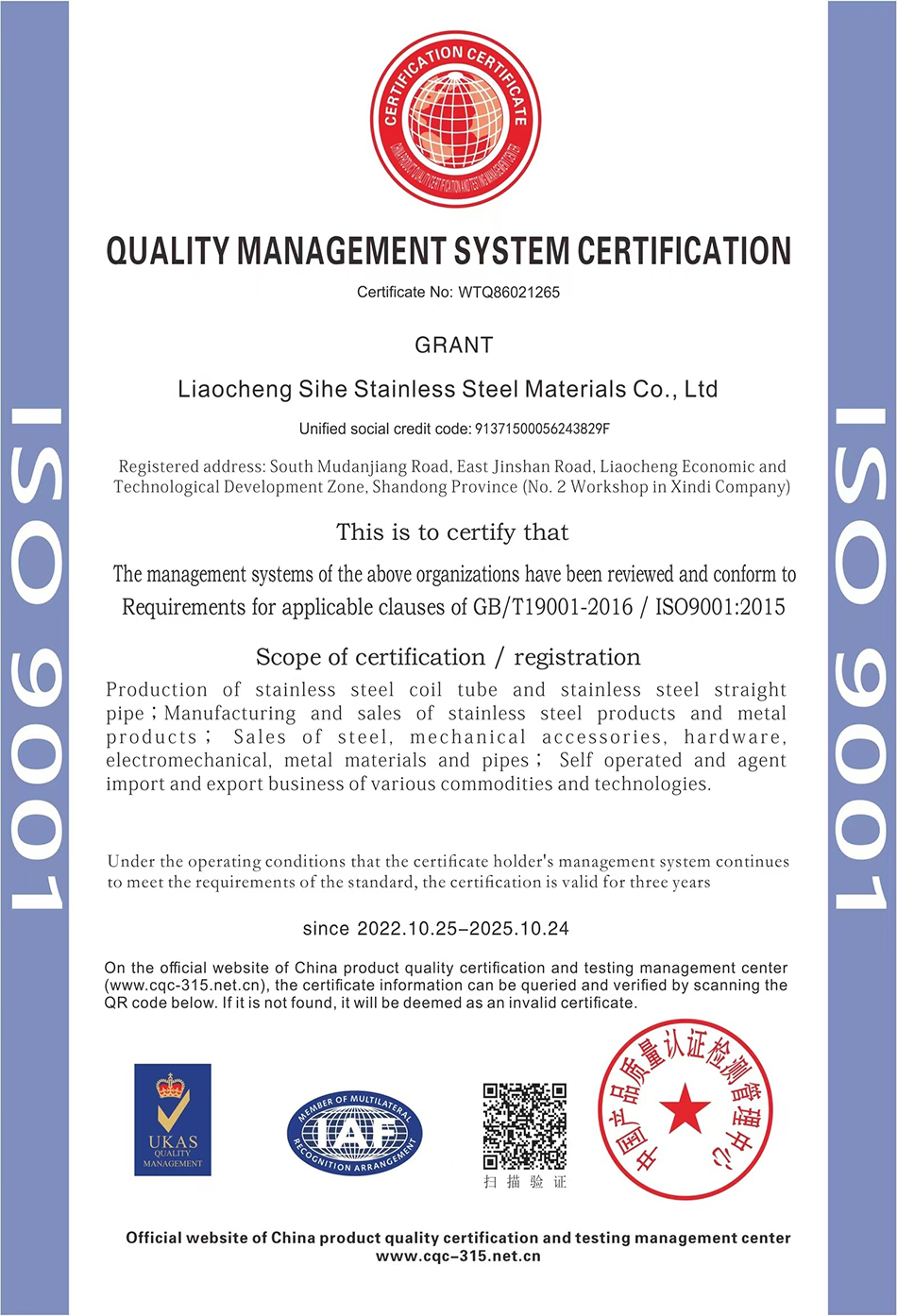
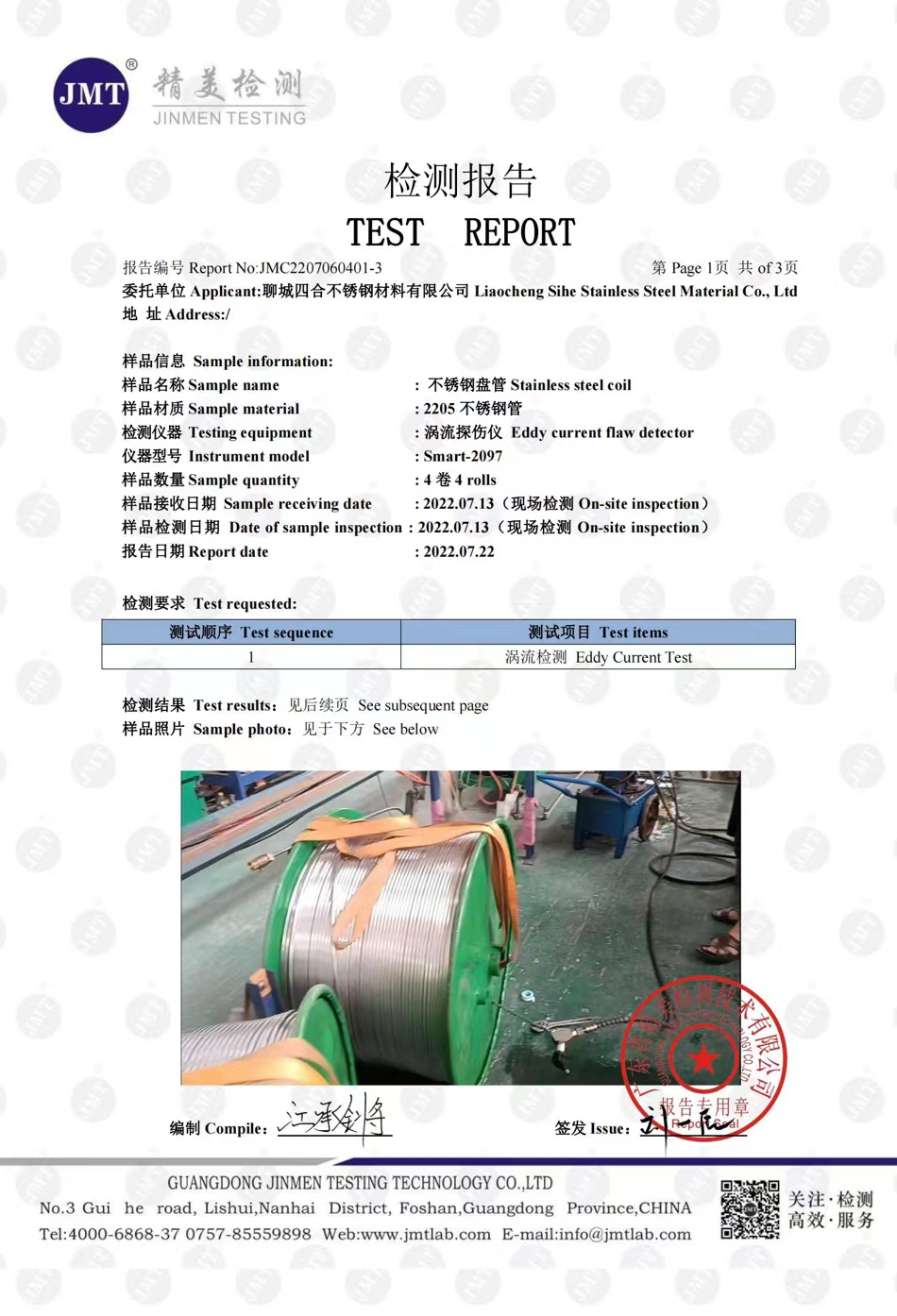
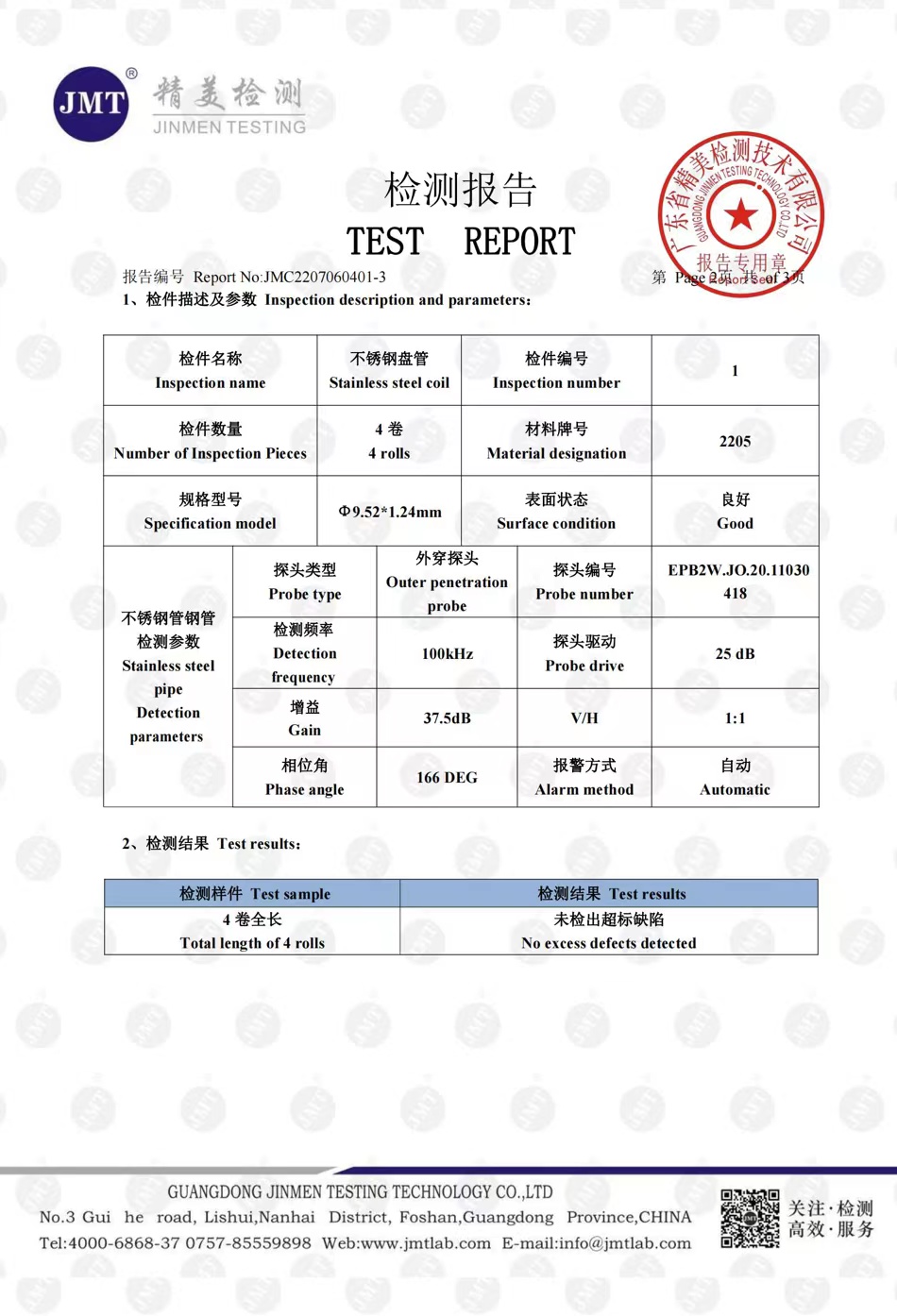
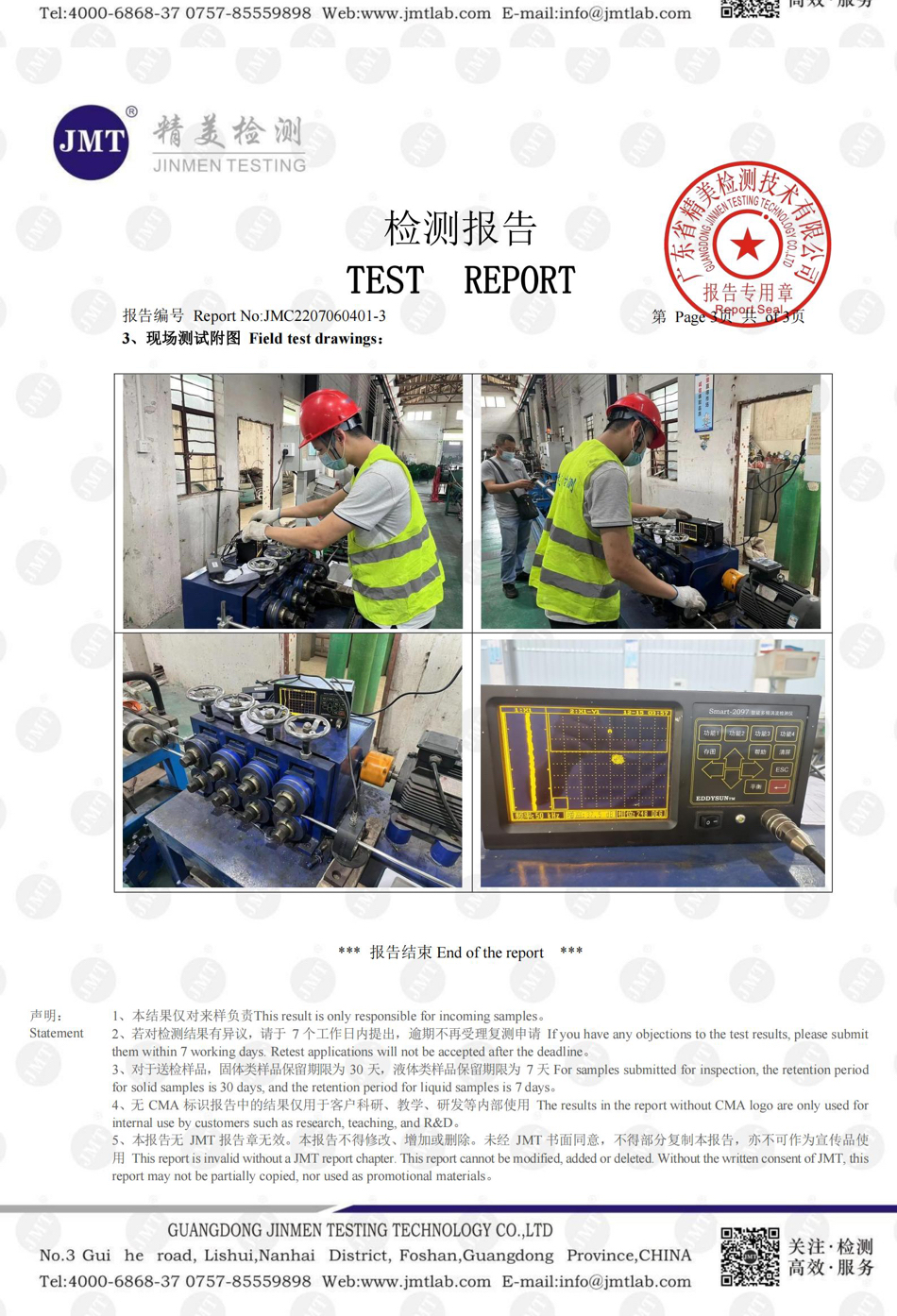
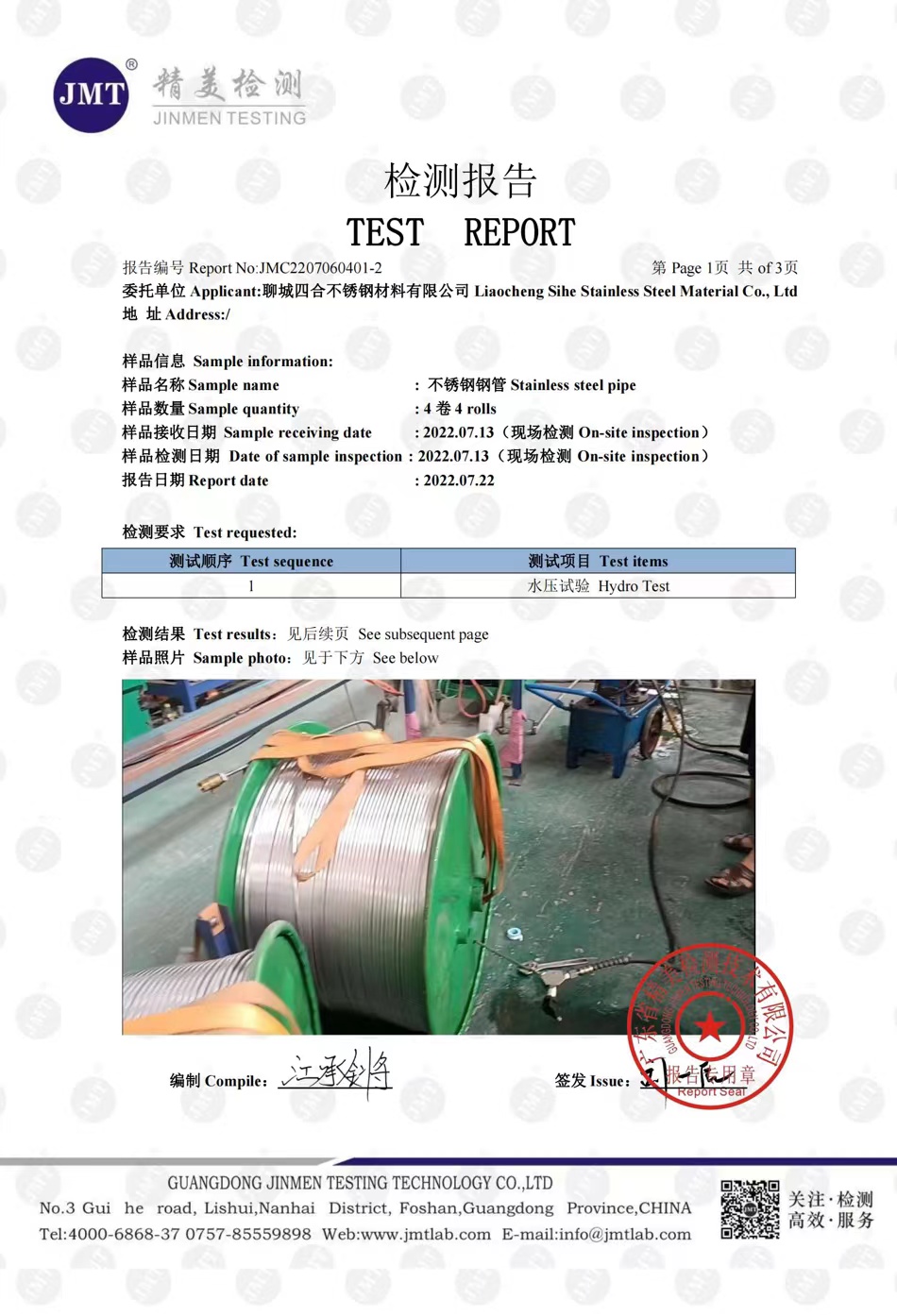
Addressing technical, pricing, and logistical questions for global engineering projects.
A full range of seamless, welded, coiled, and polished piping options designed to meet the requirements of Singapore's engineering standards.
Need customized polishing specifications or bulk mill price lists? Let's connect.
Send Inquiry Now