 Sihe Steel
Sihe Steel
Sihe Steel
High-grade duplex 2205 and critical alloy heat exchanger piping, customized for process engineering specifications in the European Union.
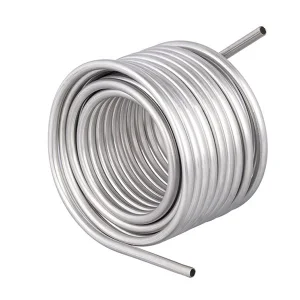
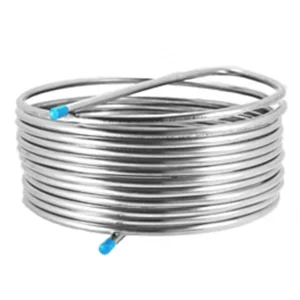
A deep technical analysis of Duplex 2205 (UNS S31803 / EN 1.4462) alloy characteristics, mechanical performance under thermal load, and process adaptability.
Duplex 2205 (UNS S31803 / EN 1.4462) is a nitrogen-enhanced duplex stainless steel designed to address common corrosion challenges associated with standard 300-series austenitic steels (such as 304L and 316L). The dual-phase microstructure consists of roughly equal parts of austenite and ferrite. This specific phase balance provides a superior combination of high strength and high corrosion resistance, particularly in environments containing chlorides, hydrogen sulfide, and organic acids.
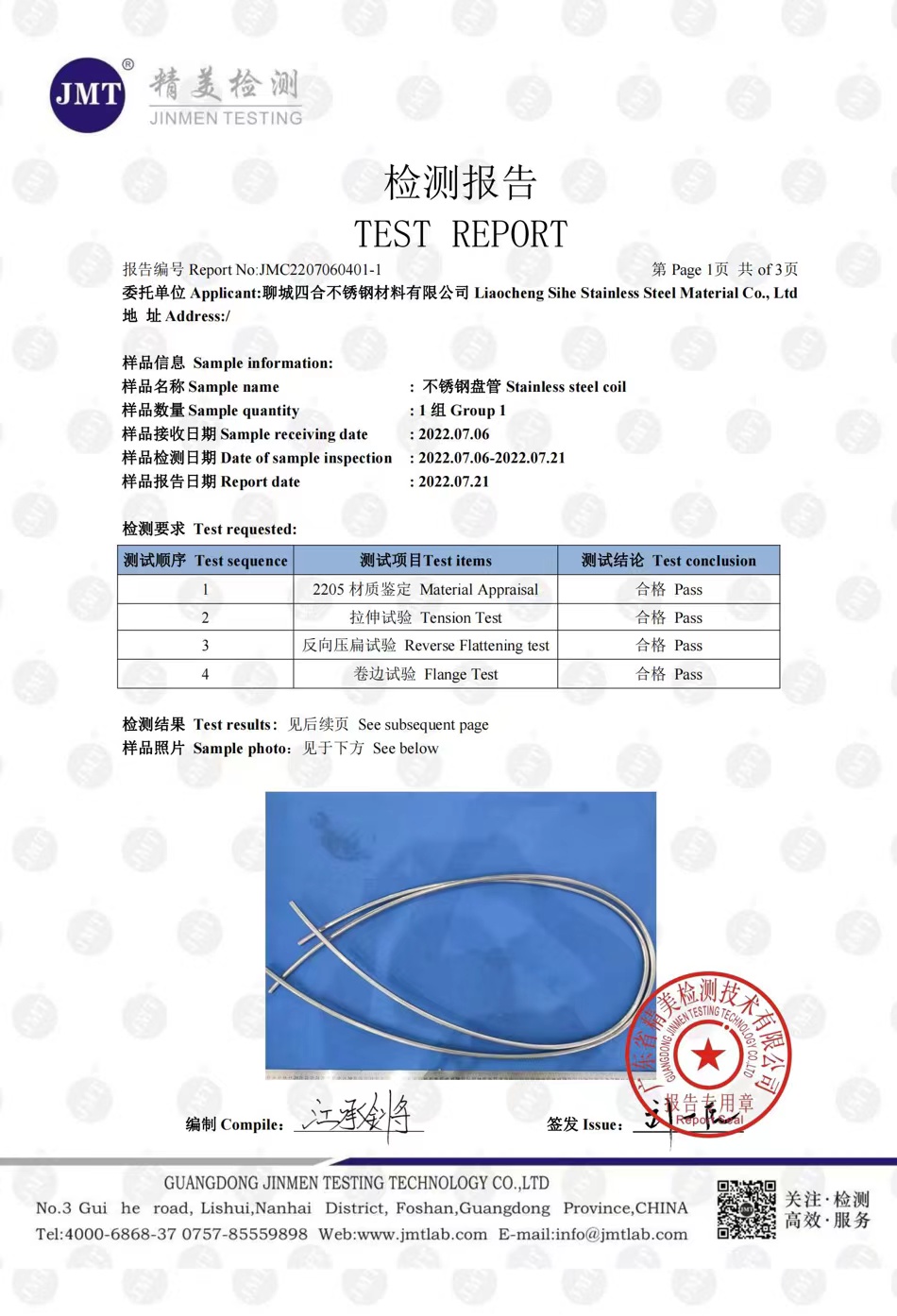
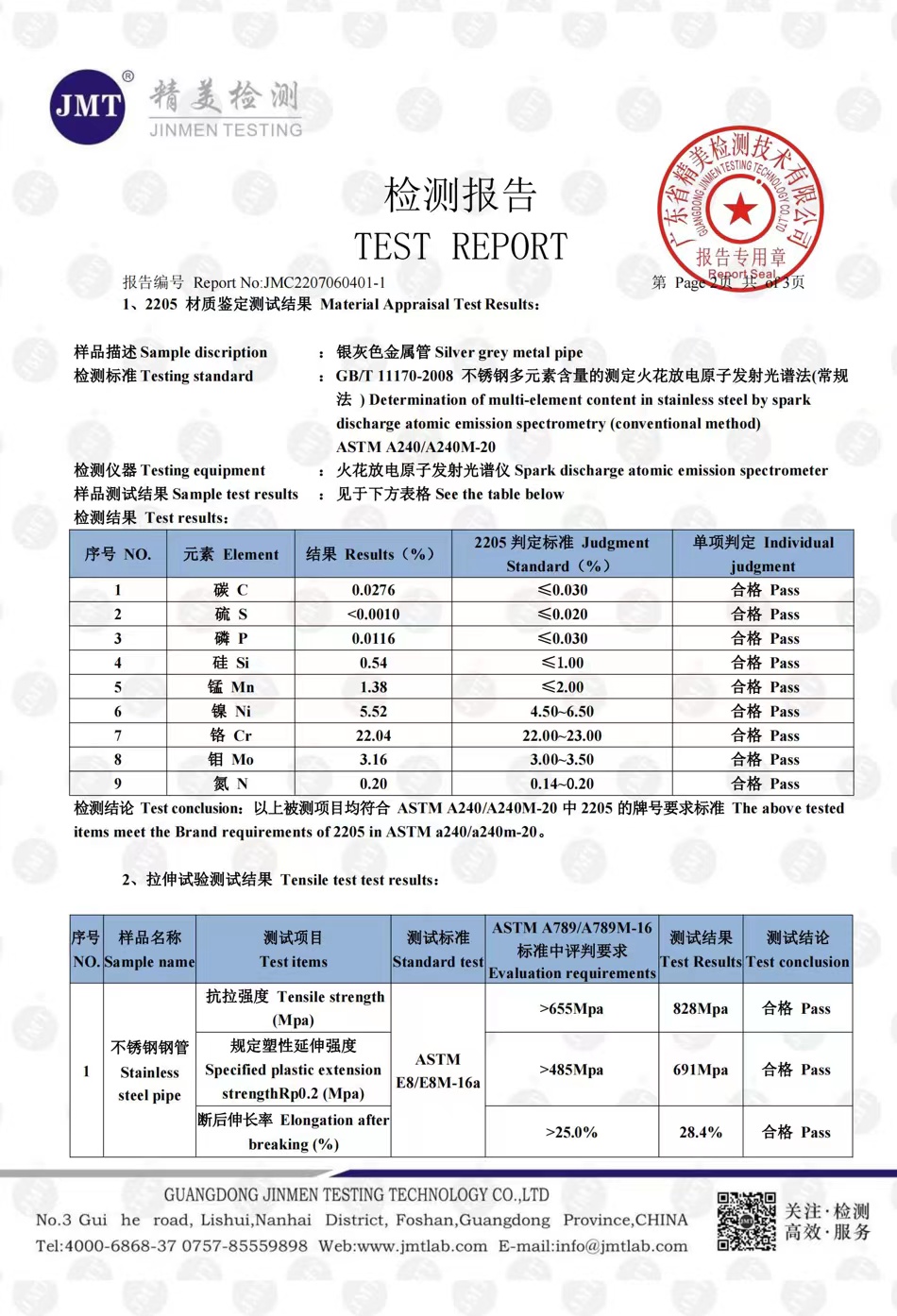
The alloy composition is optimized with 22% Chromium, 5% Nickel, 3% Molybdenum, and 0.18% Nitrogen. The inclusion of nitrogen functions as a strong interstitial strengthener and austenite stabilizer, boosting the yield strength to twice that of conventional austenitic grades. This mechanical advantage allows engineers designing heat exchangers to specify thinner wall tubing, resulting in lighter systems, improved thermal transmission efficiency, and lowered structural manufacturing costs.
| Chemical Element | Chromium (Cr) | Nickel (Ni) | Molybdenum (Mo) | Nitrogen (N) | Carbon (C) | Iron (Fe) |
|---|---|---|---|---|---|---|
| Weight Percentage (%) | 21.0 - 23.0 | 4.5 - 6.5 | 2.5 - 3.5 | 0.08 - 0.20 | ≤ 0.030 | Balance |
The corrosion performance of heat exchanger pipes in process loops is determined by the Pitting Resistance Equivalent Number (PREN). Calculated using the formula PREN = %Cr + 3.3%Mo + 16%N, Duplex 2205 consistently scores above 35. By comparison, standard 316L averages a PREN of 23-25. This significant difference translates to superior resistance to localized chloride attack (pitting and crevice corrosion) inside tubes carrying brackish water, chemical solutions, or cooling fluids.
Stress Corrosion Cracking (SCC) is a common failure mechanism in standard austenitic stainless steel heat exchangers exposed to tensile stresses in warm chloride-bearing solutions (above 60°C). Thanks to its ferritic phase component, Duplex 2205 is structurally resistant to chloride-induced SCC, making it a reliable choice for long-term cooling circuits, condensors, and process chemical heat transfer units.
Integrating duplex materials into industrial thermal systems requires careful consideration of physical and mechanical characteristics. The high tensile strength of UNS S31803 (minimum yield strength of 450 MPa) allows for higher design pressures and thinner tube walls compared to 316L (minimum yield strength of 205 MPa). From a thermodynamic standpoint, while the thermal conductivity of Duplex 2205 is slightly lower than that of carbon steel, it is higher than that of standard austenitic steels at typical operating temperatures. Combined with thinner-wall design practices, this ensures highly efficient heat transfer performance.
How high-alloy heat transfer products align with Luxembourg’s target industrial sectors, district energy infrastructure, and environmental directives.
Luxembourg's industrial ecosystem is undergoing an extensive green and digital transition. Historically anchored by steel manufacturing giants in regions like Esch-sur-Alzette, Belval, and Differdange, the country has diversified into advanced manufacturing, chemical engineering, automotive components, and sustainable energy infrastructures. To achieve carbon-neutral operations by 2050, Luxembourgish plants are actively investing in energy efficiency systems, process heat recovery, and circular economy applications.
Within this framework, Duplex 2205 stainless steel heat exchanger pipes serve three critical development areas in Luxembourg's industrial sectors:
Luxembourg is expanding its municipal district heating networks (such as SUDCAL in the southern region). These networks capture waste heat from steel production processes and geothermal sources. Duplex 2205 exchanger pipes are ideal for the primary heat exchangers in these systems, resisting corrosion from geothermal fluids while maintaining thermal efficiency over decades of operation.
With major industrial chemical sites located in Bascharage, Wiltz, and Contern, manufacturing lines utilize process heaters and condensers to handle chemical precursors. 2205 duplex pipes provide the chemical resistance needed to handle volatile organic compounds, fatty acids, and chlorinated cooling waters, reducing maintenance downtime and process contamination risks.
Municipal wastewater treatment facilities throughout Luxembourg (such as those managed by SIDEST and SIDEN) are adopting anaerobic digestion and thermal sludge hydrolysis. These processes generate corrosive biogases containing H2S. Exchanger pipes fabricated from Duplex 2205 withstand the corrosive combined effects of high organic chlorides and sulfur compounds present in sludge-to-energy recovery loops.
Navigating compliance, EN standards, logistical routes to Luxembourg, and raw material volatility.
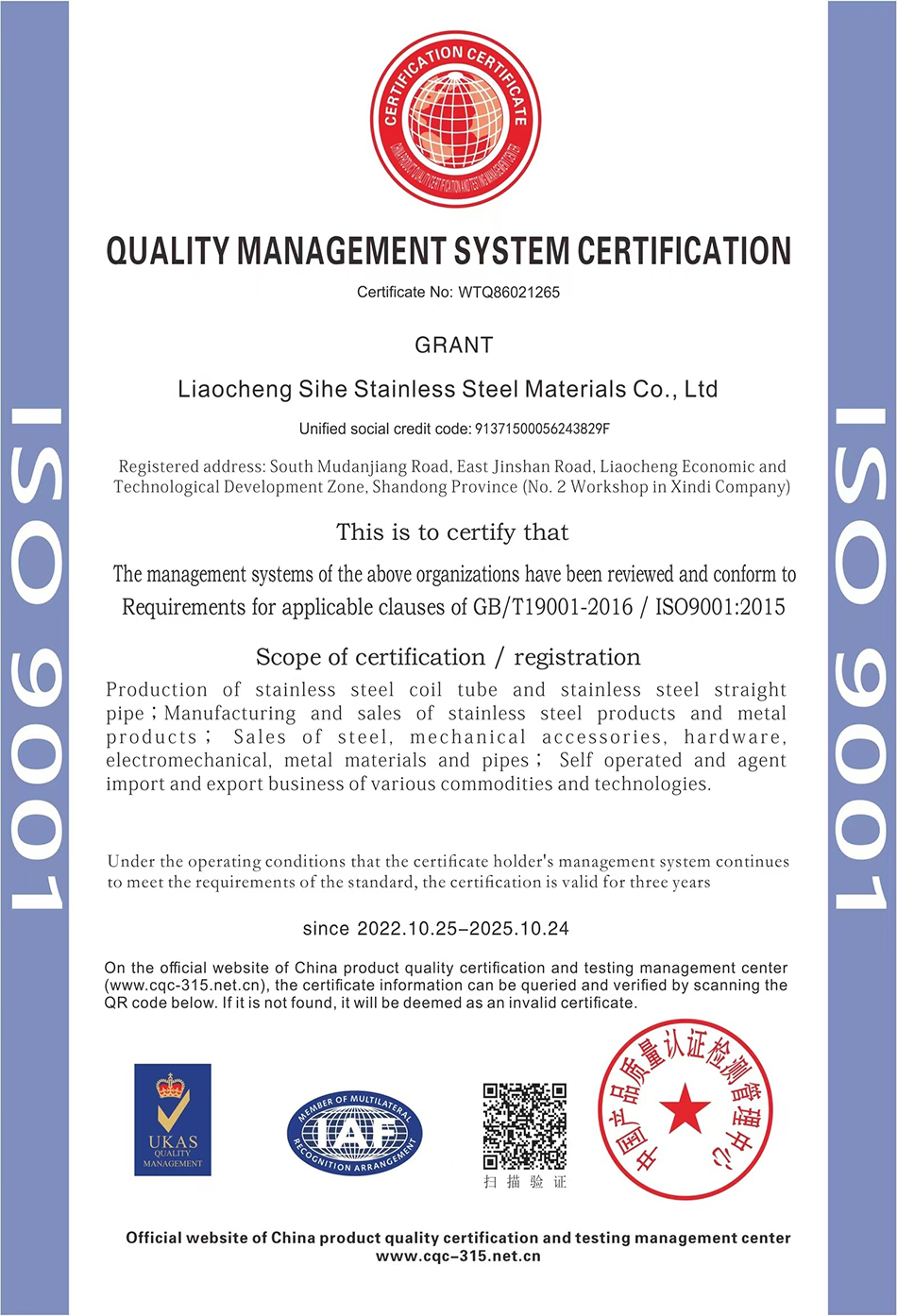
Securing high-performance piping requires strict adherence to European regulatory frameworks and material traceability rules. Under the Pressure Equipment Directive (PED) 2014/68/EU, all pressure retaining components used in European installations must carry verified certifications. Our manufacturing lines at Liaocheng Sihe operate under strict international and European quality standards, including EN 10216-5 (seamless stainless steel tubes for pressure purposes) and EN 10217-7 (welded stainless steel tubes for pressure purposes), alongside global equivalents like ASTM A789 and ASME SA789.
The global steel market experiences fluctuations driven by raw material availability, particularly LME Nickel and Molybdenum surcharges. Because duplex steels have lower nickel content than high-austenitic alloys, they offer more stable pricing, shielding projects from sudden market spikes. We manage these market dynamics through long-term volume agreements, ensuring stable pricing and predictable delivery schedules for our partners in Luxembourg.
Logistical routes from our production centers to Luxembourg are optimized to utilize major European transit hubs. Shipments arrive through the Ports of Rotterdam or Antwerp, where they are transferred via inland waterways or direct rail links to logistics terminals in Bettembourg or Dudelange. This integrated distribution chain guarantees reliable shipping schedules, complete customs documentation clearance, and short transit times for your project site.
Over a decade of manufacturing experience in stainless steel and duplex alloy coiled tubing, serving demanding global industries.
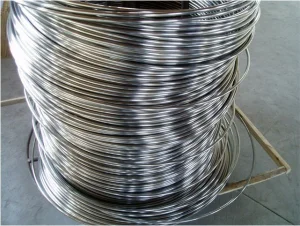
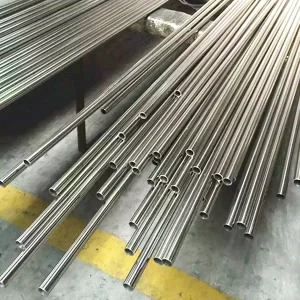
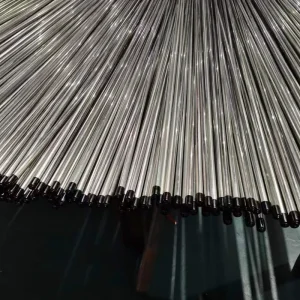
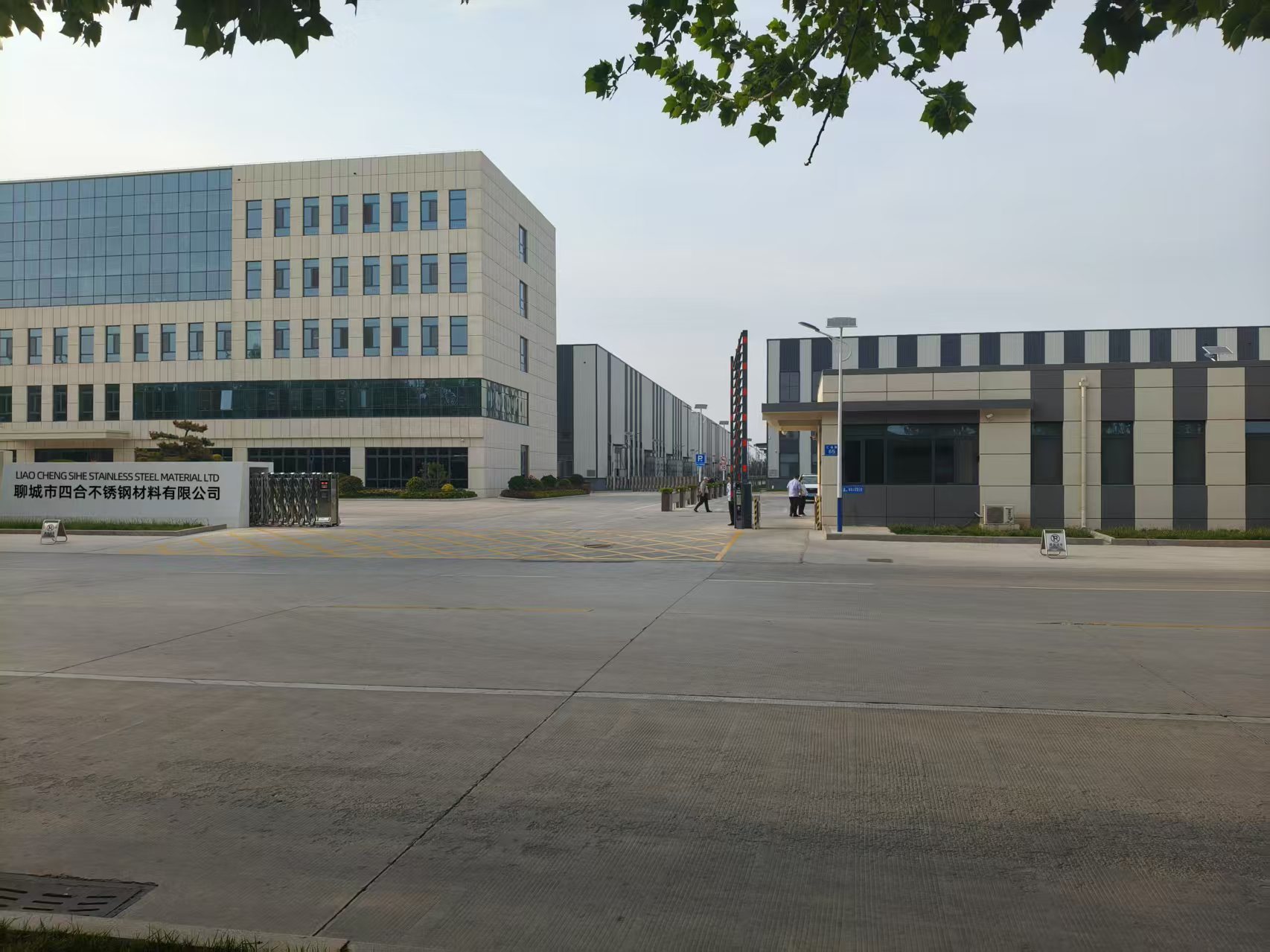
Liaocheng Sihe Stainless Steel Material Co., Ltd is an established manufacturer of high-quality stainless steel and duplex coiled tubing, polishing tubes, and seamless exchanger pipes. Our modern production complex is equipped with six specialized production lines, operating strictly in accordance with GB, ASTM, ASME, JIS, and EN standards. Our product catalog features austenitic steels (304/304L, 316L, 321, 317L, 309S, 310S, Incoloy 800) alongside high-performance Duplex 2205, Super Duplex 2507, Incoloy 825, and Inconel 625 alloys.
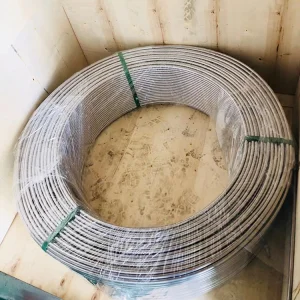
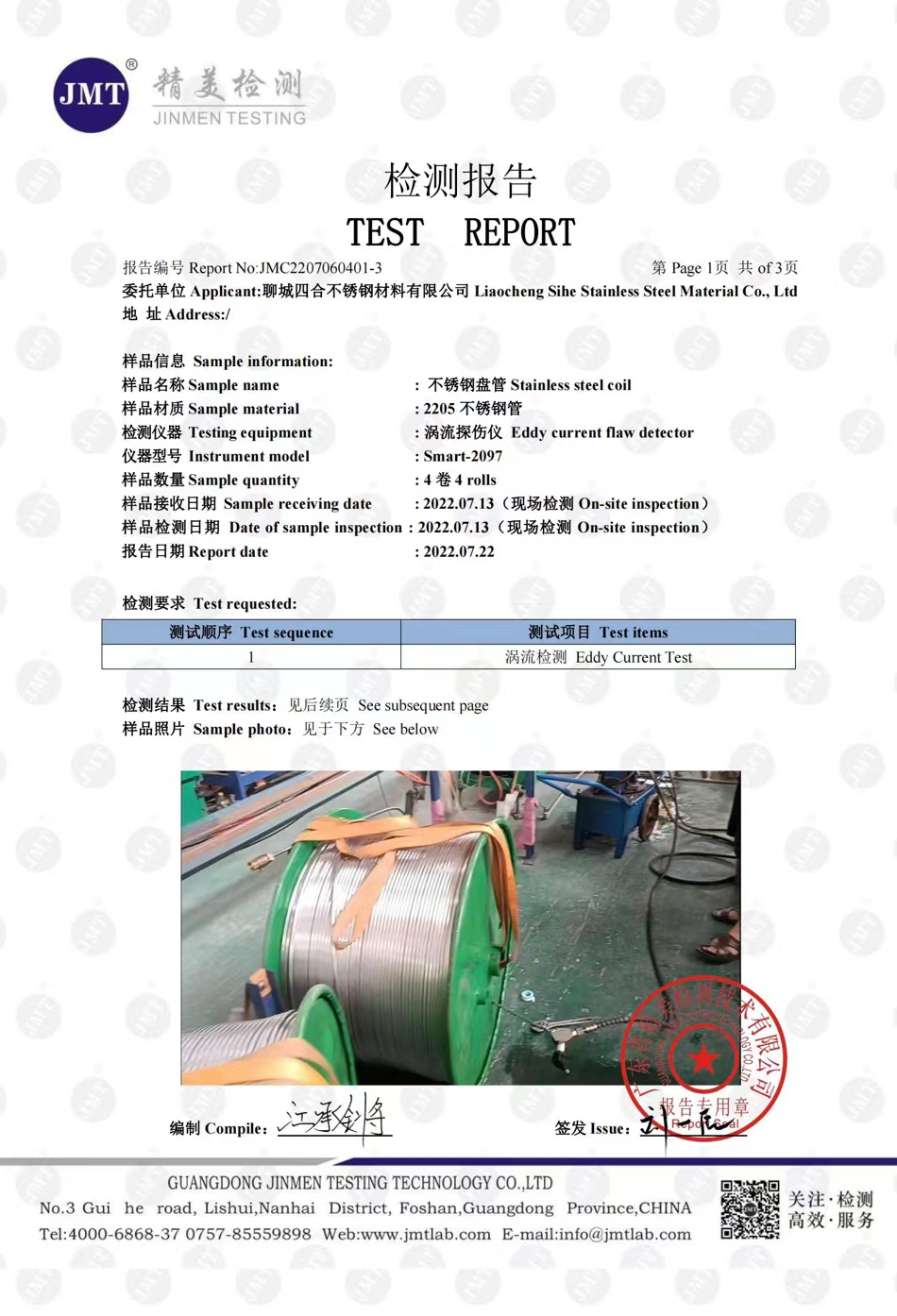
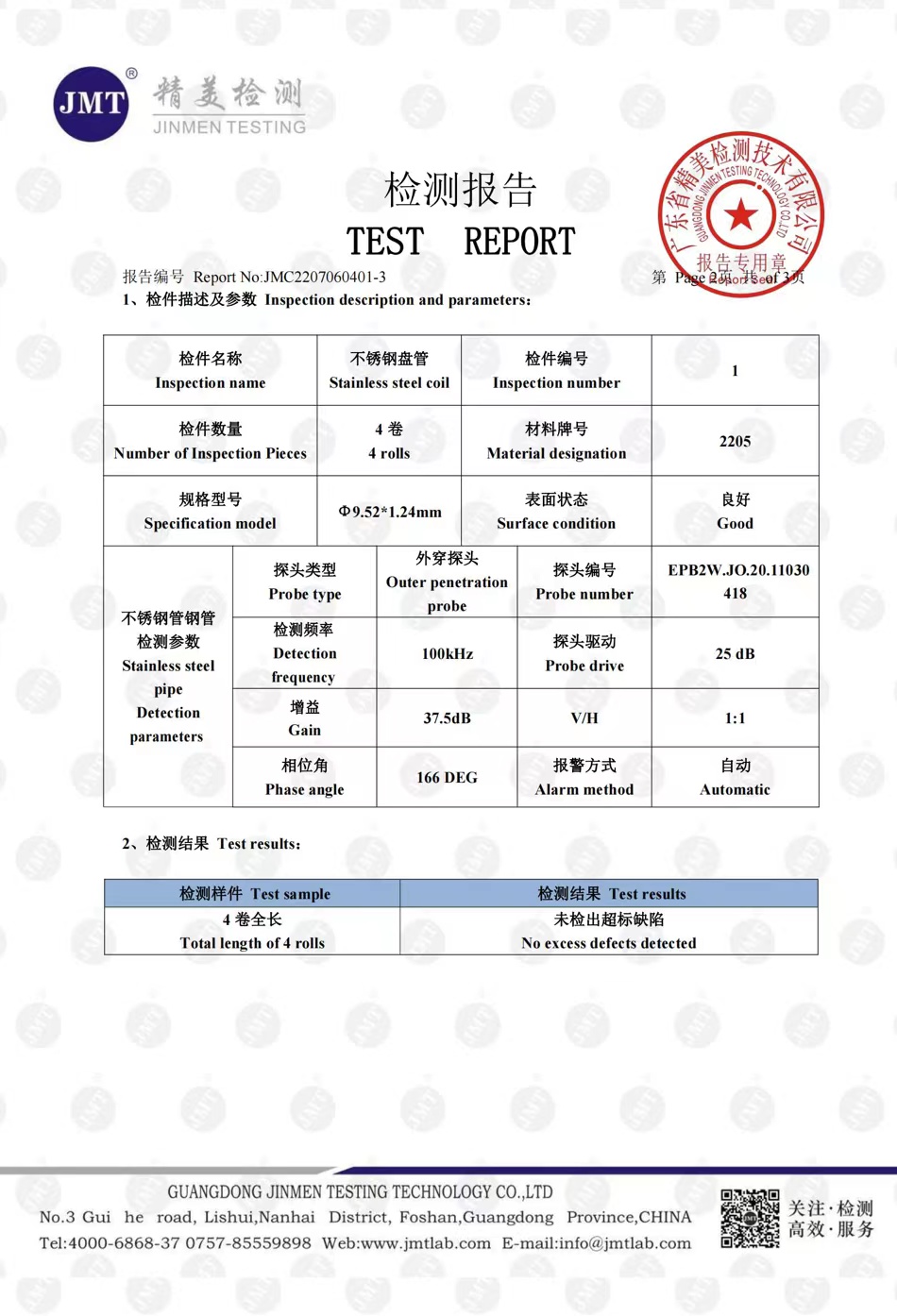
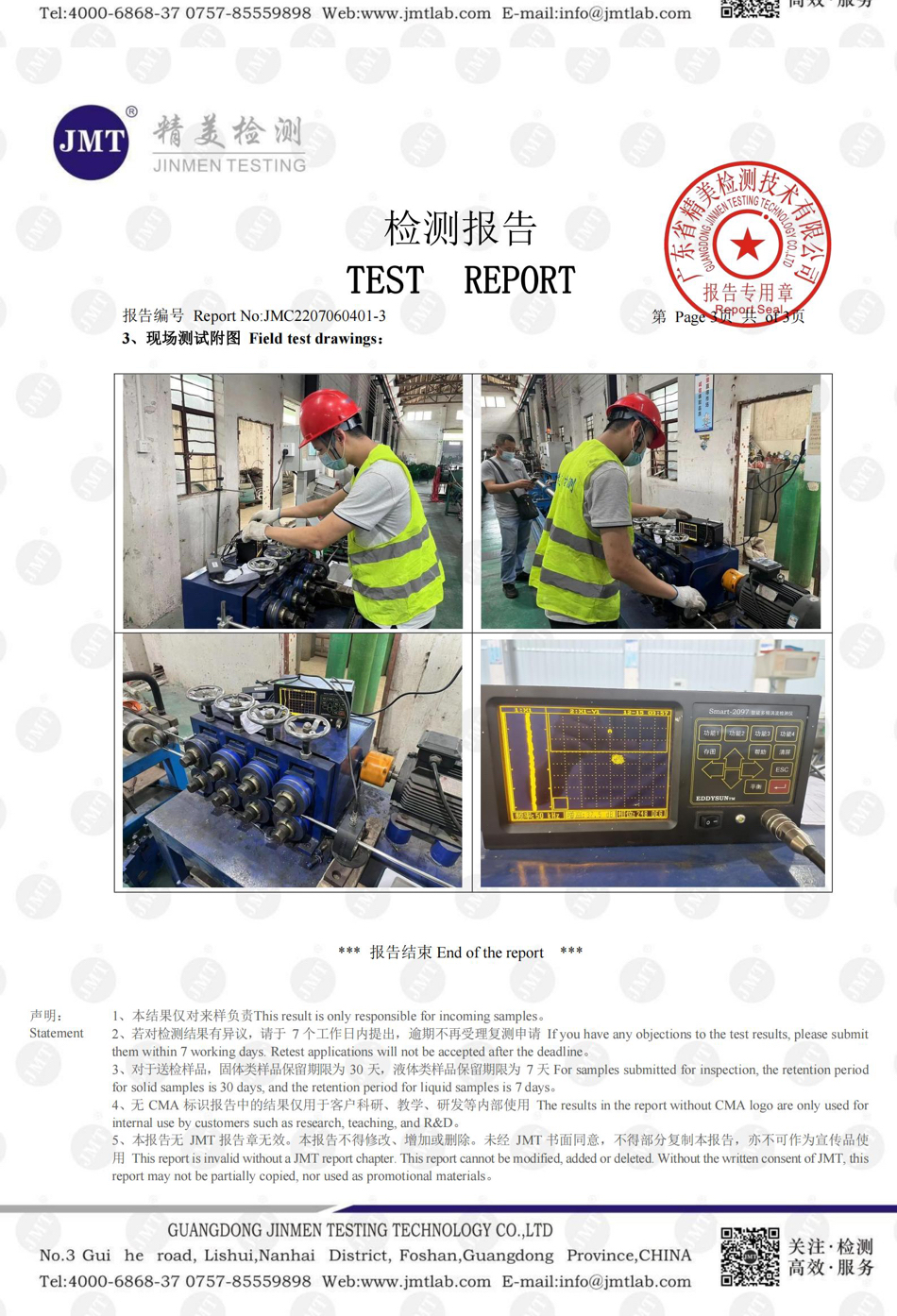
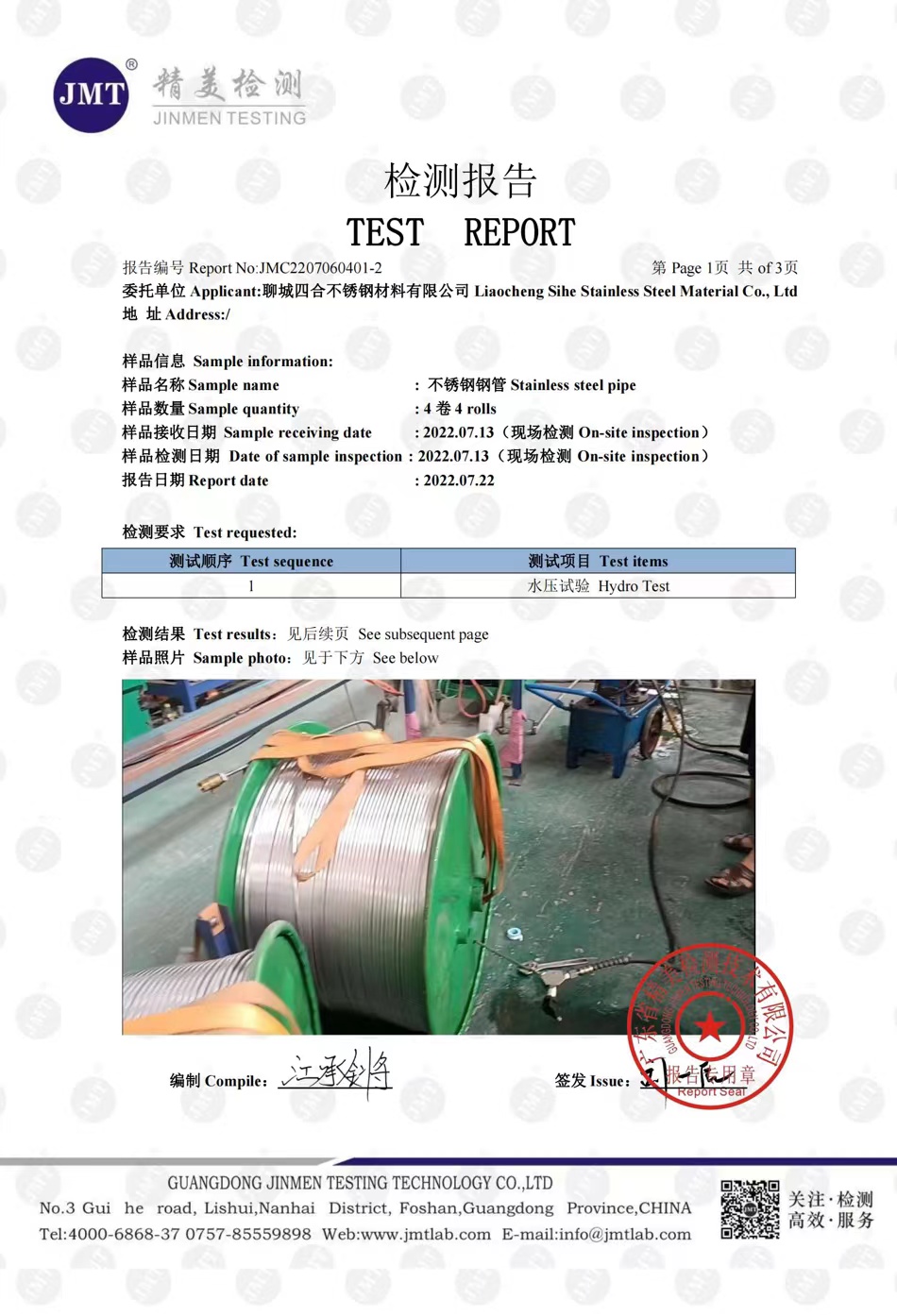
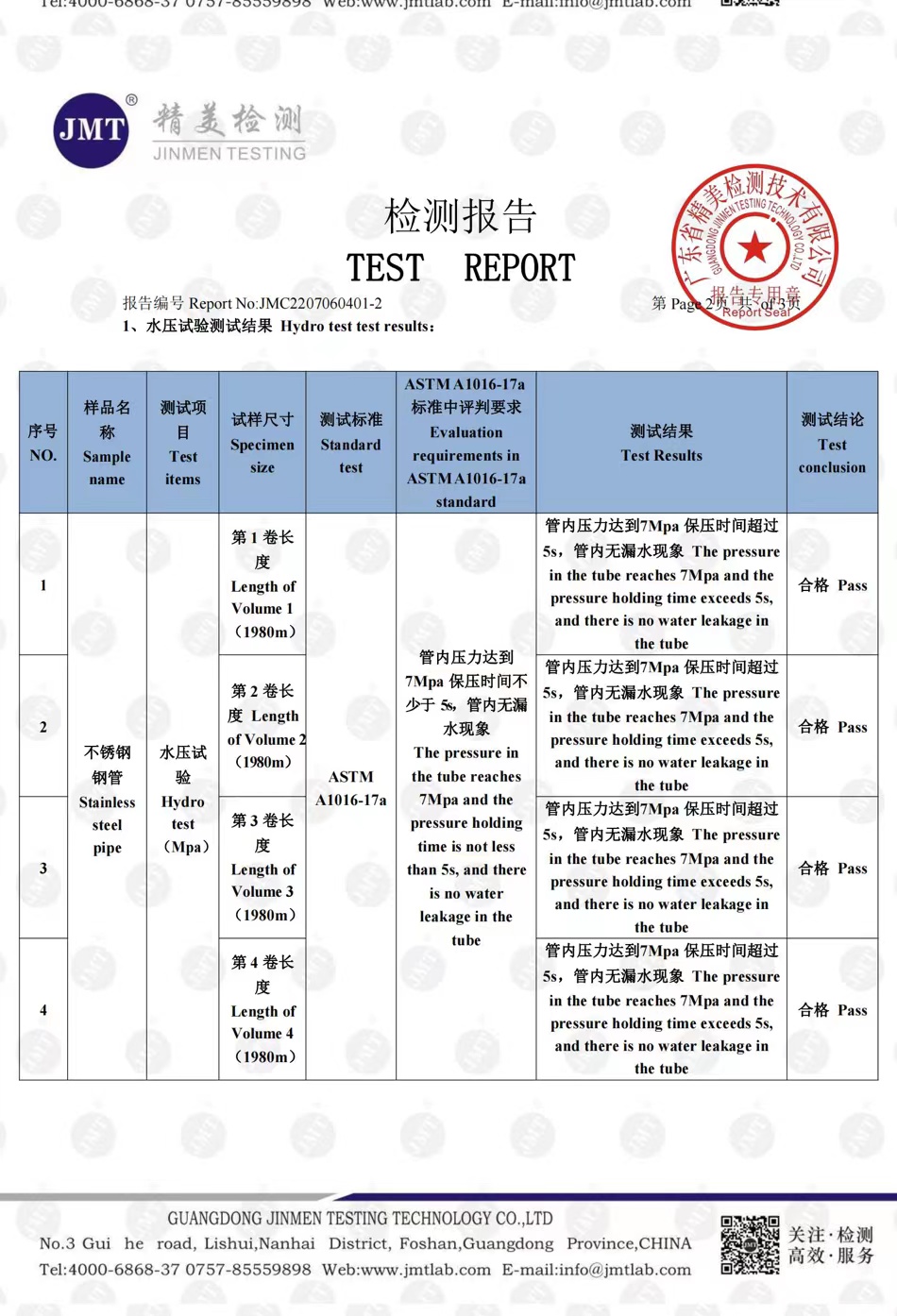
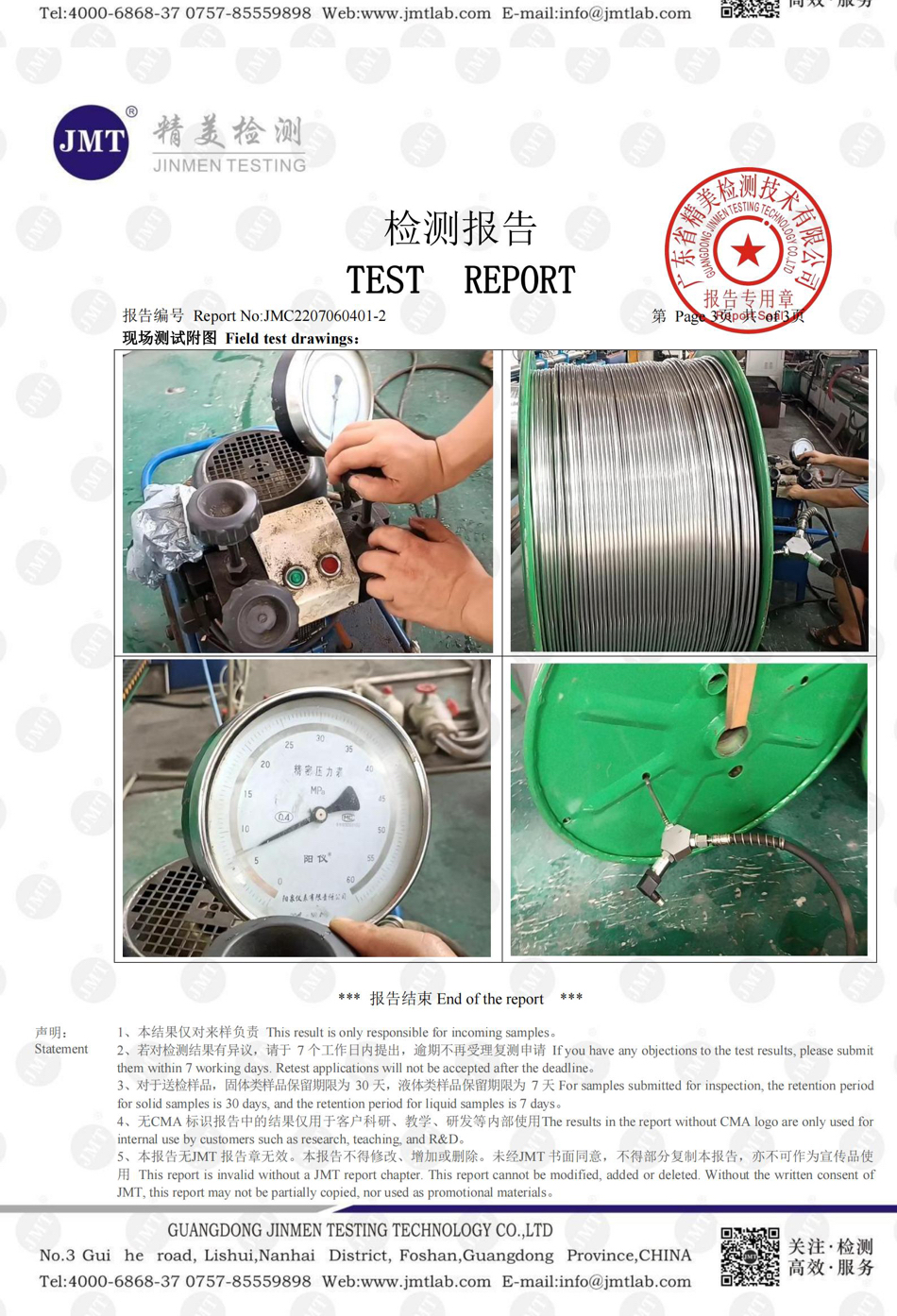
Our coiled tubing is available in outer diameters ranging from 0.125 inch (3.175 mm) to 1 inch (25.4 mm), with wall thicknesses up to 0.165 inch (3 mm). We produce continuous lengths up to 32,800 feet (10,000 meters) without orbital welds, minimizing connection points in control lines and subsea control systems. The company integrates advanced bright annealing technologies, which achieve clean, oxide-free internal and external surfaces. We conduct thorough quality testing, including hydrostatic testing, eddy current inspection, pneumatic seal testing, and mechanical verification (flaring, bending, and hardness testing).
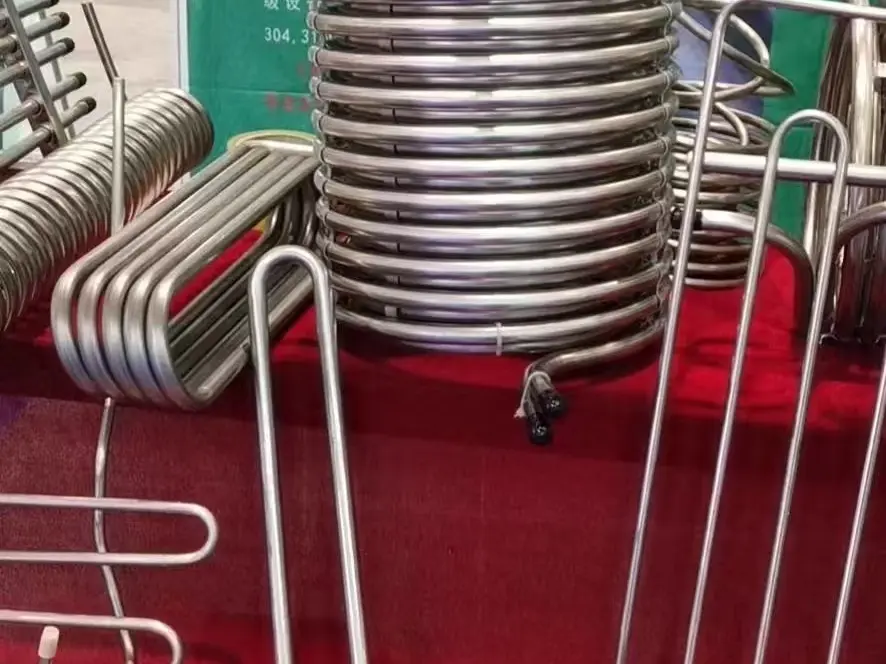
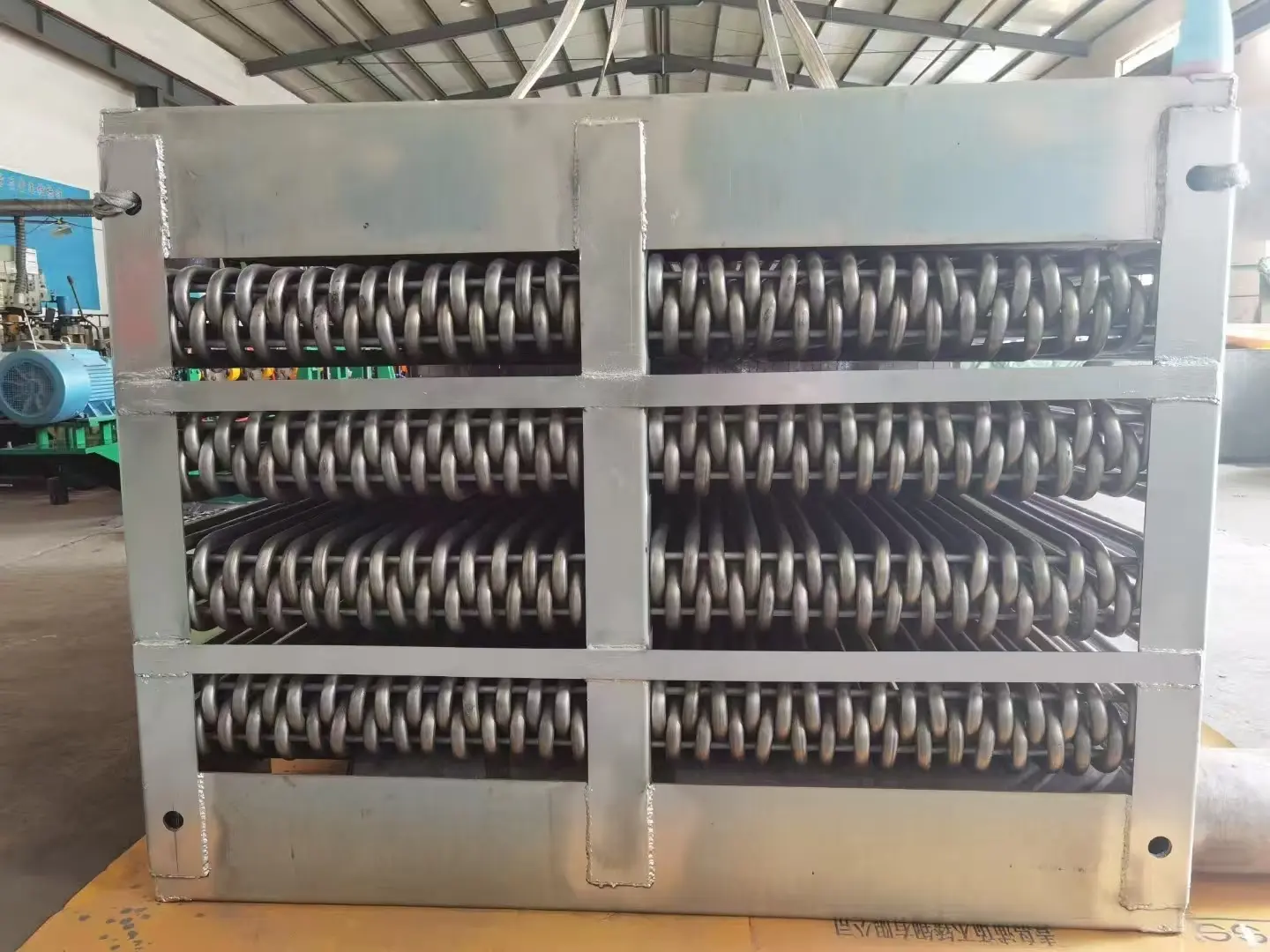
Tailoring raw tubing to specific system configurations using our in-house engineering and fabrication services.
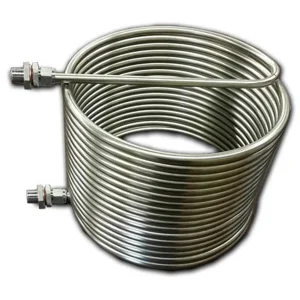
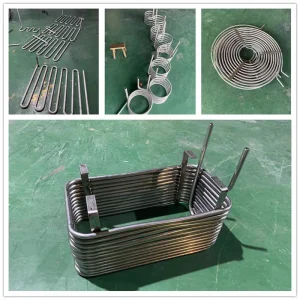
We provide precision bending, spiral configurations, and customized coil geometries tailored to fit shell-and-tube or compact heat exchanger envelopes.
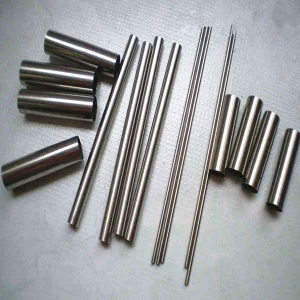
Equipped with laser and mechanical cutting lines to provide precise pipe lengths with square, burr-free ends, ready for direct orbital welding on site.
Available surface treatments include bright annealing, mechanical polishing, and chemical passivation to minimize contamination and bio-fouling risks.
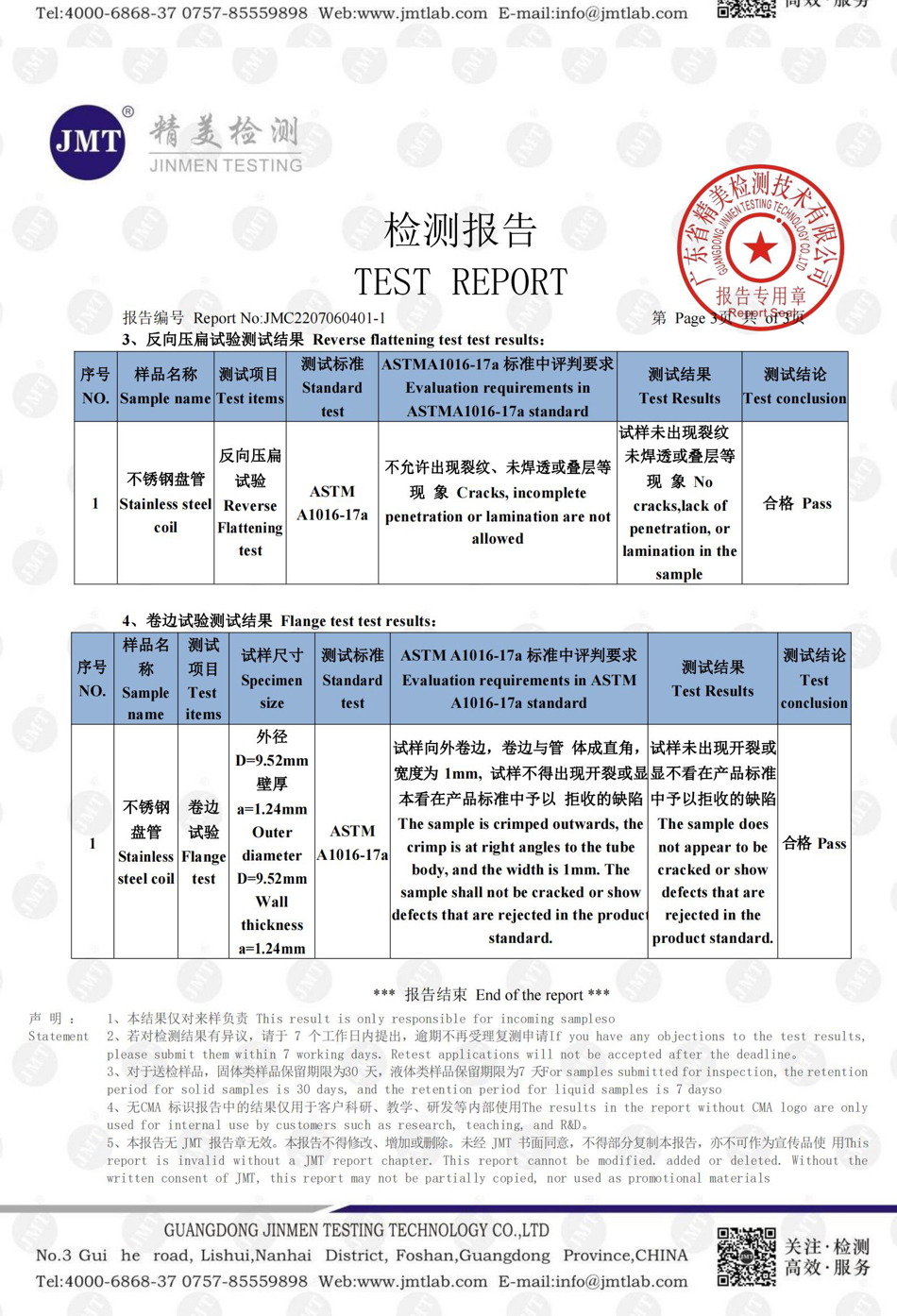
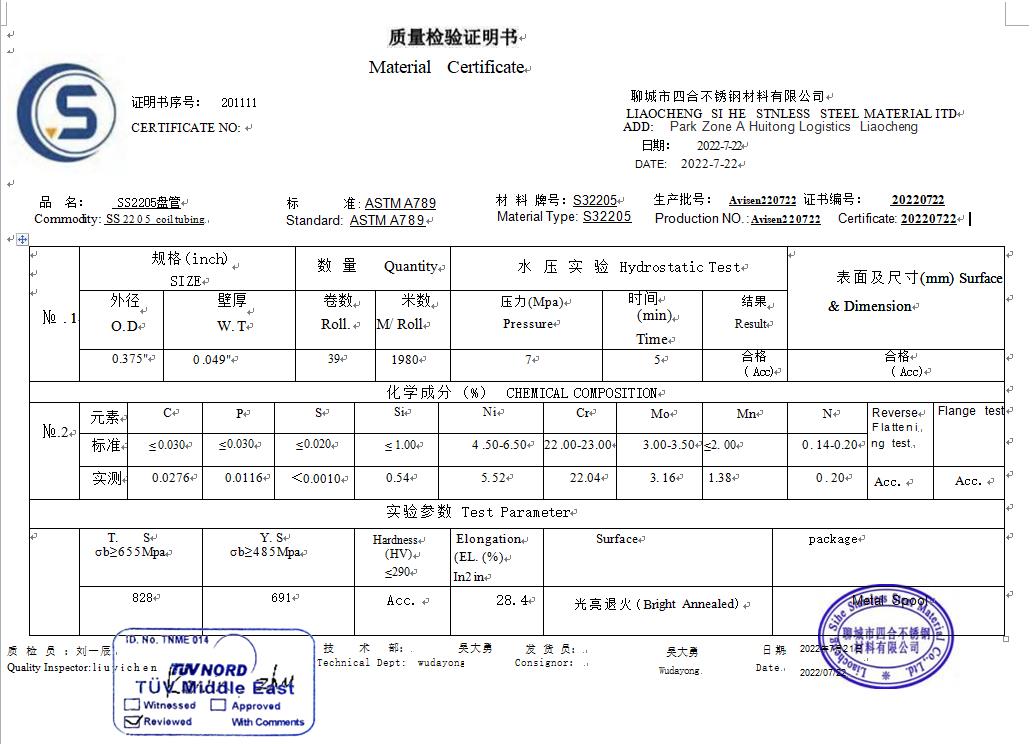
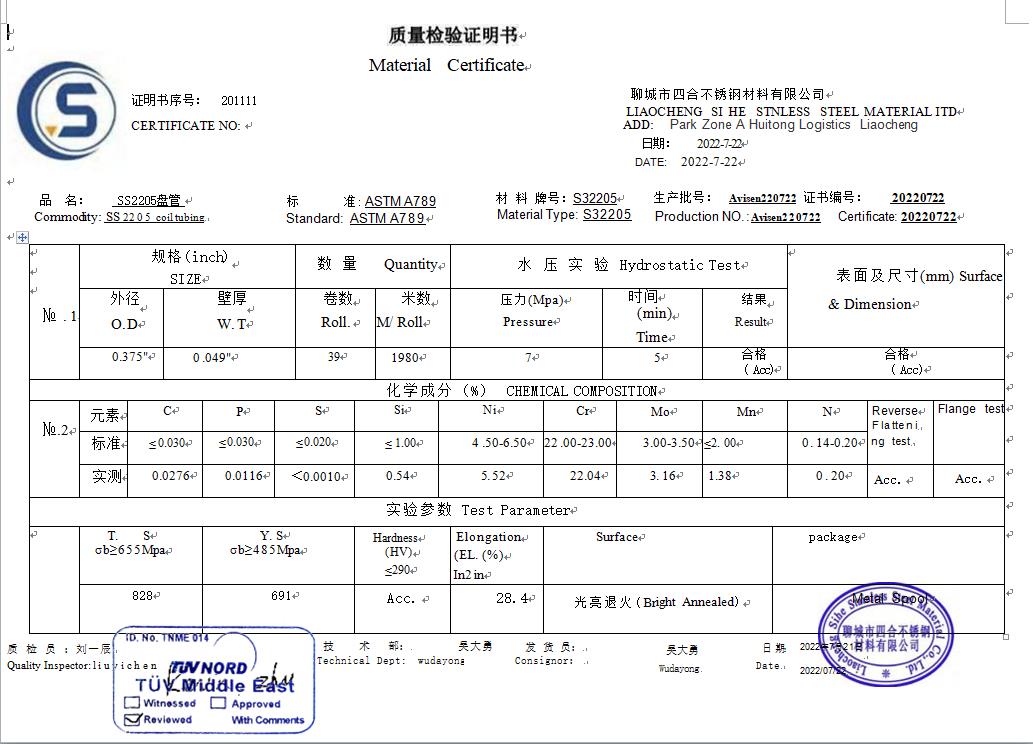
Every shipment is accompanied by Mill Test Certificates (EN 10204 3.1) and verification documents.
Answering common questions about specifications, lead times, international logistics, and engineering documentation.
Our quotes depend on current raw material pricing (alloy surcharges for Ni, Mo, Cr), quantity, sizing, wall thickness, and processing requirements. Contact us to receive an updated, project-specific price list.
Sample production requires approximately 7 days. Mass production runs generally take 20 to 30 days after receipt of deposit. Standard shipping to Luxembourg (via Antwerp or Rotterdam ports) takes 25 to 35 days depending on freight arrangements.
Yes, we provide full EN 10204 3.1 Mill Test Certificates detailing chemical compositions, physical yield, tensile strength, hardness, and non-destructive testing (Hydrostatic, Eddy Current, Pneumatic) for all deliveries.
Our standard terms are a 30% deposit in advance, with the 70% balance settled against the copy of the Bill of Lading (B/L). We accept bank wire transfers (T/T), L/C, Western Union, and PayPal.
Duplex 2205 has a mixed austenitic-ferritic microstructure. The ferritic phase resists chloride-induced stress corrosion cracking, which typically occurs in standard austenitic grades like 316L under high operating temperatures and tensile stress.
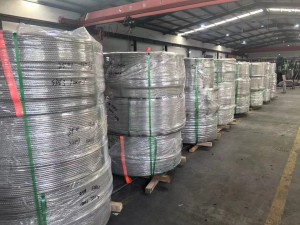
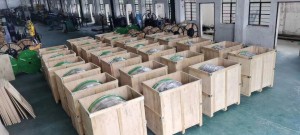
We pack products in reinforced plywood crates, with plastic end caps on tubes and internal waterproof barriers to prevent moisture entry during maritime transit. Special packaging arrangements are available upon request.
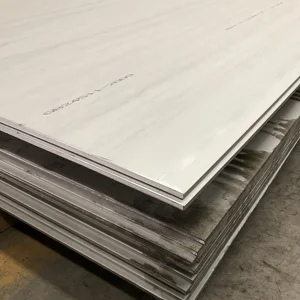
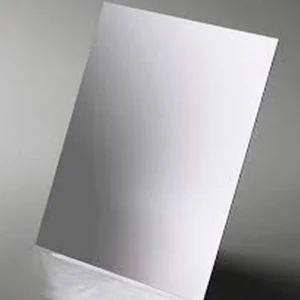
High-precision stainless steel coiled tubes, capillary lines, and structural sheets for industrial facilities in Luxembourg.