 Sihe Steel
Sihe Steel
Sihe Steel
Premium selection of engineered stainless steel coiled piping, capillary tubes, and specialty alloys conforming to ASME & JIS global standards.
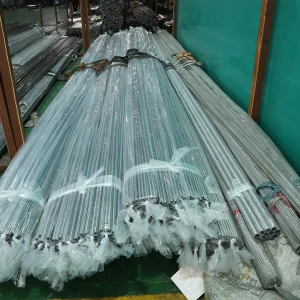
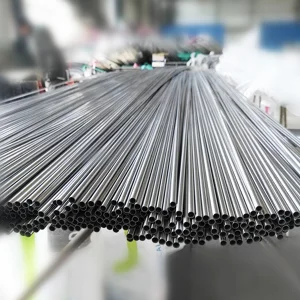
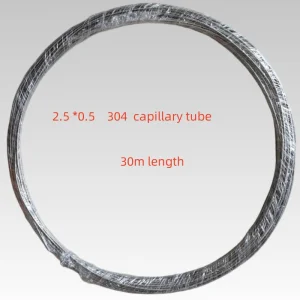
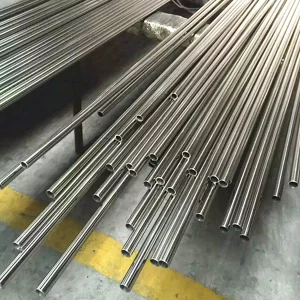
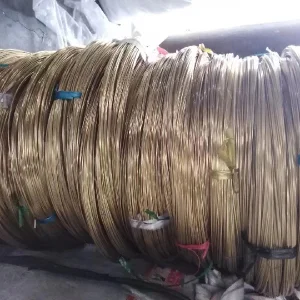
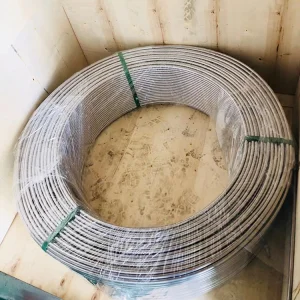
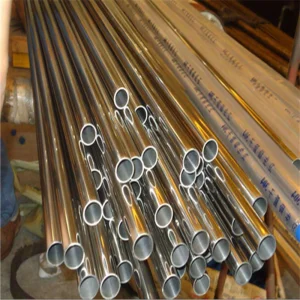
An in-depth metallurgical analysis of Grade 304L (UNS S30403) and its mechanical implications in high-pressure seamless piping operations.
Grade 304L is the extra-low carbon variant of the standard 304 (UNS S30400) austenitic stainless steel. The chemical composition is strictly engineered to limit carbon content to a maximum of 0.030% (as opposed to 0.08% max in grade 304). This minute difference plays a critical role in high-temperature applications and welding operations.
During welding processes, temperatures between 430°C and 860°C trigger a phenomenon known as chromium carbide precipitation at the grain boundaries. This precipitation sensitizes the alloy, depleting chromium near the grain margins and leaving the material highly susceptible to Intergranular Corrosion (IGC). By maintaining carbon under 0.030%, 304L prevents sensitization, rendering post-weld annealing obsolete for most structural and process piping designs.
Expert Insight: The seamless drawing process eliminates the Heat Affected Zone (HAZ) common to welded variants, providing uniform directional strength and maximum pressure containment capabilities.
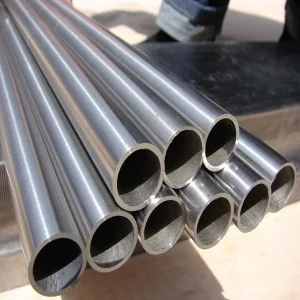
Global procurement of 304L seamless stainless steel pipes requires compliance with distinct international standards. Under ASTM guidelines, ASTM A213 governs seamless boilers, superheaters, and heat-exchanger tubes, mandating strict mechanical checks. Meanwhile, ASTM A269 dictates specifications for general service tubing, demanding critical dimensional precision. Understanding these regulatory criteria is essential for engineers choosing materials for corrosive or load-bearing applications.
| Element/Property | 304 (UNS S30400) | 304L (UNS S30403) | 316L (UNS S31603) |
|---|---|---|---|
| Carbon (C) Max % | 0.08 | 0.03 | 0.03 |
| Chromium (Cr) % | 18.0 - 20.0 | 18.0 - 20.0 | 16.0 - 18.0 |
| Nickel (Ni) % | 8.0 - 10.5 | 8.0 - 12.0 | 10.0 - 14.0 |
| Molybdenum (Mo) % | - | - | 2.0 - 3.0 |
| Tensile Strength Min (MPa) | 515 | 485 | 485 |
A premier global manufacturer equipped with world-class online bright annealing technology, serving over 30 countries worldwide.
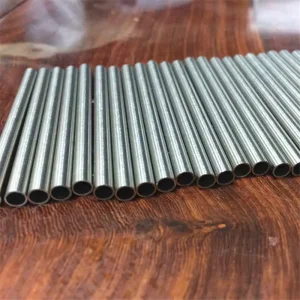
SIHE utilizes advanced hydrogen-shielded bright annealing furnaces. Our inline heat treatment processes occur under strict control, ensuring the seamless pipe gains maximum structural ductility without forming surface scale, maintaining a mirror-like finish inside and out.
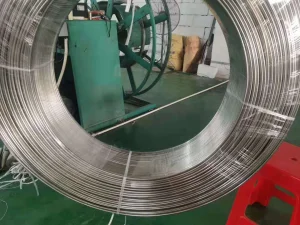
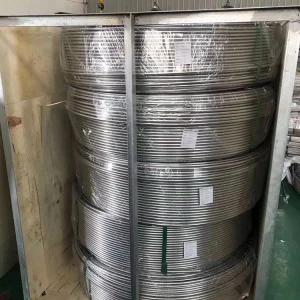
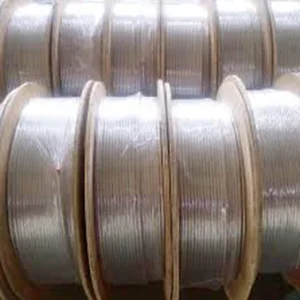
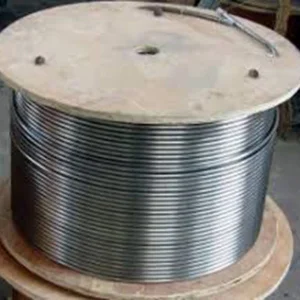
Specializing in complex profiles, we supply seamless coiled tubing from outer diameters of 0.125 inch (3.175 mm) to 1 inch (25.4 mm). With walls up to 0.165 inch (3 mm), our seamless products eliminate localized weak points in process piping layouts.
To support high-integrity offshore and aerospace applications, every batch undergoes 100% pneumatic, hydrostatic, flaring, flattening, and hardness testing. Our quality management guarantees that zero defect tubing reaches the field.
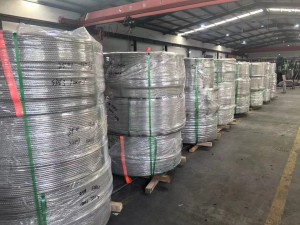
How global procurement teams leverage 304L and high-performance alloys to mitigate operational risks across critical industries.
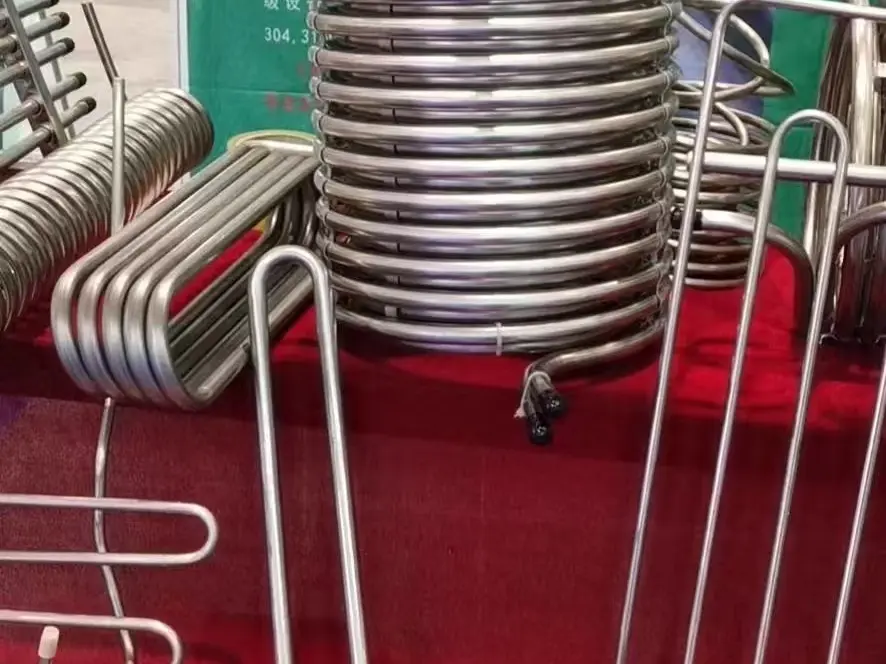
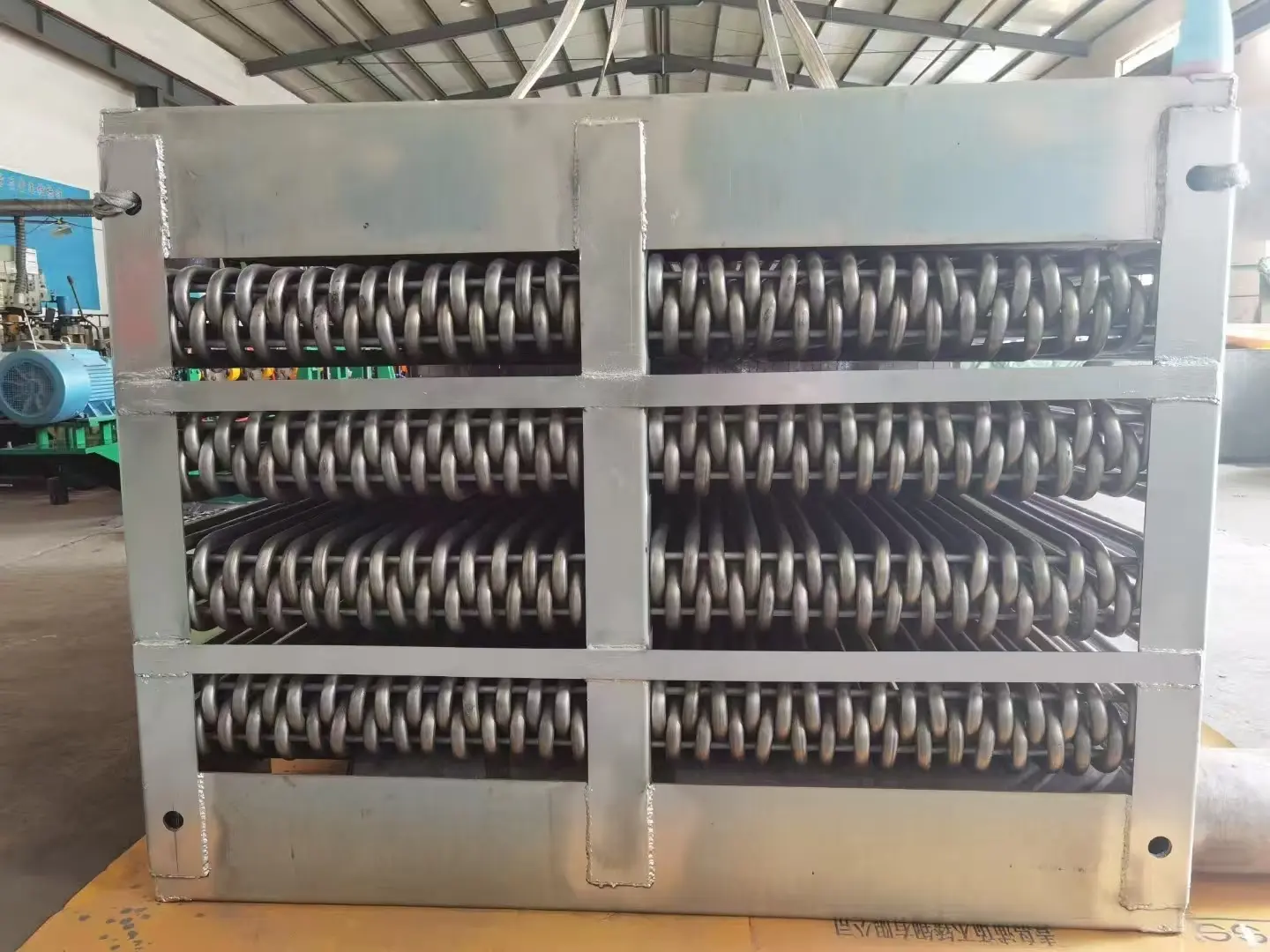
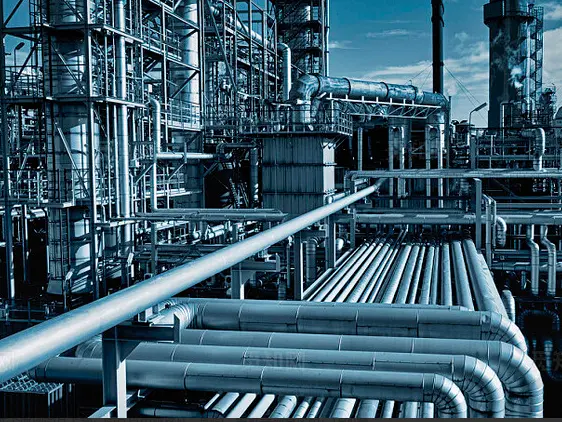
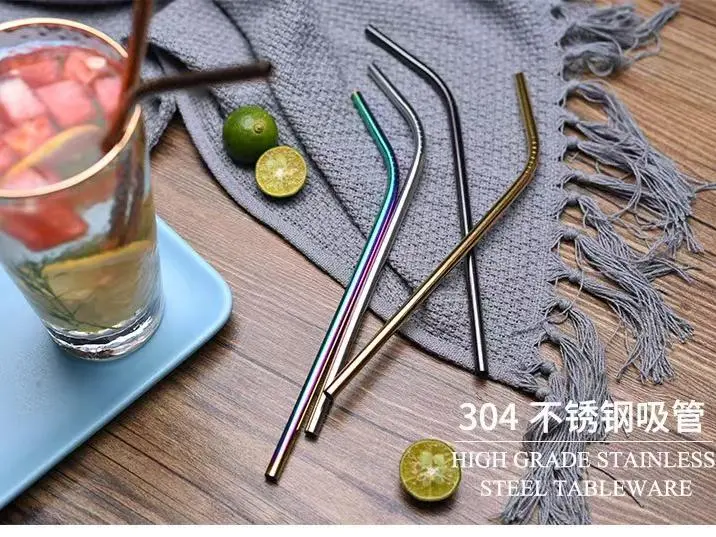
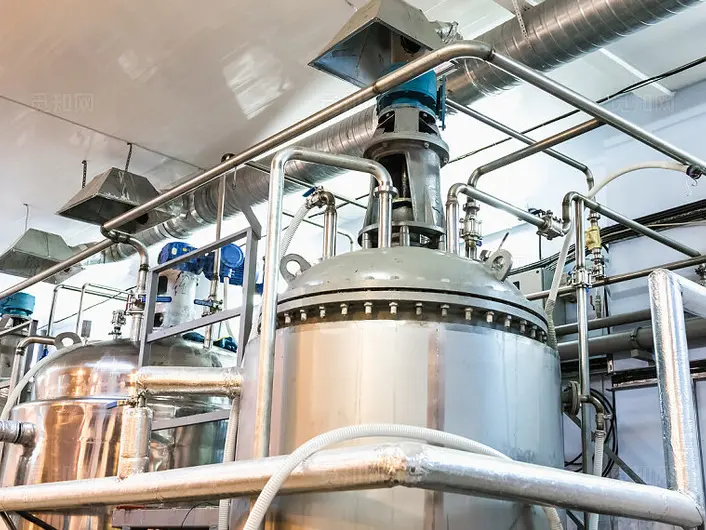
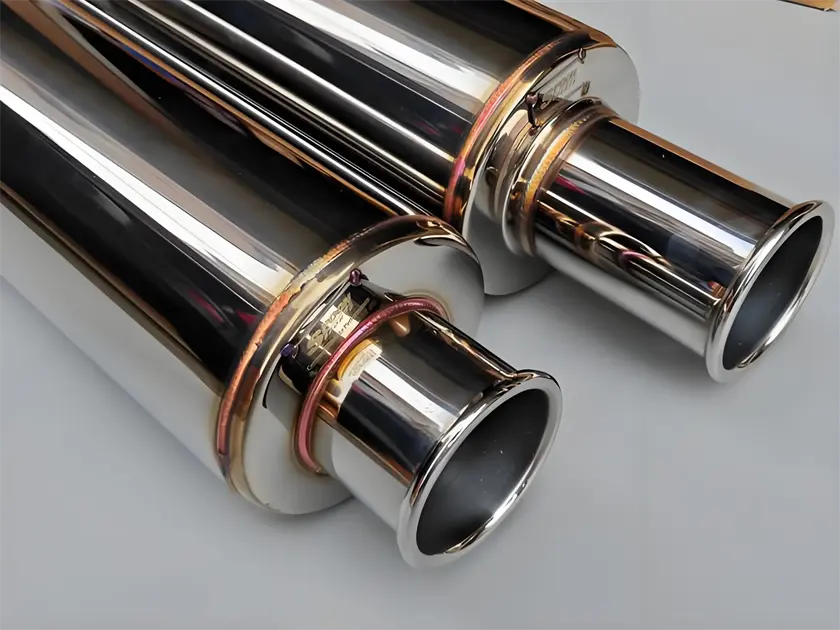
Our downstream metalworking processes deliver dynamic integrations ready for field installation.
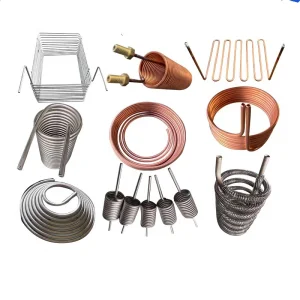
We provide precision-engineered helical and planar coil structures optimized for heat exchangers and high-pressure gas cooling loops, reducing the need for field welds.
Utilizing high-speed automated processes, we produce clean, burr-free cuts with tight length tolerances, matching the requirements of robotic assembly lines.
Our state-of-the-art end-forming technology ensures secure connections in automotive manifolds, chemical reactors, and aerospace fuel lines.
A strategic overview for industrial procurement officers navigating alloy supply chains and carbon footprint initiatives.
Historically, pipelines required frequent orbital welding every 6 to 12 meters. Modern process designers actively prioritize continuous seamless coiled lines extending up to 10,000 meters. This change reduces leak risks, speeds up subsea installation, and lowers third-party inspection costs. Sourcing single-run coils avoids weld-decay zones and reduces potential points of failure.
Industrial buyers must align their supply chains with regional carbon policies, such as the EU's Carbon Border Adjustment Mechanism (CBAM). Opting for 304L seamless pipes produced in high-efficiency, bright-annealing facilities minimizes secondary processing footprints, helping companies meet scope 3 emission goals.
Our processes are fully verified by leading classification societies and international testing laboratories.
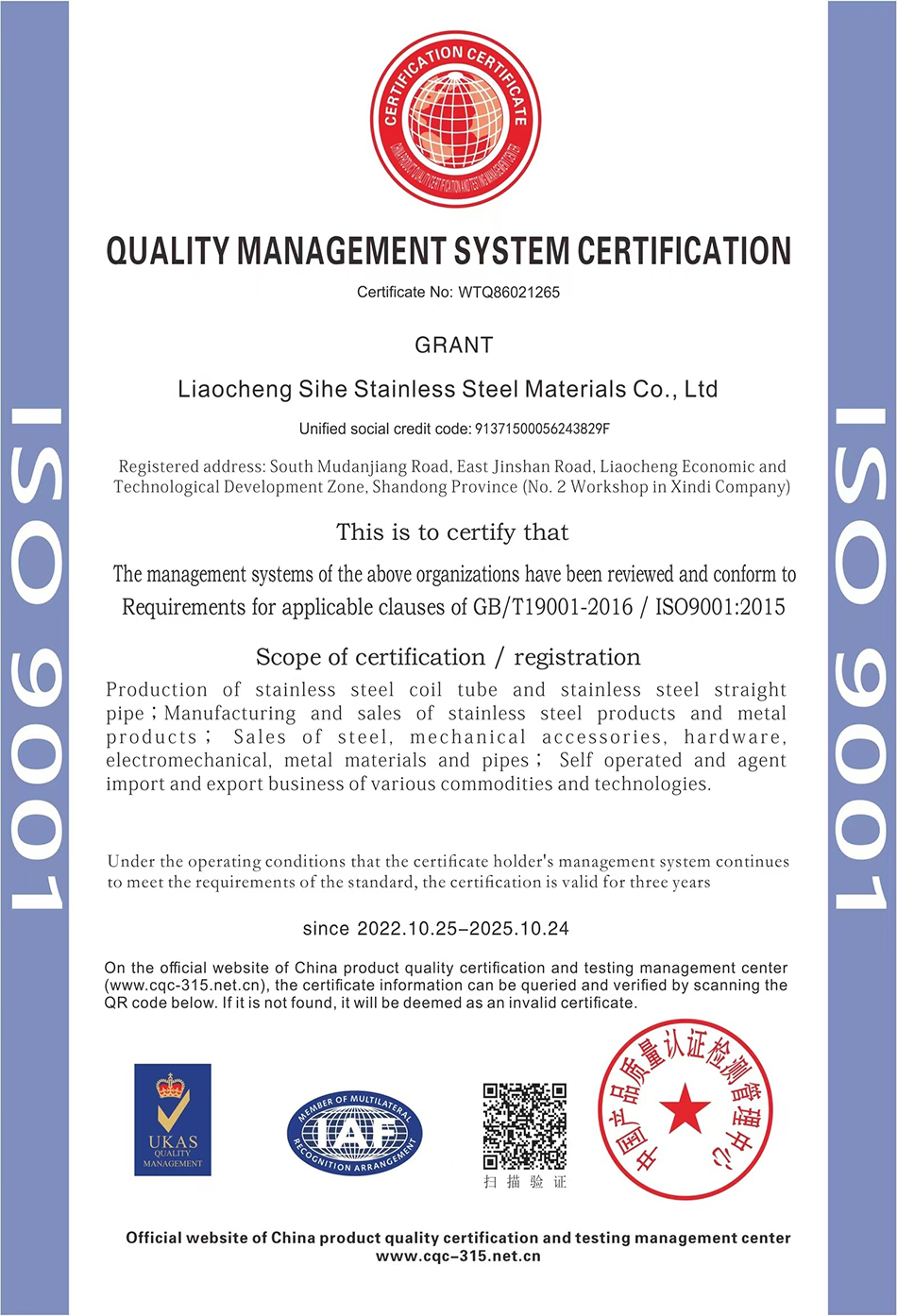
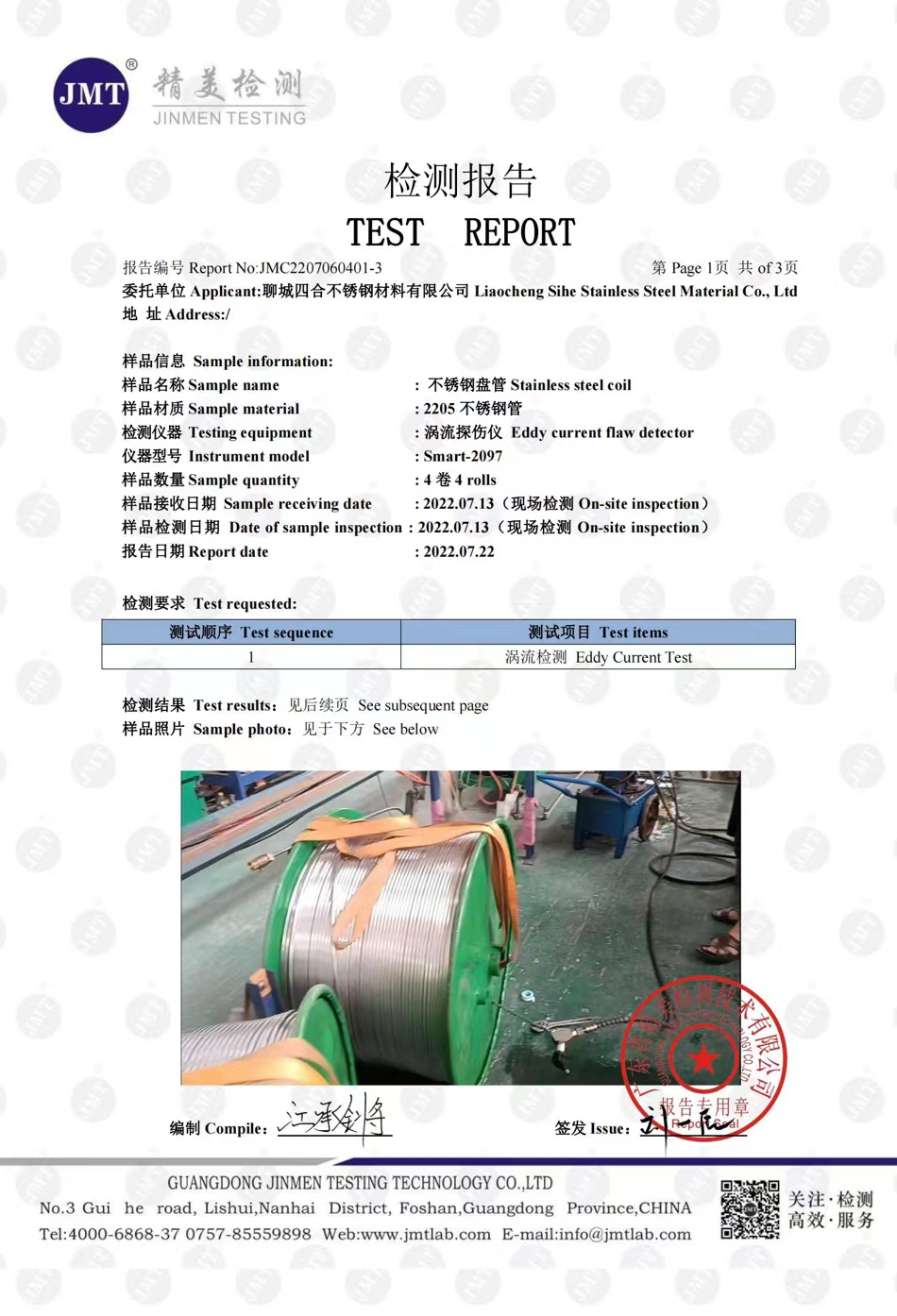
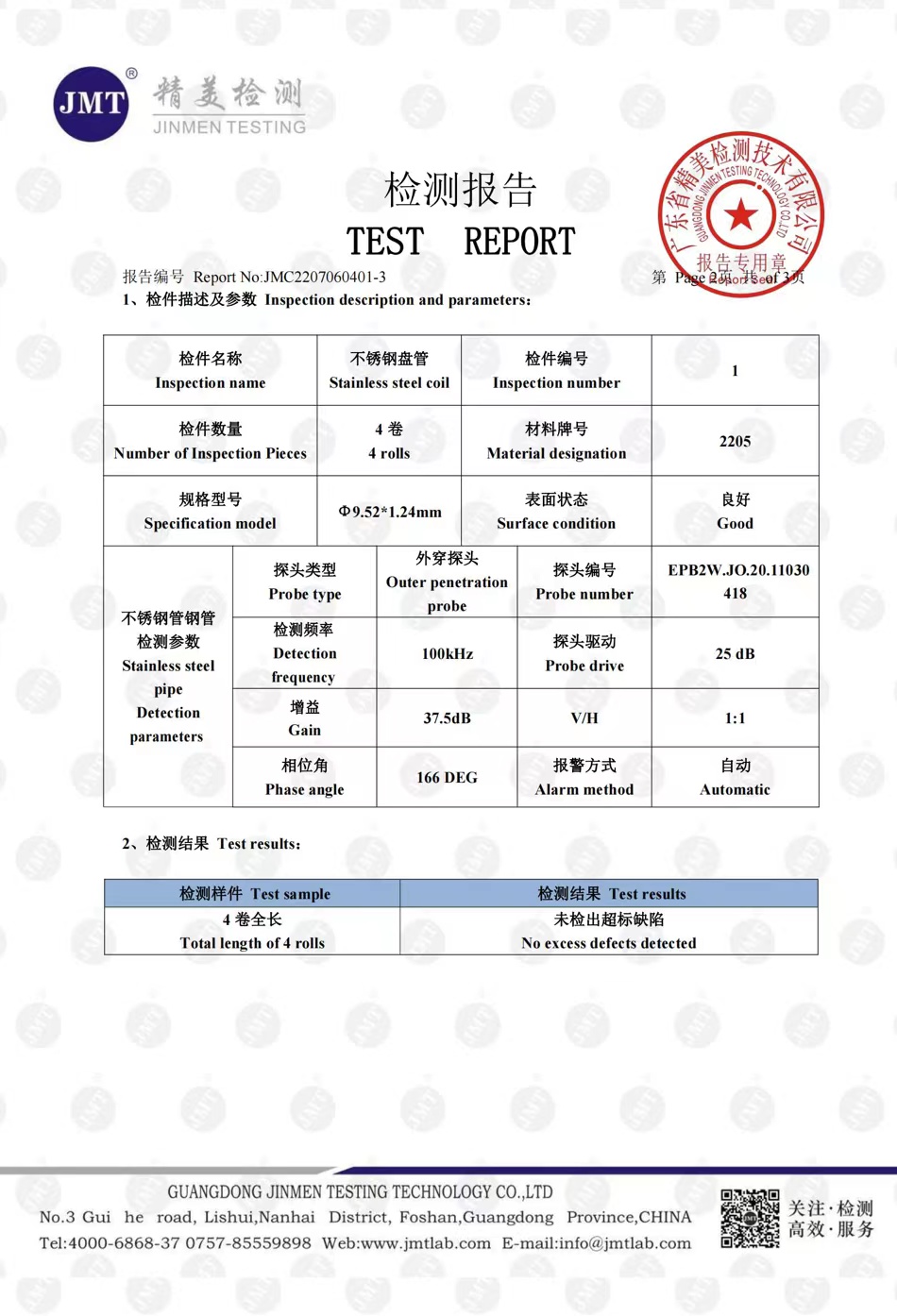
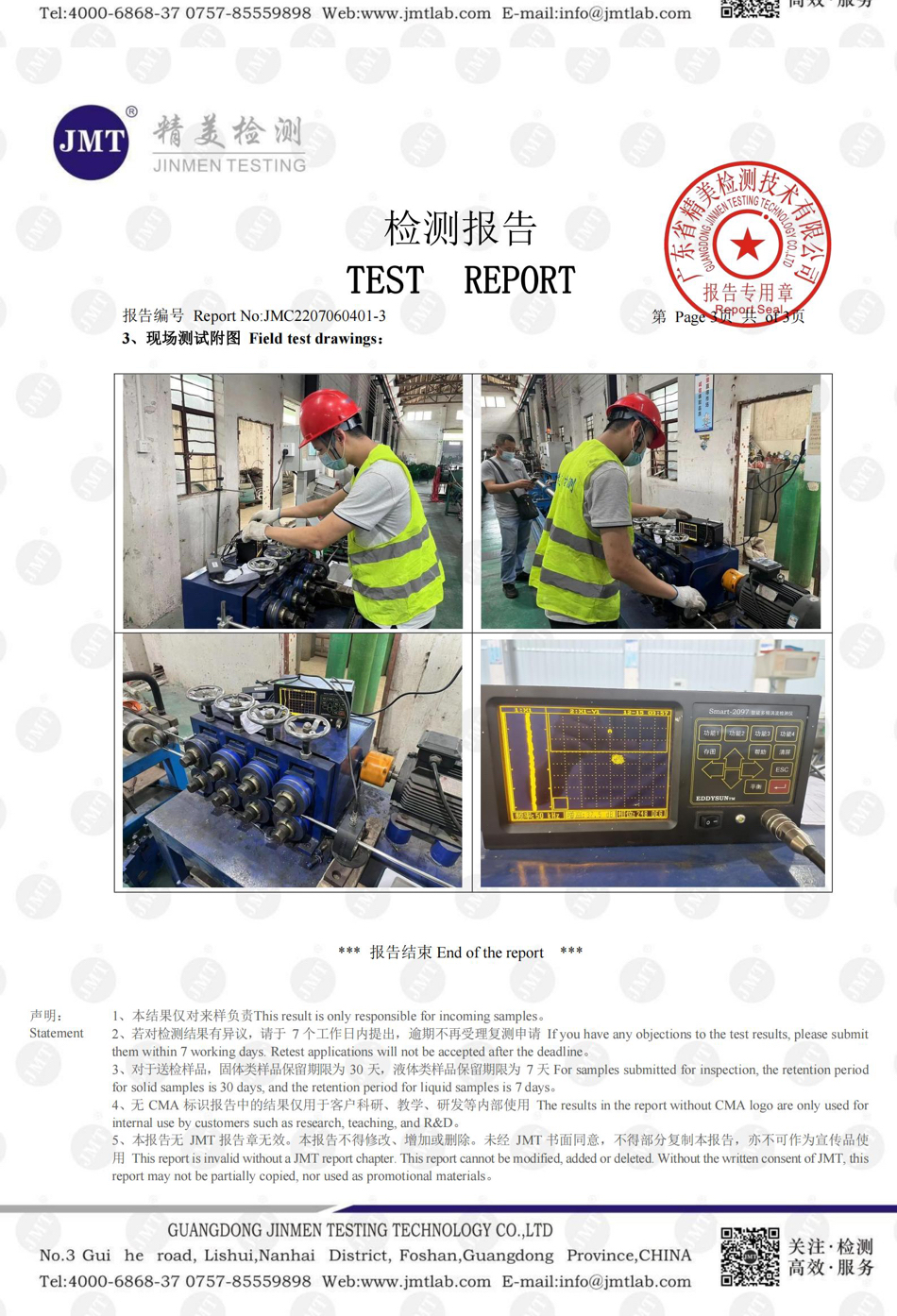
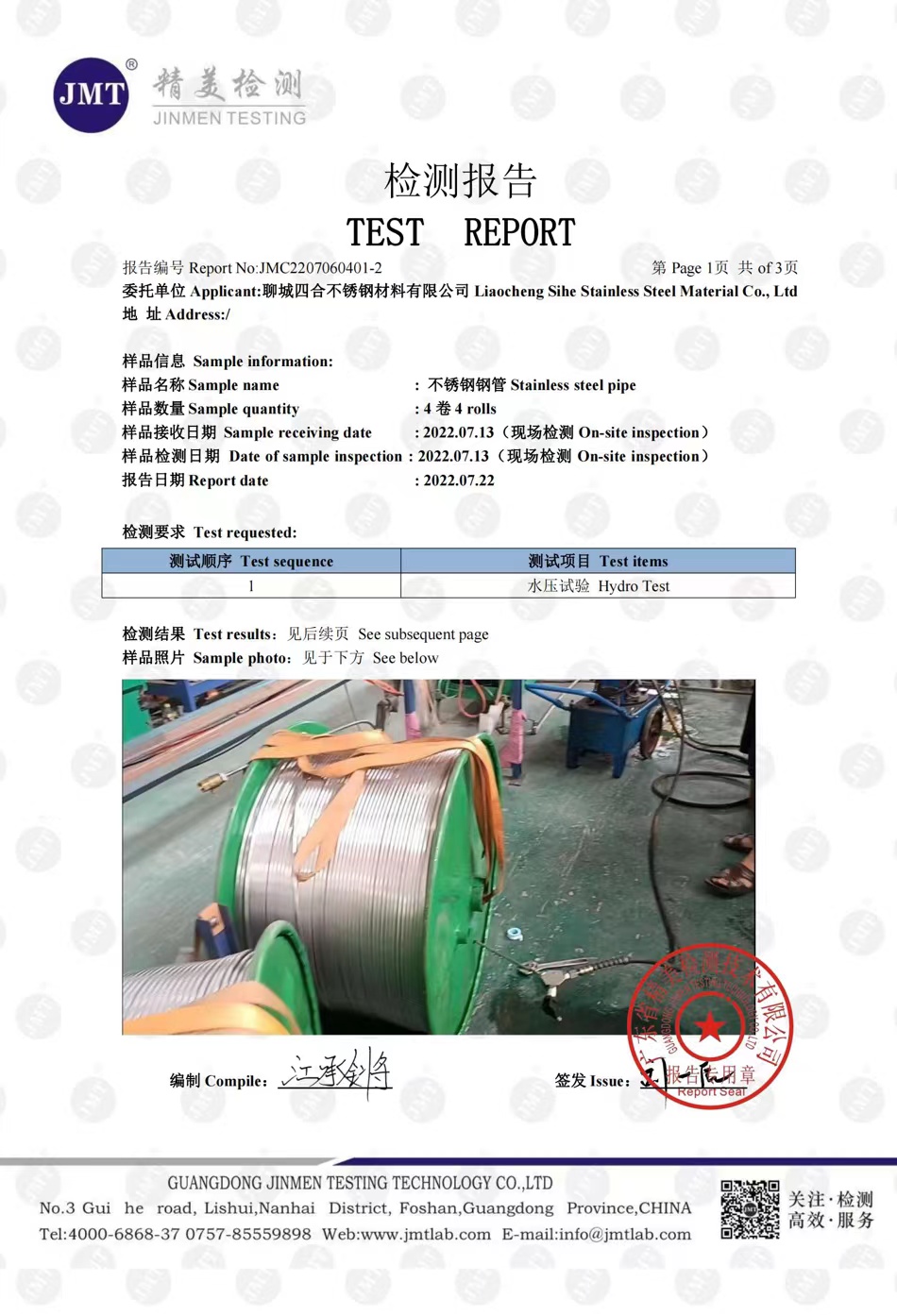
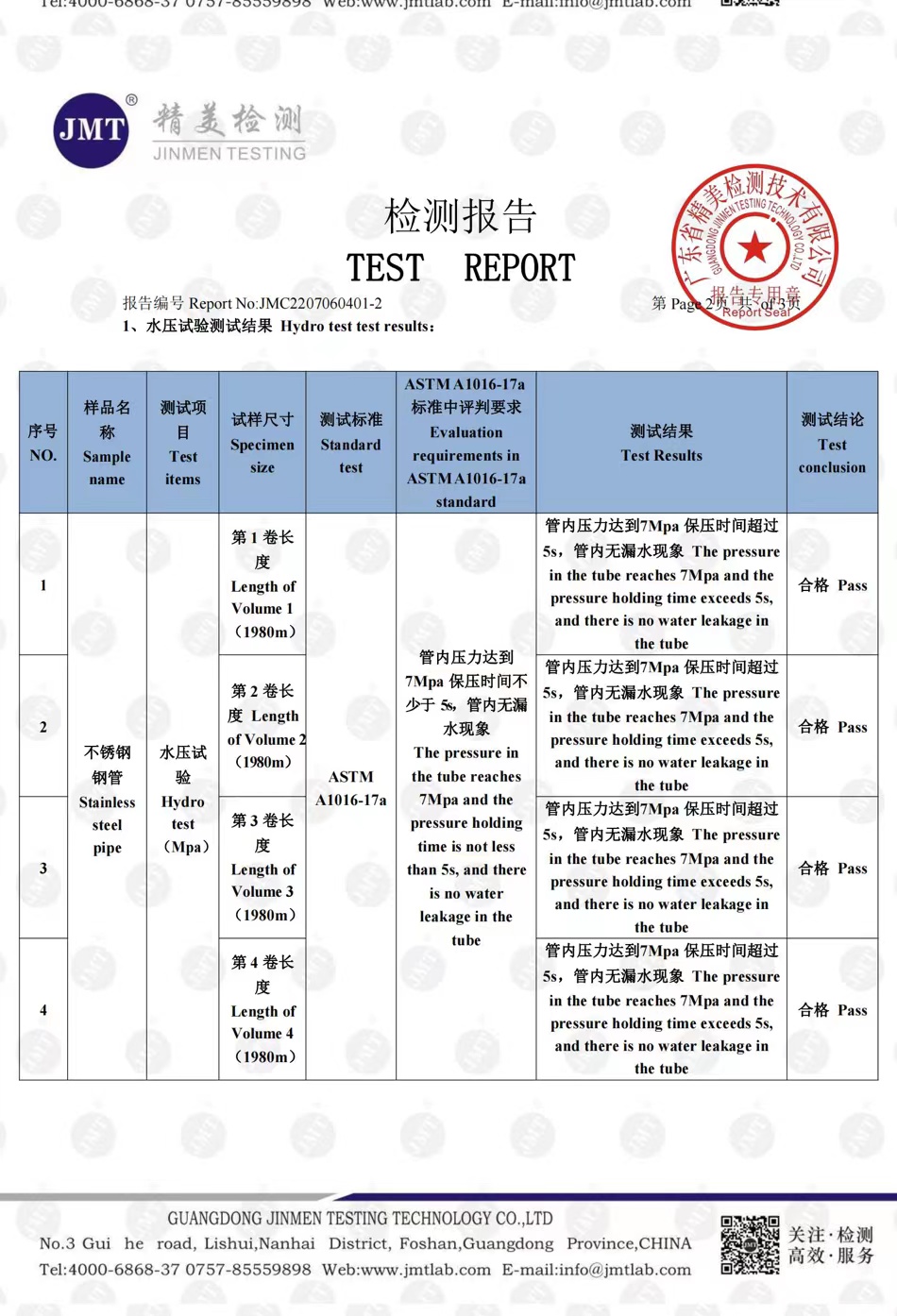
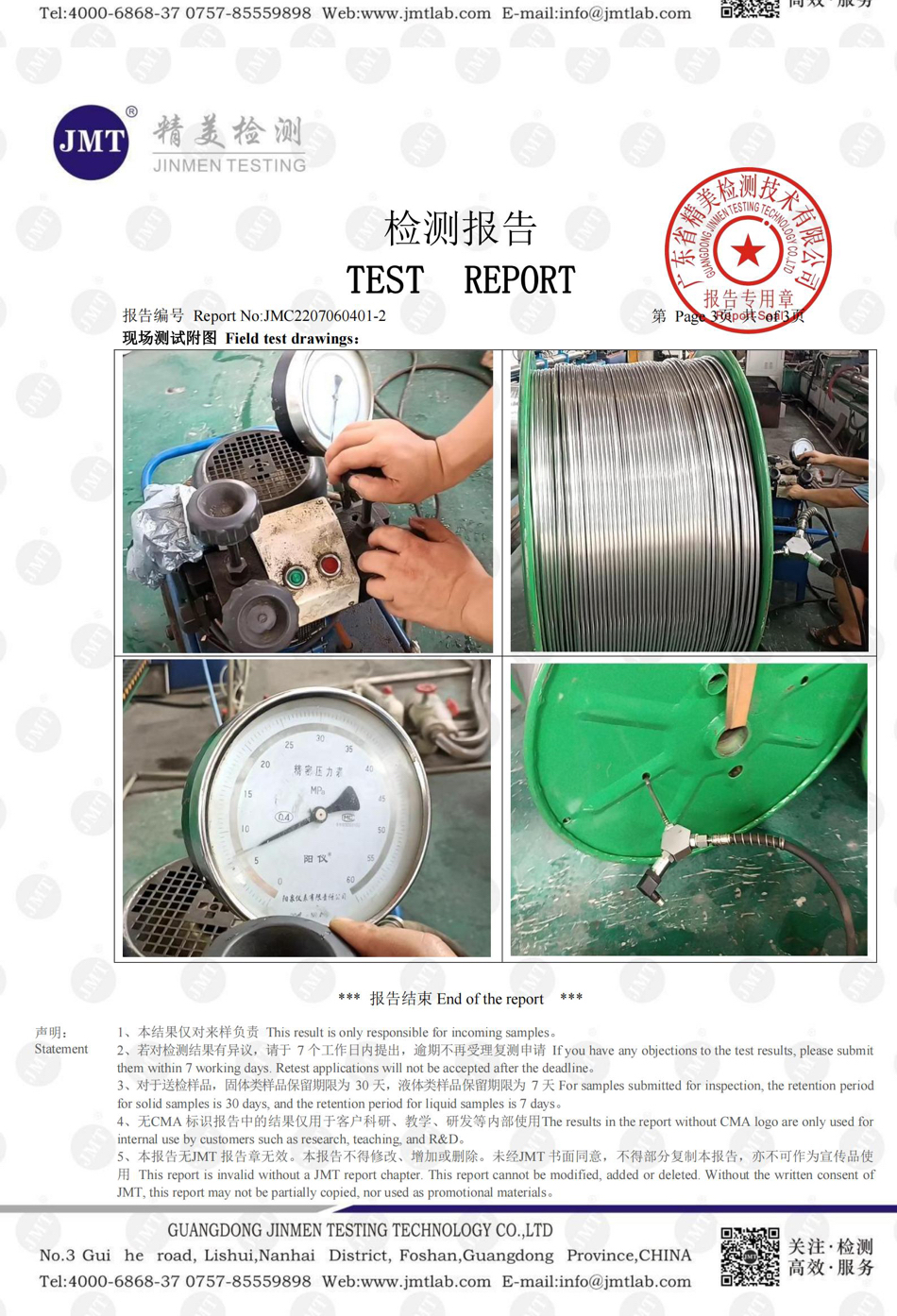
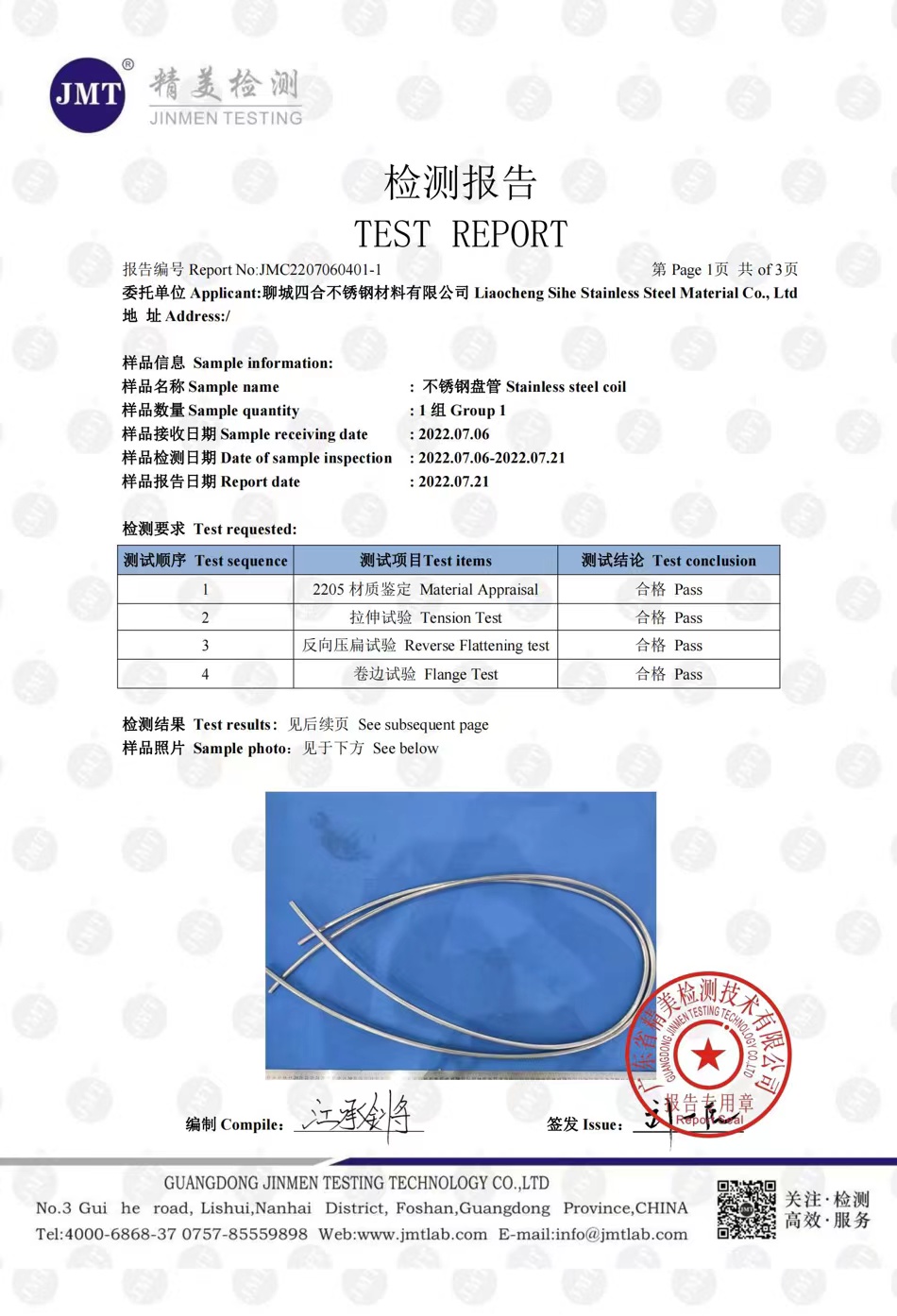
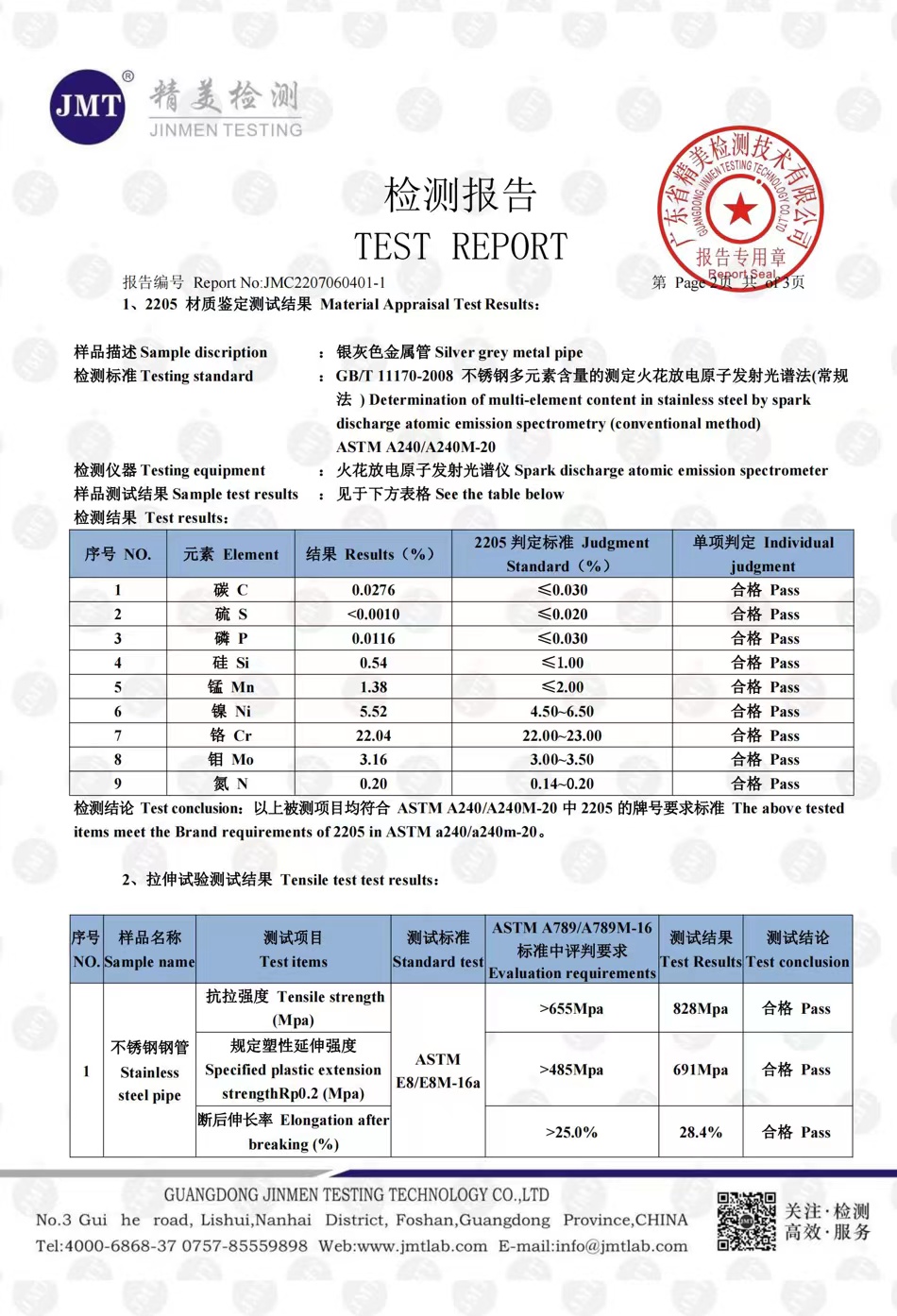
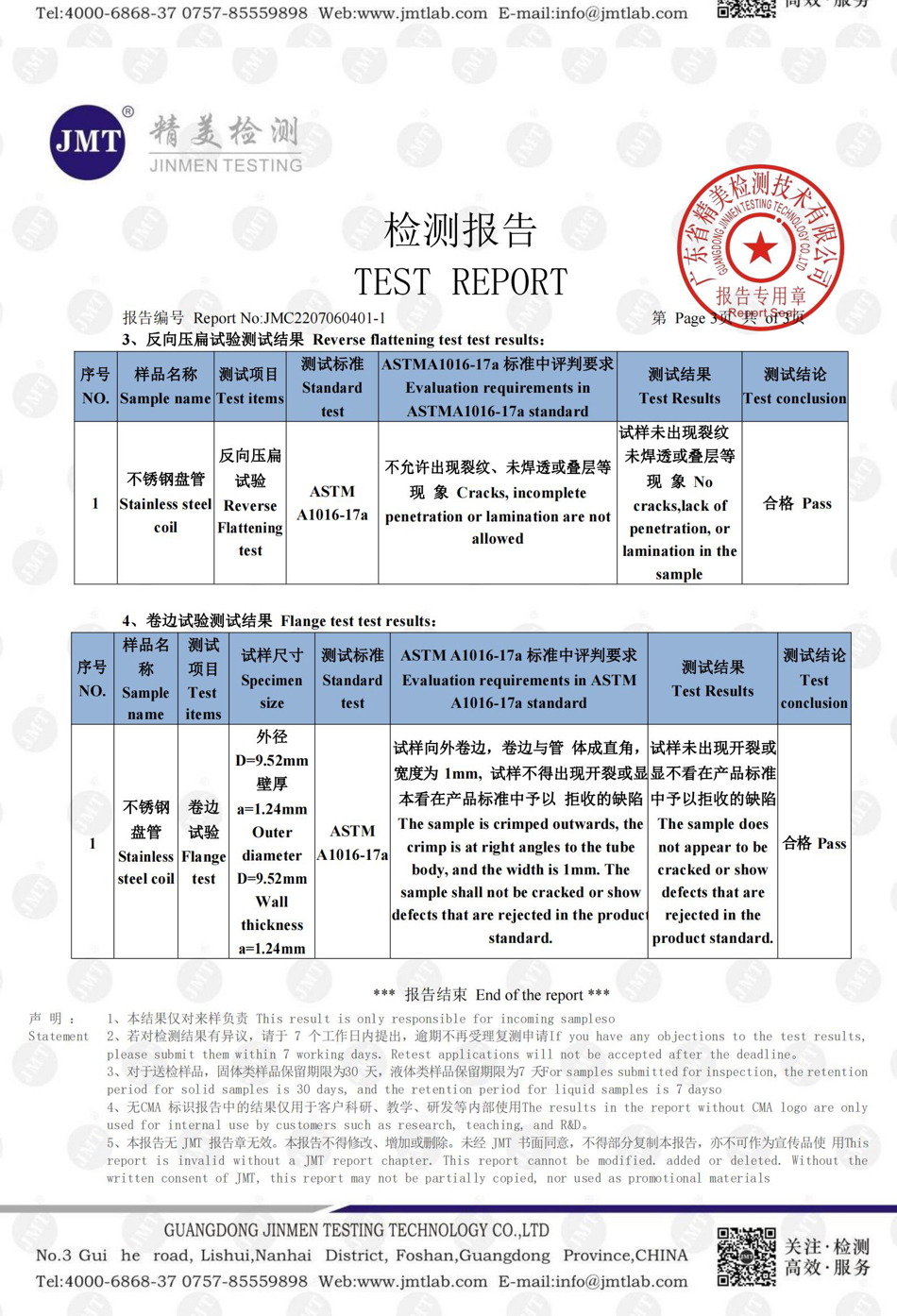
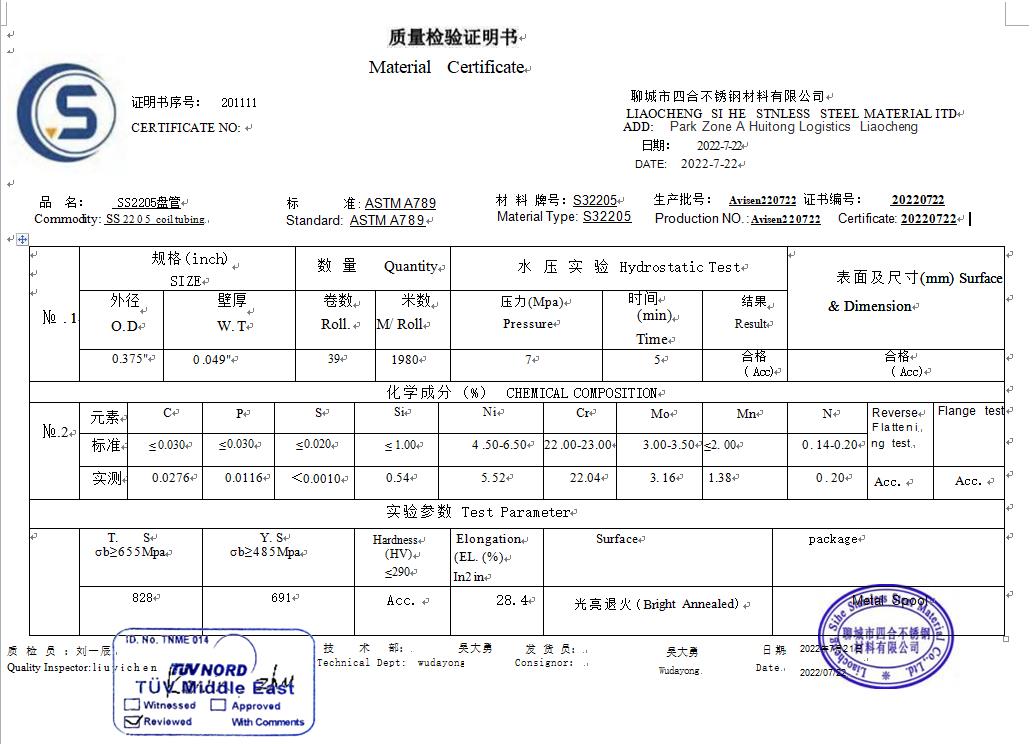
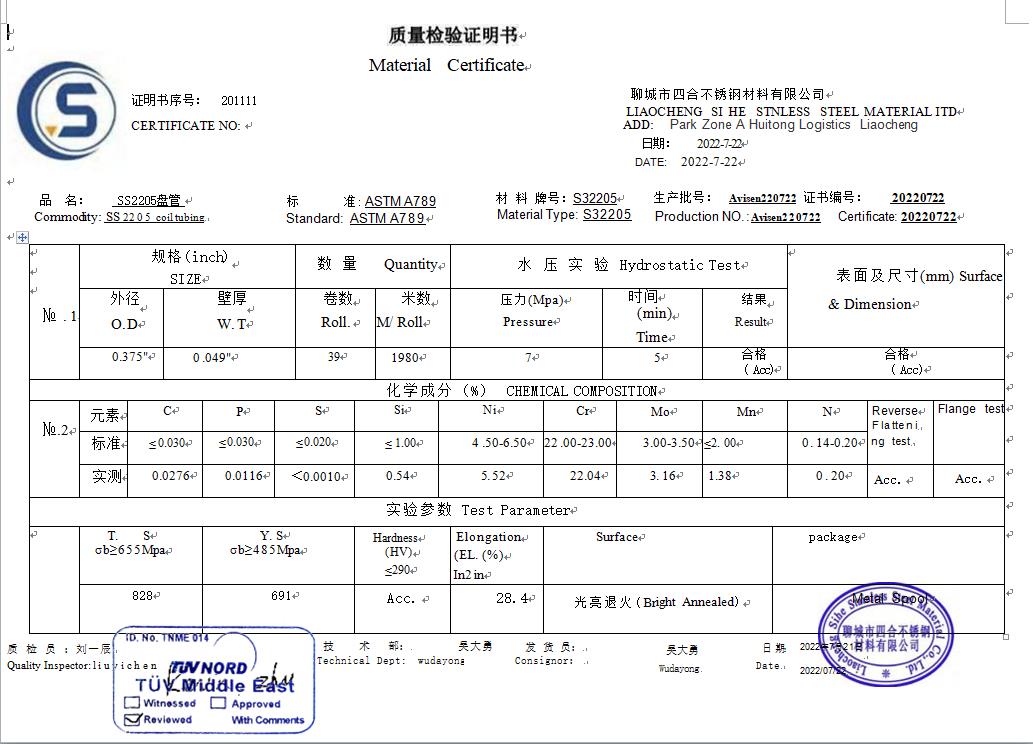
Navigating the convergence of subsea exploration, hydrogen transport, and clean steel processing over the next decade.
Liquid Hydrogen (LH2) logistics require piping materials that resist hydrogen embrittlement at extreme cryogenic temperatures (-253°C). Modern research confirms that Grade 304L, due to its stable austenitic structure and minimal ferrite content, remains ductile at low temperatures, making it a viable option for hydrogen refueling infrastructure.
We are upgrading our production lines to integrate real-time eddy-current testing sensors. These sensors record dimensional accuracy and structural properties during production, linking this data directly to the mill test certificate (MTC) via QR codes to ensure full traceability.
Expert answers addressing chemistry limits, testing protocols, shipping options, and compliance requirements.
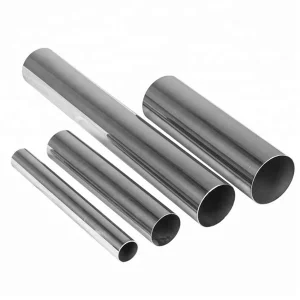
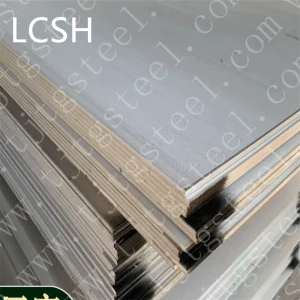
Explore our complete inventory of polished tubes, coiled tubing, and premium sheets for manufacturing systems.