 Sihe Steel
Sihe Steel
Sihe Steel
Explore our industrial range of high-performance stainless steel coiled tubes, sheets, and heat exchanger pipes conforming to international quality standards.
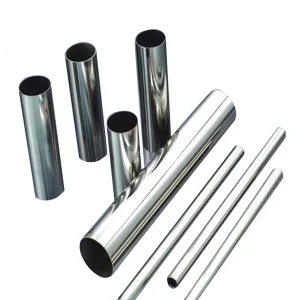
In the scope of contemporary industrial manufacturing, 304 stainless steel plate holds a foundational status as the most versatile, widely used, and reliable austenitic alloy globally. Engineered with a baseline chemical formulation comprising a minimum of 18% chromium and 8% nickel, 304 alloys strike an exceptional equilibrium between corrosion resistance, mechanical strength, and formability. Global engineering enterprises, chemical processors, and large-scale manufacturing facilities require strict alignment with standardized dimensions and structural integrity in their supply chains.
Strategic buyers look beyond simple commodity purchase transactions, prioritizing direct mill integrations to mitigate risks associated with fluctuating nickel markets, supply chain disruptions, and variable mechanical grain properties. This whitepaper serves as an analytical blueprint outlining standard grade variations, procurement mechanics, quality verification parameters, and manufacturing innovations that distinguish a leading global mill from local distributors.
For critical applications in structural, pressure vessel, and subsea pipelines, engineers must cross-reference chemical composition and mechanical capabilities with standards like ASTM A240, EN 10088-2, and JIS G4305. Standard 304 stainless steel exhibits high ductility and exceptional impact resistance even down to cryogenic temperatures, making it a critical choice for gas storage and cryogenic heat exchangers.
| Grade | Carbon (Max %) | Chromium (%) | Nickel (%) | Tensile Strength (Min MPa) | Yield Strength (Min MPa) |
|---|---|---|---|---|---|
| ASTM 304 | 0.08 | 18.0 - 20.0 | 8.0 - 10.5 | 515 | 205 |
| ASTM 304L | 0.03 | 18.0 - 20.0 | 8.0 - 12.0 | 485 | 170 |
| JIS SUS304 | 0.08 | 18.0 - 20.0 | 8.0 - 10.5 | 520 | 205 |
The difference between 304 and 304L centers on carbon content. 304L is specifically chosen for heavy welding applications to prevent "sensitization"—a process where chromium carbides precipitate at the grain boundaries in the heat-affected zone (HAZ) of a weld, depleting the surrounding region of chromium and making the joint susceptible to intergranular corrosion.
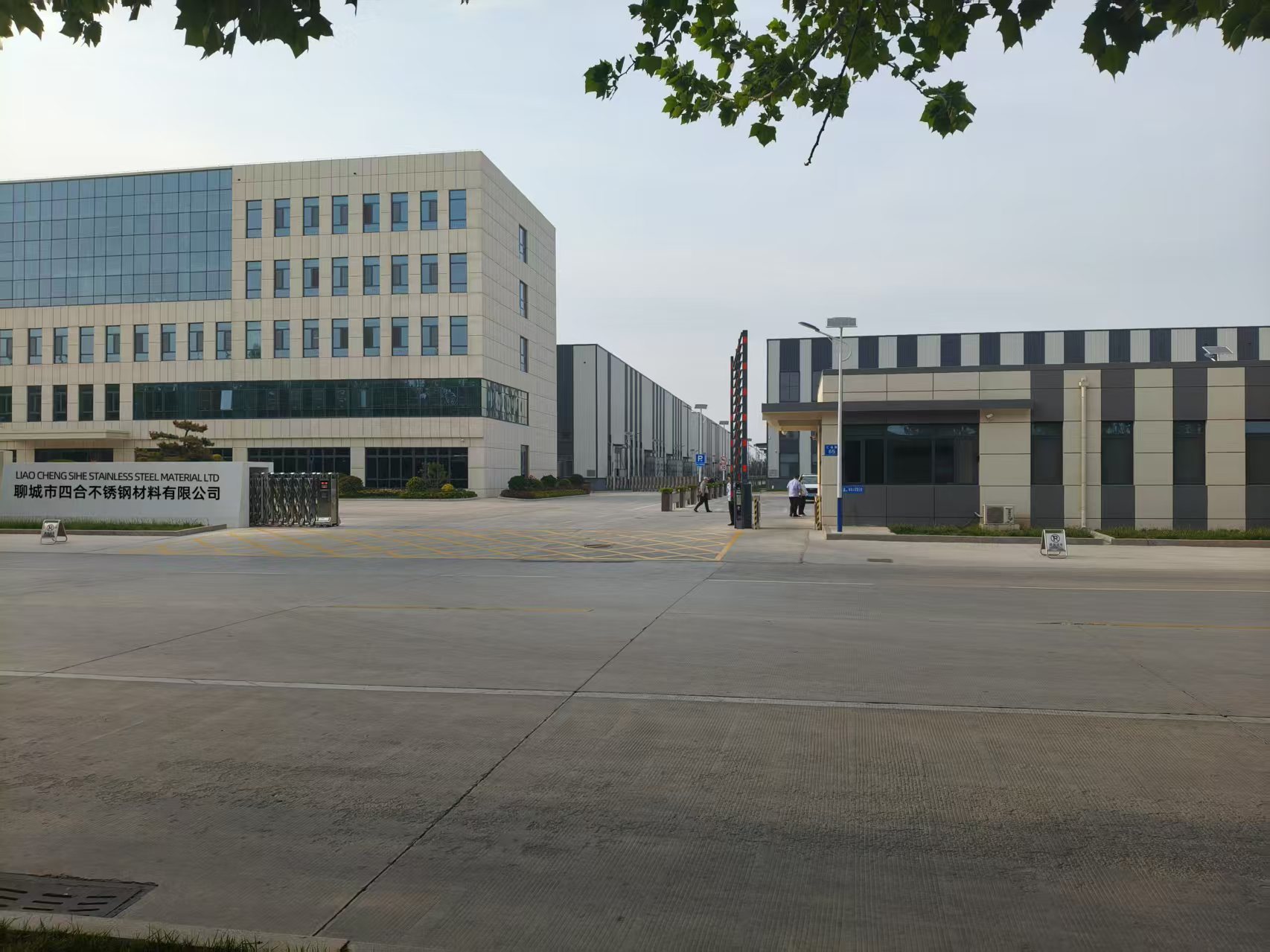
Liaocheng Sihe Stainless Steel Material Ltd operates six state-of-the-art production lines, delivering certified coils, sheets, and capillary tubes to 30+ countries.
Looking for direct manufacturer pricing?
Custom Specs WelcomedProviding specialized downstream processing to match exact dimensional tolerances for heavy aerospace, petrochemical, and biotech operations.
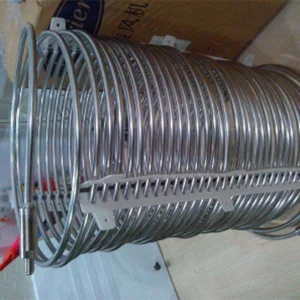
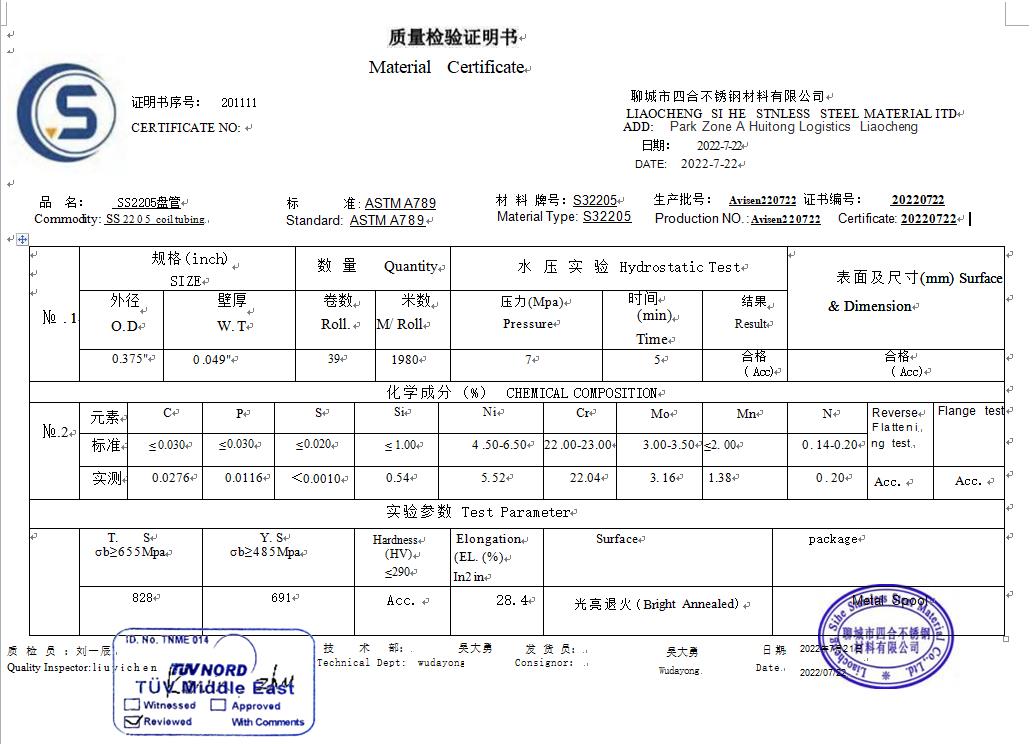
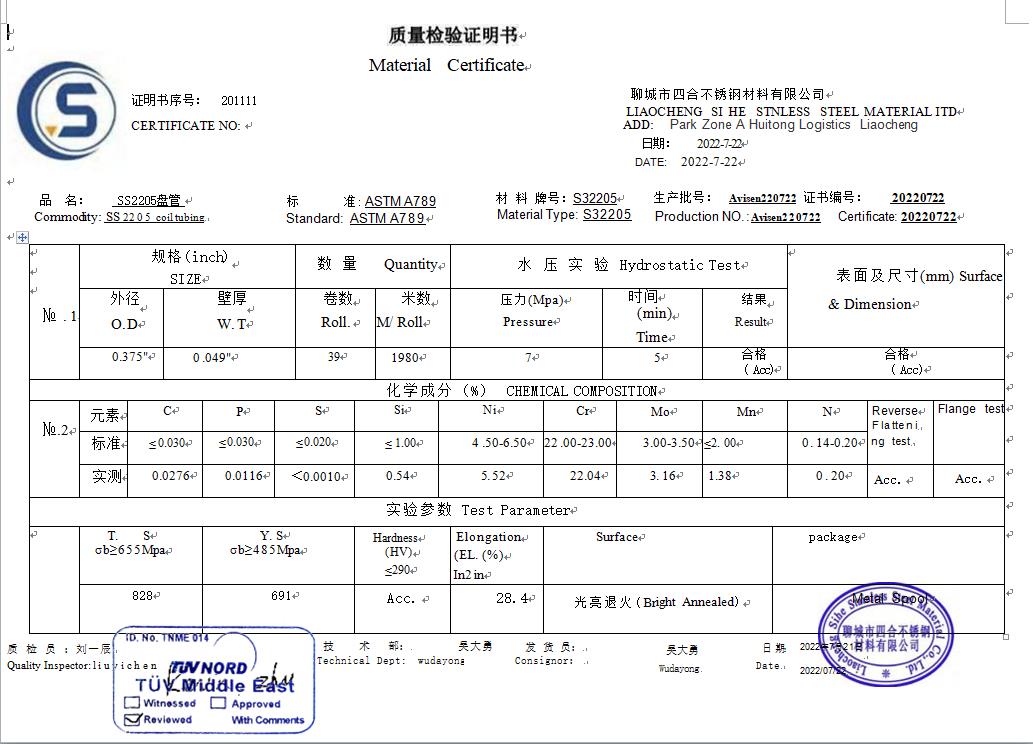
Our fabrication facilities support custom dimensional sizing of sheets, custom slit-to-width coils, and customized wall thicknesses from 0.049 inches up to 0.165 inches. We facilitate complex customer requirements such as high-precision drawing, flanging, bending, and spiral tube forming for heat exchanger assemblies.
Using advanced atmosphere-controlled bright annealing lines, our stainless steel products are heated and cooled in a hydrogen-nitrogen protective gas mix. This prevents surface oxidation, removes residual mechanical stresses, and maintains a highly reflective, clean surface layer, minimizing post-procurement pickling or polishing.
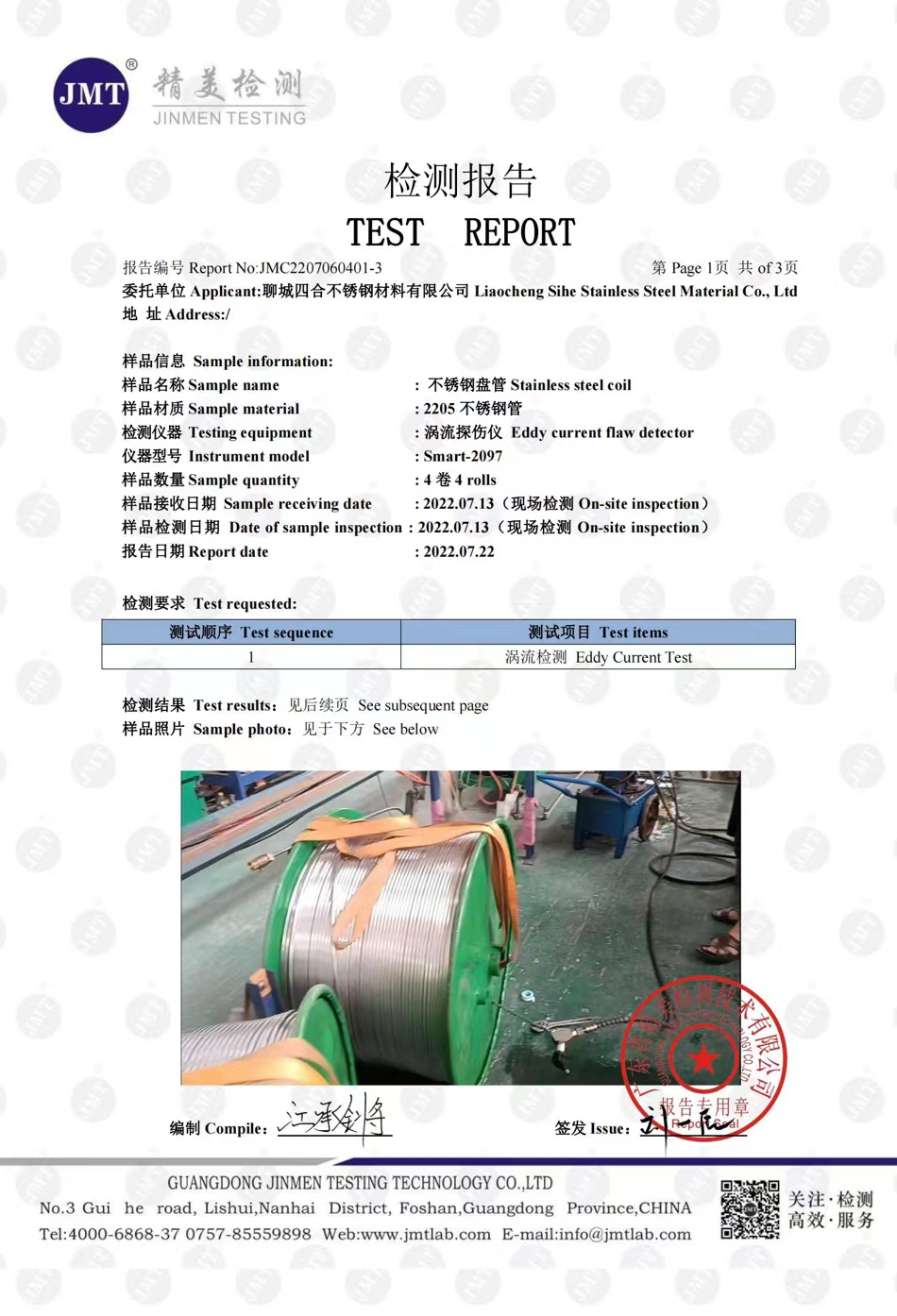
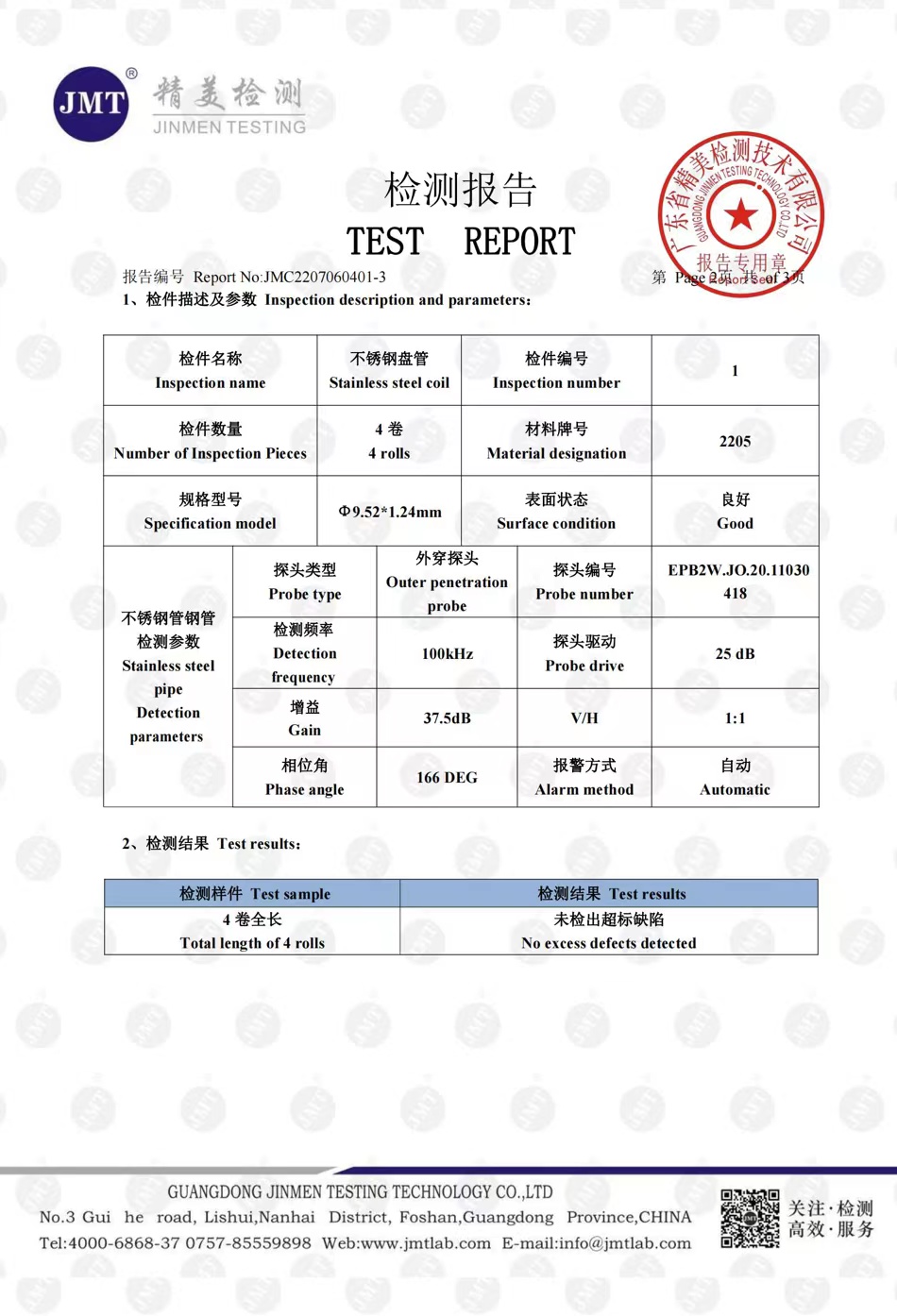
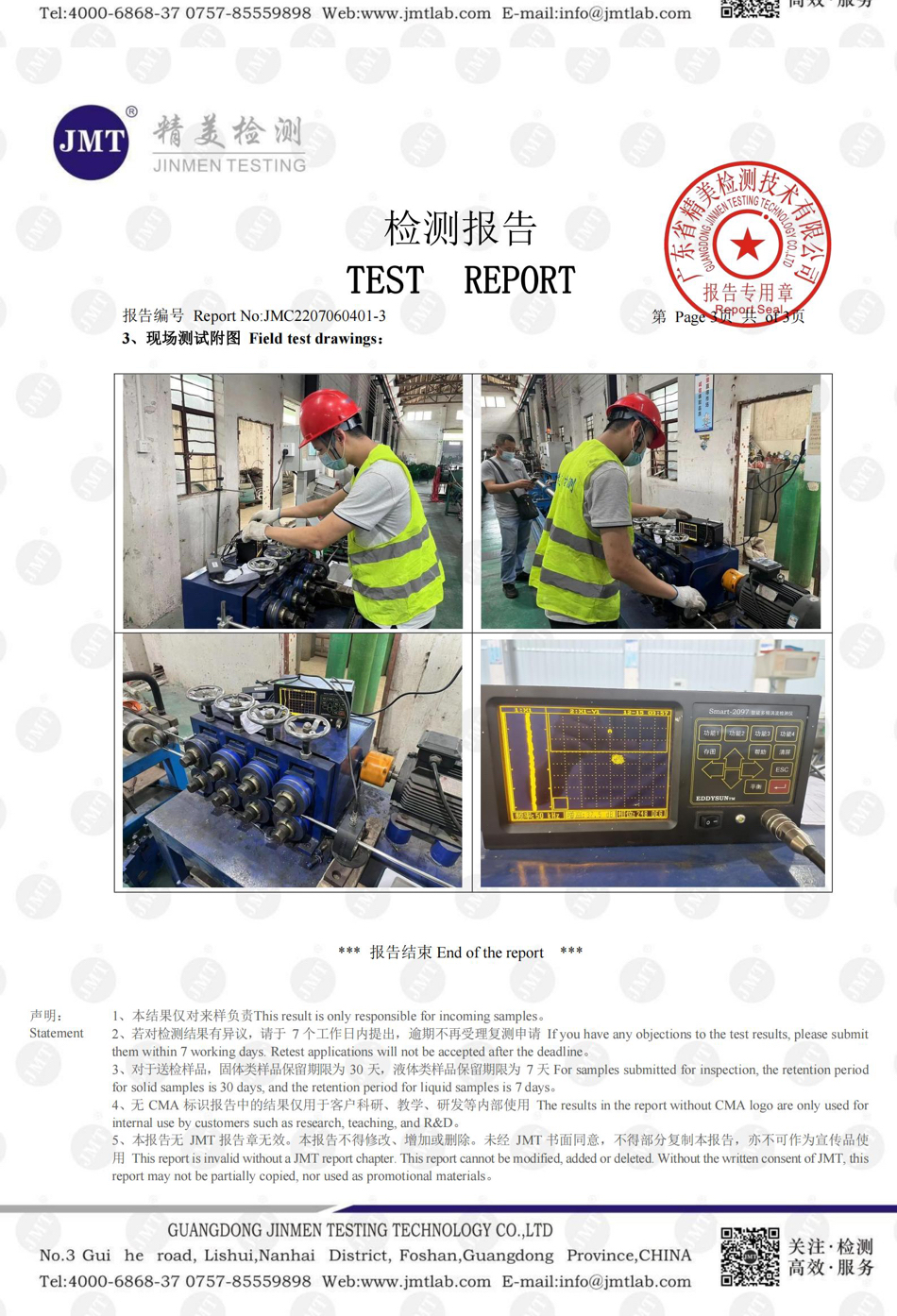
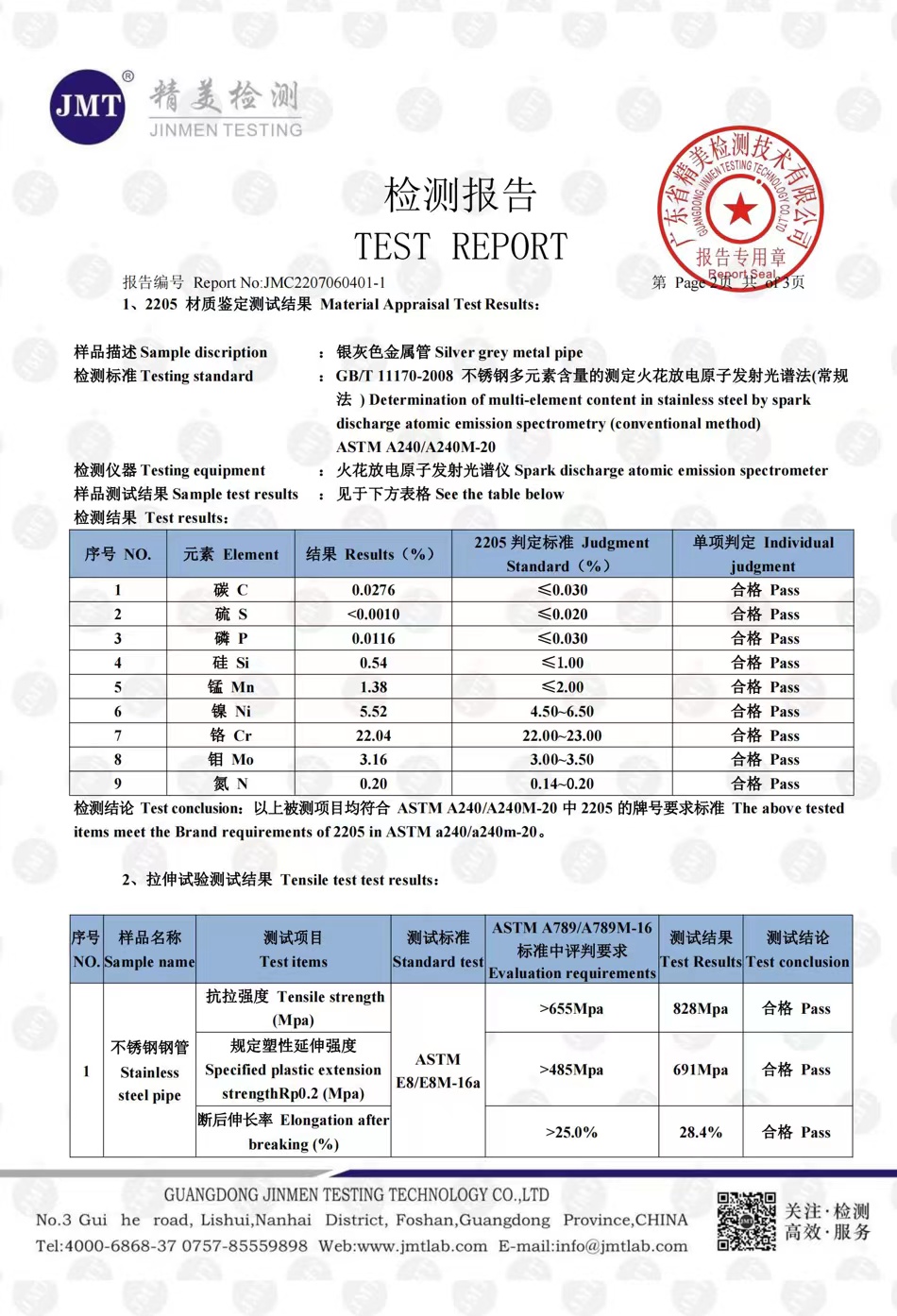
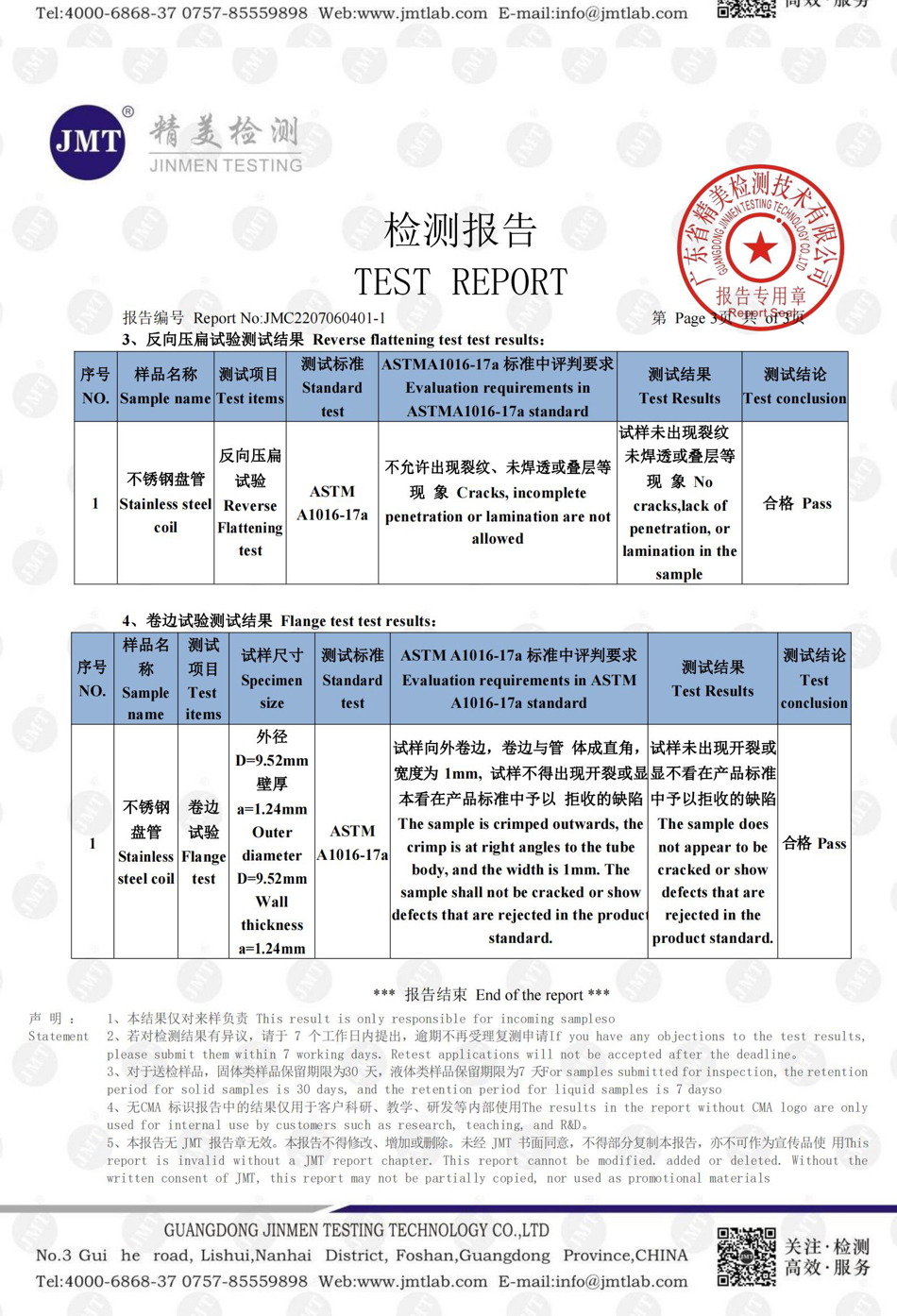
We implement comprehensive quality gates at every stage of the manufacturing cycle. This includes 100% air-tightness testing, hydraulic compression, flaring, bending, tensile, and hardness tests to ensure that every shipment matches structural requirements in high-vibration and extreme-pressure environments.
Established as a key manufacturer and partner for worldwide logistics, Liaocheng Sihe Stainless Steel Material Ltd excels in the production of high-performance stainless steel coiled tubes, polishing tubes, seamless coiled tubing, and custom sheets. Operating with six continuous production lines, our steel mill tightly regulates key metallurgical properties according to GB, ASTM, ASME, JIS, and EN standards.
Our deep-drawing techniques and processing systems yield premium austenitic grades including 304/304L, 316L, 321, 317L, 309S, 310S, and Incoloy 800. Additionally, for extreme high-corrosion and high-temperature systems, we manufacture high-nickel alloys and duplex lines, including Duplex 2205, Super Duplex 2507, Incoloy 825, and Inconel 625.
As offshore and ultra-deep gas extraction pushes into hostile subsea environments, the structural safety of coiled control umbilical tubing becomes paramount. Our operational priority is to match chemical compositions exactly to prevent stress corrosion cracking (SCC) and localized pitting in high-chloride waters. We export to over 30 countries, with the US comprising over 80% of our precision coil exports.
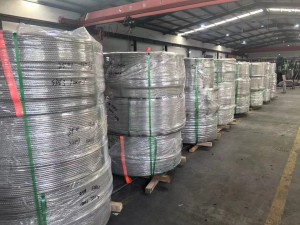
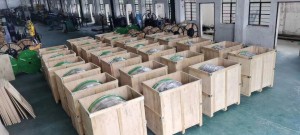
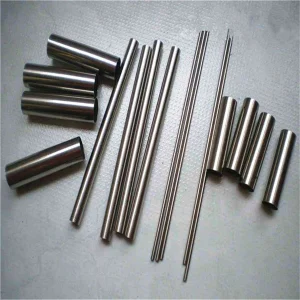
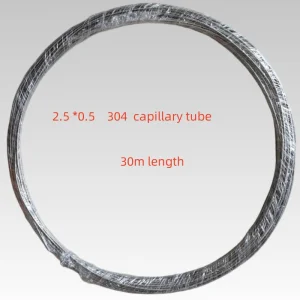
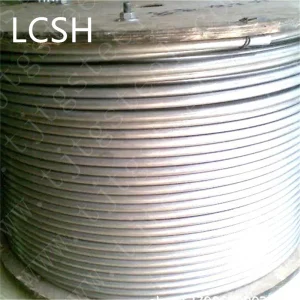
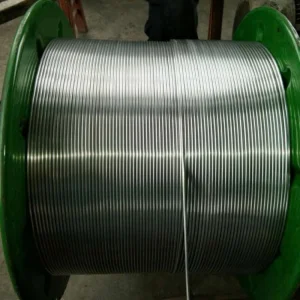
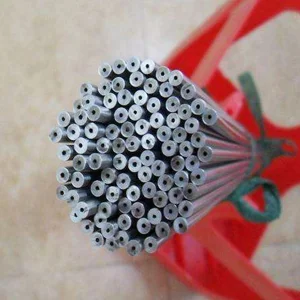
A broad portfolio of custom seamless coiled tubes, capillary tubes, and surface-treated architectural sheets ready for global dispatch.
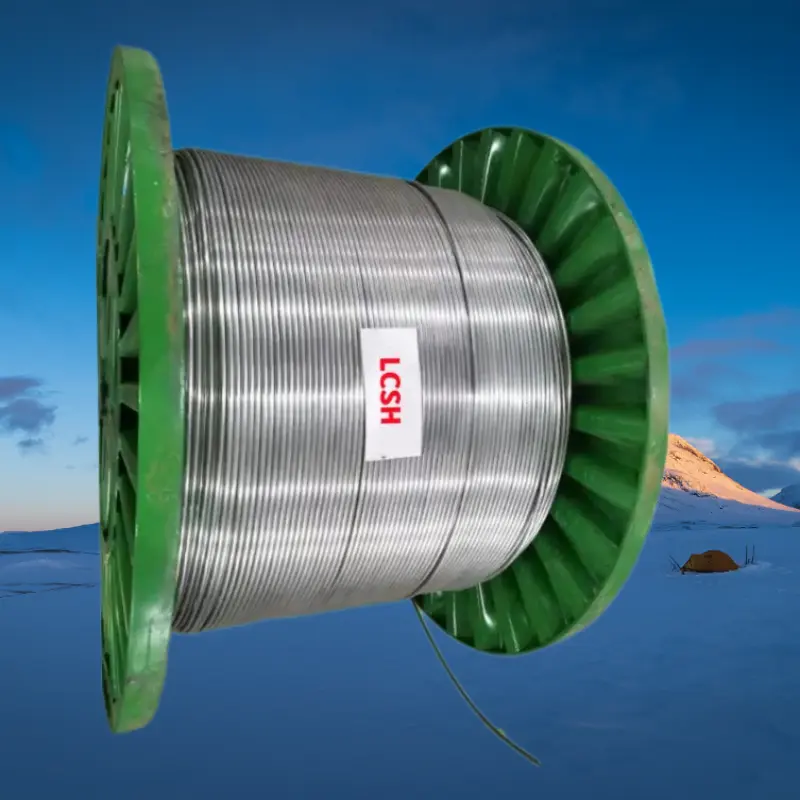
Combining high yield strength with exceptional pitting resistance in marine environments.
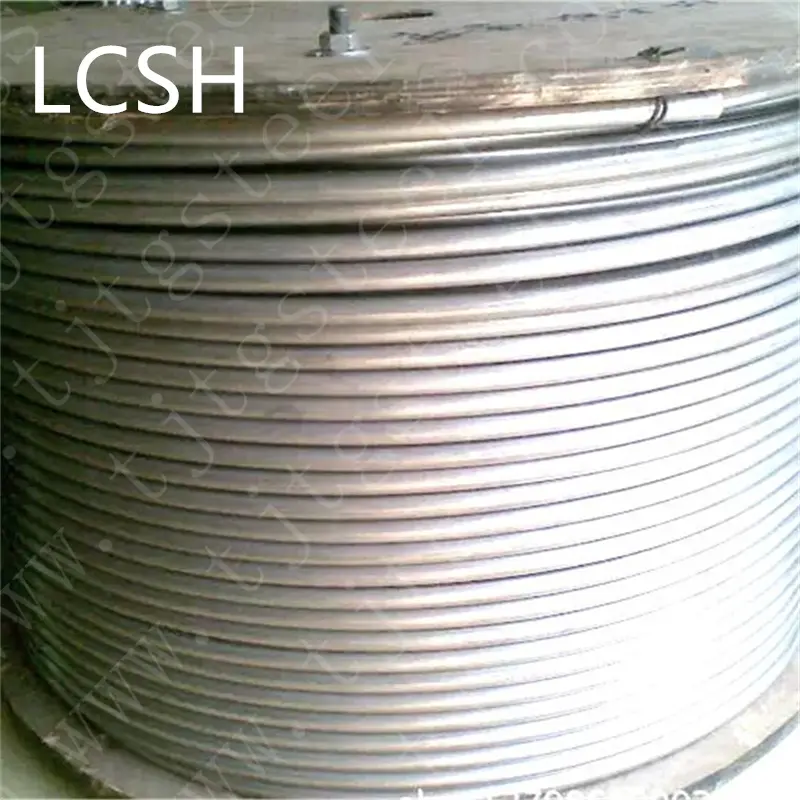
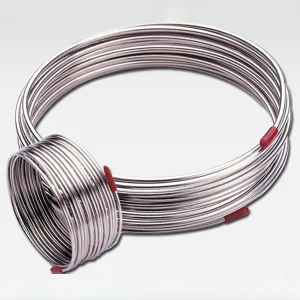
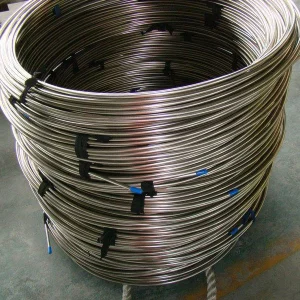
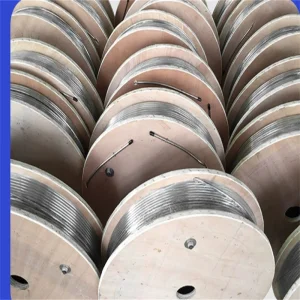
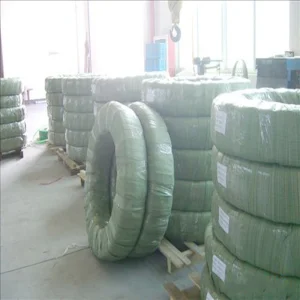
Continuous length reels ideal for subsea control lines and chemical injection systems.
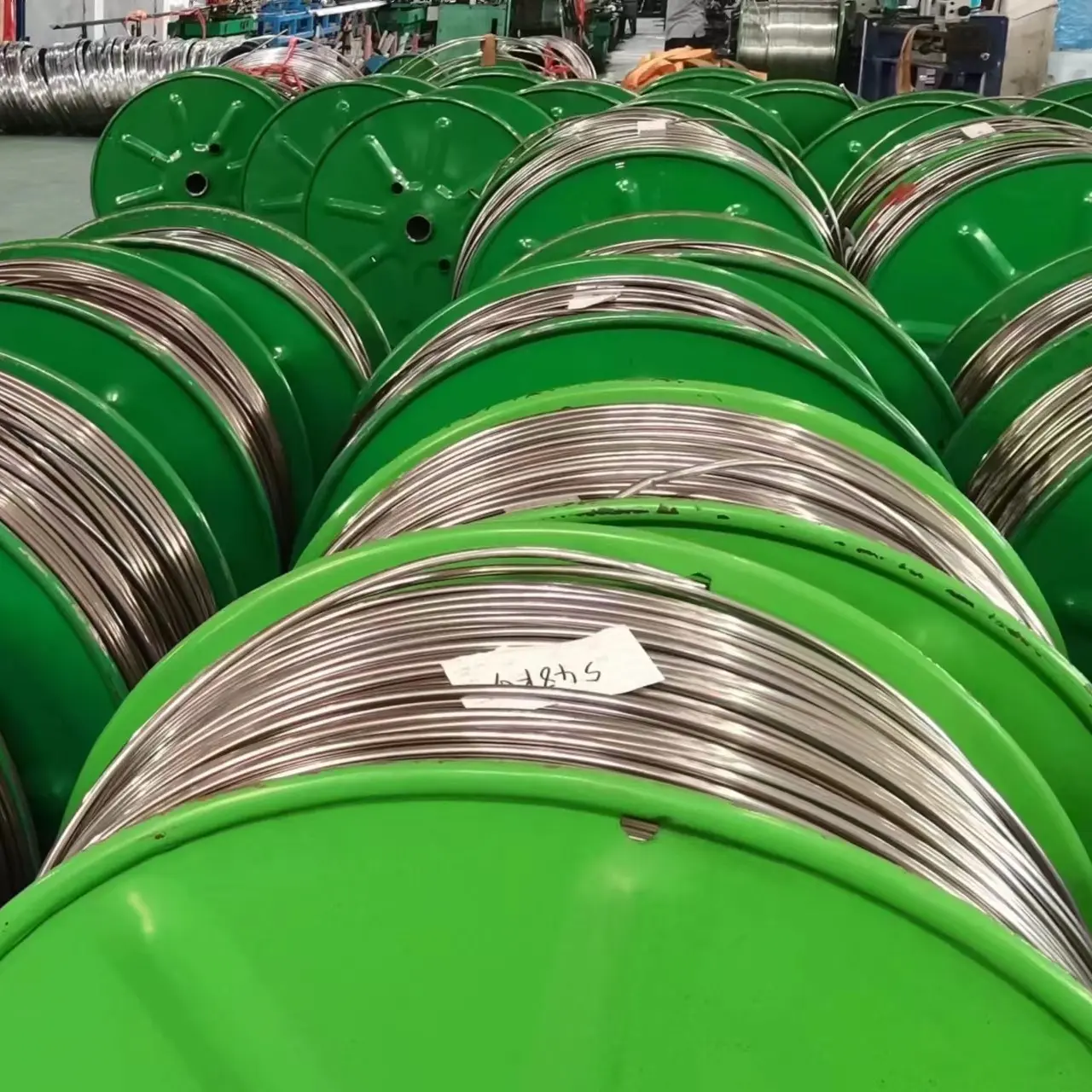
High-temperature oxidation resistant lines tailored for aerospace furnace tubes and kilns.
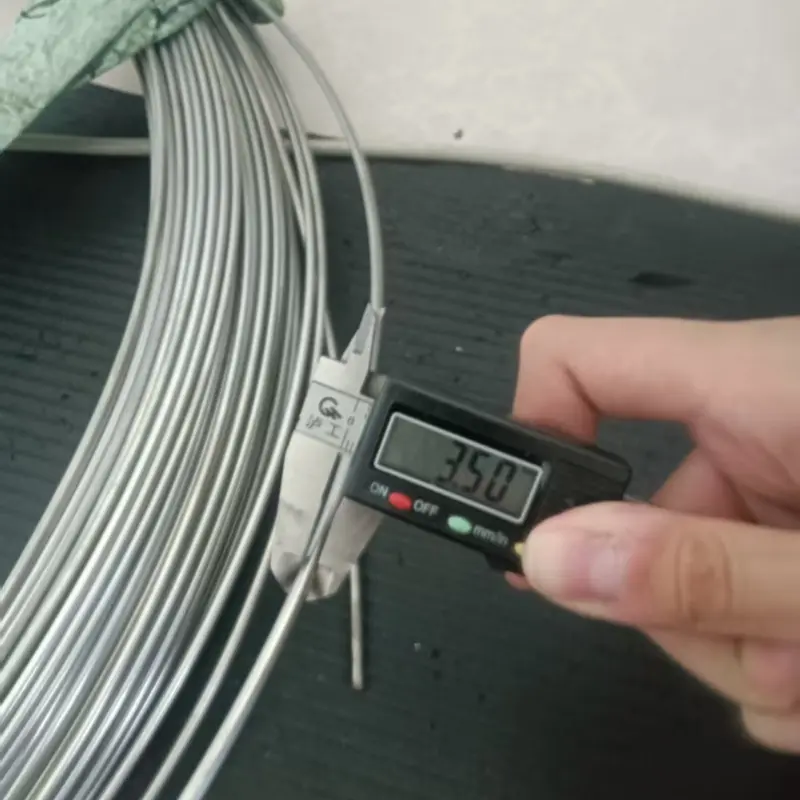
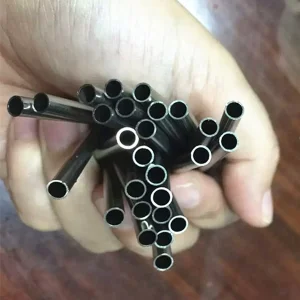
Extremely narrow tolerances for chromatography, sensor housings, and medical diagnostics.
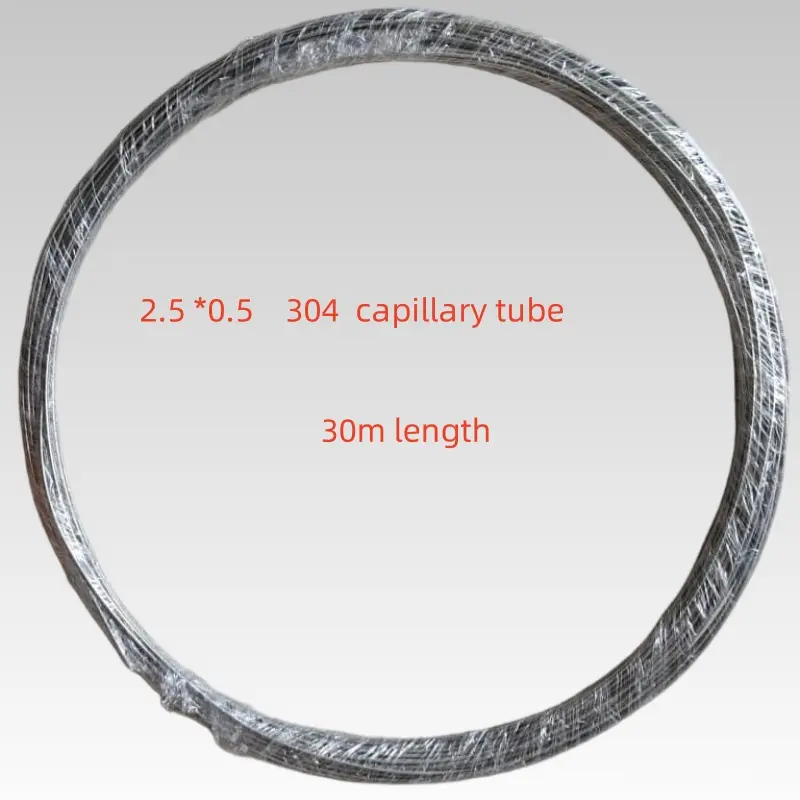
Optimized thermal conductivity and zero-leak performance under continuous thermal cycling.
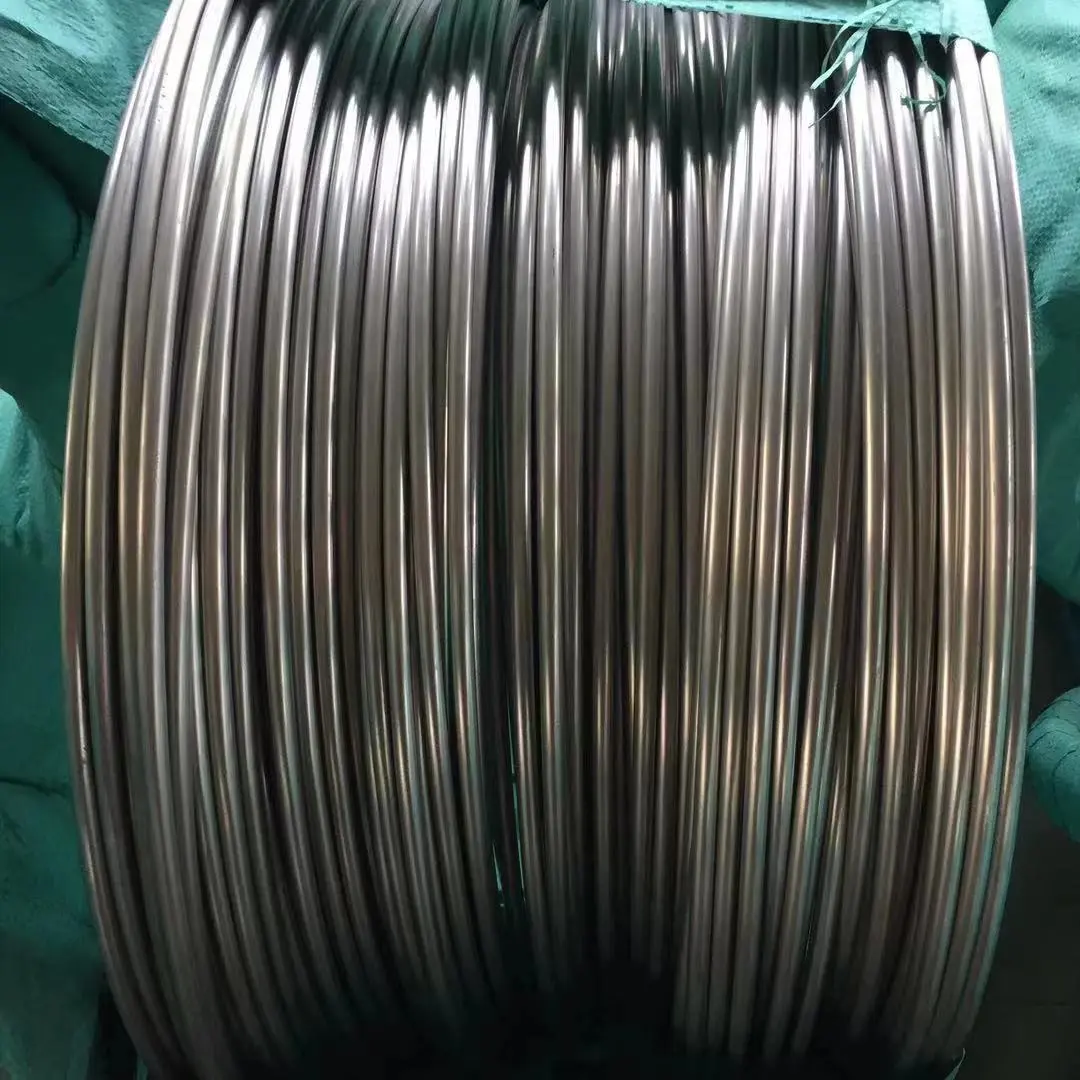
Smooth inner surfaces minimizing biological adhesion for pharmaceutical and food processing.
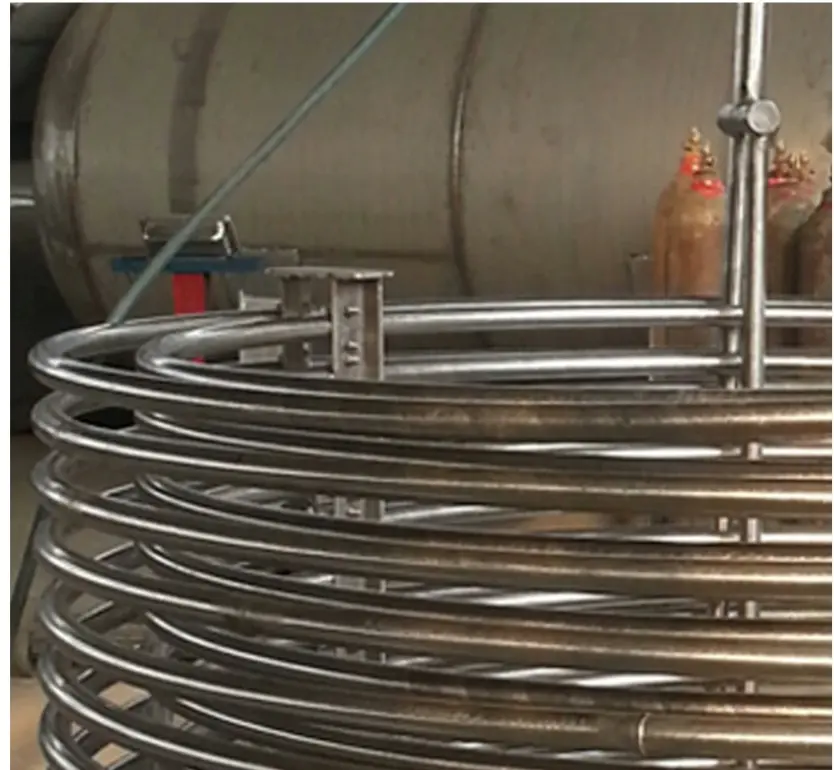
Extreme mechanical strength and high PREN ratings for deepwater offshore applications.
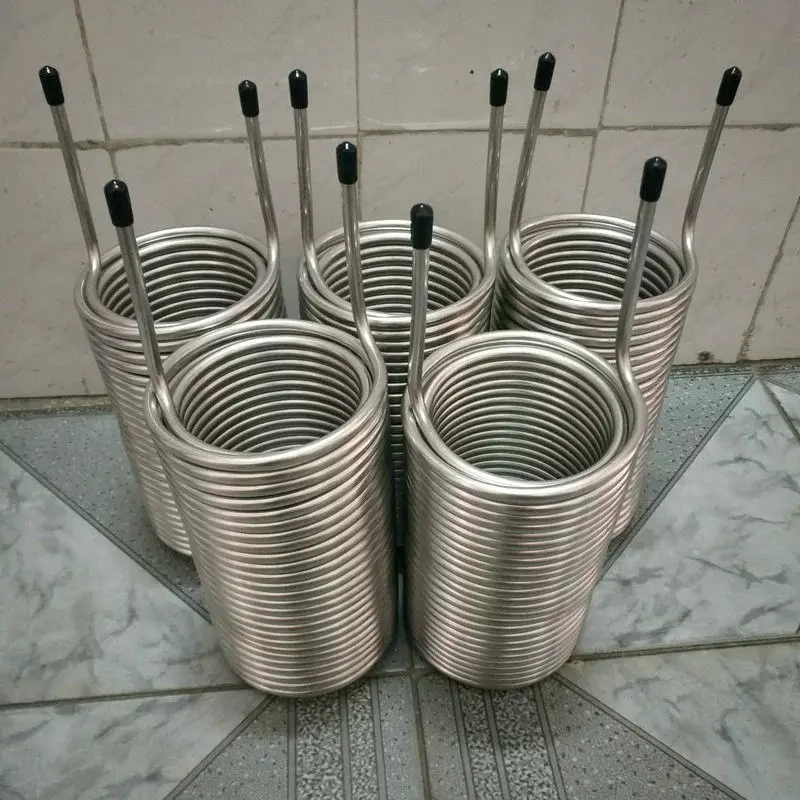
Exceptional resistance to sulfuric and phosphoric acids in petroleum refining plants.
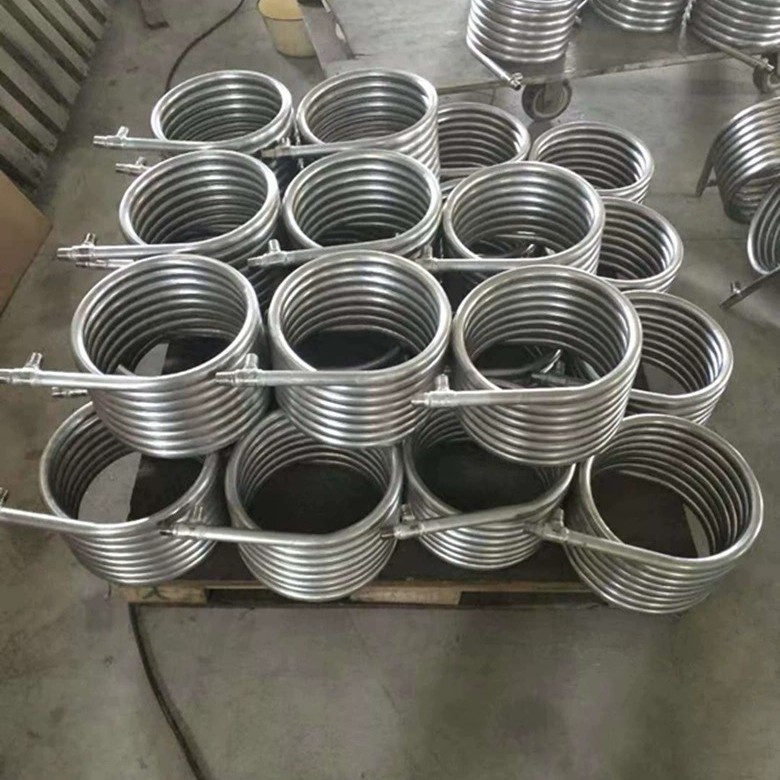
Designed for extreme environment sensors and high-temperature operations.
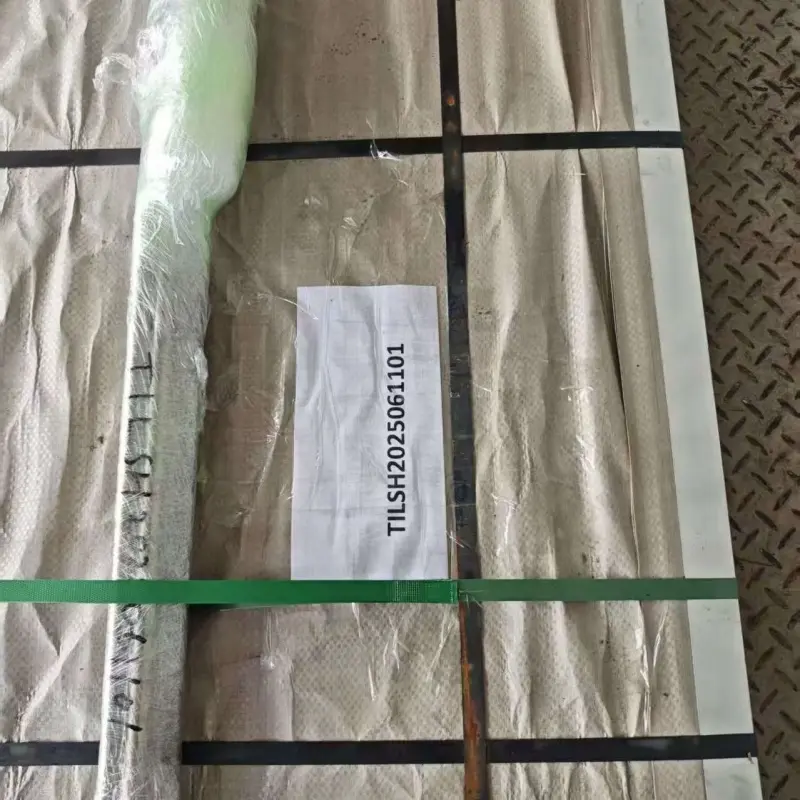
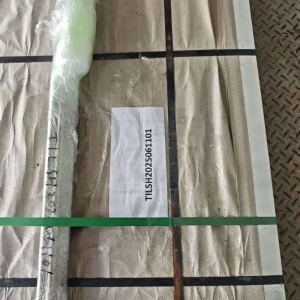
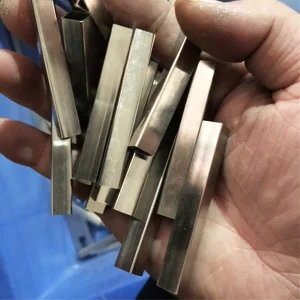
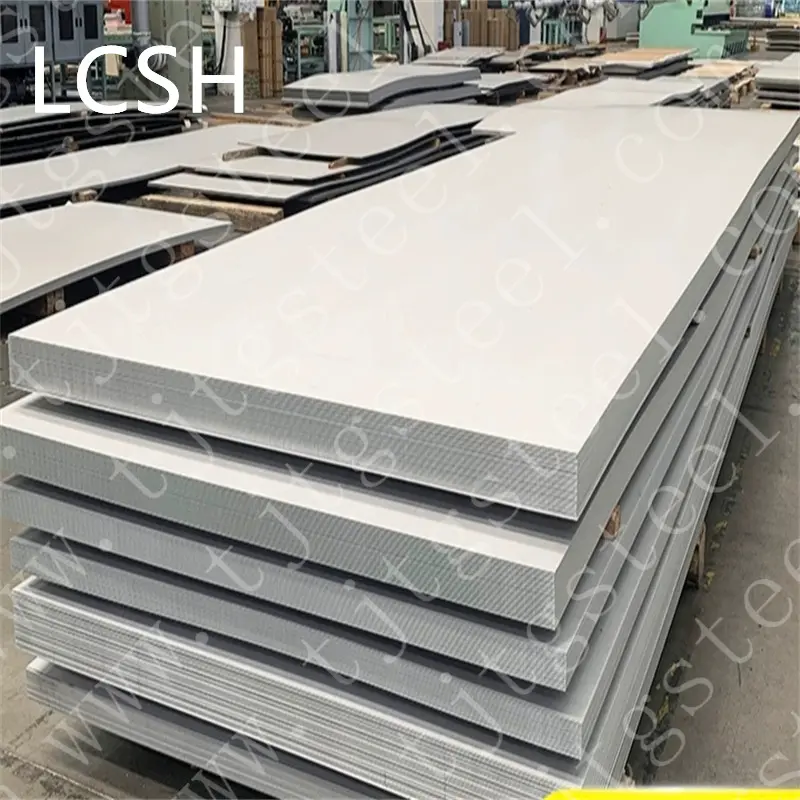
Standard flat plate configurations for storage tanks, silos, and industrial structural builds.
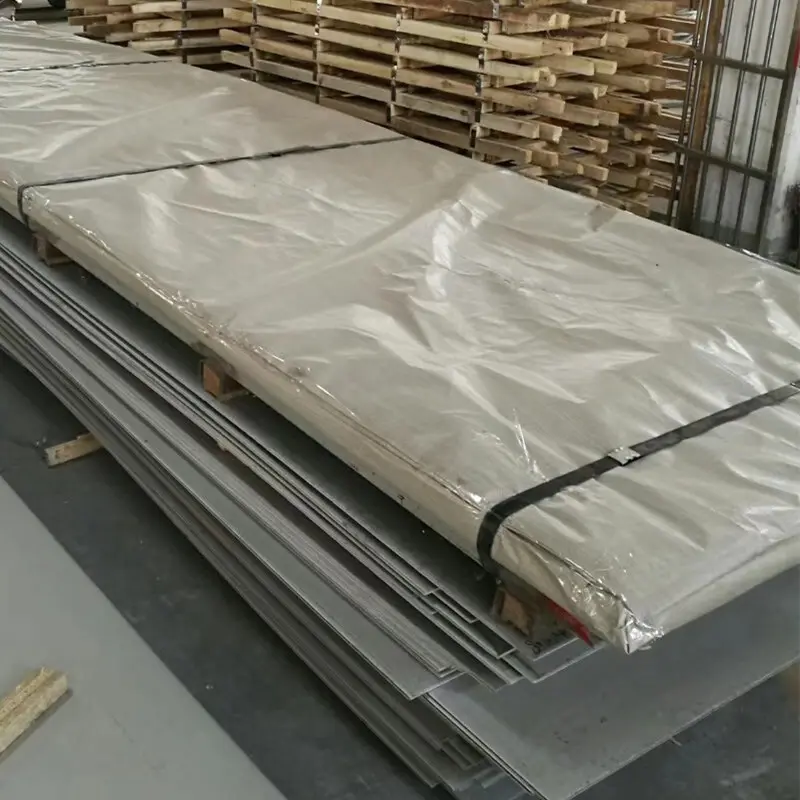
Enhanced molybdenum content prevents pitting in marine and food processing setups.
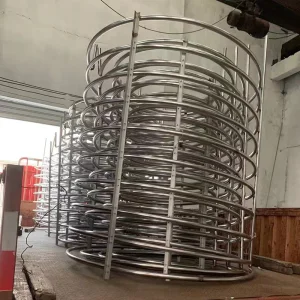
Eliminating mid-assembly welds in long condenser and boiler heating systems.
Tested for high burst pressures and structural integration with pneumatic equipment.
Delivering high-integrity stainless solutions configured to meet safety standards in harsh chemical, subsea, and sanitary environments.
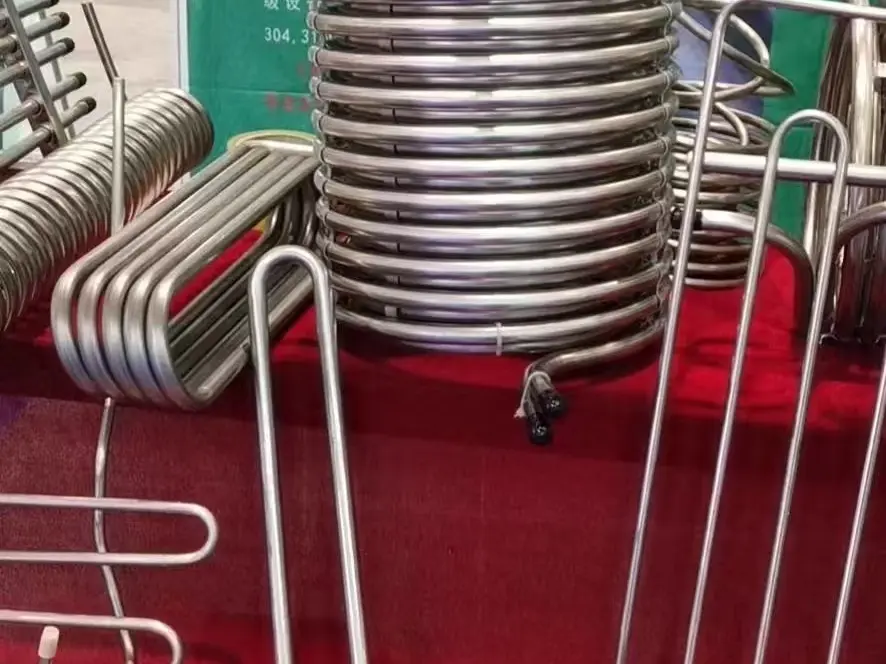
Providing high thermal exchange rates and chemical resistance in thermal cooling stations.
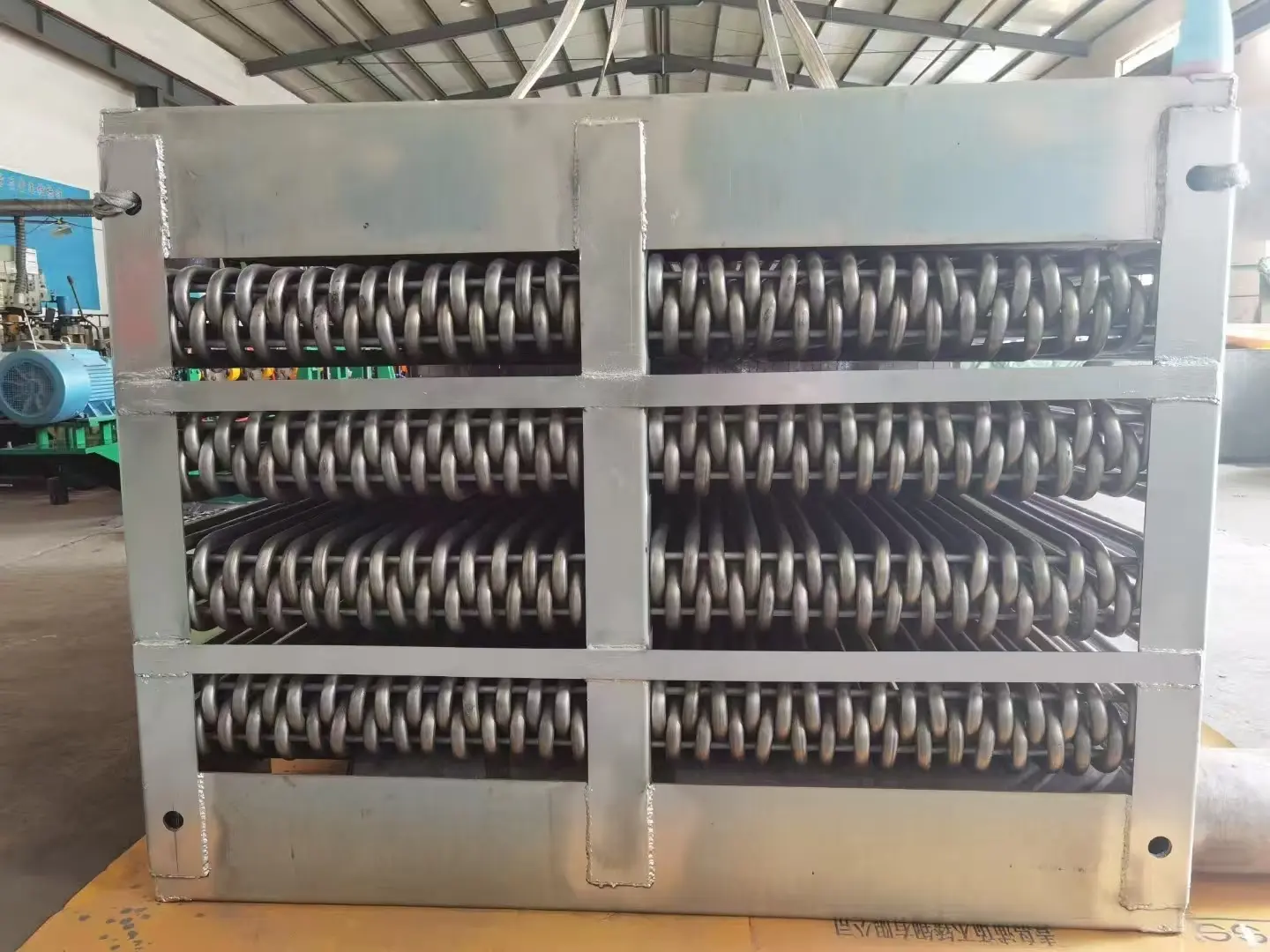
Resistant to condensation-induced corrosion and compatible with diverse eco-refrigerants.
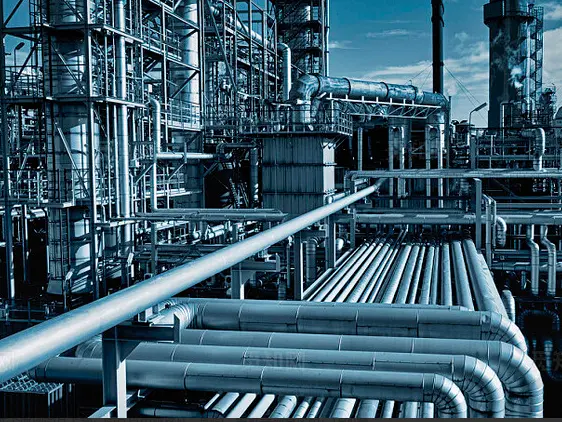
Engineered to convey corrosive chemical agents safely under fluctuating process pressures.
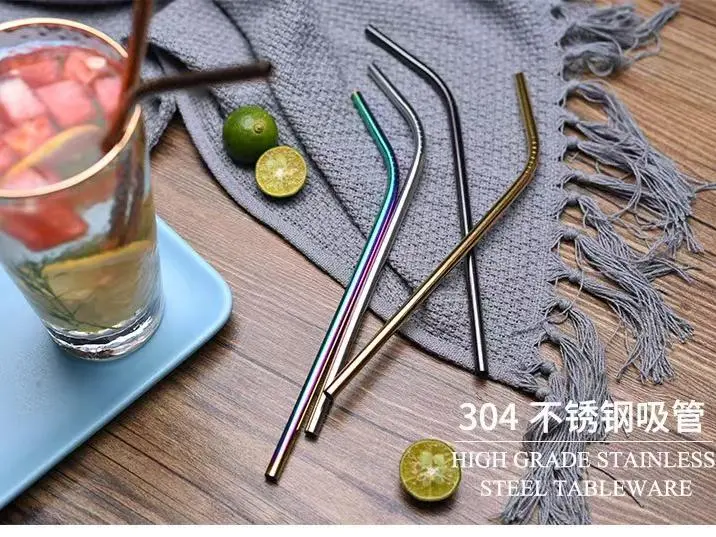
Strict sanitary standards prevent toxic leachates, guaranteeing product purity.
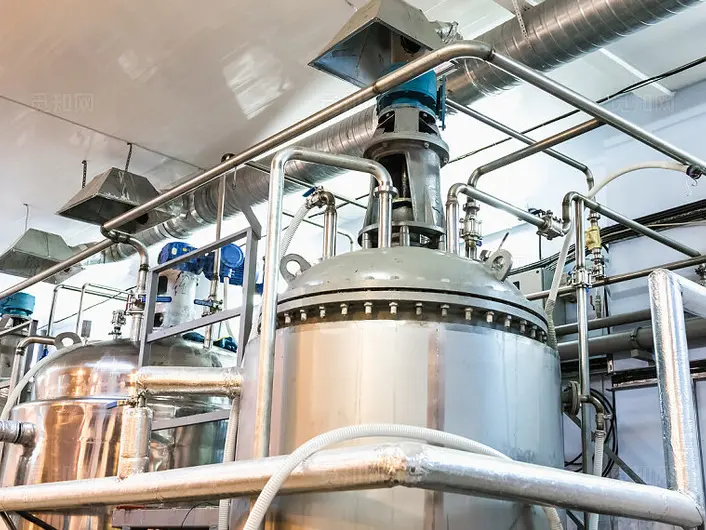
Polished interiors limit bacterial adhesion during clean-in-place (CIP) washdowns.
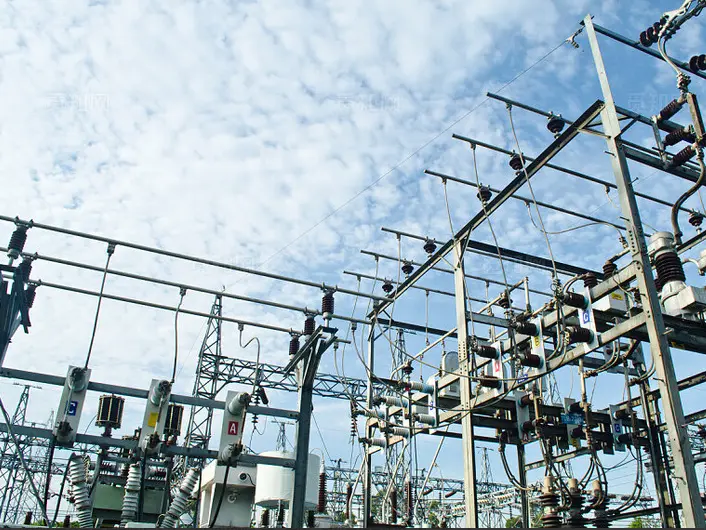
Providing high stress-rupture strengths in boiler feed lines and heat exchanges.
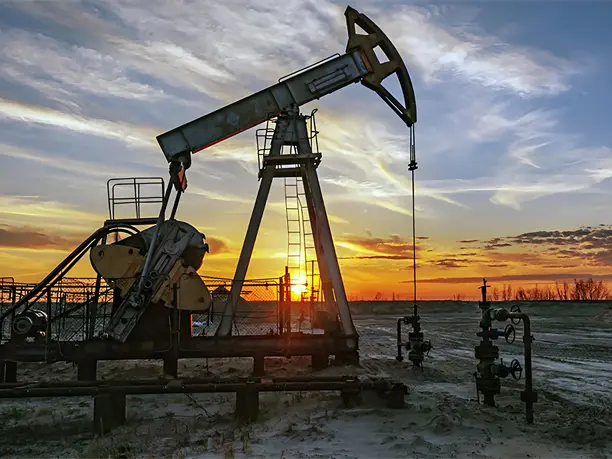
Withstanding sulfur-rich hydrocarbon processing zones under cyclic load shifts.
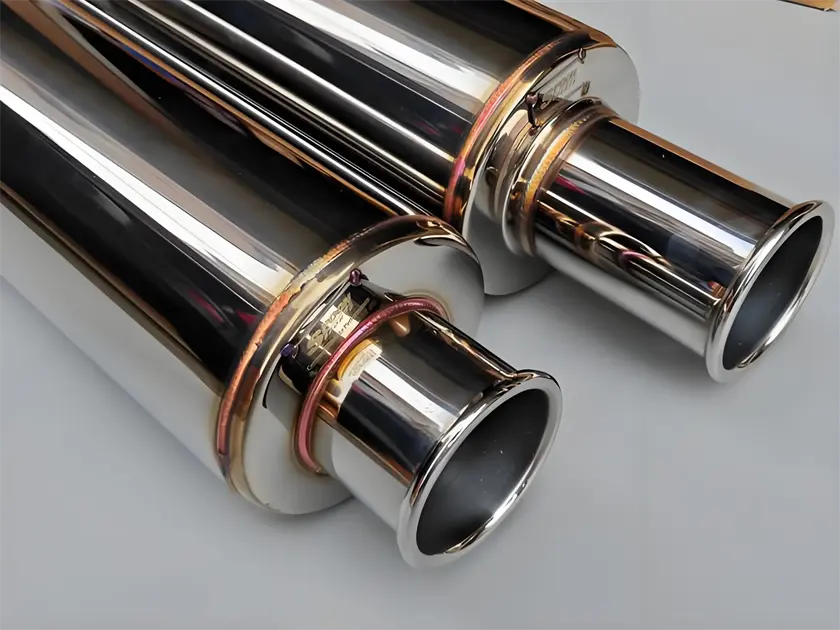
Corrosion-proof tubing for fuel delivery, structural hydraulics, and exhaust components.
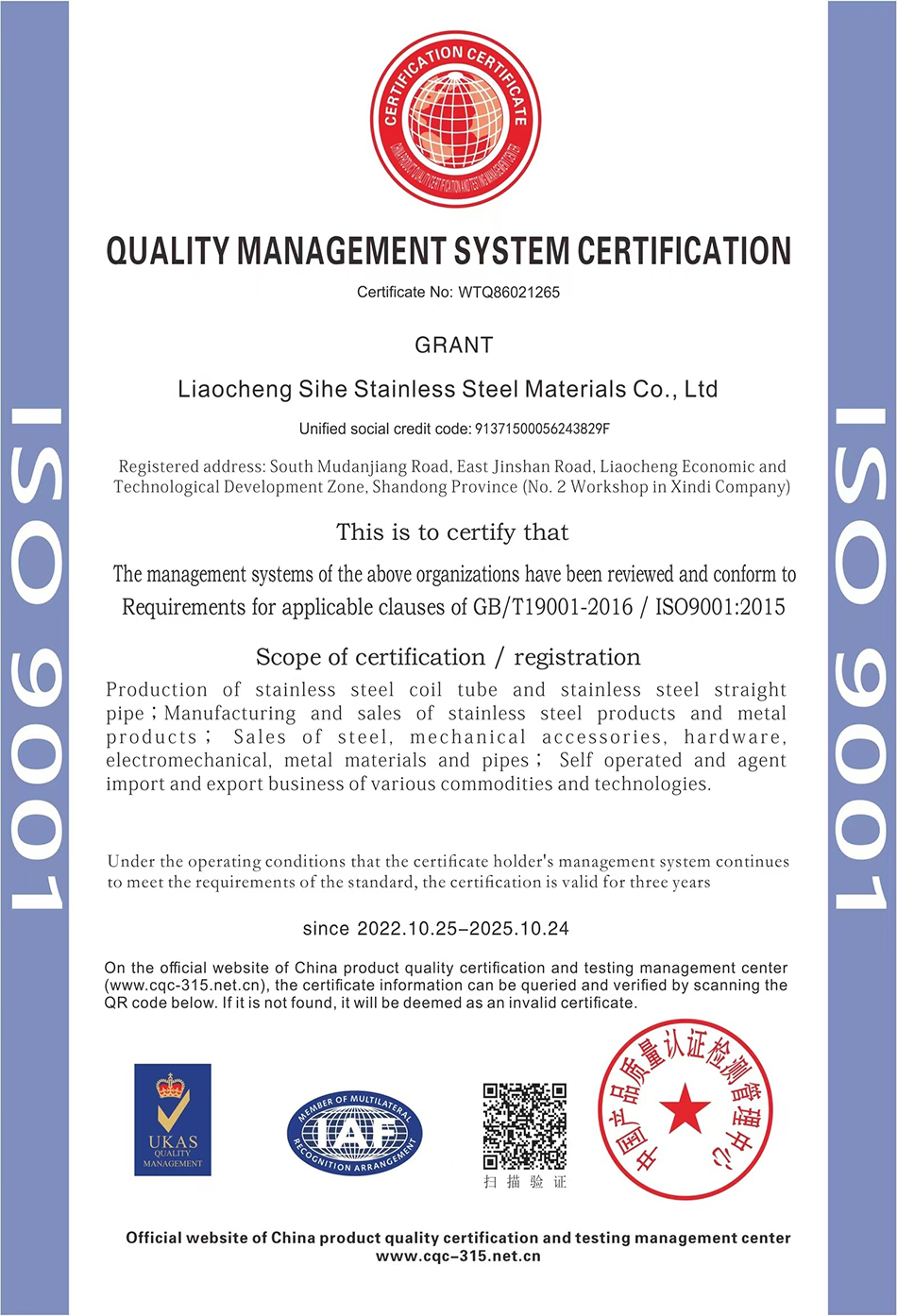
Our mill maintains full trace compliance with international regulatory bodies, offering standard testing documentation for military, marine, and medical procurements.
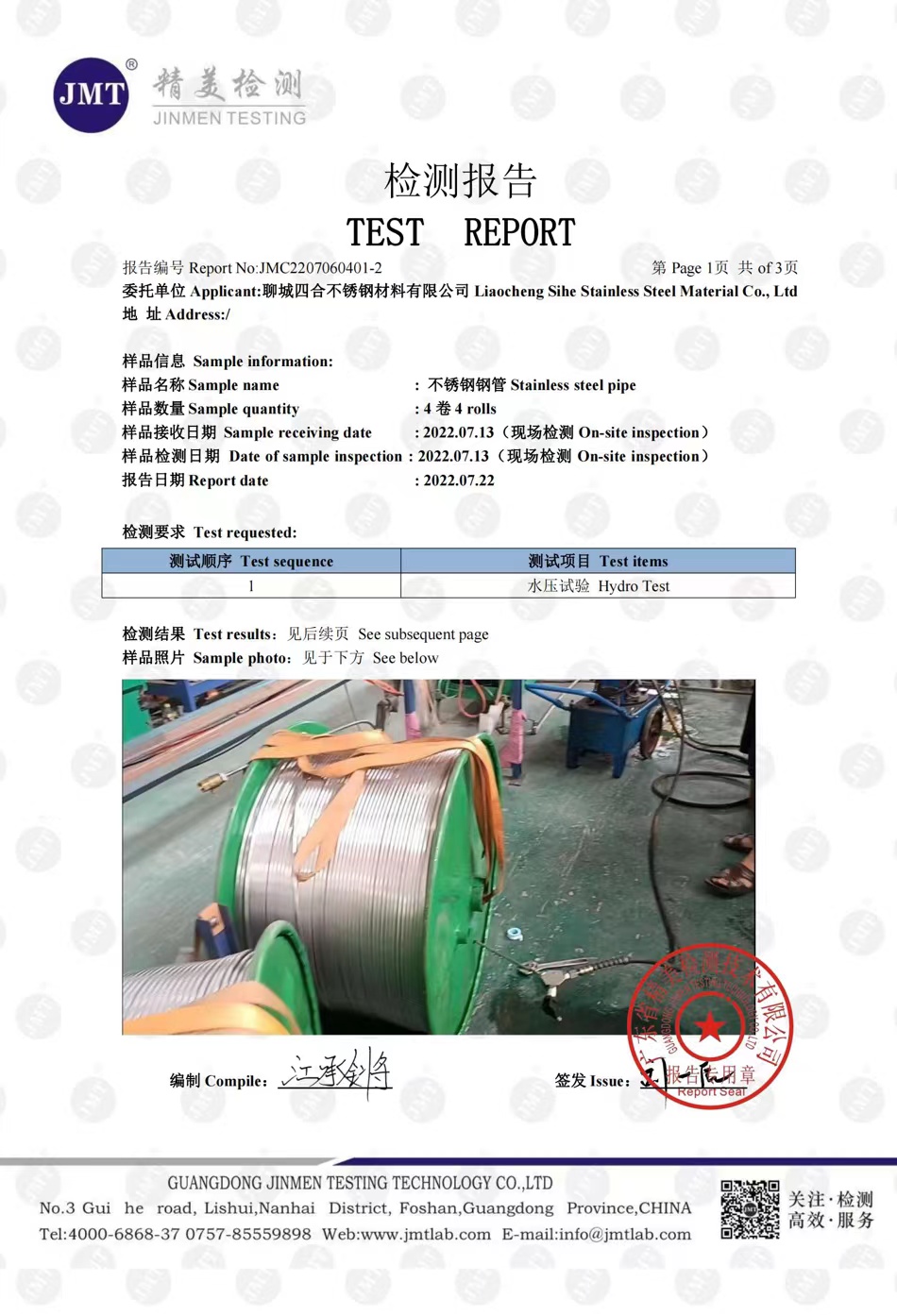
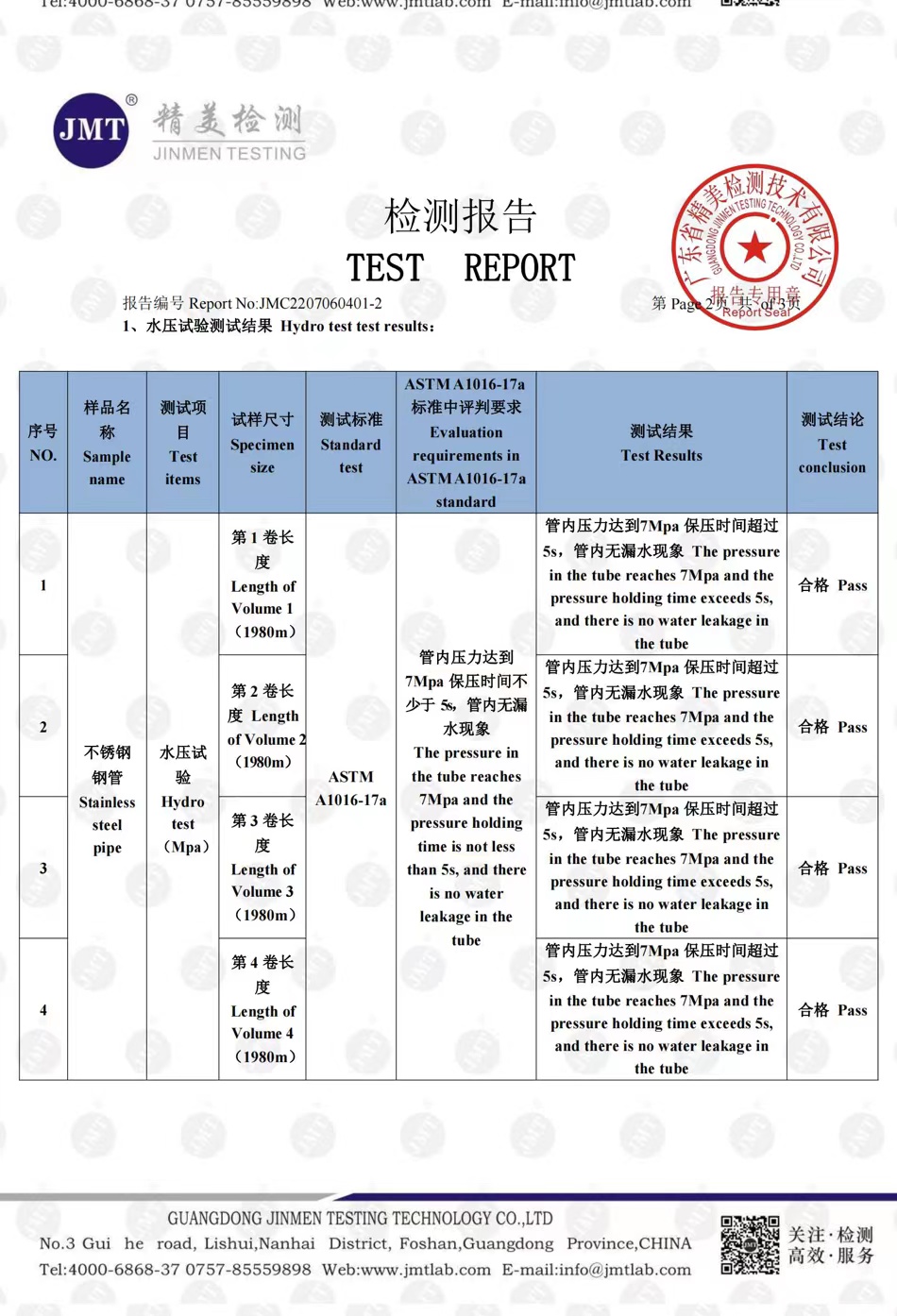
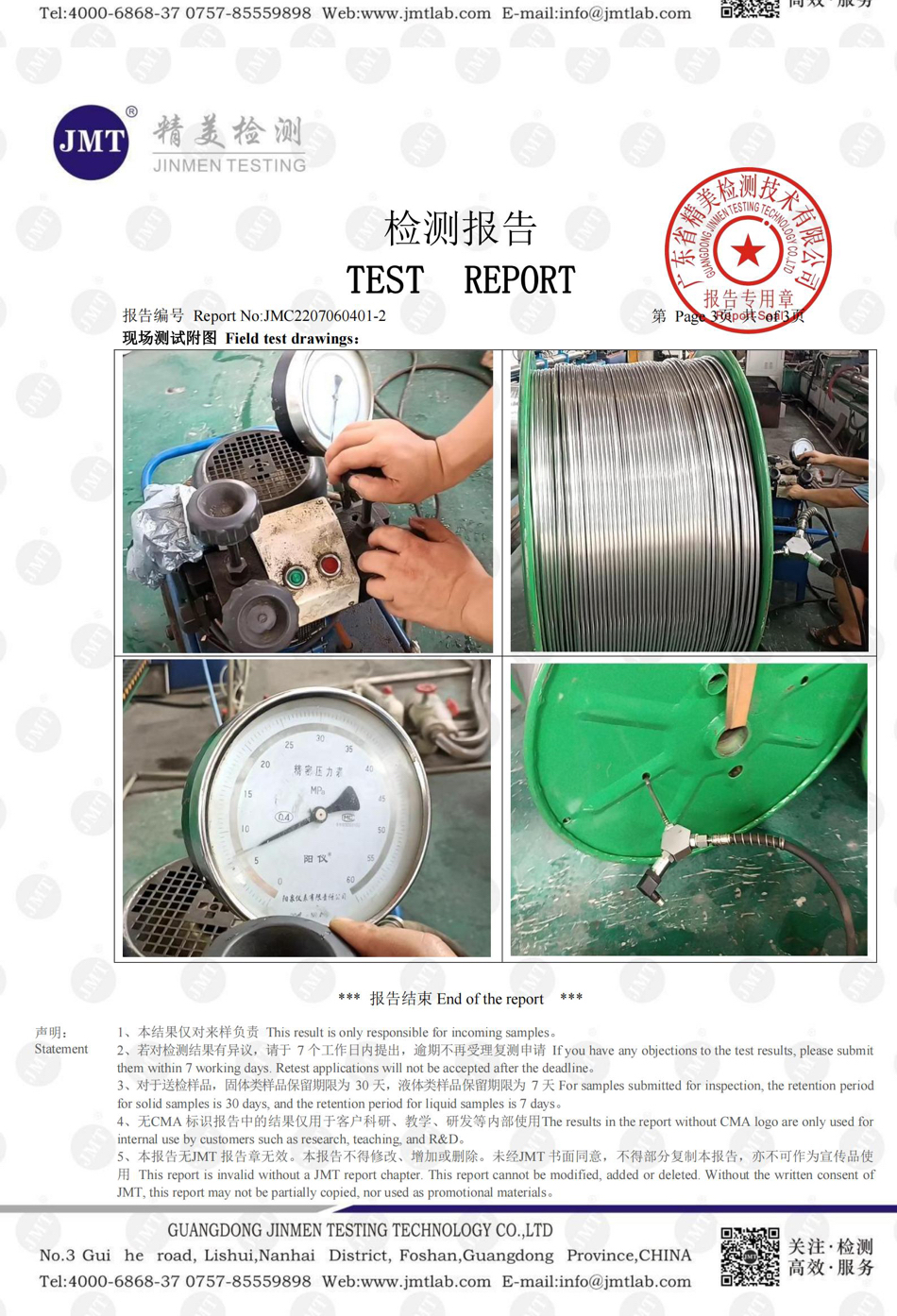
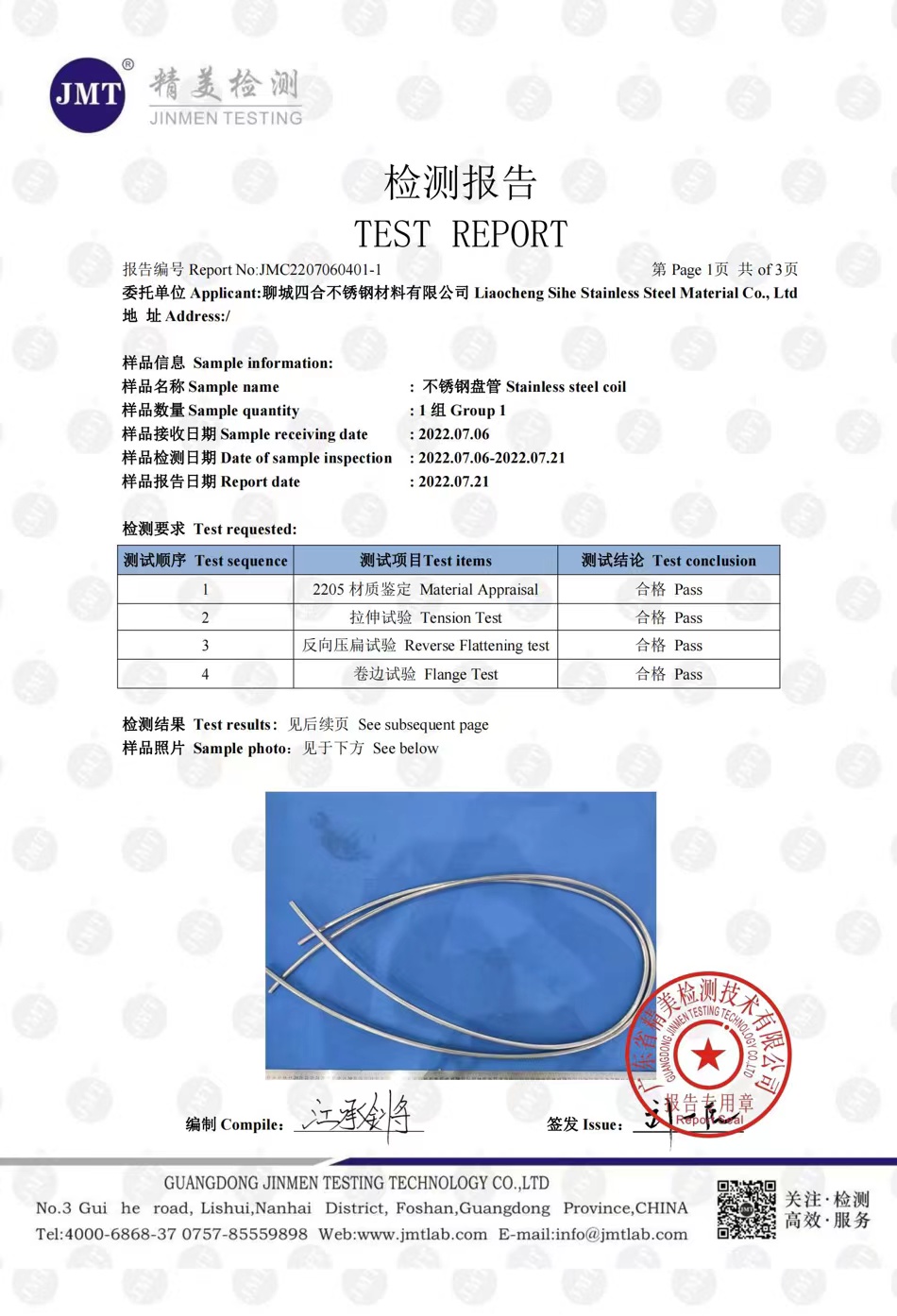
Navigating global supply chain volatility requires buyers to analyze more than just FOB prices. Key elements like raw material alloy surcharges (primarily tracking LME Nickel index rates), bulk maritime logistics rates, import/export duties, and localized trade restrictions must be accounted for. To hedge against quality discrepancies and ensure mechanical consistency, international companies are moving away from spot purchases in favor of long-term contract structures directly with verified steel mills.
By coordinating directly with mills that handle melting, refining, drawing, and final finishing in-house, sourcing agents can secure consistent dimensional accuracy and trace tracking for every batch. This integration is essential for components like umbilical tubing used in offshore oil wells and high-purity pipelines for semiconductors, where single-point micro-failures can result in high maintenance costs.
The global steel industry is transitioning toward clean energy manufacturing and precision metallurgical processes. In the production of high-performance 304 and 316 series, advanced vacuum oxygen decarburization (VOD) and argon oxygen decarburization (AOD) refining are standard for reducing carbon while preserving alloy chemistry.
Looking forward, the production of stainless steel will continue to focus on energy transition applications. High-grade alloys are essential for the production of hydrogen fuel cells, where structural integrity under high pressure and low temperatures is required. Direct-mill innovations, such as inline smart sensor tracking, ensure that micro-fractures are identified and eliminated during drawing, matching the safety standards required for the next generation of transportation and fuel systems.
Addressing core metallurgical, pricing, logistics, and quality assurance questions for international engineering teams.
Review additional high-precision alloys, capillary tubings, and specialized standard pipe configurations available for global order fulfillment.