 Sihe Steel
1. The Global Landscape of China's Stainless Steel Manufacturing
The global industrial demand for highly durable, corrosion-resistant alloy systems is expanding exponentially. In this macro-industrial shift, the sourcing of stainless steel panels, plates, and specialized tubular products from China has transitioned from a pure cost-saving exercise to a strategic alignment with state-of-the-art metallurgy and fabrication capabilities. China now accounts for over 50% of the world's crude stainless steel production, positioning the nation not just as a high-volume hub, but as a critical technical innovator in metallurgy.
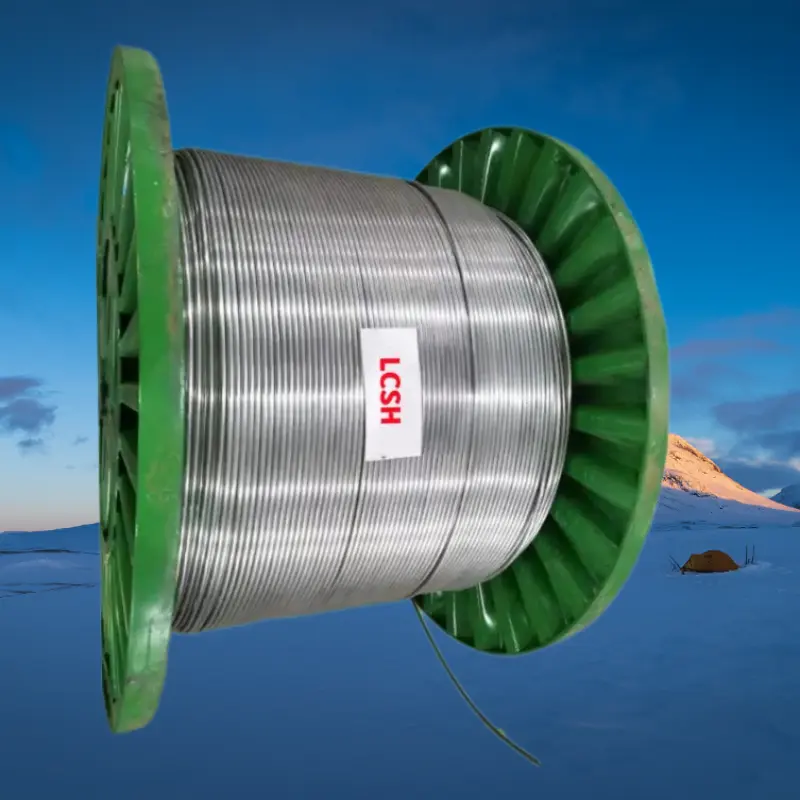
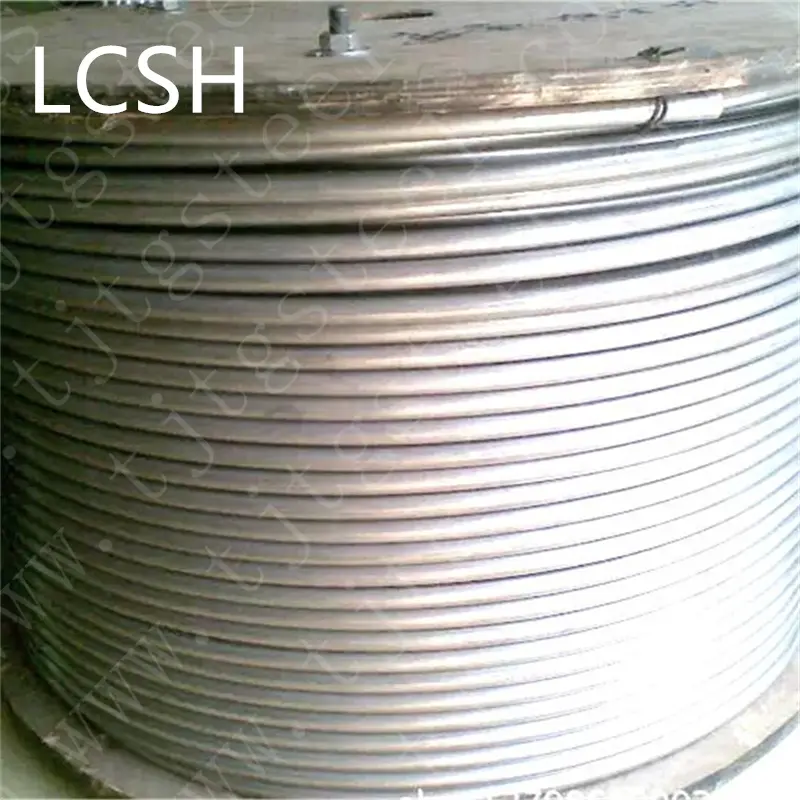
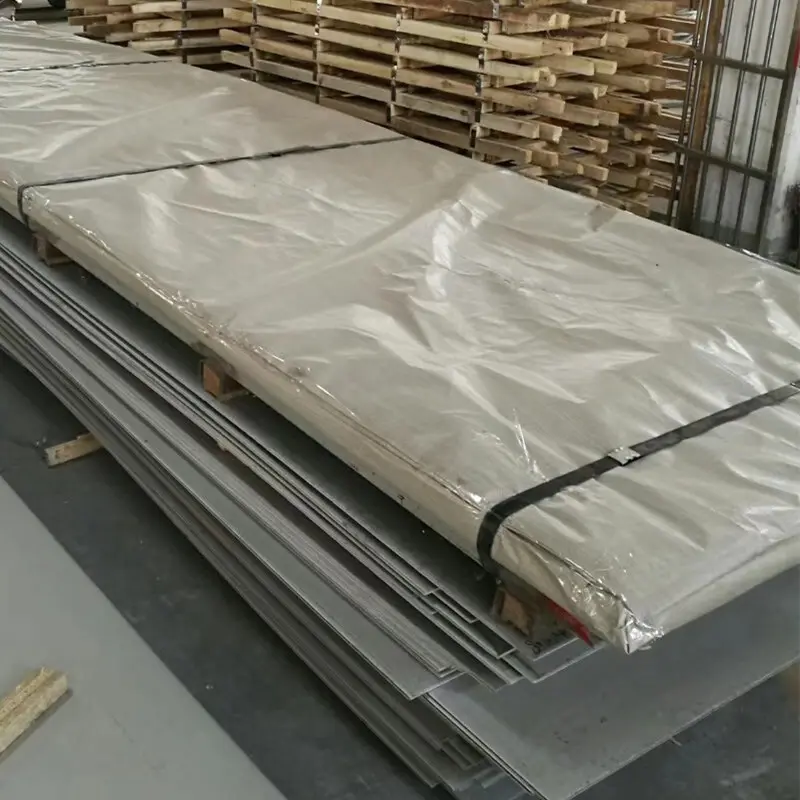
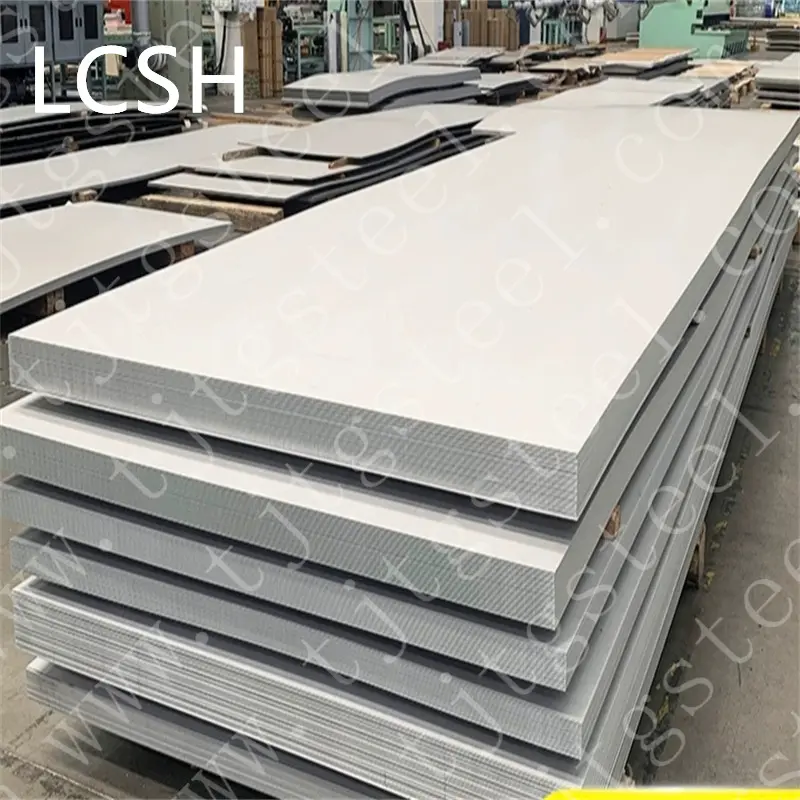
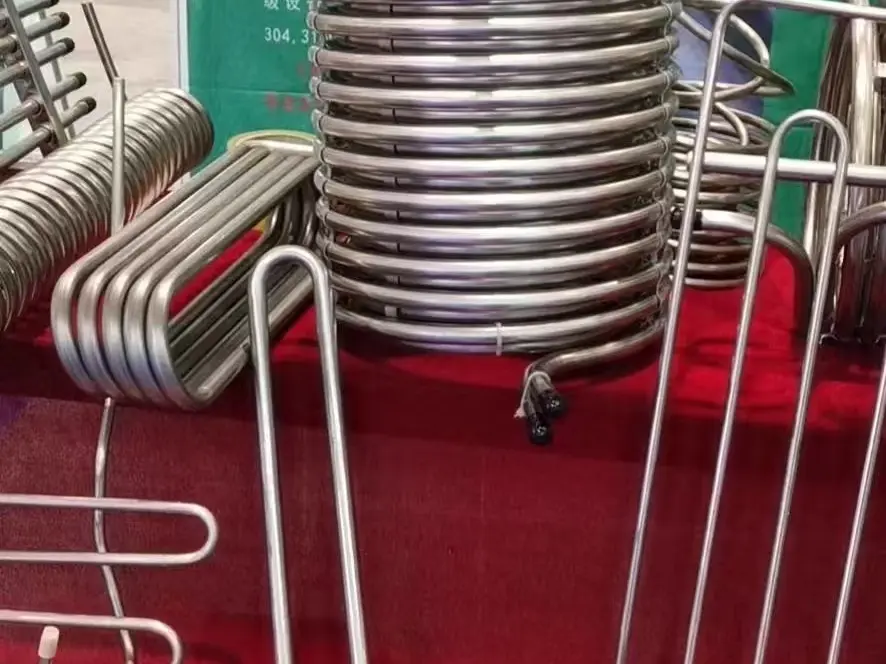
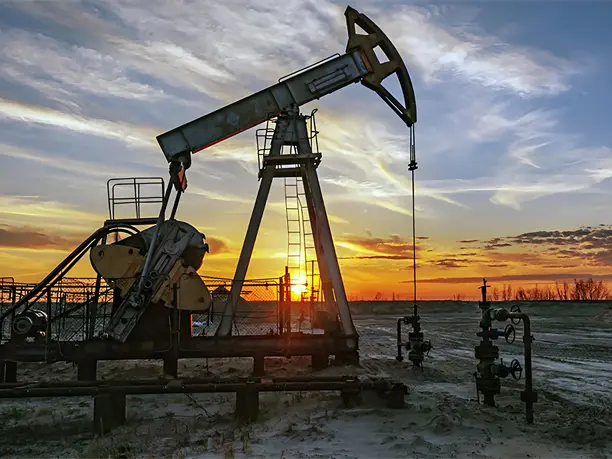
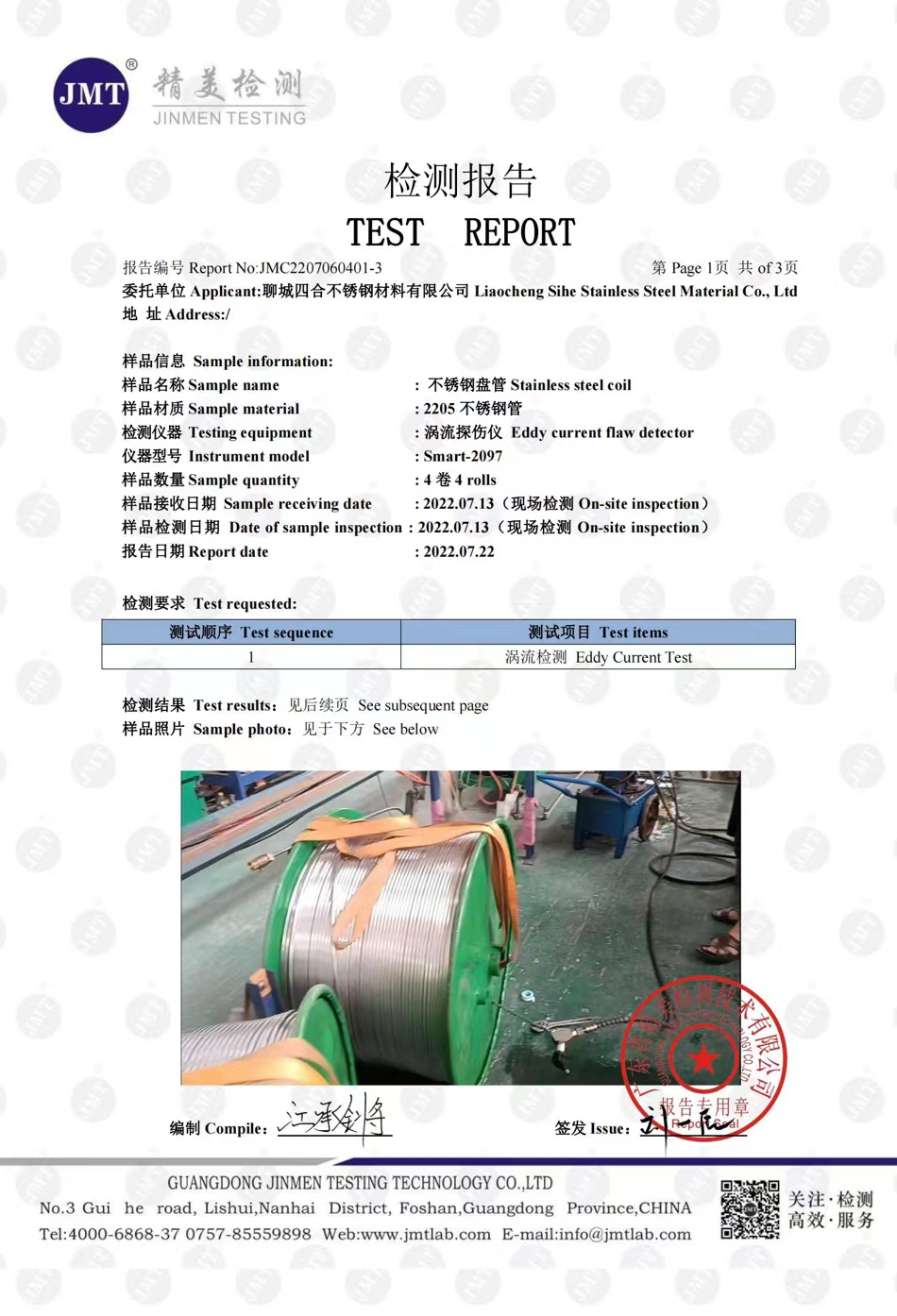
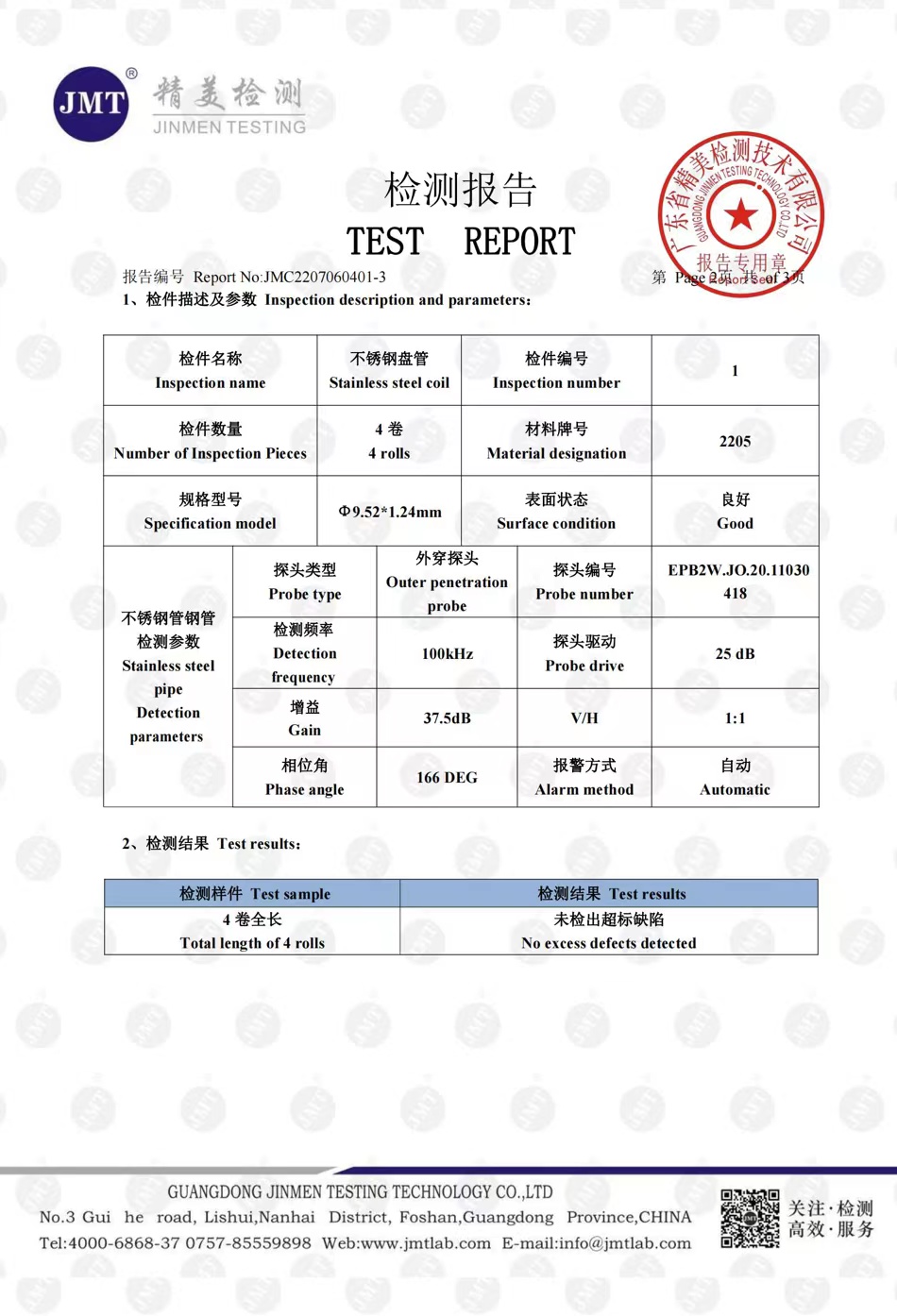
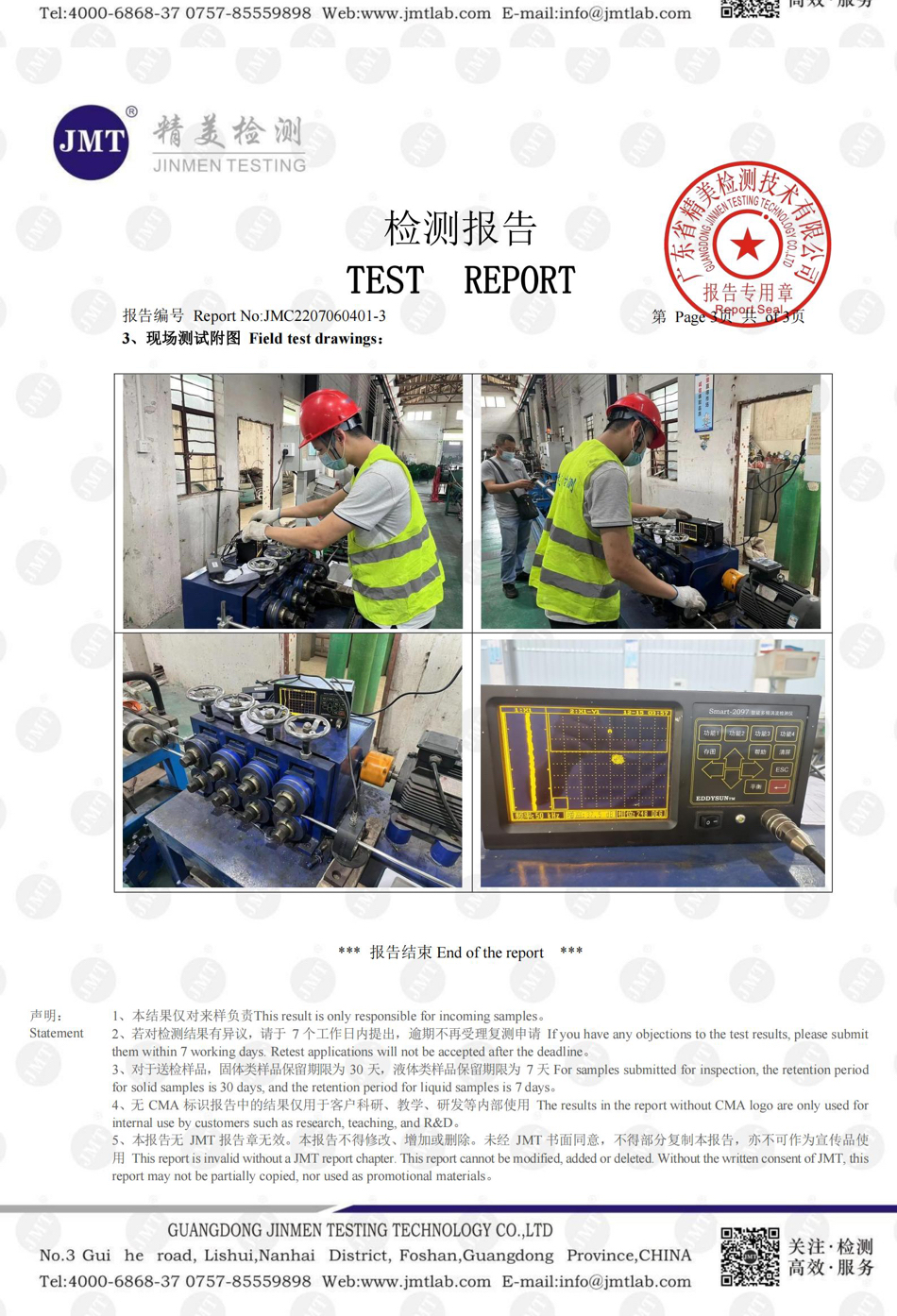
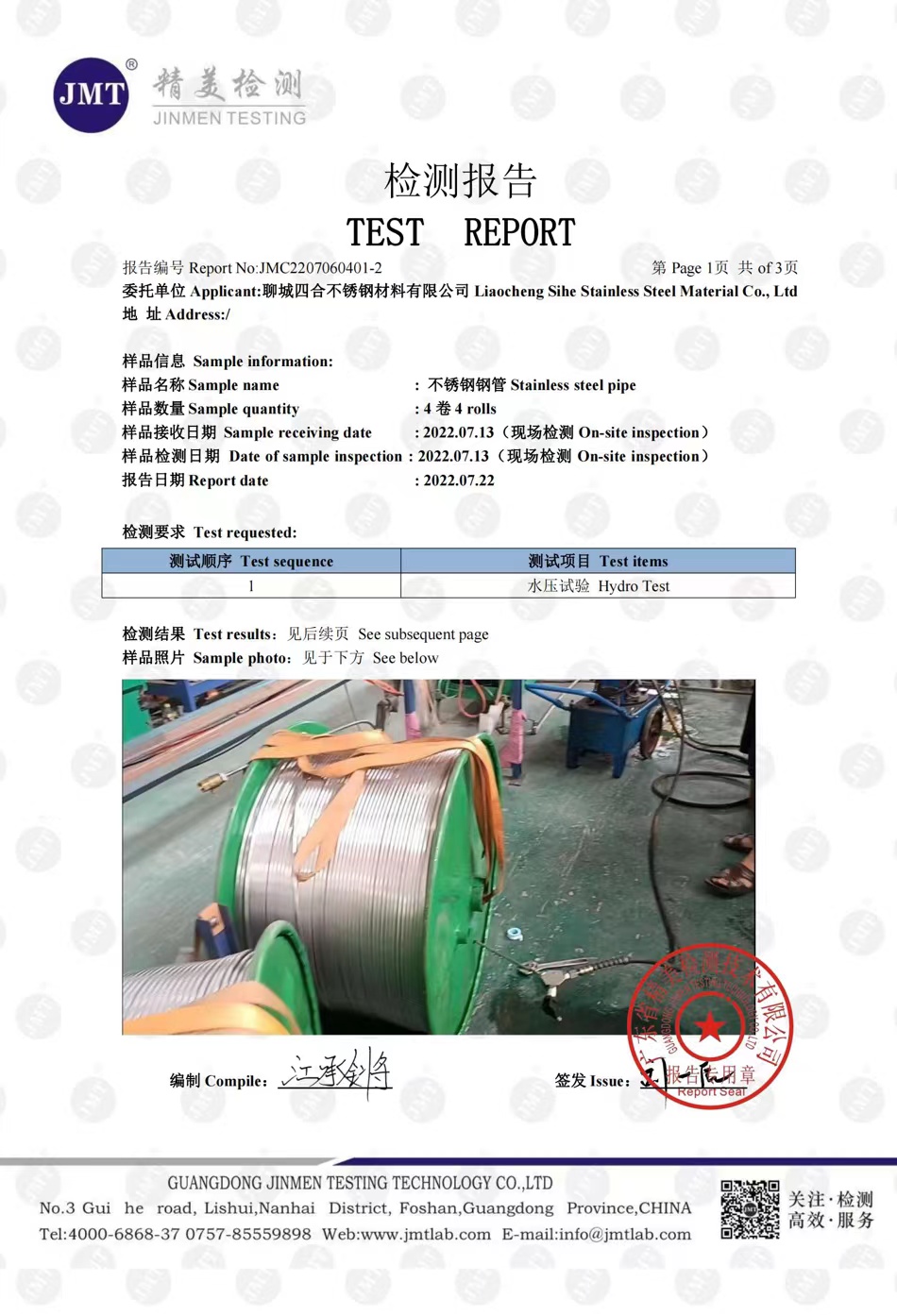
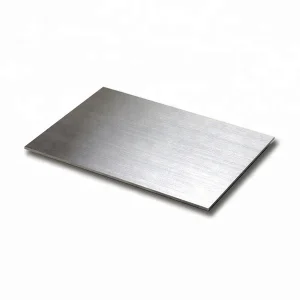
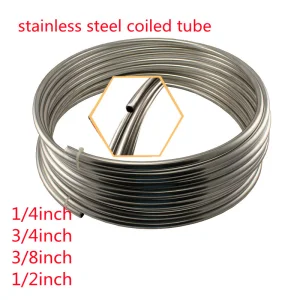
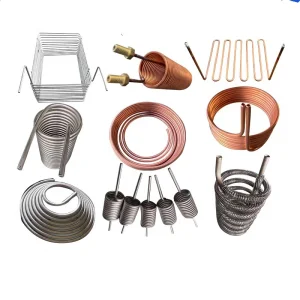
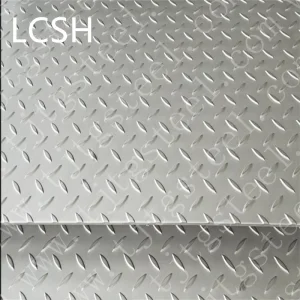
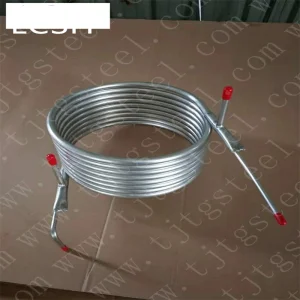
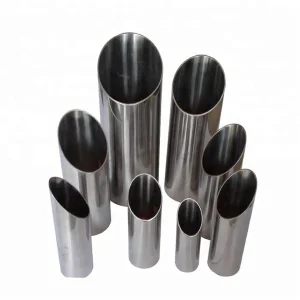
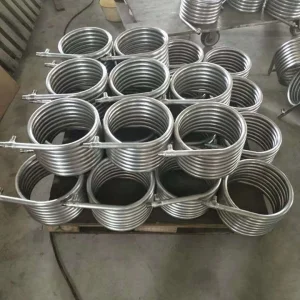
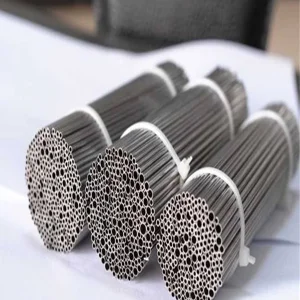
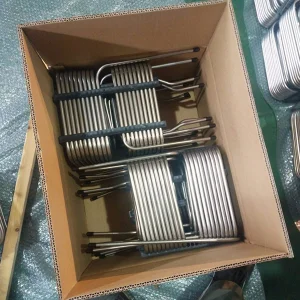
Modern applications require materials that can withstand severe environments—from deep-sea oil and gas umbilicals to cleanroom sub-piping networks for advanced semiconductor manufacturing. Liaocheng Sihe Stainless Steel Material LTD has engineered a comprehensive production ecosystem to address these challenging operating spaces, offering both high-grade flat materials (panels & sheets) and high-precision long products (coiled tubes & polishing lines).
2. Deciphering the Grade Matrix: Material Selection & Performance
To achieve optimal performance, procurement engineers must navigate the specific grain structures and chemical profiles of different alloy families. Below, we examine the technical characteristics of the primary grades supplied by Chinese manufacturers to global markets:
- Austenitic Grades (304, 304L, 316, 316L, 317L): Characterized by their face-centered cubic structure, these grades contain high nickel and chromium concentrations. 316/316L features 2-3% Molybdenum, providing exceptional defense against chloride-induced stress corrosion cracking.
- Duplex and Super Duplex Alloys (2205, 2507): Exhibiting a balanced 50:50 microstructural ratio of ferrite and austenite, duplex grades provide twice the yield strength of standard austenitic steels along with extremely high Pitting Resistance Equivalent Numbers (PREN).
- Super Alloys (Incoloy 800/825, Inconel 625): Developed specifically for extreme environments where thermal fatigue resistance and chemical passivity are mandatory. These alloys prevent oxidation and scaling under temperature envelopes exceeding 800°C.
| Grade Family | Chemical Grade | Chromium (Cr) % | Nickel (Ni) % | Molybdenum (Mo) % | Primary Mechanical Strengths |
|---|---|---|---|---|---|
| Austenitic Standard | SUS304 / UNS S30400 | 18.0 - 20.0 | 8.0 - 10.5 | - | Excellent formability, basic corrosion resistance |
| Austenitic Marine | SUS316L / UNS S31603 | 16.0 - 18.0 | 10.0 - 14.0 | 2.0 - 3.0 | Enhanced chloride resistance, prevents sensitization |
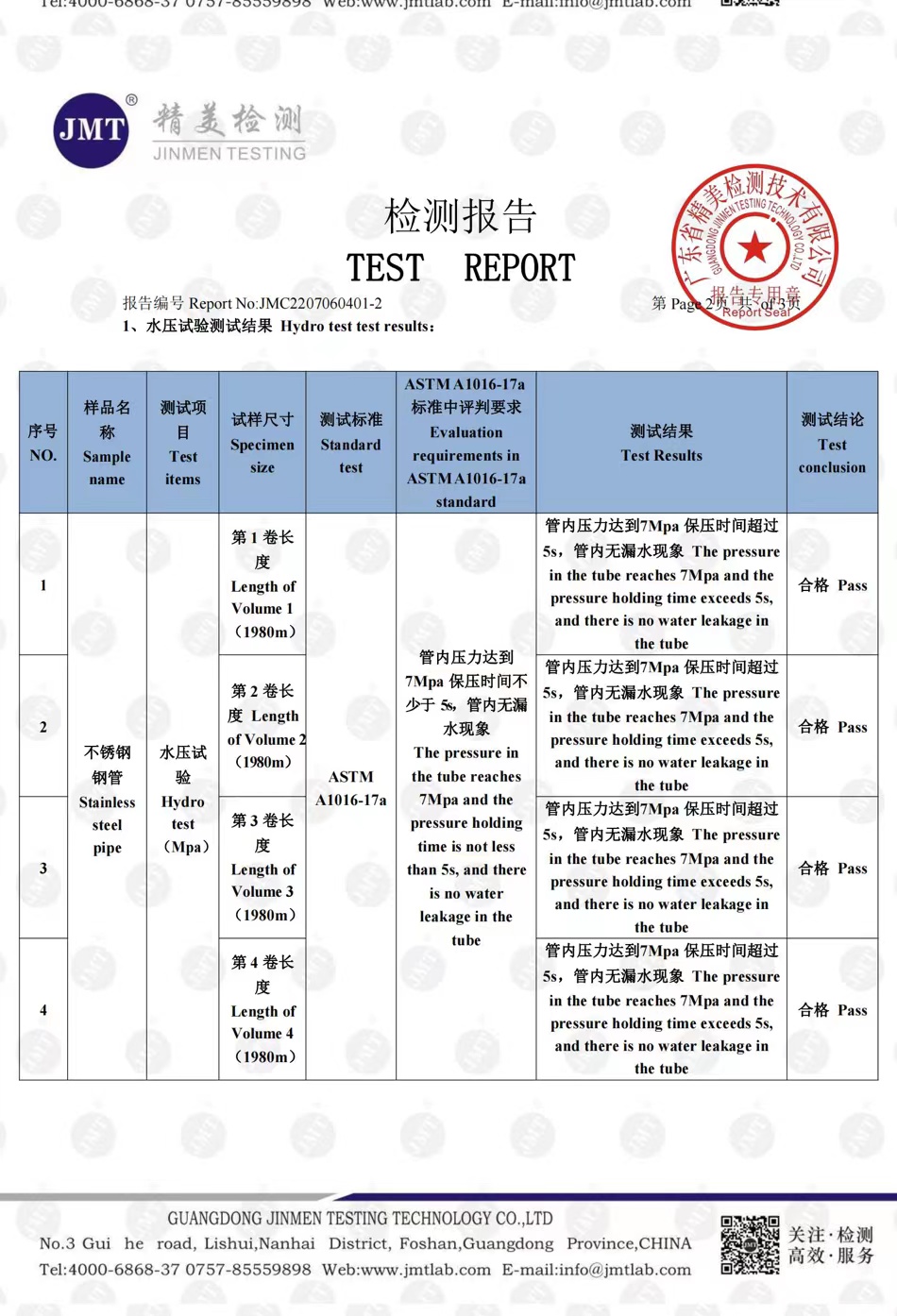
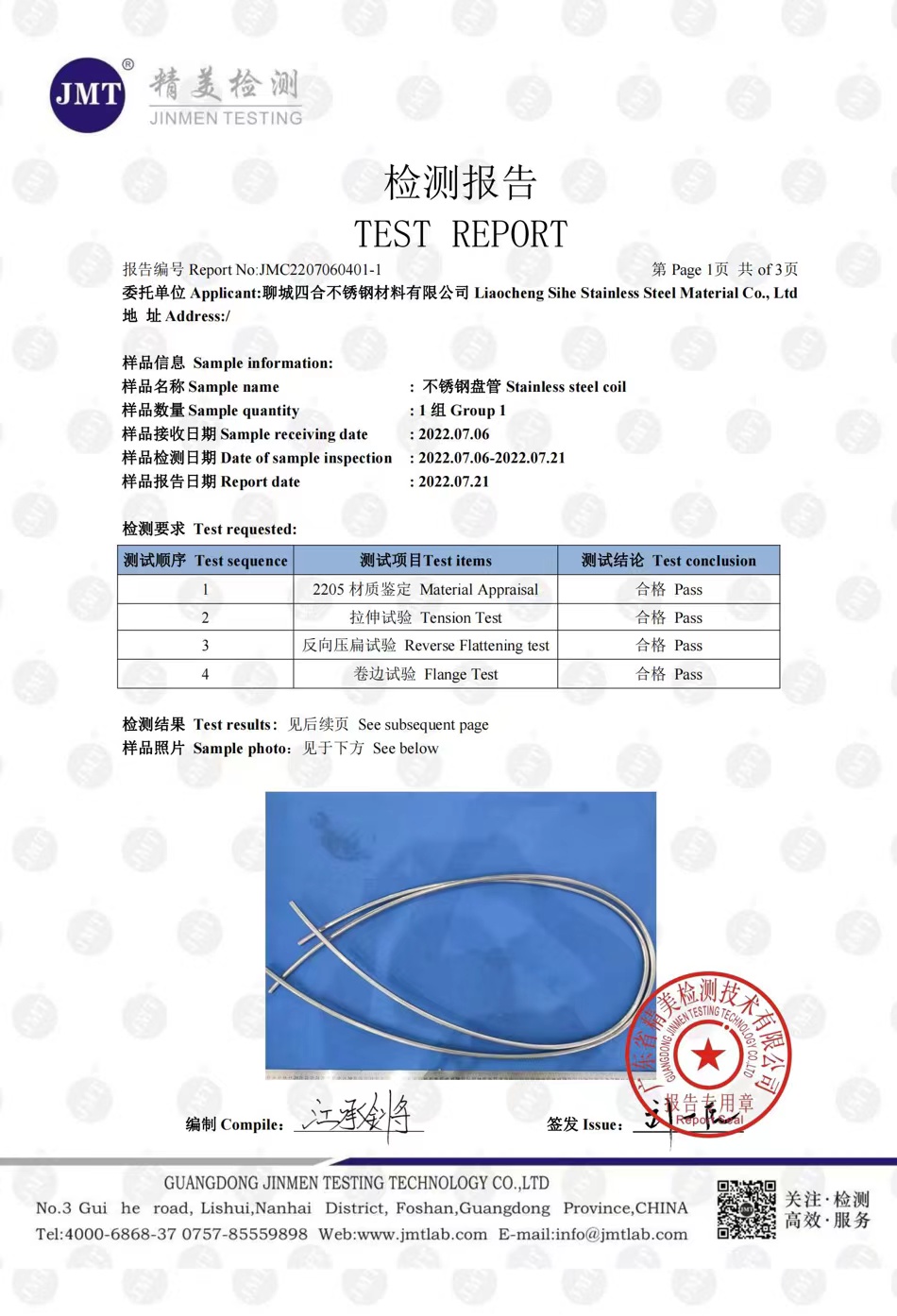
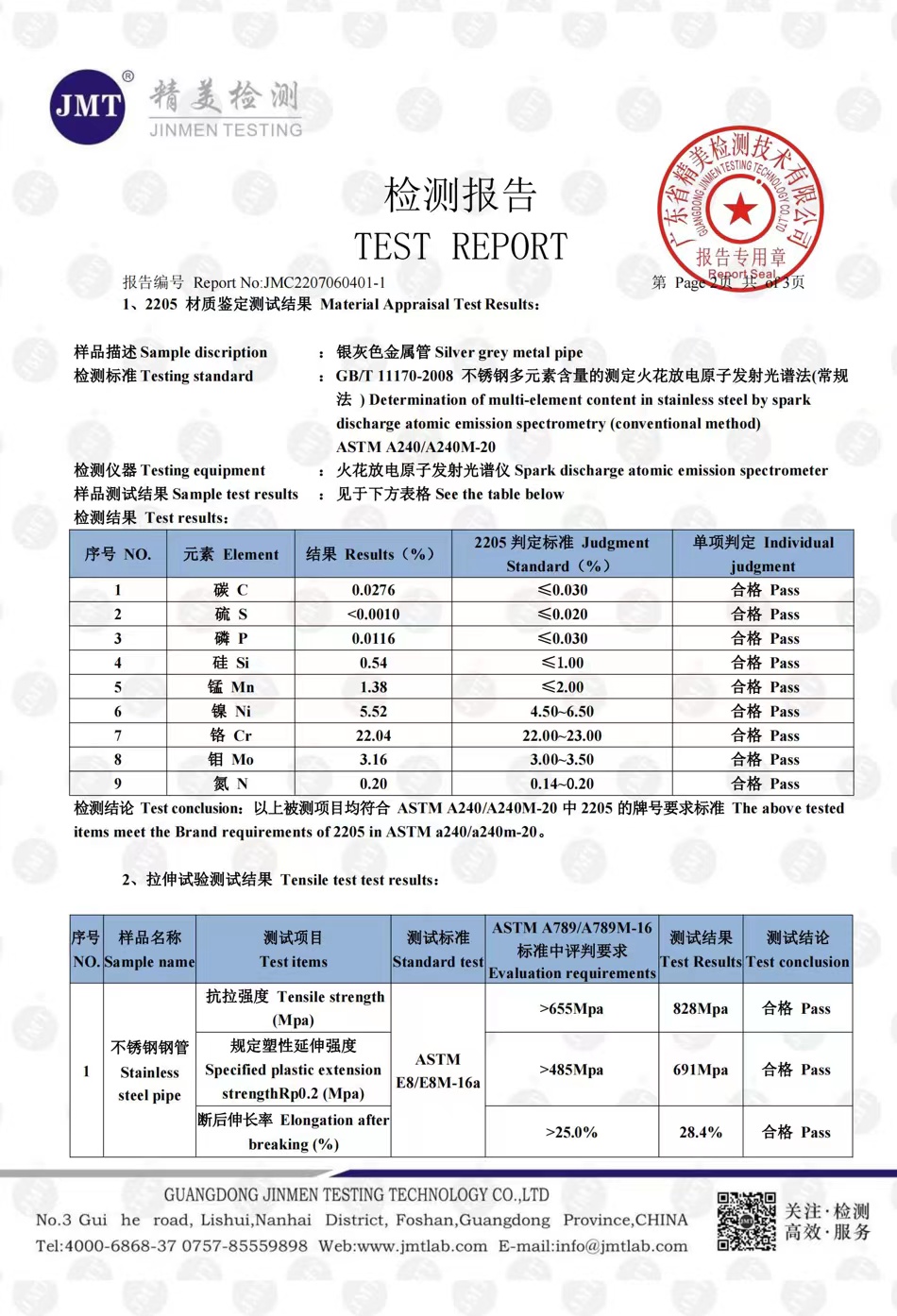
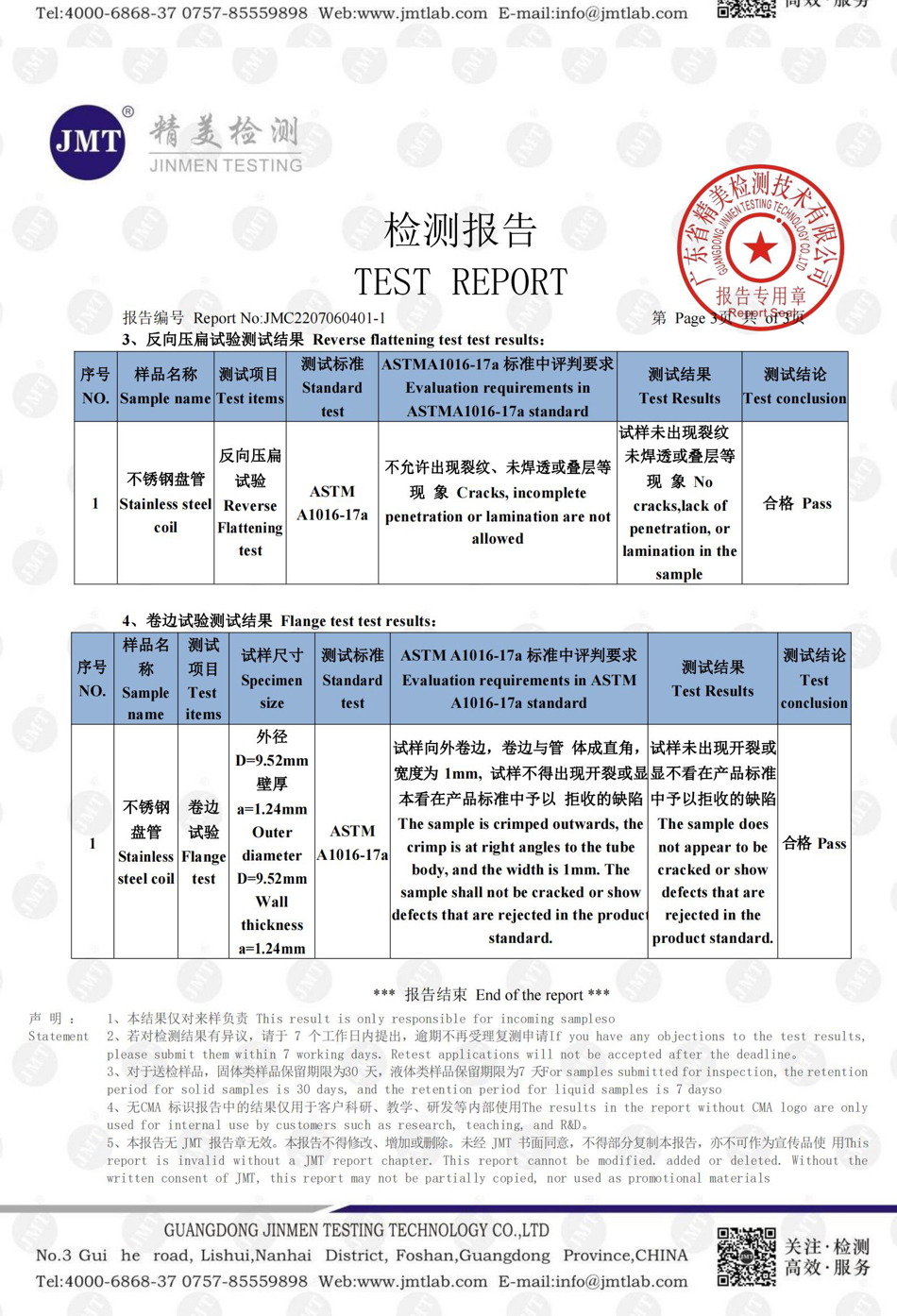
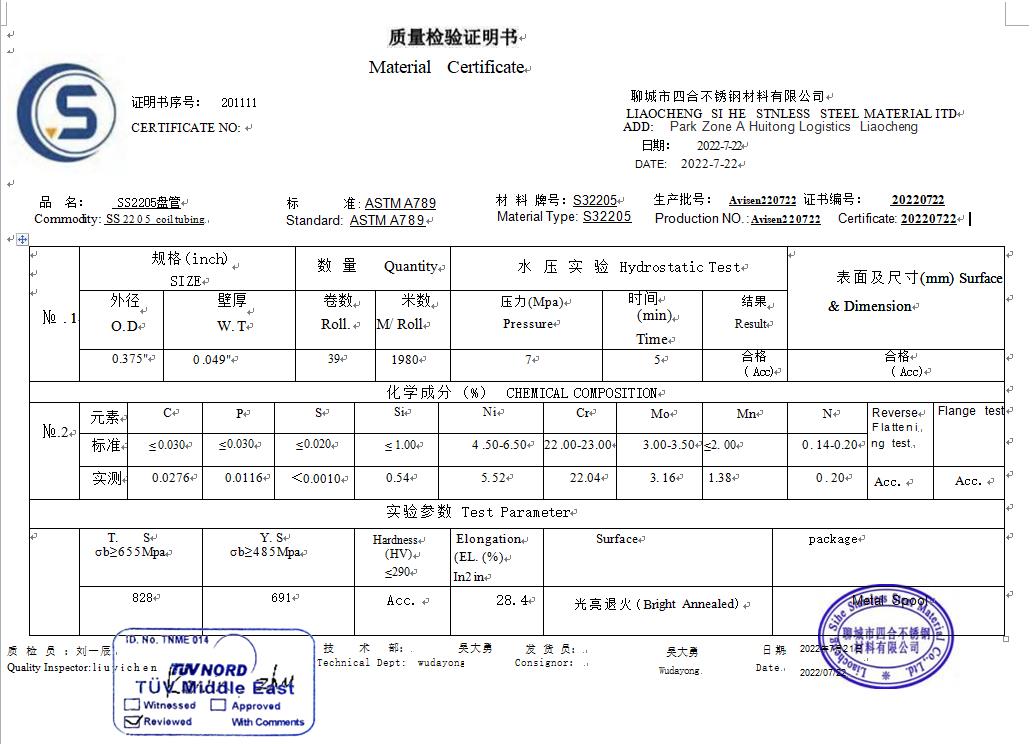
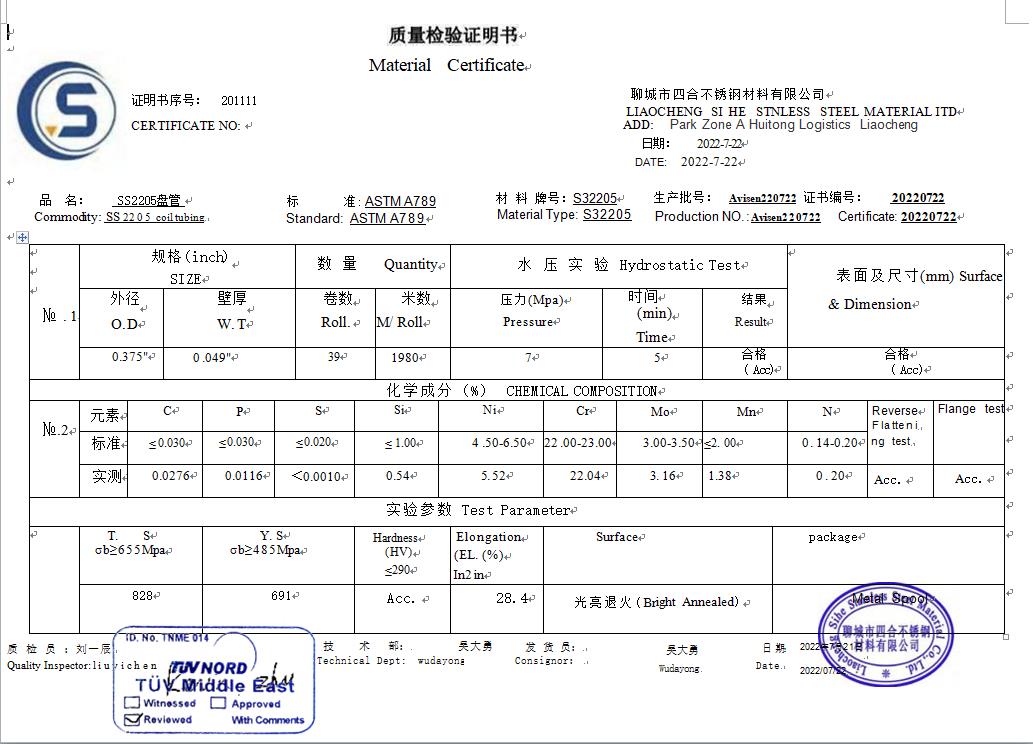
| Duplex Alloy | SAF 2205 / UNS S32205 | 22.0 - 23.0 | 4.5 - 6.5 | 3.0 - 3.5 | High yield strength, supreme SCC resistance |
| Super Duplex | SAF 2507 / UNS S32750 | 24.0 - 26.0 | 6.0 - 8.0 | 3.0 - 5.0 | PREN > 40, engineered for offshore subsea drilling |
| Superalloy (Nickel-base) | Inconel 625 / UNS N06625 | 20.0 - 23.0 | 58.0 min | 8.0 - 10.0 | Extreme thermal fatigue threshold, high-pressure tolerance |
3. Advanced Manufacturing Processes and Online Bright Annealing
The production methodology of high-precision stainless steel is heavily reliant on the heat treatment regime utilized. The introduction of online bright annealing (BA) technology represents a significant leap forward. During traditional open-air annealing, stainless steel forms oxide scales that require chemical pickling—a process that can degrade surface integrity and introduce micro-irregularities.
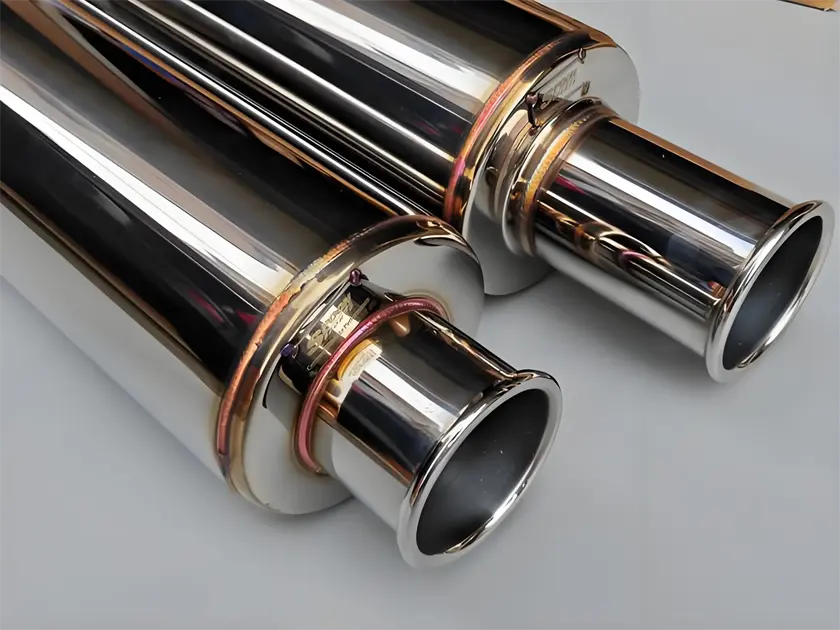
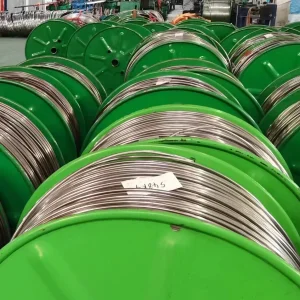
By heating the material inside a controlled hydrogen and nitrogen protective atmosphere, the online bright annealing furnace prevents oxidation altogether. This preserves a perfectly smooth, mirror-like finish (ideal for semiconductor cleanrooms and pharmaceutical fluid lines) while preventing carbon migration, thereby maximizing the steel's innate resistance to intergranular corrosion.