 Sihe Steel
Sihe Steel
Sihe Steel
As hydrocarbons are extracted from deeper geological strata and offshore operations push further into subsea zones, downhole tooling demands are rising. Continuous, weld-free, long-length tubing has replaced traditional threaded and coupled joints.
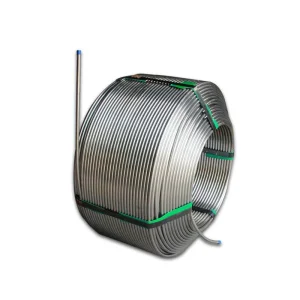
Historically, downhole intervention systems and subsea chemical injections relied on threaded joints. These connections introduced structural vulnerabilities, corrosion susceptibility, and deployment friction. Today's deepwater environments demand continuous control lines. Modern Stainless Steel Continual Oil Tubing addresses this by removing intermediate joints.
By producing tubing in single lengths up to 32,800 feet (10,000 meters), manufacturers can eliminate potential leak paths. This enables deep-sea installations to maintain pressure integrity under subsea hydrostatic loads. The demand for continuous lines is driven by:
According to recent offshore market analysis, subsea deepwater projects are projected to grow, with a focus on materials compliant with NACE MR0175 / ISO 15156 standards. The energy transition is also creating demand for hydrogen-compatible alloys. Continual tubing is being evaluated for high-pressure hydrogen transport lines due to its weld-free structure and resistance to hydrogen embrittlement.
Downhole fluids contain dissolved carbon dioxide (CO2), hydrogen sulfide (H2S), and chlorides at elevated temperatures. Choosing the right metallurgical composition is critical for performance and safety.
Standard austenitic stainless steels (304/304L, 316L, 321, 317L) provide corrosion resistance and weldability. Grade 316L is standard for hydraulic lines, using molybdenum to protect against pitting in mild chloride environments. Stabilized grades like 321 prevent chromium carbide precipitation during hot processing.
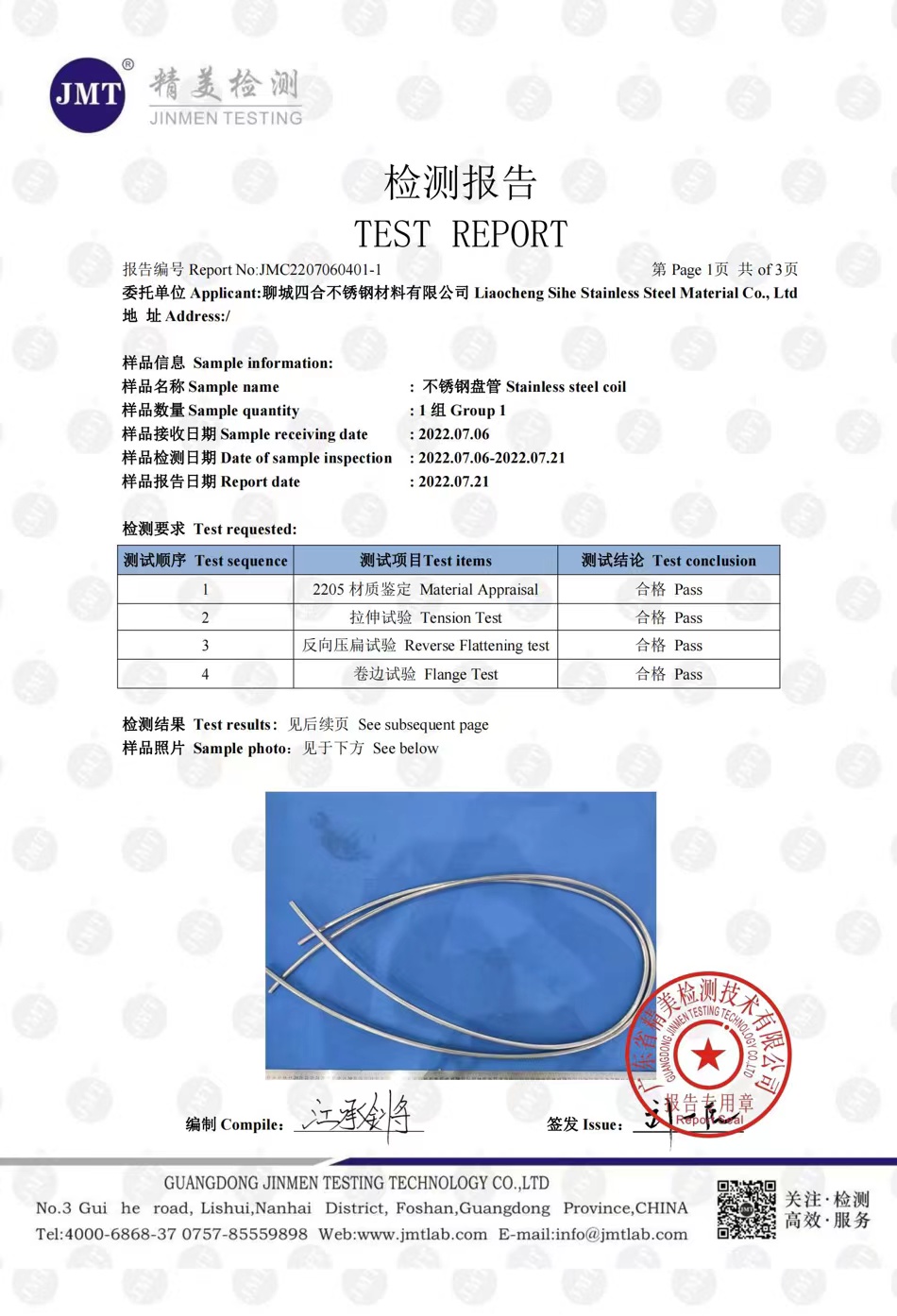
Duplex 2205 and Super Duplex 2507 offer a balanced microstructure of austenite and ferrite. This structure yields higher tensile strength than standard austenitic steels and improves resistance to stress corrosion cracking (SCC) in high-chloride environments.
For extreme conditions, nickel alloys (Incoloy 800, Incoloy 825, Inconel 625) provide protection against sour gas degradation. Their high nickel content resists stress corrosion cracking, while chromium and molybdenum protect against pitting and crevice corrosion.
Our manufacturing facility in Liaocheng combines raw material sourcing with advanced quality controls to deliver high-performance coiled tubing.
Equipped with six advanced production lines, our facility produces continuous stainless steel tubing that meets GB, ASTM, ASME, JIS, and EN standards. Our integration of manufacturing technologies includes:
By sourcing primary billets from accredited mills, we manage impurity levels (such as sulfur and phosphorus). This traceabilty ensures our materials meet deepwater specification requirements.
Our coiled tubing lines are produced within tight dimensional tolerances to ensure compatibility with standard connectors and packers.
| Dimensional Attribute | Imperial Specifications | Metric Equivalents | Standards Conformity |
|---|---|---|---|
| Outer Diameter (OD) Range | 0.125 inches to 1.00 inches | 3.175 mm to 25.40 mm | ASTM A269, ASTM A789, JIS G3459 |
| Wall Thickness (WT) Maximum | Up to 0.165 inches | Up to 3.00 mm (custom sizes available) | ASME SA789, EN 10216-5 |
| Continuous Length Per Spool | Up to 32,800 feet | Up to 10,000 meters | Custom lengths spooled dynamically |
| Available Steel Grades | Austenitic: 304, 304L, 316L, 321, 317L, 309S, 310S | Duplex: 2205, 2507 | Nickel: Incoloy 800/825, Inconel 625 | NACE MR0175, ISO 15156, GB/T 14976 | |
Every production run undergoes verification testing to confirm performance under operational conditions.
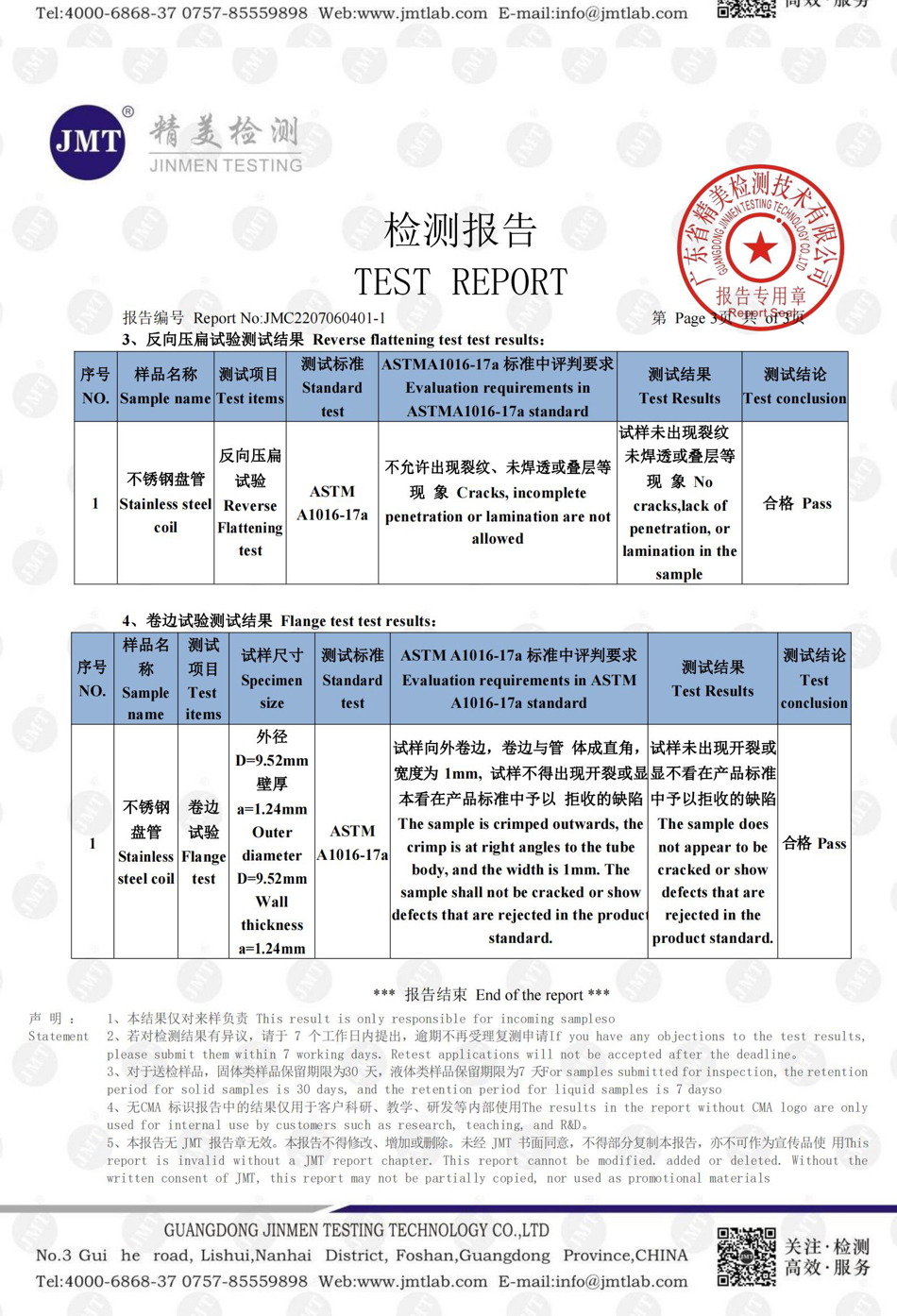
Compression, flattening, flaring, and reverse bend testing verify weld seam and base metal ductility.
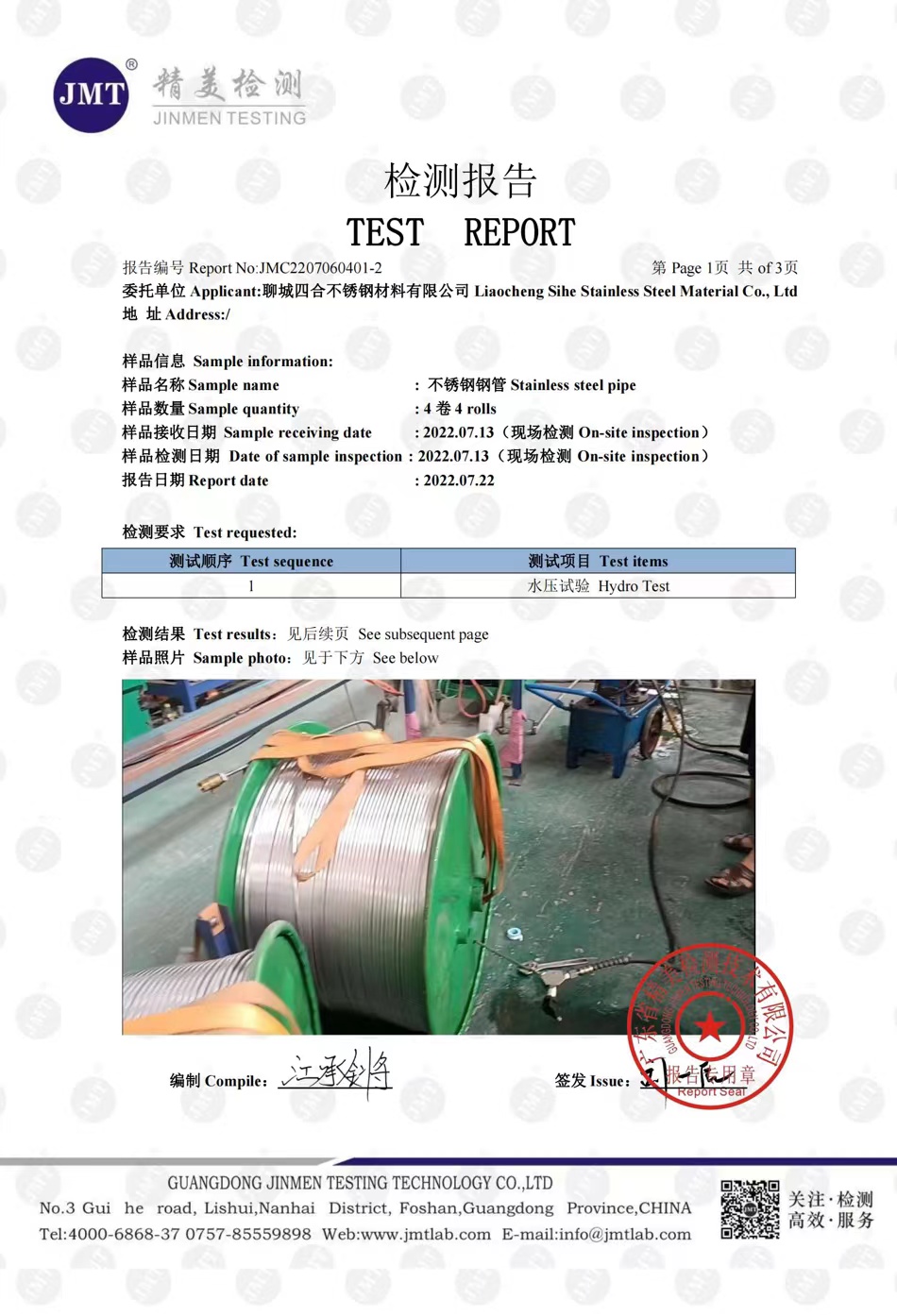
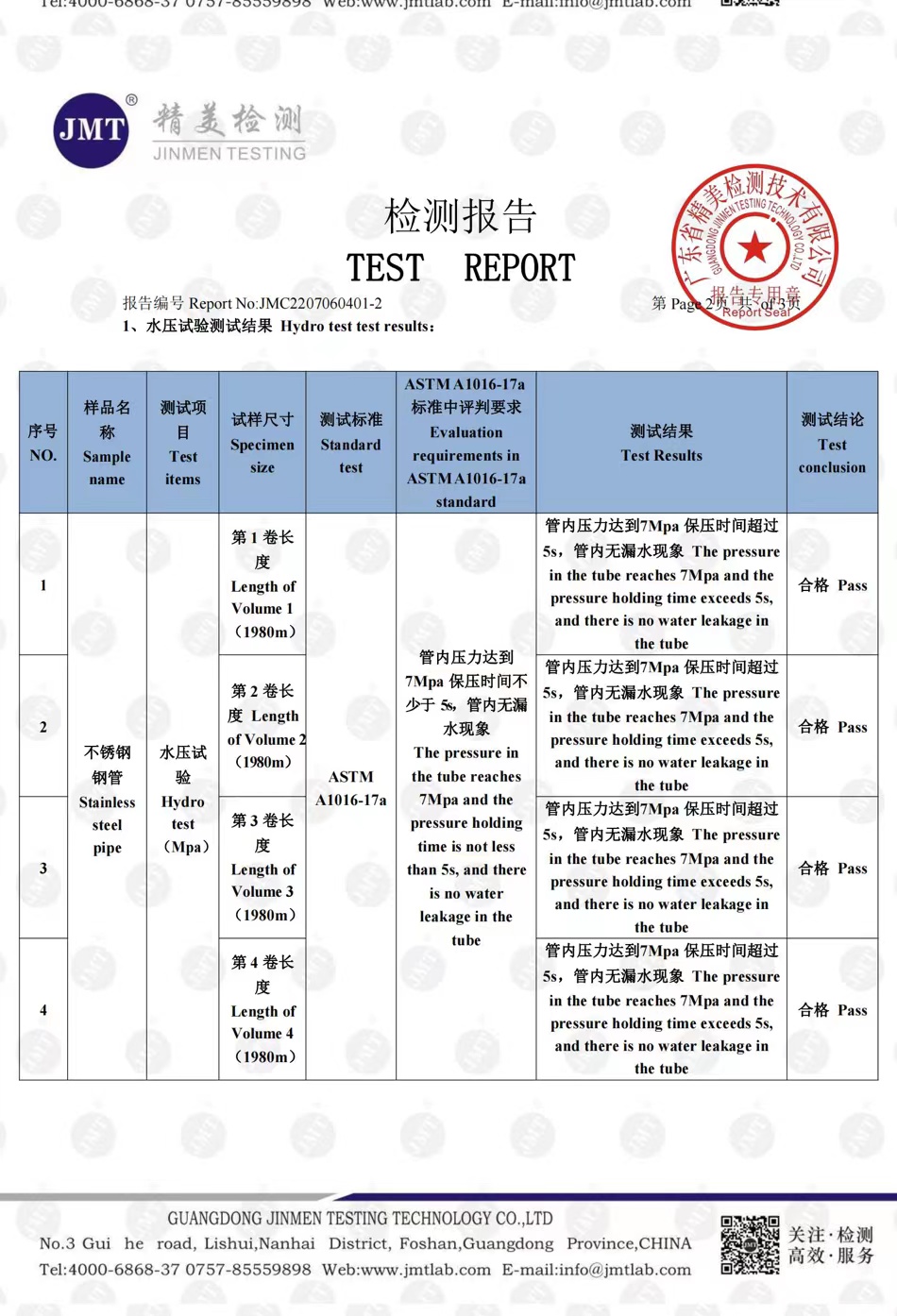
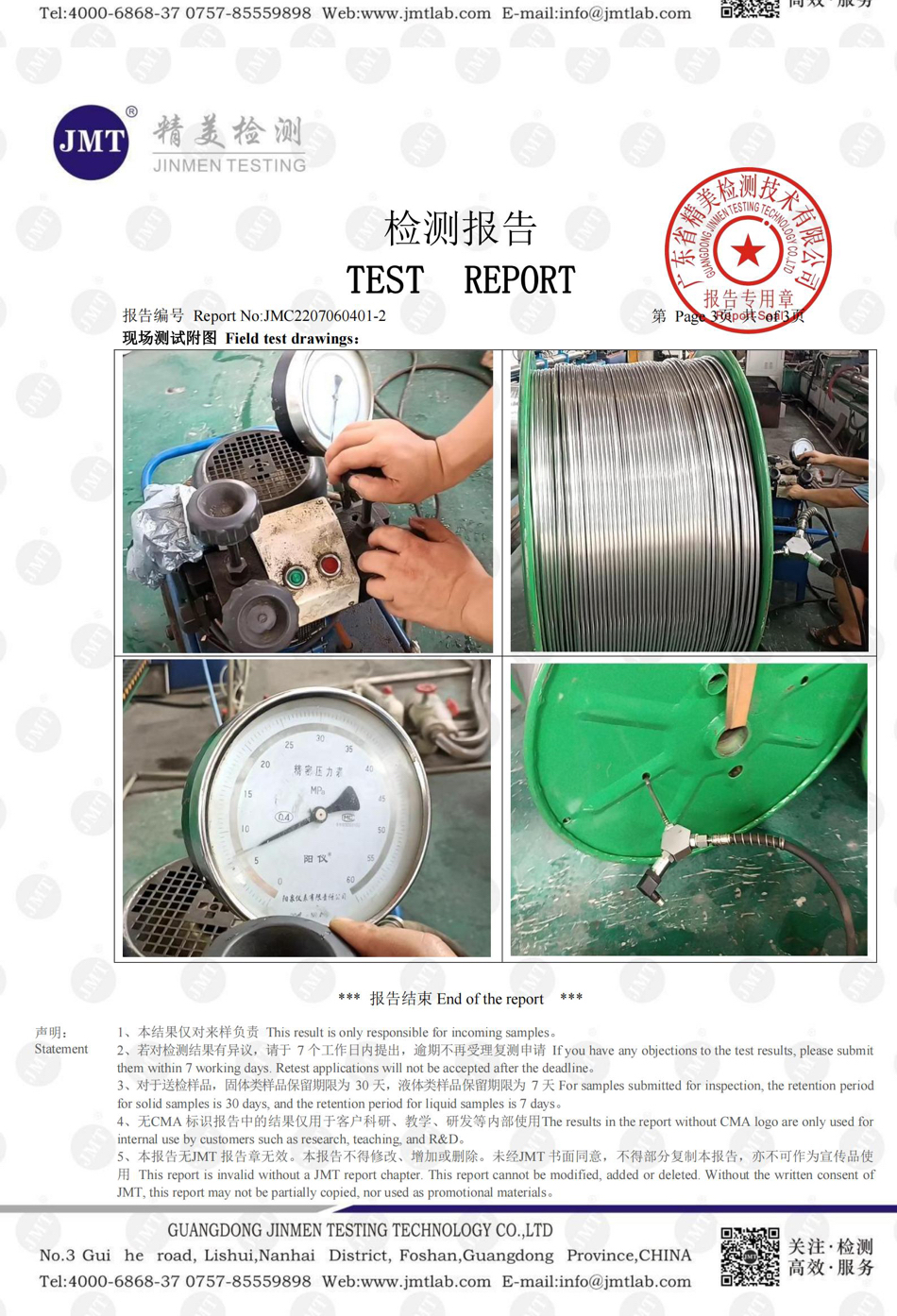
100% hydrostatic and pneumatic air tightness testing check pressure containment across the coil length.
100% hardness inspections and metallurgical phase analysis check the austenite-ferrite phase balance.
Our processing capabilities meet custom configuration requirements for specialized oilfield and industrial equipment.
Supports various materials (e.g., 304, 316L, 2205) and specifications (diameter 6.35mm to 19mm) for stainless steel coils.
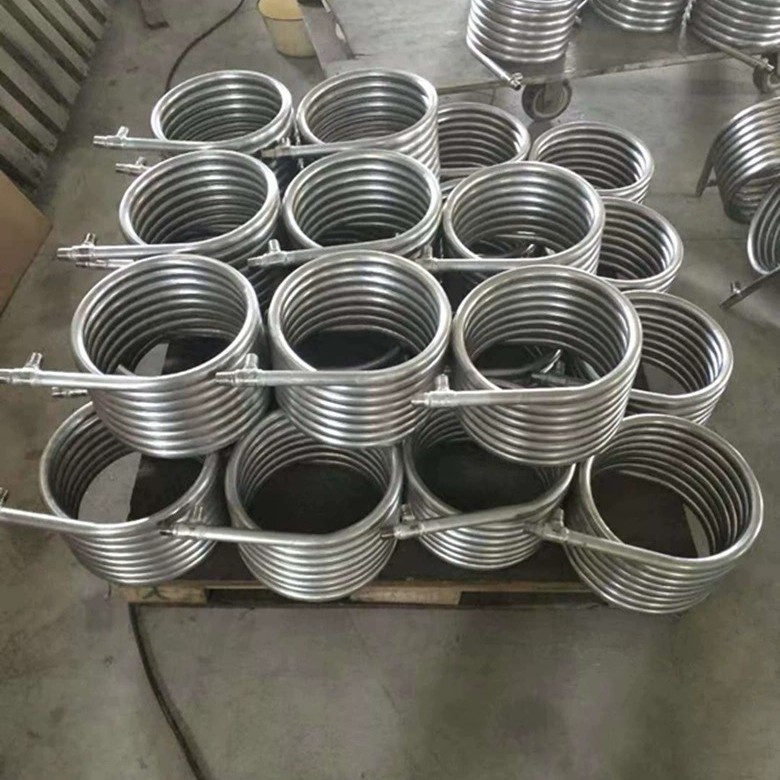
Includes precision bending, helical winding, and drawing methods designed for process heat exchangers.
Laser and high-speed mechanical cutting provide clean square-cut ends required for orbital welding systems.
Bright annealing and acid pickling options are available to meet specific surface finish requirements.
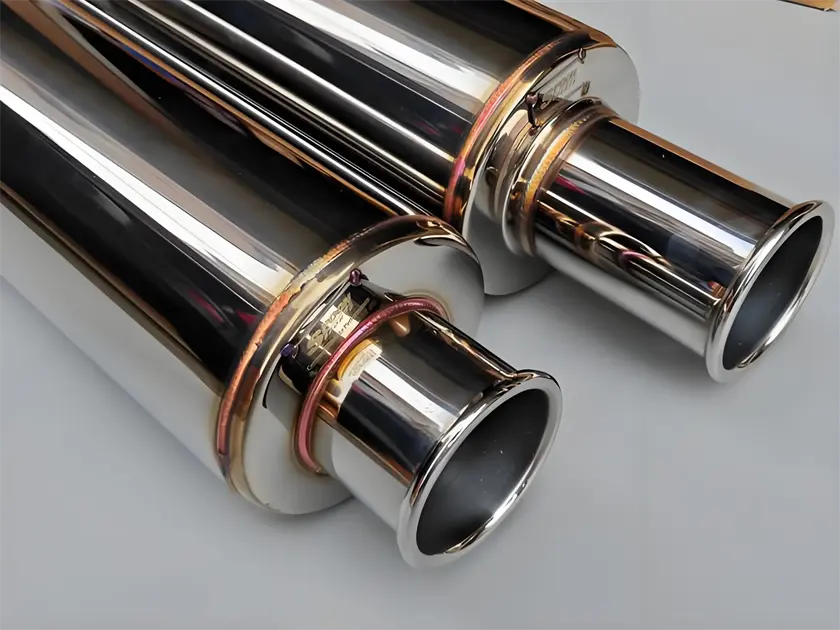
Used in automotive exhaust systems, chemical pipelines, and precision instrument connections.
Custom engineering assistance matches chemical compatibility and mechanical criteria to project requirements.
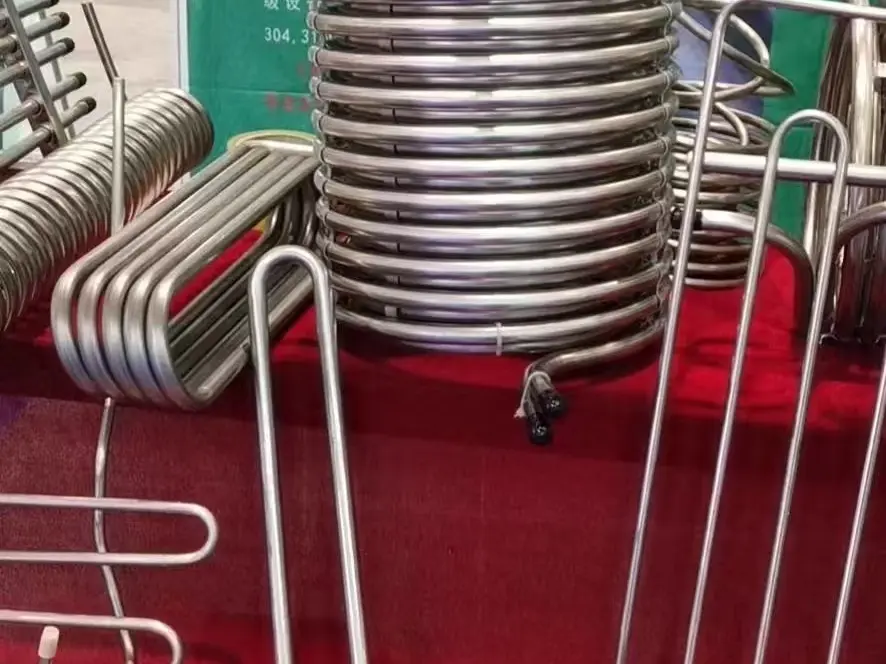
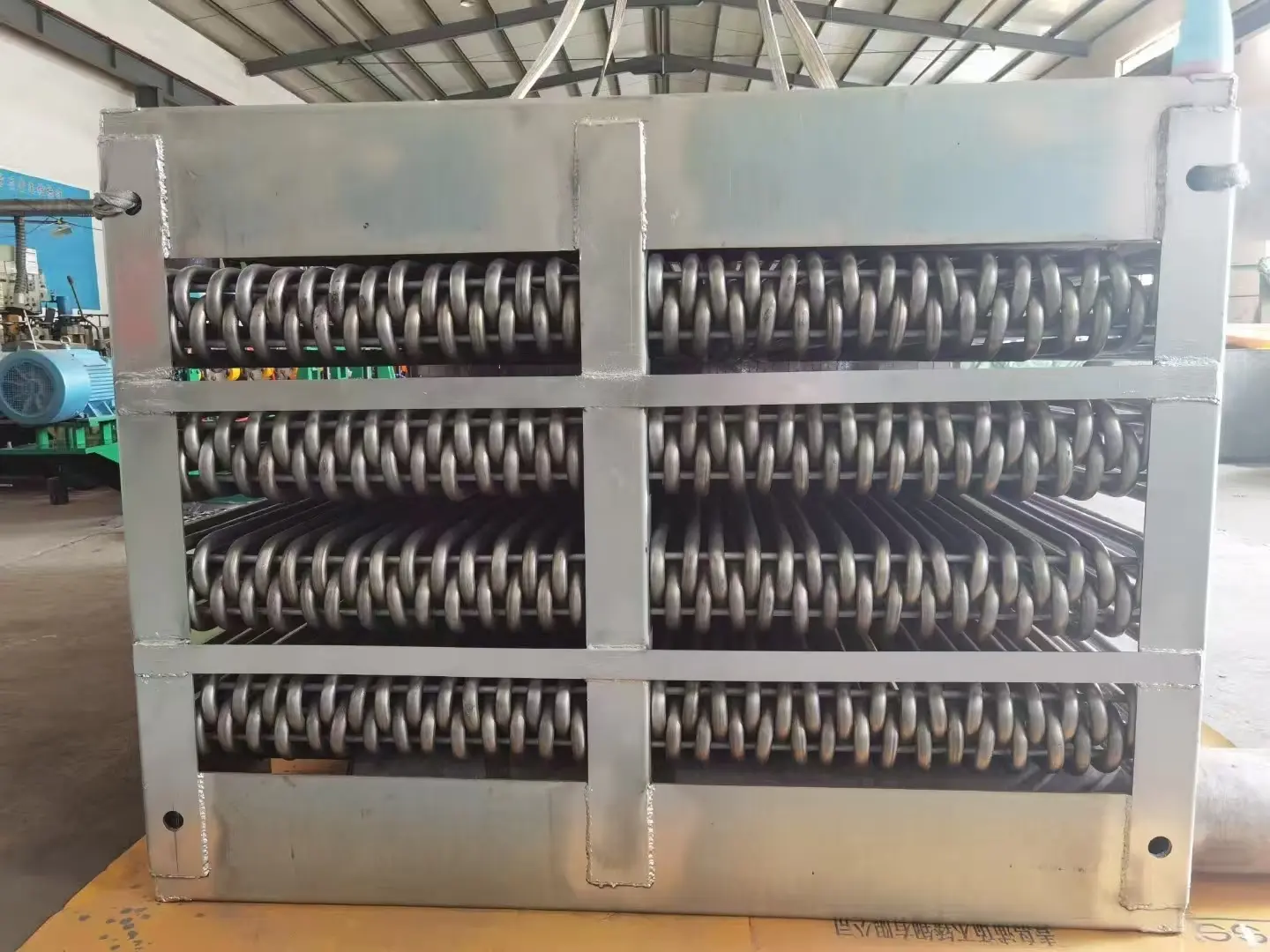
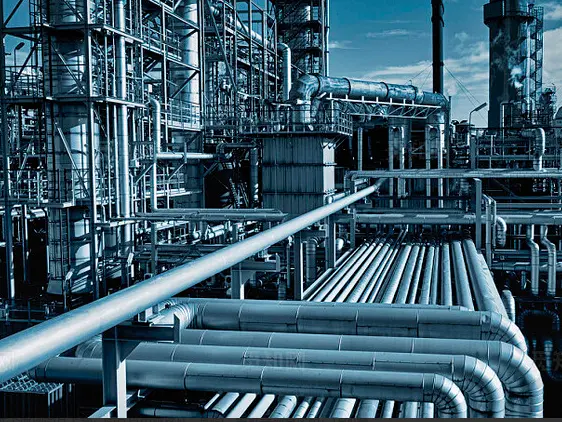
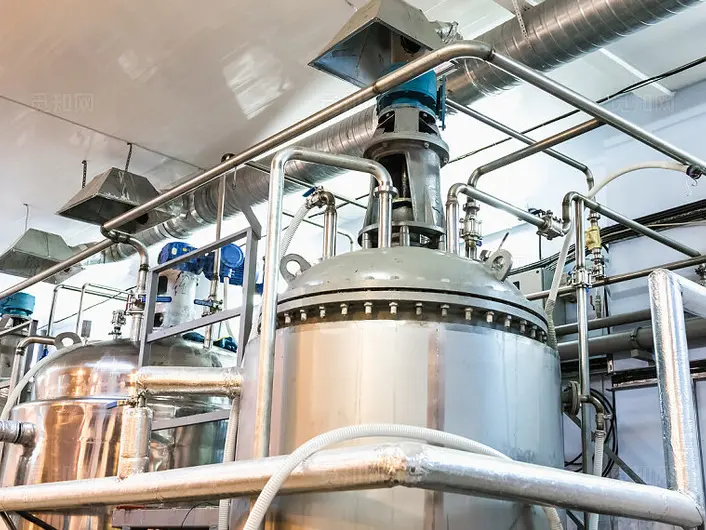
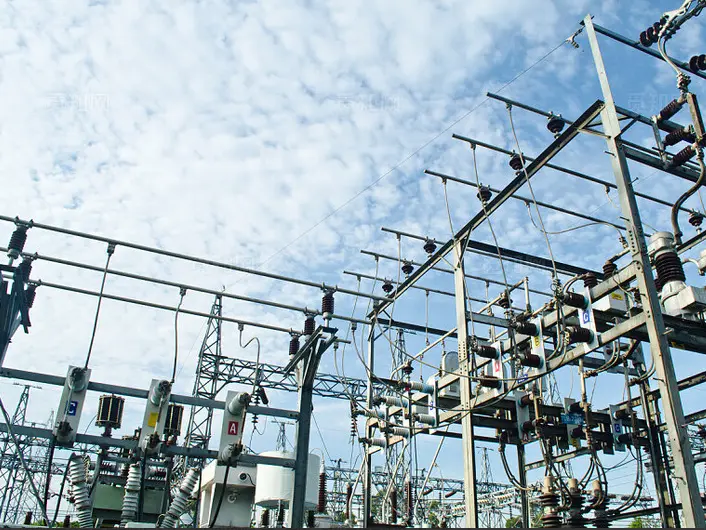
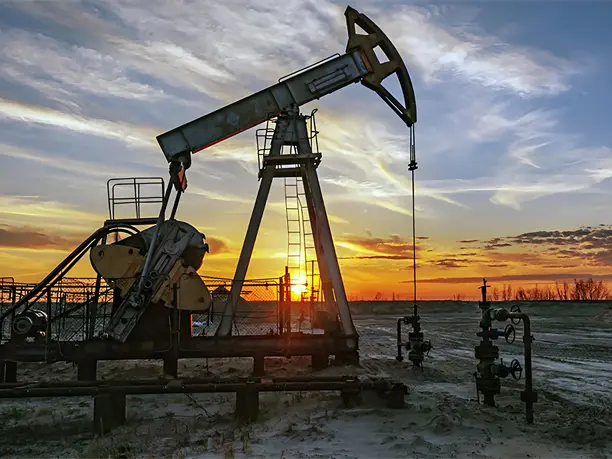
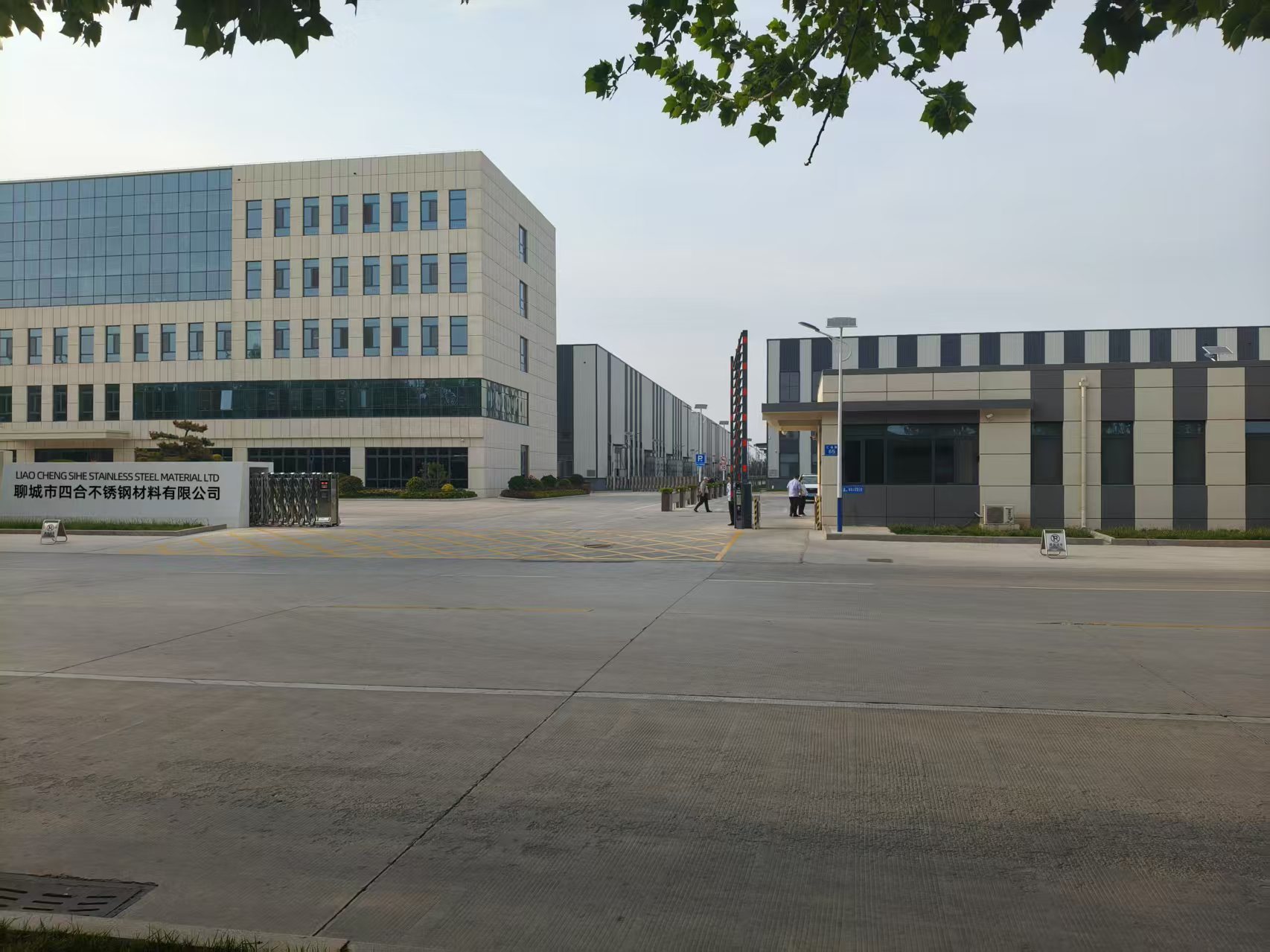
Established as a specialized manufacturer of stainless steel coiled tubing, Liaocheng Sihe Stainless Steel Material LTD operates three primary production lines out of our six overall manufacturing systems. Over our ten-year history, we have integrated our operations with international markets, exporting to over 30 countries and regions.
We supply markets in the US, Germany, Spain, South America, Southeast Asia, the Middle East, and Eastern Europe. Utilizing bright annealing processes, our plant performs in-line softening heat treatment to ensure mechanical ductility. Our production facility maintains quality controls, including flaring, flattening, hardness, tension, and pneumatic seal tests.
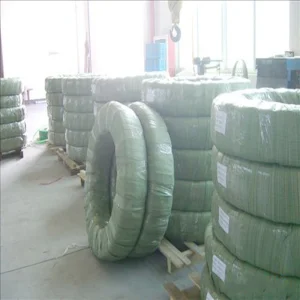
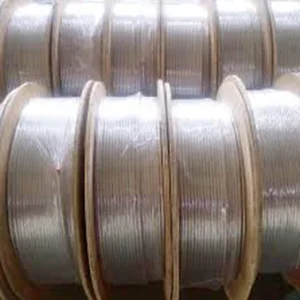
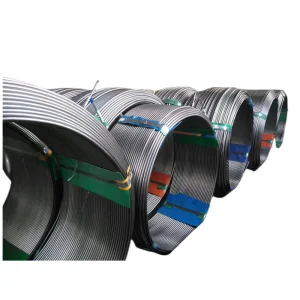
Precision Coiled Tube Spooling & Handling
In-Line Controlled Atmosphere Heat Treatment
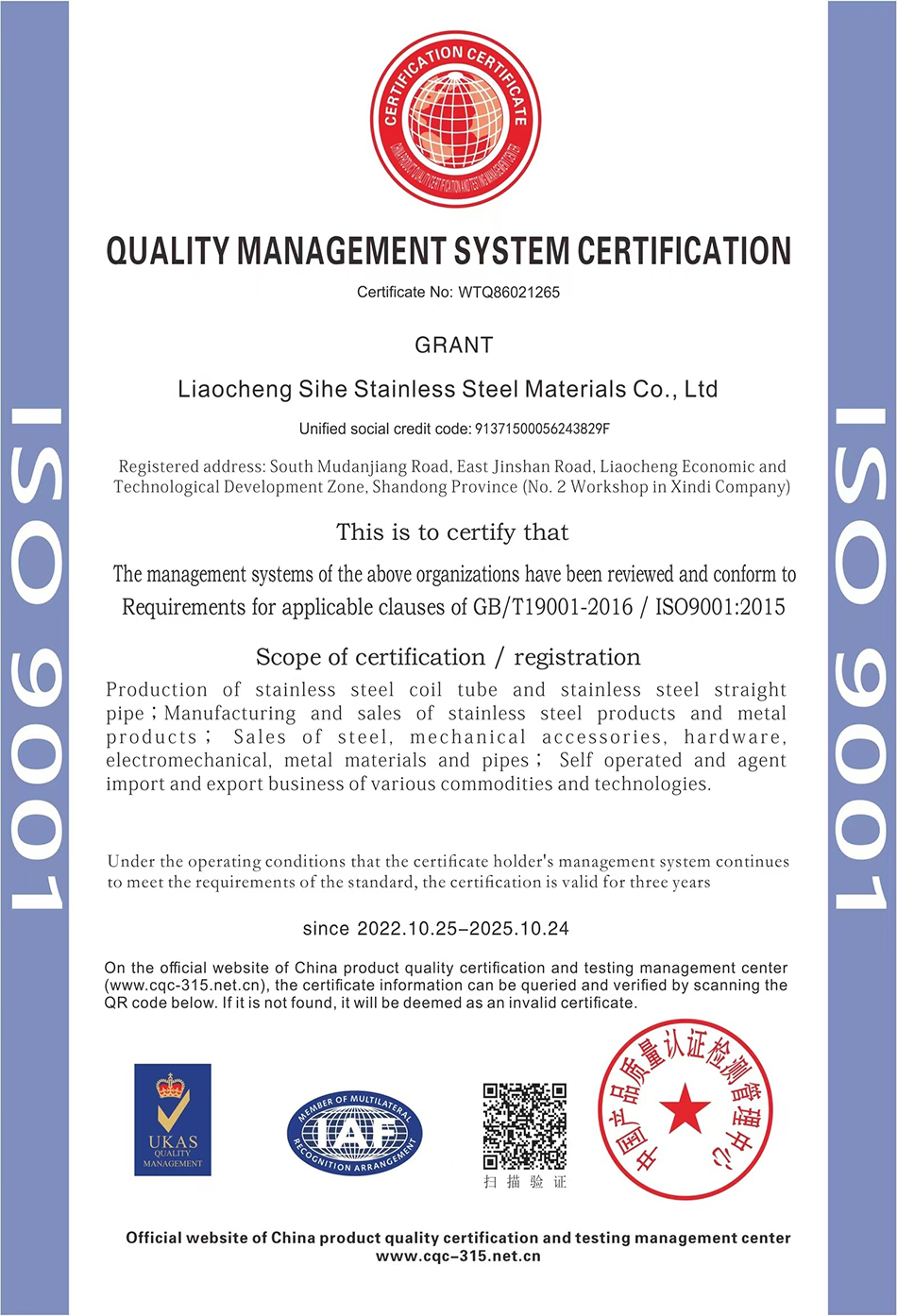
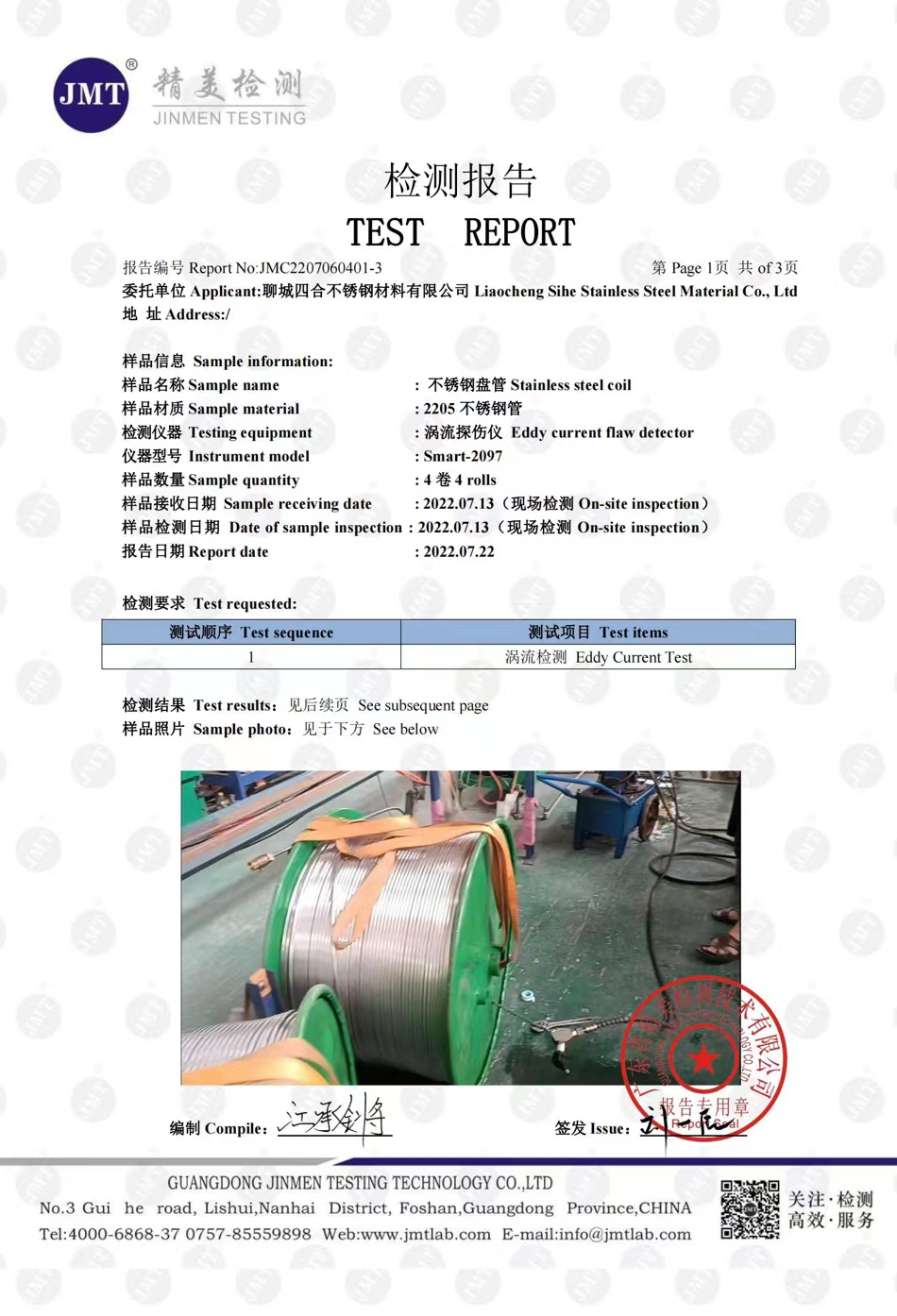
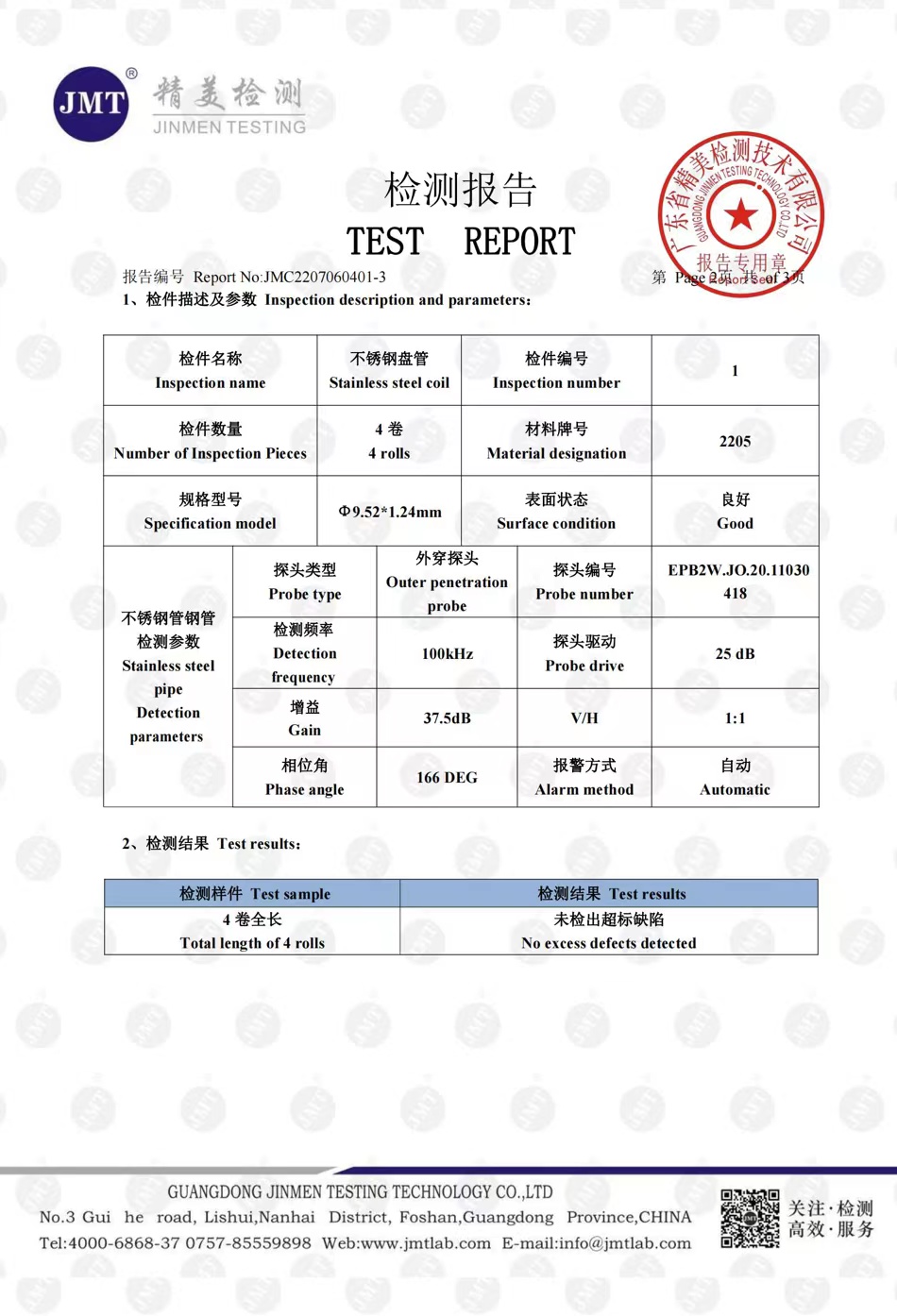
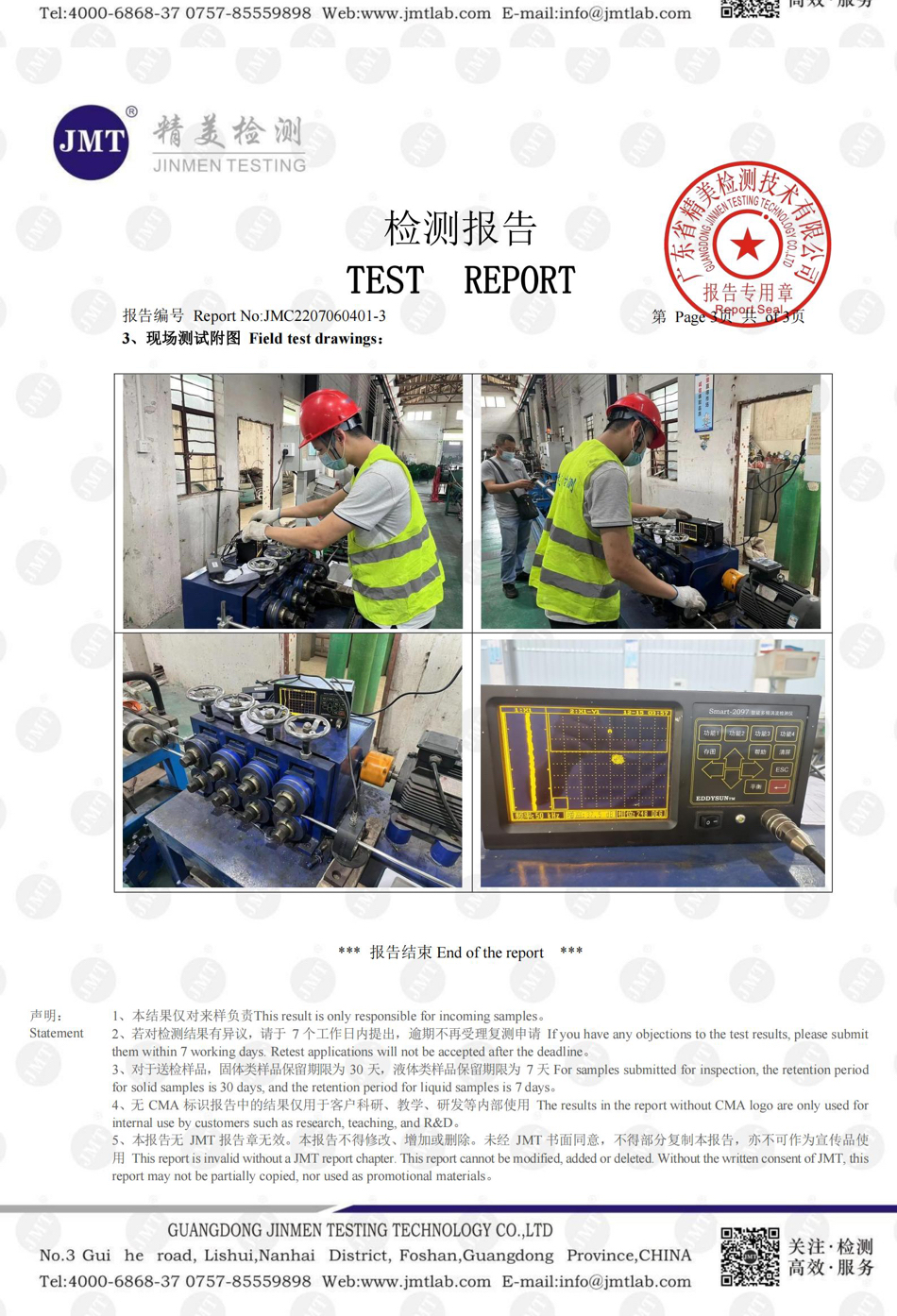
Our production processes and facility operations conform to international testing standards and quality management systems.
This section analyzes the mechanics of fatigue, metallurgical corrosion prevention, and structural performance criteria for coiled tubing applications.
Subsea umbilicals and downhole injection systems operate under cyclical bending stresses and high internal pressures. When exposed to sour environments (H2S and Cl-), materials are susceptible to corrosion fatigue. Micro-cracks can initiate at surface anomalies and propagate under cyclic loads. Utilizing bright annealing processes maintains a clean surface profile, which reduces initiation sites and extends the service life of the tubing.
Chloride-induced Stress Corrosion Cracking (SCC) is a primary failure mode in downhole alloy tubing. High temperatures and chloride concentrations can cause pitting in standard austenitic steels. Duplex and Super Duplex alloys address this with their dual-phase microstructures, where the ferrite phase provides resistance to chloride SCC. The Pitting Resistance Equivalent Number (PREN) indicates this performance:
Super Duplex 2507 maintains a PREN value greater than 40, making it suitable for deepwater applications where sea temperature gradients and injection fluids present corrosion risks.
Cathodic protection systems and acidic downhole fluids generate atomic hydrogen on the tube surface. This hydrogen can diffuse into the metal lattice, causing embrittlement and cracking under stress. High-nickel alloys like Incoloy 825 and Inconel 625 have low hydrogen diffusion coefficients, which reduces hydrogen accumulation in the lattice and prevents embrittlement in sour service (H2S) environments.
Below is the legacy catalog mapping from historical production runs, maintaining original data and images.
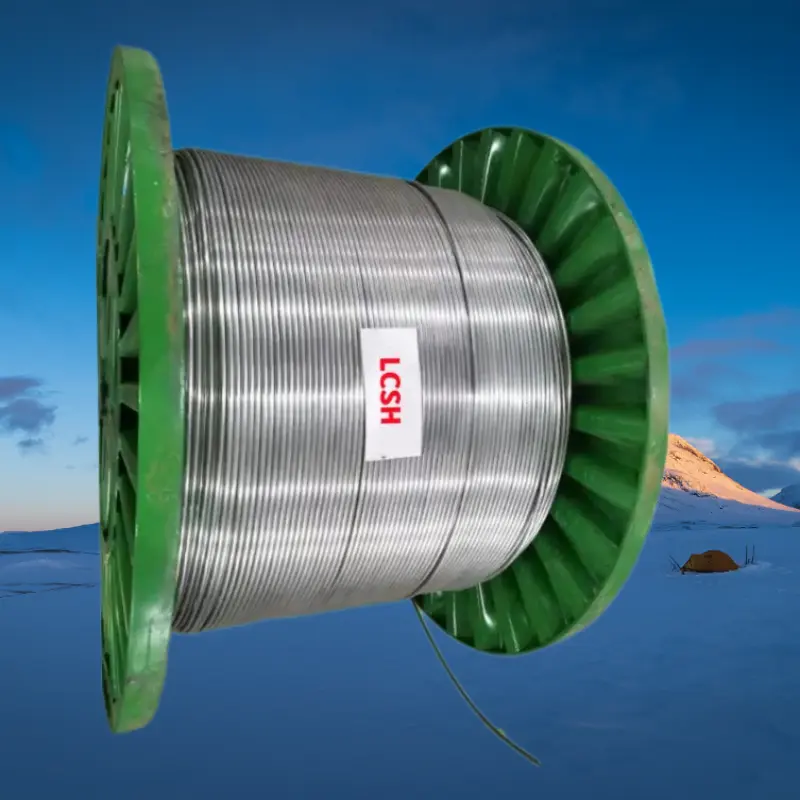
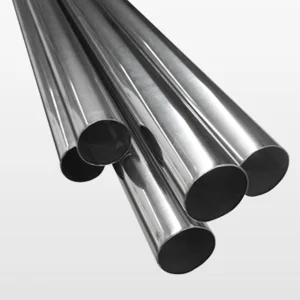
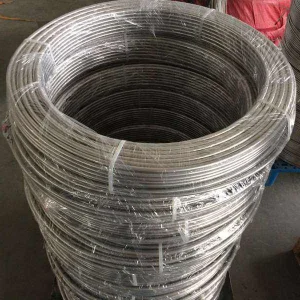
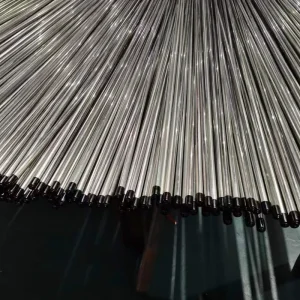
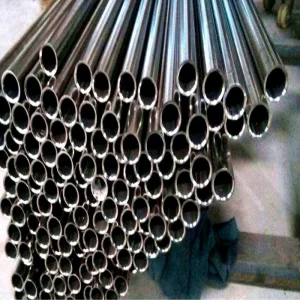
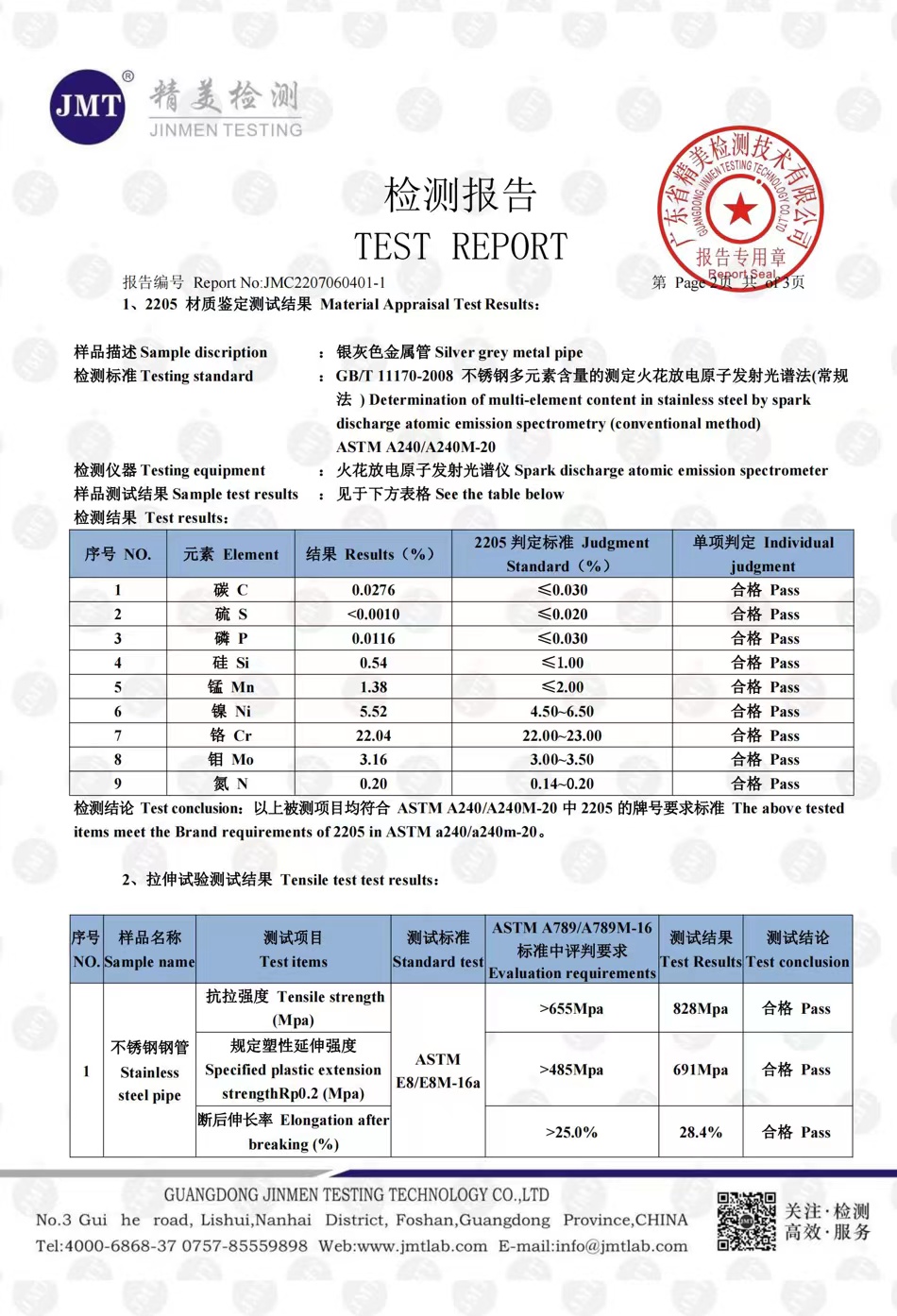
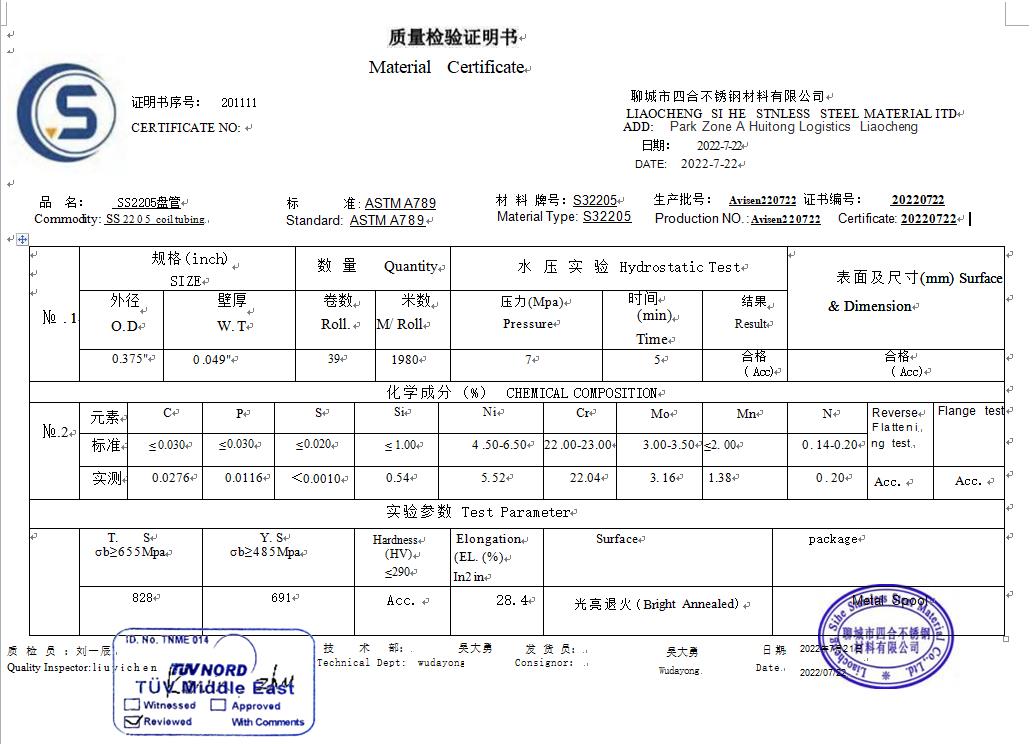
2205 duplex stainless steel containing austenitic and ferritic phases for balanced strength and corrosion resistance.
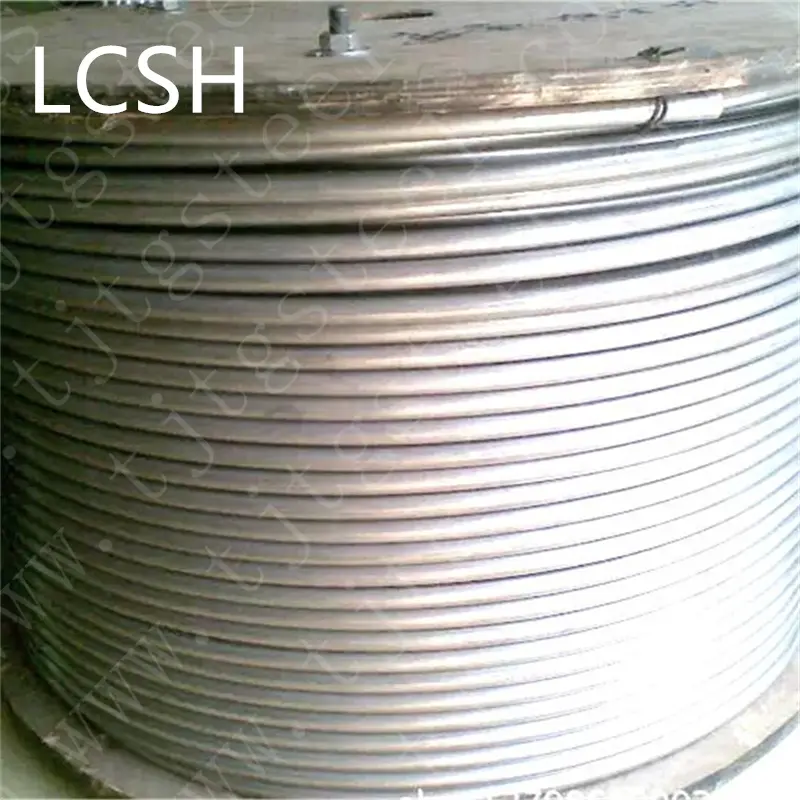
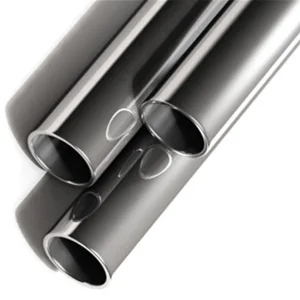
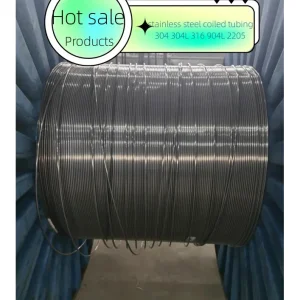
Standard 1/2-inch coiled tubing for downhole control lines and hydraulic instrumentation systems.
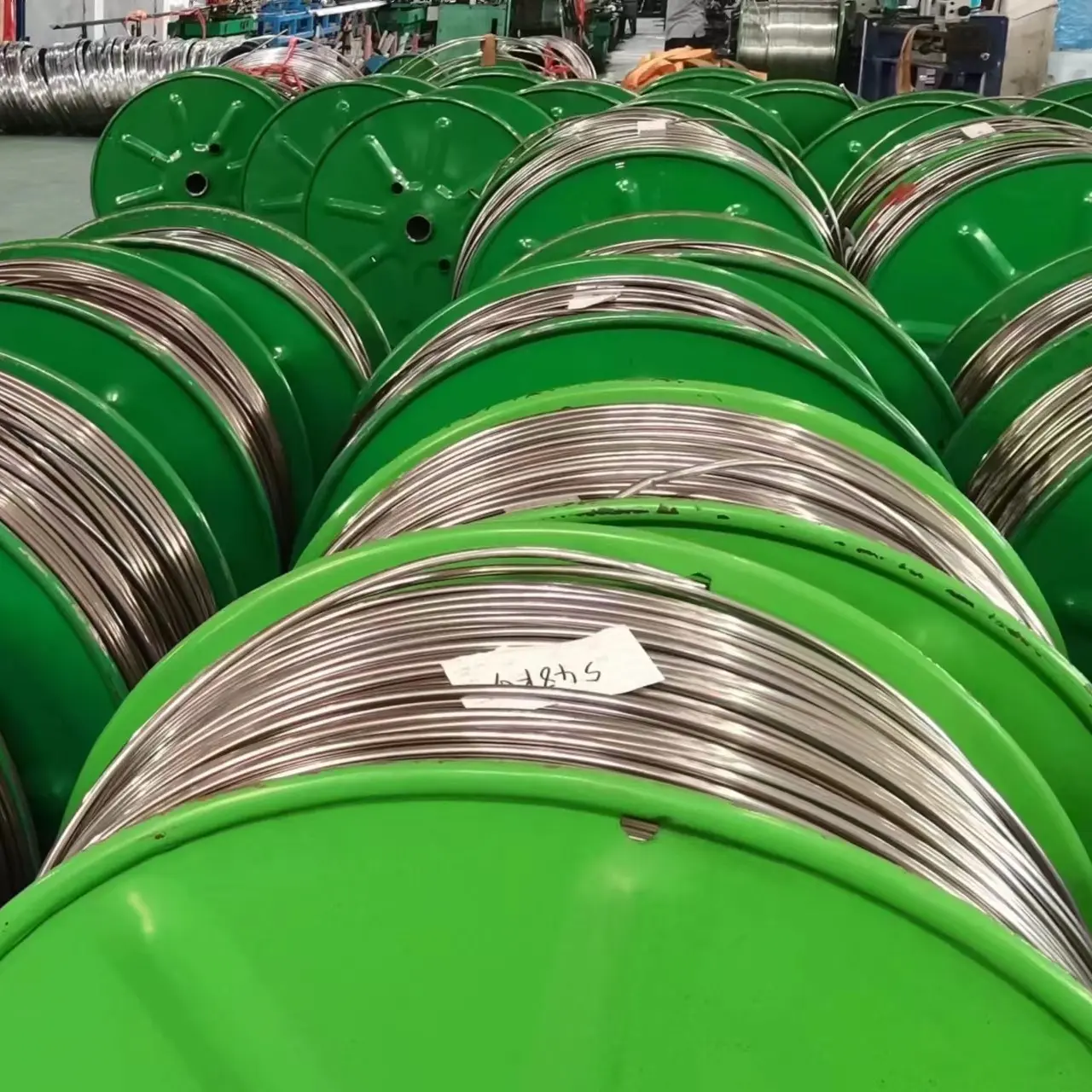
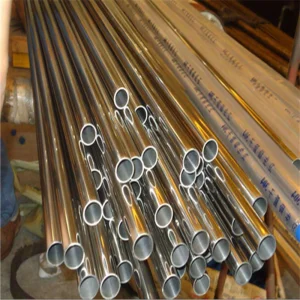
High-temperature oxidation resistant coiled tubing lines designed for petrochemical furnace feeds.
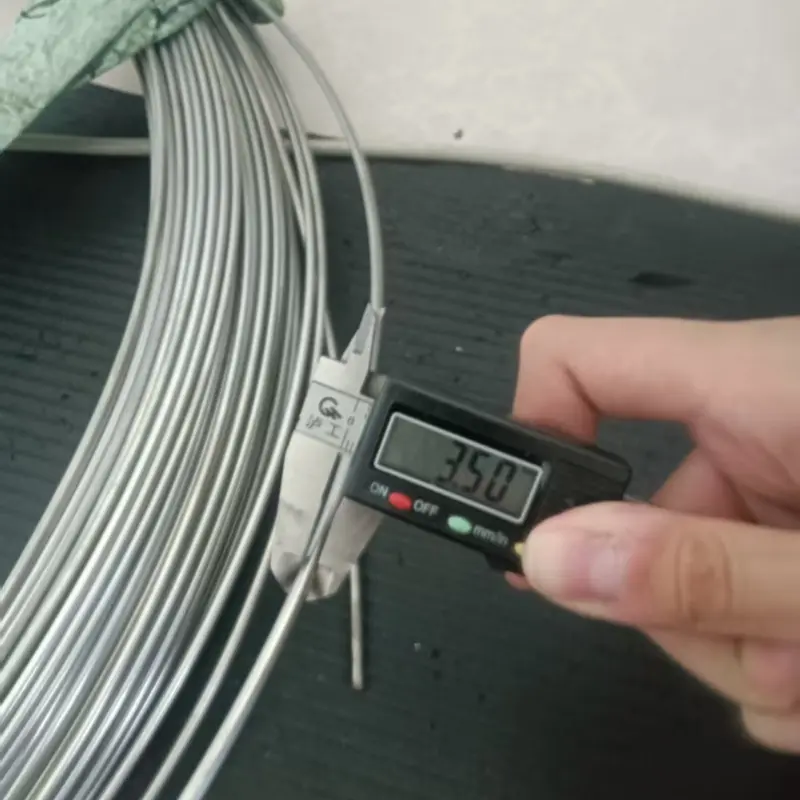
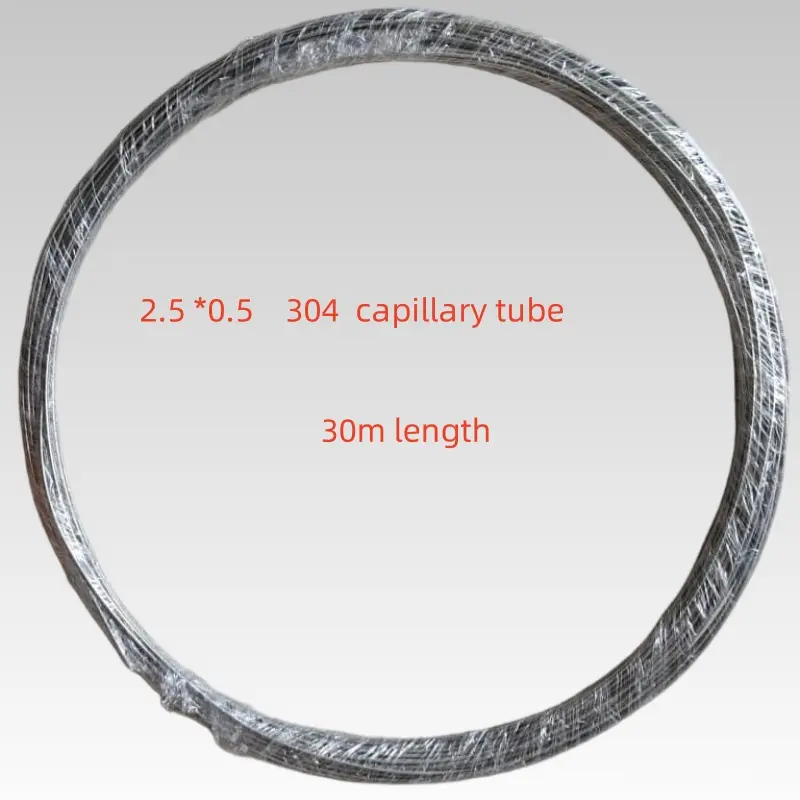
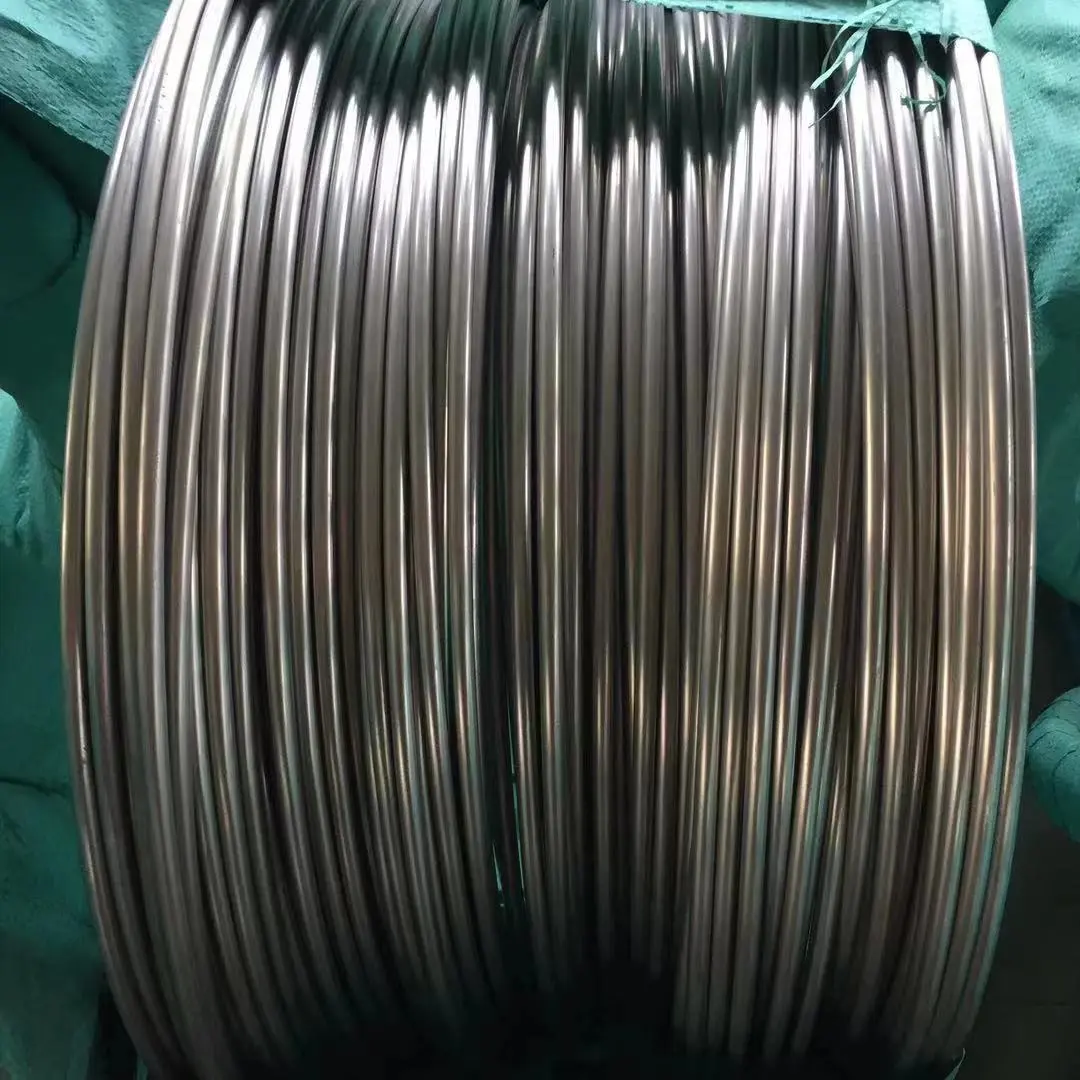
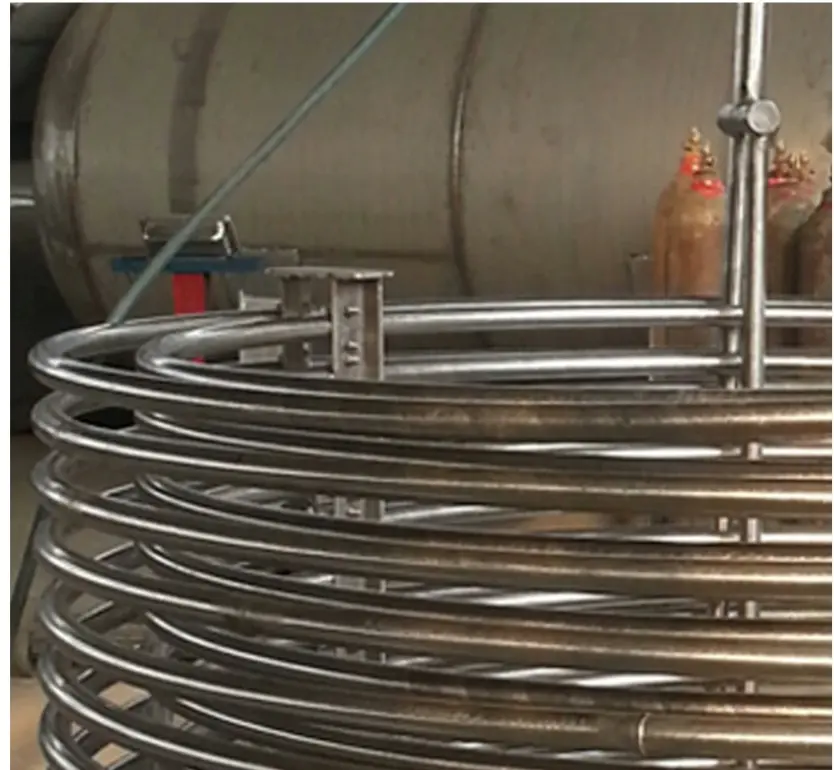
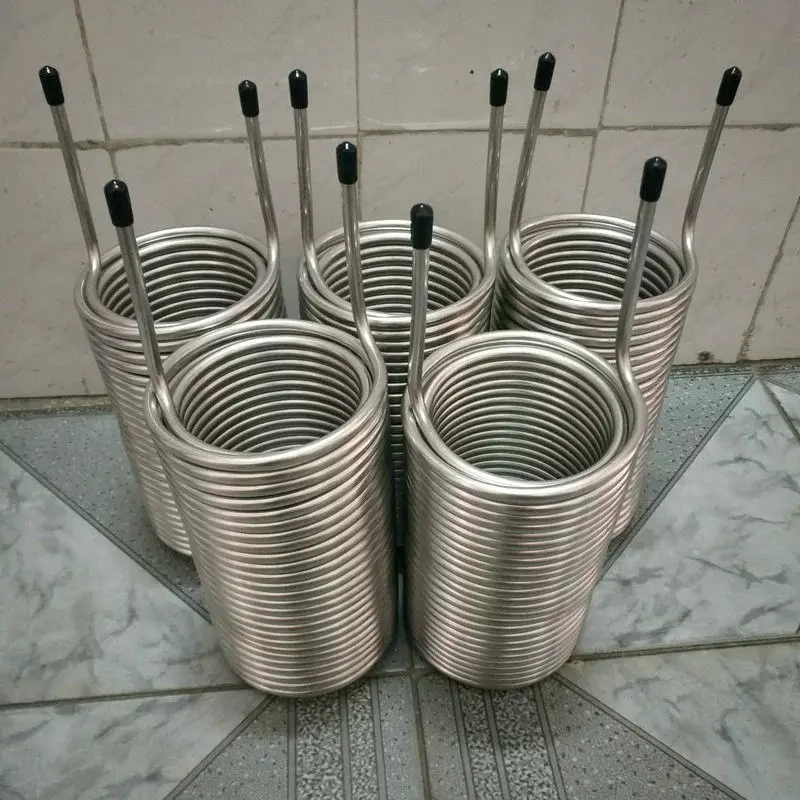
Technical answers to common sourcing, metallurgy, and delivery questions for procurement managers and engineers.