 Sihe Steel
Sihe Steel
Sihe Steel
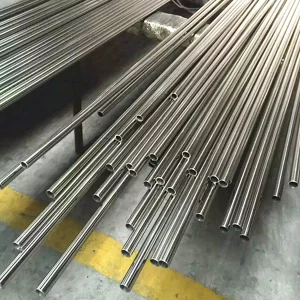
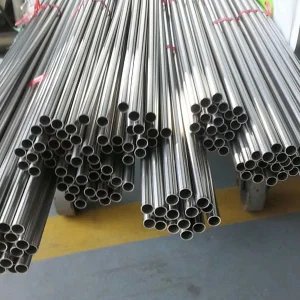
Explore our selection of specialized stainless steel tubes and coiled systems engineered for harsh offshore and high-tech industrial environments.
More than an aesthetic polish: A critical review of directional grain styling, surface roughness parameter (Ra) values, and corrosion properties.
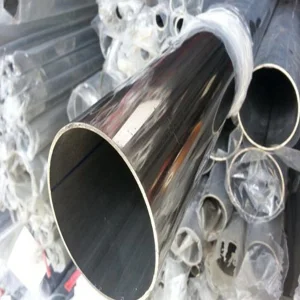
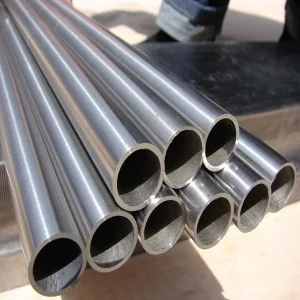
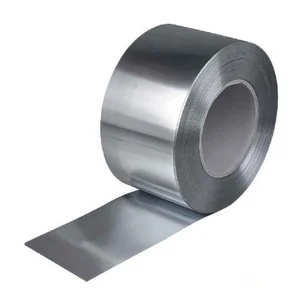
The No. 4 finish (commonly designated as a brushed, directional, or satin finish) is defined by its short, parallel polishing lines. This surface profile is generated by mechanically polishing stainless steel with progressively finer abrasives, typically finishing with a grit size ranging from 120 to 320. For high-purity industrial piping and pressure vessels, the choice of a No. 4 finish is driven by functional engineering parameters rather than cosmetic appeal.
From a metallurgical perspective, mechanical polishing alters the surface topography without changing the underlying crystalline matrix of the alloy. However, the reduction in surface roughness mitigates the presence of microscopic pits and crevices, which are common initiation sites for localized crevice corrosion and pitting. Standardizing on a No. 4 finish provides a reliable baseline for passivation treatments, allowing chemical agents to form a uniform chromium oxide passive film across the entire surface.
How advanced metallurgy, continuous bright annealing, and localized manufacturing clusters drive global procurement cost efficiencies.
As a leading specialist in the high-precision stainless steel coiled and polishing tube sector, Liaocheng Sihe Stainless Steel Material LTD operates six advanced production lines. This production configuration supports strict compliance with international manufacturing specifications, including GB, ASTM, ASME, JIS, and EN standards. By operating from Liaocheng, Shandong Province—a global hub for steel fabrication—we leverage a robust raw material supply chain and highly integrated logistics to support large-scale industrial projects.
We process a broad range of high-performance alloys, including standard Austenitic steels (304/304L, 316L, 321, 317L, 309S, 310S), Duplex microstructures (Duplex 2205, Super Duplex 2507), and Nickel-based Superalloys (Incoloy 800, Incoloy 825, Inconel 625).
Our integration of online hydrogen atmosphere bright annealing ensures that the internal and external surfaces of our coiled tubes remain scale-free and metallurgically soft, preserving workability for cold drawing and bending.
Every coil undergoes strict quality testing, including 100% hydrostatic testing, pneumatic air tightness validation, flaring, flattening, mechanical tensile tests, and eddy current non-destructive testing (NDT).
Chinese manufacturers like Liaocheng Sihe offer significant cost advantages without sacrificing quality. This is achieved through industrial cluster efficiencies, access to domestic refined ores, and vertically integrated production processes from cold drawing to final surface finishing. Over 80% of our production output is exported to demanding international markets, including the United States, Germany, Spain, South America, Southeast Asia, the Middle East, and Eastern Europe.
Deploying high-precision coiled tubing and No. 4 finished sheets in high-stress, high-purity, and corrosive environments.
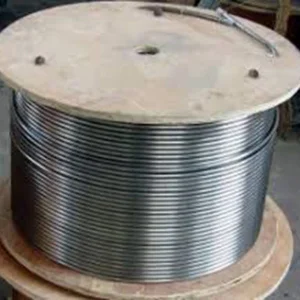
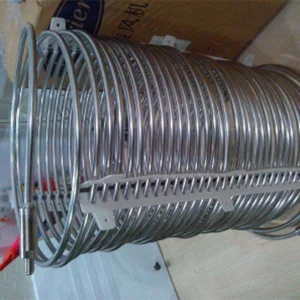
As offshore oil and gas exploration pushes into deeper waters, subsea systems are exposed to extreme external hydrostatic pressures and corrosive seawater. Our continuous seamless coiled tubing—available in outer diameters from 0.125 inches (3.175 mm) up to 1 inch (25.4 mm) and continuous lengths up to 32,800 feet (10,000 meters)—is designed for integration into electro-hydraulic control umbilicals. By selecting super duplex 2507 or alloy 825, engineers can mitigate the risks of pitting and chloride stress corrosion cracking (SCC) in marine environments.
Thermal processing systems require materials with clean surface profiles and precise dimensional tolerances to maintain design heat transfer coefficients. The smooth surface profile of our heat exchanger tubes limits fouling and scaling, which maintains thermal efficiency over long operational cycles. Our cold-worked and bright-annealed tubes in 304L and 316L grades provide reliable weldability and forming characteristics for U-bend and spiral configurations.
In semiconductor gas delivery and biopharmaceutical fluid processing, the fluid path must be free of surface particulate contaminants and outgassing hazards. By combining vacuum induction melting (VIM) source materials with cold drawing and precision mechanical polishing, we deliver tubing with low surface roughness. This configuration minimizes particulate entrapment and facilitates effective clean-in-place (CIP) and sanitize-in-place (SIP) cycles.
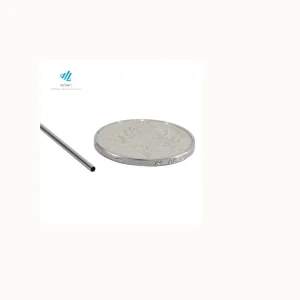
For aerospace, automotive, and high-pressure hydraulic actuators, dimensional control of tube wall thickness (up to 0.165 inches or 3 mm) is critical. Consistent wall thickness prevents localized pressure concentrations and ensures reliable performance under cyclic loading. Our cold-drawn precision capillary tubes provide the dimensional accuracy needed for critical instrument links.
A reference guide for engineering teams selecting materials for critical piping and sheet components.
| Alloy Grade | UNS Designation | Chemical Composition Key Elements | Yield Strength (Mpa) | Primary Environmental Suitability |
|---|---|---|---|---|
| 304 / 304L | S30400 / S30403 | 18% Cr, 8% Ni, Low Carbon | ≥ 205 | General corrosion resistance; food contact, HVAC, mild chemical processing. |
| 316L | S31603 | 16% Cr, 10% Ni, 2% Mo | ≥ 170 | Chloride-bearing environments, pharmaceuticals, marine instrumentation. |
| Duplex 2205 | S32205 | 22% Cr, 5% Ni, 3% Mo, 0.18% N | ≥ 450 | High mechanical strength, stress corrosion cracking resistance, marine industry. |
| Incoloy 825 | N08825 | 38-46% Ni, 19-23.5% Cr, Mo, Cu | ≥ 240 | Reducing and oxidizing acids, sour gas wells, subsea umbilical pipelines. |
| Inconel 625 | N06625 | ≥ 58% Ni, 20-23% Cr, 8-10% Mo, Nb | ≥ 415 | Extreme high-temperature oxidation, severe aerospace & exhaust service. |
Our manufacturing limits allow for custom adjustments to tube profiles. For coiled tubing, our production lines achieve precise dimensional tolerances, maintaining outer diameter (OD) variance within ±0.004 inches (0.1 mm) and wall thickness variation within ±10%. This dimensional consistency supports orbital welding equipment and automatic compression fittings on construction sites.
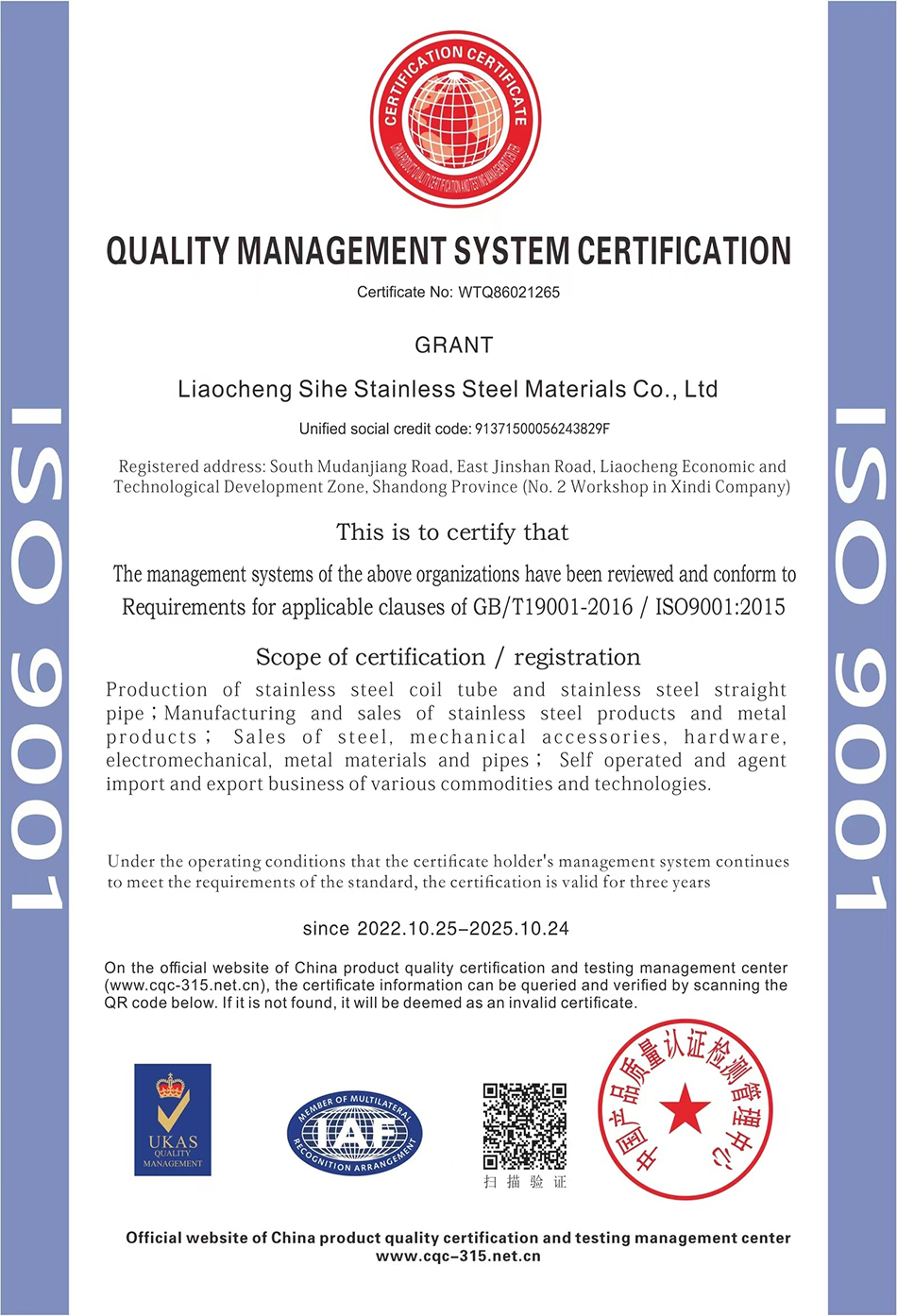
Liaocheng Sihe operates in compliance with international quality systems, providing full traceability for all raw materials.
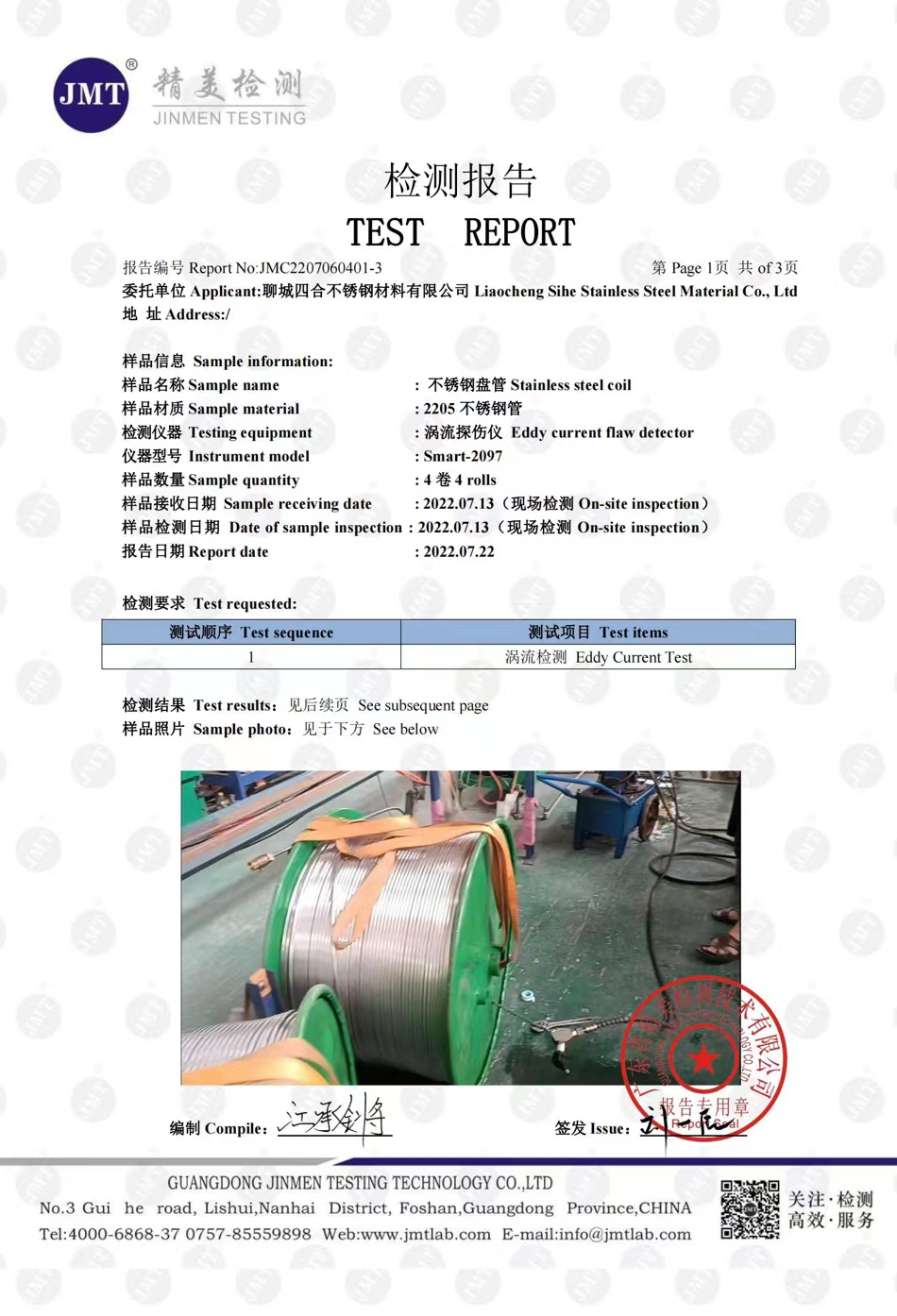
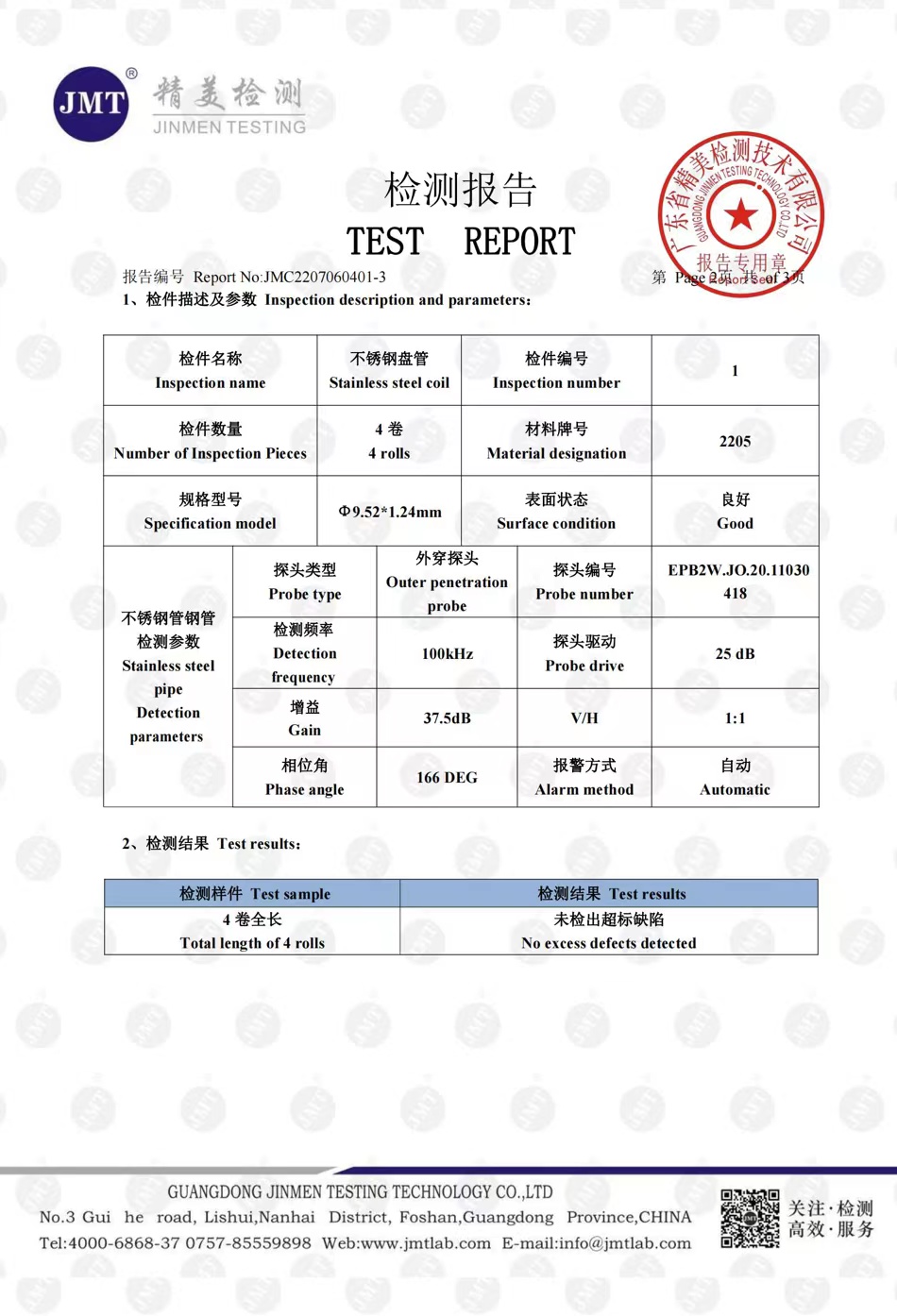
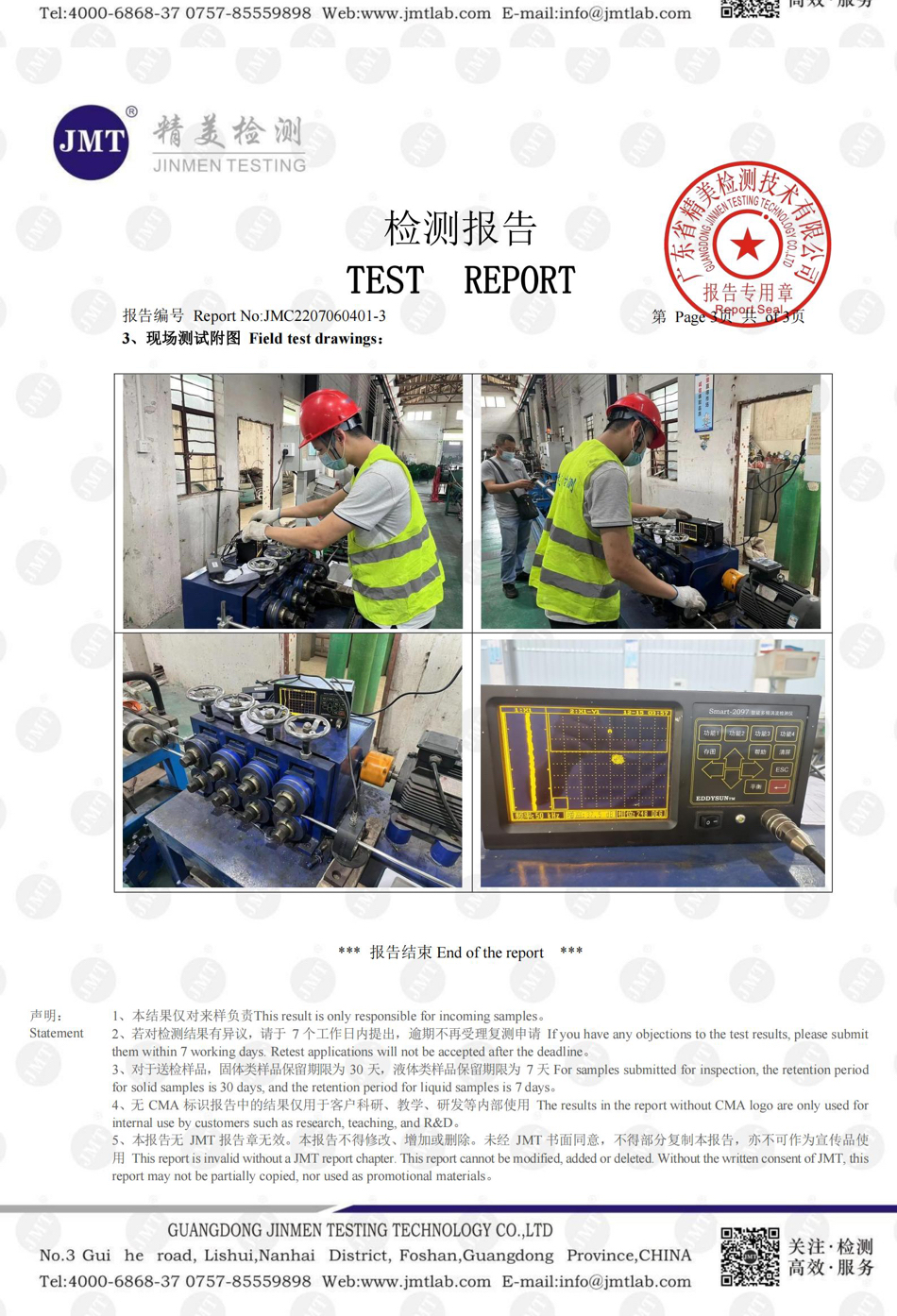
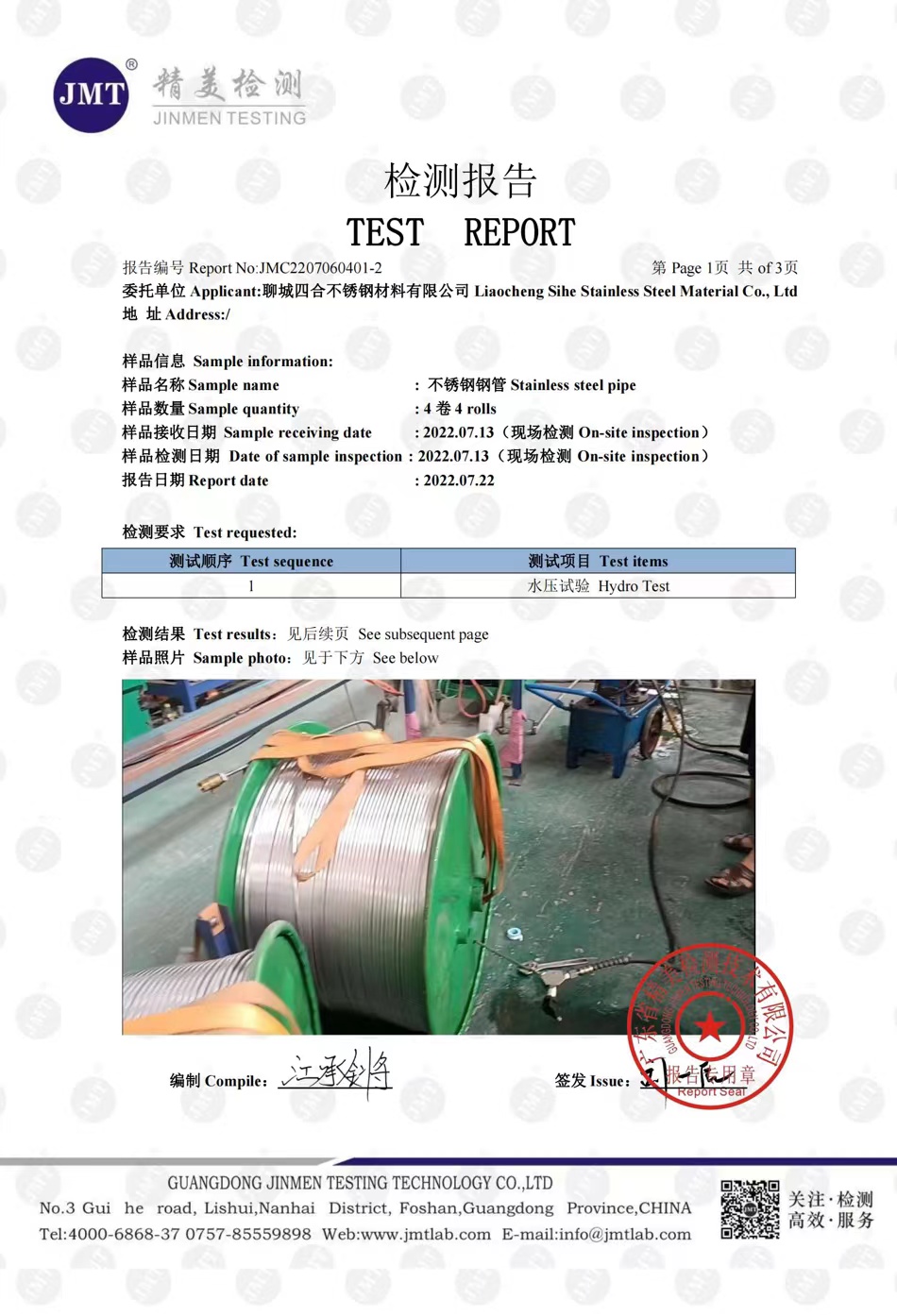
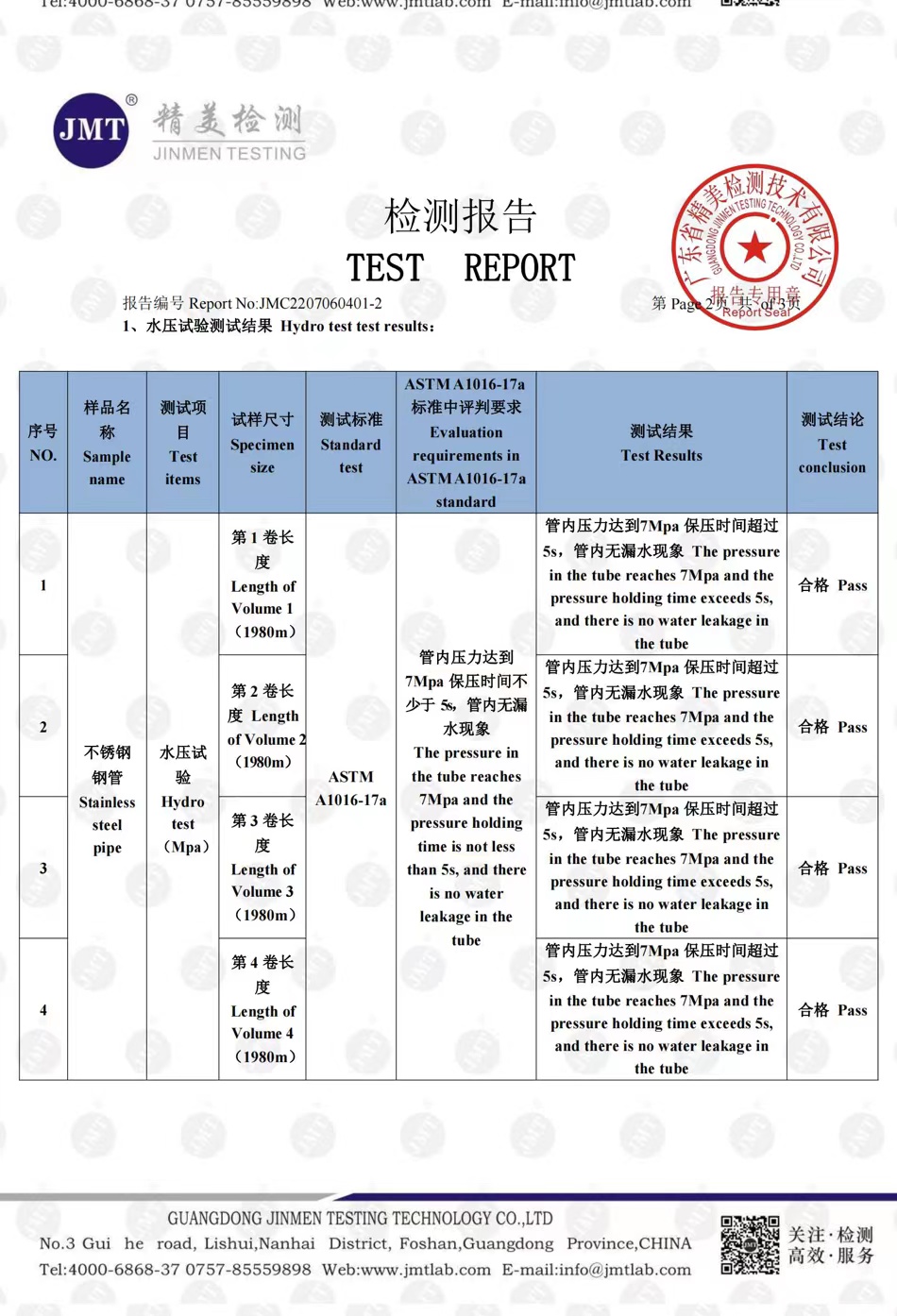
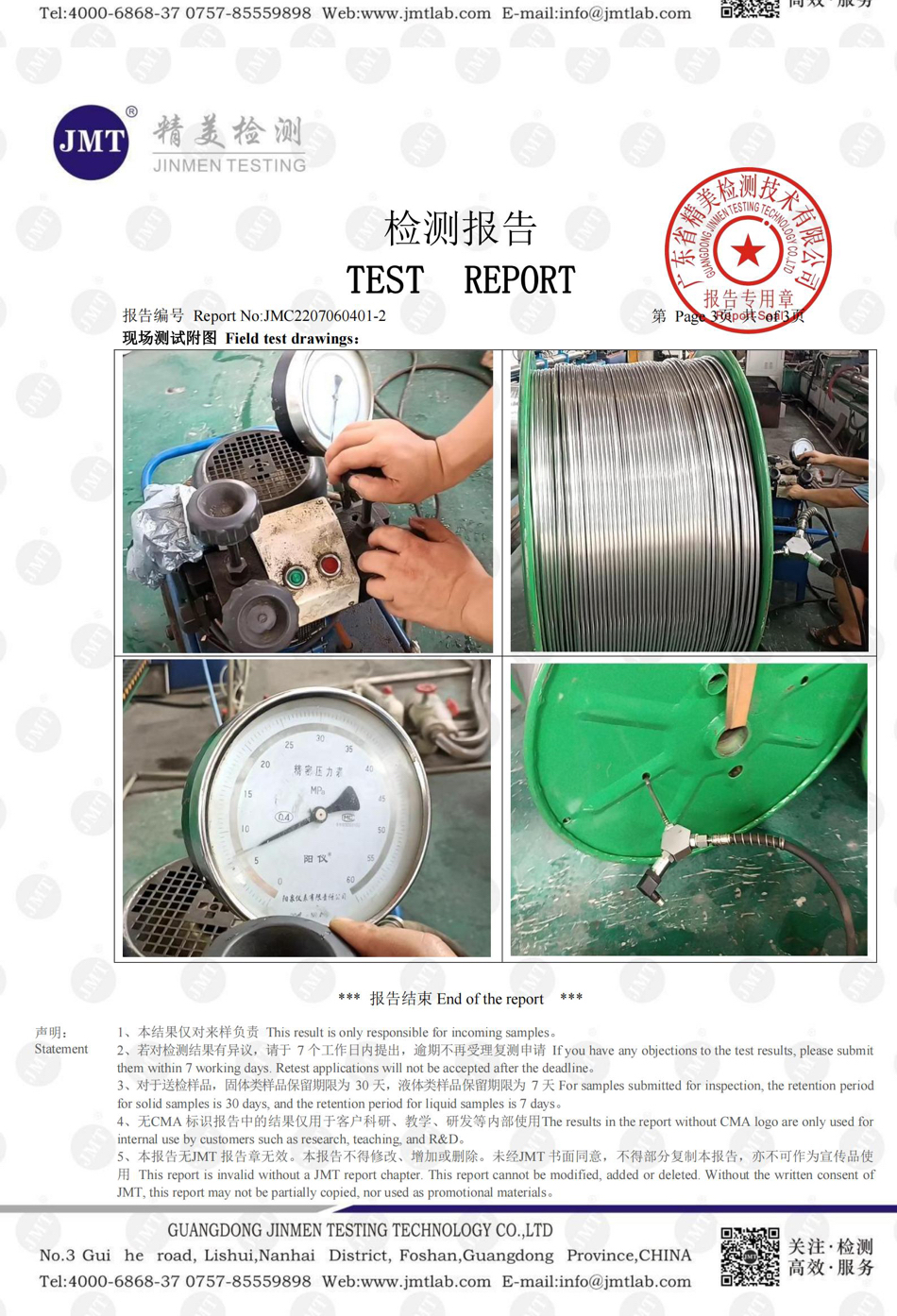
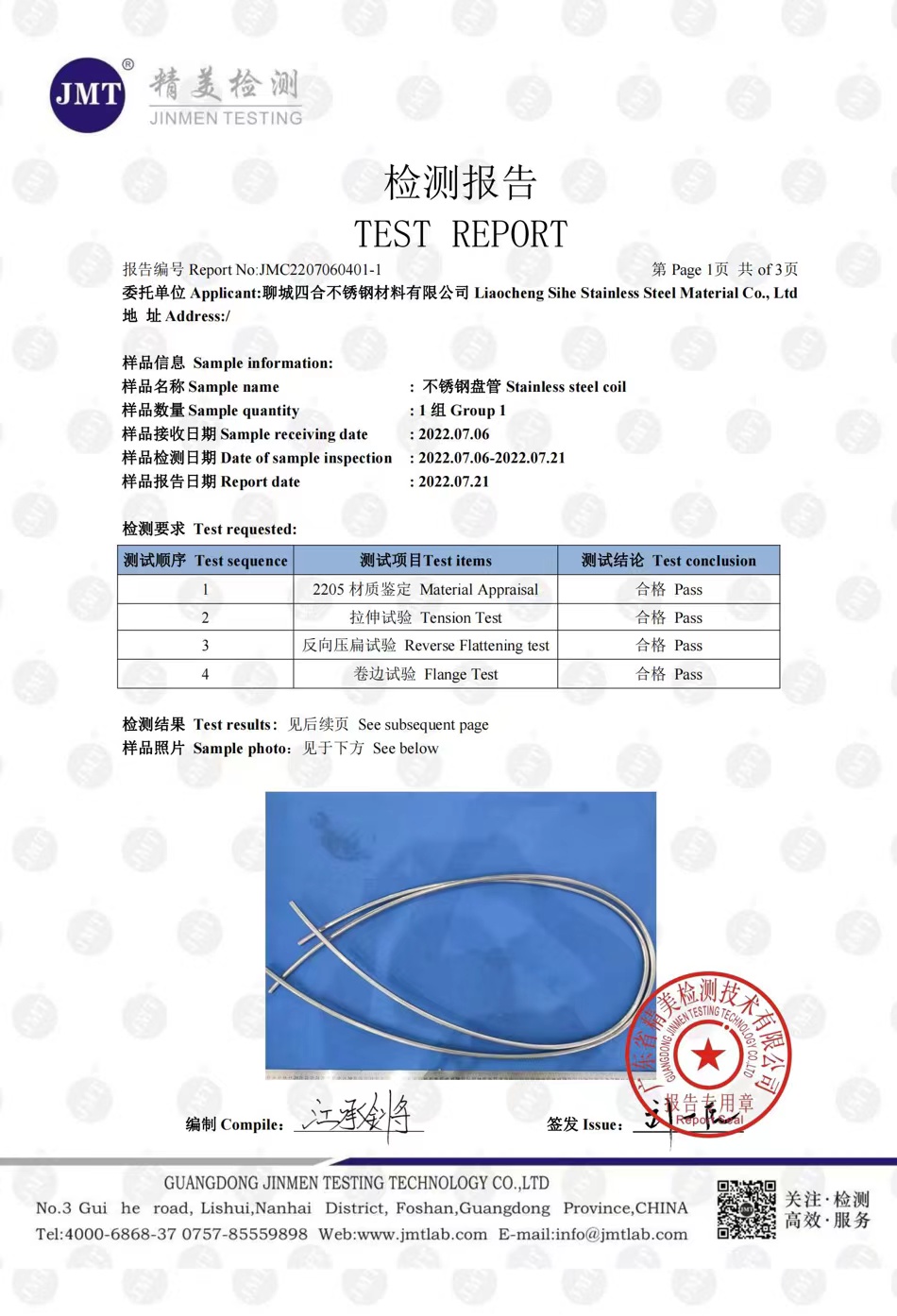
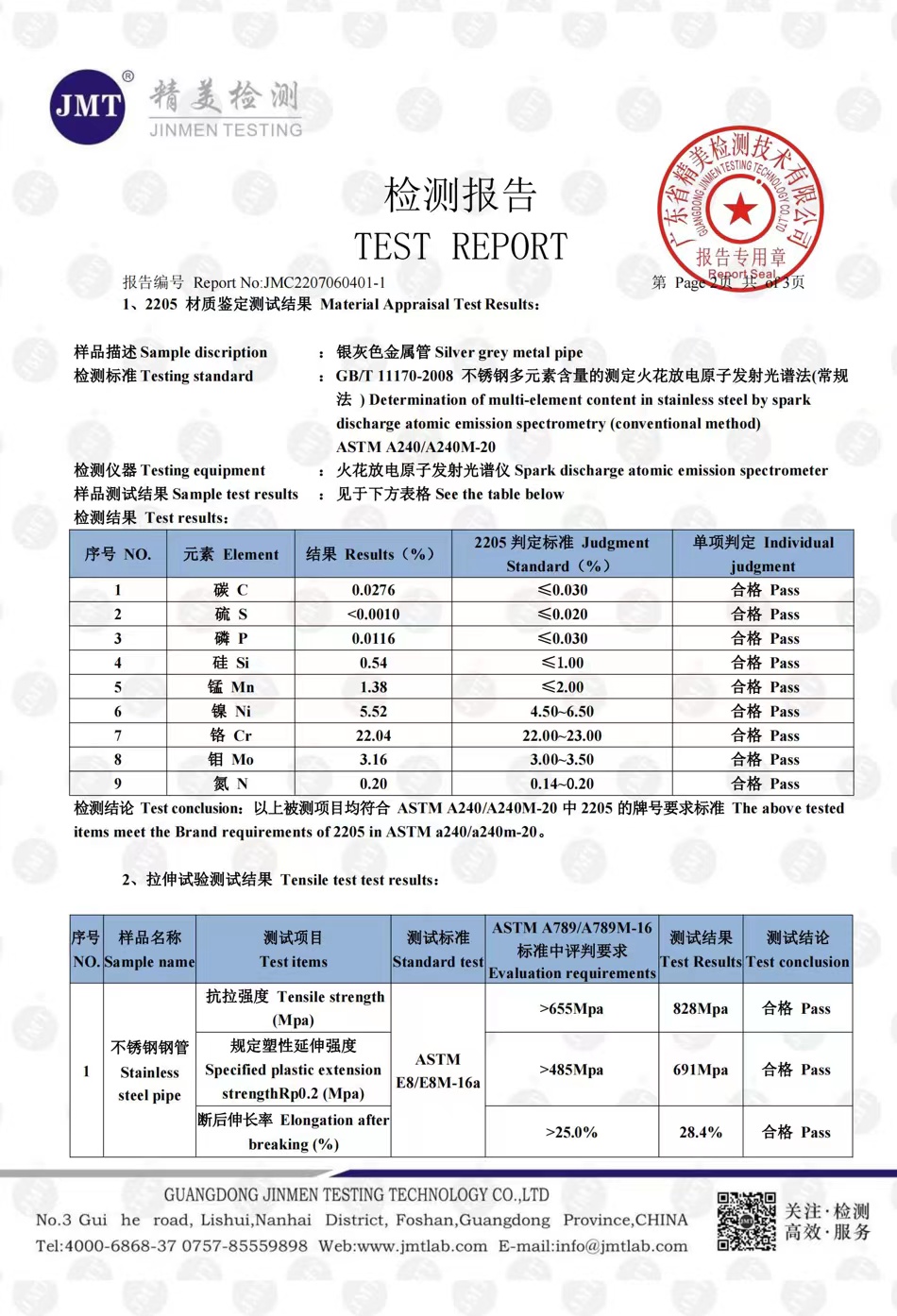
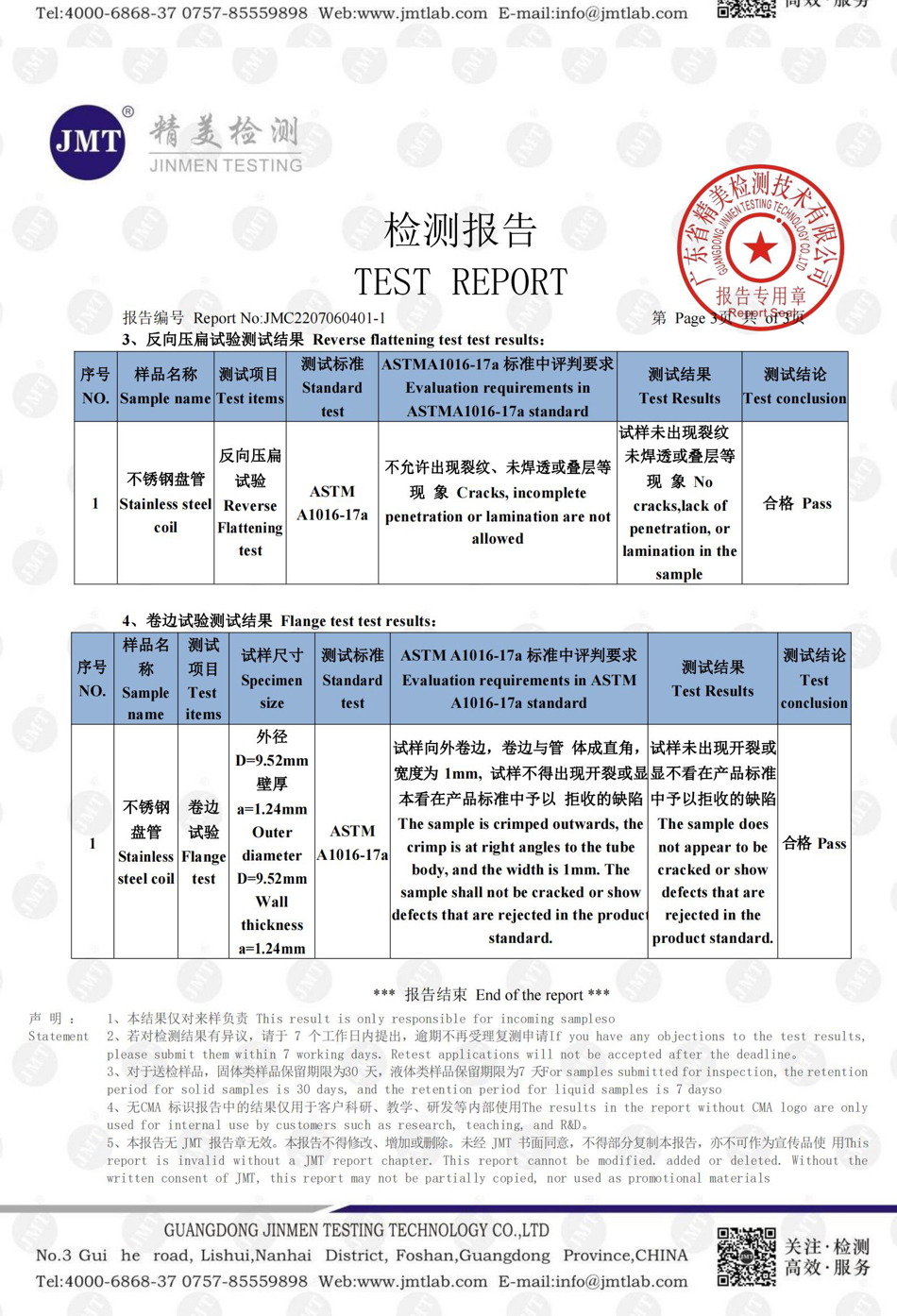
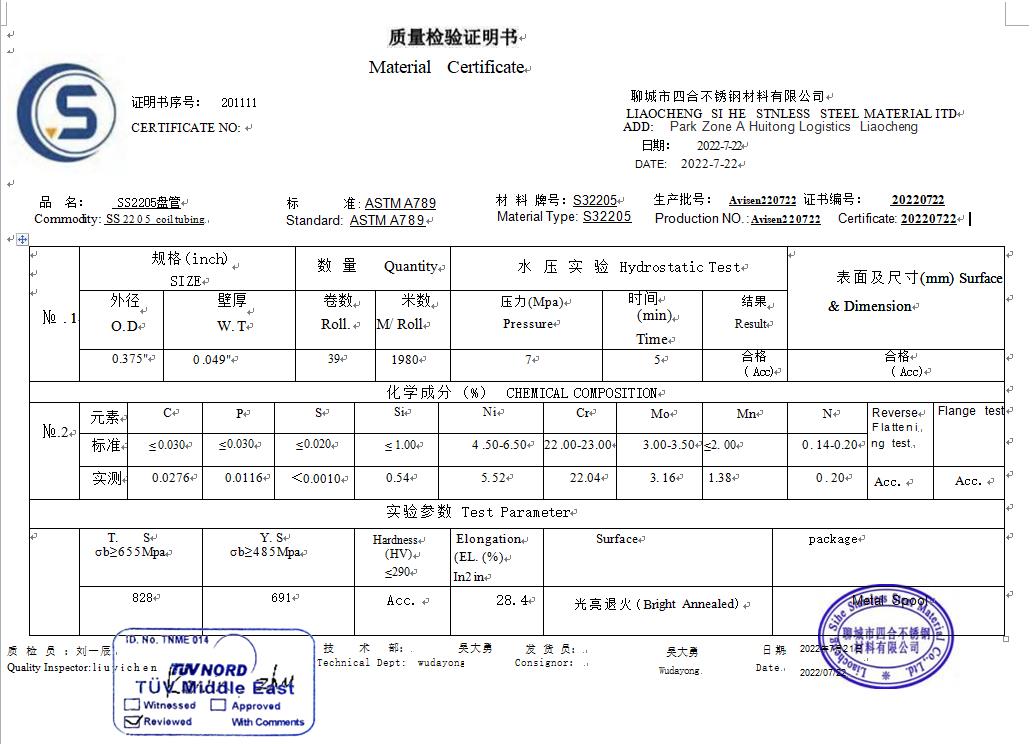
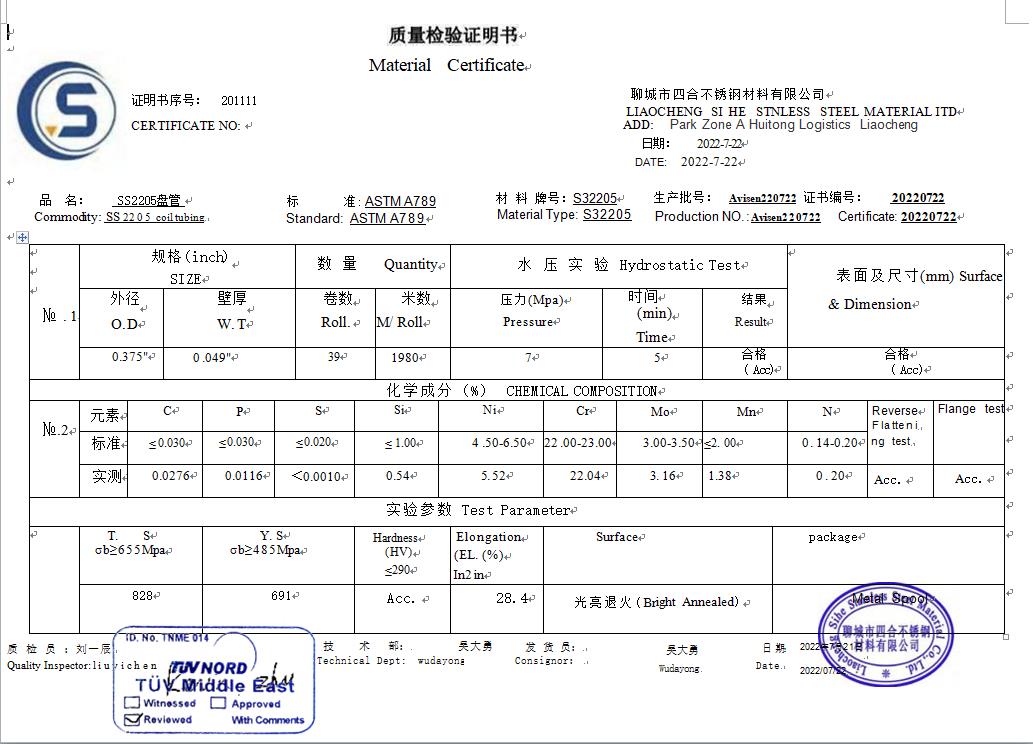
Integrated downstream manufacturing capabilities to match project specifications and reduce installation times.
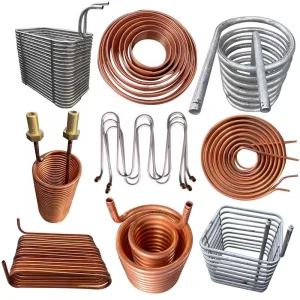
We supply prefabricated helical coil bundles, U-bend profiles, and continuous serpentine pipe runs. This minimizes the need for field welding, reducing installation labor and reducing potential leak paths in high-pressure fluid systems.
Equipped with multi-axis laser profiling stations, we execute high-tolerance length cuts, slot patterns, and complex edge preps. This ensures out-of-the-box fitment for heat exchanger tube sheets and manifold assemblies.
We provide custom cold flanging and pre-swaged tube configurations. This supports high-integrity mechanical connections in vehicle exhaust lines, high-vibration engine manifolds, and marine petrochemical networks.
Engineering long-length coiled tubing systems for high-pressure, high-temperature (HPHT) subsea wells.
Modern offshore drilling operations require umbilical lines that transmit hydraulic control fluids, chemical injection agents, and electrical signals between surface facilities and subsea wellheads. The mechanical reliability of the tubing within these umbilical bundles is critical, as a single material failure can lead to operational downtime and environmental risk.
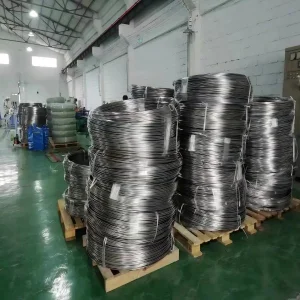
Our long-length continuous coiled tubing resolves the issue of intermediate butt welds, which are historically the primary failure points in high-pressure subsea lines. Utilizing orbital TIG welding in a controlled cleanroom environment and continuous cold-drawing processes, we produce tube lengths of up to 32,800 feet (10,000 meters) without structural joints. During manufacturing, the internal surface is flushed and vacuum-dried to meet NAS 1638 Class 6 cleanliness levels, preventing particle contamination in subsea hydraulic valves.
An overview of market price factors, material sourcing strategies, and B2B logistics management.
Procuring raw metals from overseas requires a clear understanding of volatile alloy surcharges and international shipping logistics. Stainless steel prices fluctuate based on the LME (London Metal Exchange) trading prices for alloying elements like Nickel, Chromium, and Molybdenum. To mitigate these market risks for long-term projects, Liaocheng Sihe offers price hedging options and volume commitments for qualified international buyers.
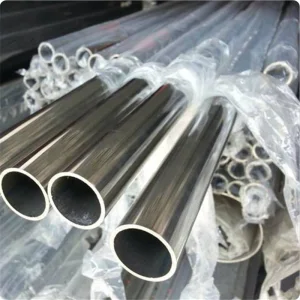
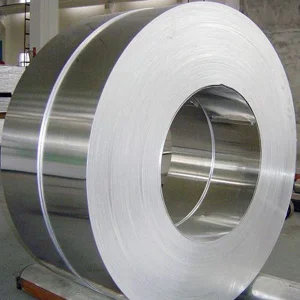
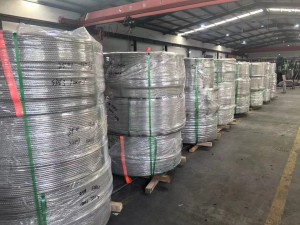
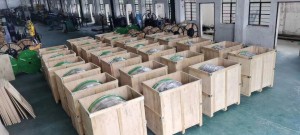
Our logistics protocols are designed to protect surface finishes during transit. Coils and straight bundles are wrapped in heavy-gauge polyethylene sheeting, packed in reinforced IPPC-certified export wooden cases, and secured within steel frames. This protective packaging prevents physical deformation, denting, and exposure to corrosive sea spray during maritime shipping. We coordinate with global freight forwarders to manage customs clearance, export licensing, and delivery to ports worldwide.
Answers to key questions concerning technical capabilities, order policies, and supply chain logistics.
Browse our full product range, including specialty alloys and custom-engineered heat exchanger piping.