 Sihe Steel
Sihe Steel
Sihe Steel
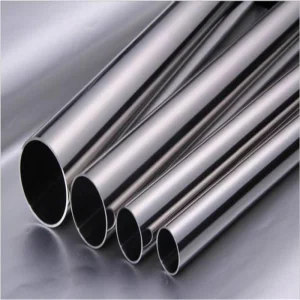
Premium grades designed for chemical plant heat exchangers, offshore engineering, aerospace propulsion networks, and high-purity semiconductor lines.
Strategic analysis of trade variables, manufacturing capabilities, and quality validation processes within the global industrial market.
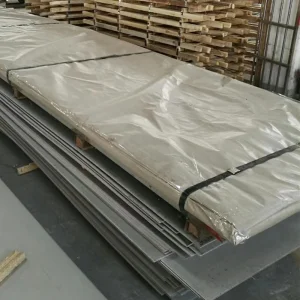
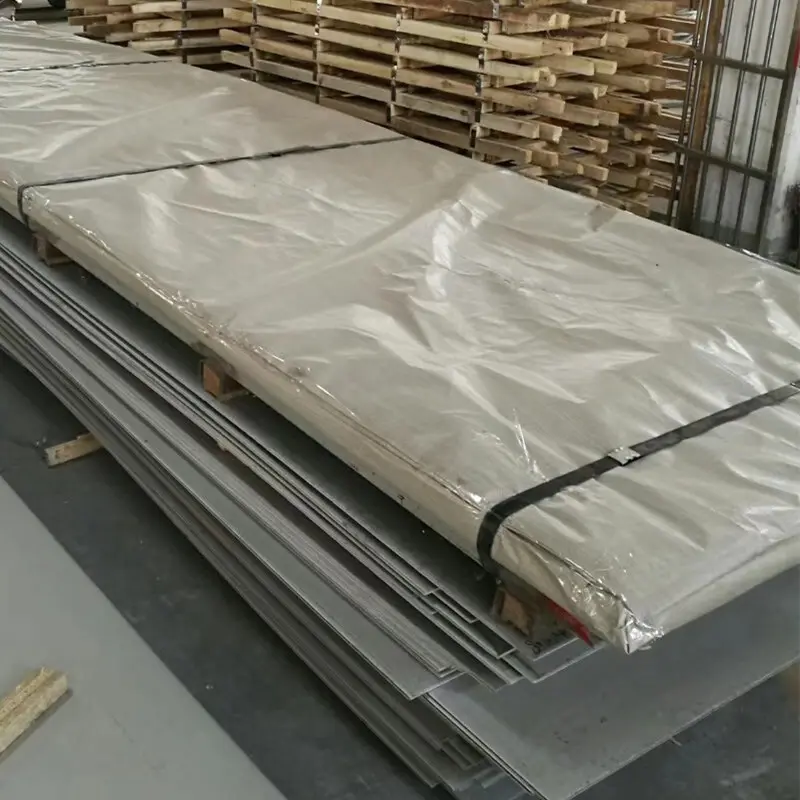
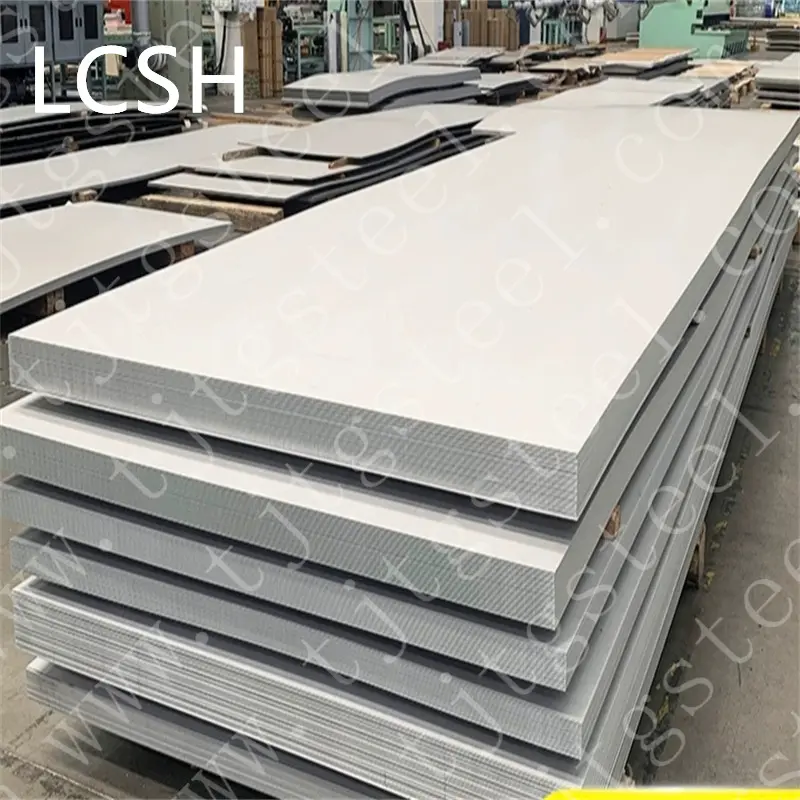
As the cornerstone of modern metallurgy, Grade 304 (UNS S30400 / EN 1.4301) represents over 50% of all stainless steel produced globally. The international industrial sector relies heavily on the balanced physical properties of this austenitic alloy, which contains a minimum of 18% chromium and 8% nickel. When seeking dependable China 304 stainless steel sheet and stainless steel plate suppliers, engineering procurers must evaluate factories based on more than just bulk pricing. Modern structural projects require compliance with standards like ASTM A240/A480, tight thickness tolerances, and stable raw material supply lines.
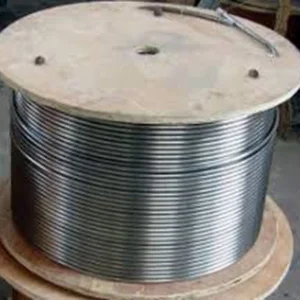
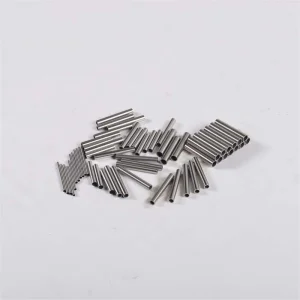
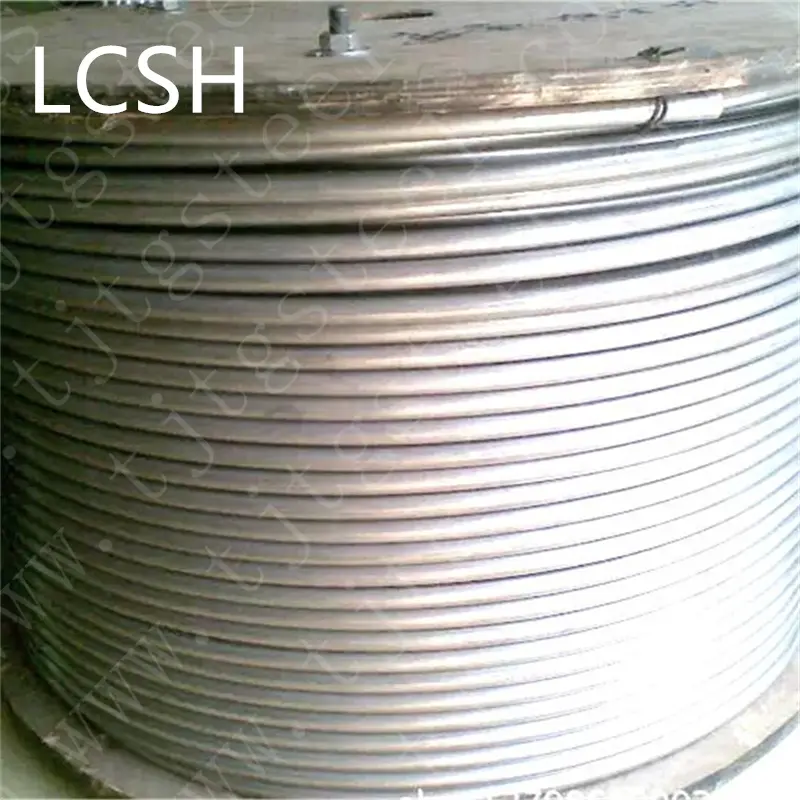
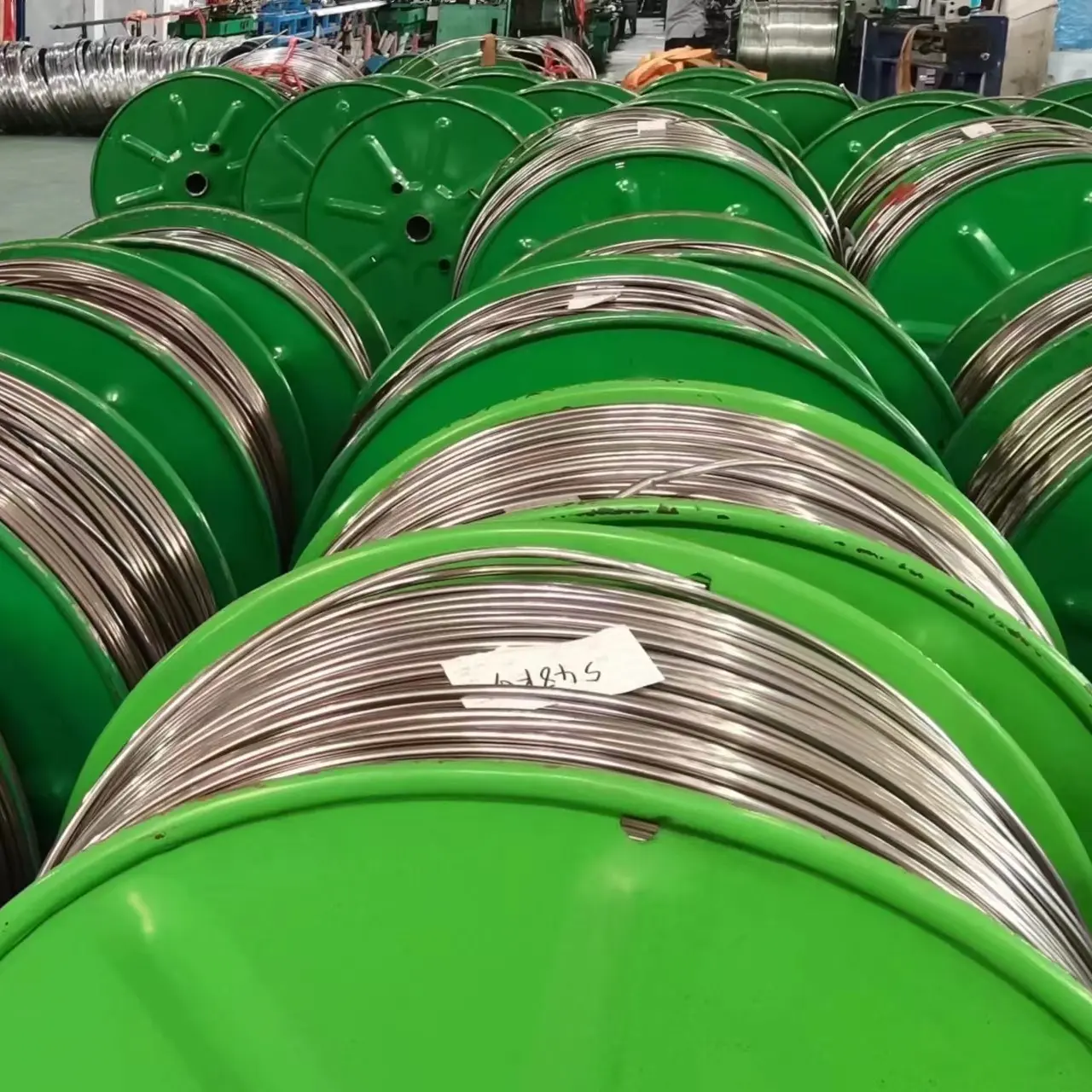
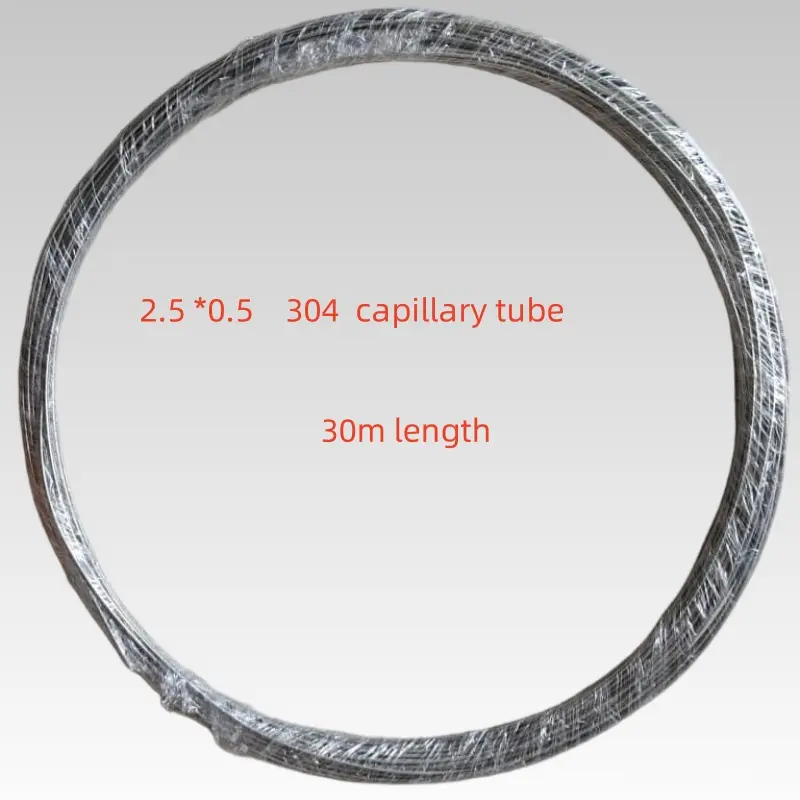
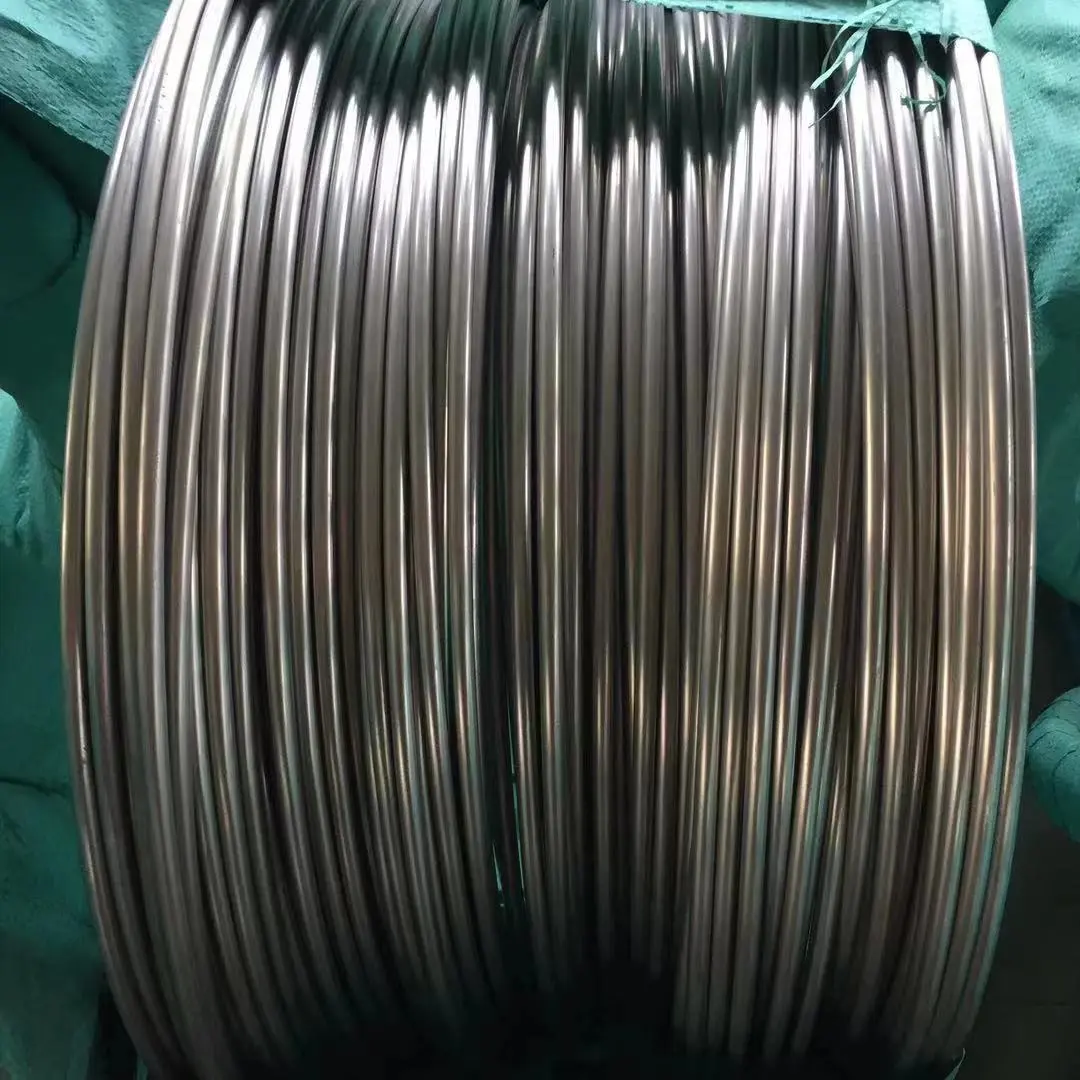
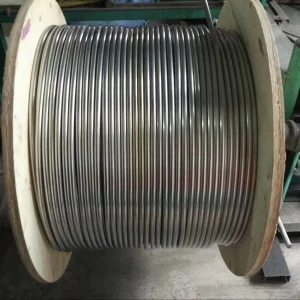
In addition to traditional plates, specialized products such as flexible seamless coil, capillary tubing, and bright annealed coiled tubing have grown increasingly vital. Industries like deepwater oil extraction, high-purity semiconductor gas transport, and hydrogen refueling stations demand tight tolerances. China's integrated supply chain—combining primary refining, precision cold-rolling, and advanced vacuum bright annealing—has made the region a global source for both standard plates and specialized seamless piping. This capability enables consistent mechanical properties across massive production volumes.
Grade 304 is defined by its face-centered cubic (FCC) austenitic structure, which provides excellent ductility, toughness, and non-magnetic properties under annealed conditions. The addition of chromium generates a self-healing, passivated chromium oxide surface film that resists oxidation and corrosive media. However, in environments containing chlorides, pitting can occur if the alloy isn't properly prepared or if it's subjected to sensitization.
For applications involving structural welding, standard 304 can experience intergranular corrosion due to carbide precipitation at the grain boundaries when heated between 425°C and 815°C. To mitigate this risk, top factories offer 304L (UNS S30403) with a carbon limit of 0.030% max, which prevents sensitization and maintains corrosion resistance near the weld heat-affected zone. Conversely, for high-temperature settings (above 525°C), 304H is specified with higher carbon levels to improve creep strength and tensile properties over long operational lifespans.
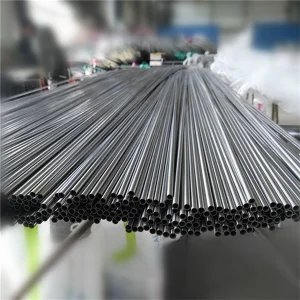
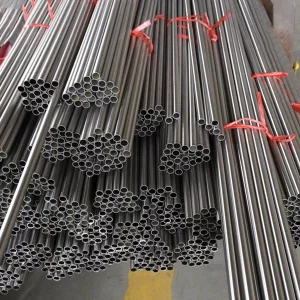
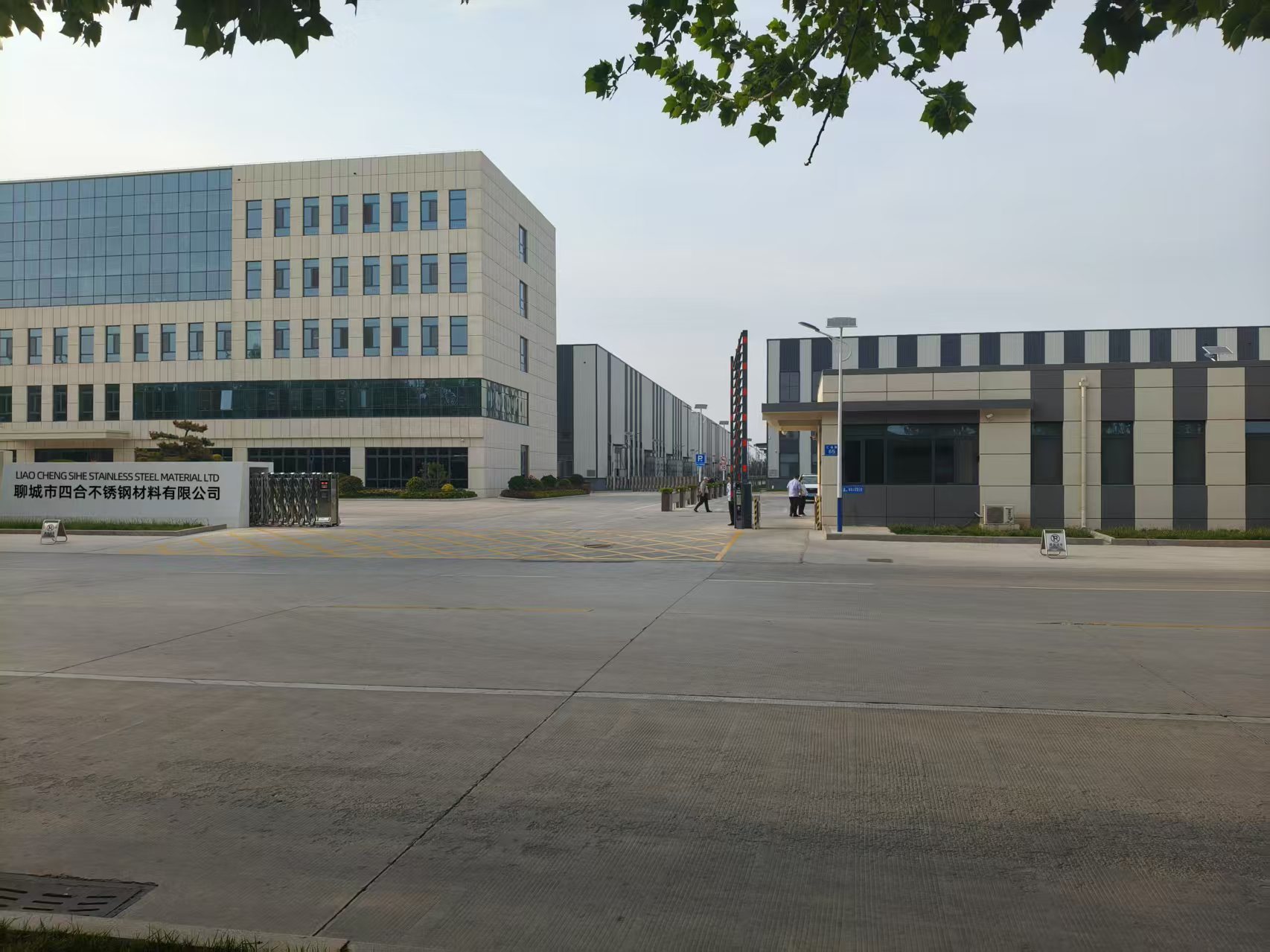
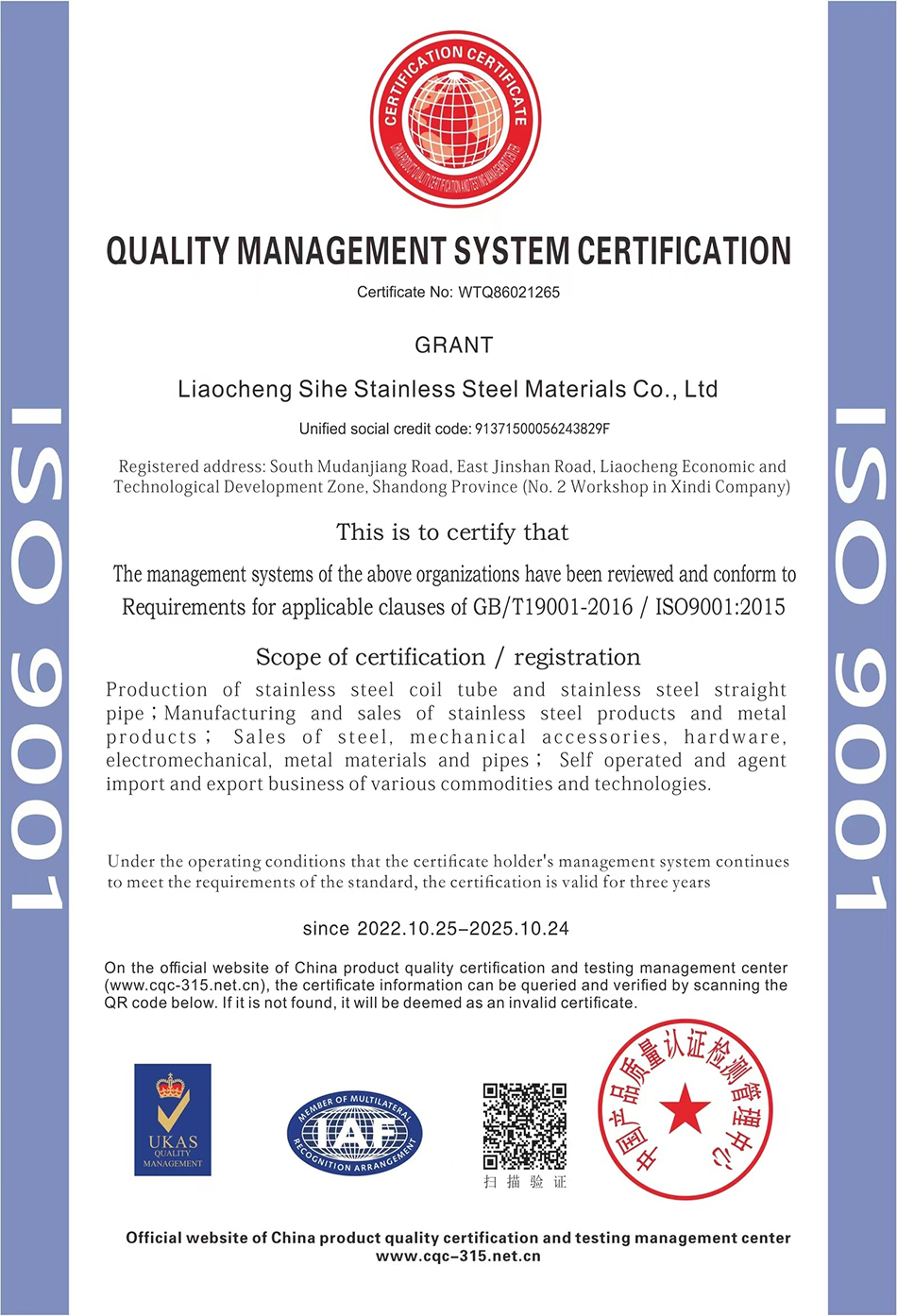
Liaocheng Sihe Stainless Steel Material Co., Ltd. is an industry leader in manufacturing high-performance stainless steel coiled tubing, precision capillary tubing, and heavy-duty industrial piping. Operating six advanced production lines and incorporating specialized vacuum bright annealing systems, we process high-grade alloys to meet rigid international standards, including GB, ASTM, ASME, JIS, and EN.
Our material catalog extends beyond standard 304/304L to include premium corrosion-resistant alloys like 316/316L, 321, 317L, 309S, 310S, and Incoloy 800. For extreme environments, we specialize in high-yield Duplex 2205, Super Duplex 2507, Incoloy 825, and Inconel 625, serving customers across 30 countries and regions worldwide.
Precision value-added solutions tailored for complex engineering challenges, ensuring consistent dimensions and material integrity.
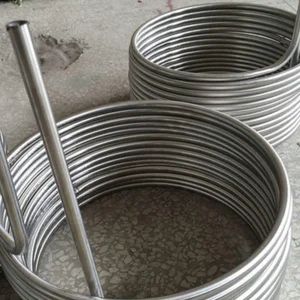
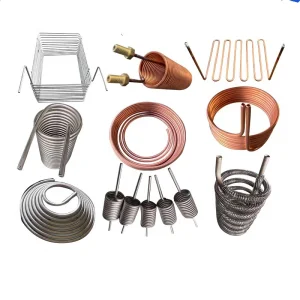
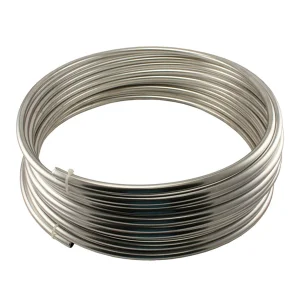
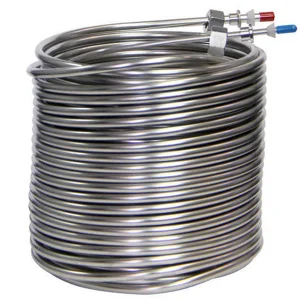
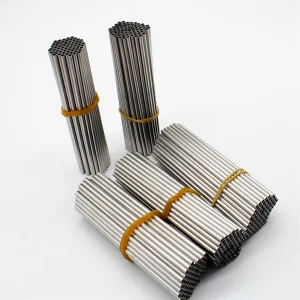
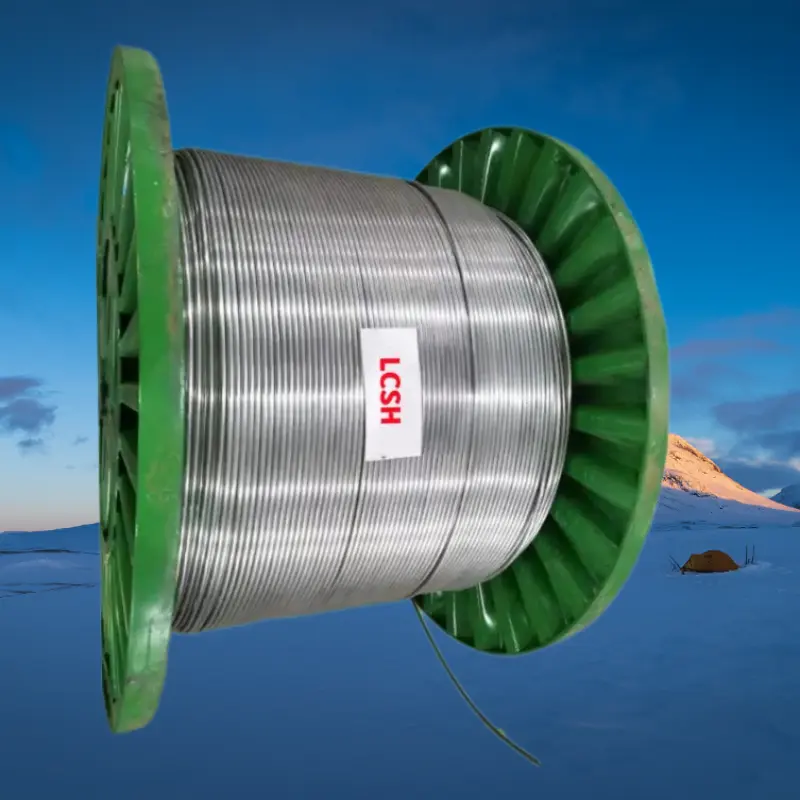
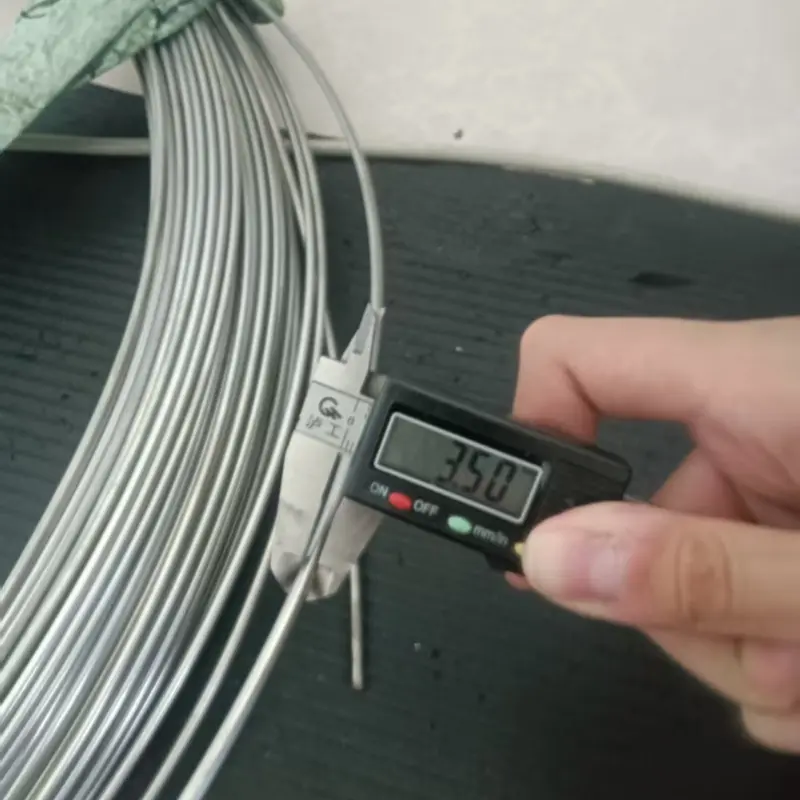
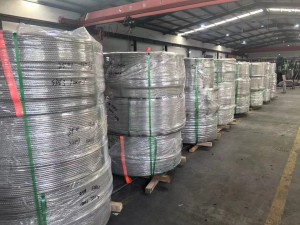
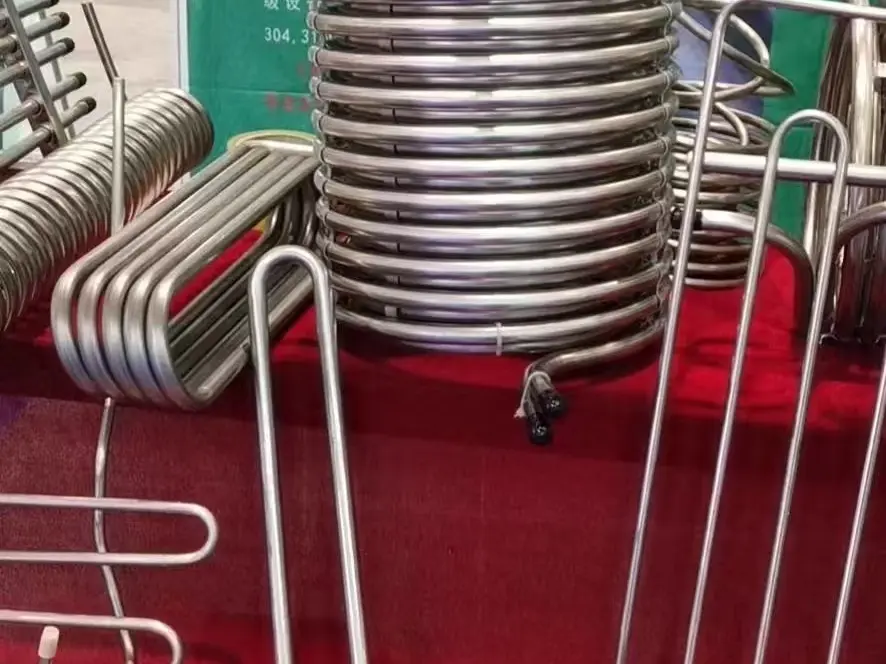
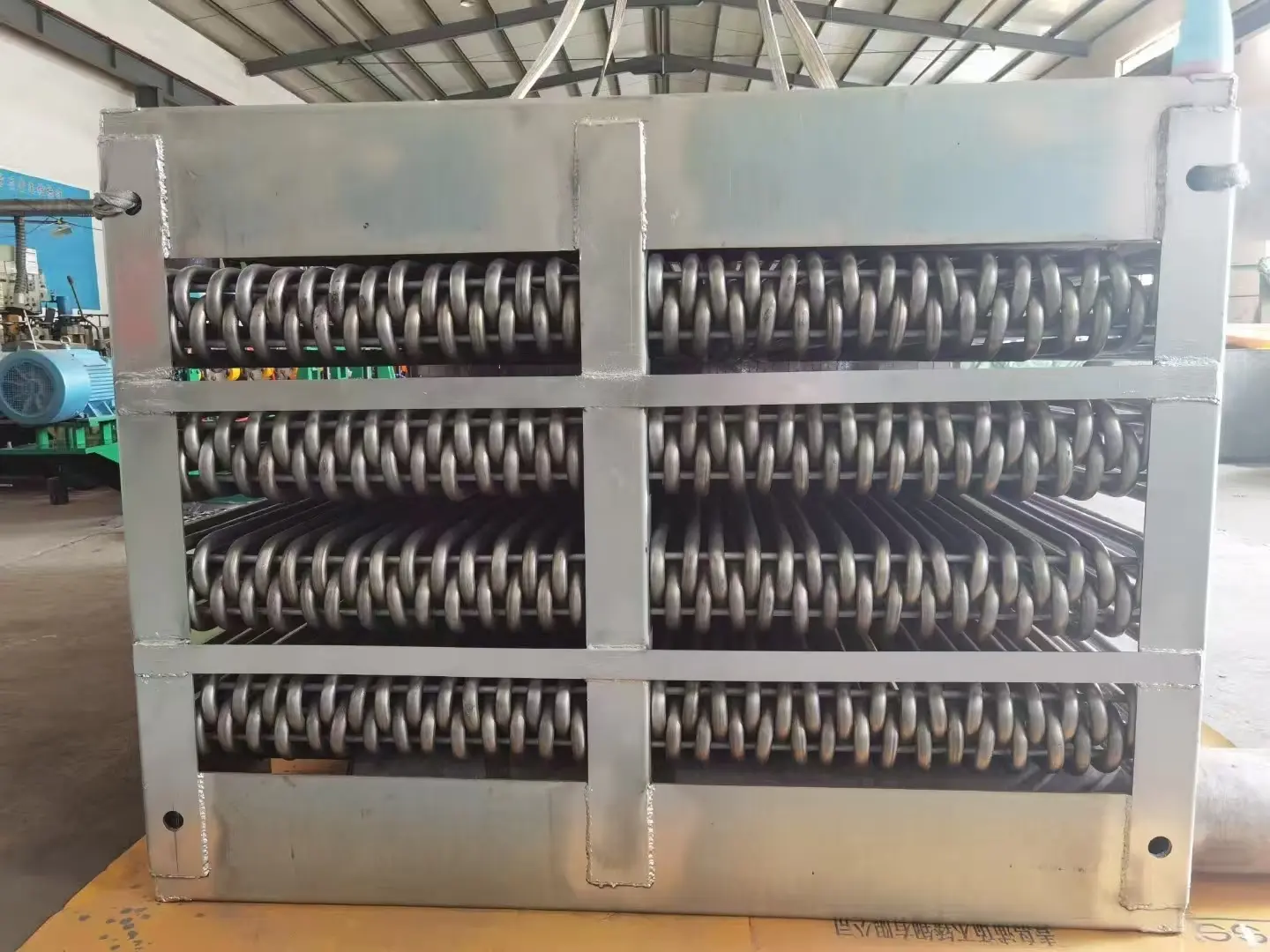
We support diverse raw materials (304, 316L, 321, Duplex 2205) and custom specifications, offering flexible stainless steel coils with outer diameters from 0.125 inch (3.175 mm) up to 1 inch (25.4 mm).
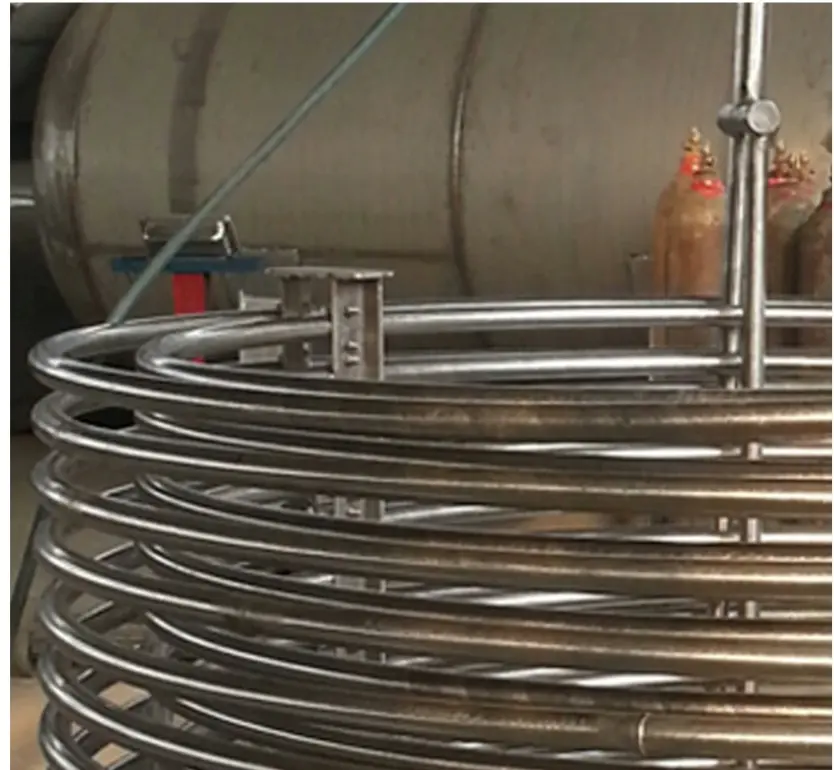
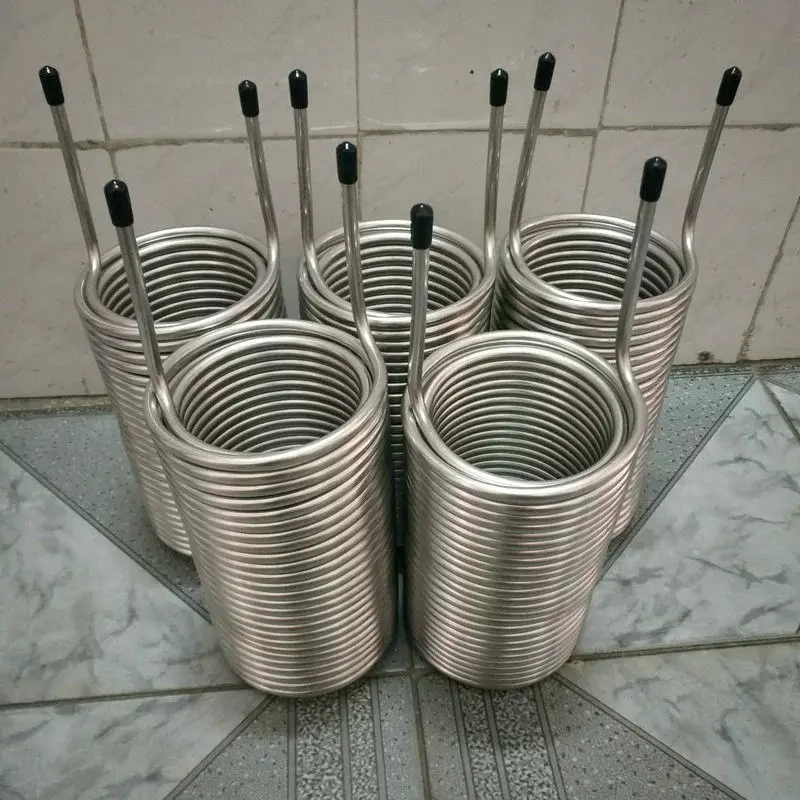
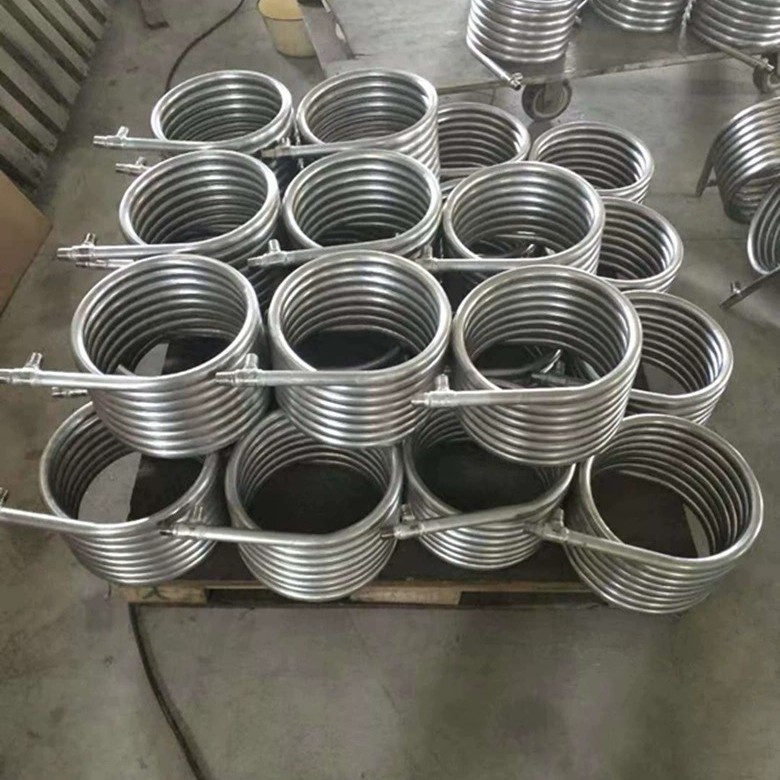
Utilizing high-speed spiral forming and drawing techniques, we shape coils specifically for heat exchangers, high-pressure HVAC systems, and condensed industrial cooling grids.
Our production floor features fiber laser systems and mechanical straightening tools, ensuring tight dimensional tolerances and burr-free edges on every order.
We provide multiple surface finishes, from standard 2B and BA (Bright Annealed) to mechanical polish (No. 4, Hairline, Mirror) for architectural and sanitary applications.
We supply custom-flanged pipes and pre-flared coiled tubing for quick, secure integration into automotive exhaust systems, chemical pipelines, and instrument links.
By using control-atmosphere bright annealing online, we eliminate work hardening and restore grain structure, producing soft, ductile, and corrosion-resistant coils.
How high-grade stainless steel products address critical operating challenges in today's leading industrial sectors.
In modern industrial systems, component failures can cause expensive shutdowns and safety risks. Liaocheng Sihe coordinates with engineering firms to design holistic systems where 304 stainless steel plates and 316L coiled tubing work together to limit vibration, thermal stress, and chemical corrosion.
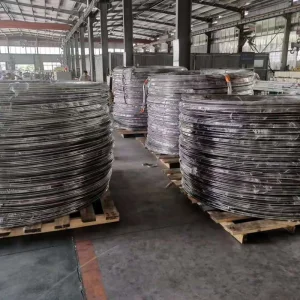
As offshore exploration pushes into deeper waters, equipment must withstand crushing hydrostatic pressures and highly corrosive marine environments. Our long-length coiled tubing, available in continuous lengths up to 32,800 feet (10,000 meters) without orbital welds, is widely used in umbilical bundles. Removing mid-line weld points minimizes potential weak spots, reducing the risk of subsea hydraulic fluid leaks.
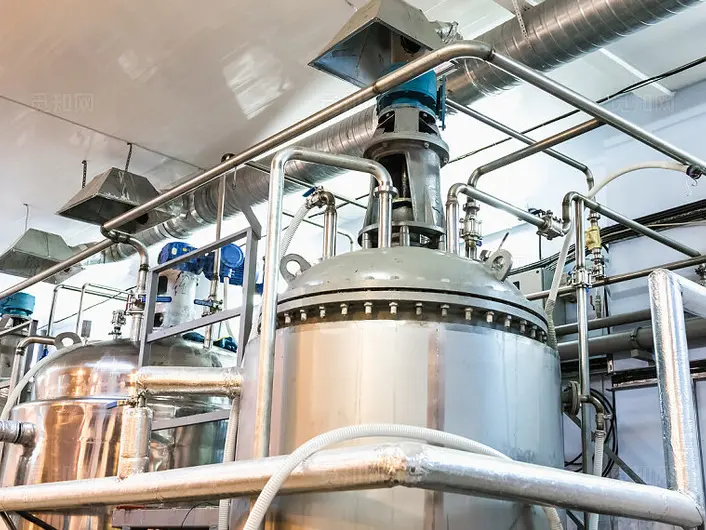
For semiconductor manufacturing and pharmaceutical biotechnology, keeping transport lines clean is critical. Our EP (Electropolished) and BA (Bright Annealed) capillary tubes have very low surface roughness (Ra < 0.4 μm), which prevents micro-particle entrapment and bacterial growth. This level of purity ensures safe transport for process gases and sterile fluids.
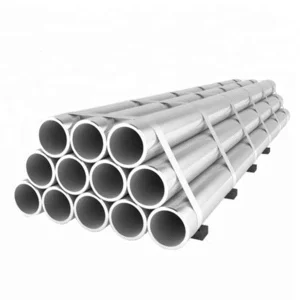
For chemical processing plants, we manufacture heat exchanger pipes that resist stress corrosion cracking (SCC) caused by high-temperature chloride exposures. By balancing chromium, nickel, and molybdenum content, our alloys deliver stable performance in challenging thermal environments.
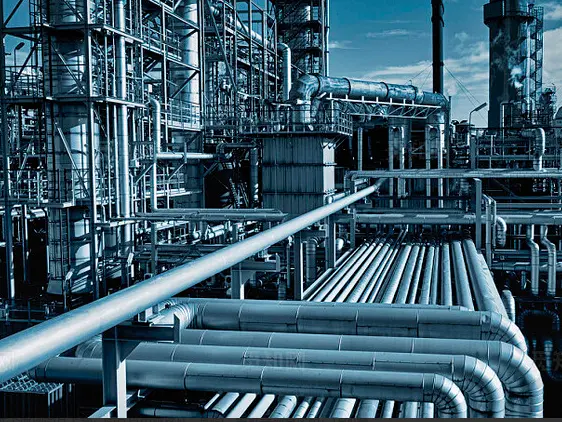
Supplying critical components to key infrastructure projects, refineries, and manufacturing networks worldwide.
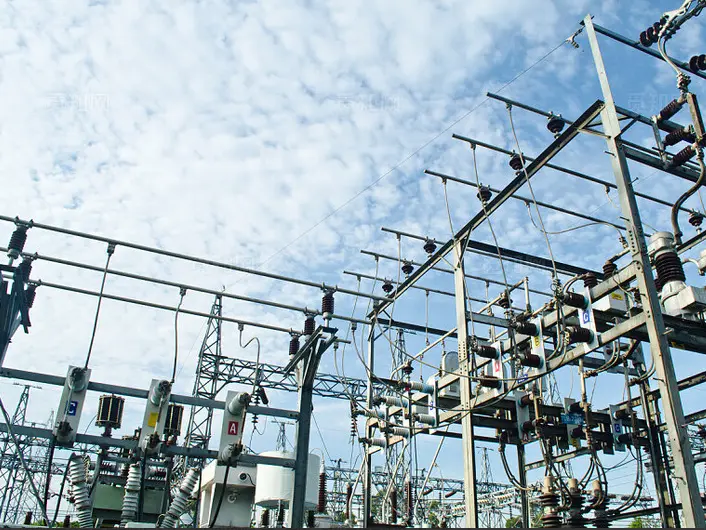
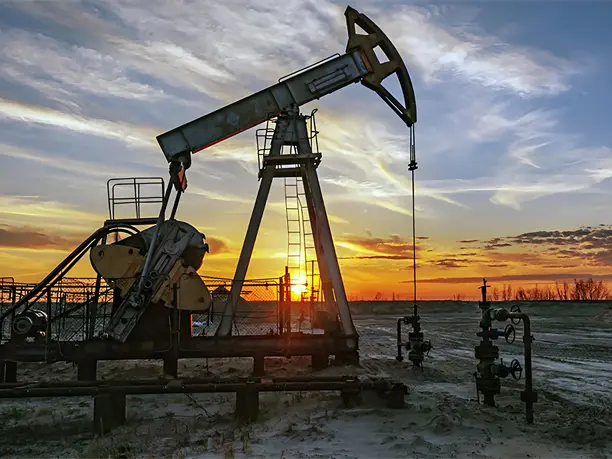
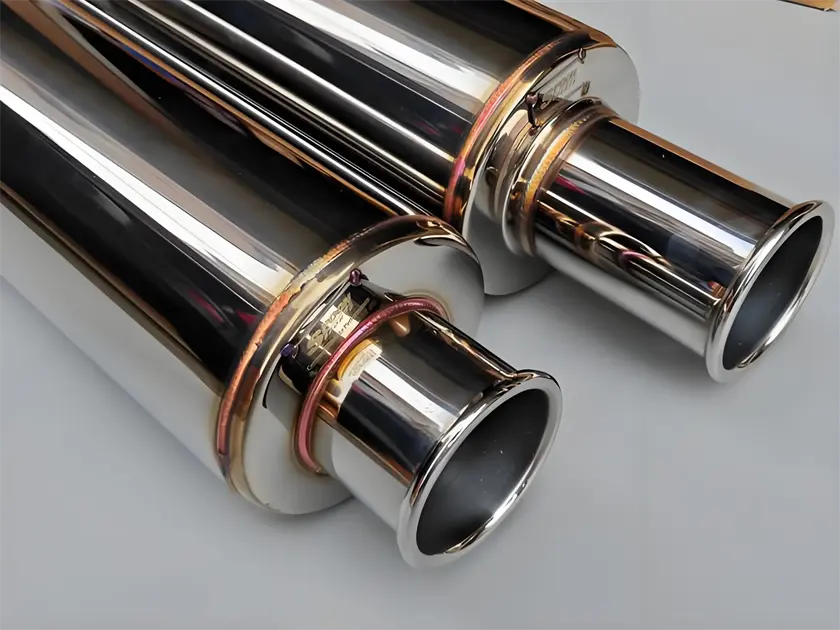
Key trends guiding alloy development, green manufacturing processes, and smart production control systems.
The global steel industry is undergoing a transition driven by carbon reduction targets and the demand for high-efficiency components. For China stainless steel plate factories, this shift involves upgrading processing equipment, improving energy efficiency, and refining steel formulas to meet strict environmental standards.
Leading manufacturers are transitioning from traditional blast furnace routes to Electric Arc Furnaces (EAF) powered by renewable energy. This shift, combined with Argon Oxygen Decarburization (AOD) refining, reduces carbon emissions while maintaining chemical consistency and minimizing trace impurities.
Modern micro-channel heat exchangers (MCHEs) and PEM hydrogen fuel cell plates require ultra-thin stainless steel foils. Our technical roadmap focuses on precision rolling mills capable of processing 304 and 316L down to very thin gauges while maintaining uniform tensile strength across the entire width of the coil.
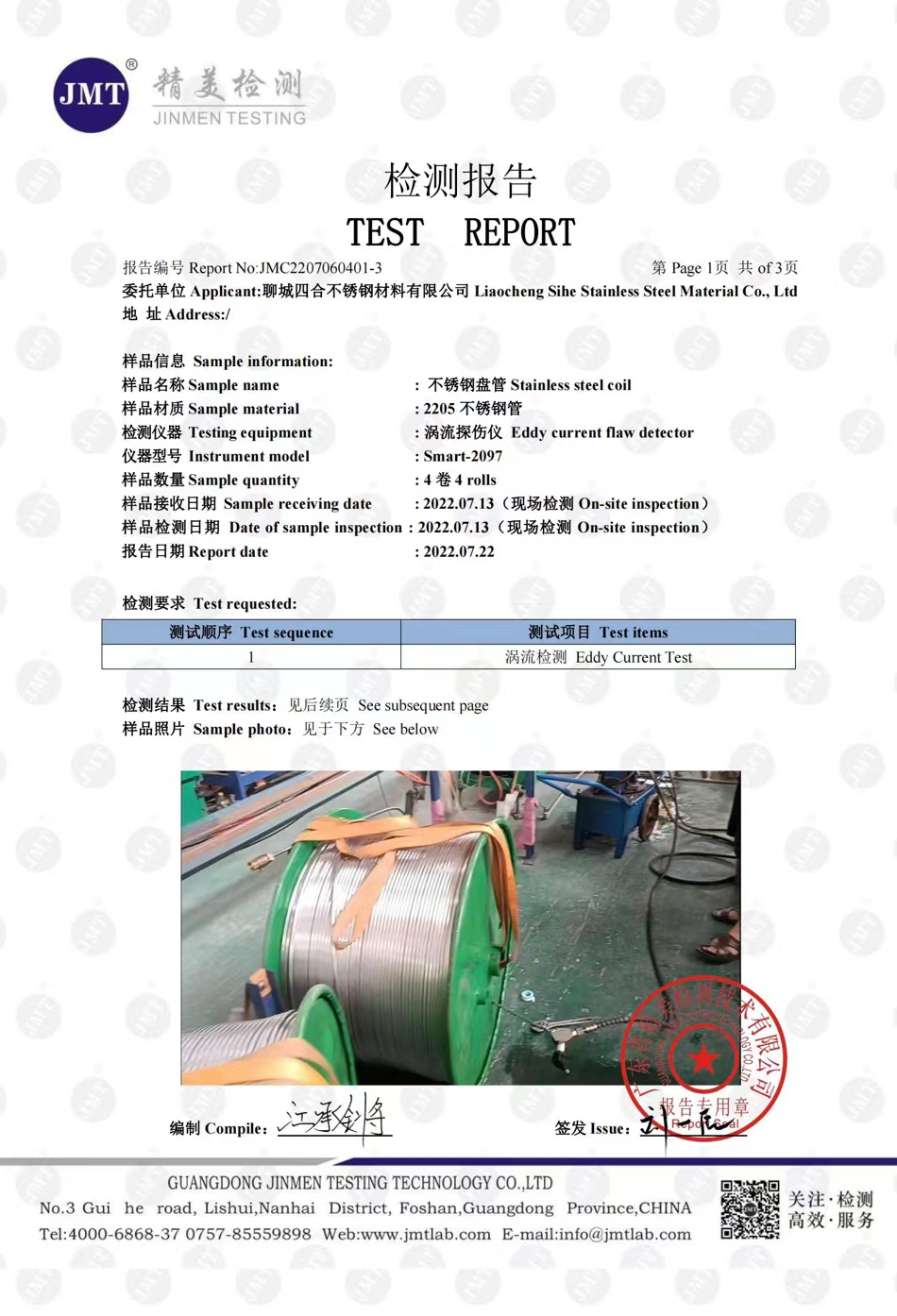
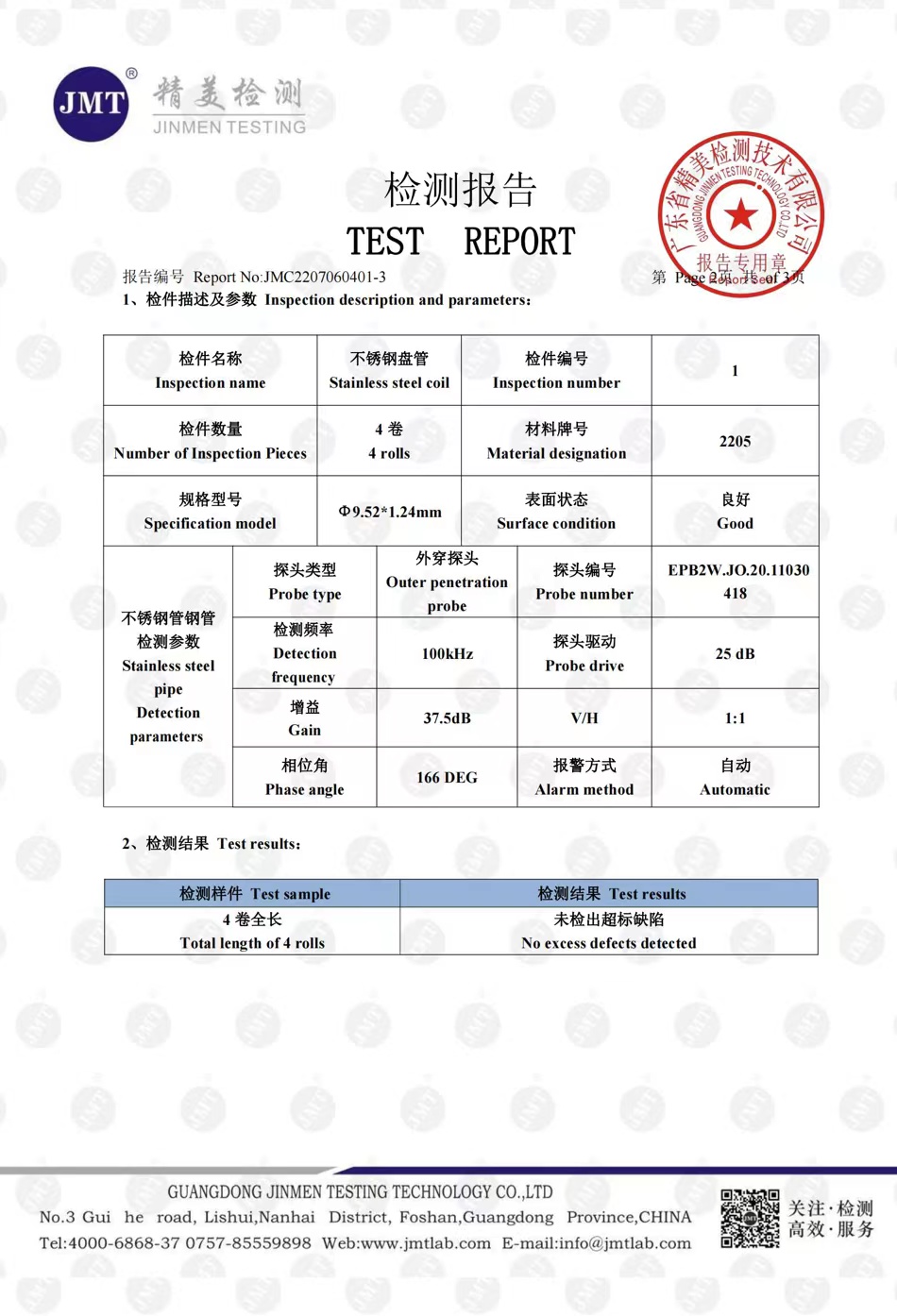
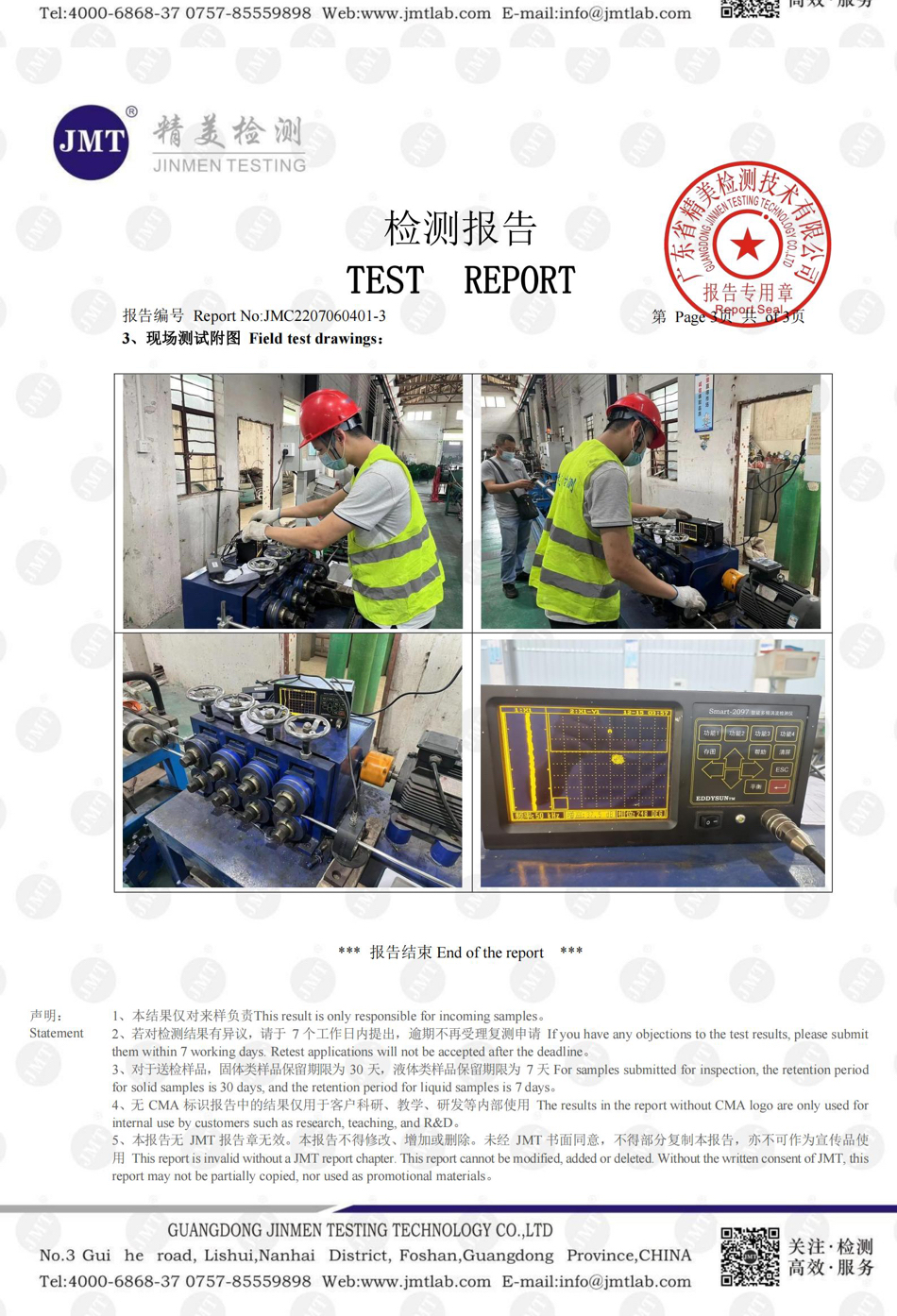
We are integrating inline laser thickness sensors and eddy current testing into our production lines. These tools monitor dimensions and check for internal voids during the cold drawing and coil winding stages, providing comprehensive material verification.
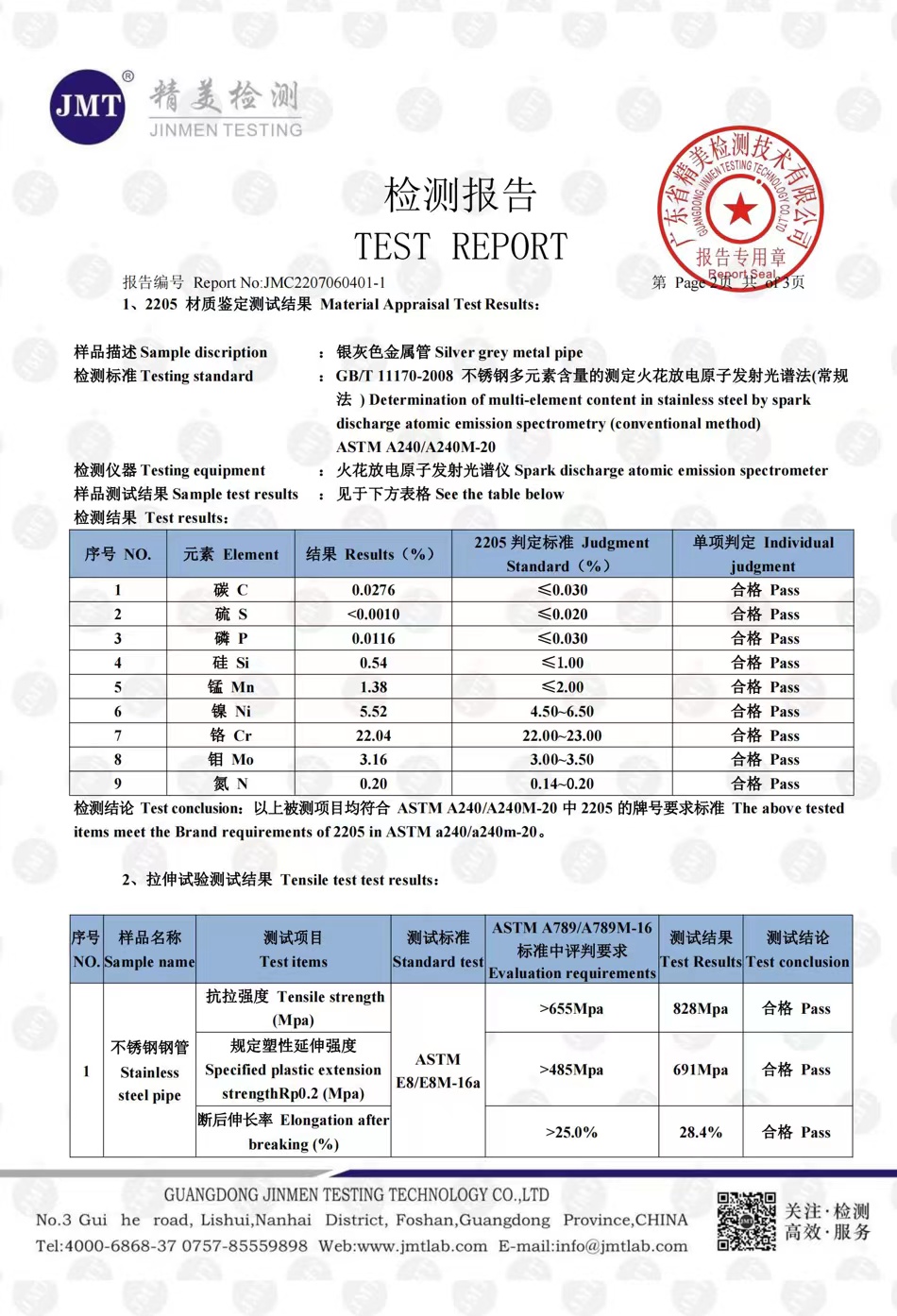
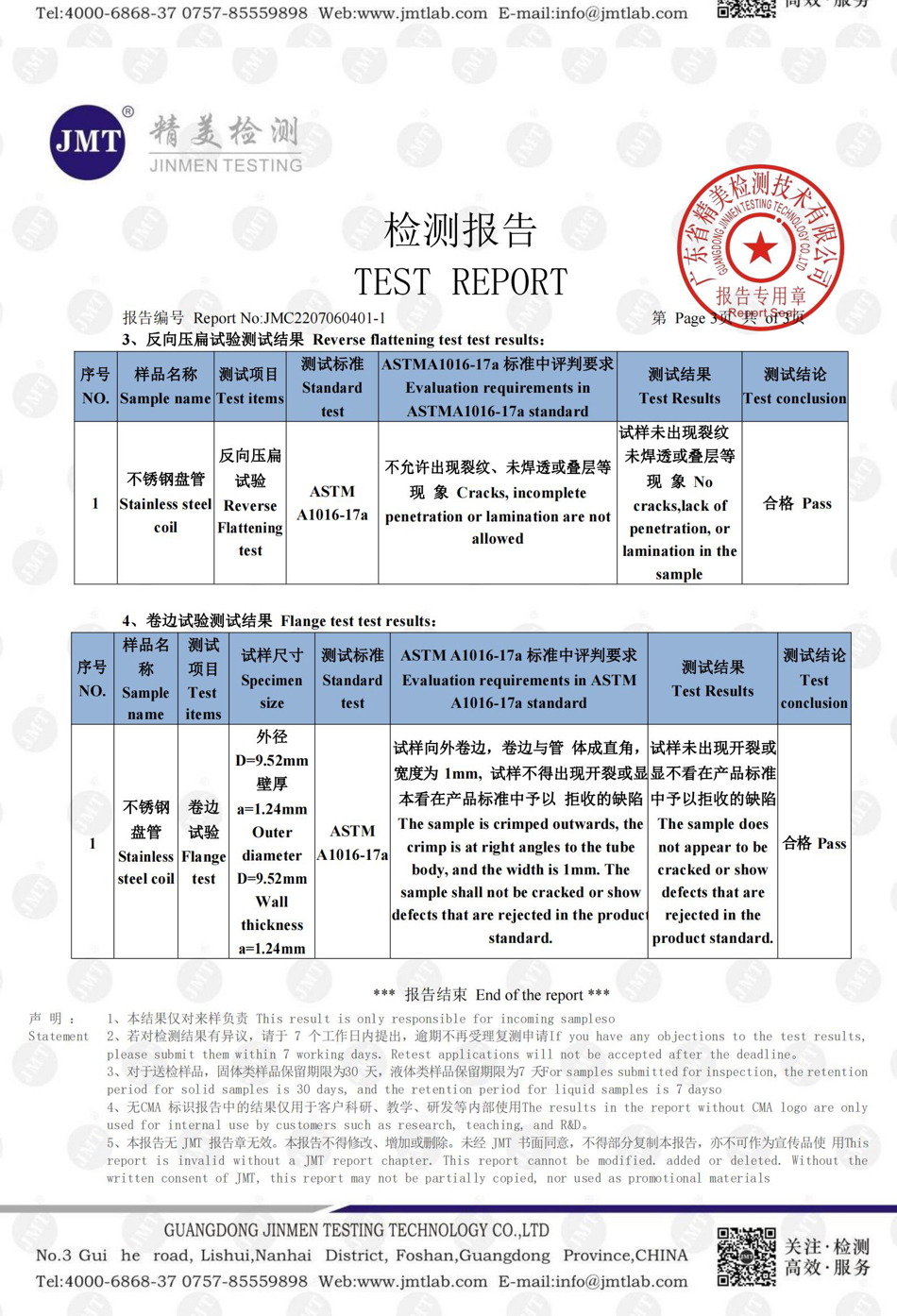
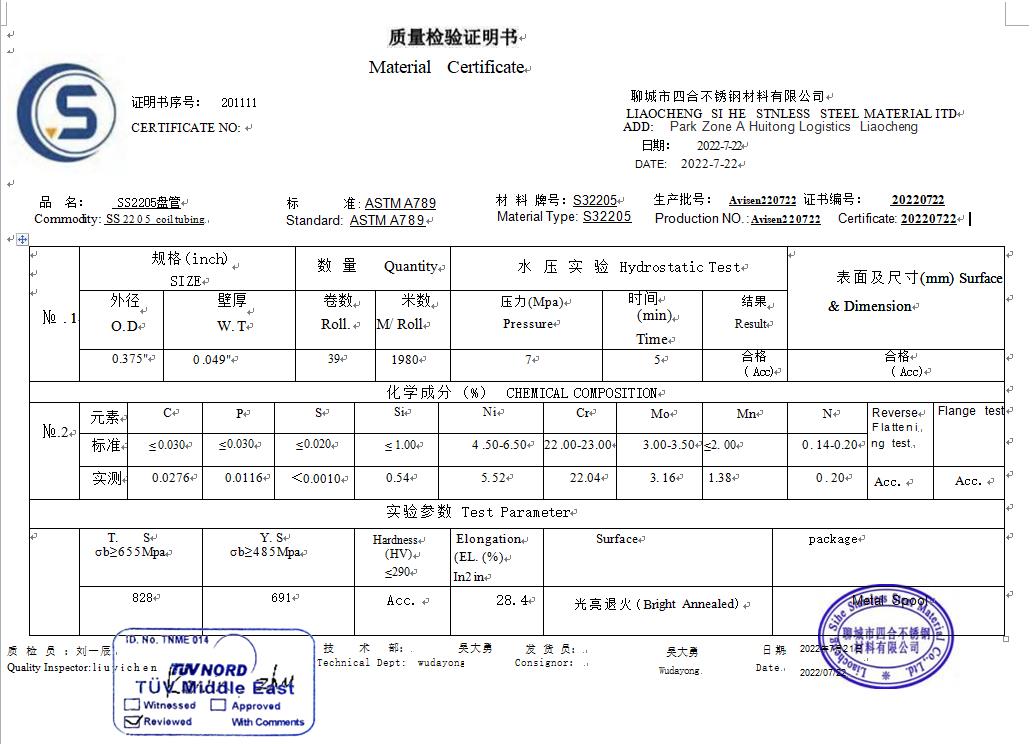
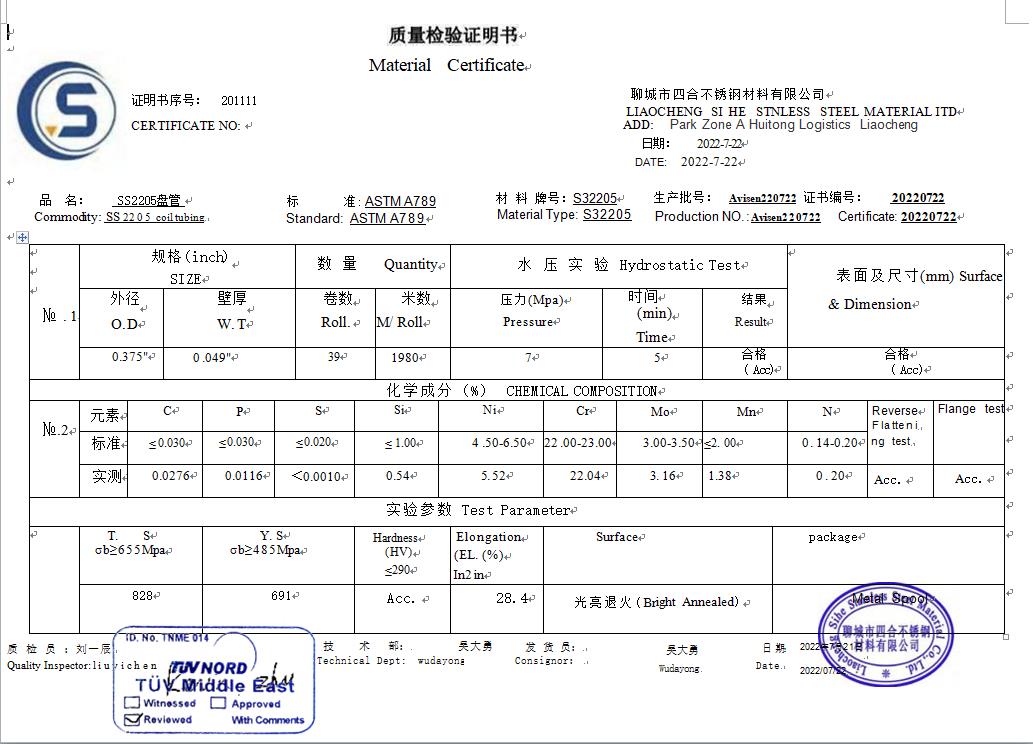
Every production run undergoes mechanical, pressure, and chemical testing to ensure international standard compliance.
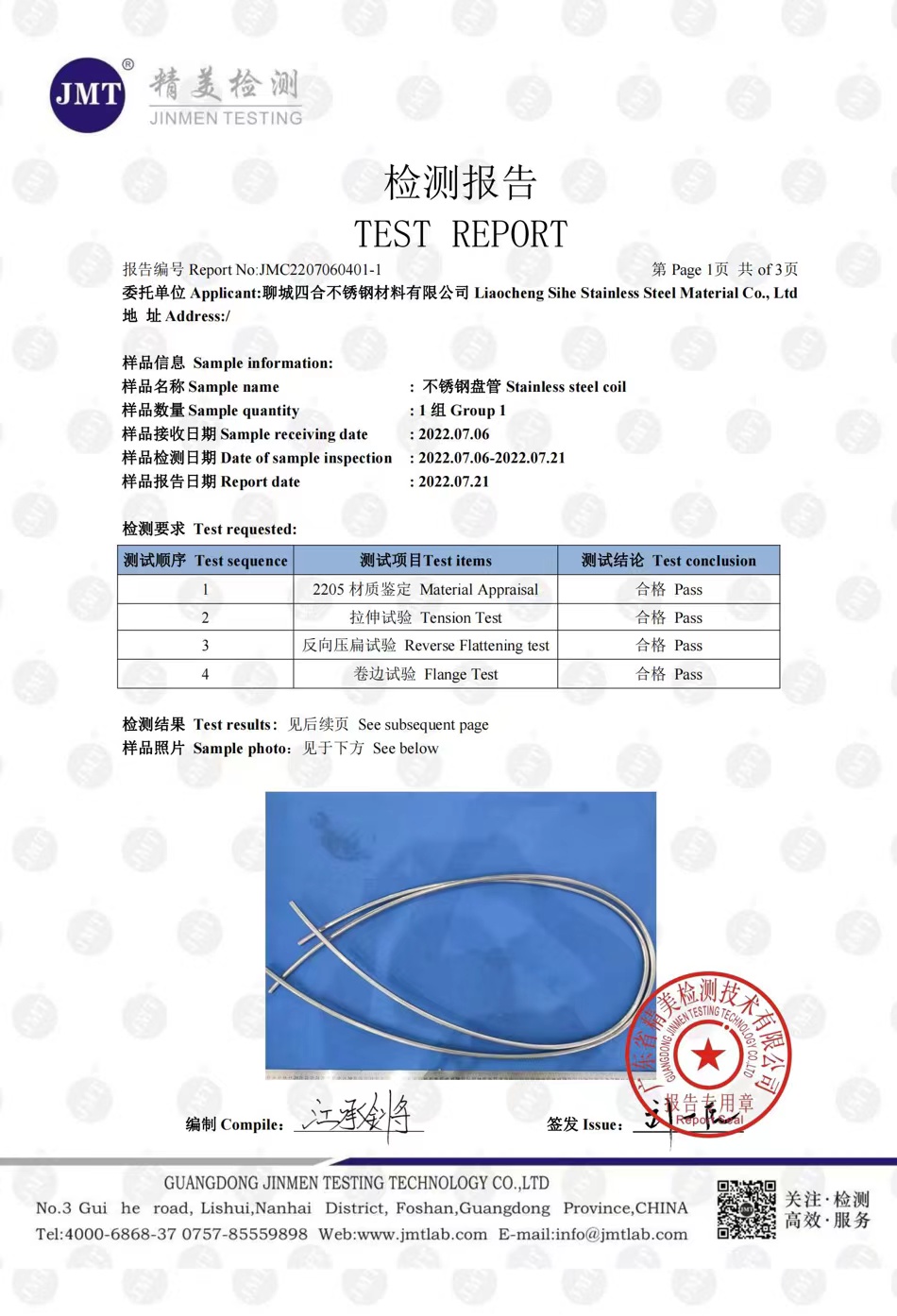
Our quality control program begins with verified raw materials. Each batch of steel comes with certified mill test reports detailing chromium, nickel, and carbon ratios. During production, we conduct flare, flattening, and hardness tests to confirm mechanical performance.
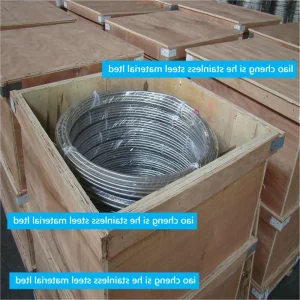
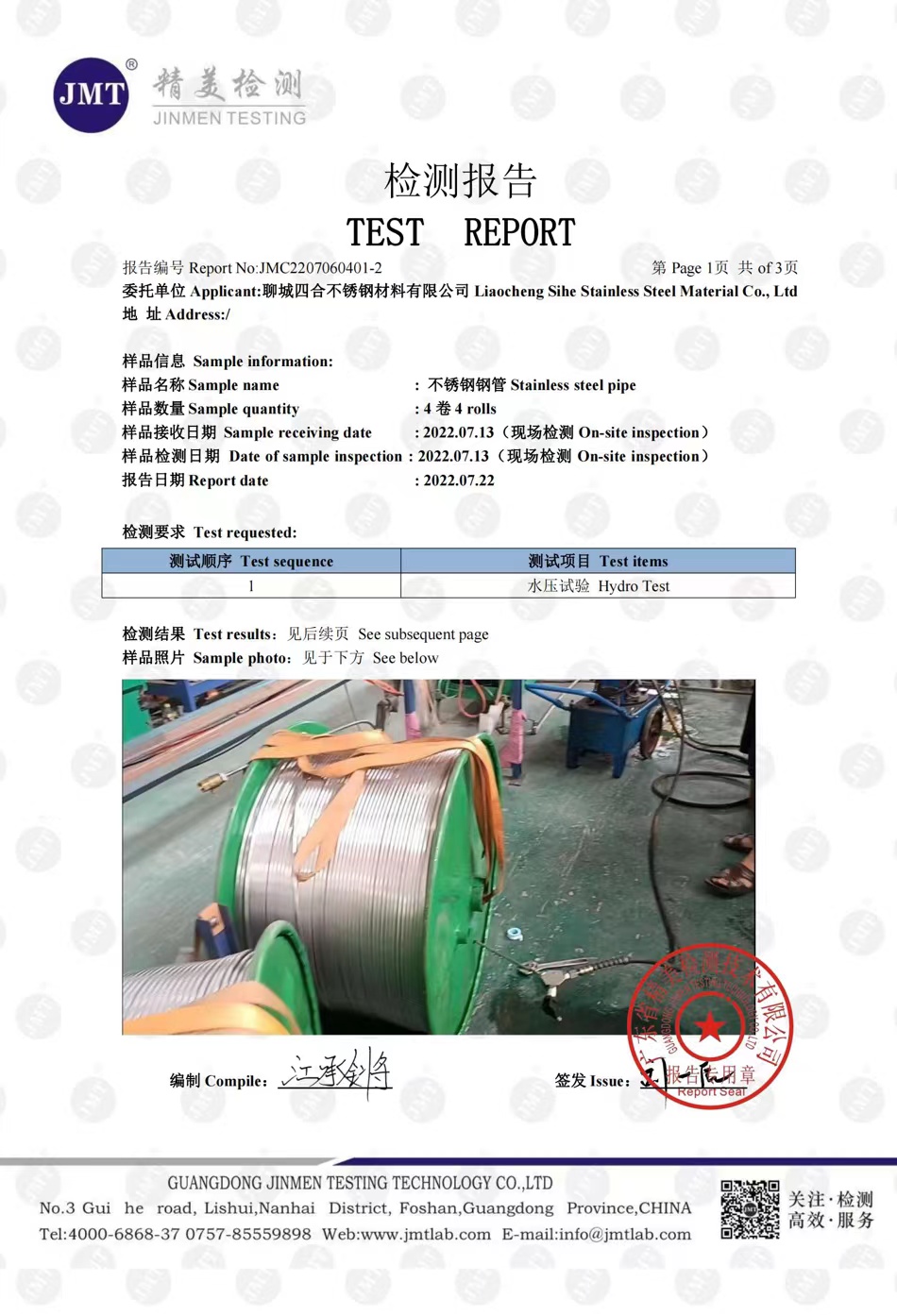
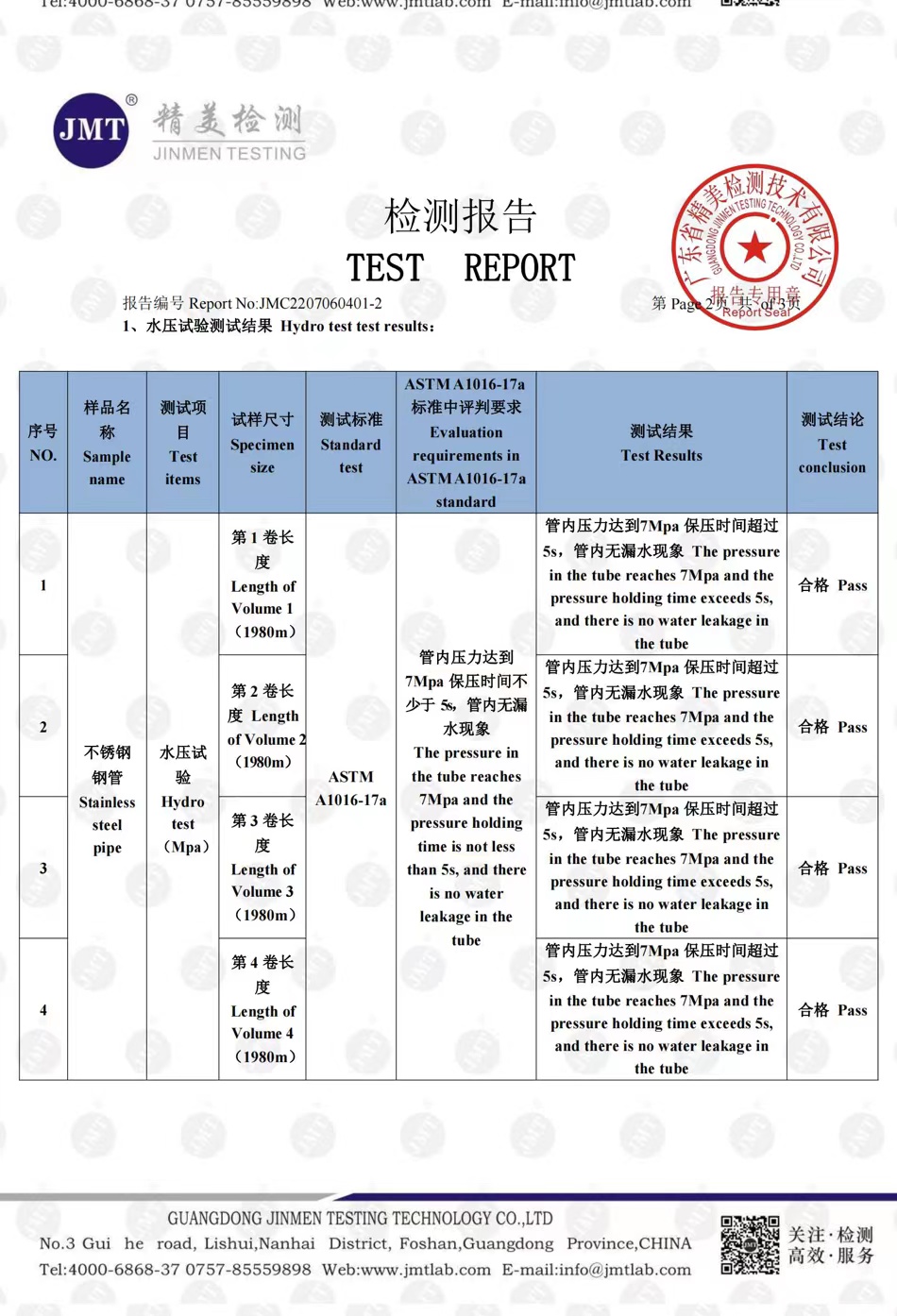
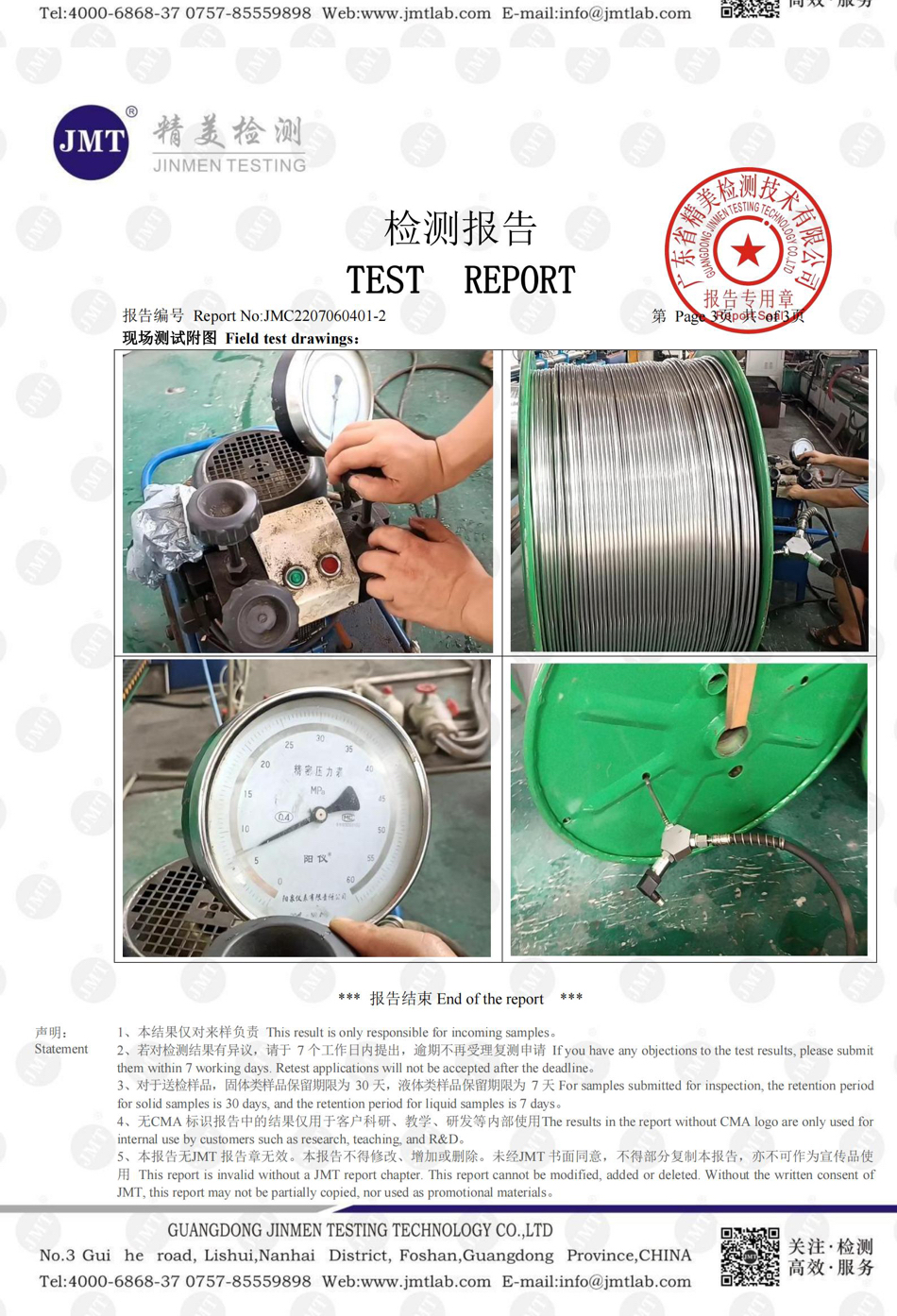
To support high-pressure oil, gas, and steam applications, we run pneumatic and hydrostatic leak tests on all coiled tubing, verifying pressure boundaries and material integrity before shipping.
Answers to common technical, logistics, and production questions for global procurement teams.
Precision-drawn capillary tubes, heavy-wall structural pipes, and bright annealed coiled tubes for critical process piping.