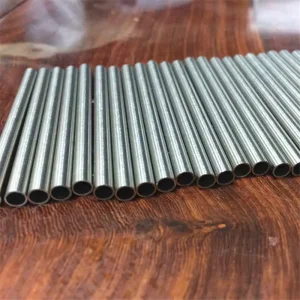
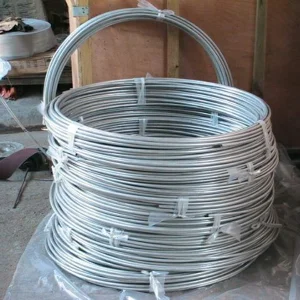
To produce stainless steel heat exchangers, the following steps can be taken:
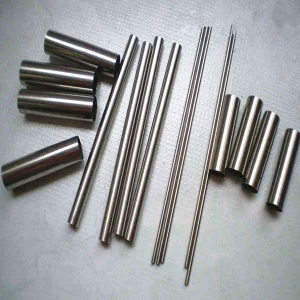
Select the appropriate type of stainless steel according to the intended use of the heat exchanger. Consider factors such as fluids or gases being exchanged, as well as operating temperature and pressure.
Depending on the application, heat exchanger tubes may need to be polished, passivated, or coated with an anti-corrosion coating.
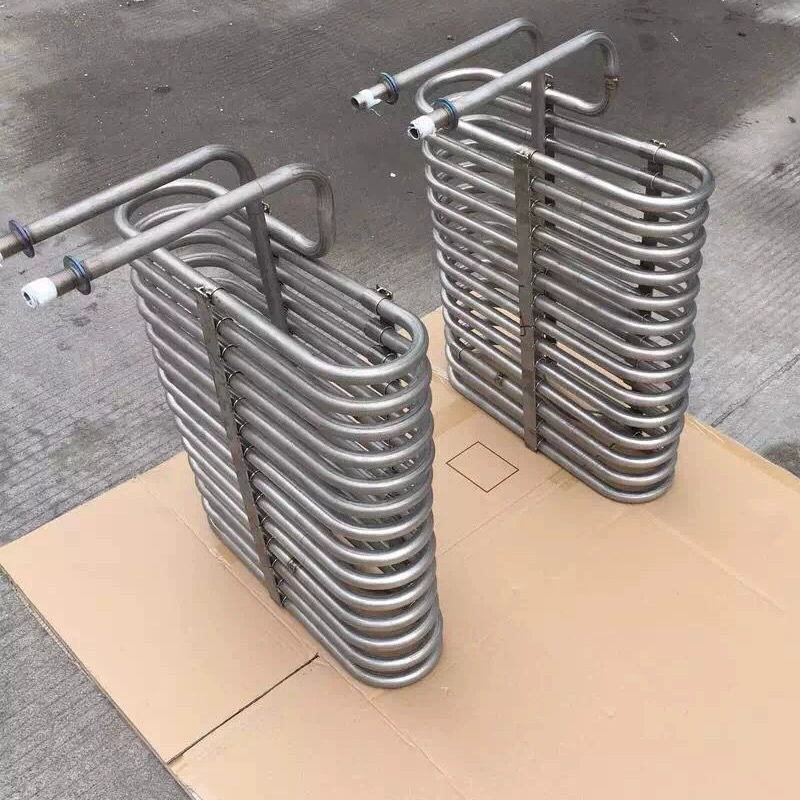
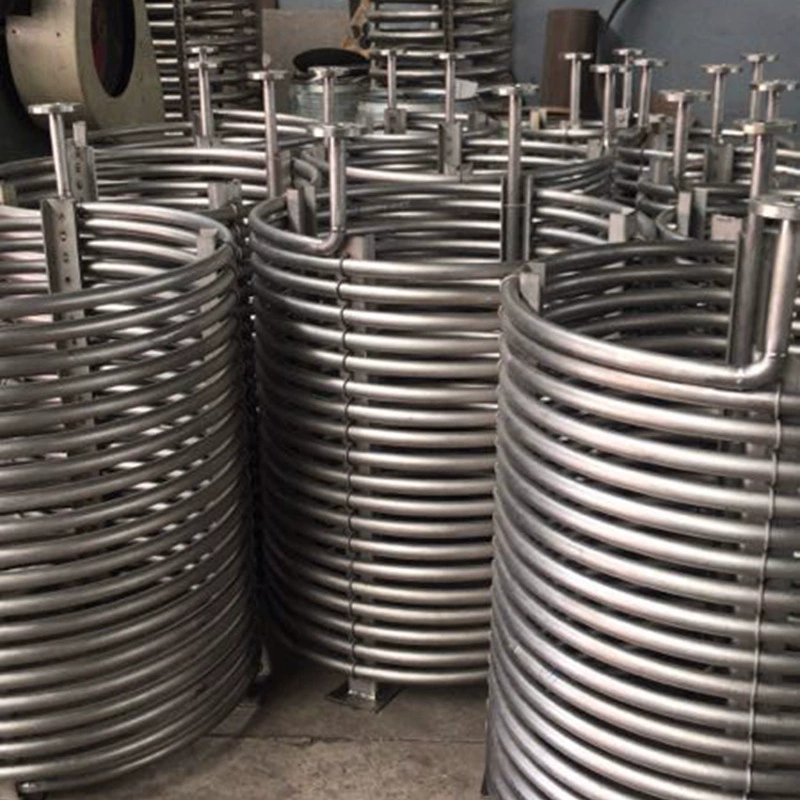
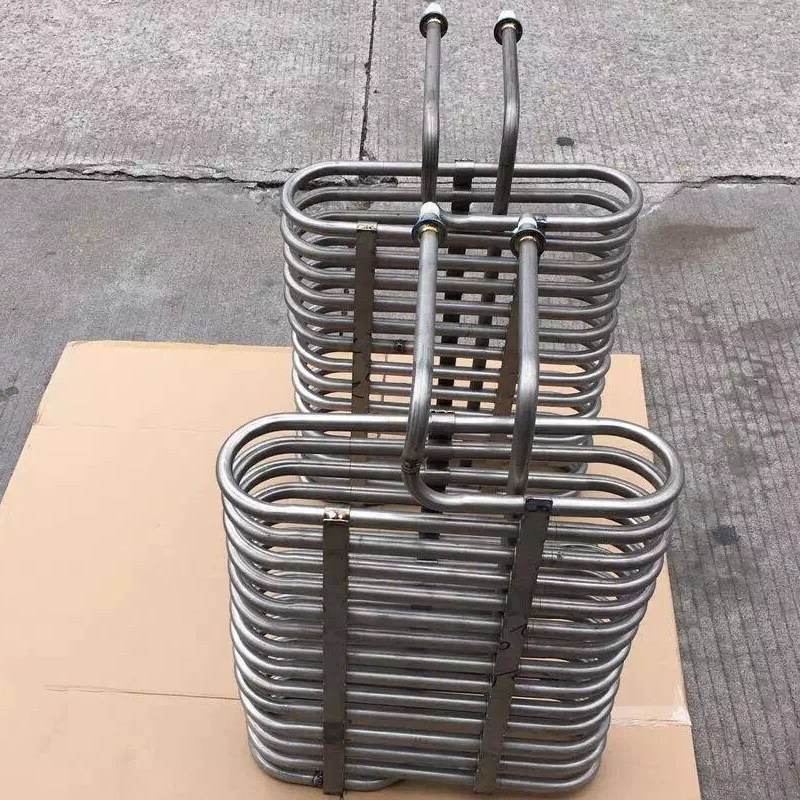
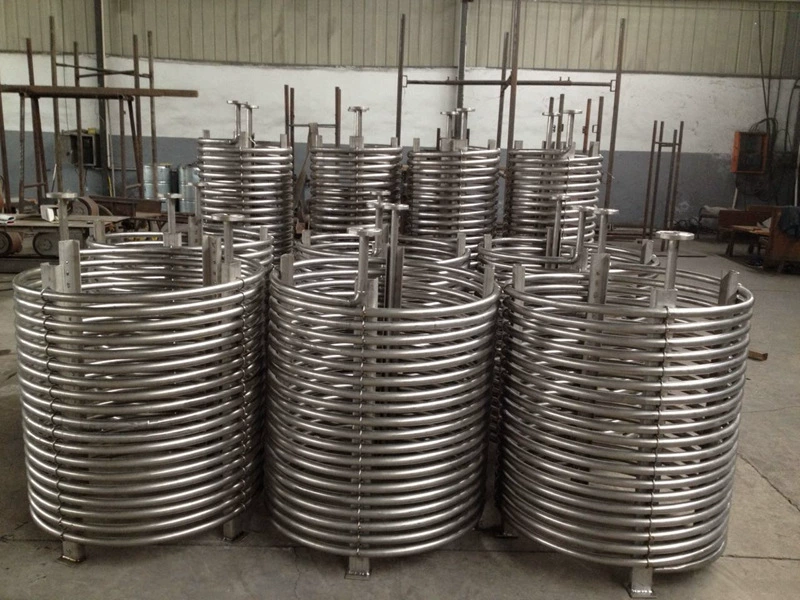
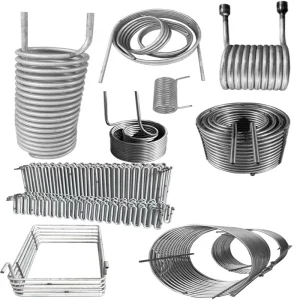
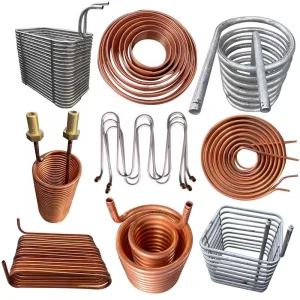
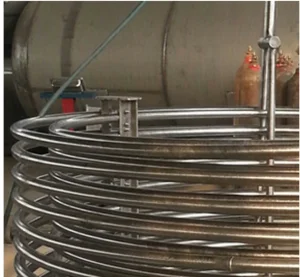
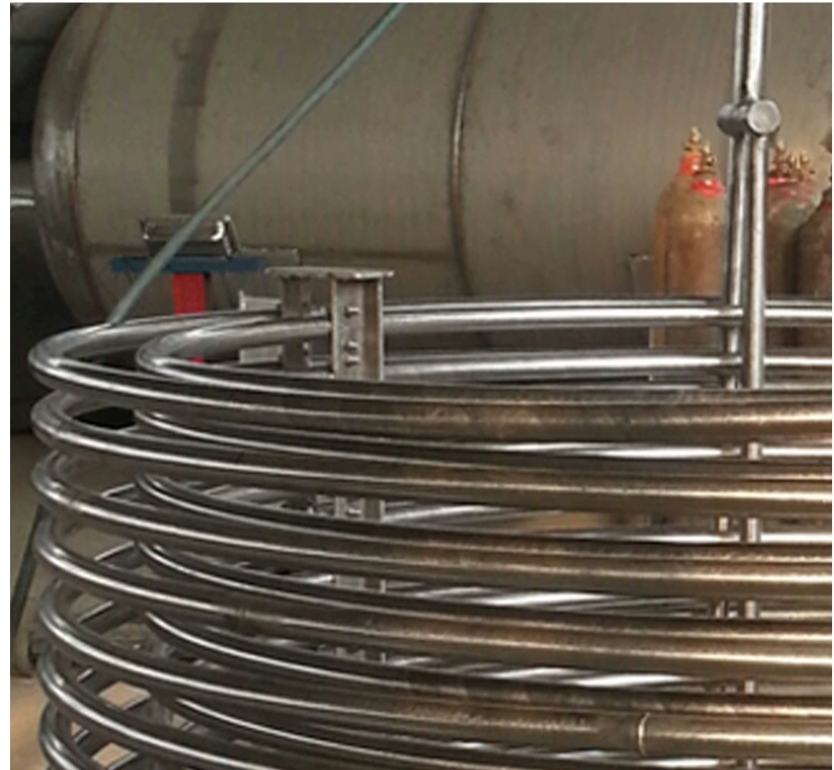
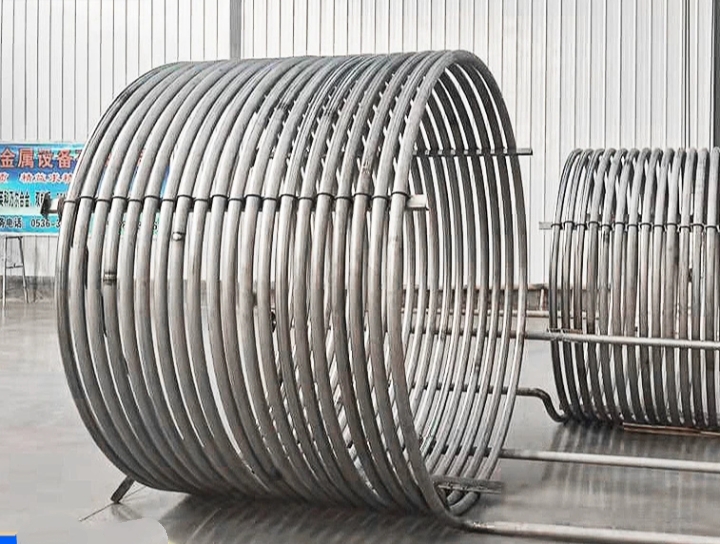
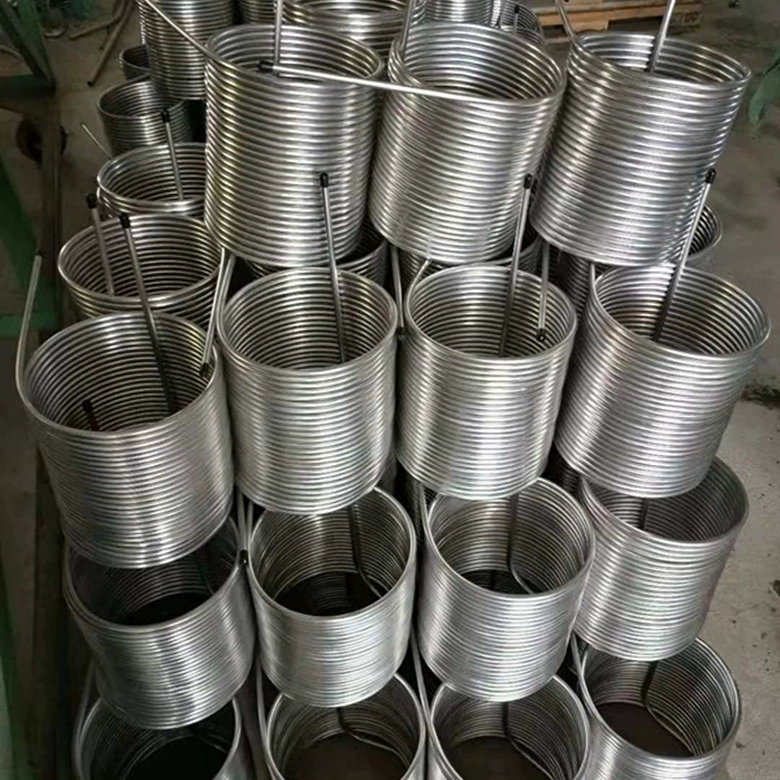
Tubes may need to be bent to specific shapes and lengths to ensure optimal heat transfer. This can be done manually or using a machine.
The tubes and fins can be welded together to form a heat exchanger. A variety of welding methods are available including TIG (tungsten inert gas), MIG (metal inert gas) and laser welding.
Every heat exchanger must be thoroughly tested and inspected to ensure it meets the required specifications. This includes checking the welds for any leaks or imperfections, as well as testing the overall heat transfer efficiency.
The heat exchanger is then packaged and shipped to the customer.
Overall, the production of stainless steel heat exchangers requires expertise and precision to ensure that they operate efficiently and reliably in a given environment and meet all necessary standards and regulations.
Frequently Asked Questions
Q1: How do you select the correct material for a stainless steel heat exchanger?
A1: Material selection is based on the specific application of the heat exchanger, taking into account factors like the types of fluids or gases being processed, as well as the working temperature and pressure requirements.
Q2: Why is tube surface treatment important?
A2: Depending on where the heat exchanger will be used, tubes may require polishing, passivation, or anti-corrosion coatings to protect them from environmental damage and prolong their service life.
Q3: How are heat exchanger tubes shaped?
A3: Tubes are bent to precise shapes and lengths to optimize heat transfer efficiency. This bending process can be done either manually or with specialized machinery.
Q4: What welding techniques are utilized during production?
A4: To construct the heat exchanger, the tubes and fins are welded together using methods such as TIG (tungsten inert gas), MIG (metal inert gas), or laser welding.
Q5: How is quality control maintained for these heat exchangers?
A5: Every single unit goes through a comprehensive inspection and testing phase to verify that welds are leak-free, check for structural imperfections, and measure the overall heat transfer efficiency.
Q6: What is key to ensuring a reliable heat exchanger?
A6: High-level expertise and manufacturing precision are critical to ensuring that the heat exchangers operate safely, efficiently, and meet all the required standards and regulations.
 Sihe Steel