 Sihe Steel
Sihe Steel
Sihe Steel
High-end corrosion-resistant piping optimized for Mexico's local marine offshore, aerospace clusters, and complex refining applications.
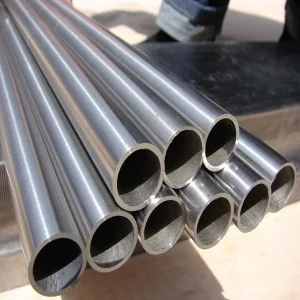
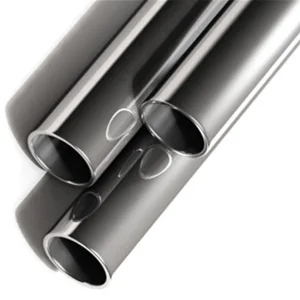
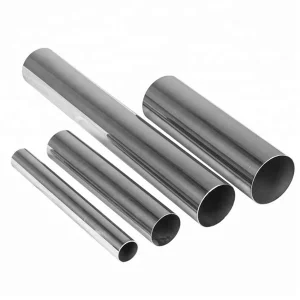
As Mexico undergoes a historic industrial transition—fueled by the accelerating nearshoring phenomenon, heavy investments in the Gulf of Mexico's deepwater hydrocarbon reserves, and the rapid expansion of high-tech manufacturing corridors in Bajío and Querétaro—the requirement for high-performance metallurgy has reached unprecedented heights. Among advanced nickel alloys, Alloy 625 (UNS N06625) stands out as a critical material capable of enduring the most punishing mechanical and chemical environments.
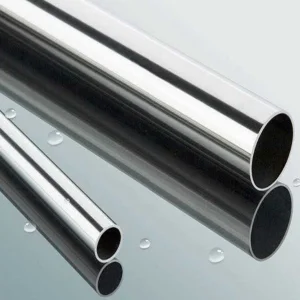
Alloy 625 is a nickel-chromium-molybdenum alloy characterized by its exceptional resistance to pitting, crevice corrosion, and intergranular oxidation, alongside its remarkable mechanical strength from cryogenic levels up to 982°C (1800°F). These attributes derive from the solid-solution strengthening effect of molybdenum and niobium within its nickel-chromium matrix. By sourcing high-precision seamless and welded pipes built to strict international standards (ASTM B444, ASME SB444), procurement directors and engineers in Mexico's leading industrial sectors secure structural integrity, minimize costly operational downtime, and ensure compliance with strict environmental safety regulations.
The industrial landscape in Mexico demands engineering solutions that match the diversity of its regional economies. The physical and chemical specifications of Alloy 625 precision pipes align with the requirements of several key sectors:
Mexico's state-owned energy giant, Pemex, along with international operators executing deepwater exploration in the Perdido Fold Belt and Campeche Sound, face extreme corrosive environments. Subsea equipment—including downhole control lines, hydraulic umbilicals, and chemical injection lines—operates under intense hydrostatic pressures and in the presence of highly sour crude containing severe concentrations of hydrogen sulfide (H2S), carbon dioxide (CO2), and high-salinity seawater. Alloy 625 precision pipes resist hydrogen embrittlement and chloride-induced stress corrosion cracking (SCC), satisfying NACE MR0175/ISO 15156 guidelines.
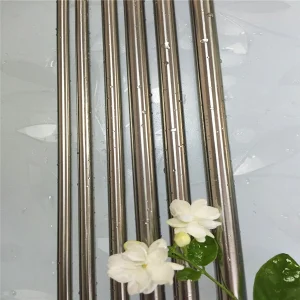
Mexico has evolved into a global aerospace manufacturing hub. In turbine fabrication and exhaust systems, materials must resist structural fatigue under high cycling temperatures. Alloy 625 precision tubing, cold-drawn to precise tolerances, is utilized in fuel delivery lines, exhaust ducting, and engine shroud components where structural strength, oxidation resistance, and fabricability are essential.
The concentration of automotive OEMs in Guanajuato, Querétaro, and San Luis Potosí has driven demand for high-end exhaust systems and emissions-reduction components. Under USMCA origin-content frameworks, sourcing high-durability alloy pipes that withstand sulfur oxide condensate corrosion is crucial. Alloy 625 is utilized in exhaust decoupling joints, EGR coolers, and supercharger components due to its resistance to thermal fatigue.
Chemical processing operations dealing with hydrochloric, sulfuric, and phosphoric acids require piping materials that do not degrade rapidly. The high molybdenum (8-10%) and nickel (min. 58%) content of Alloy 625 provides resistance to both reducing and oxidizing acidic environments, making it suitable for heat exchanger pipes, condenser systems, and acid transfer lines.
Understanding the exact chemical configuration of Alloy 625 precision pipes explains why they outperform standard austenitic stainless steels (such as 316L or 310S) in harsh chemical and thermal environments. The addition of Niobium (Nb) works in tandem with Molybdenum (Mo) to yield high strength without requiring complex age-hardening treatments.
| Element | Nickel (Ni) | Chromium (Cr) | Molybdenum (Mo) | Niobium + Tantalum (Nb+Ta) | Iron (Fe) | Carbon (C) | Pitting Resistance Equivalent (PREN) |
|---|---|---|---|---|---|---|---|
| Alloy 625 (UNS N06625) Weight % | 58.0 min | 20.0 - 23.0 | 8.0 - 10.0 | 3.15 - 4.15 | 5.0 max | 0.10 max | > 45 |
The Pitting Resistance Equivalent Number (PREN) of Alloy 625 exceeds 45, which surpasses the PREN of standard 316L (~23-25) and Duplex 2205 (~35). This metric indicates the alloy's ability to resist localized pitting in warm chloride solutions, which is a common failure point for marine and chemical processing equipment in Mexico's coastal industrial regions.
Minimum tensile strength of 120 ksi (827 MPa) and yield strength of 60 ksi (414 MPa) in annealed condition, providing reliable performance under high pressure.
Maintains structural stability and oxidation resistance up to 982°C (1800°F), preventing scaling and creep damage in heat exchangers.
Niobium additions stabilize the alloy against sensitization during welding, preventing intergranular cracking in heat-affected zones.
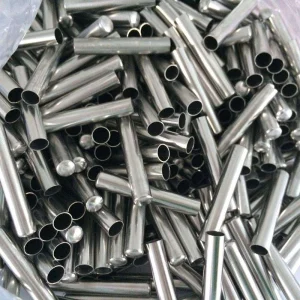
As a leading Chinese manufacturer, Liaocheng Sihe Stainless Steel Material LTD coordinates advanced steelmaking technologies with cost-efficient supply chain logistics to deliver precision tubes to Mexican industrial buyers. Our factory operates six dedicated cold-drawing and cold-rolling precision production lines, allowing us to maintain tight dimensional controls and surface quality.
Key technological advantages of our production facility include:
Liaocheng Sihe's products are used across critical global industries, delivering reliable fluid and gas transfer under challenging operating conditions.
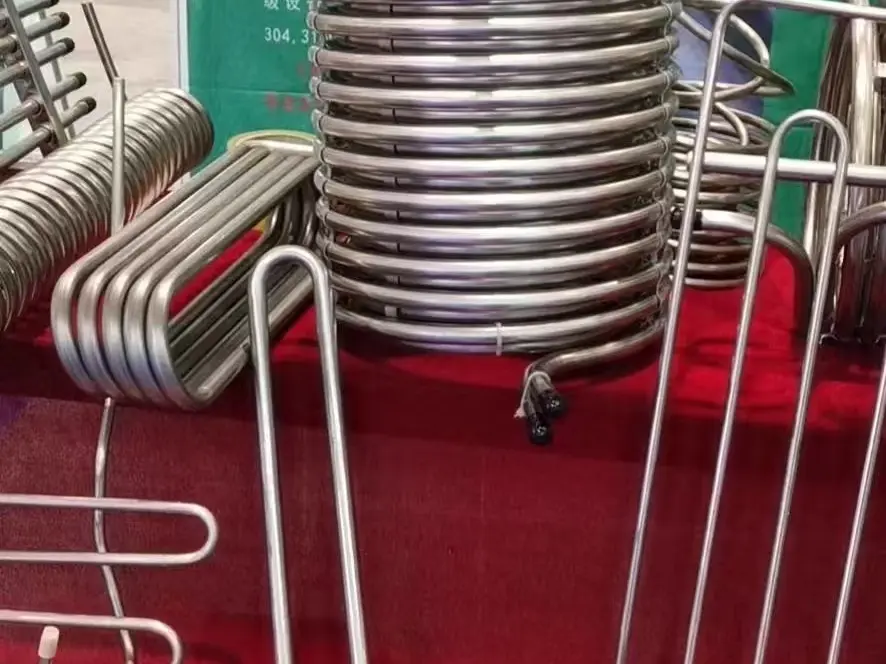
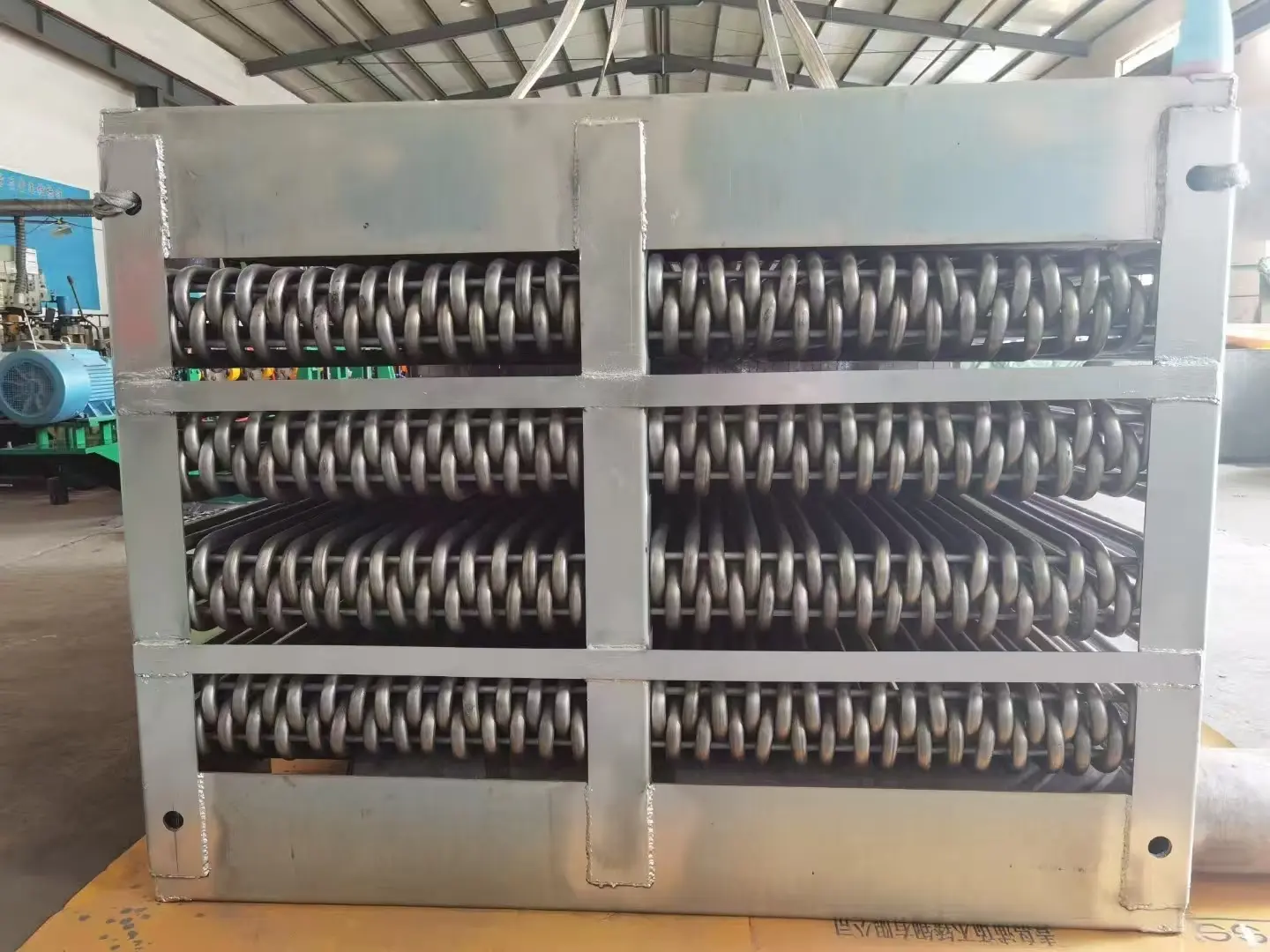
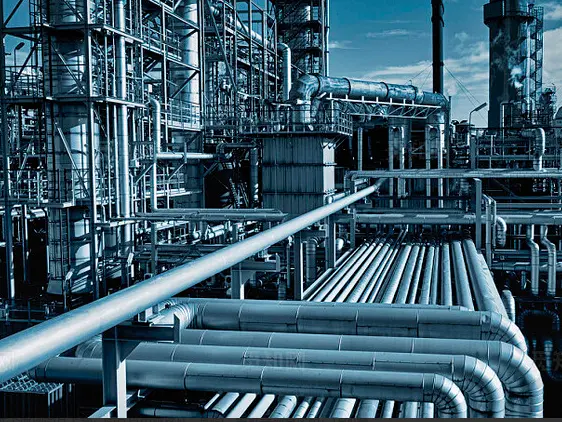
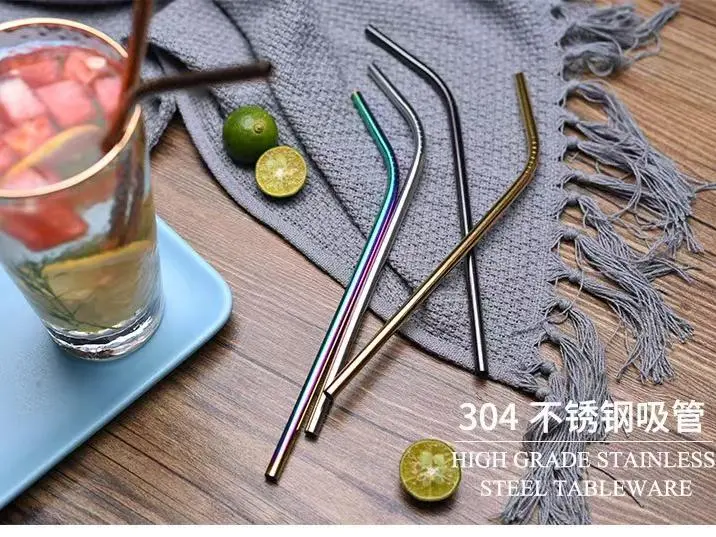
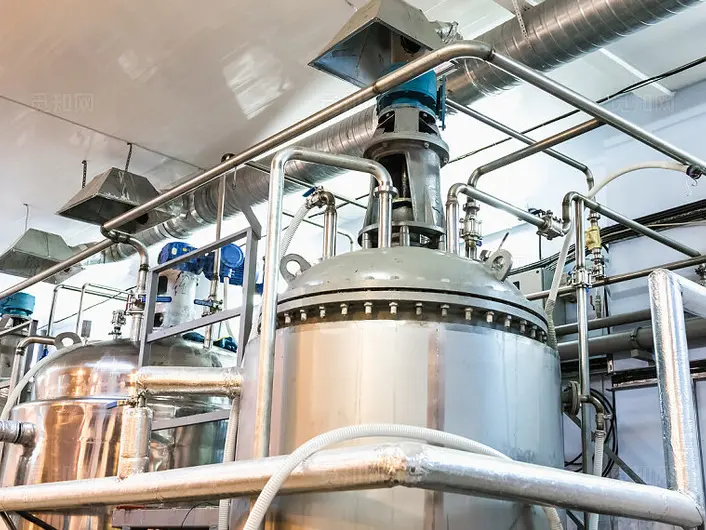
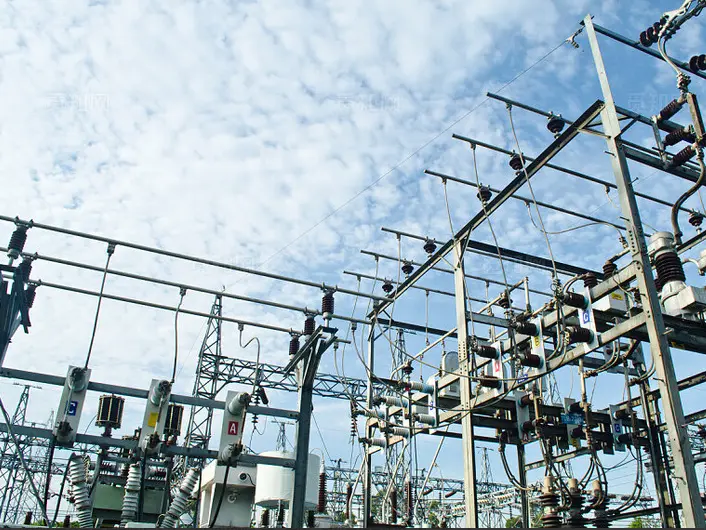
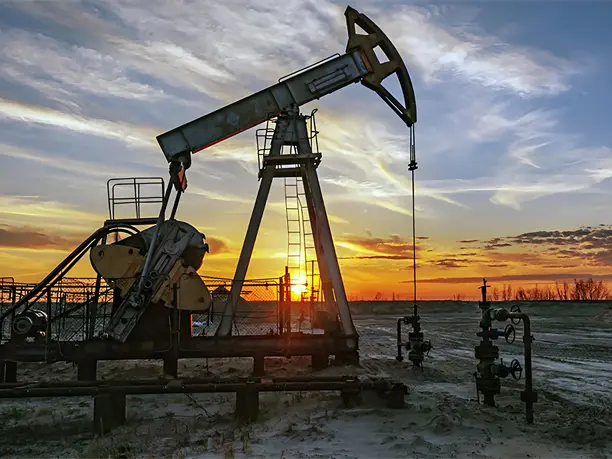
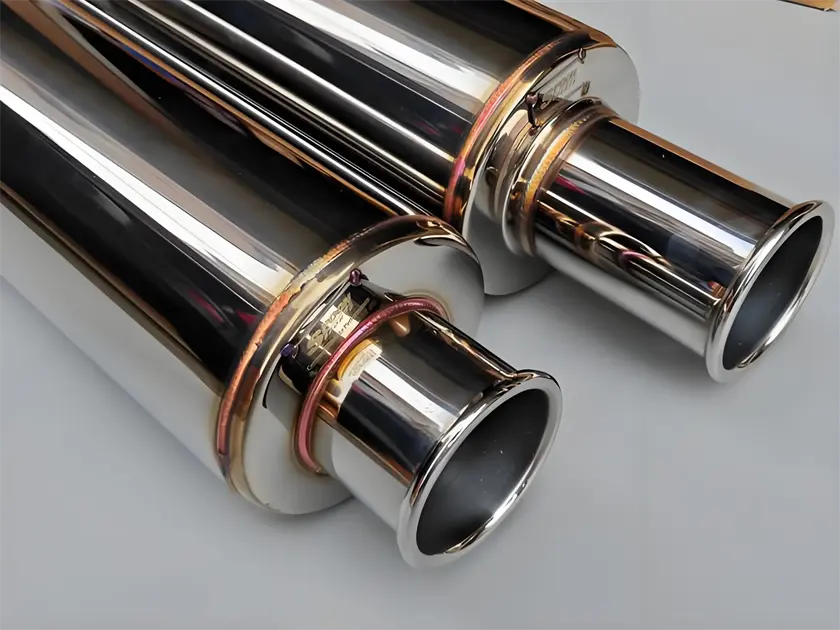
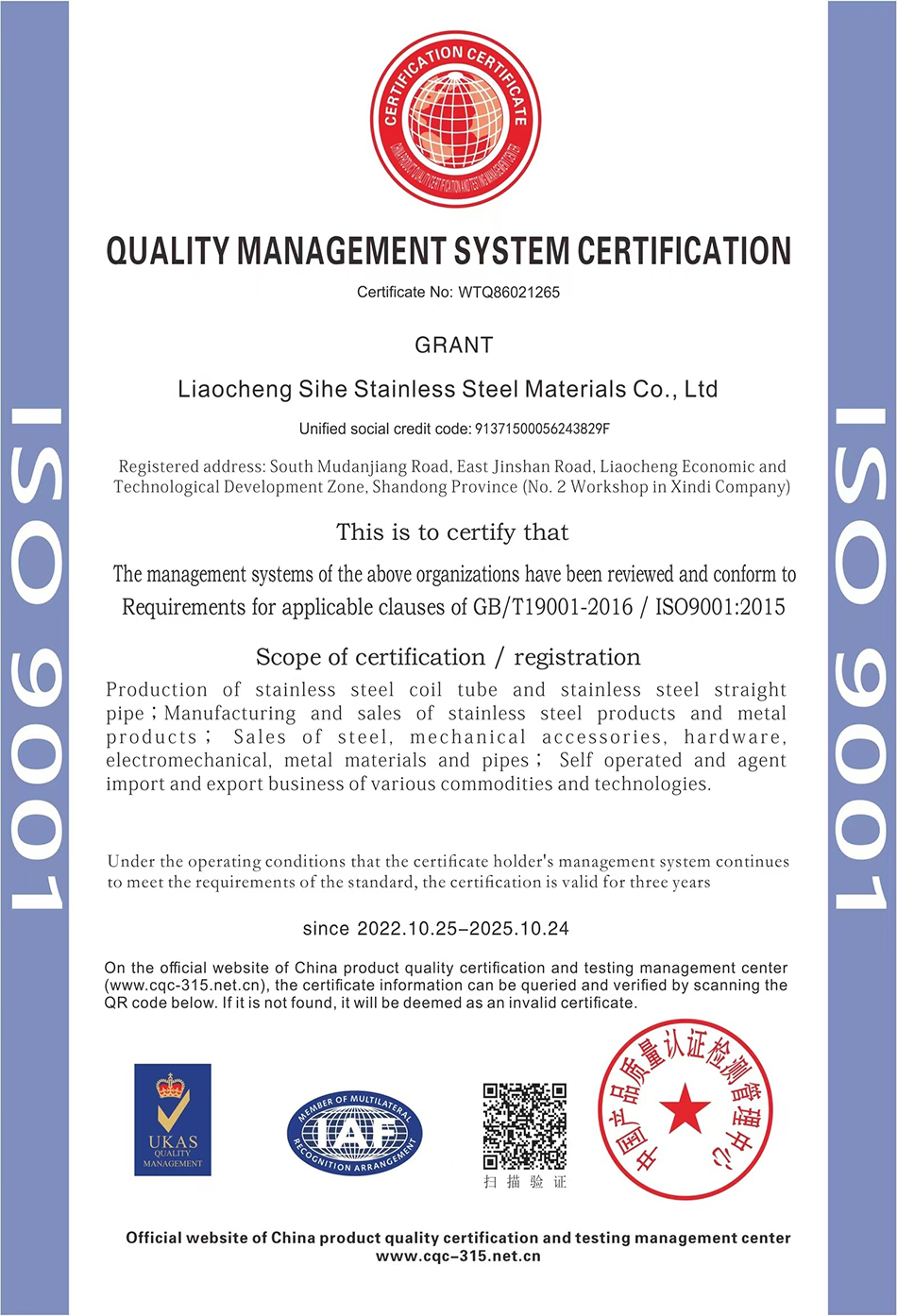
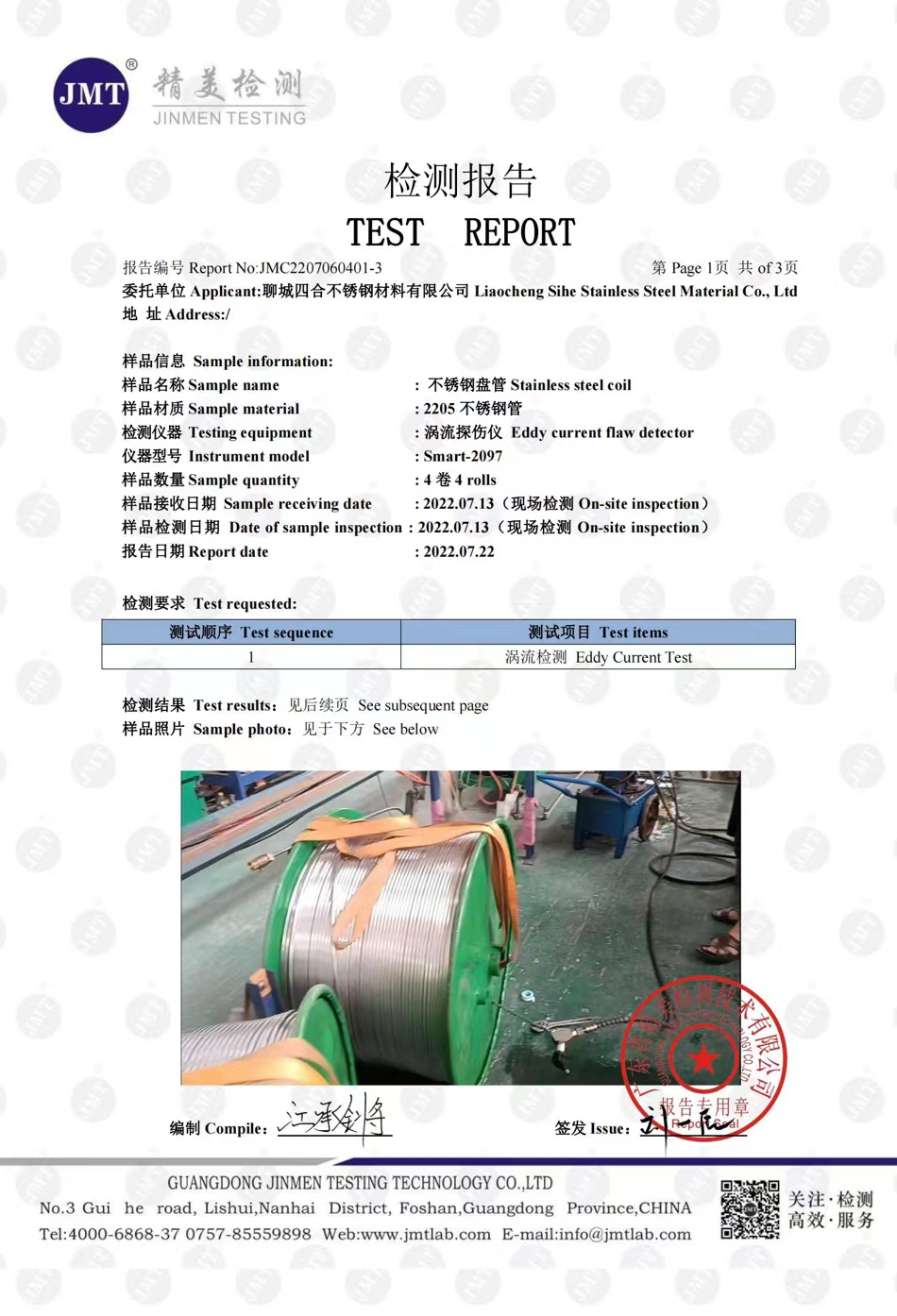
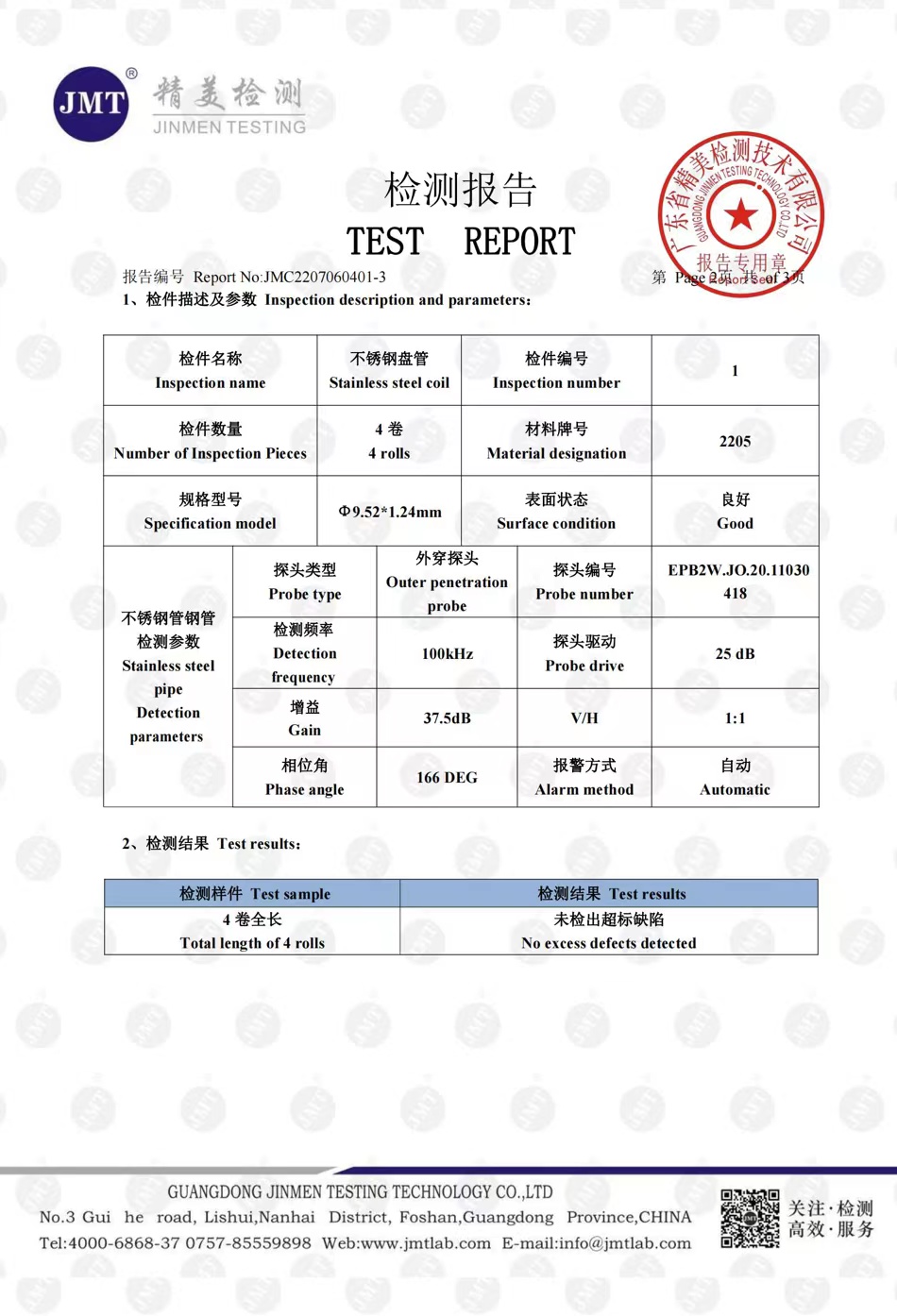
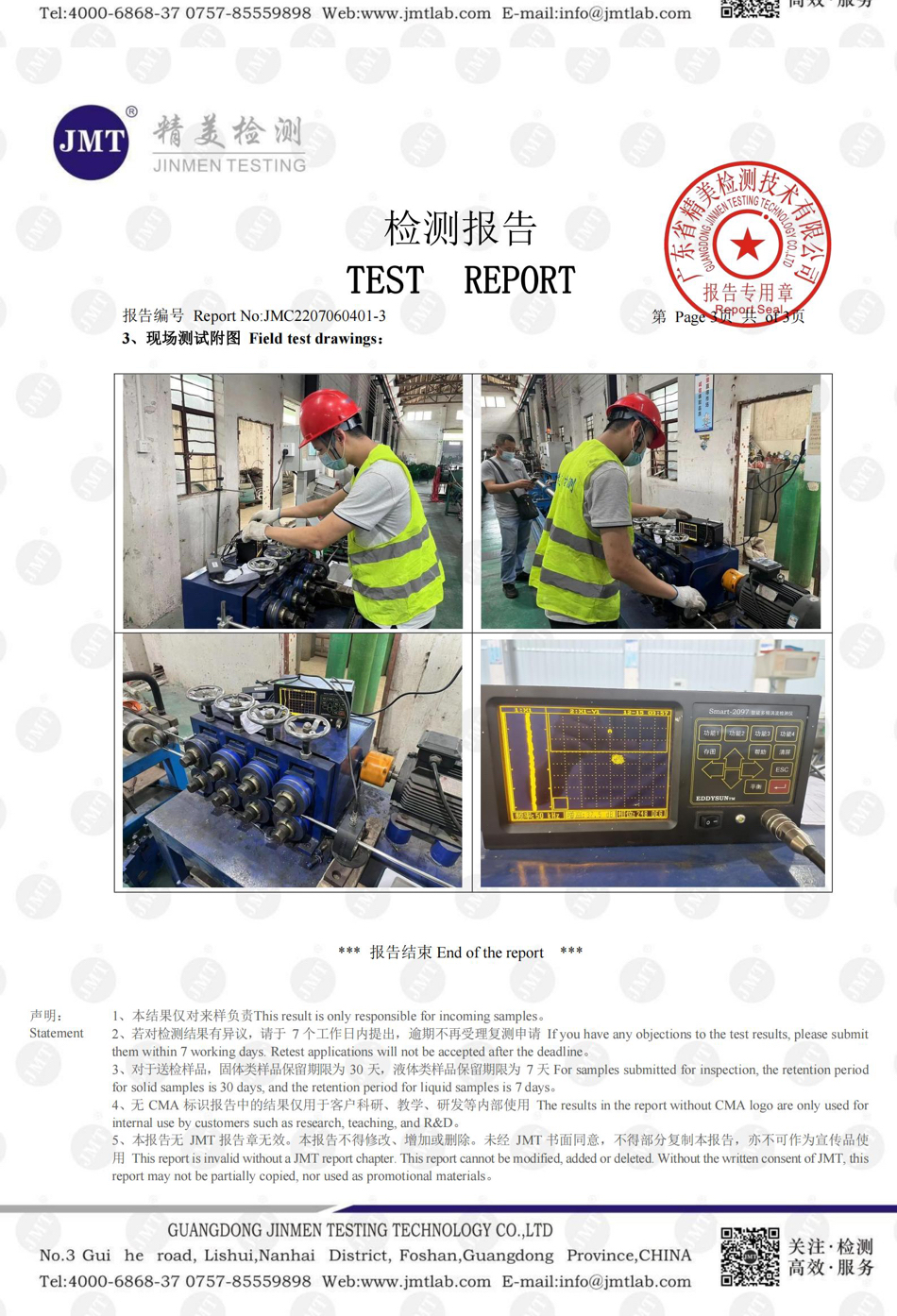
We maintain strict adherence to ISO 9001, ASTM, ASME, EN, and JIS standards. Our products undergo third-party inspections to meet the compliance demands of Mexican industrial projects.
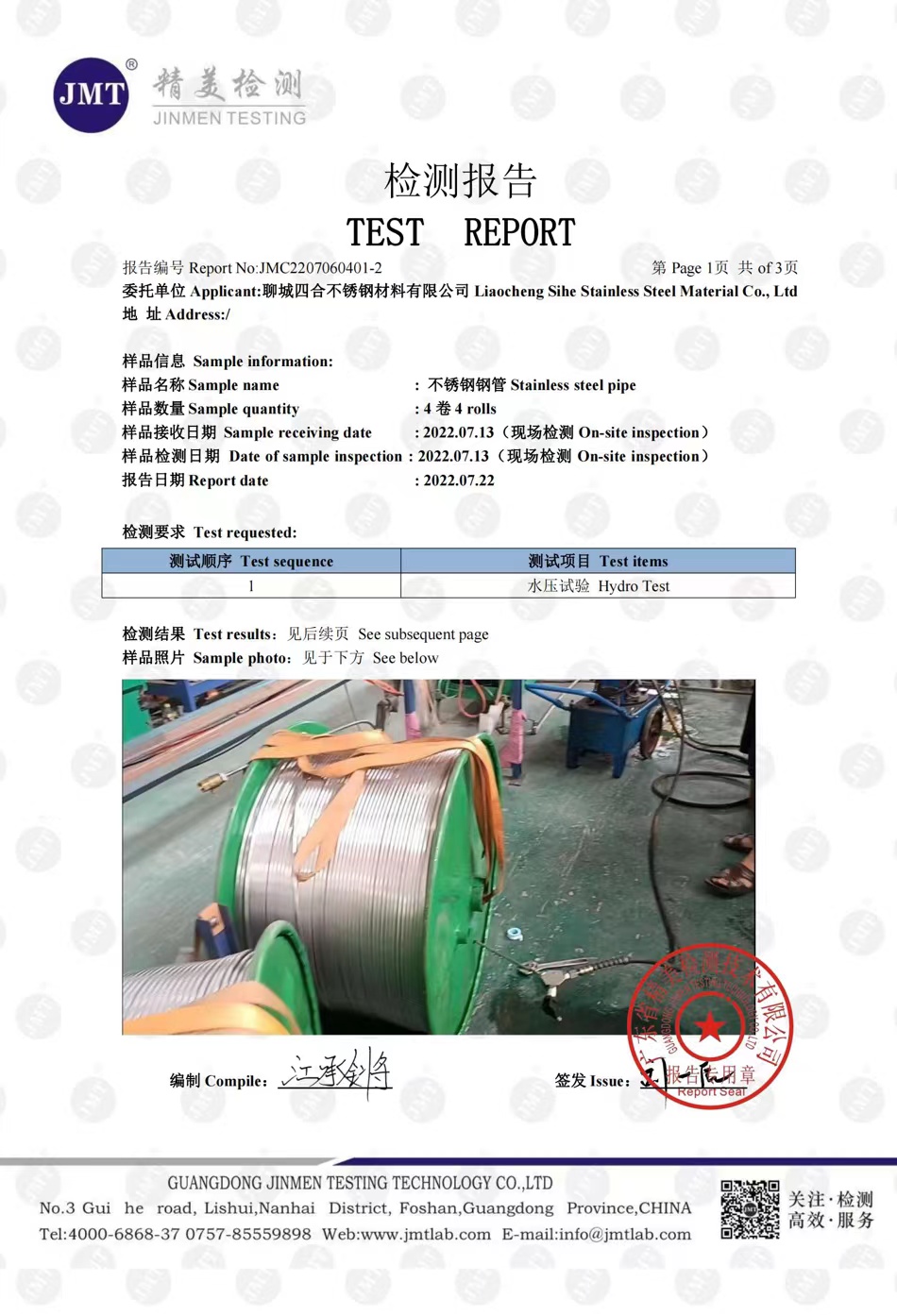
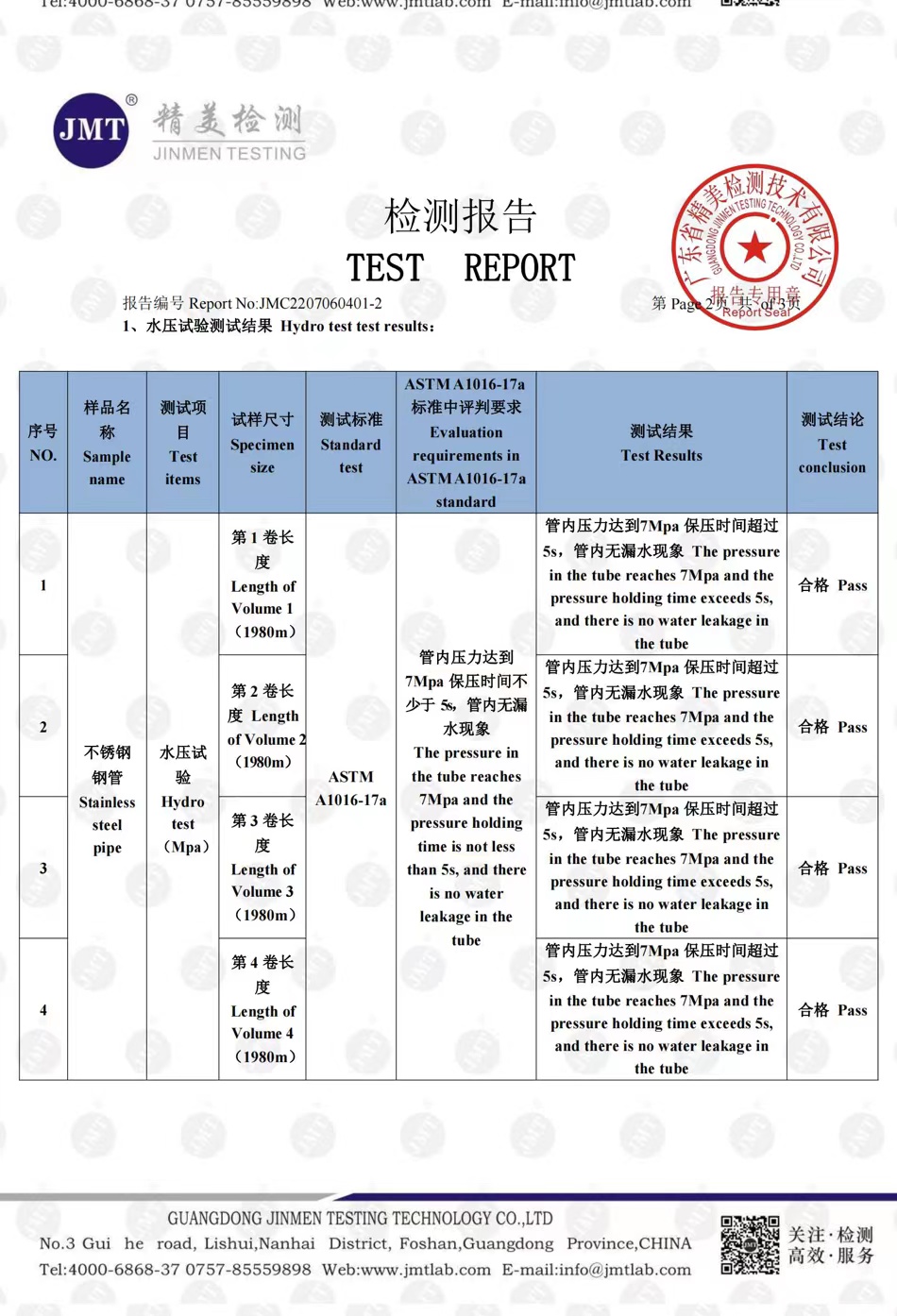
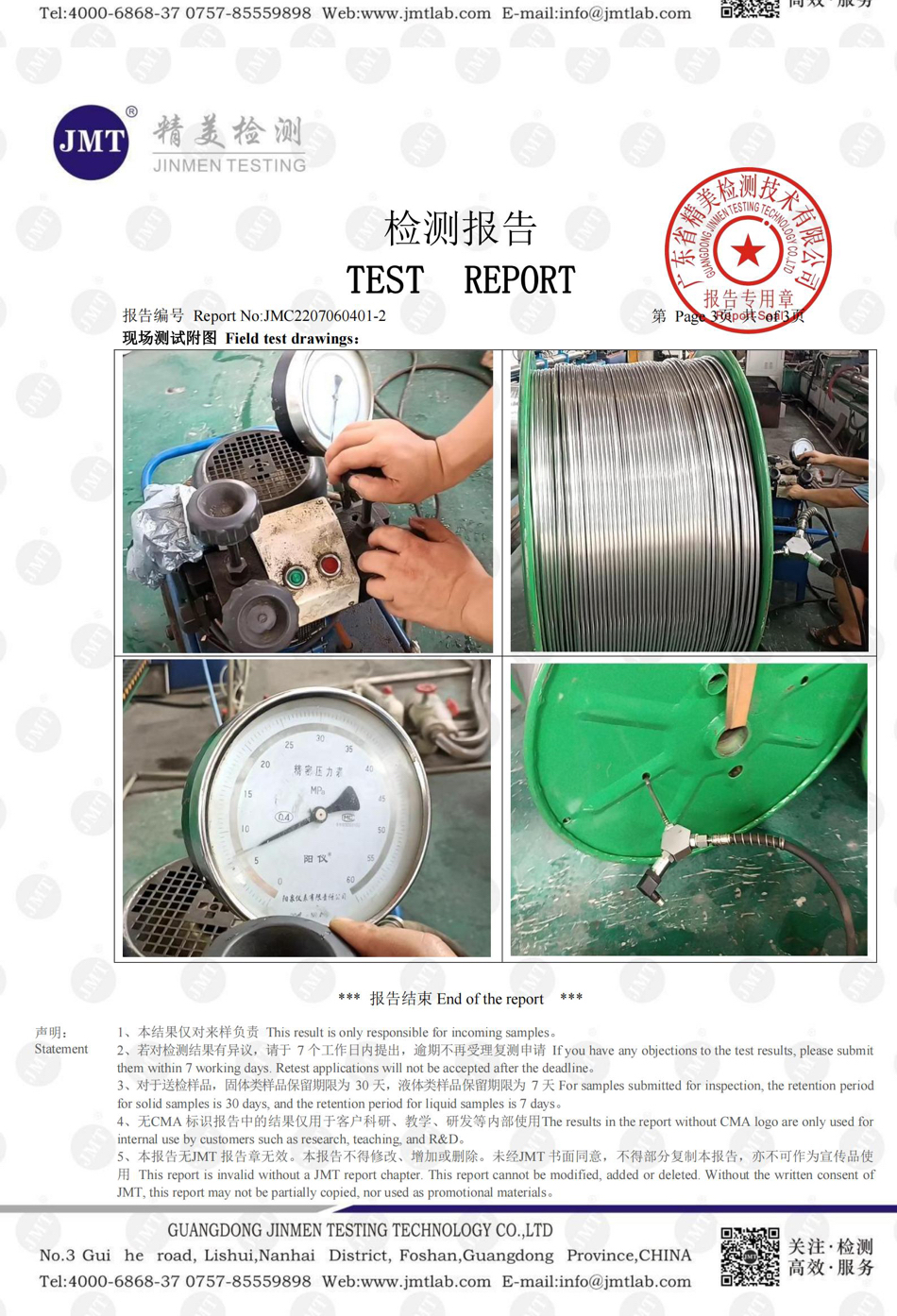
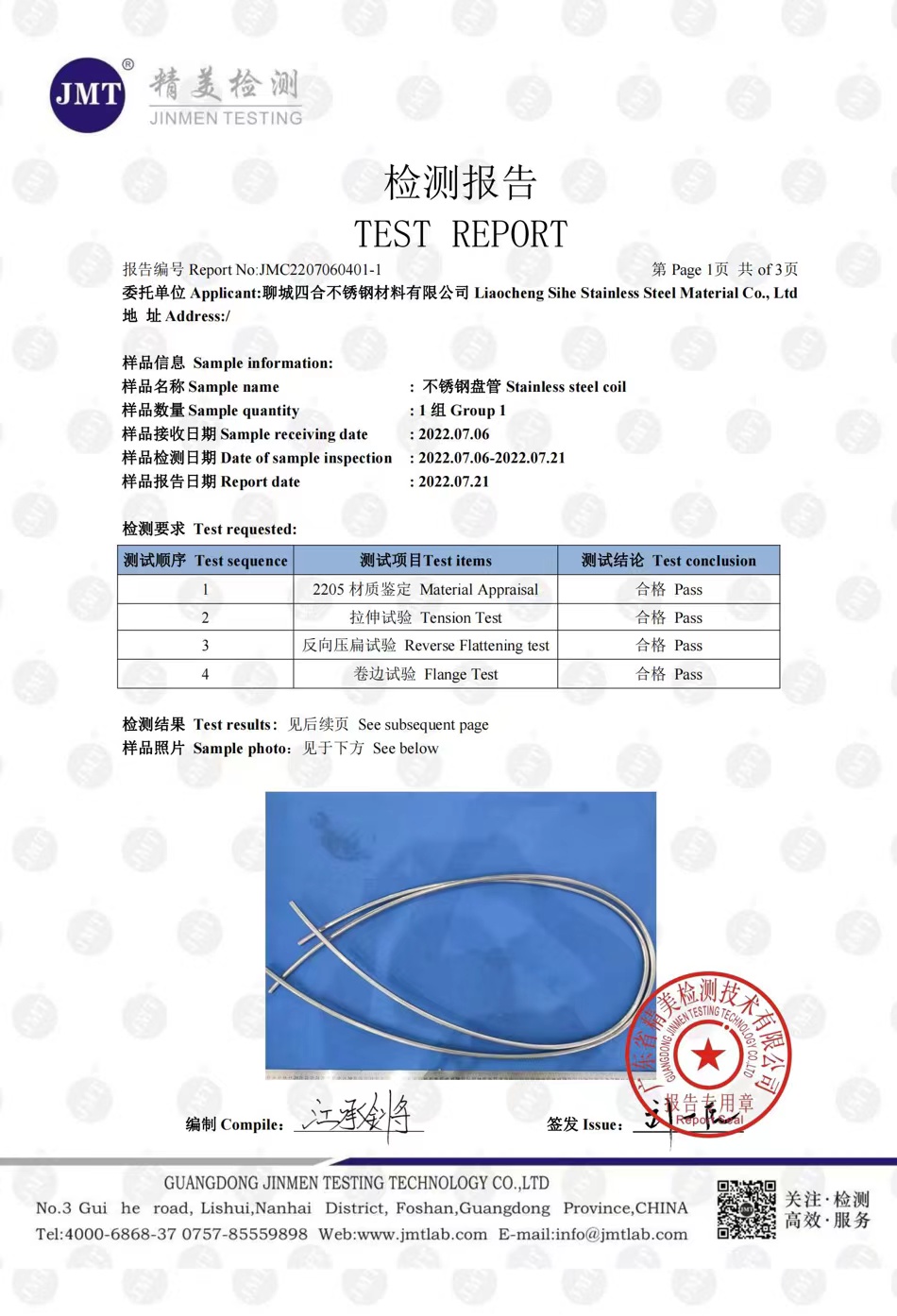
The influx of manufacturing projects in Mexico has strained local supply chains, leading to extended lead times for specialty metals. Sourcing Alloy 625 directly from Chinese manufacturing facilities provides a reliable alternative to Western suppliers.
Industrial projects in Mexico must navigate rules of origin under the USMCA. While raw carbon steel is subject to regional content rules, specialized nickel alloys like Alloy 625 (which are not produced in large quantities within North America) are typically classified under tariff provisions that permit overseas sourcing, provided the finished component transformation occurs within Mexico.
Liaocheng Sihe coordinates regular shipments to Mexico's primary industrial ports. For Pacific coast operations (such as the automotive and aerospace clusters in central Mexico), cargo is routed through Manzanillo and Lázaro Cárdenas. For petrochemical developments in Veracruz or Tabasco, shipments are delivered to Veracruz or Altamira, ensuring predictable lead times and minimized transport overheads.
Contact our technical engineering team today. We provide chemical certification, dimensional customization, and shipping estimates directly to your facility in Mexico.
Send Inquiry NowTechnical and commercial guidance for purchasing Alloy 625 precision pipes for Mexican projects.
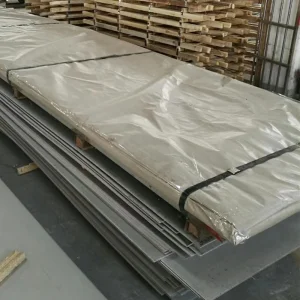
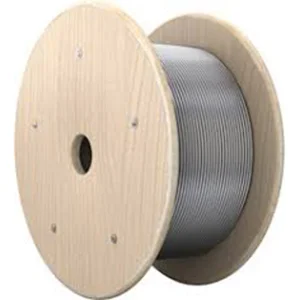
Explore our full line of corrosion-resistant coils, heat-exchanger tubing, and precision sheets available for delivery to Mexico.