 Sihe Steel
Sihe Steel
Sihe Steel
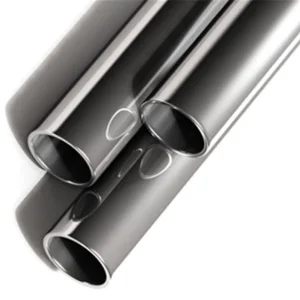
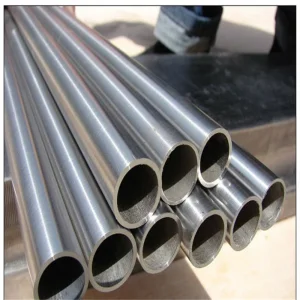
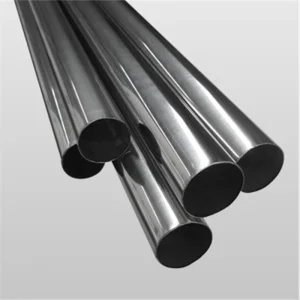
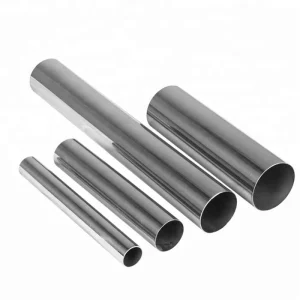
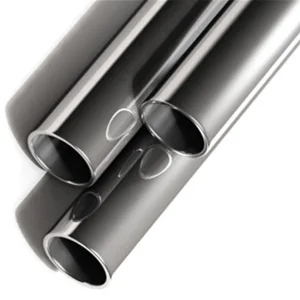
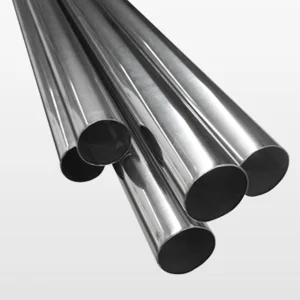
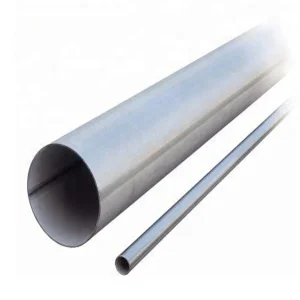
Highly polished, titanium-stabilized ferritic steel tubes designed to meet standard specifications (JIS SUH409, EN 1.4512, ASTM A269) for optimized gas flows and thermal efficiency.
Seoul and the surrounding Gyeonggi Metropolitan Area stand as one of the world's most dense concentrations of high-tech manufacturing, automotive research & development, and green energy infrastructure. Within this hyper-competitive industrial landscape, material selection dictates the commercial success and durability of major engineering projects. Grade 409 stainless steel (UNS S40900 / JIS SUH409 / EN 1.4512) has established itself as an indispensable alloy. By combining ferritic microstructural stability with titanium-stabilized corrosion resistance, 409 stainless steel offers exceptional longevity at high temperatures, which is critical for the automotive, HVAC, and energy generation sectors active across Seoul.
Unlike standard austenitic grades, 409 ferritic steel exhibits lower thermal expansion and higher thermal conductivity. In Seoul's strict environmental landscape, where carbon reductions and energy efficiency are heavily legislated under the Metropolitan Air Quality Improvement Act, the thermal properties of 409 stainless steel allow engineers to design lighter, more efficient exhaust systems and heat recovery units. By polishing these tubes to strict micro-inch roughness standards, inner-wall fluid friction is minimized, preventing particulate accumulation, reducing backpressure in automotive manifolds, and boosting overall system outputs.
Understanding the exact chemical and mechanical differentiations allows Seoul procurement managers to optimize material yield and project budgets. Below is a comparative overview of 409 against other common structural stainless steels:
| Steel Grade | Microstructure | Key Elements (%) | Thermal Cond. (W/m·K) | Max Temp (Continuous) | Primary Industrial Use Case |
|---|---|---|---|---|---|
| 409 / SUH409 | Ferritic | Cr: 10.5-11.7, Ti: 6x(C+N) min | 25.8 (at 100°C) | 675°C | Automotive mufflers, heat exchangers, exhaust pipes |
| 304 / 1.4301 | Austenitic | Cr: 18-20, Ni: 8-10.5 | 16.2 (at 100°C) | 870°C | Food processing, chemical tanks, architectural pipelines |
| 430 / 1.4016 | Ferritic | Cr: 16-18, Mn: 1.0 max | 26.1 (at 100°C) | 815°C | Appliance trims, combustion chambers, nitric acid plant parts |
| 316L / 1.4404 | Austenitic | Cr: 16-18, Ni: 10-14, Mo: 2-3 | 15.0 (at 100°C) | 870°C | Marine fittings, semiconductor cleanrooms, medical devices |
As South Korea charges ahead with its Net-Zero 2050 agenda, Seoul's industrial sectors are shifting rapidly toward hydrogen combustion, electric vehicle (EV) thermal management, and ultra-high-efficiency district heating. The metropolitan area serves as the central design hub for major automotive tier-1 suppliers, plant engineering consultancies, and construction conglomerates. Each of these sectors relies heavily on highly specialized tubing supplies.
With major research centers located in Gyeonggi-do and Seoul, the transition to high-efficiency ICE hybrids and hydrogen fuel cell electric vehicles (FCEVs) demands lightweight, corrosion-resistant exhaust systems. Polished 409 tubes maintain excellent resistance to wet exhaust condensate and road de-icing salts used during Seoul's freezing winters.
Seoul’s high-density commercial zones like Gangnam and Yeouido are pioneering geothermal and micro-grid heat pump systems. Grade 409 polished tubes are highly valued in condenser and evaporator construction due to their superior thermal conductivity compared to 300-series steels, lowering energy consumption.
Looking to 2030, the technical roadmap for Seoul’s structural components emphasizes weight reduction through wall thickness optimization. The high yield strength of titanium-stabilized 409 allows engineers to specify thin-walled, high-strength tubes, significantly lowering overall material mass without sacrificing mechanical life.
Furthermore, local environmental initiatives require components to be easily recyclable. Ferritic stainless steels, being magnetic, are far easier to separate and recycle in modern municipal waste structures than non-magnetic austenitic variants. This fits perfectly with the circular economy policies championed by the Seoul Metropolitan Government.
Liaocheng Sihe Stainless Steel Material Ltd: Driving manufacturing consistency with advanced technology, online Bright Annealing, and 10,000m continuous length capability.
Liaocheng Sihe Stainless Steel Material Limited Company has been a pioneering force in the manufacturing of stainless steel coils, polished tubes, and ultra-long seamless pipes for over a decade. Operating three dedicated coil lines and six high-capacity precision drawing lines, the company maintains strict compliance with ASTM, ASME, JIS, GB, and EN standards. Our production envelope encompasses sizes from 0.125 inch (3.175 mm) to 1 inch (25.4 mm) in outer diameter, with wall thicknesses up to 0.165 inch (3 mm).
To support extreme offshore, aerospace, and semiconductor environments, we introduce the world's leading continuous online Bright Annealing (BA) technology. This system processes the steel under a hydrogen-controlled protective atmosphere, ensuring a clean, mirror-like inner and outer surface. By eliminating oxides without chemical pickling, our BA process maintains the corrosion resistance of 409, 316L, 304, 2205, and Incoloy alloys while ensuring optimal ductilities for bending, flaring, and orbital welding.
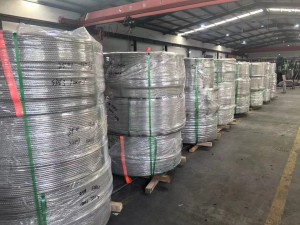
Implementing 409 stainless steel polishing tubes in commercial infrastructure requires a deep understanding of localized parameters. In Seoul's industrial satellite districts (such as Incheon, Siheung, and Ansan), companies integrate these tubes into critical system assemblies, utilizing custom bending and flanging services. The mechanical properties of our stabilized 409 allow complex tight-radius bending without wall-thinning or micro-cracking, which is a common failure point in inferior-grade ferritic imports.
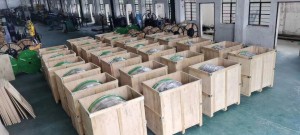
Our solutions target three key macro sectors:
Every batch shipped to Seoul is supported by localized logistics, custom sea-freight packaging to prevent marine atmosphere corrosion during transit, and comprehensive technical documentation (including MTCs to EN 10204 3.1).
Every process is verified. We provide full traceability with ASTM, ASME, EN, and JIS compliance certificates for Seoul's aerospace and automotive industries.
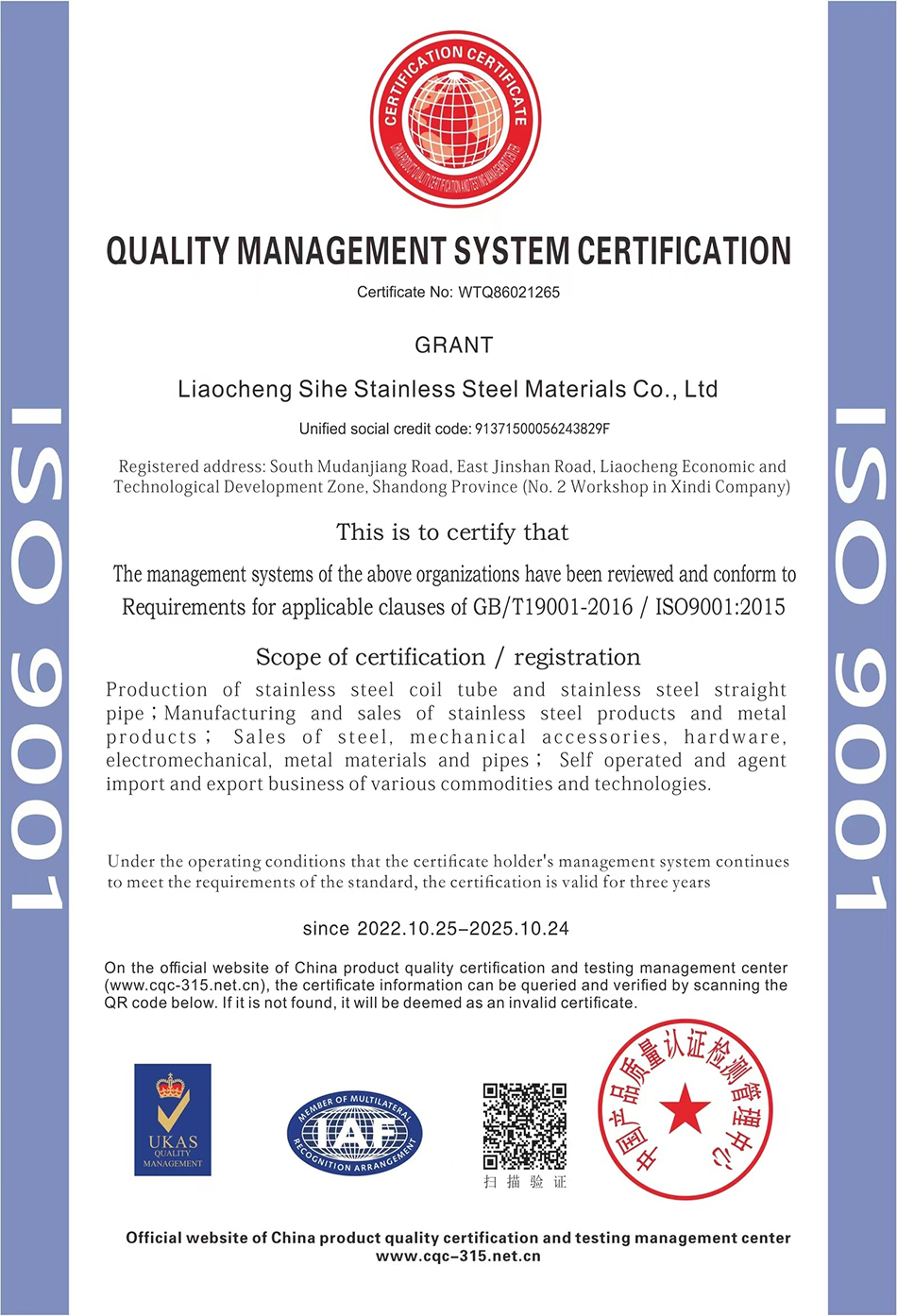
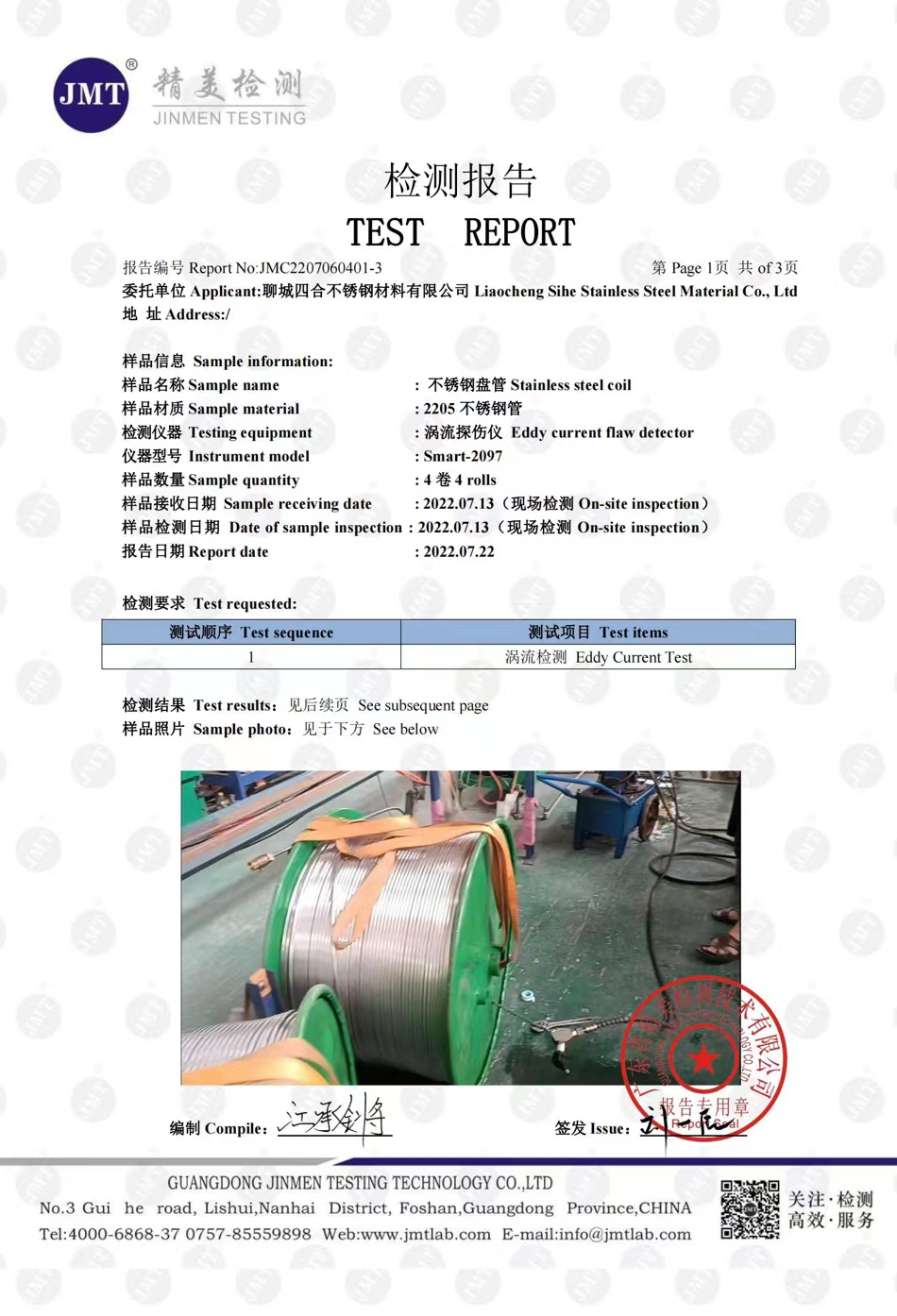
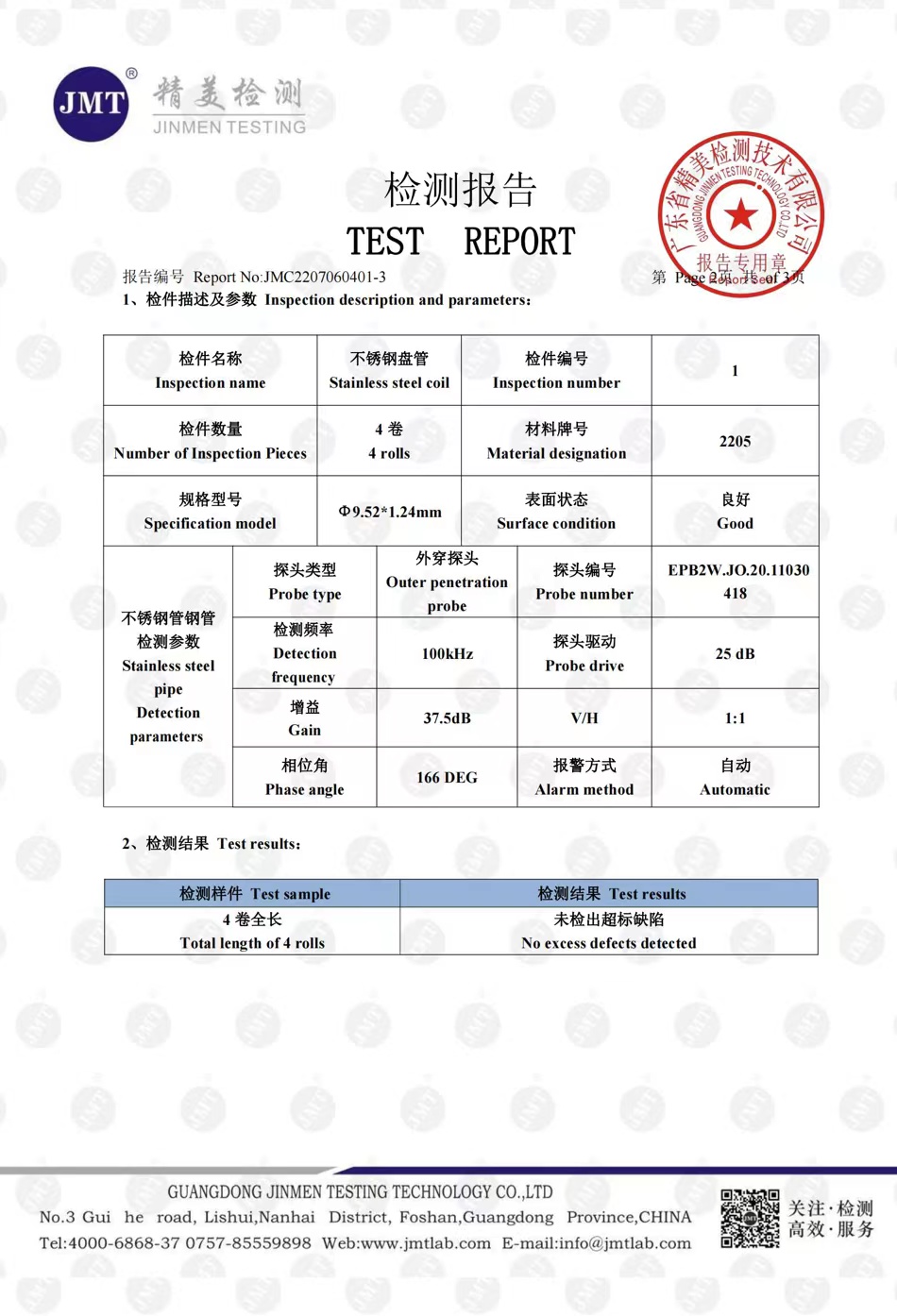
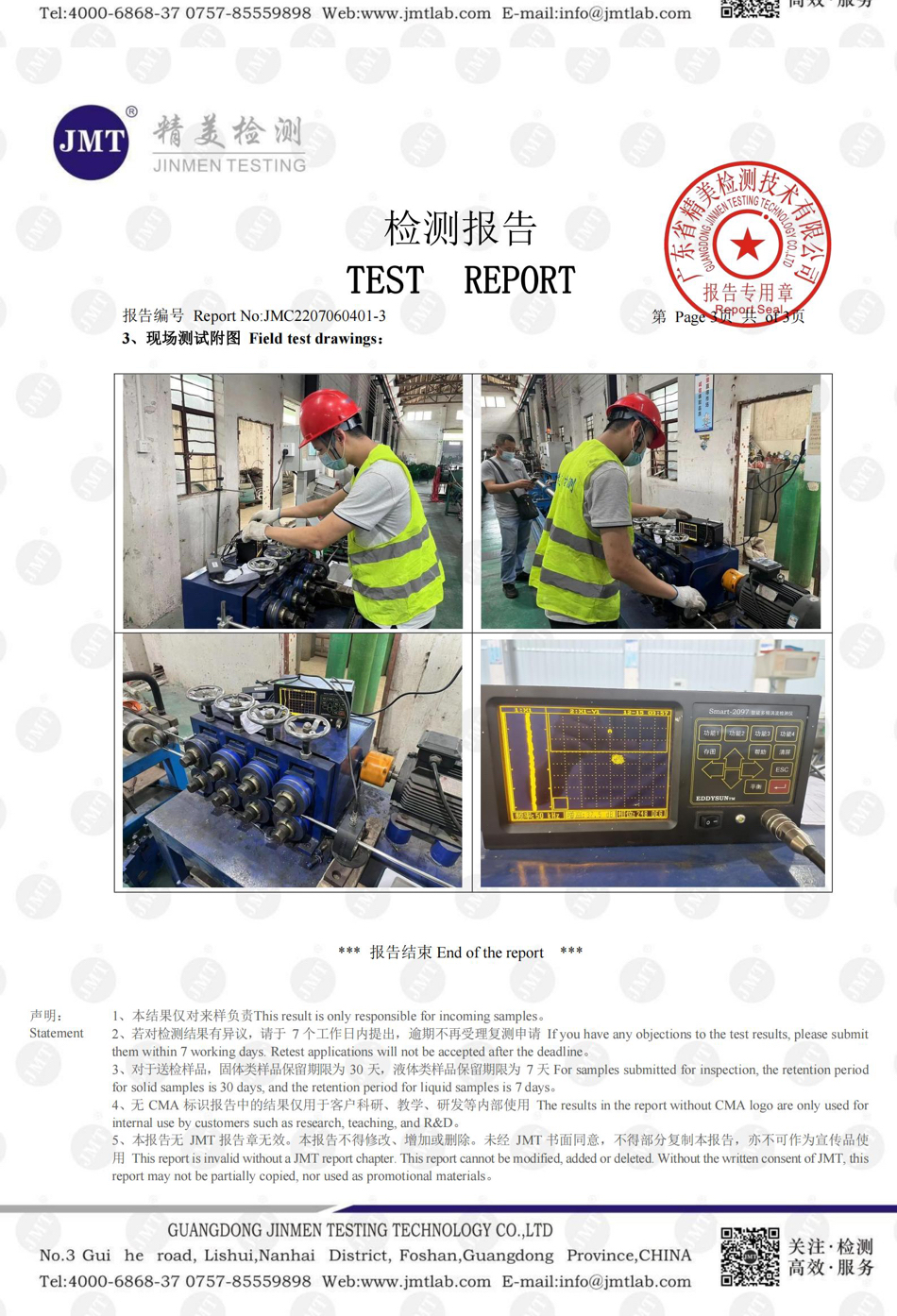
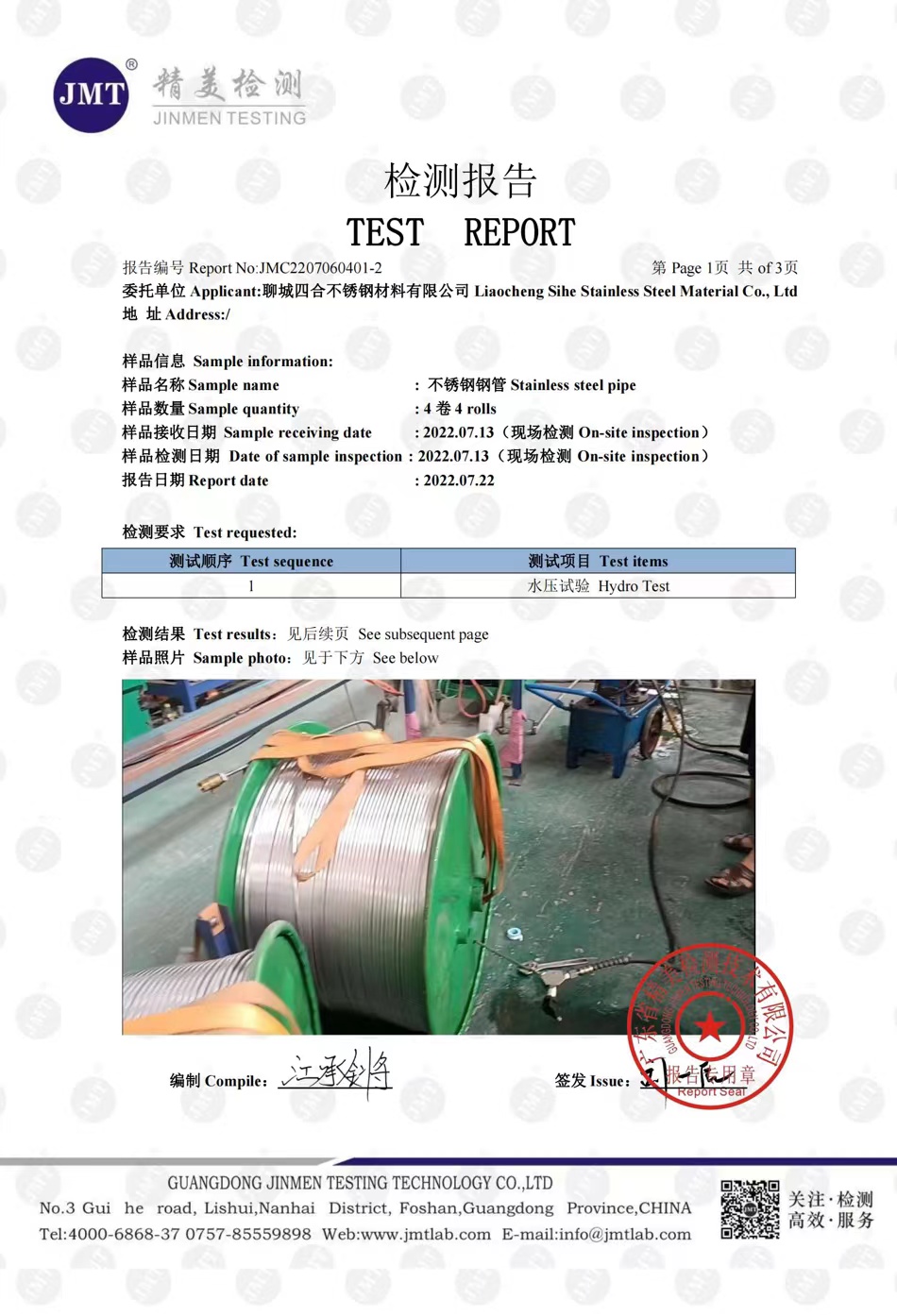
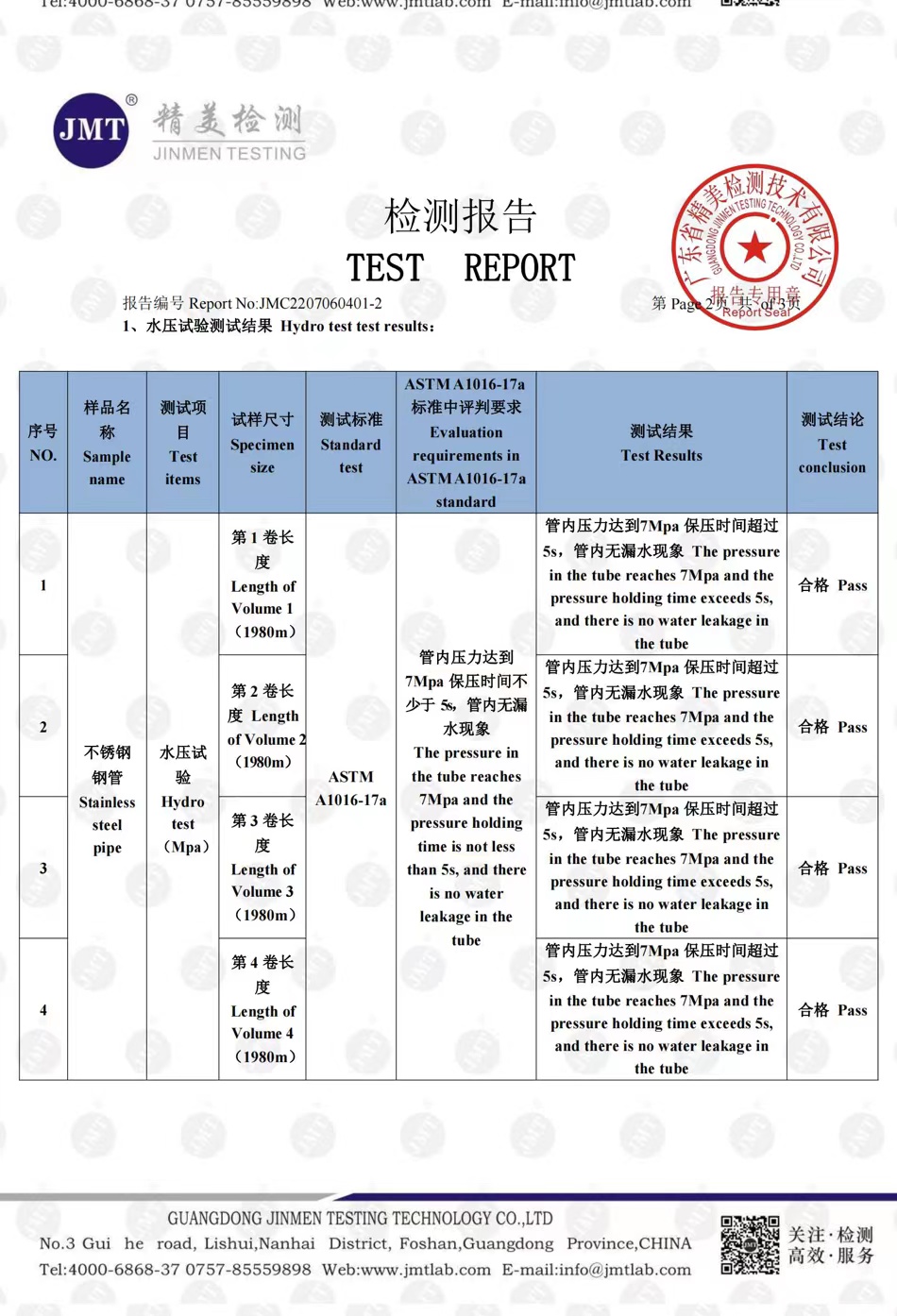
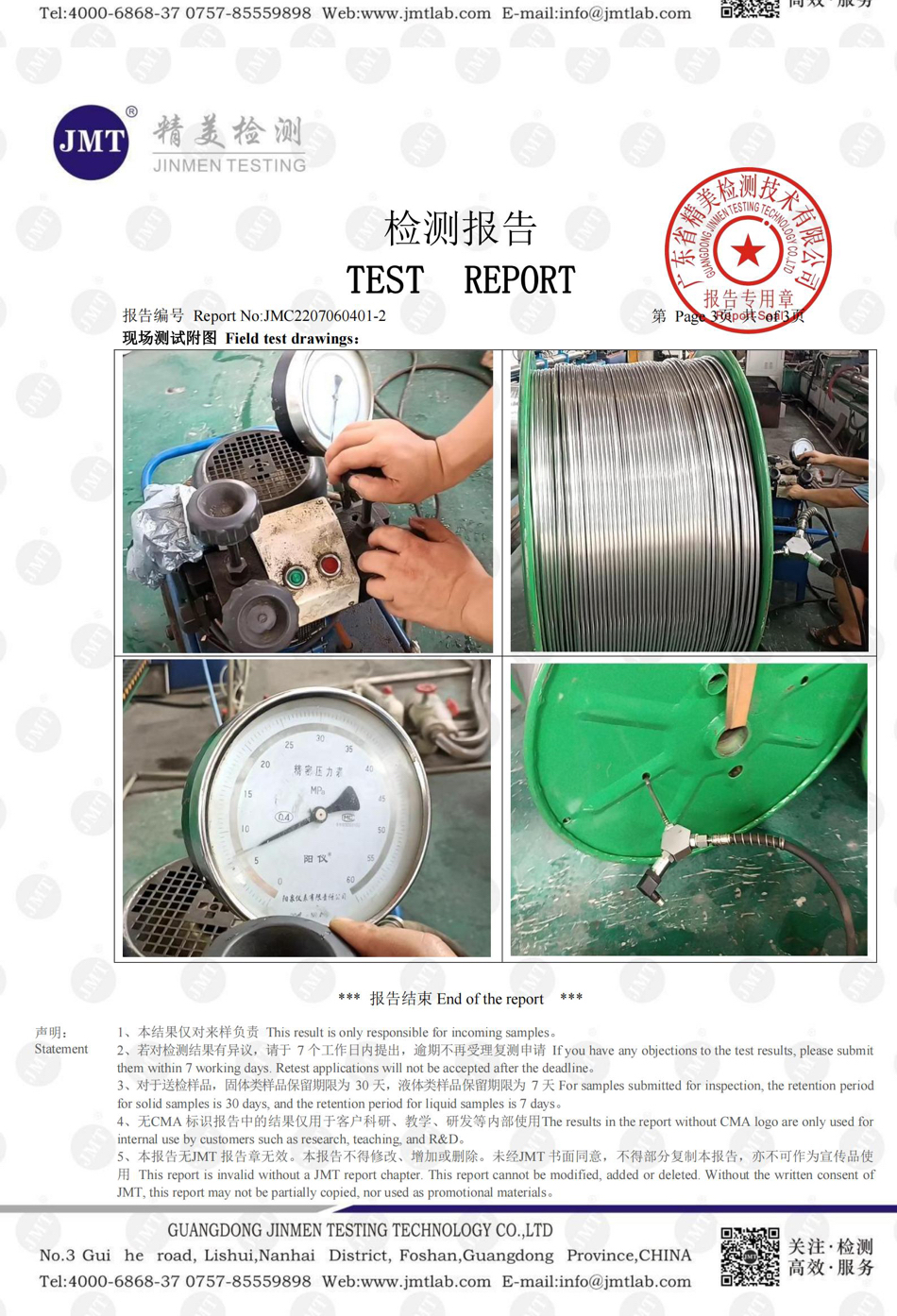
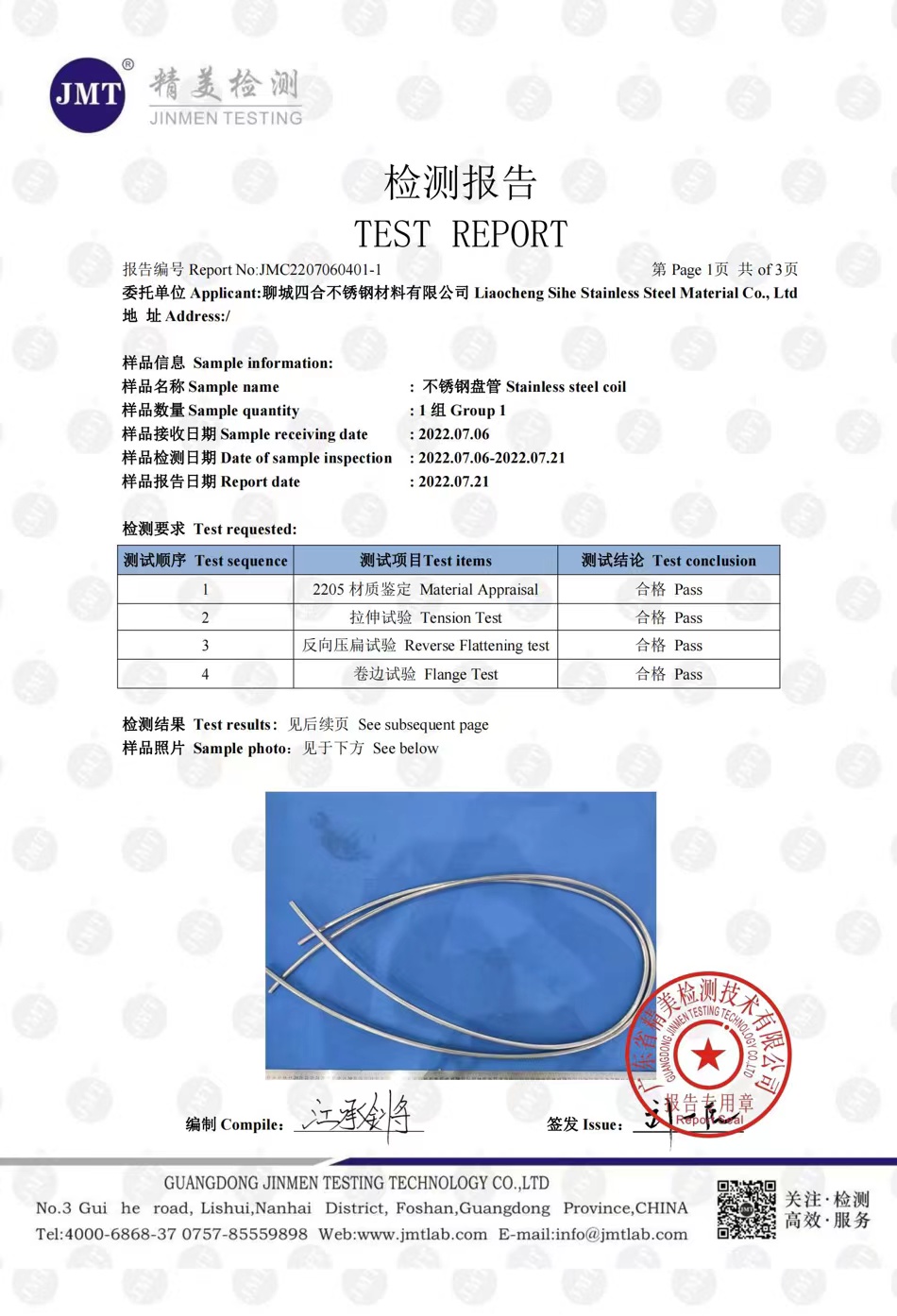
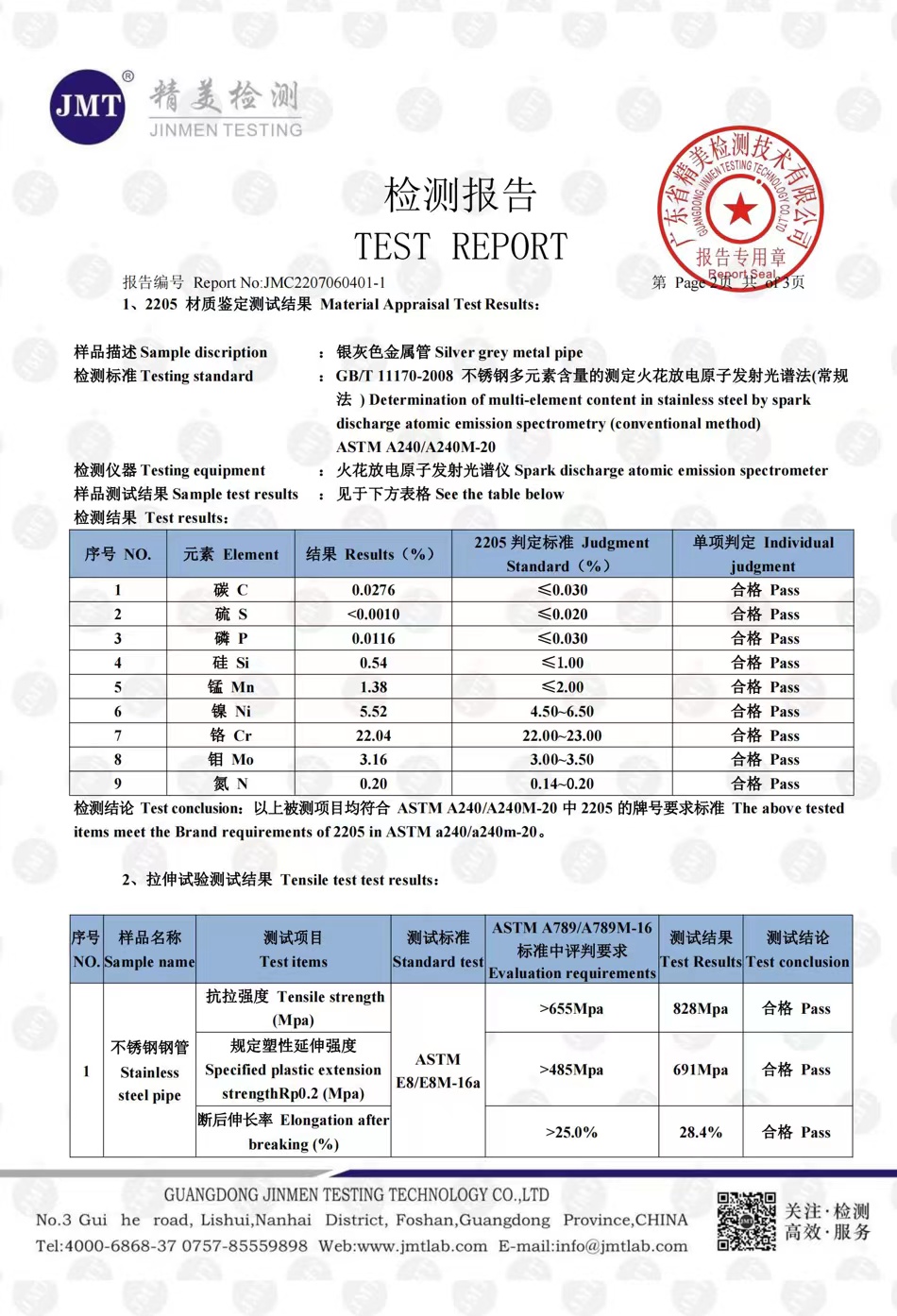
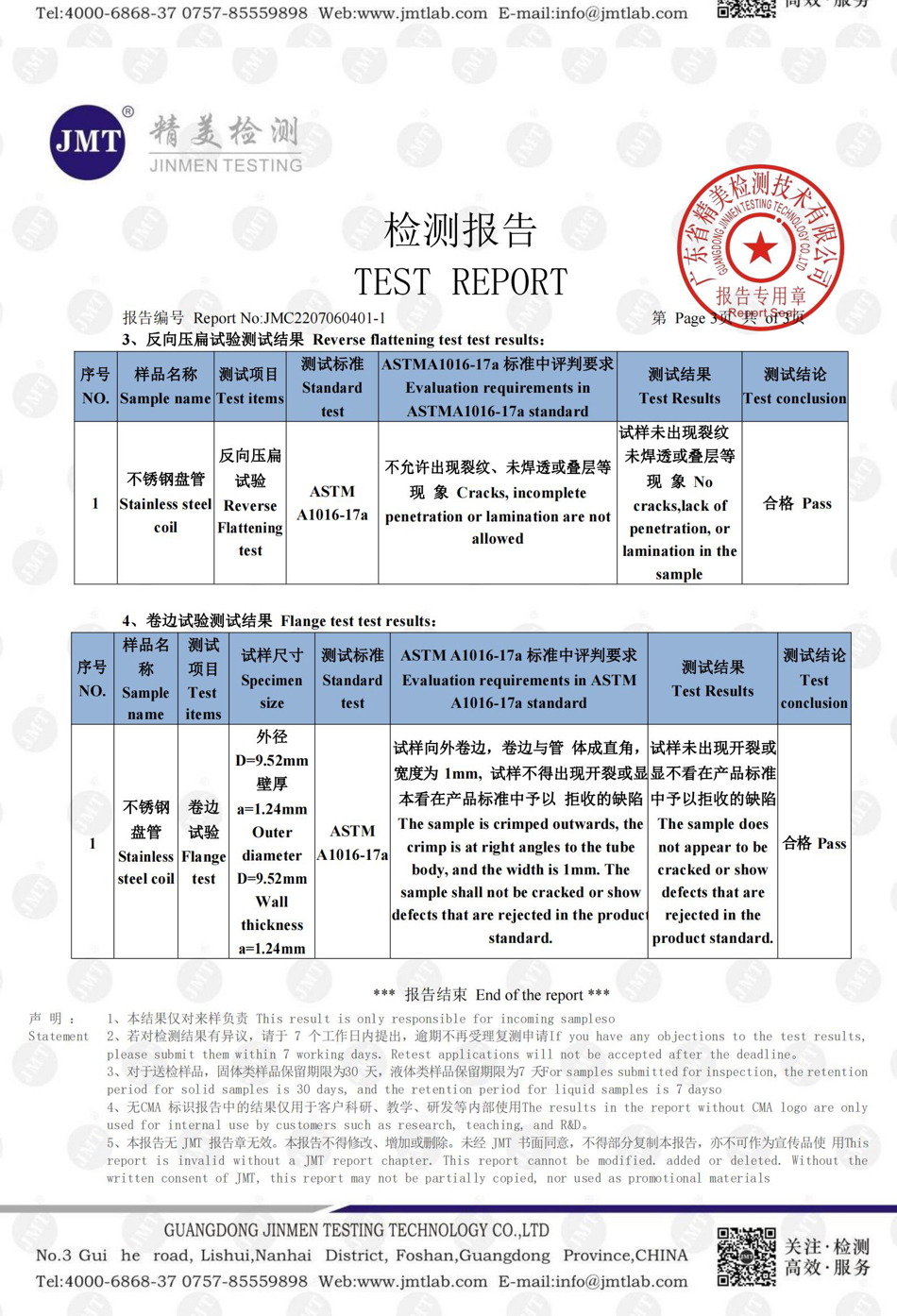
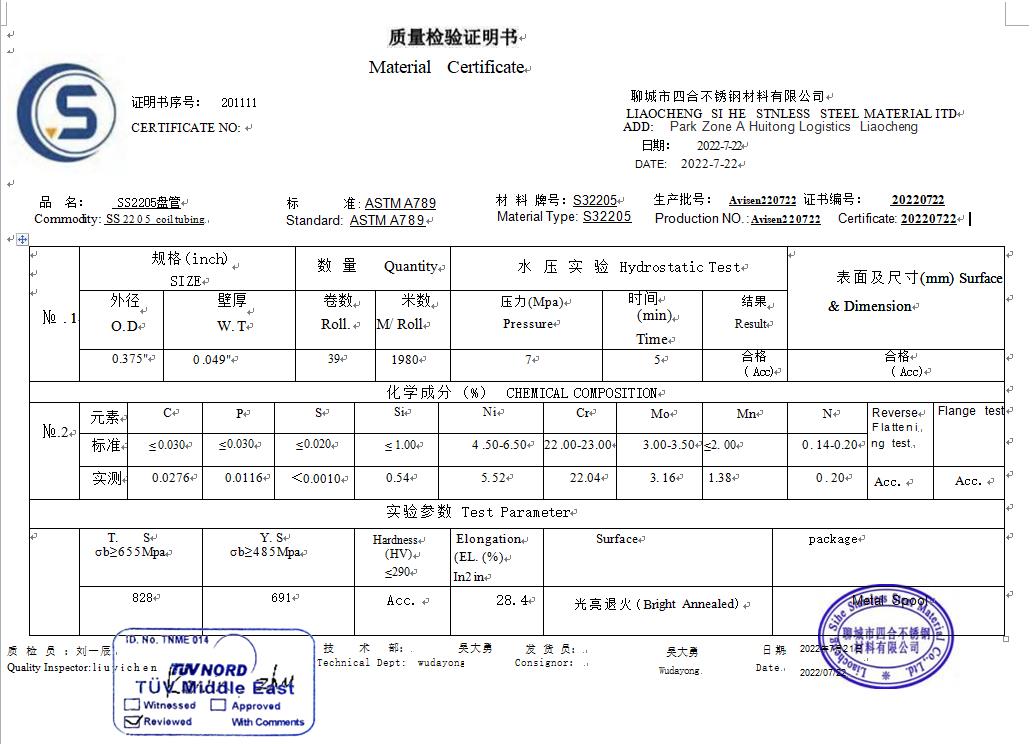
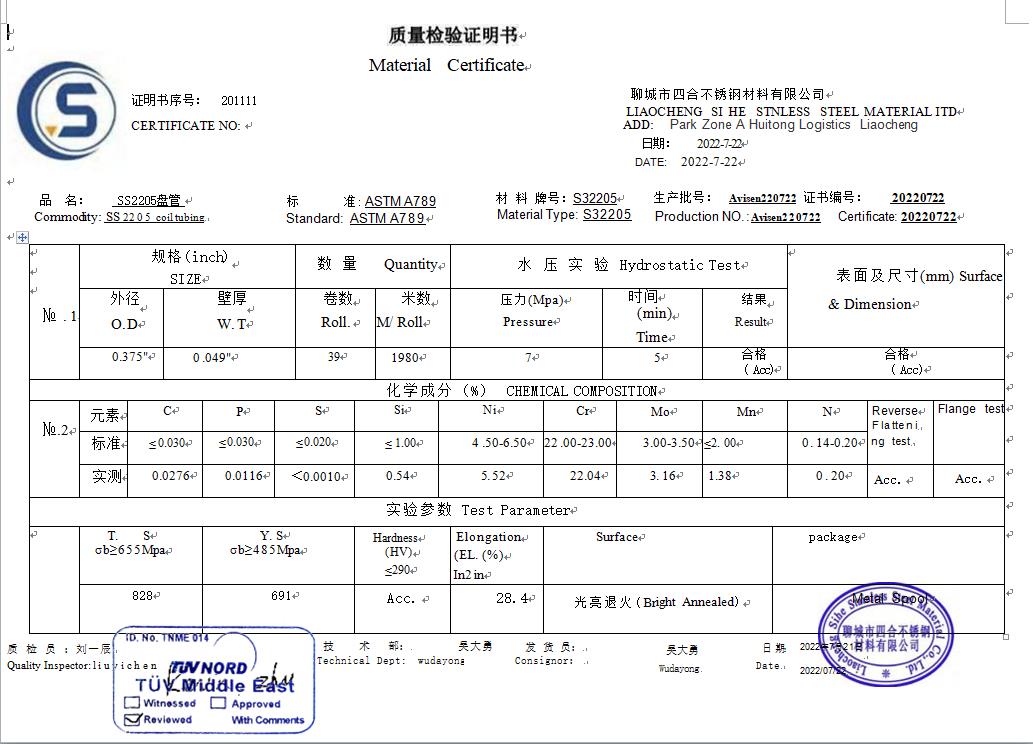
Importing industrial piping into South Korea involves navigations through critical quality gates. The Korean Agency for Technology and Standards (KATS) enforces Korean Industrial Standards (KS), which align closely with JIS. Our manufacturing processes for SUH409 and EN 1.4512 are designed to meet or exceed these local guidelines, easing the custom clearance and approval processes at major maritime hubs like Incheon and Busan.
Understanding that supply chain delays cost thousands of dollars per hour on construction and manufacturing lines, we have optimized our routing from our high-capacity mills in China. By utilizing key ports like Qingdao or Tianjin, transit times to Incheon Port are reduced to just 2 to 3 days, with another 24 hours required for inland transport to the Gyeonggi industrial complex. This regional proximity guarantees that Seoul-based enterprises can operate with "just-in-time" inventory models, minimizing warehouse costs and securing project schedules.
To eliminate any risks of field failures, Liaocheng Sihe performs an extensive array of quality testing before the materials leave our facility:
Tailored steel services and application layouts developed to support modern mechanical and thermodynamic engineering.
We adapt our production lines to meet the exact design needs of your engineering projects:
Our products are integrated globally across demanding physical settings:
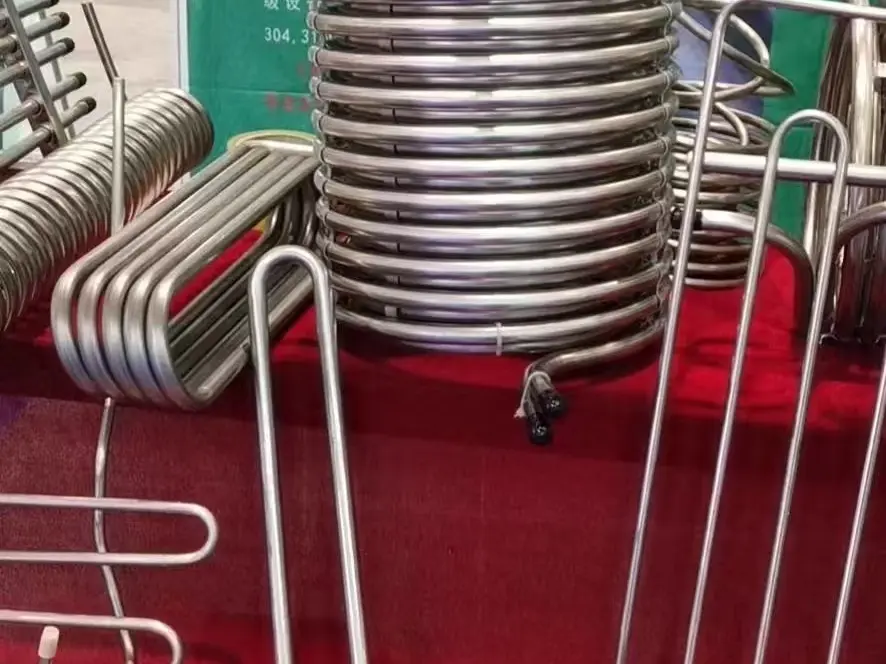 Heat Exchangers
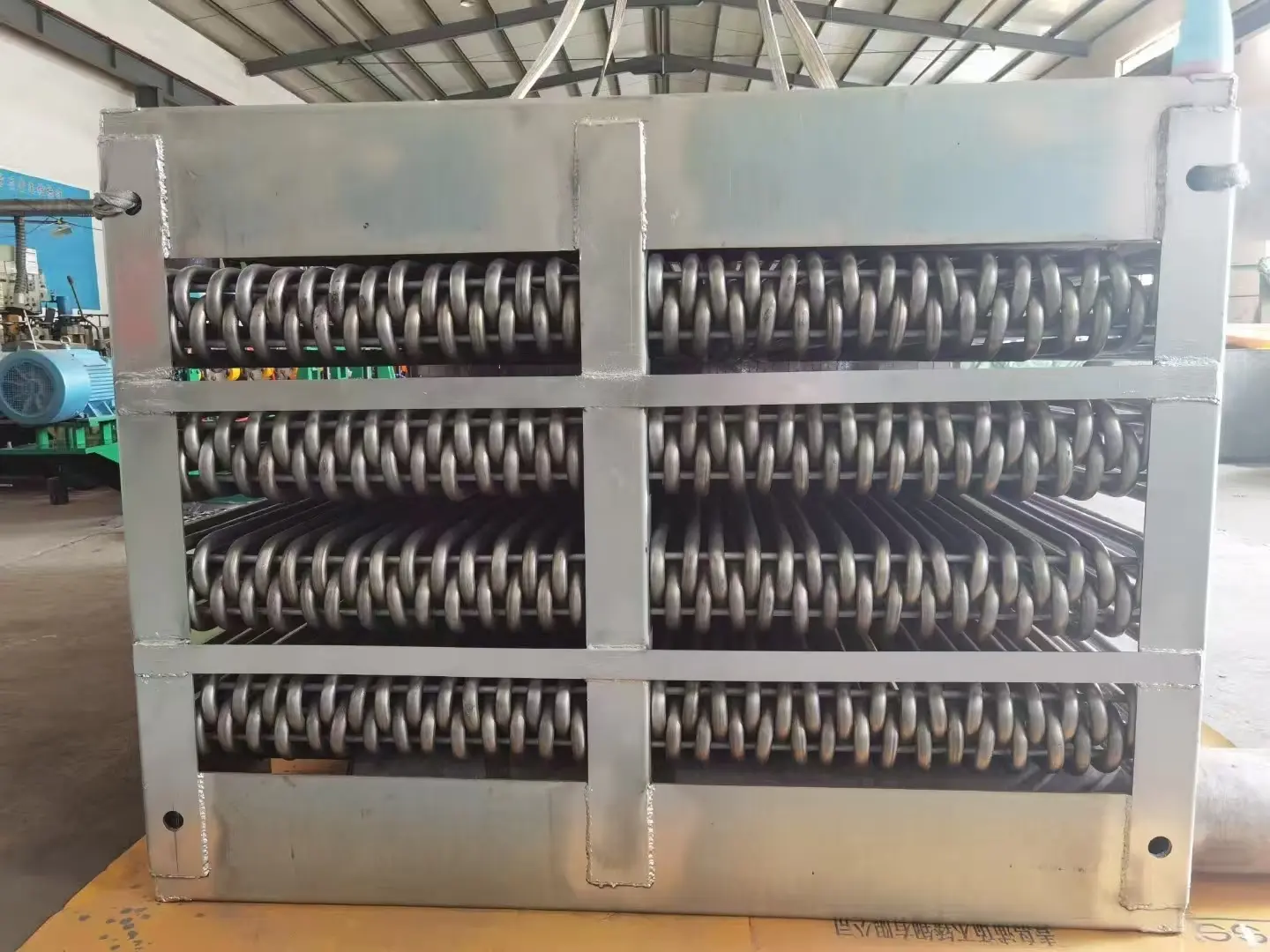 Refrigeration & HVAC
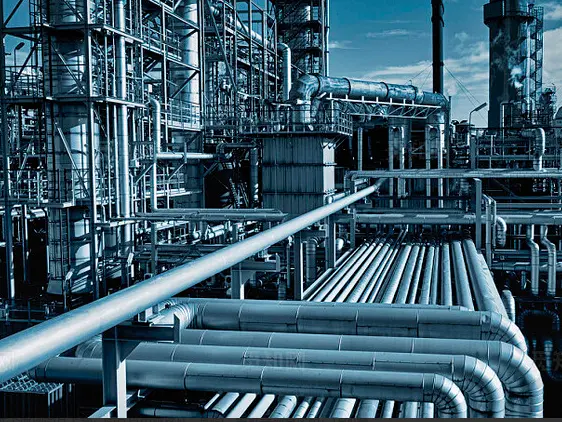 Chemical Plants
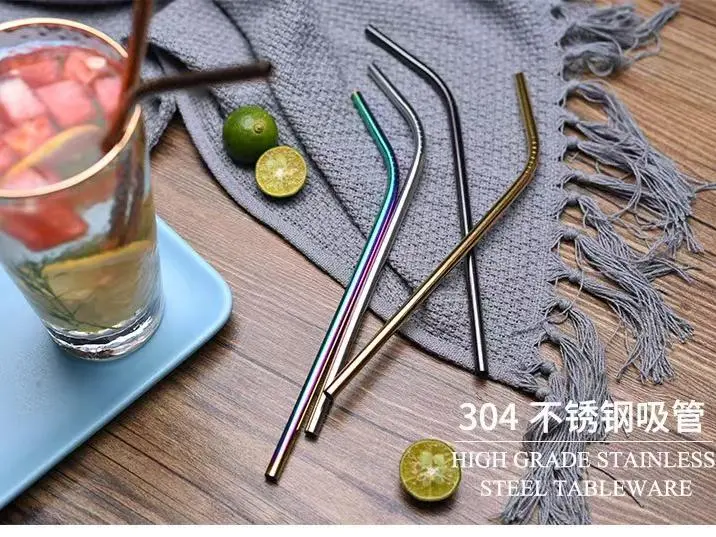 Food & Beverage
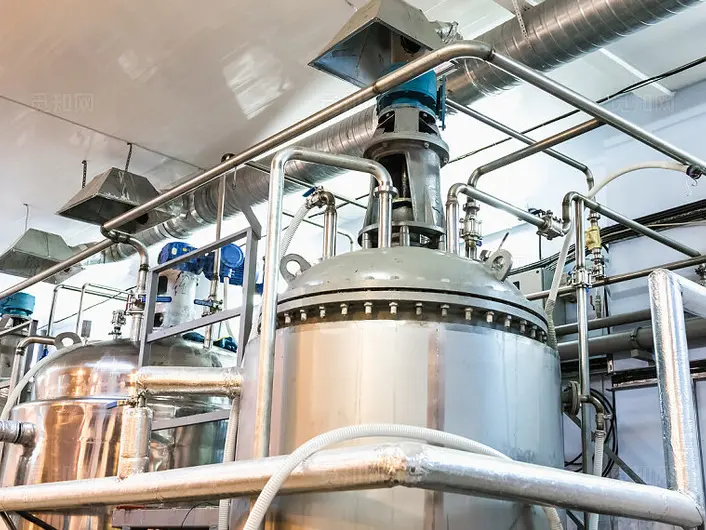 Pharmaceuticals
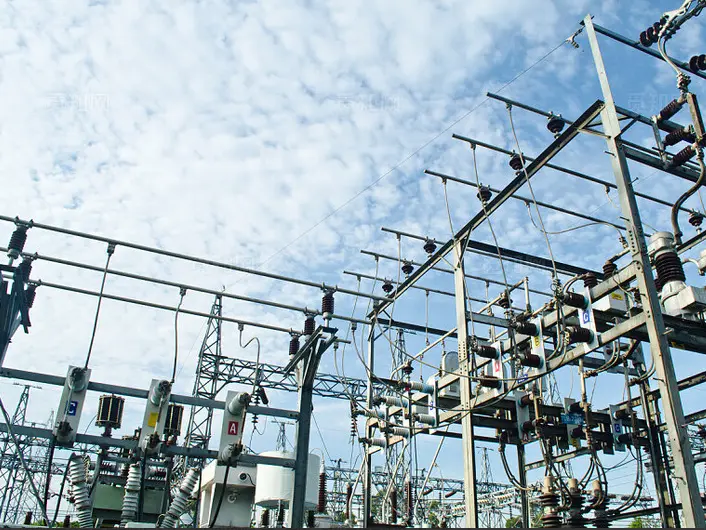 Power & Energy
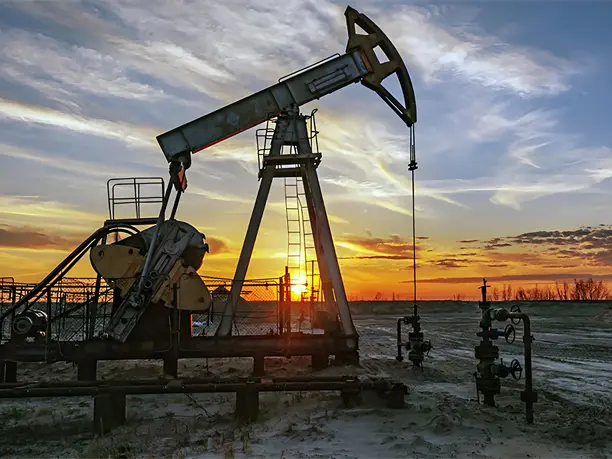 Petrochemicals
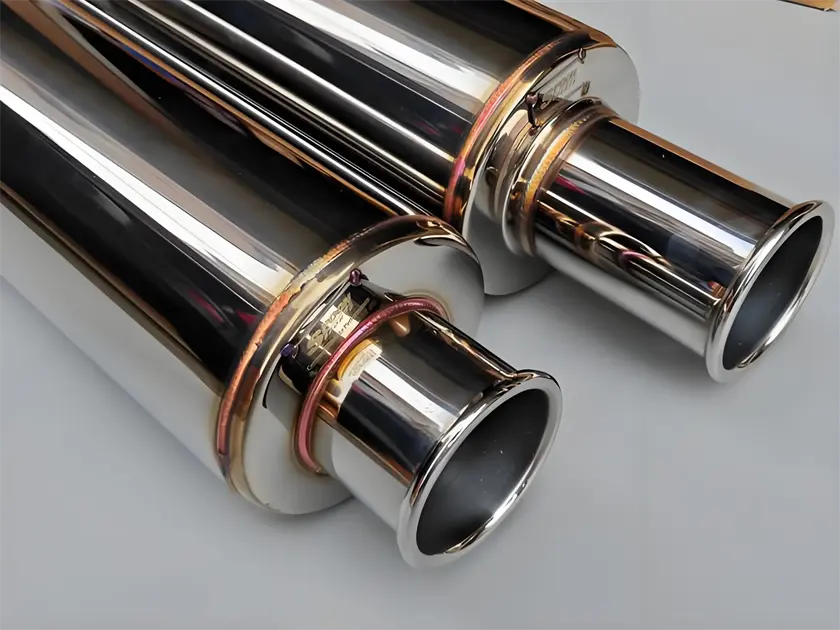 Automotive & Aerospace
The term "polishing" in stainless steel tubes extends far beyond aesthetic appeal. For industrial and automotive applications in Seoul, the surface roughness value (Ra) dictates the fluid dynamics, heat transfer efficiency, and localized corrosion rates. When a 409 tube undergoes precise mechanical polishing, the process removes micro-tears, slag inclusions, and surface scale left behind during the cold drawing phase. A smooth inner surface prevents turbulences in exhaust gases or heat-transfer media, reducing energy losses and thermal stresses within the piping assembly.
Additionally, ferritic stainless steels like 409 can be prone to crevice corrosion if the surface contains microscopic irregularities. By polishing the tube, we minimize the surface area exposed to aggressive chemical agents (such as sulfuric or nitric acid condensates in exhaust systems). This is especially critical when combined with our continuous Bright Annealing process, which ensures the chromium content remains evenly distributed within the metal matrix rather than forming chromium carbides at the grain boundaries (sensitization). The result is a robust, cost-effective tube that bridges the gap between basic carbon steels and high-cost nickel alloys.
Get detailed technical and logistical answers regarding 409 stainless steel polishing tubes and custom orders for Seoul.
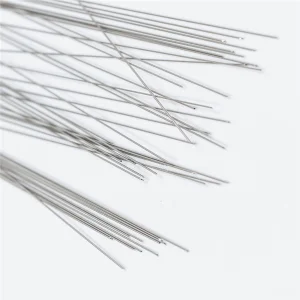
Explore our diverse portfolio of high-precision stainless steel products, coils, plates, and capillary tubes exported globally.
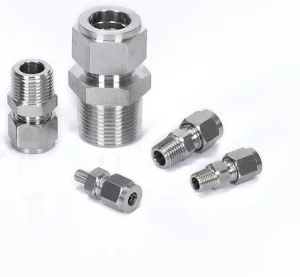
Additional steel products and hardware designed to complete integrated high-pressure systems.
Get in touch with our engineering team today to receive detailed technical advice, tailored drawings, and localized pricing solutions for your projects in Seoul.
Send Inquiry Now