 Sihe Steel
Sihe Steel
Sihe Steel
Explore our leading selection of engineered capillary profiles, heat exchanger tubing, and specialty alloy components
Production Lines
Years Manufacturing Experience
Global Export Countries
Production for Global Markets
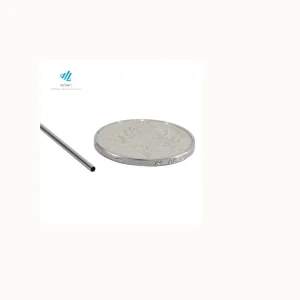
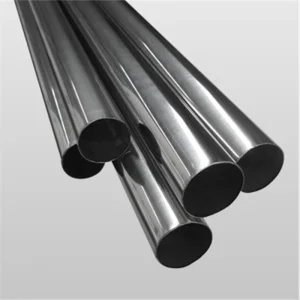
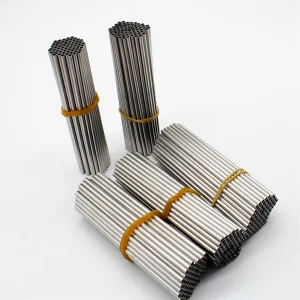
In modern industrial design, the requirements for fluid transportation and sensor execution at high pressures and in aggressive environments demand extraordinary material precision. The 304 stainless steel capillary tube represents a core category of micro-bore pipe engineering, defined by high structural concentricity, superior inner diameter (ID) surface finishes, and strict dimensional tolerances. Typically fabricated with outer diameters spanning from fractional millimeter scales up to several millimeters, these capillary components are indispensable in instrumentation, chromatography, liquid delivery systems, aerospace telemetry, and biomedical applications.
Choosing the correct 304 capillary tube supplier is not simply a transactional procurement choice, but rather a vital architectural decision for system durability. As a prominent austenitic alloy, 304 stainless steel offers a balanced chemistry of chromium (minimum 18%) and nickel (minimum 8%), establishing a stable oxide barrier that prevents localized corrosion. However, achieving precise physical execution—such as consistent inner diameters, optimal tensile profiles, and the absence of microscopic fissures—demands state-of-the-art cold drawing technologies and controlled atmosphere thermal treatments.
SEO & Market Insights: Current industrial trends point to a surging demand for ultra-clean, micro-engineered tubing in semiconductor processing and hydrogen fuel cells. The need for absolute reliability at scale is driving engineers away from standard pipe classes toward specialized mill-run capillary configurations certified under strict global frameworks like ASTM A269 and EN 10216-5.
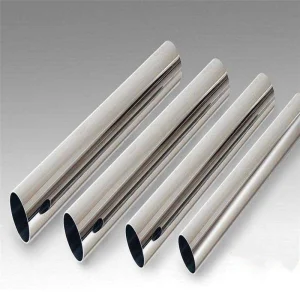
Founded on a commitment to metallurgical innovation, Liaocheng sihe stainless steel material LTD has built a reputation as a leading manufacturer and exporter of stainless steel coiled tubing, seamless capillary tubes, and heat exchanger pipes. Based in China, we manage six specialized production lines designed to meet international manufacturing standards, including GB, ASTM, ASME, JIS, and EN.
Our capabilities range from basic structural alloys to high-performance super-austenitic and nickel-base formulations. Our catalog includes steel types such as 304/304L, 316L, 321, 317L, 309S, 310S, and complex specialty alloys like INCOLOY 800, Austenitic steel 316L, Duplex 2205, Super Duplex 2507, Incoloy 825, and Inconel 625. Designed for heavy-duty applications, our products are engineered to withstand extreme pressures and corrosive environments, from deepwater offshore installations to complex chemical processing chambers.
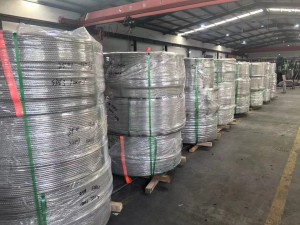
Precision capillary products depend heavily on metallurgical consistency and tight dimensional control. A small deviation in wall thickness or concentricity can cause turbulent flow, fluid stagnation, or system failure under high pressures. Our capillary tubes are manufactured using multi-pass cold drawing techniques, which refine the grain structure, increase tensile strength, and produce smooth interior and exterior surfaces.
| Dimensional Parametrics | Standard Range (Inches) | Standard Range (Metric) | Dimensional Tolerance Thresholds |
|---|---|---|---|
| Outer Diameter (OD) | 0.125" to 1.000" | 3.175 mm to 25.400 mm | ± 0.05 mm (Special customized up to ± 0.01 mm) |
| Wall Thickness (WT) | Up to 0.165" | Up to 3.000 mm | ± 10% (Specialized tolerance up to ± 5%) |
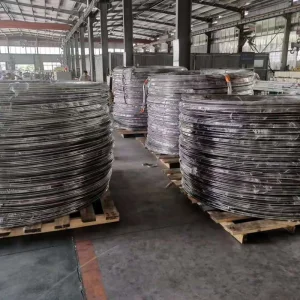
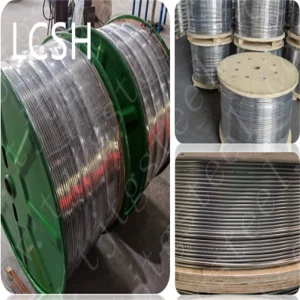
| Continuous Length | Up to 32,800 ft | Up to 10,000 meters | No joints, orbital welds, or structural interruptions |
| Internal Surface Roughness | Ra ≤ 0.4 μm | Ra ≤ 0.4 μm | Optimized via custom electrochemical polishing options |
In petrochemical, oil, and gas applications, extraction takes place in deeper and harsher environments where extreme offshore conditions demand maximum safety. Our technical mission is to help you select and source the appropriate corrosion-resistant alloy for coiled umbilical tubing, ensuring the reliability of your infrastructure. This focus drives our research, development, and continuous processing improvements.
We feature an online bright annealing process that performs heat treatment in a hydrogen atmosphere. This process eliminates internal stresses and softens the tubes without causing surface oxidation or scaling, preserving a bright, clean, and smooth finish.
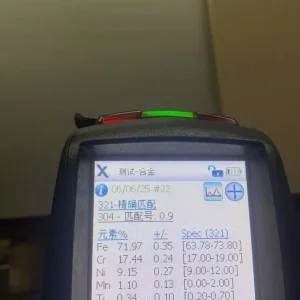
Every batch of our capillary and coiled tubes undergoes thorough non-destructive and mechanical evaluation, including compressed air testing, flaring and bending assessments, hardness testing, tensile strength testing, and 100% pneumatic integrity verification.
Serving over 30 countries and regions, including the United States, Germany, Spain, South America, Southeast Asia, the Middle East, and Eastern Europe, our export logistics are structured to ensure safe delivery and customs compliance.
Providing value-added fabrication to adapt raw metal profiles into ready-to-install components
We work with various grades (304, 316L, 2205) and custom dimensions to meet your specific application needs.
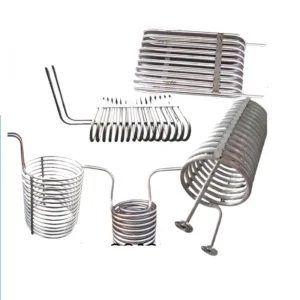
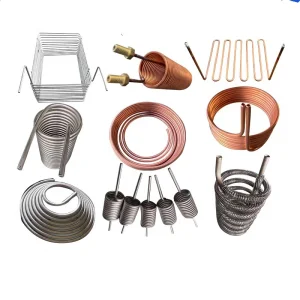
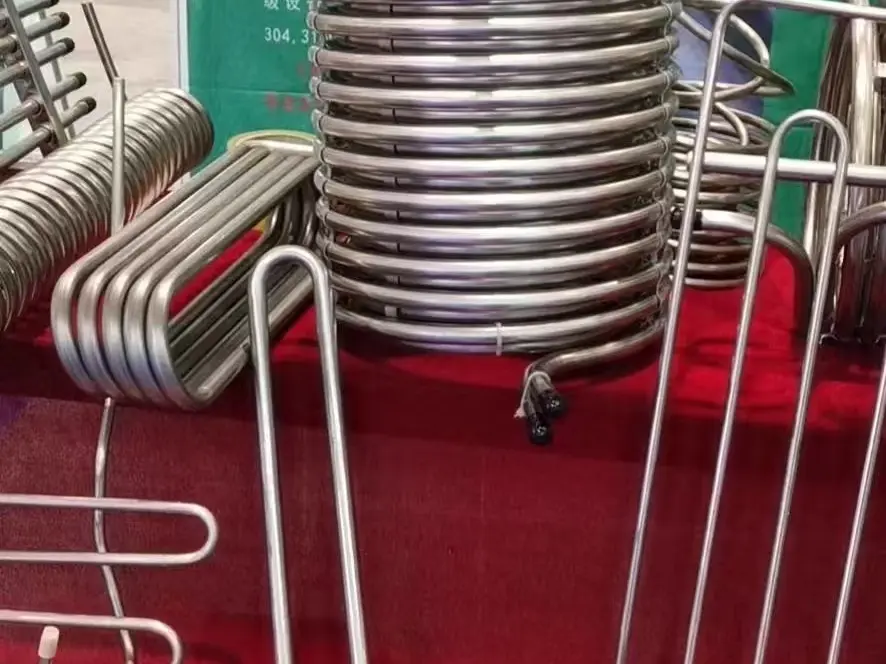
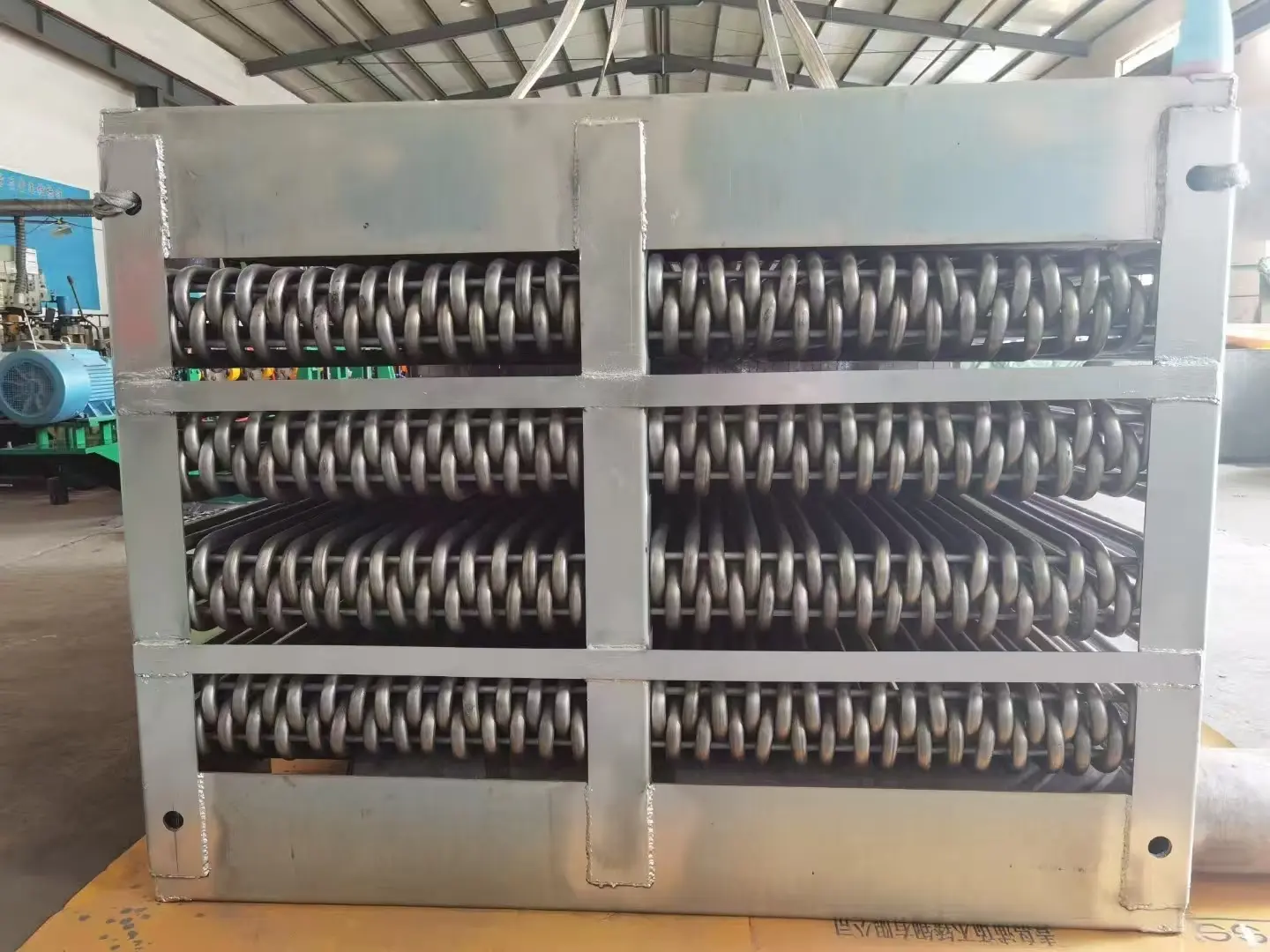
Bending and spiral configuration services designed for compact heat exchangers and complex routing profiles.
We offer laser, mechanical, and flame cutting options for high-precision, burr-free tube ends.
We develop high-cleanliness interior surfaces, including electropolished (EP) finishes, to minimize contamination risks.
Flanging and end-forming services, primarily used in automotive systems, chemical piping, and instrument couplings.
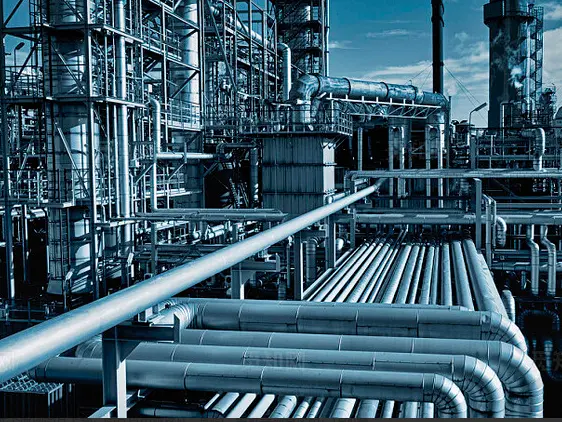
Our high-precision tubing is used across key industries worldwide to support fluidic and thermodynamic performance
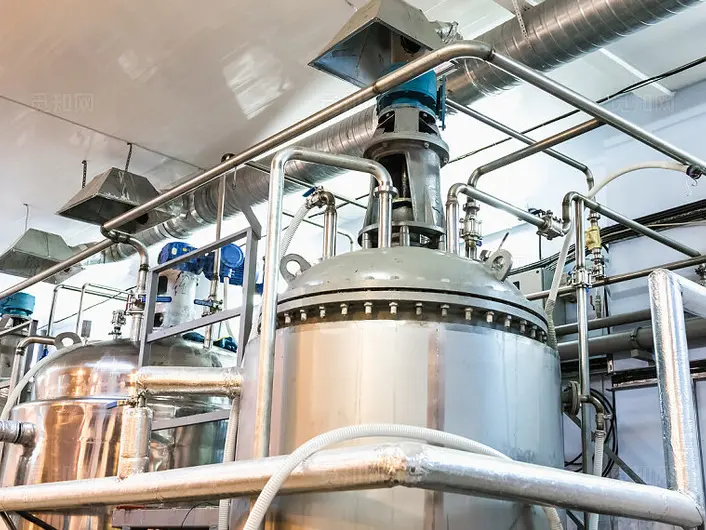
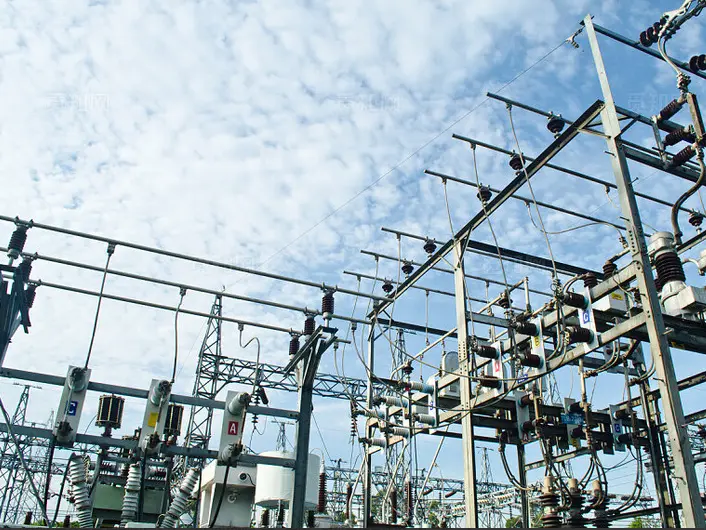
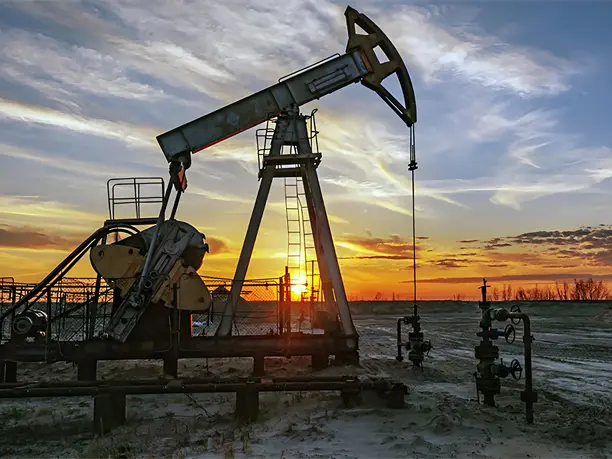
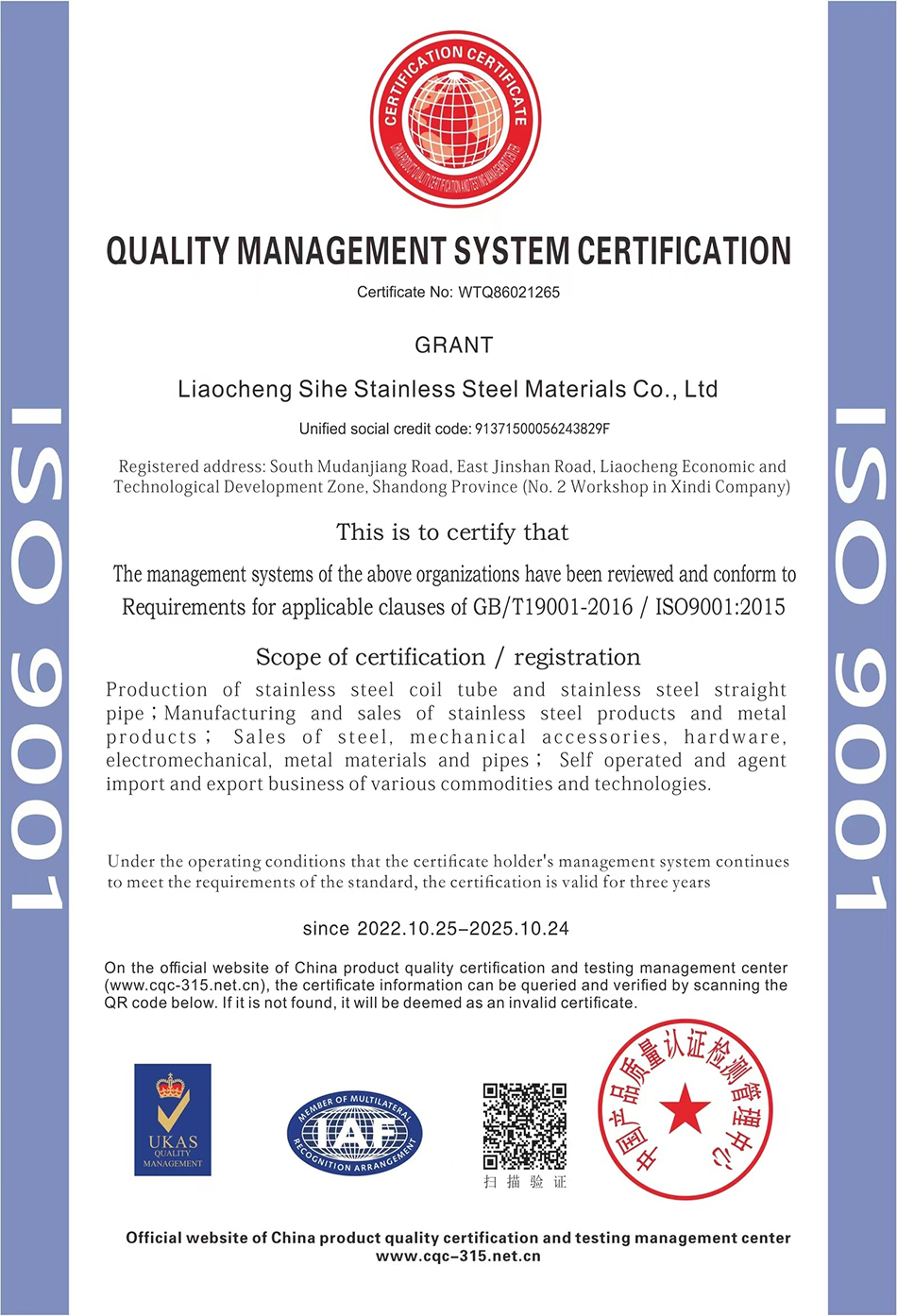
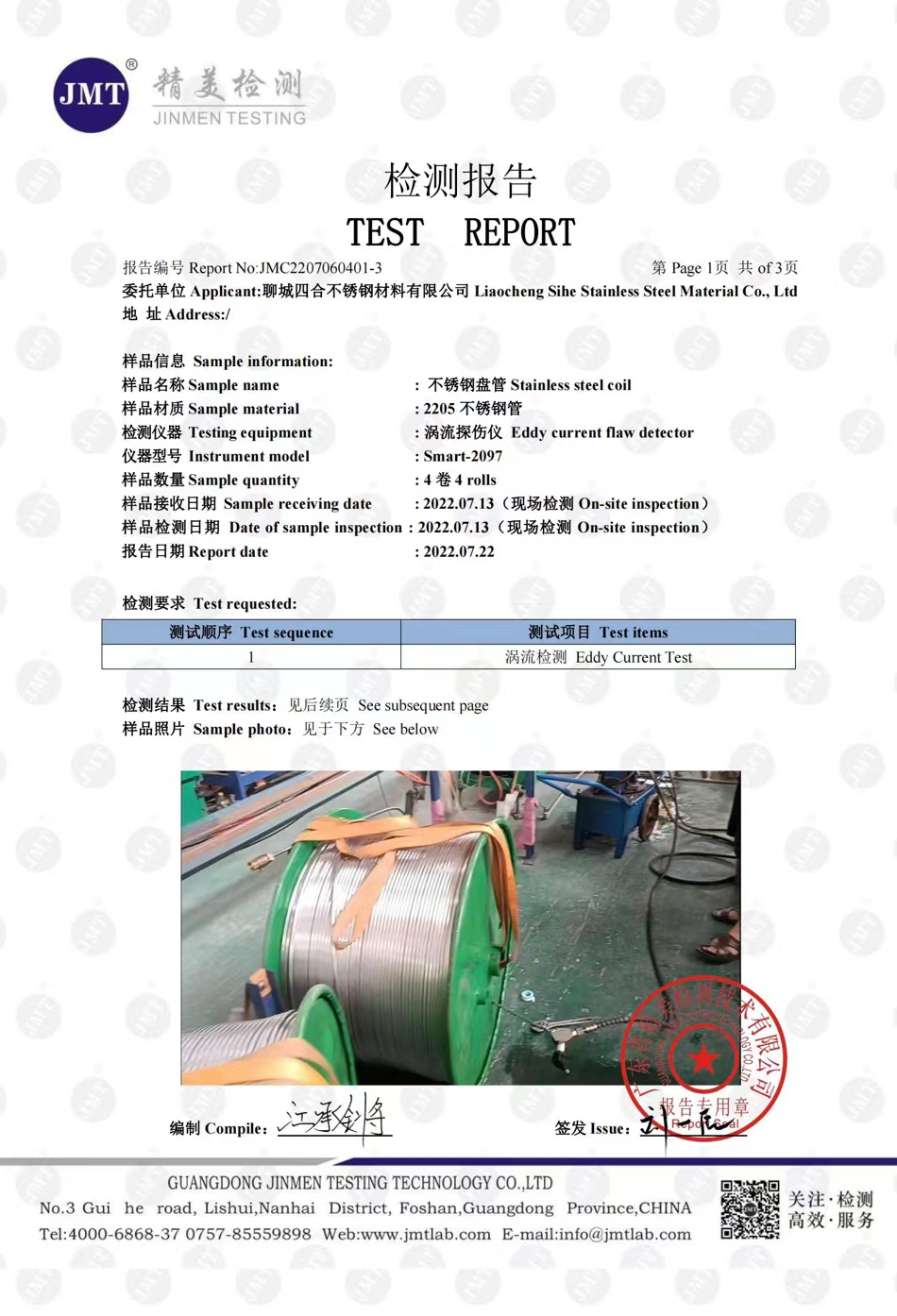
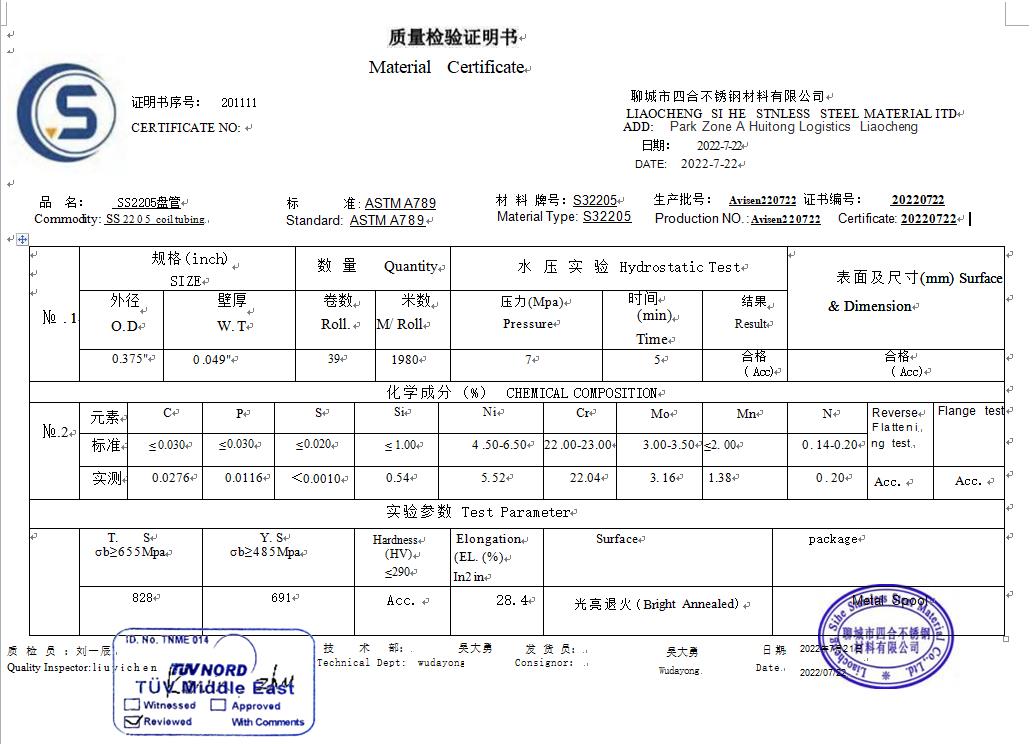
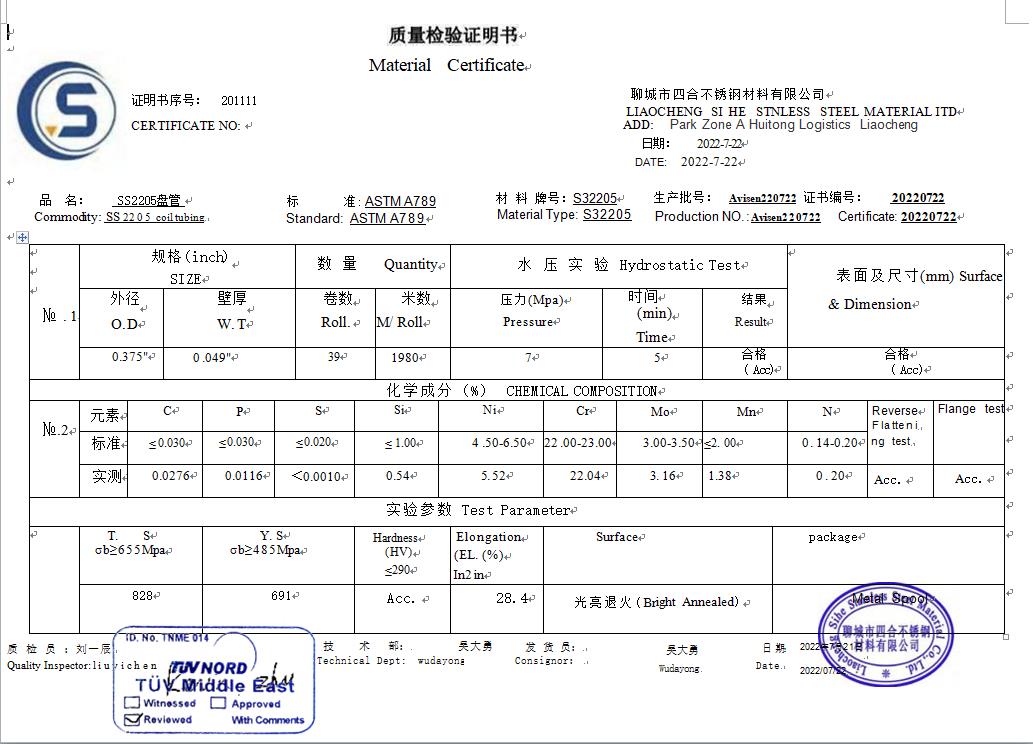
Compliance documentation verifying chemical composition, structural dimensions, and pressure resistance
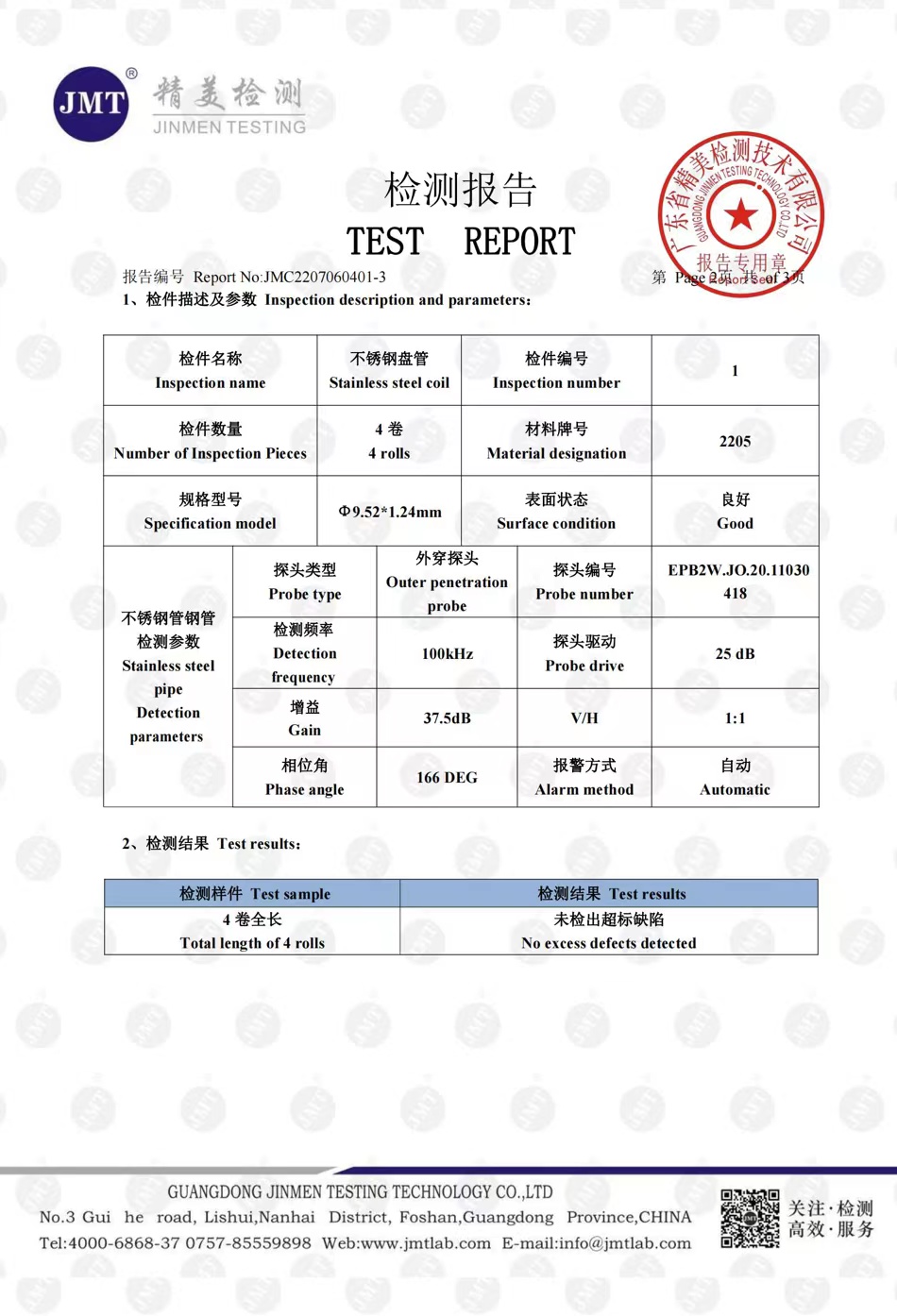
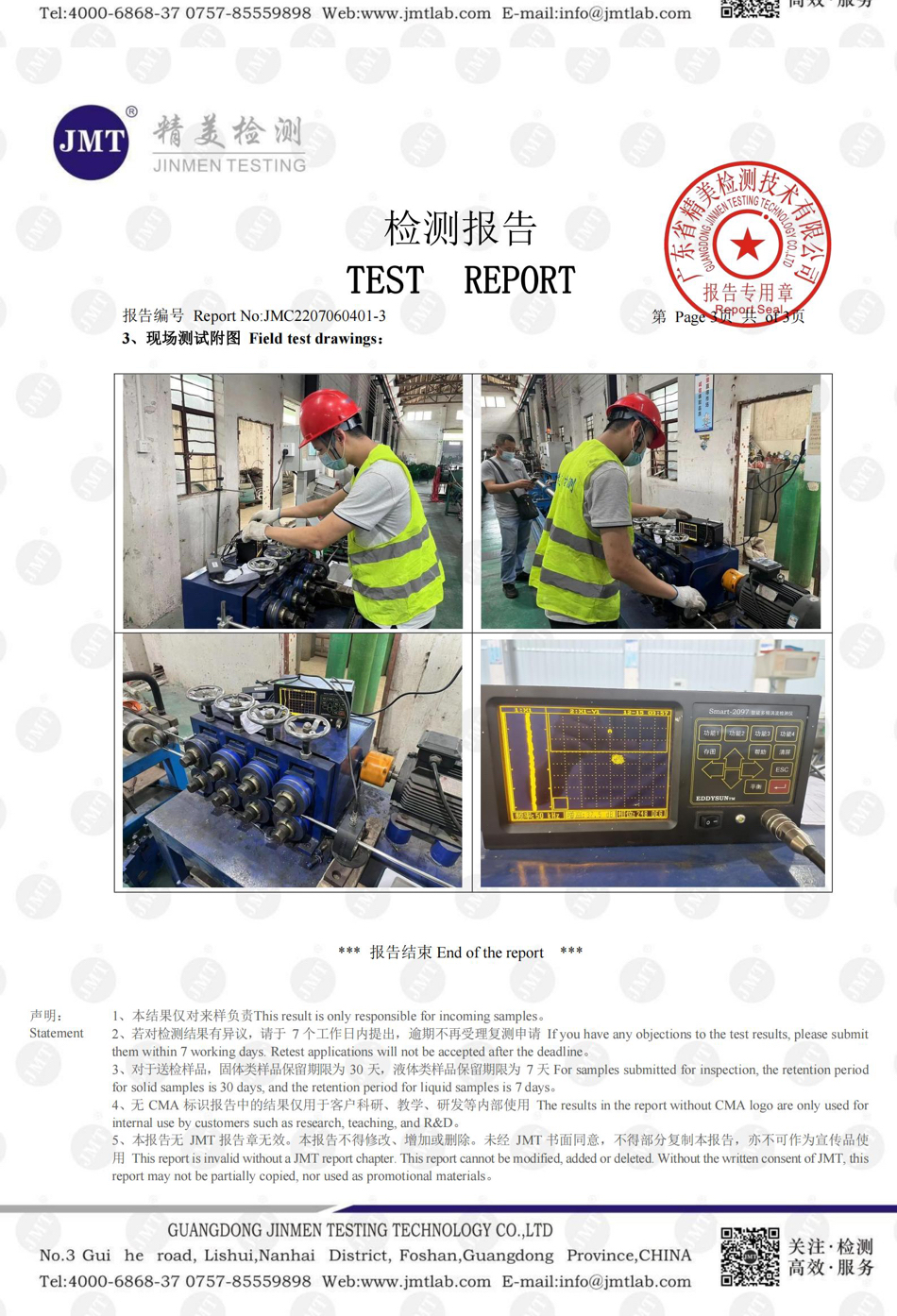
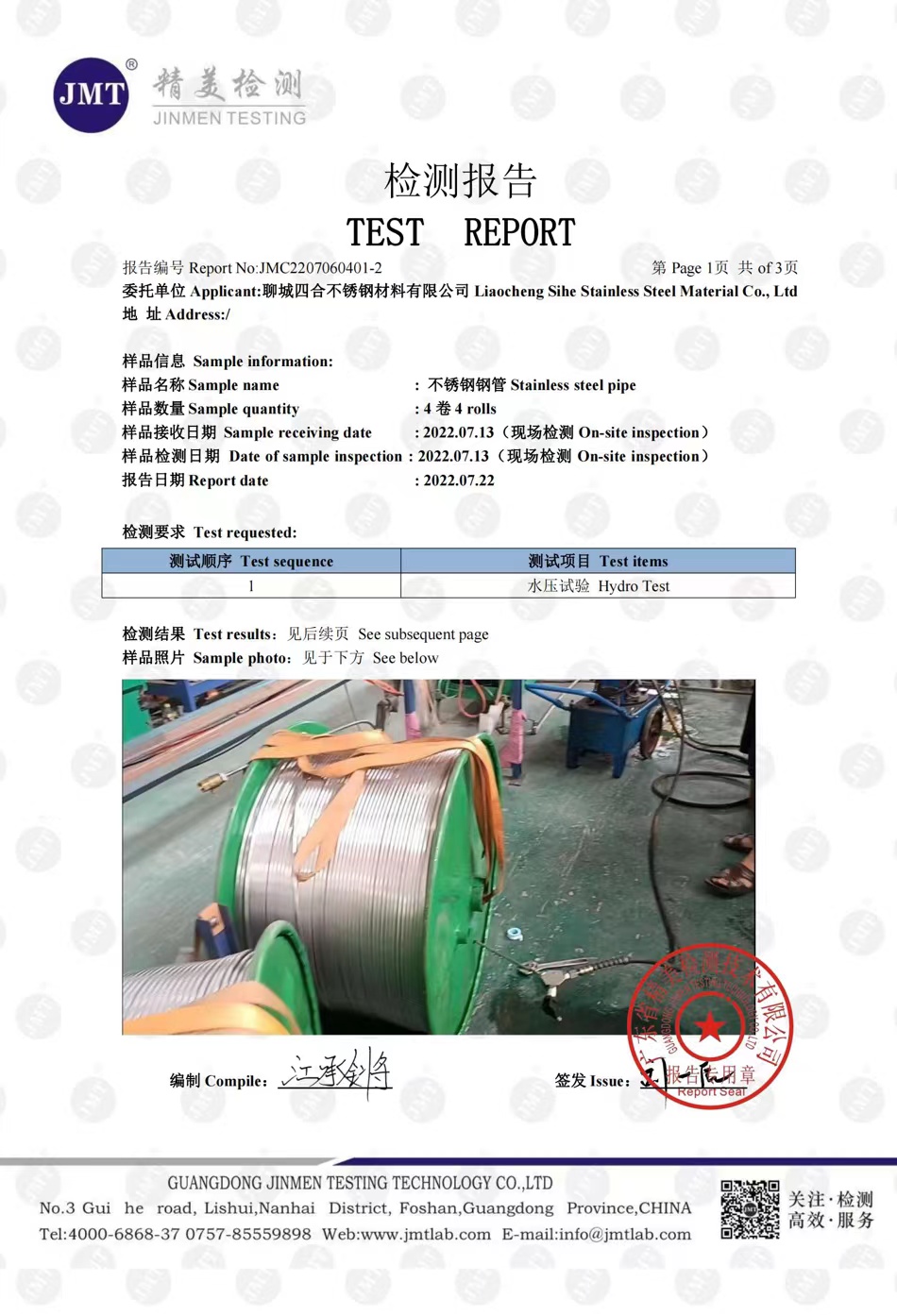
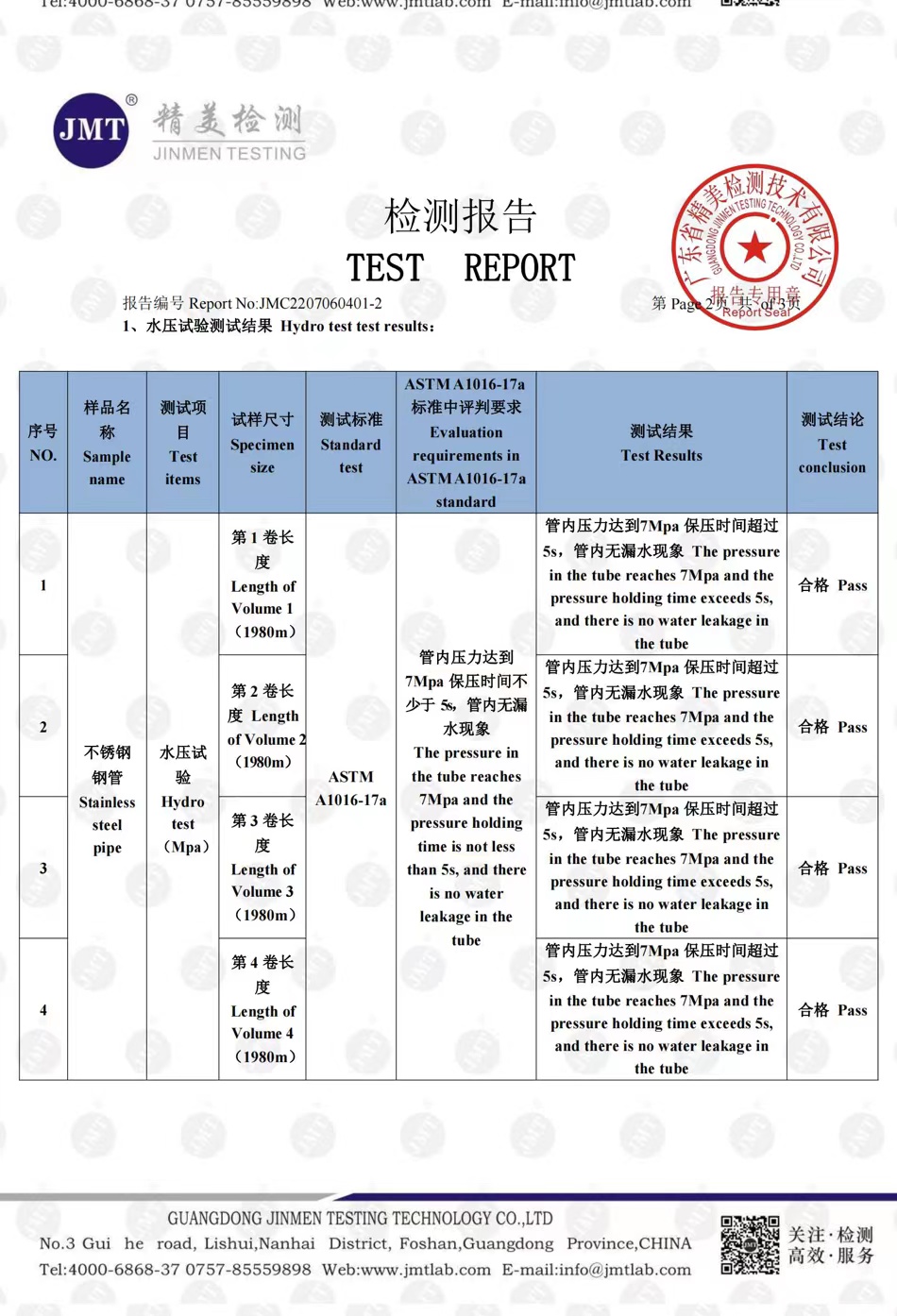
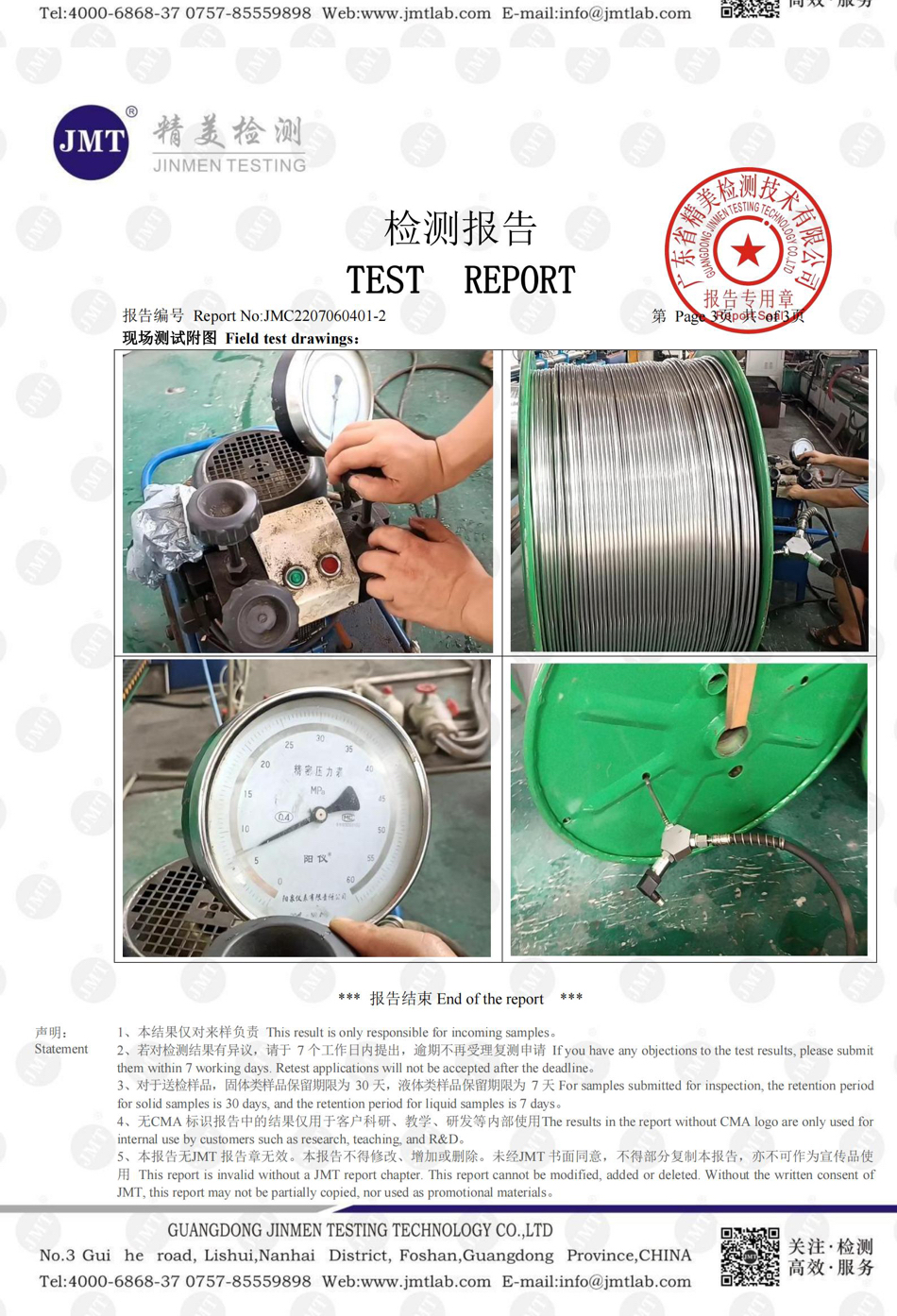
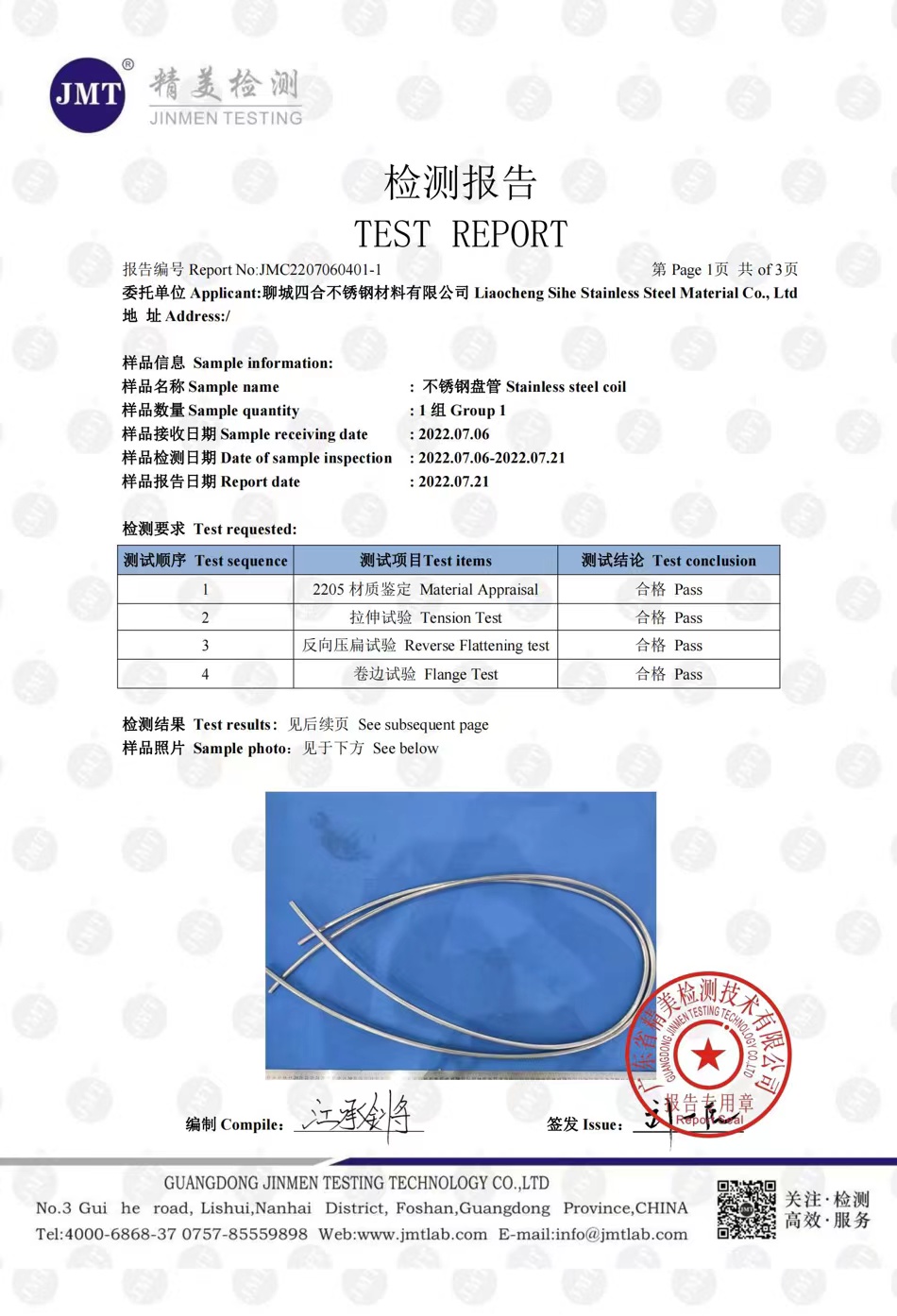
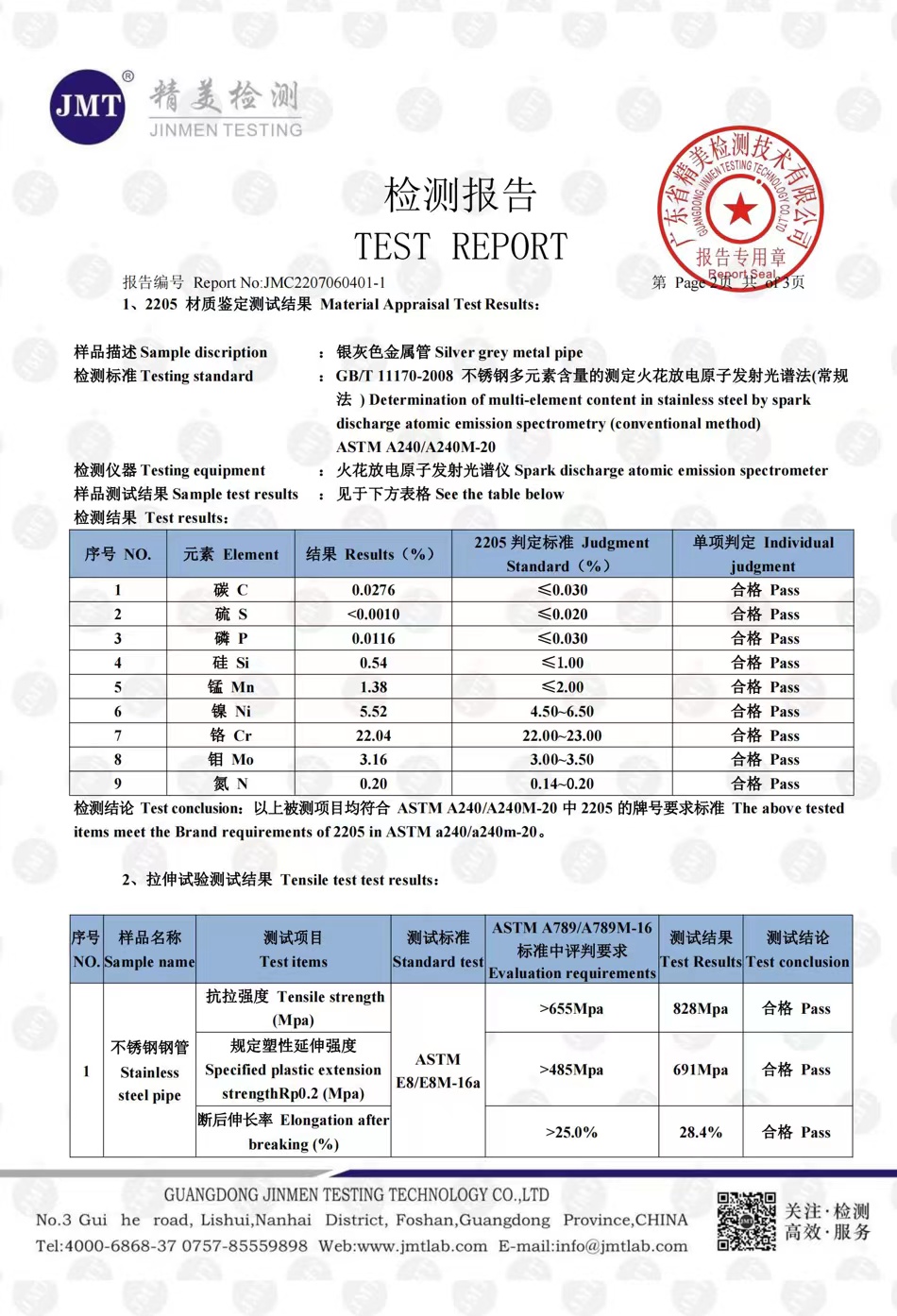
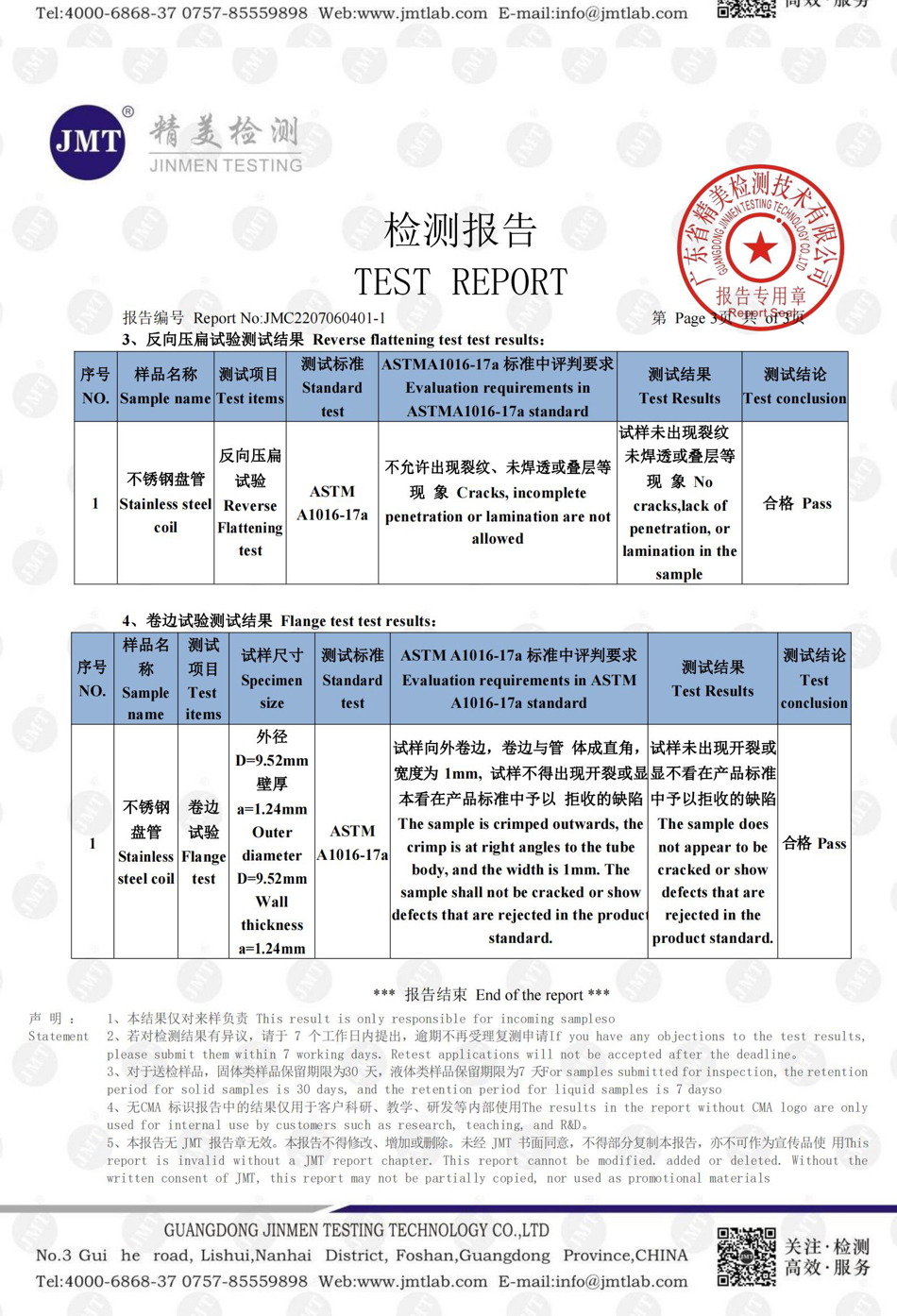
Select from our main product classifications designed for high-performance fluid handling and structural systems
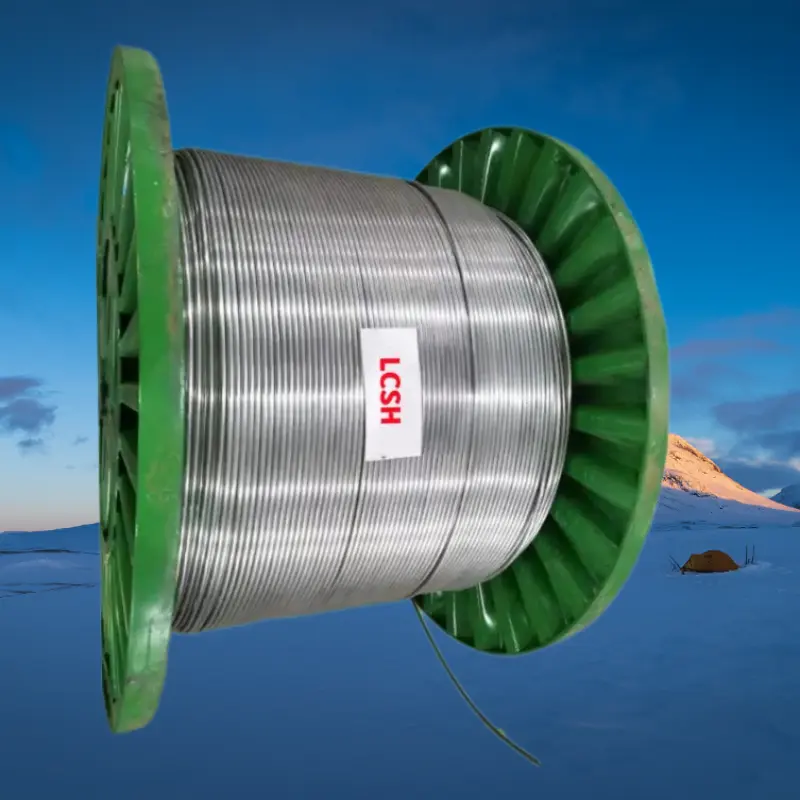
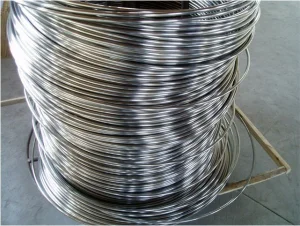
High-strength, continuous tubing in grade 2205 and other duplex alloys for long runs without intermediate welds.
View Details →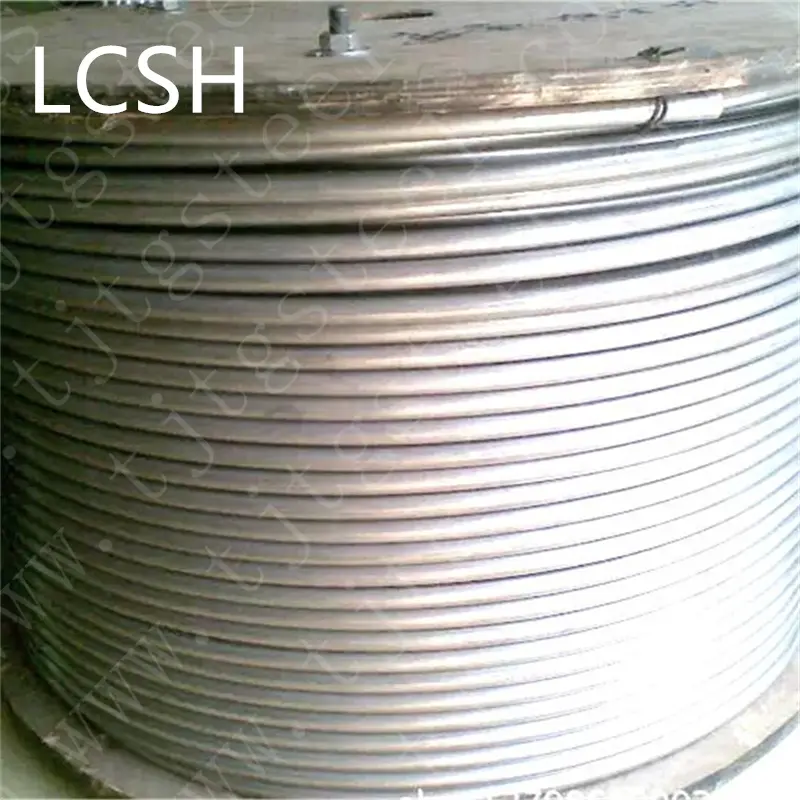
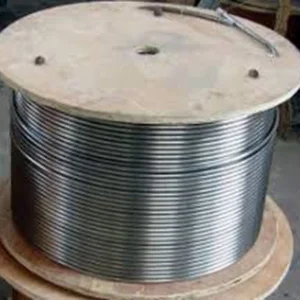
1/2 inch and custom-dimension stainless steel coiled tubing designed to withstand high operational pressures.
View Details →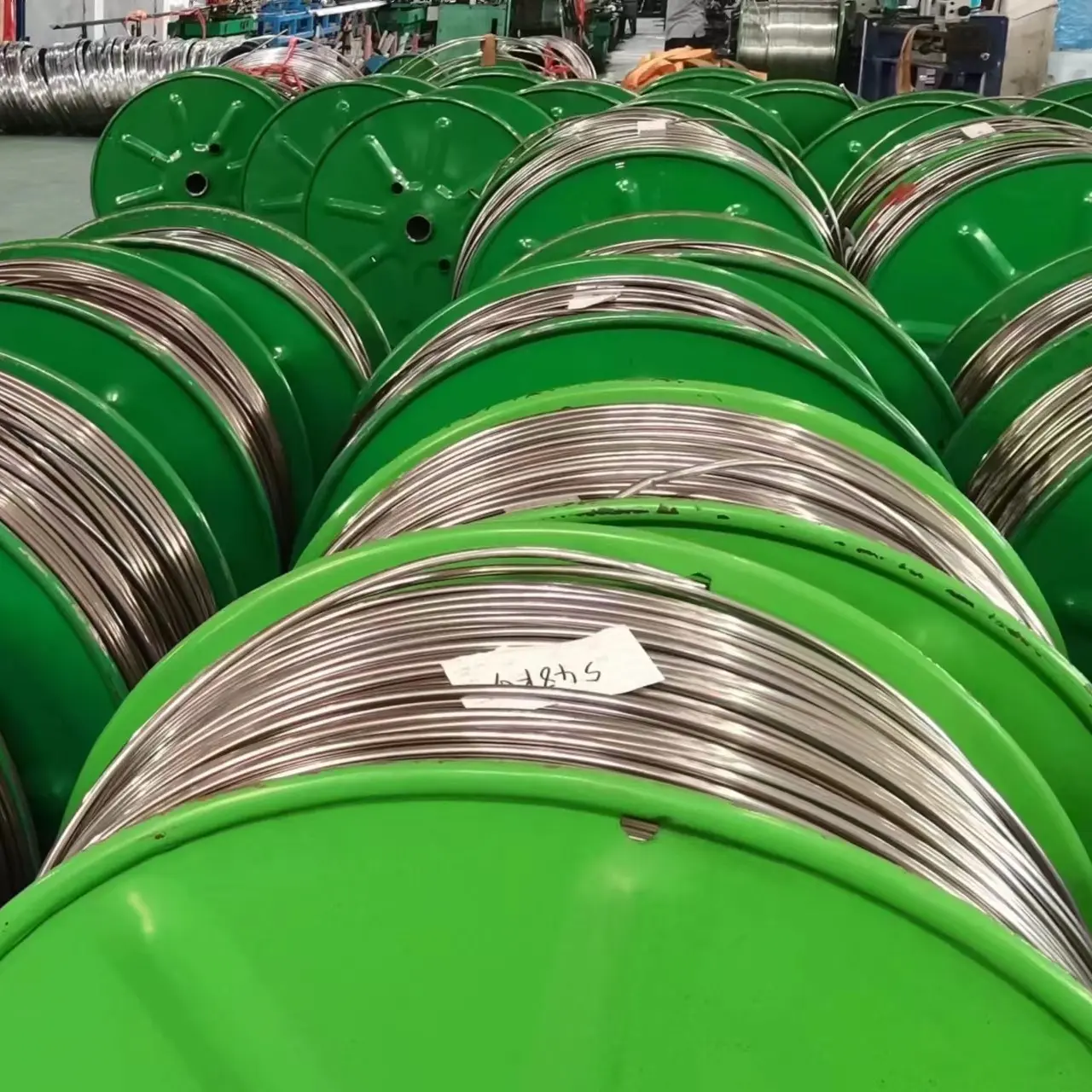
High-temperature resistant alloy coils designed for industrial heat exchangers, boilers, and furnace components.
View Details →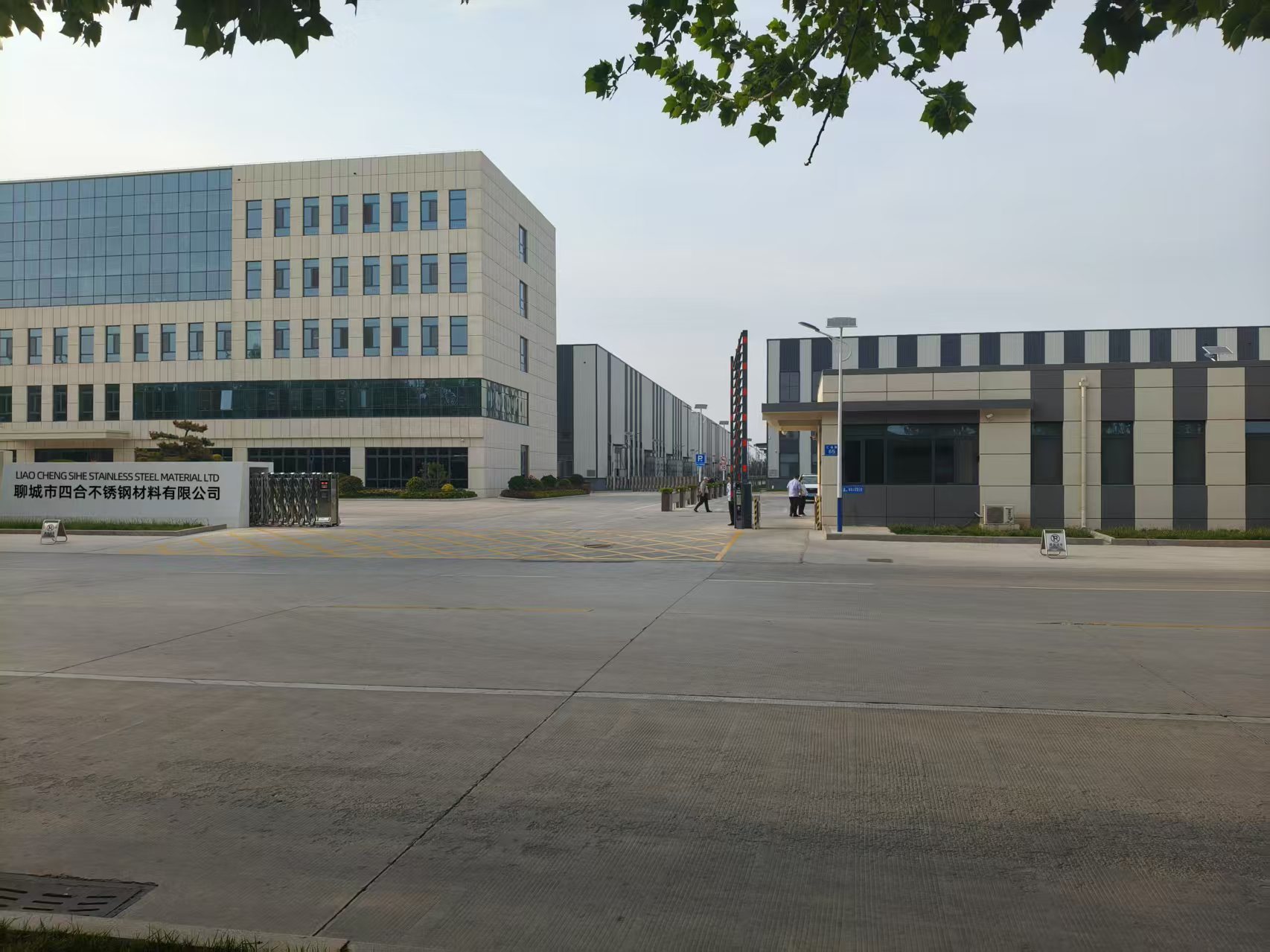
In the current international trade landscape, procurement managers face challenges such as raw material volatility, logistics disruptions, and changing tariff structures. Sourcing 304 capillary tubes from a reliable manufacturer helps mitigate these operational risks. Standardizing production to specifications such as ASTM A269 and EN 10216-5 ensures that products are compatible across global projects, reducing compliance and assembly issues.
Additionally, selecting single-length coiled tubing over segmented straight pipes reduces the risk of joint leaks in subsea or high-vacuum installations. By eliminating mechanical fittings or welds over long distances (up to 10,000 meters), system integrity is significantly improved. This method reduces testing costs and shortens assembly timelines, offering long-term cost benefits for major capital projects.
The global demand for high-purity capillary tubing is driven by growth in analytical sciences, particularly high-performance liquid chromatography (HPLC) and gas chromatography (GC). These applications require tubing with smooth internal surfaces (Ra < 0.2 μm) and minimal chemical activity. Standard cold-drawn tubes may contain trace lubricants or surface oxides, which can affect analytical results. Through advanced bright annealing and electropolishing, these impurities are removed, providing clean paths for sensitive chemical analysis.
In the automotive and aerospace sectors, the shift toward hydrogen fuel systems and micro-hydraulic actuators requires lighter, stronger, and more corrosion-resistant tubing. Specialized 304 and 316L capillary profiles help reduce system weight while maintaining pressure ratings above 600 bar. This performance makes them suitable for modern fuel injection and pressure management systems.
When selecting tubing for high-pressure hydrogen service, material choice is critical to prevent hydrogen embrittlement. While standard carbon steels degrade quickly in these conditions, austenitic alloys like 304 and 316L maintain their mechanical properties. The high nickel content in these grades stabilizes the austenite phase, reducing the diffusion rate of hydrogen atoms through the lattice. Liaocheng Sihe works with customers to choose the proper chemistry and wall thickness for safe, long-term operation in hydrogen applications.
Detailed answers to technical, commercial, and logistics questions about our products
Explore our technical catalog of structural tubes, high-alloy materials, and heat exchanger pipes