 Sihe Steel
Sihe Steel
Sihe Steel
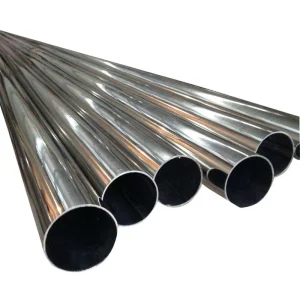
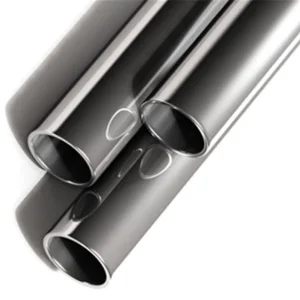
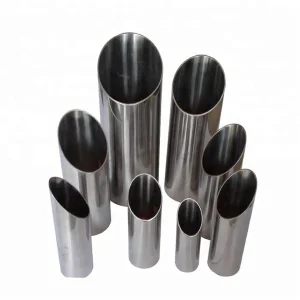
Premium 201 structural grade and general-purpose capillary piping engineered to meet specific European industrial criteria and UNE-EN standards.
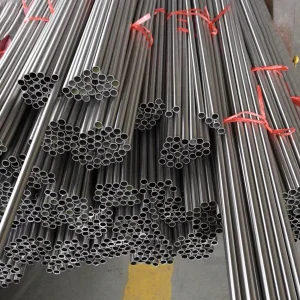
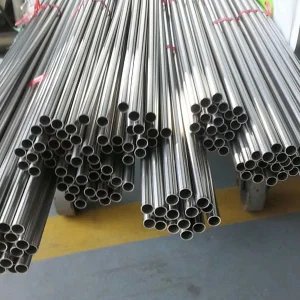
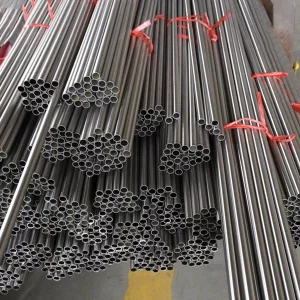
An in-depth structural review of Grade 201 austenitic manganese-nitrogen alloy steel and its viability across Spanish automotive, structural, and mechanical sectors.
The manufacturing sector in Spain—particularly within industrial clusters like the Basque Country, Catalonia, and the automotive hubs in Galicia and Valencia—is facing a transition towards material cost optimization without compromising mechanical reliability. Historically, Grade 304 and 316 were standard selections. However, the high price volatility of nickel has led engineers to analyze high-manganese, nitrogen-alloyed alternatives.
Grade 201 Stainless Steel (UNS S20100) presents a strategic solution. By substituting a significant percentage of nickel with manganese and nitrogen, Grade 201 delivers exceptional yield strength (up to 30% higher than traditional Grade 304) and excellent structural rigidity. For structural trim, interior exhaust components, pneumatic lines, and decorative architecture in non-marine Spanish environments, 201 precision pipes provide a cost reduction of up to 25-30% compared to 304.
To understand the utility of 201 precision pipes, we must evaluate its chemical composition. The introduction of nitrogen acts as a powerful interstitial solid solution strengthener, which significantly raises the yield strength of the austenitic matrix. Below is a comparative table showing the chemical limits of 201 versus standard grades 304 and 316, highlighting the structural trade-offs.
| Grade | Carbon (C) % | Manganese (Mn) % | Chromium (Cr) % | Nickel (Ni) % | Nitrogen (N) % | Yield Strength (MPa) |
|---|---|---|---|---|---|---|
| AISI 201 | ≤ 0.15 | 5.5 - 7.5 | 16.0 - 18.0 | 3.5 - 5.5 | ≤ 0.25 | ≥ 310 |
| AISI 304 | ≤ 0.08 | ≤ 2.0 | 18.0 - 20.0 | 8.0 - 10.5 | ≤ 0.10 | ≥ 205 |
| AISI 316 | ≤ 0.08 | ≤ 2.0 | 16.0 - 18.0 | 10.0 - 14.0 | ≤ 0.10 | ≥ 290 (with Mo) |
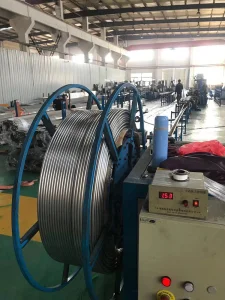
From China, we operate six highly automated production lines specializing in high-precision stainless steel coiled tubes, capillary tubes, and heat exchanger pipes. We manufacture following strict production guidelines, adhering to international standards including GB, ASTM, ASME, JIS, and EN.
Our raw material sourcing encompasses premium grades: 304/304L, 316L, 321, 317L, 309S, 310S, and INCOLOY 800, alongside specialty alloys like Duplex 2205, Super Duplex 2507, Incoloy 825, and Inconel 625.
Our facilities utilize advanced online bright annealing technologies to ensure uniform microstructures and oxide-free finishes. Backed by rigorous quality tests—including flare testing, flattening, 100% pneumatic testing, hydraulic checks, and hardness profiling—we guarantee our products withstand extreme operating conditions.
Connect with our Engineering Team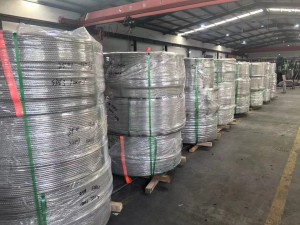
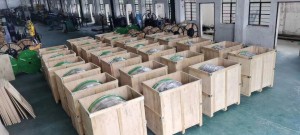
Our commitment to rigorous testing parameters and international manufacturing methodologies guarantees structural compliance on every delivery to the Spanish mainland.
Online bright annealing uses hydrogen atmosphere protection to heat-treat stainless steel pipes without oxidation, maintaining a smooth, high-precision ID/OD finish.
Smooth customs clearance and fast transport solutions servicing major Spanish ports including Valencia, Barcelona, Bilbao, and Algeciras with fully standardized transit documentation.
Complete quality verification protocols including flaring, hydraulic tightness, micro-hardness distribution, and air pressure tests to prevent micro-fissure occurrences.
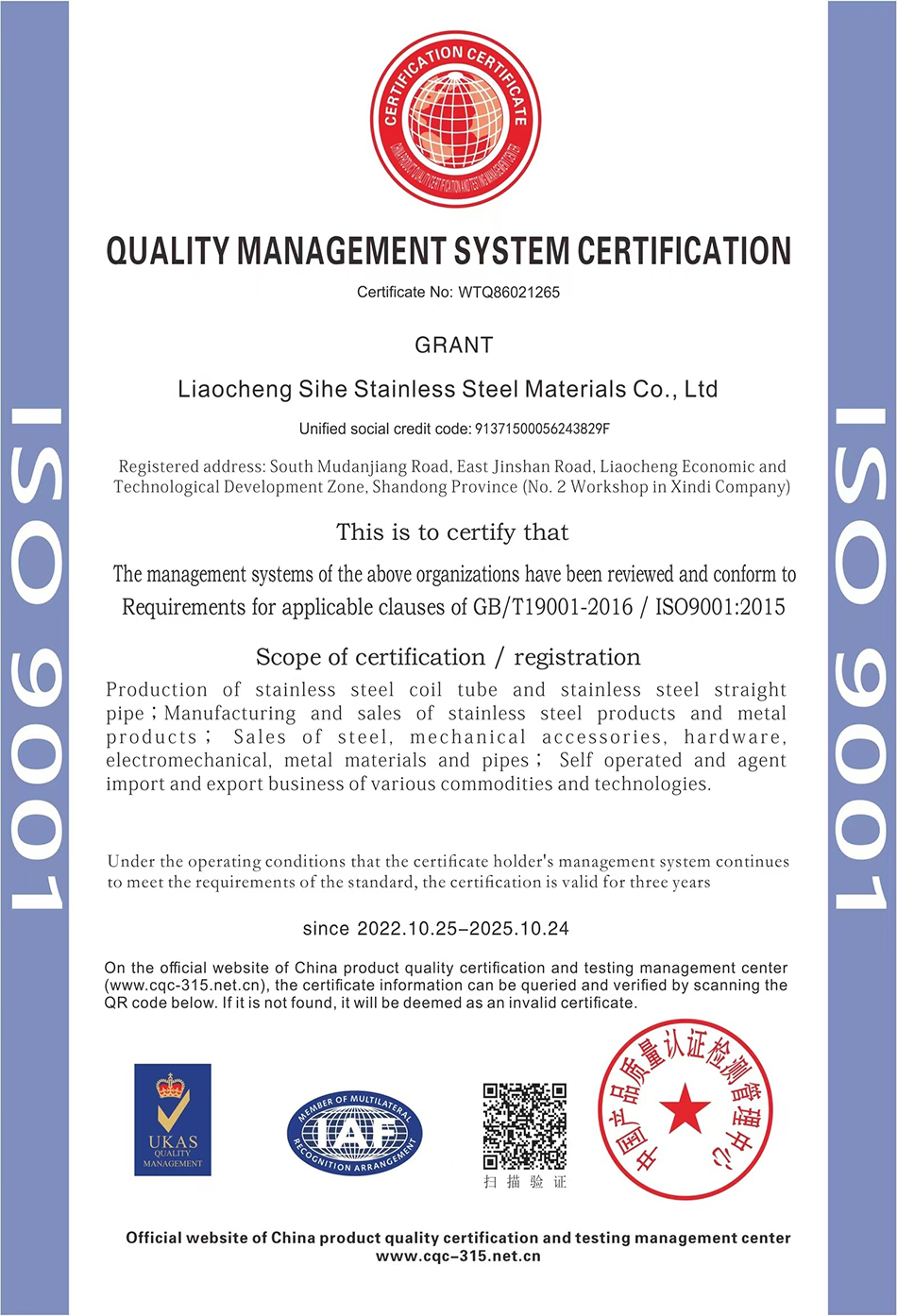
Our production workflows are certified to meet major international standards. View our quality assurance certificates supporting our global export activities.
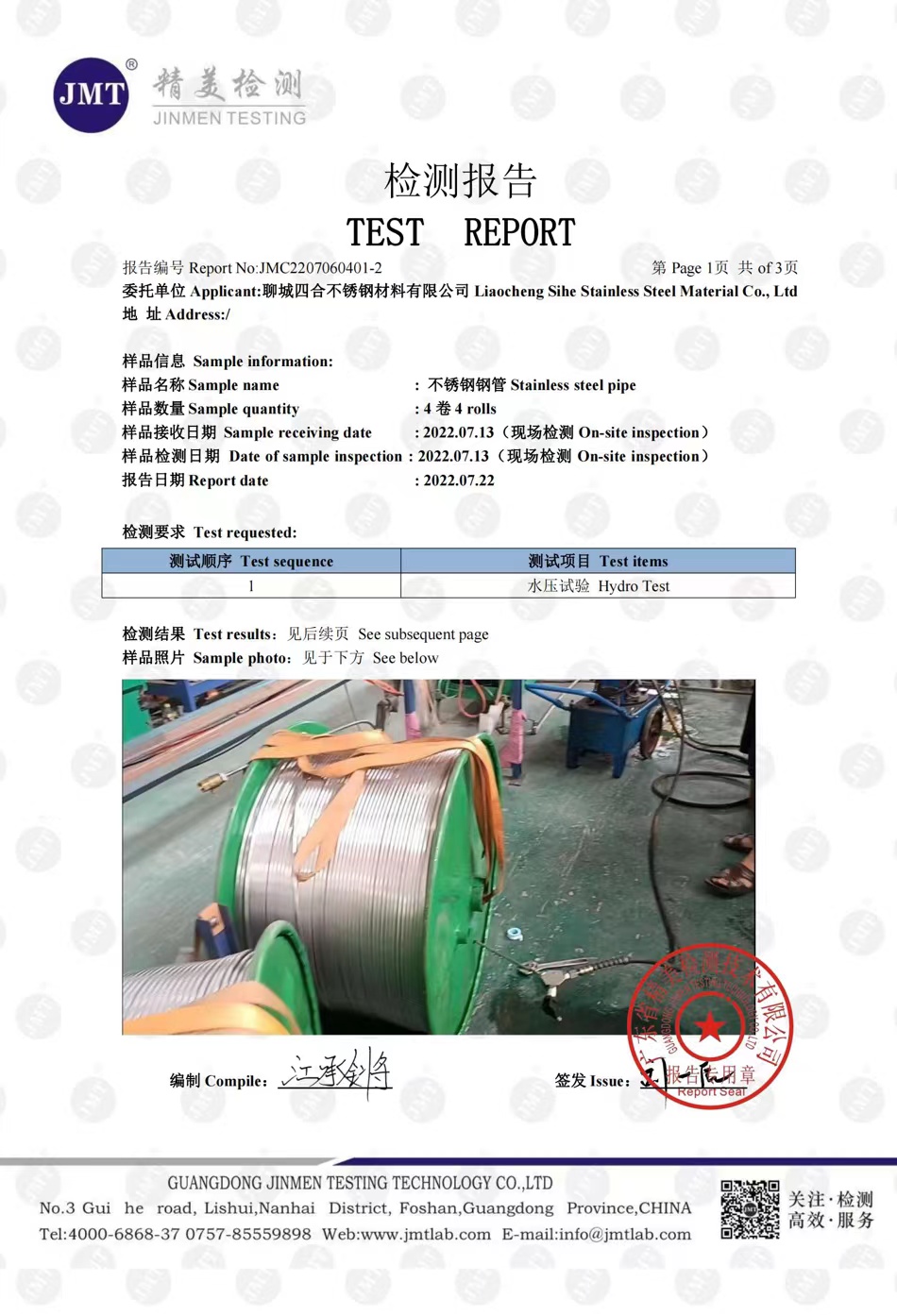
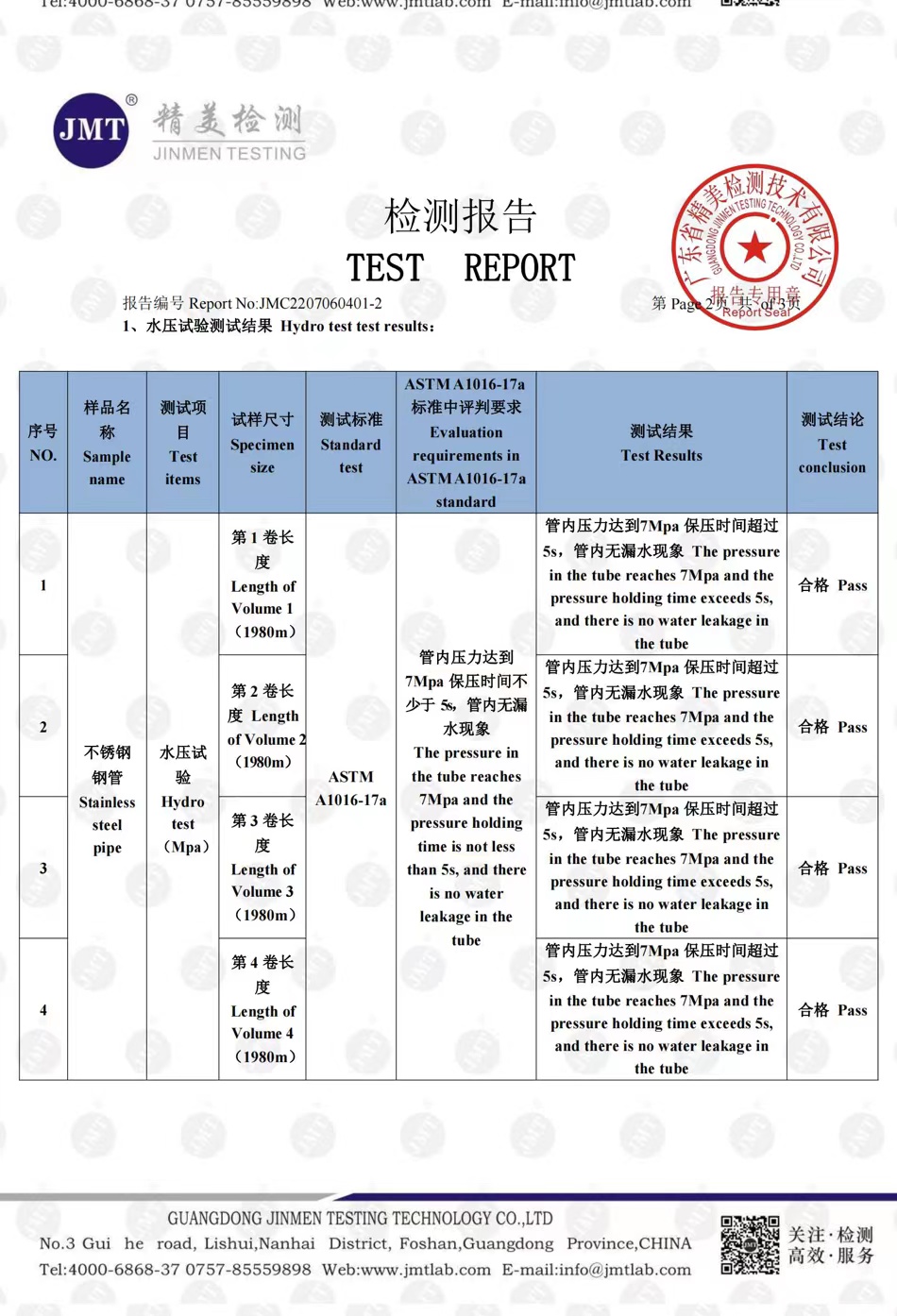
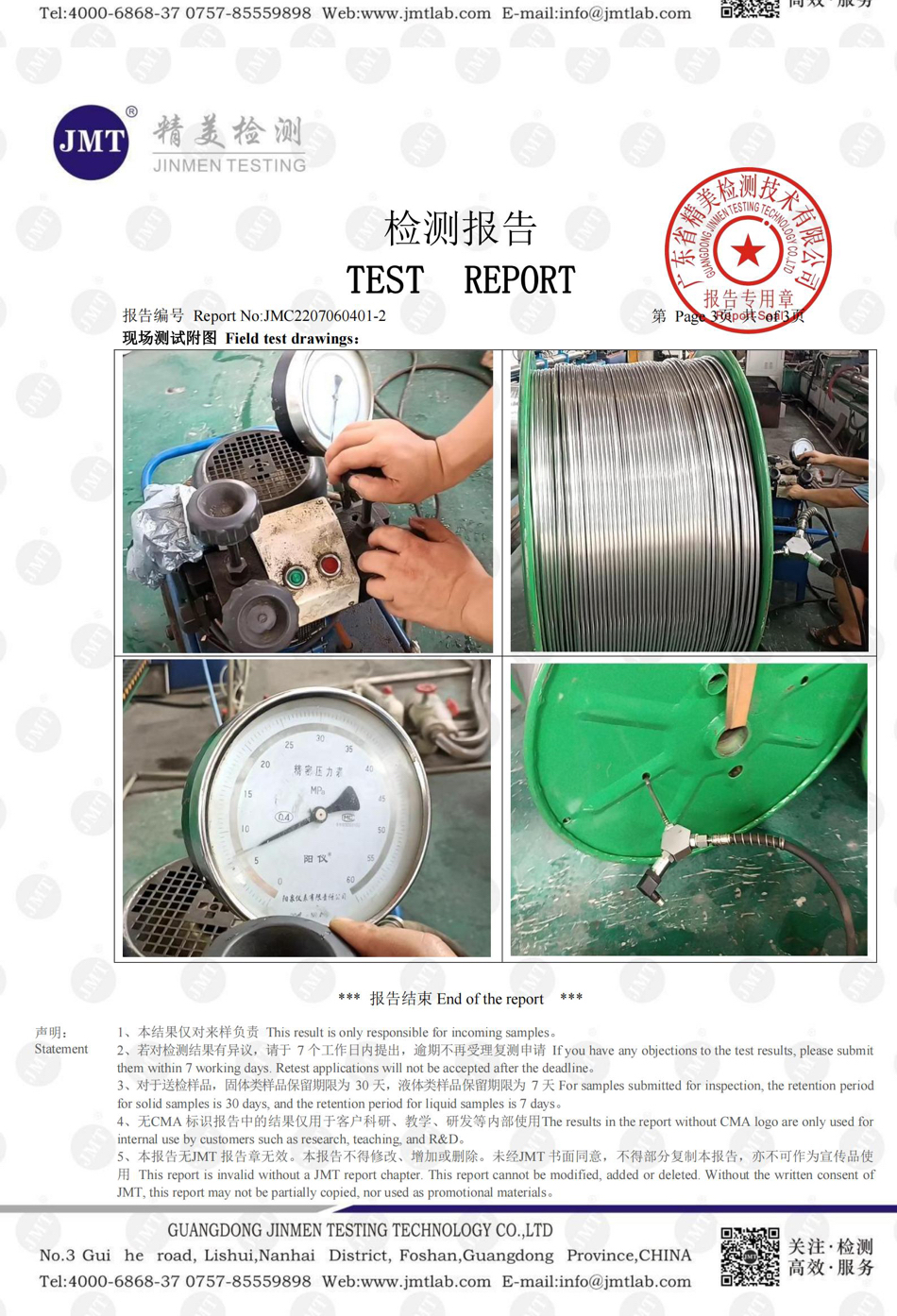
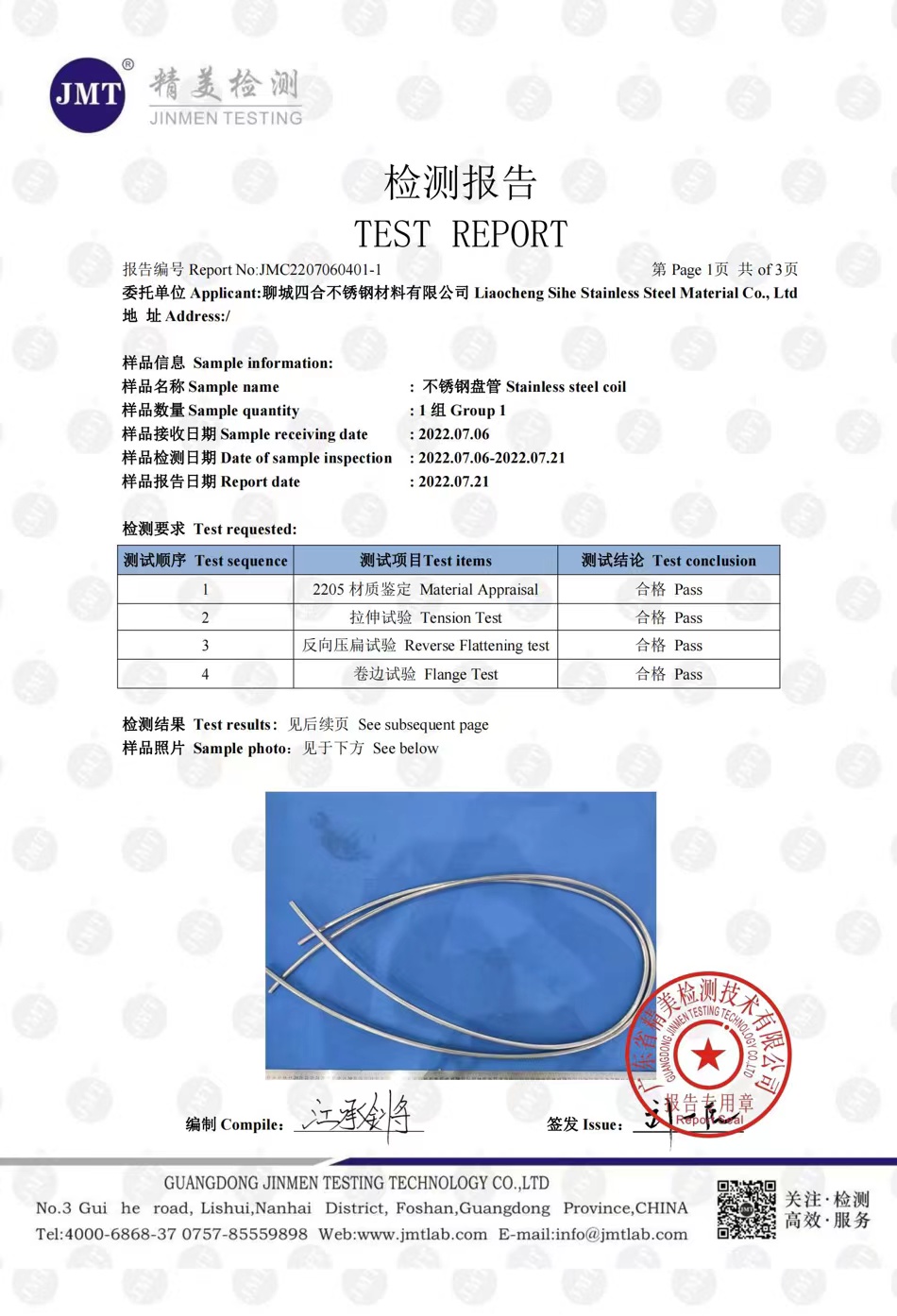
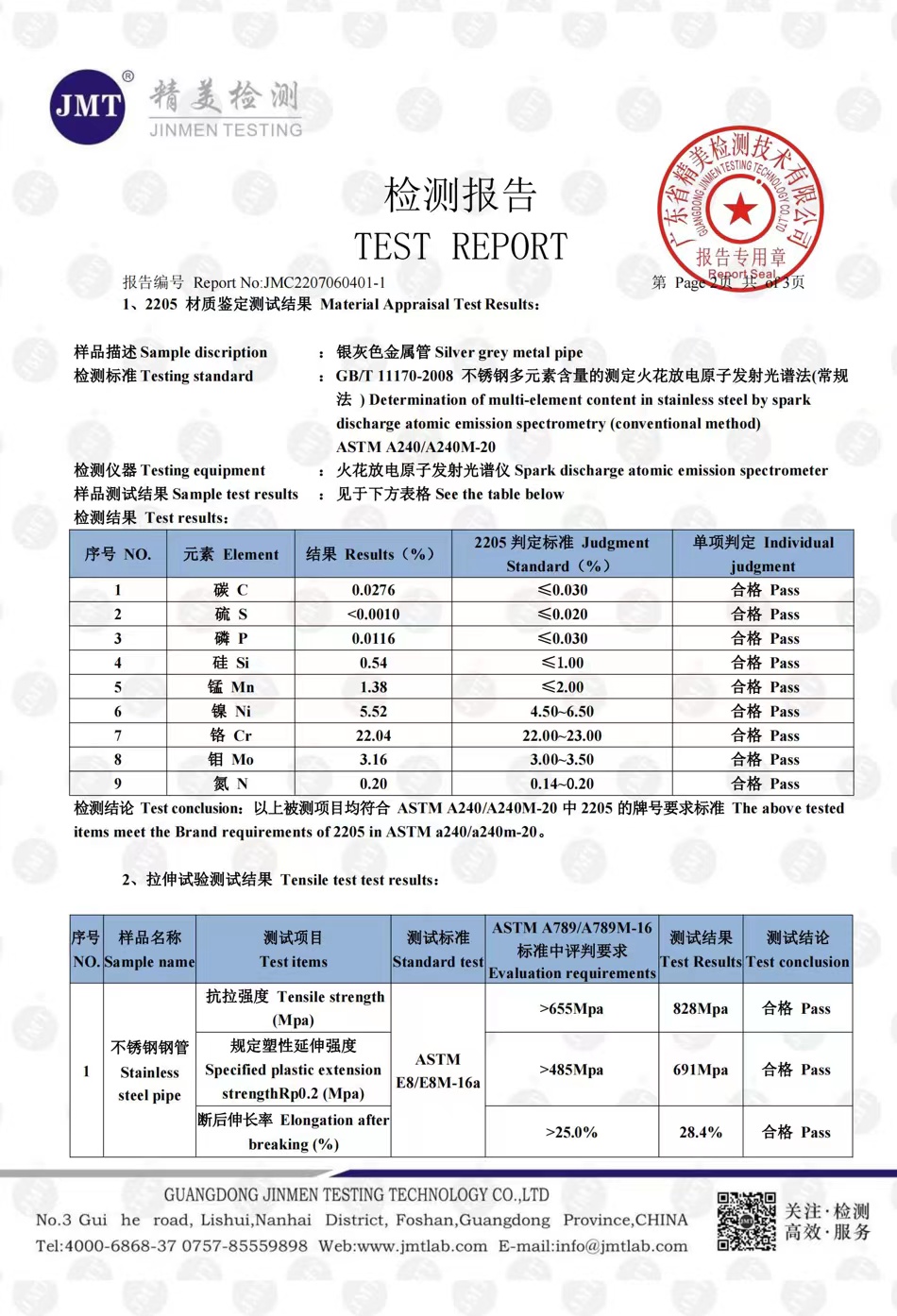
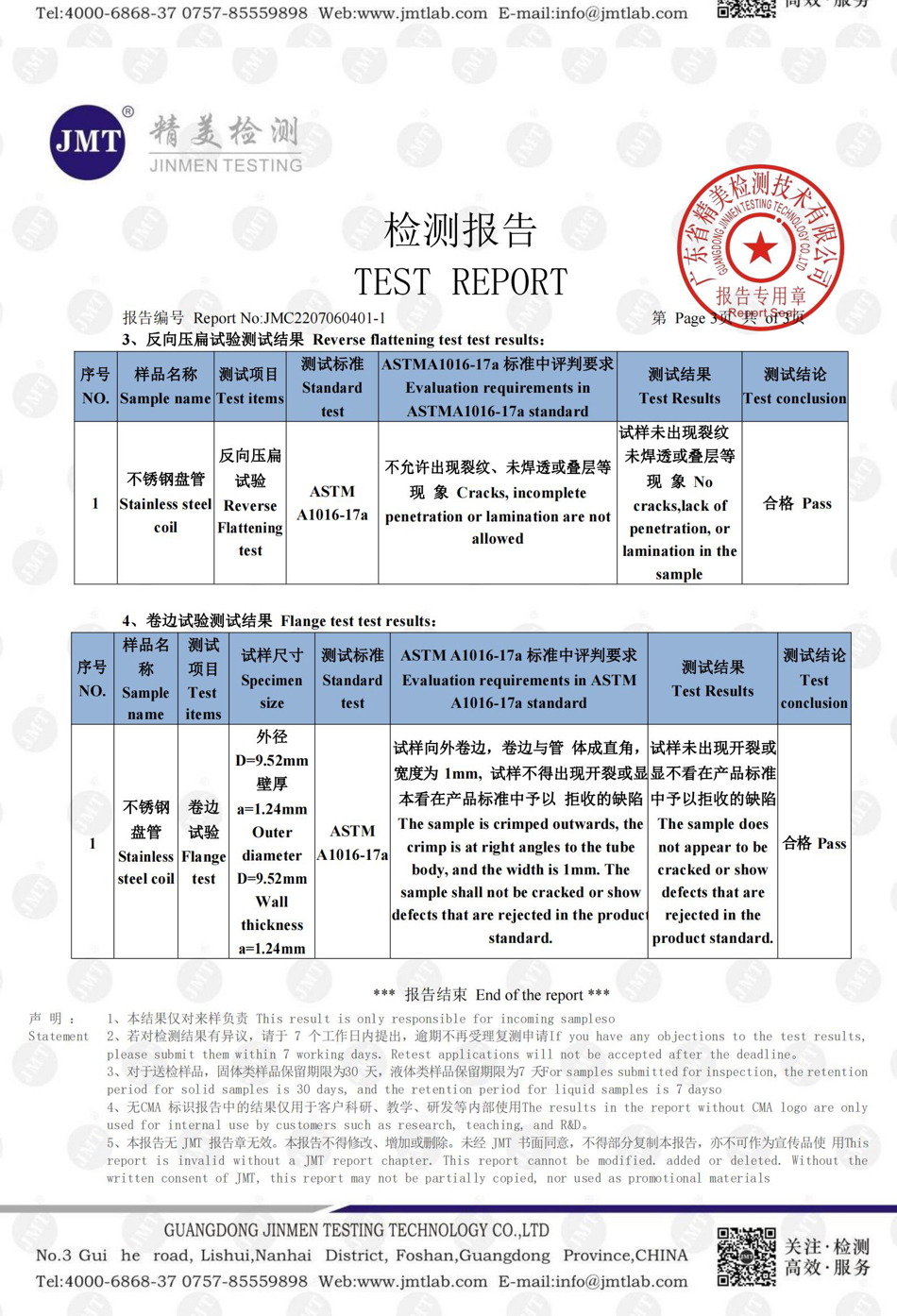
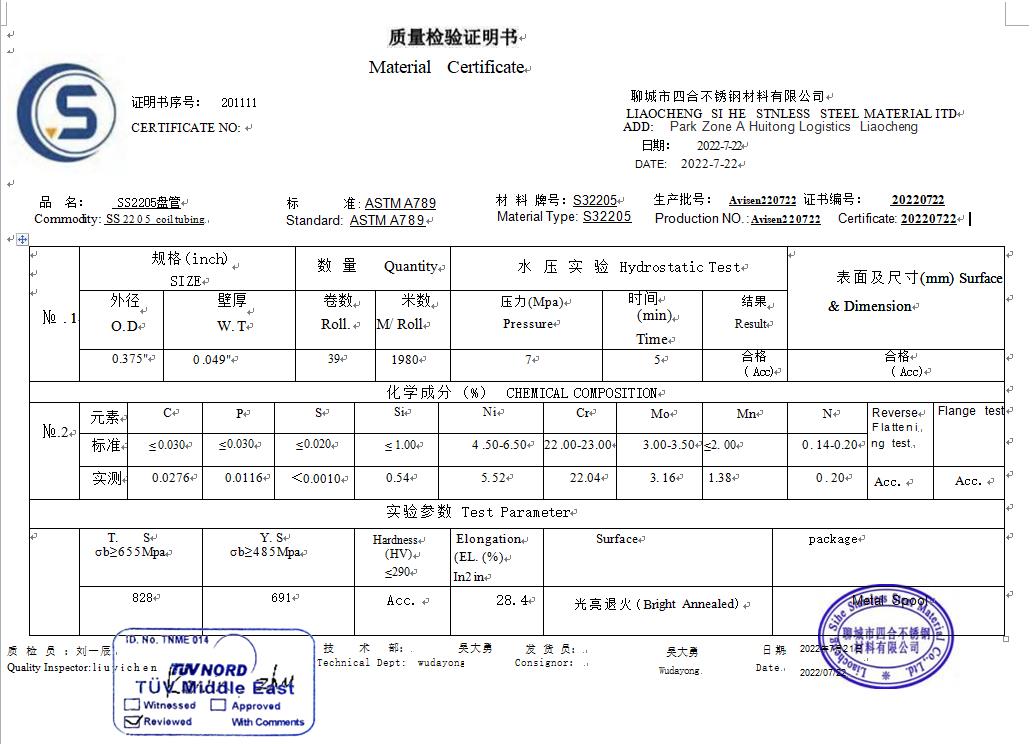
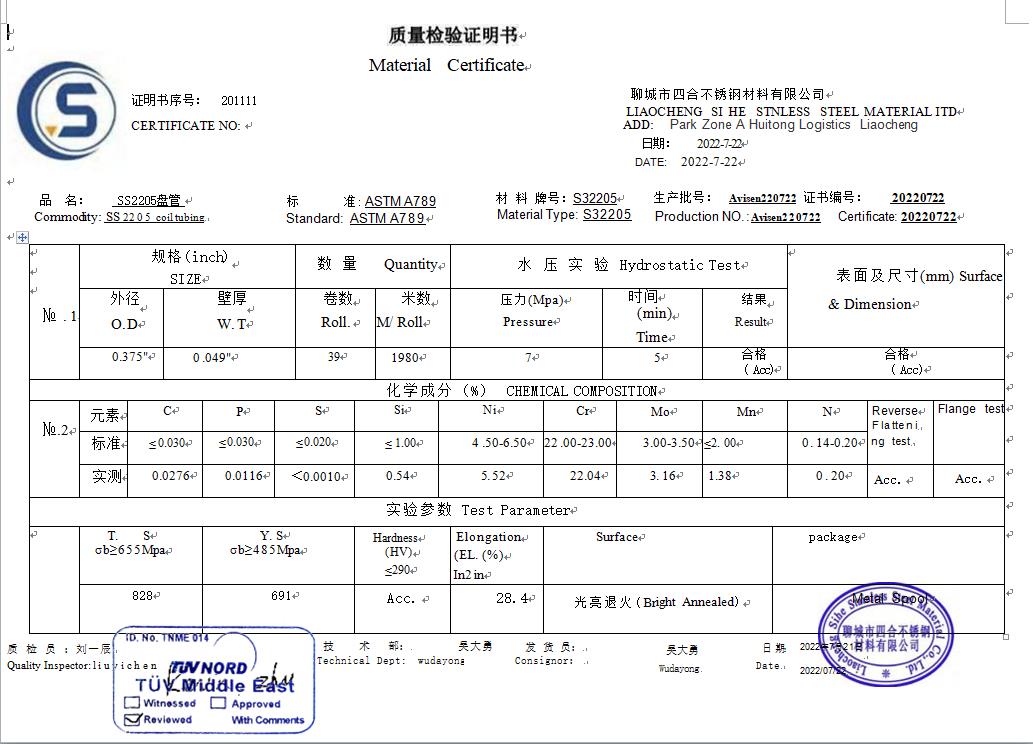
From metallurgical engineering to high-precision structural shapes, we support diverse project parameters for European clients.
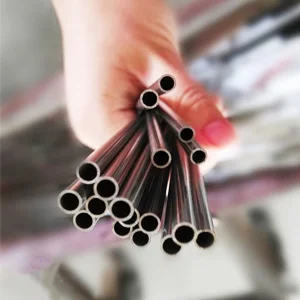
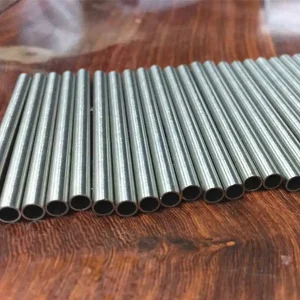
We support various material configurations (e.g., 304, 316L, 2205) and custom specifications, covering tube diameters ranging from 6.35mm to 19mm for coiled runs.
Techniques include complex multi-radius bending, continuous spiral forming, precision drawing, and other processes engineered specifically for heat exchangers.
Utilizing high-speed laser cutting, mechanical abrasive cutting, or localized flame cutting to guarantee close tolerances and clean, burr-free end profiles.
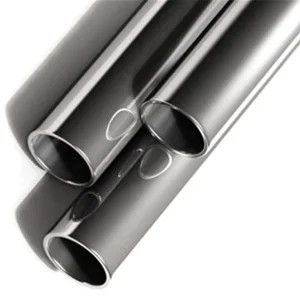
Dedicated to delivering polished options (mirror finish, grit polishing, mechanical buffing) and passivation treatments to enhance chemical corrosion resistance.
Custom end connections and flanged interfaces, widely implemented across automotive exhaust manifolds, chemical transfer lines, and hydraulic couplings.
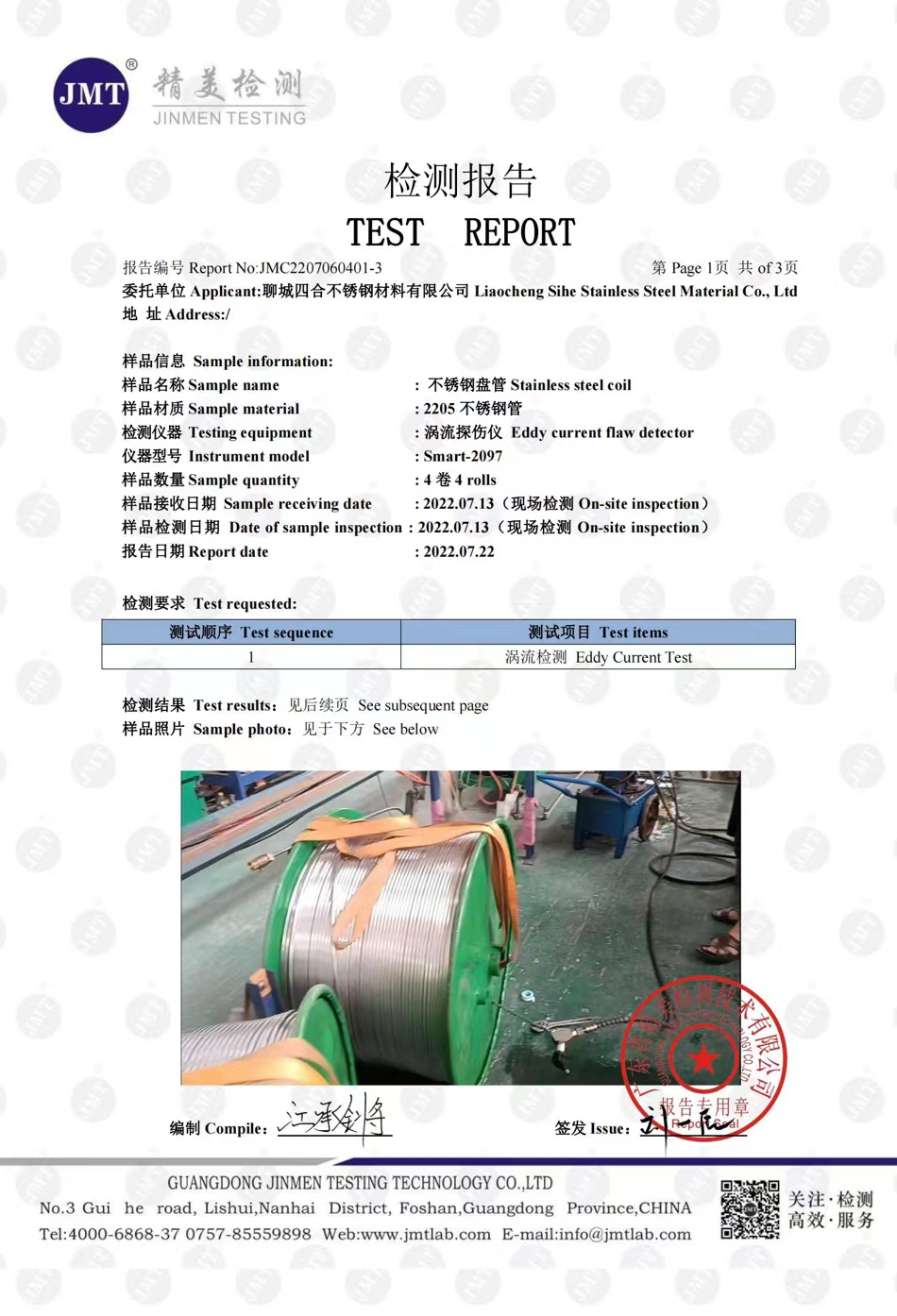
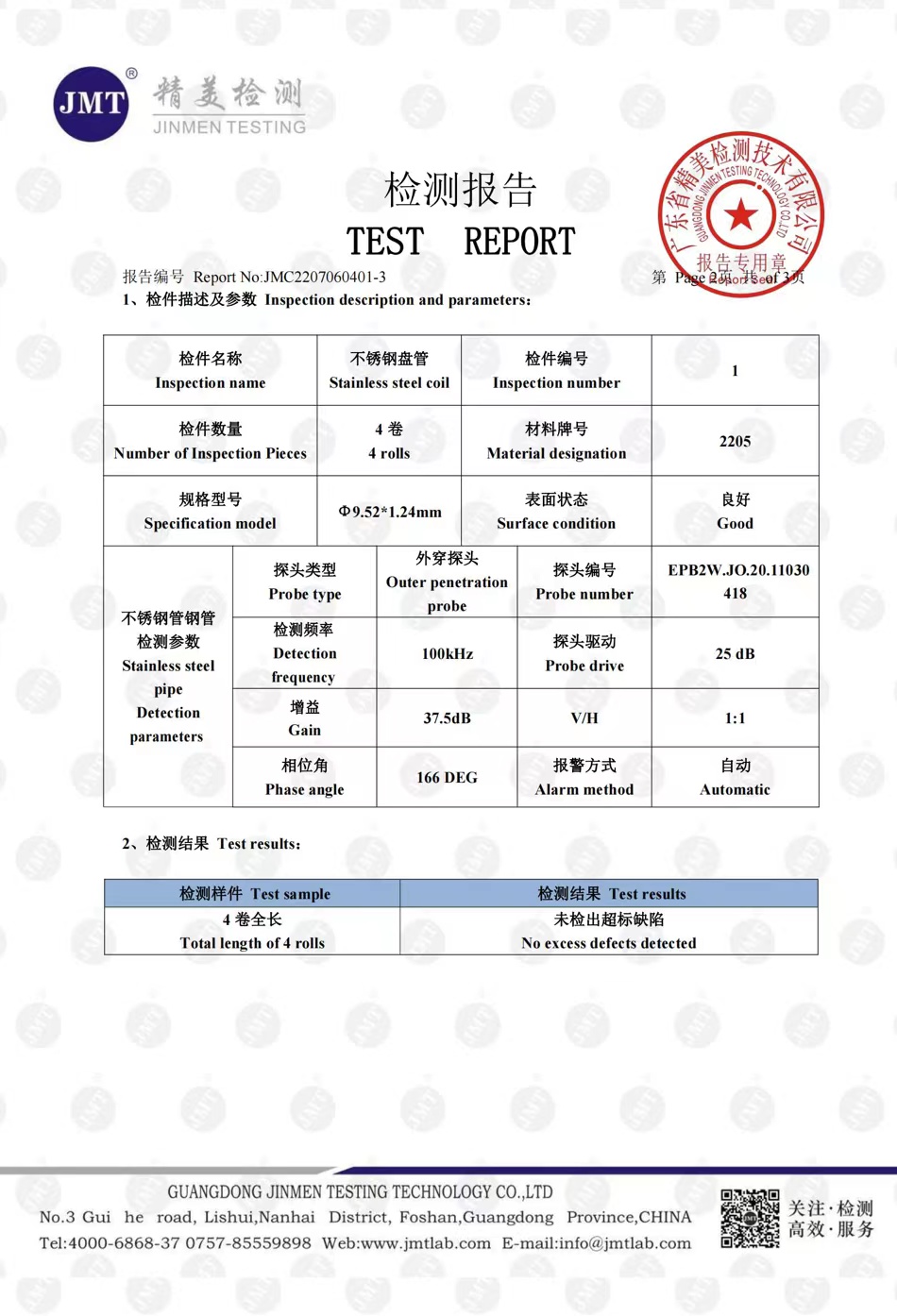
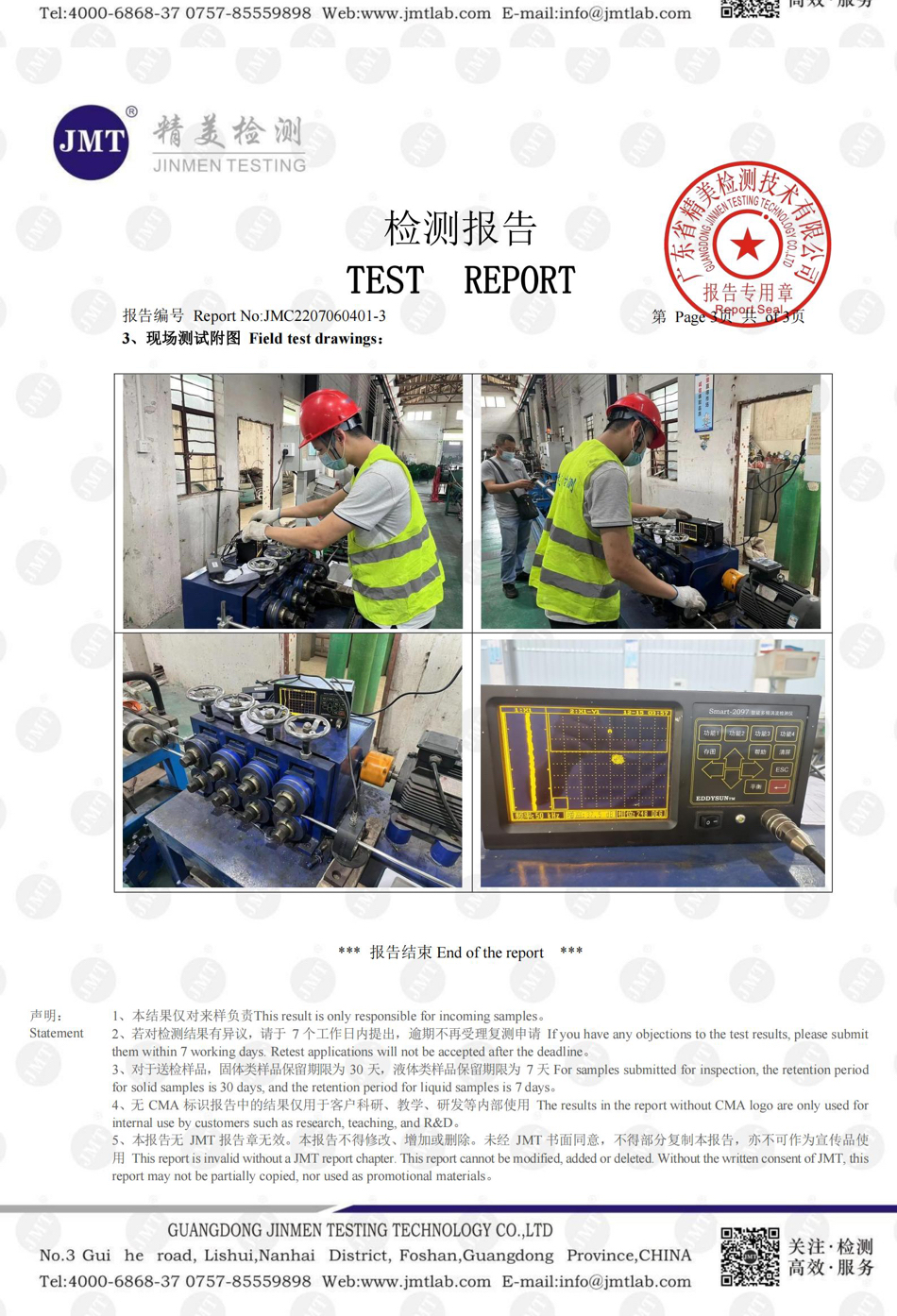
Every product undergoes extensive testing, including hydrostatic testing, micro-structural analysis, and eddy current diagnostics, to verify compliance with UNE-EN and ASTM requirements.
Where precision and chemical reliability meet. Our products are used across critical sectors in Spain and Europe.
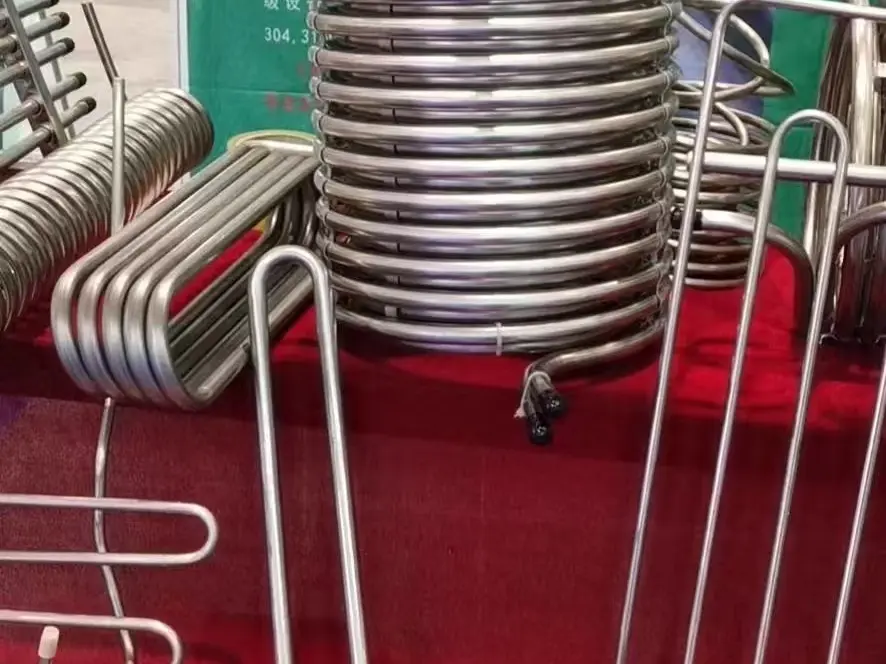
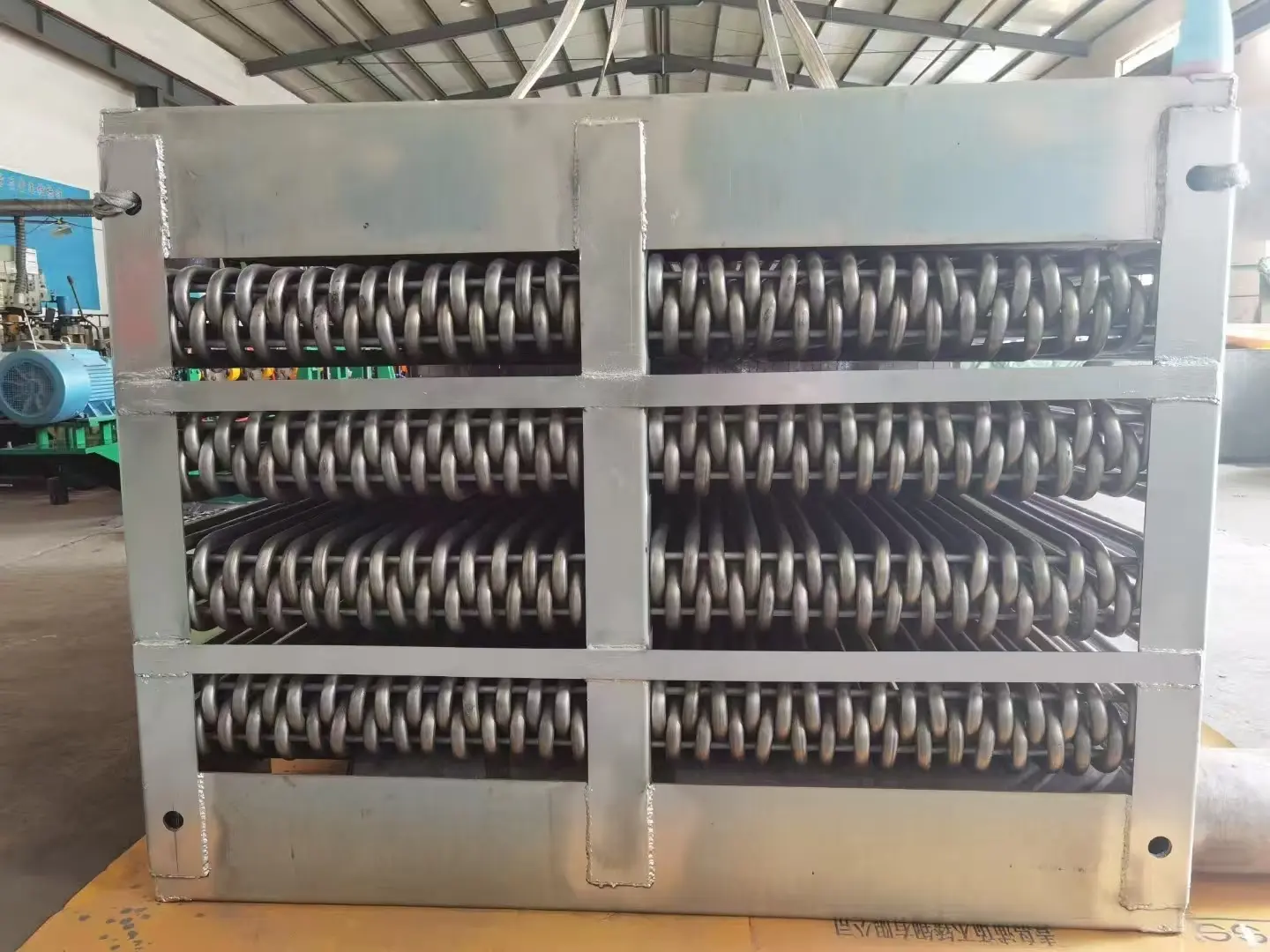
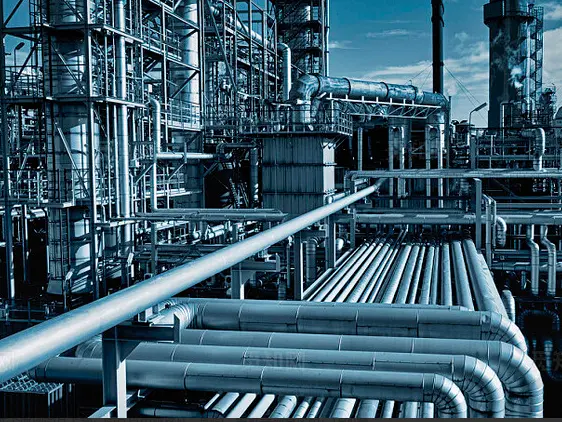
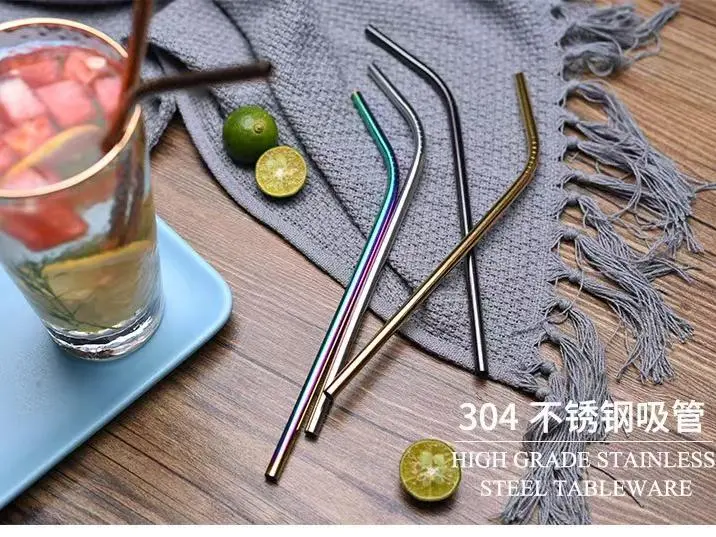
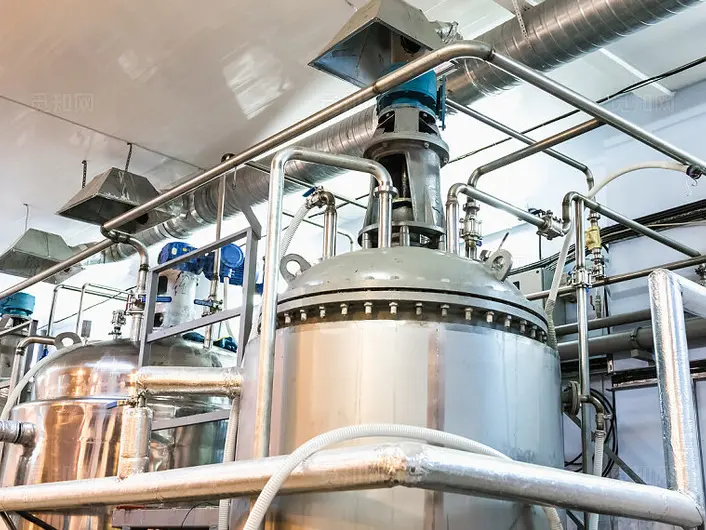
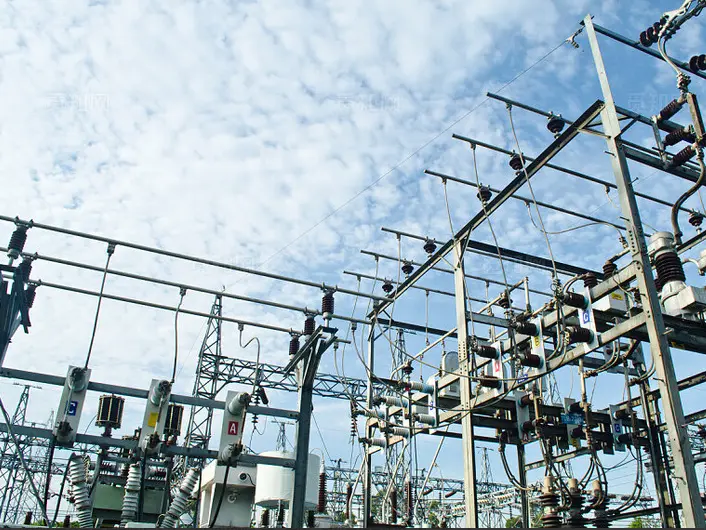
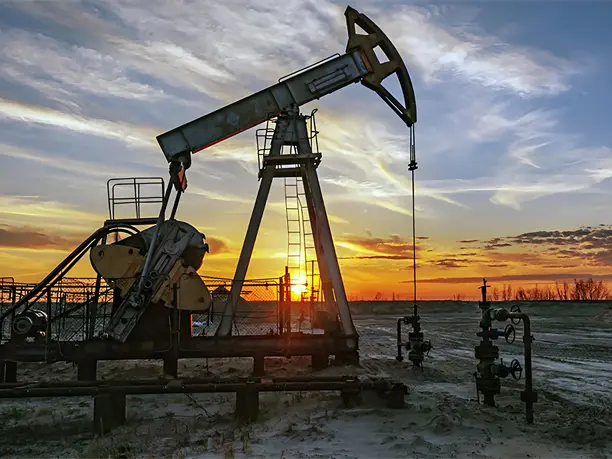
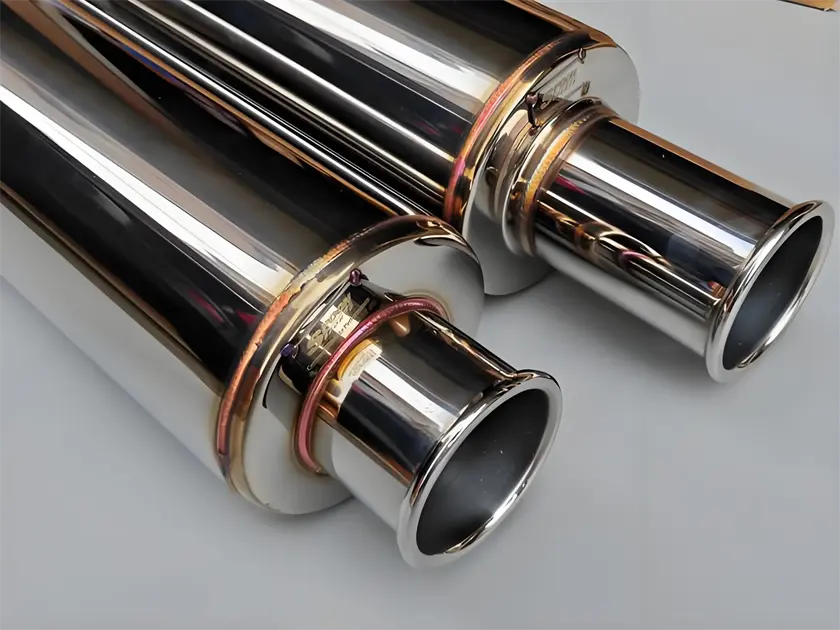
For Spanish procurement officers and design engineers evaluating metal components, a main consideration is the mechanical load-bearing capacity. Grade 201 precision pipe has a density of 7.86 g/cm³ and a modulus of elasticity in tension of 197 GPa. Due to the addition of nitrogen, this grade exhibits high work-hardening capabilities. This characteristic makes it suitable for components that require high resistance to wear and abrasion, such as internal guides, conveyor rollers, and municipal infrastructure pipes in Spain.
However, engineering departments must account for the lower nickel content in Grade 201 compared to Grade 304. Nickel stabilizes the austenitic structure and provides corrosion resistance in highly acidic or marine chloride environments. Because Grade 201 has lower nickel, it is not recommended for coastal architectural structures in Mediterranean cities like Barcelona, Valencia, or Malaga. Instead, it is highly suitable for inland urban zones (e.g., Madrid, Zaragoza) and interior industrial machinery where environmental moisture is controlled.
Our factory processes coiled and capillary piping configurations through cold drawing or cold rolling methods. Cold drawing refines the grain structure of the weld seam, aligning the molecular lattice of the metal to achieve a seamless level of performance. This process ensures the mechanical behavior of the weld zone matches that of the base metal. The tubes then undergo online bright annealing under a high-purity hydrogen-nitrogen atmosphere. This thermal cycle relieves internal stresses from cold drawing while preventing oxidation, resulting in a clean, scale-free surface.
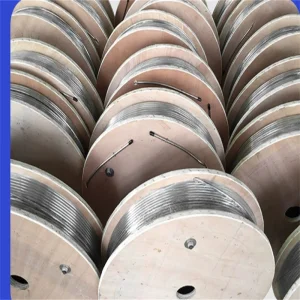
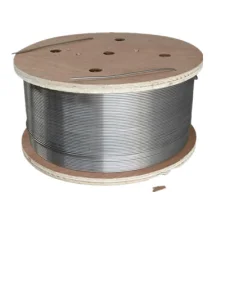
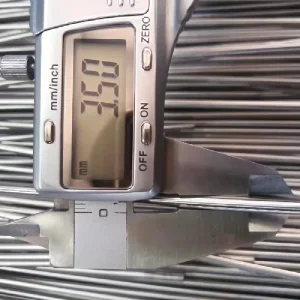
For hydraulic applications, our coiled pipes are produced in continuous lengths up to 32,800 feet (10,000 meters) without orbital joint welds. This continuous form reduces leak risks in long-distance transfer lines, umbilical cables, and solar thermal loops in Andalusian solar farms. Outer diameters range from 0.125 inches (3.175 mm) to 1 inch (25.4 mm), with wall thicknesses up to 0.165 inches (3 mm) to meet diverse fluid system requirements.
All precision pipe shipments destined for Spain are verified for compliance with the **Pressure Equipment Directive (PED) 2014/68/EU**. This verification is crucial for high-pressure installations. According to European standards, pressure lines must be certified to UNE-EN 10217-7 (welded steel tubes for pressure purposes) or UNE-EN 10216-5 (seamless stainless steel tubes). Our QA protocols ensure that chemical analyses, mechanical properties (tensile strength, yield point, elongation), and non-destructive test results are fully documented and certified in accordance with **EN 10204 3.1**.
Procurement guides, compliance documents, and logistics details for Spanish and global engineering companies.
Explore our wider range of high-performance capillary, welded, and coiled tubing options engineered for extreme industrial environments.
Additional steel products with customized surface processing parameters and fine inner-bore specifications.