 Sihe Steel
Sihe Steel
Sihe Steel
High-precision manufactured pipes certified for critical industrial operations in Izmir, Istanbul, and Kocaeli industrial hubs.
As Turkey transitions into a high-technology industrial exporter, the demand for high-end alloy tubing—specifically Grade 316 (EN 1.4401/1.4404)—has surged. Positioned strategically as a logistical gateway between Europe, Central Asia, and the Middle East, the Turkish industrial sector has seen extensive investments in heavy sectors. Local zones such as the Tuzla and Yalova shipyards, the Aliağa refining hubs, and geothermal reservoirs in Western Anatolia (Aydın, Denizli) demand robust structural and heat exchanger piping capable of operating in highly corrosive, chloride-rich environments.
Unlike standard Grade 304, 316 stainless steel contains 2.0% to 3.0% molybdenum. This chemical modification dramatically increases pitting resistance in salt spray, brackish waters, and acidic media. The pitting resistance equivalent number (PREN) of Grade 316 is approximately 23–25, compared to only 18–20 for Grade 304, making 316 the baseline specification for heat transfer systems utilizing sea or geothermal brine as heat sinks.
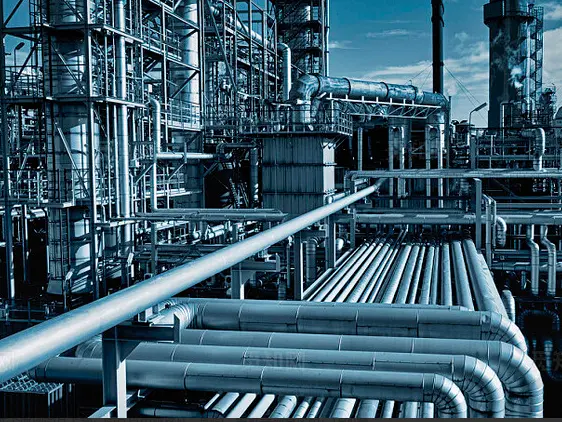
Engineered for extreme oil field conditions, thermal systems, and high-temperature furnace designs.
Selecting the optimal stainless steel alloy requires a rigorous comparative analysis of metallurgical standards. When sourcing from direct manufacturers like Liaocheng Sihe Stainless Steel Material Ltd, structural reliability is backed by stringent compliance with global parameters (ASTM, ASME, JIS, EN).
Grade 316L (Low Carbon) is specifically chosen for applications requiring welding, as the lower carbon content limits chromium carbide precipitation at grain boundaries (intergranular corrosion) during thermal exposure. Below is a comprehensive chemical and mechanical comparison matrix designed for engineering decisions in the Turkish market:
| Alloy Grade | UNS Number | Chromium (Cr)% | Nickel (Ni)% | Molybdenum (Mo)% | Carbon (C)% Max | Tensile Strength (MPa) Min | Yield Strength (MPa) Min |
|---|---|---|---|---|---|---|---|
| 316 | S31600 | 16.0 – 18.0 | 10.0 – 14.0 | 2.00 – 3.00 | 0.08 | 515 | 205 |
| 316L | S31603 | 16.0 – 18.0 | 10.0 – 14.0 | 2.00 – 3.00 | 0.030 | 485 | 170 |
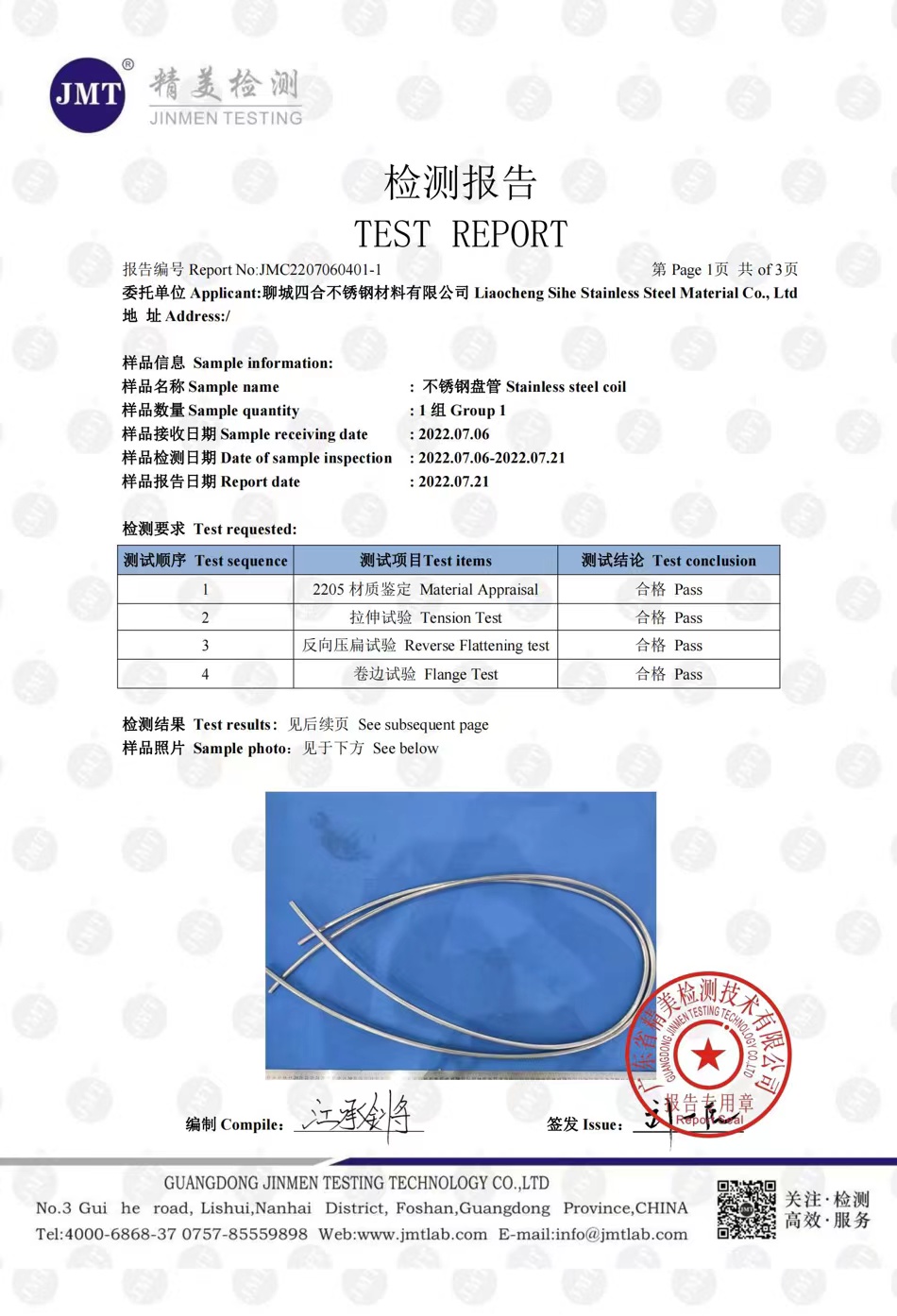
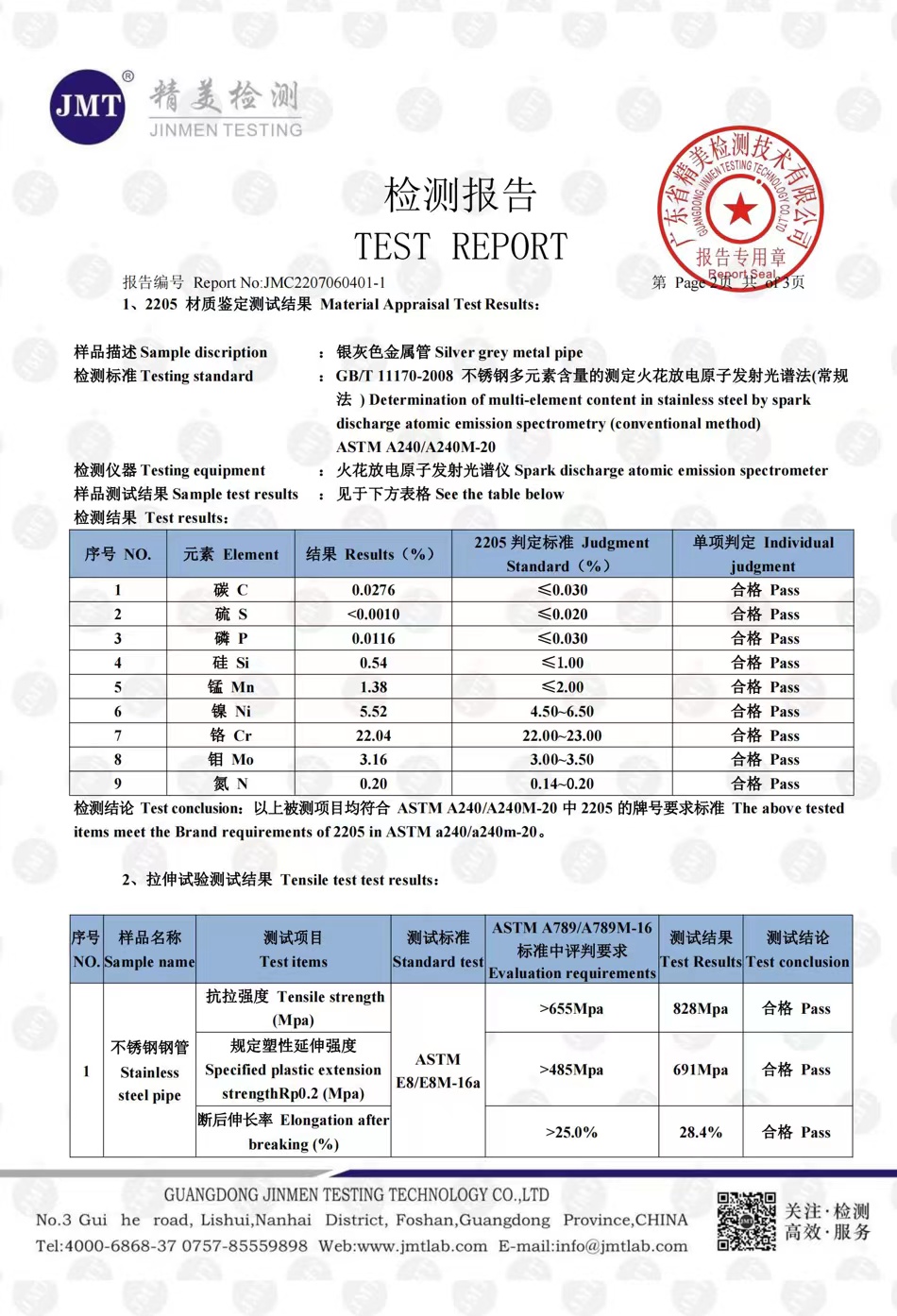
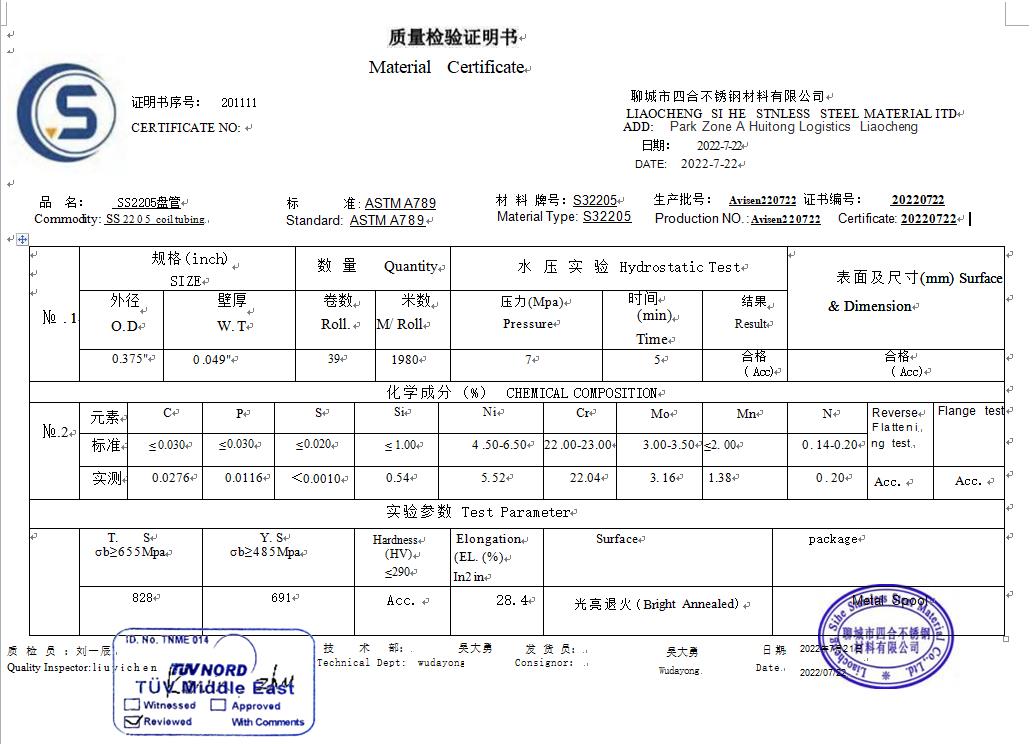
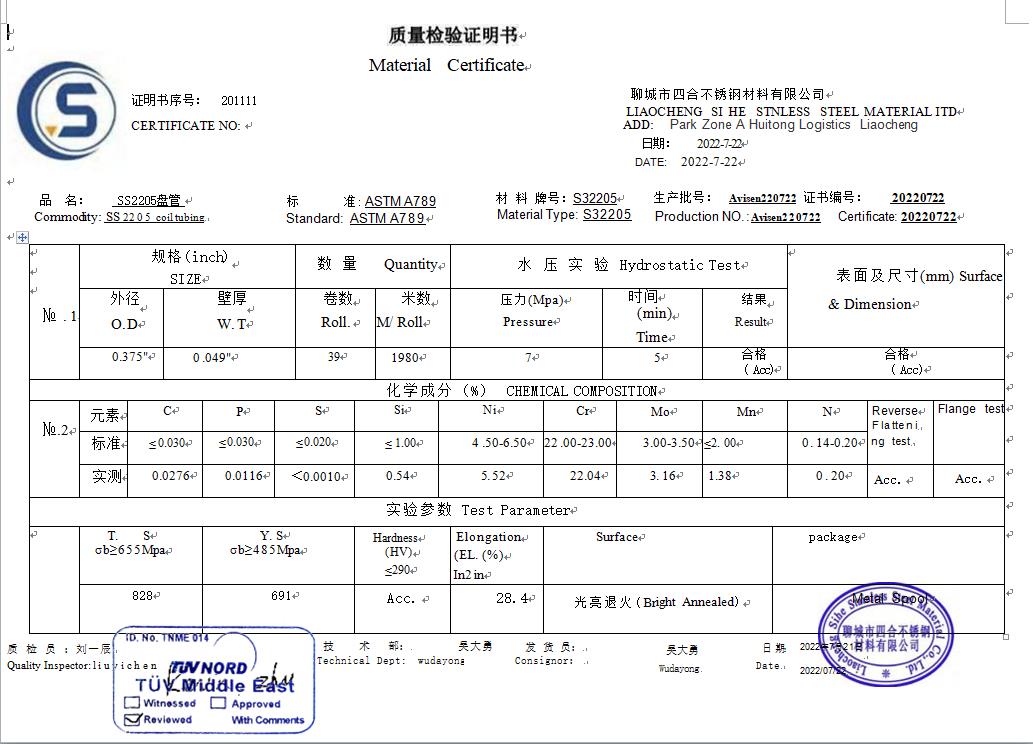
| Duplex 2205 | S32205 | 22.0 – 23.0 | 4.5 – 6.5 | 3.00 – 3.50 | 0.030 | 655 | 450 |
| Incoloy 825 | N08825 | 19.5 – 23.5 | 38.0 – 46.0 | 2.50 – 3.50 | 0.05 | 586 | 241 |
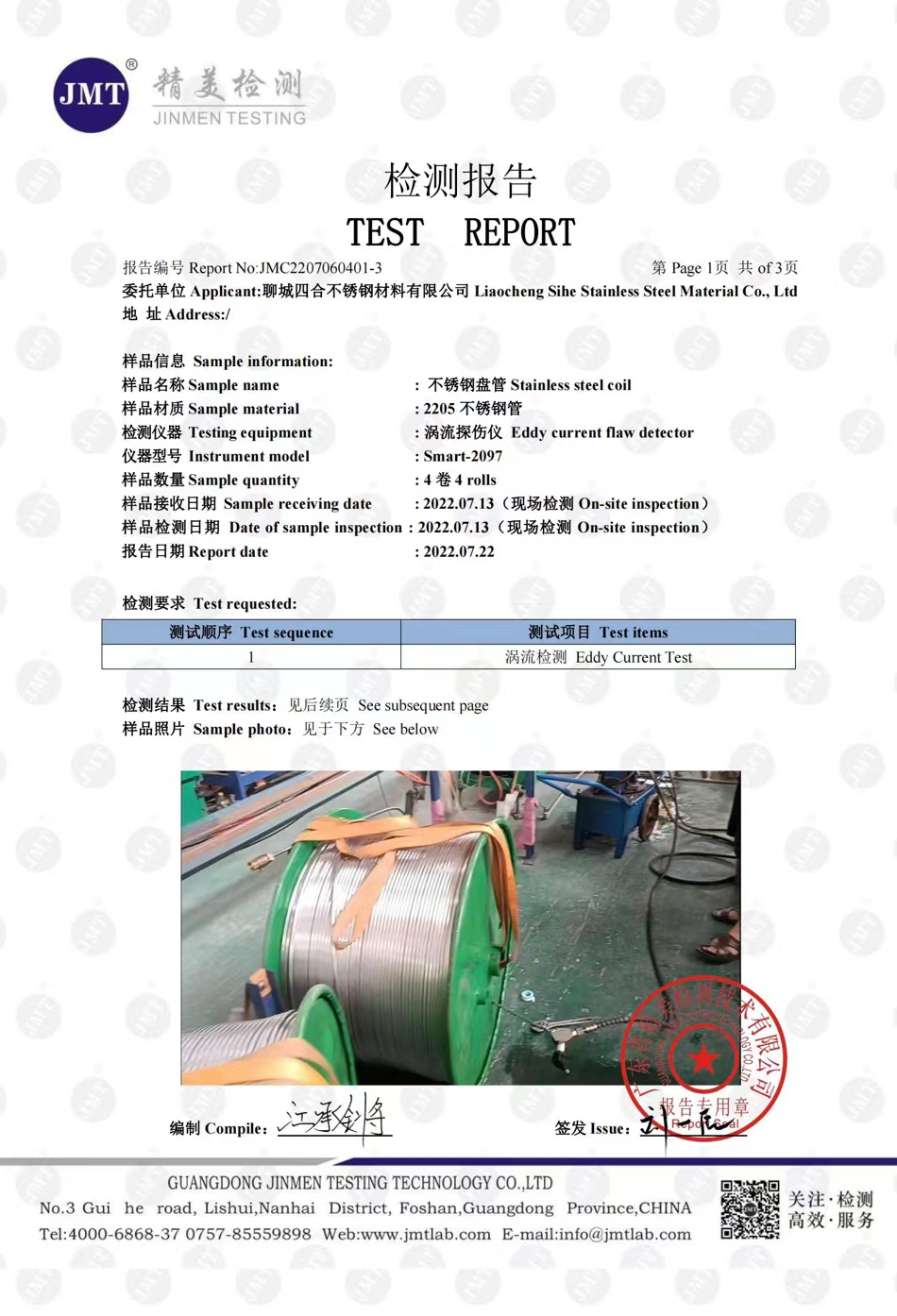
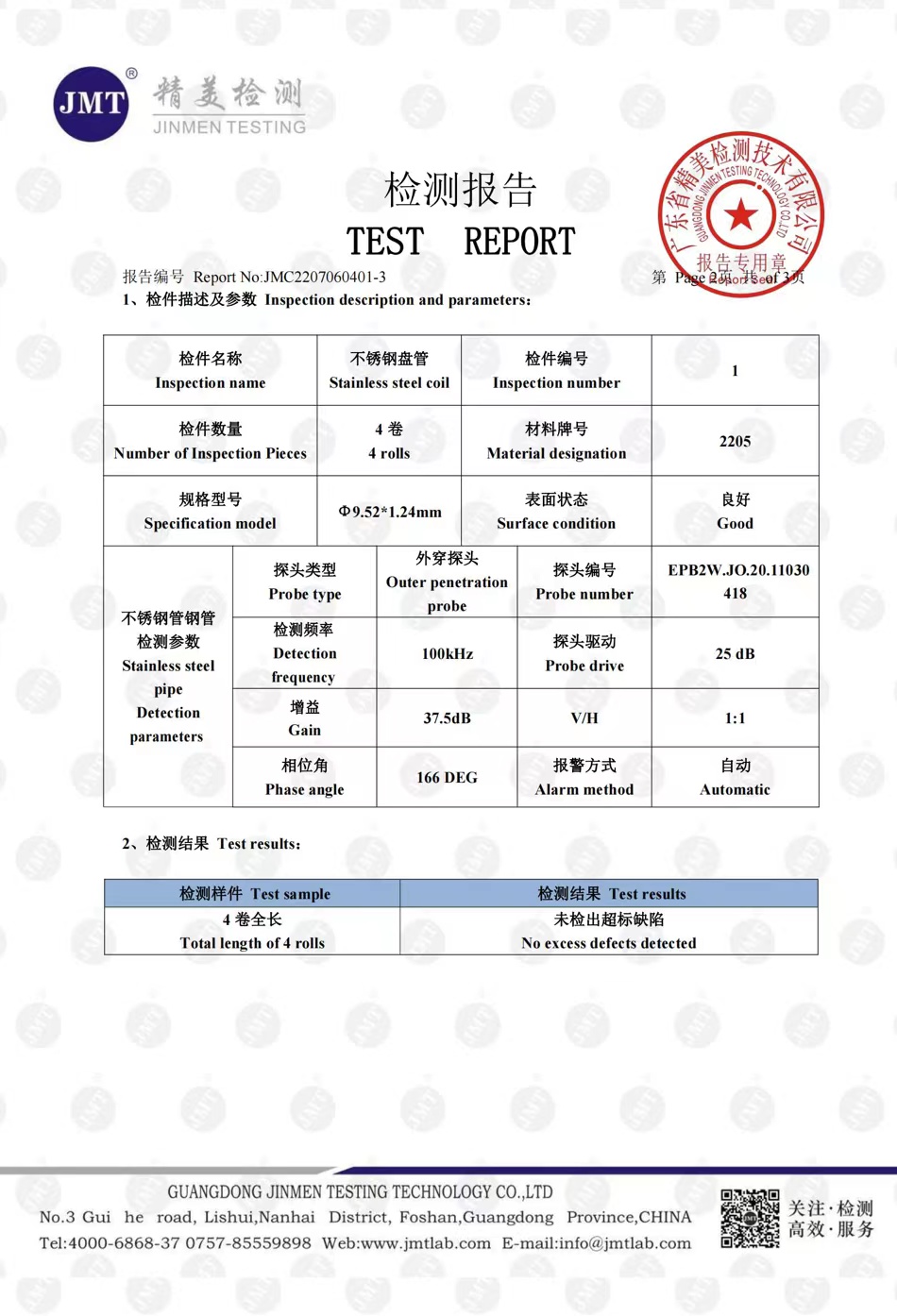
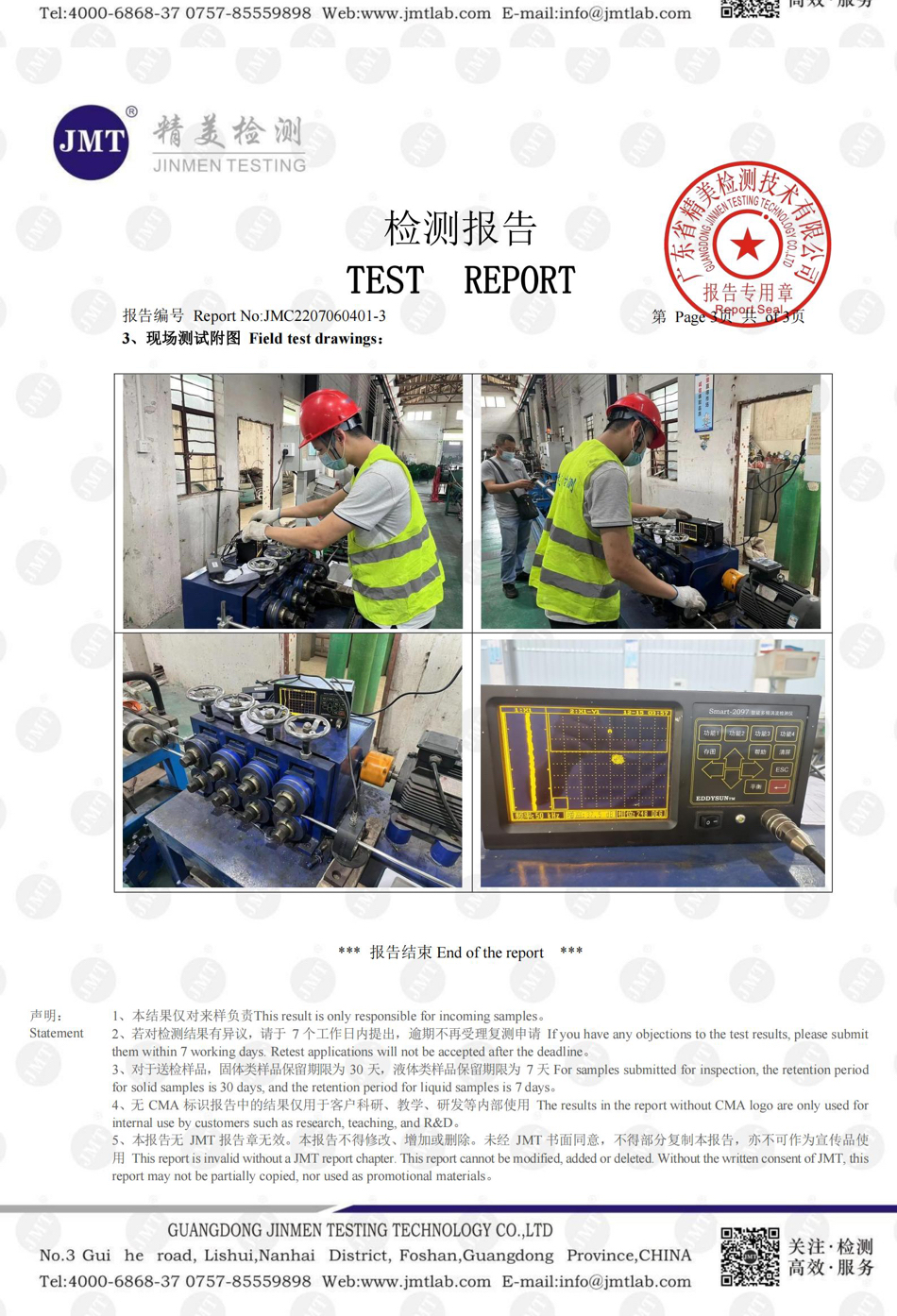
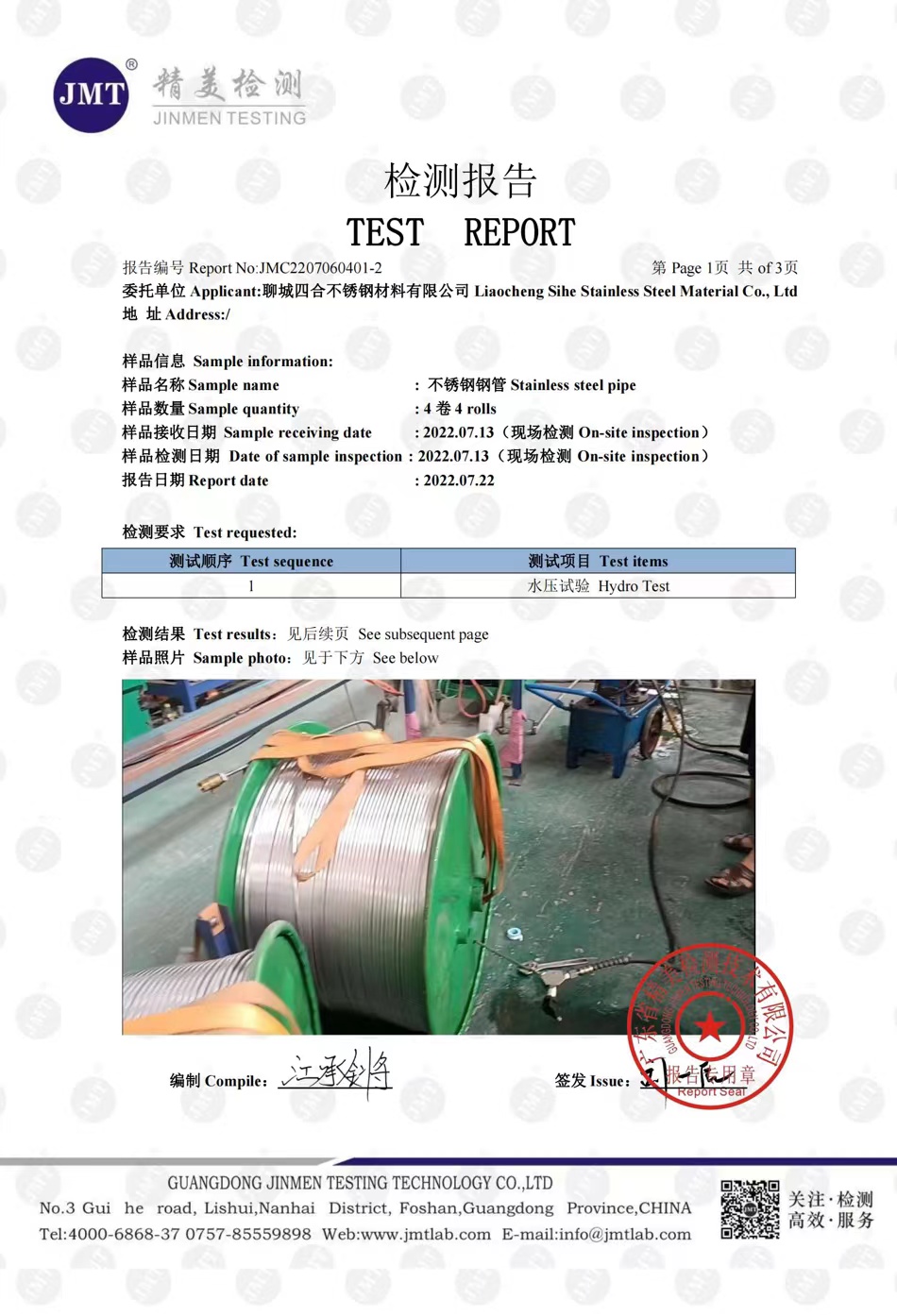
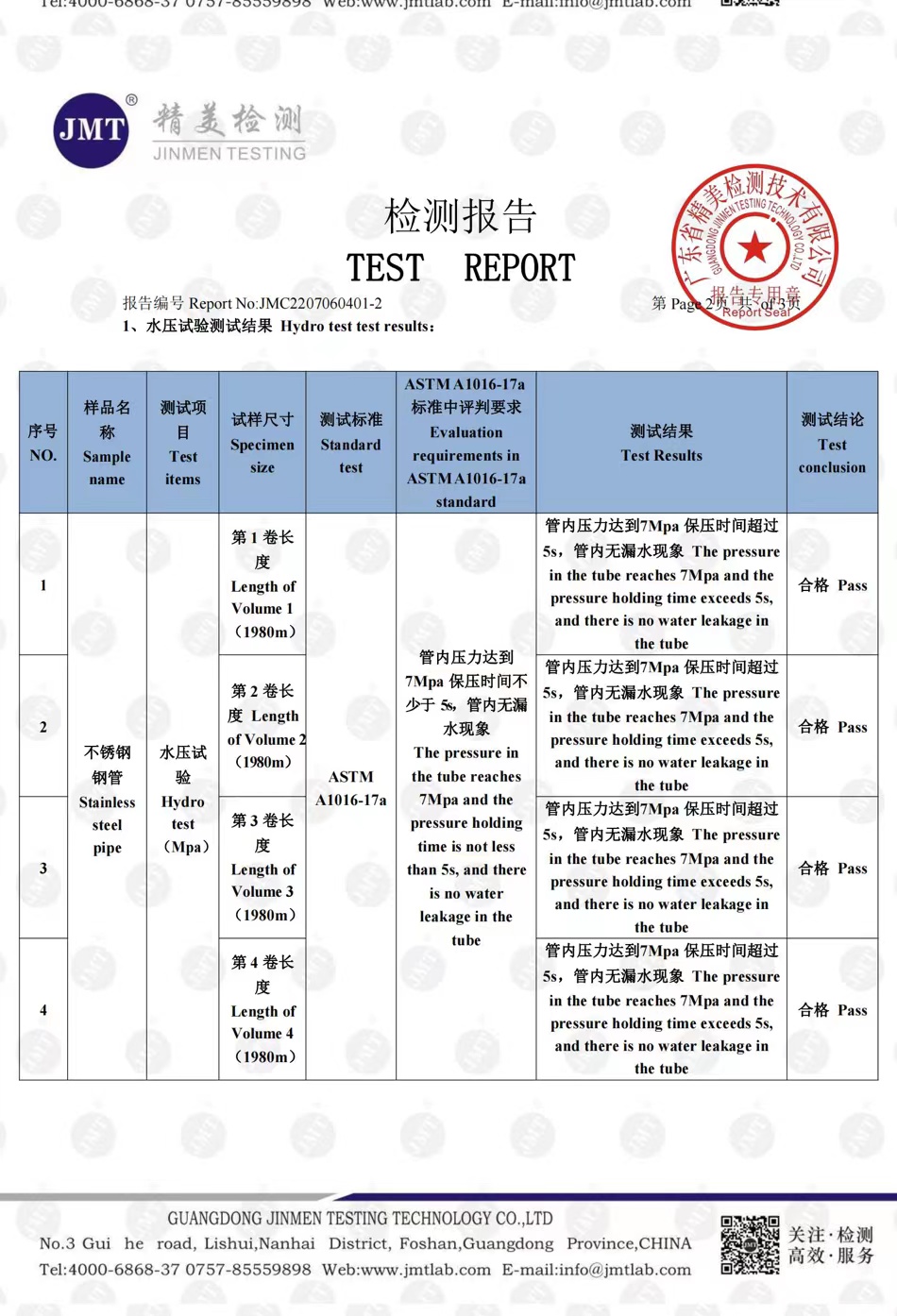
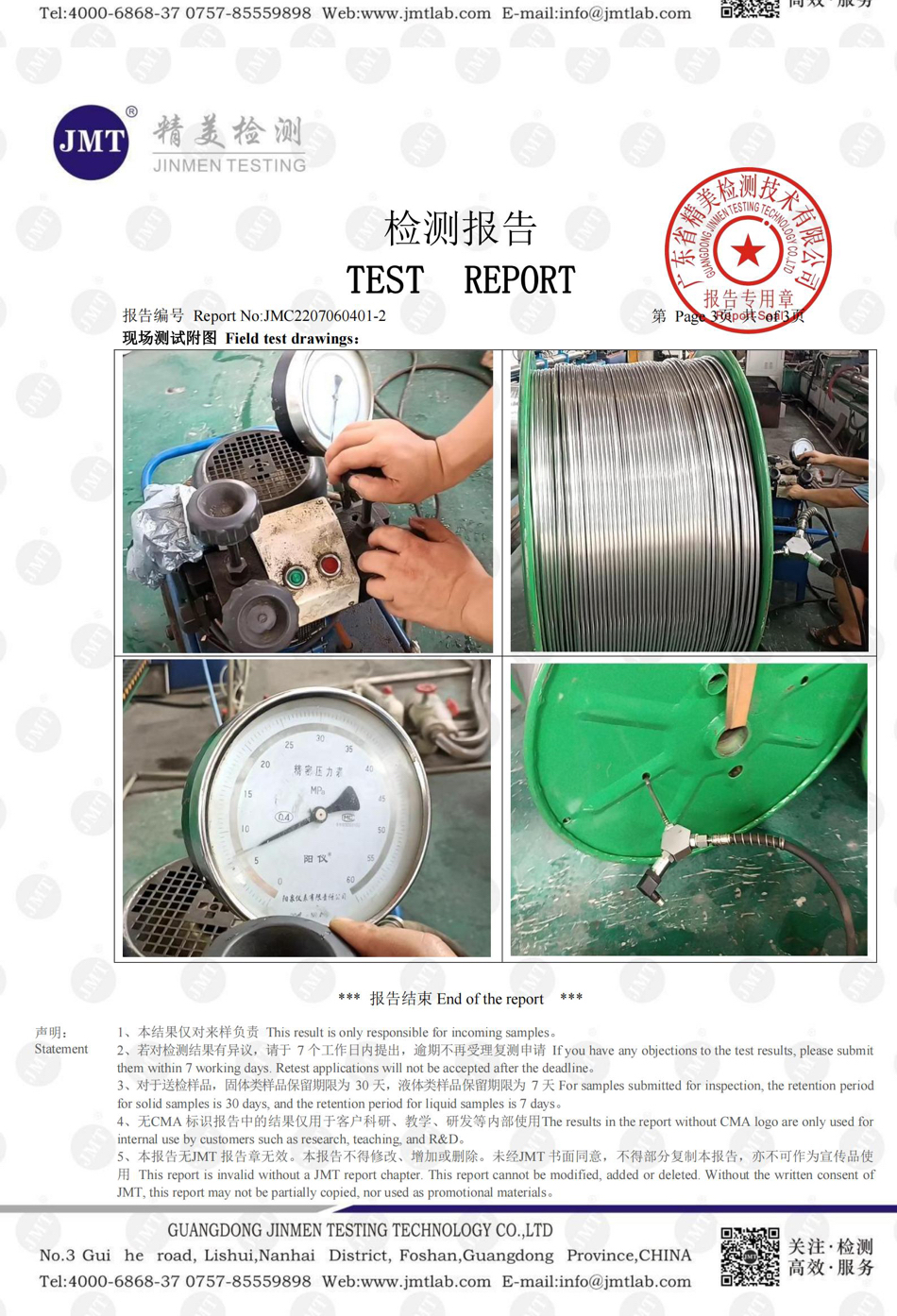
Exchanger pipes are subjected to extreme pressure differentials and fluid velocities. Therefore, all our production runs adhere to international testing protocols:
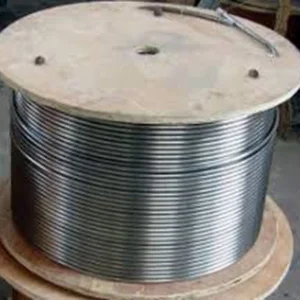
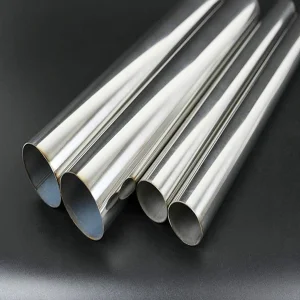
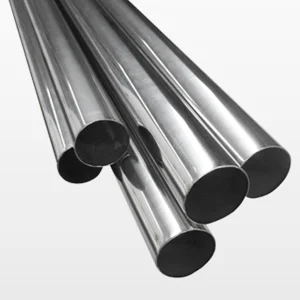
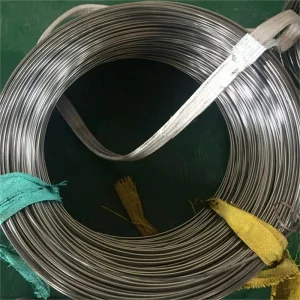
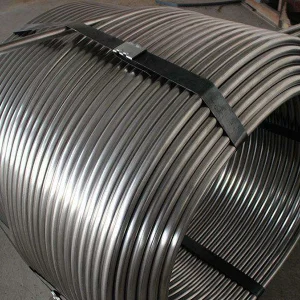
A leading global specialist in manufacturing stainless steel coiled tubing, precision polished tubes, and seamless coiled tubing. Utilizing six advanced production lines and world-class online bright annealing technology, we produce ultra-long tubes under strict GB, ASTM, ASME, JIS, and EN guidelines.
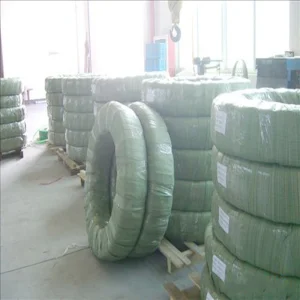
Our standard dimensions cover outer diameters from 0.125 inch (3.175 mm) to 1 inch (25.4 mm), with wall thickness up to 0.165 inch (3 mm). Lengths up to 32,800 feet (10,000 meters) can be manufactured continuously, reducing orbital joints and increasing safety.
Connect With Our Technical Team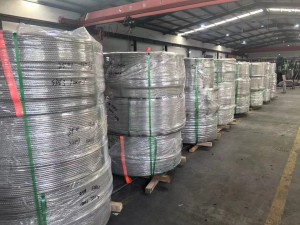
304/304L, 316/316L, 321, 317L, 309S, 310S, INCOLOY 800/825, INCONEL 625, Duplex 2205, and Super Duplex 2507.
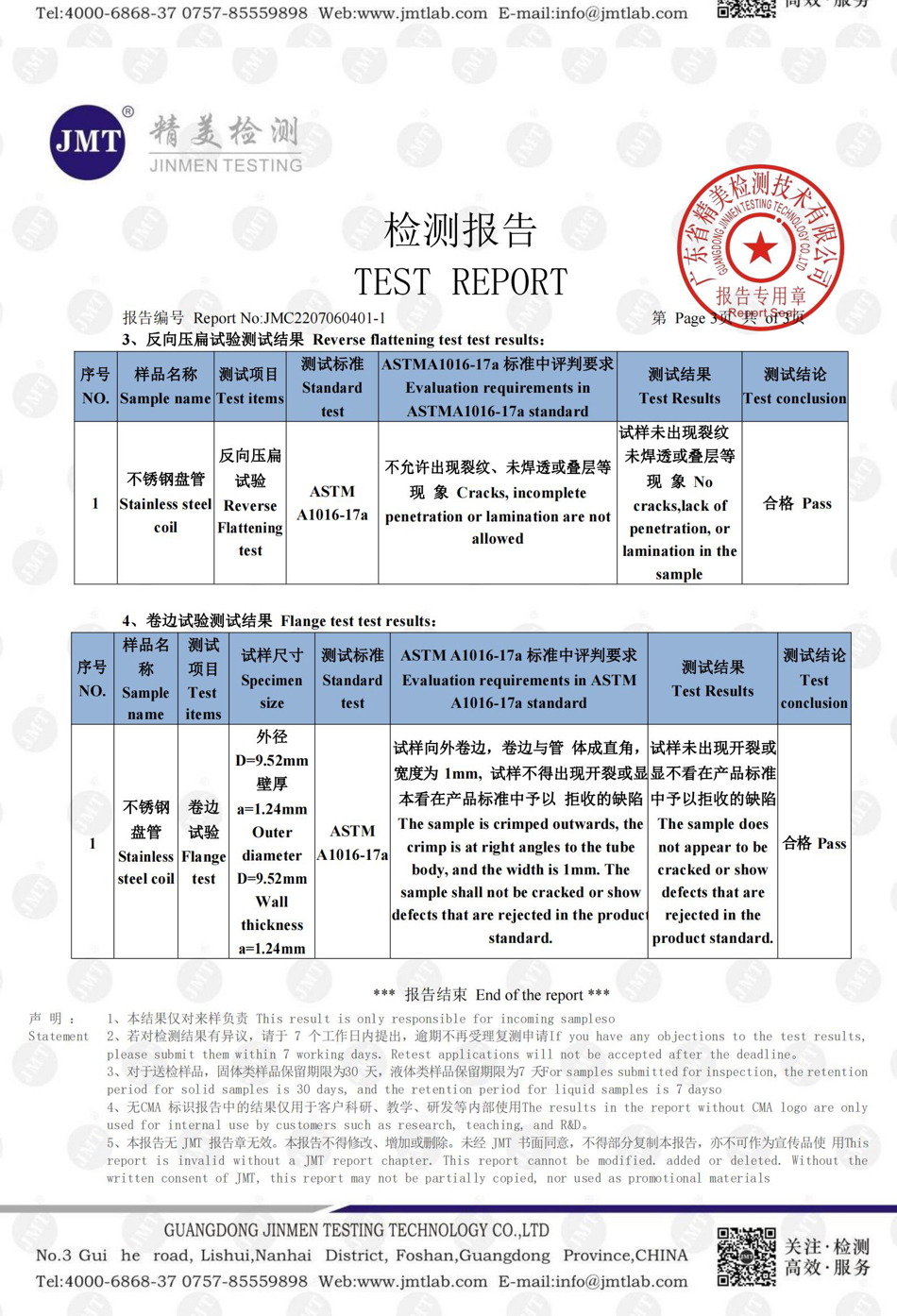
Comprehensive testing including hydraulic, flaring, micro-indentation hardness, tensile strength, and ultrasonic crack detection.
Serving over 30 countries across Eastern Europe, South America, North America, the Middle East, and Turkey's key industrial ports.
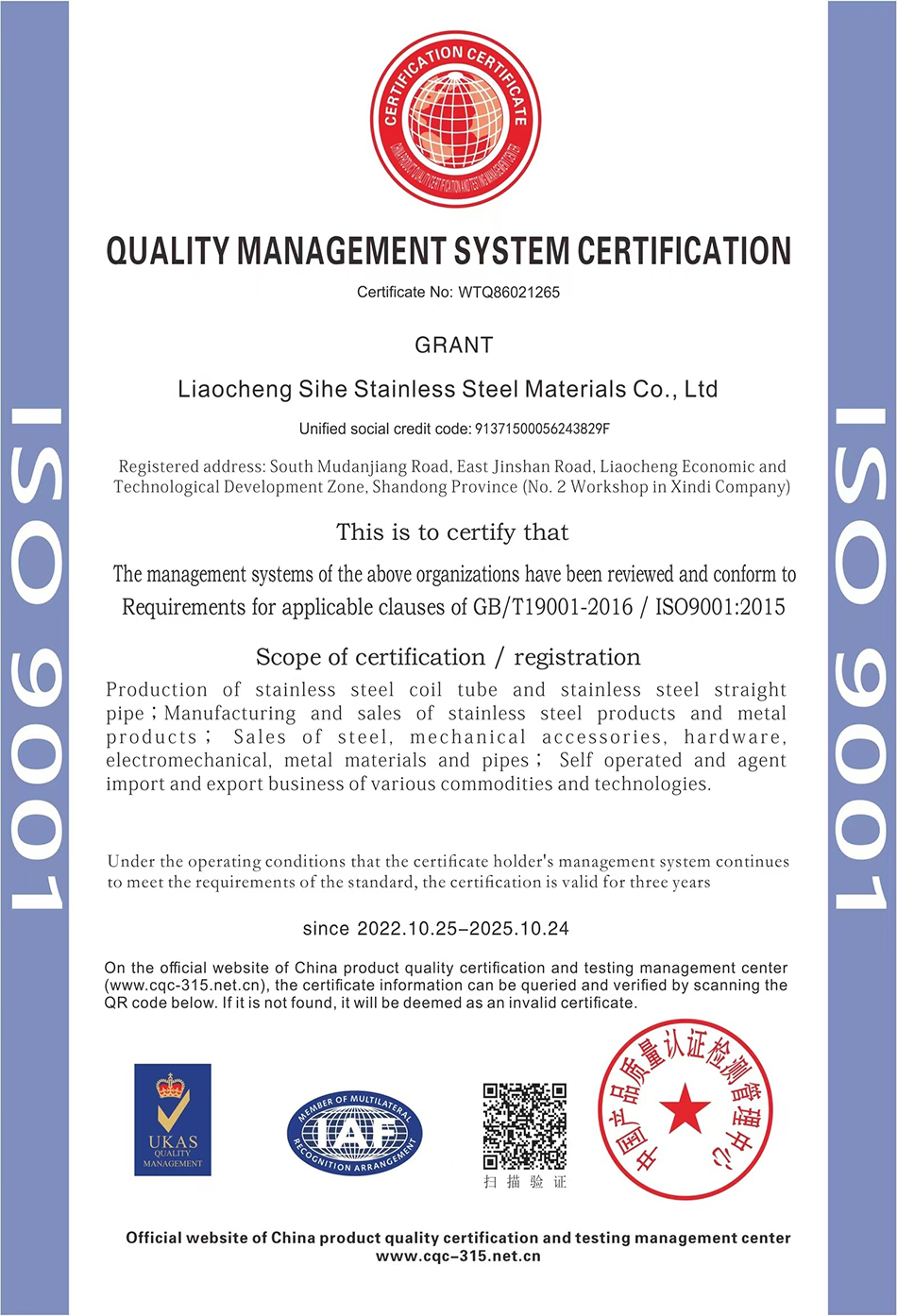
Verified manufacturing processes providing absolute security for critical high-pressure and high-temperature installations.
Navigating the global stainless steel market requires an understanding of primary cost mechanics. Pricing lists for 316 stainless steel exchanger tubes are highly dependent on direct commodity fluctuations and logistic structures. Key variables impacting project budgets in Turkey include:
For B2B buyers drafting budgetary allocations, the typical pricing indices range based on size and wall thickness. Heavy-wall high-precision heat-exchanger tubing typically ranges from $4,500 to $6,500 per metric ton depending on market dynamics, surface finishing requirements (e.g., Bright Annealing, Mechanical Polishing), and raw material surcharge indexes. Precise quotes are structured based on target delivery conditions (CIF Ambarlı, Izmir Port, or Mersin Port) and ATR Customs Union clearance documentation.
Value-added engineering solutions tailored to custom structural layouts and performance requirements.
Supporting diverse steel grades (304, 316L, 2205) and outer diameters ranging from 6.35mm to 19.05mm.
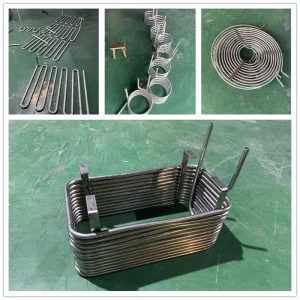
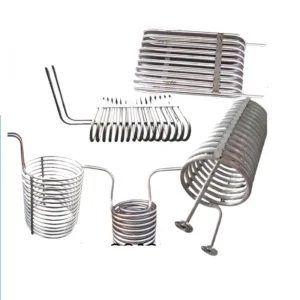
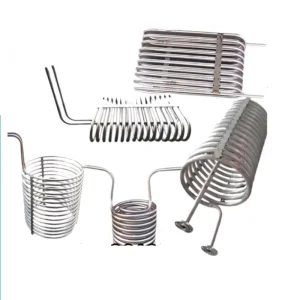
Precision spiral forming and tight U-bending processing, maintaining geometric integrity for compact heat exchangers.
Industrial laser and cold abrasive mechanical cutting ensuring clean, burr-free perpendicular end cuts.
State-of-the-art chemical passivation, mechanical polishing, and bright annealing processing.
Precision end flanging and flaring for leakproof integrations with automotive exhaust manifolds and chemical lines.
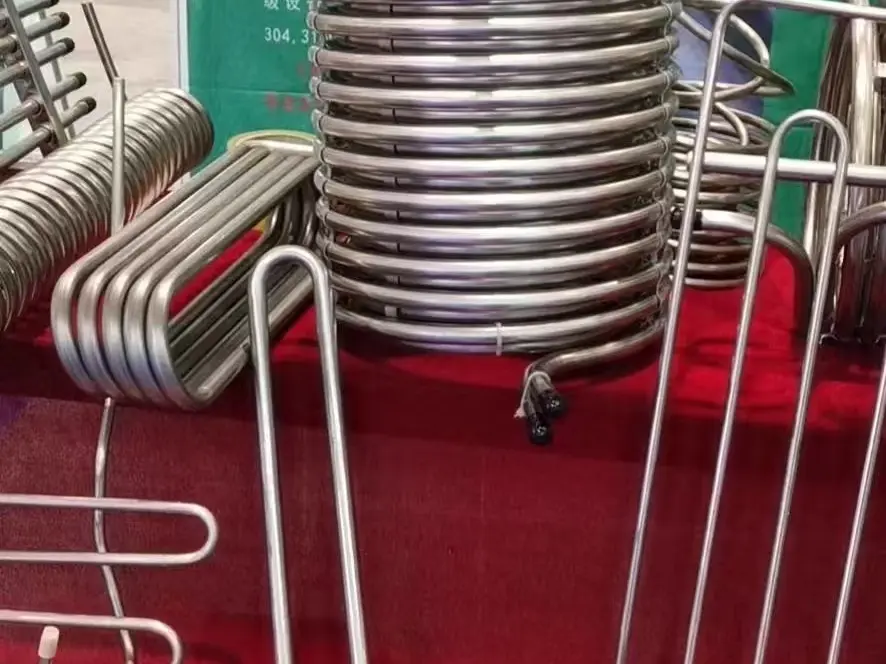
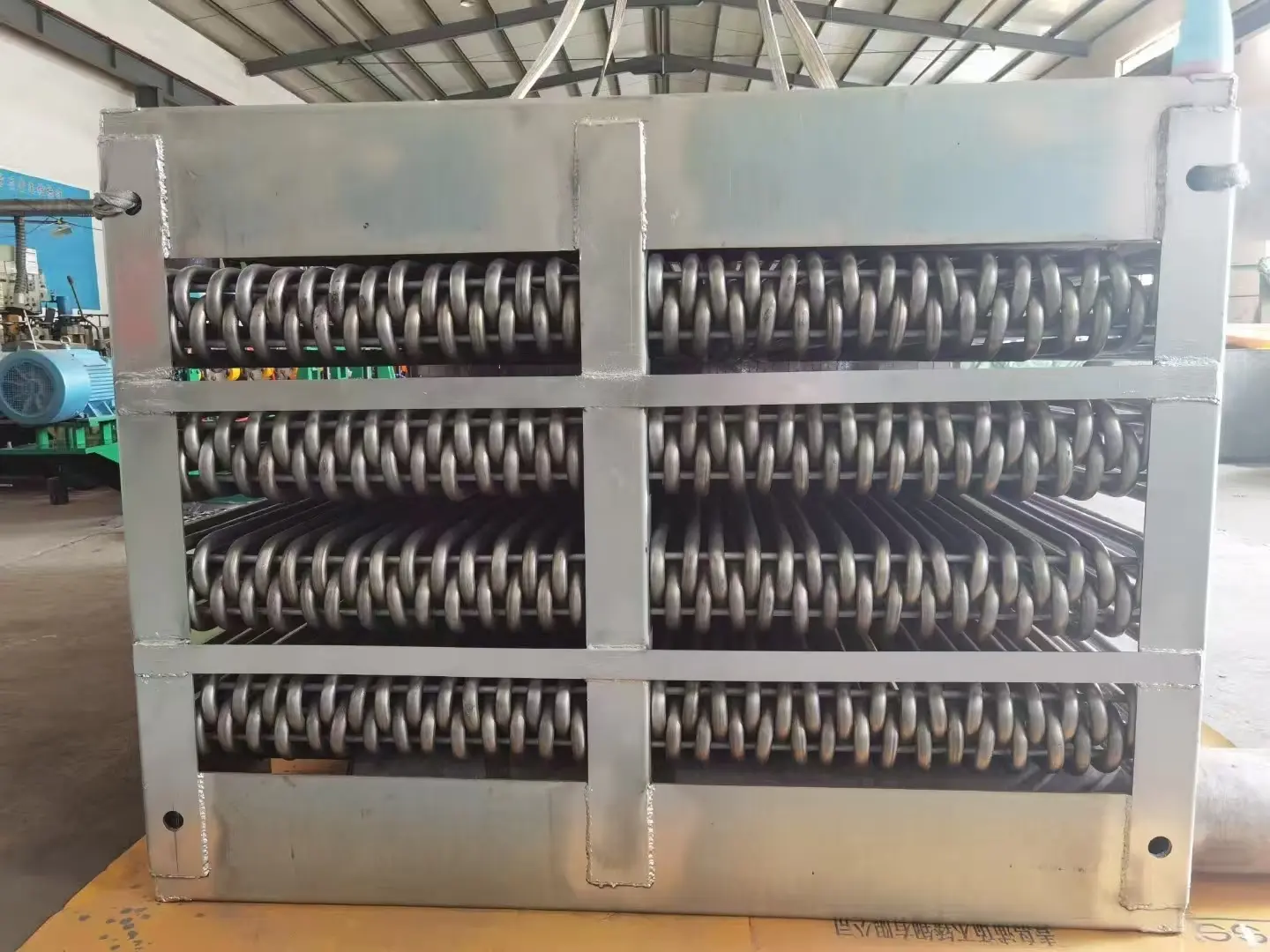
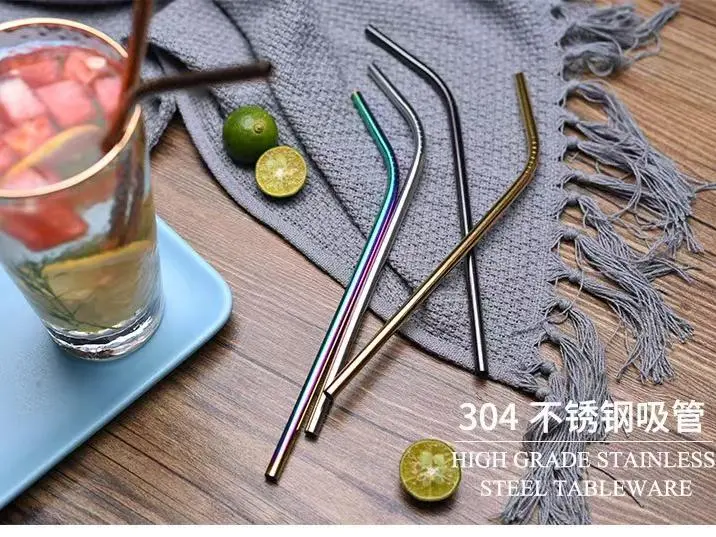
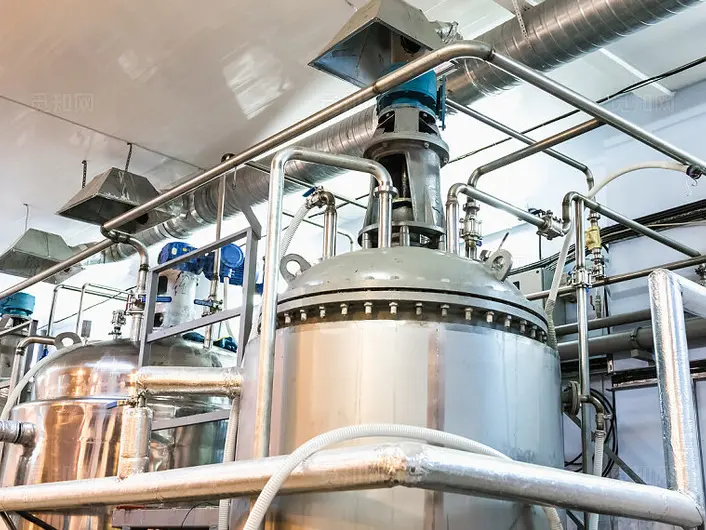
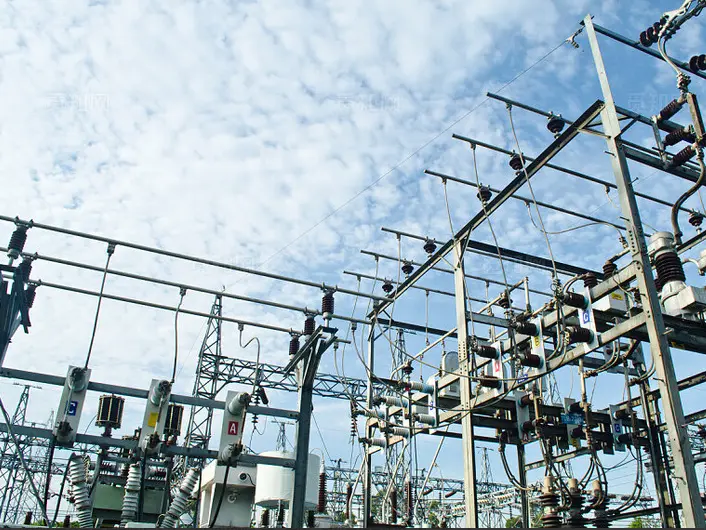
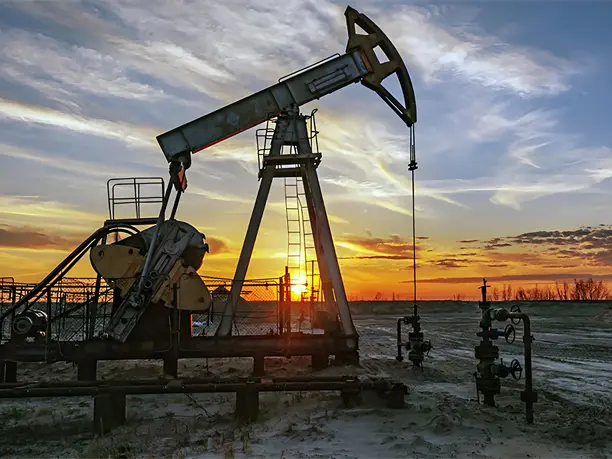
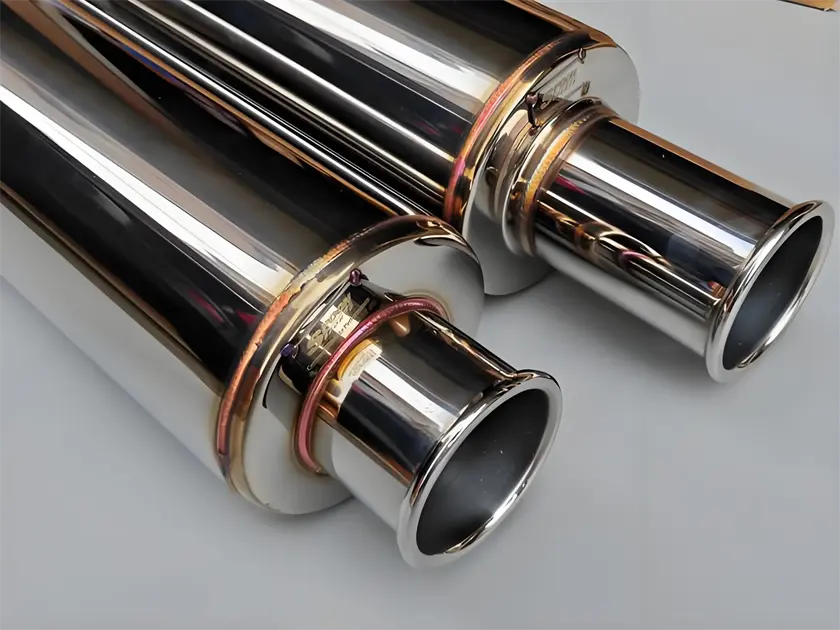
Diverse metal grades and structural configurations optimized for specific thermal exchange environments.
The industrial landscape is dynamically shifting toward green transition compliance (such as the EU Carbon Border Adjustment Mechanism, directly affecting Turkish exporters). This pivot requires engineers to optimize heat transfer efficiency and maximize operational lifespan. Technology roadmaps for modern heat transfer systems place special emphasis on materials science:
Microscopic surface irregularities serve as nucleation sites for scaling and chemical mineral precipitation. Geothermal plants in Denizli utilize our *Bright Annealed* (BA) pipes, which showcase superior surface smoothness compared to traditional Pickled and Annealed (AP) pipes. The ultra-smooth inner surface restricts biological growth and calcium carbonate precipitation, reducing cleaning cycles by up to 40% over a five-year operating lifecycle.
Historically, heat transfer bundles were constructed using multiple straight sections connected via manual orbital welds. Each weld introduces a localized heat-affected zone (HAZ) where chromium carbide precipitation can occur, creating structural vulnerabilities. The development of seamless coiled tubing lengths extending up to 10,000 meters completely bypasses this risk, enabling continuous structural fabrication without welds inside the pressure vessel.
Clear answers to shipping, payment methods, quality standards, and logistics for procuring stainless steel products.
Connect directly with our engineering department to configure dimensions, alloy compositions, testing criteria, and custom packaging. Get a formal, itemized pricelist tailored to your installation schedule.