Stainless Steel Coiled Pipe is supplied in long, flexible lengths that reduce joints and simplify installation. It is used in instrumentation, heat exchange, fluid transfer, and demanding industrial systems. Yet “top types” can mean different things: manufacturing method, stainless grade, surface condition, or intended service. That distinction matters when comparing products.
Common options include seamless and welded coiled pipe. Seamless tubing is formed without a longitudinal weld and is often specified where pressure conditions or critical service call for careful inspection. Welded tubing is made from formed strip, with a welded seam; consistent production can make it a practical choice for many applications. Neither type is automatically best. Wall thickness, tolerances, testing, and supplier quality all affect performance.
Material grade is another key choice. Grade 304 is widely used for general corrosion resistance, while 316 adds molybdenum and is often selected for chloride exposure. Grades such as 321 may suit elevated-temperature service, depending on the design. Bright-annealed and pickled finishes also differ in appearance and surface condition. Small details count. A coil routed through a tight instrument panel needs different handling than one installed in a hot process line. Buyers should verify dimensions, pressure requirements, operating temperature, fluid compatibility, and applicable product documentation before choosing. Specifications can look complete, yet leave gaps. This guide compares the main types of Stainless Steel Coiled Pipe and explains where each may fit, while noting that application conditions should decide the final selection.
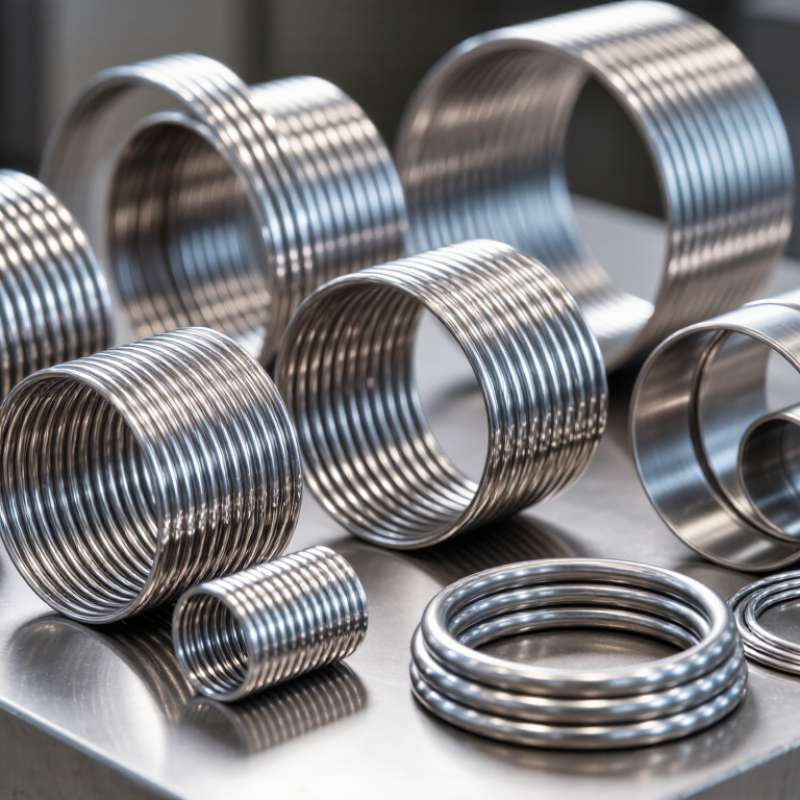
Austenitic Stainless Steel Coiled Pipe
Austenitic stainless steel coiled pipe is valued for its corrosion resistance, flexibility, and reliable performance across changing temperatures. Common grades include 304 and 316, though the right choice depends on the fluid, surroundings, and operating conditions. Grade 316, for example, is often considered where chloride exposure is a concern. It is not a cure-all.
A long coil can reduce the number of joints in a system, which may simplify installation and limit potential leak points. Its flexibility helps when routing lines around equipment or through tight spaces. In practice, technicians still need to check the minimum bend radius. Push it too far, and the pipe can flatten or kink. Small defects matter.
Austenitic grades are generally weldable and cannot be hardened by ordinary heat treatment. However, fabrication can affect surface condition and corrosion performance, so clean handling and suitable inspection are important. Check wall thickness, coil dimensions, and compatibility with the process fluid before specifying a product. Temperature, pressure, and cleaning chemicals also deserve attention. The grade number alone does not tell the full story; I would verify the actual service conditions rather than rely on a familiar specification.
Ferritic Stainless Steel Coiled Pipe
Ferritic stainless steel coiled pipe is valued for its chromium-based corrosion resistance and magnetic response. Many ferritic grades contain little or no nickel, which can make them less sensitive to nickel price changes. They are often considered for heat exchangers, automotive systems, and equipment handling mildly corrosive fluids. Actual performance depends on the grade, wall thickness, and operating environment. It is magnetic. That detail can help with identification, but it does not prove the alloy grade.
Tips: Check the material certificate and specified grade before installation. Inspect the coil for dents, surface marks, and damage at the cut ends. Match the pipe to the fluid, temperature, and pressure conditions.
Ferritic alloys can offer useful resistance to stress-corrosion cracking, but they are not immune to corrosion. Chloride exposure, poor drainage, or unsuitable cleaning can still cause trouble. Some grades also have lower formability and weldability than common austenitic stainless steels, so tight bends and welded joints need careful process control. Details matter. A coil that looks sound may still fail the application if its grade or dimensions are wrong. When requirements are uncertain, confirm suitability with material data and a qualified engineer rather than relying on appearance alone.
Martensitic Stainless Steel Coiled Pipe
Martensitic stainless steel coiled pipe suits applications where strength and hardness matter. These steels commonly contain about 11–18% chromium and more carbon than austenitic grades. Heat treatment can increase hardness, while grade 410 is a familiar example.
The trade-off is real: corrosion resistance is generally lower than in many austenitic steels, and forming or welding may need closer control. Not every martensitic grade is suitable for tight coil bends.
The International Stainless Steel Forum’s 2023 production report recorded 58.4 million tonnes of global stainless crude steel output, up 4.6% from 2022.
This figure covers stainless steel overall; it does not measure martensitic coiled-pipe sales. That distinction matters when using market totals to guide material choices. In practice, check the grade’s condition, wall thickness, bend radius, and exposure to chlorides or acidic fluids before specifying a coil.
Tips: Request a material test certificate and confirm hardness, pressure rating, and corrosion compatibility. Check bend samples before installation. A pipe that looks right may still crack after forming.
Duplex Stainless Steel Coiled Pipe
Duplex stainless steel coiled pipe has a two-phase structure: ferrite and austenite. This balance gives many duplex grades higher strength than standard austenitic stainless steels. It can also improve resistance to chloride-related pitting and stress corrosion cracking. Performance still depends on the grade, temperature, and actual fluid chemistry.
The coiled form allows long, continuous runs with fewer joints. That can simplify routing through compact equipment or along a process skid. Fewer connections may reduce potential leak points, but careful installation still matters. Not a cure-all. A tight bend radius, poor handling, or unsuitable fittings can create problems at the very places a smooth coil should help.
Duplex pipe is used in demanding process, marine, and energy applications where strength and corrosion resistance matter. Buyers should check wall thickness, outside diameter, coil length, surface condition, and pressure-test documentation. Welding and heat treatment also need attention because incorrect thermal exposure can weaken corrosion performance. One detail is easy to miss: the pipe’s strength does not replace a corrosion review based on the real operating conditions. A specification can look solid on paper, yet the service environment may tell a different story.
Precipitation-Hardening Stainless Steel Coiled Pipe
Precipitation-hardening stainless steel coiled pipe is valued when compact tubing must withstand pressure and mechanical loads. A common grade, 17-4 PH, gains strength through controlled aging after solution treatment. ASTM A564/A564M specifies minimum H900 tensile strength of 190 ksi and yield strength of 170 ksi for covered product forms. These are not guaranteed values for finished coiled tubing. Forming, welding, and final heat treatment can change performance.
The grade combines high strength with useful corrosion resistance, but it is not ideal for every environment. Chlorides, temperature, and surface condition matter. A tight bend around a small reel may also distort thin-wall tubing. Check the material certificate and confirm the specified condition, dimensions, and post-forming properties with the supplier. ASTM figures offer a starting point, not the whole design. That distinction matters.
Tips: Confirm the aging condition, such as H900, and inspect bends for flattening or cracks. Ask for test results on the finished tube, not just the starting material.
Conclusion
Stainless Steel Coiled Pipe is available in several metallurgical types, each suited to different operating needs. Austenitic grades are known for their flexibility, corrosion resistance, and suitability for forming into coils. Ferritic grades offer useful corrosion resistance and magnetic properties, while martensitic grades can be heat-treated to achieve greater strength and hardness. These differences make it important to consider the conditions the pipe will face before selecting a type.
Duplex stainless steel combines characteristics of austenitic and ferritic structures, providing a balance of strength and corrosion resistance. Precipitation-hardening stainless steel can be strengthened through heat treatment, making it a choice where higher mechanical performance is needed. Comparing these five types by strength, corrosion resistance, formability, and intended service conditions helps identify the most appropriate Stainless Steel Coiled Pipe for a particular application.
 Sihe Steel
