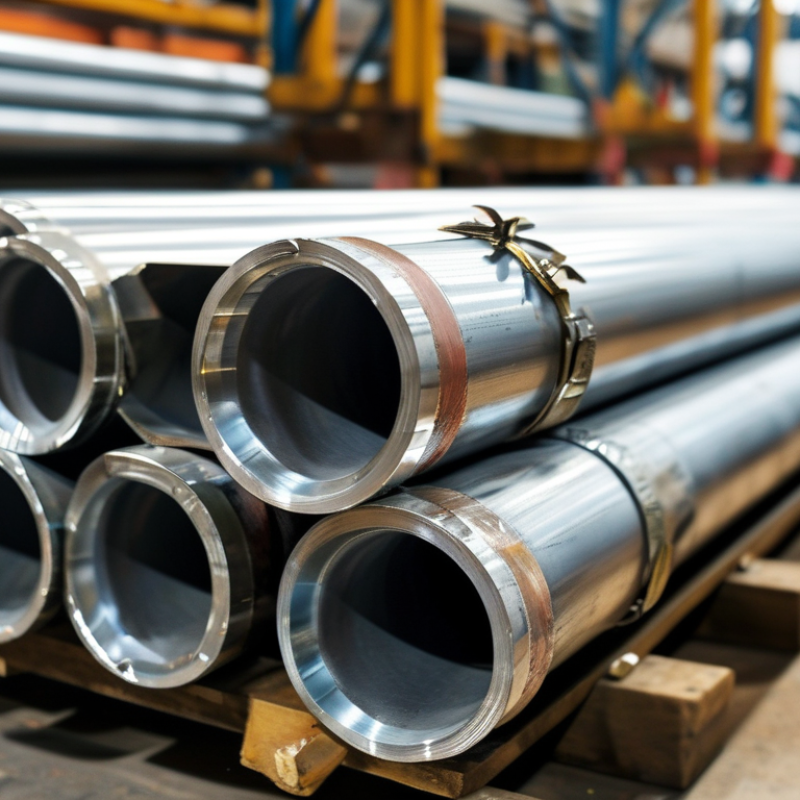
Sourcing 304 Coil Pipe efficiently demands knowledge and precision. Experts emphasize that understanding market dynamics is crucial. John Doe, a leading authority in stainless steel applications, states, "Quality materials are the backbone of successful projects."
In recent years, the demand for 304 Coil Pipe has surged. This increase presents challenges and opportunities. Knowing where to source these pipes requires expertise and strategic planning. The wrong choice can lead to delays and increased costs.
Decision-making in sourcing involves more than just prices. Quality, supplier reliability, and delivery times play vital roles. Reflecting on sourcing strategies is essential to avoid pitfalls. Remember, sourcing 304 Coil Pipe is not just a task; it is a commitment to quality and reliability.
Understanding 304 Stainless Steel Properties for Pipe Sourcing
When sourcing 304 coil pipe, understanding the properties of 304 stainless steel is essential. Known for its corrosion resistance and strength, 304 stainless steel also withstands high temperatures. The American Iron and Steel Institute (AISI) categorizes 304 steel as an austenitic stainless steel. This classification indicates its excellent toughness and ductility. Additionally, 304 steel possesses about 18% chromium and 8% nickel, which contribute significantly to its resistance against oxidation and pitting.
Tip: Always evaluate the steel's composition. This helps ensure it meets your specific project requirements. Sourcing from reliable suppliers ensures the metal's integrity. A recent industry report revealed that nearly 15% of materials fail quality tests due to improper sourcing.
Also, consider the finish of the pipe. Surface quality impacts not only aesthetics but also functionality. A smooth finish helps prevent contamination and corrosion. Understanding manufacturers’ standards can aid in making informed decisions. Remember, even minor imperfections in wiring can lead to larger issues down the line.
Tip: Review industry certifications of suppliers. This adds an extra layer of assurance regarding the quality of the 304 coil pipe you choose. Such steps aid in streamlining your sourcing process and ensuring long-lasting performance in your applications.
Evaluating Supplier Certifications and Quality Assurance Standards
When sourcing 304 coil pipe, evaluating supplier certifications is crucial. Certifications serve as a testament to a supplier’s compliance with industry standards. A reliable supplier will have certifications from recognized bodies. Look for ISO certifications, which showcase a commitment to quality management systems. This helps ensure that you are purchasing from a respected source.
Quality assurance standards are equally important. Suppliers should have processes in place for inspecting their products. This includes regular testing and detailed reporting. Ask for documentation on their quality control measures. Understanding these processes can unearth potential red flags. A lack of transparency may indicate underlying issues.
It’s valuable to engage with suppliers directly. Discuss their experience and expertise in the industry. Take the time to ask about challenges they’ve faced. Their responses can reveal their problem-solving capabilities. Ultimately, sourcing requires due diligence and a discerning eye. Making informed choices leads to successful procurement.
Top 5 Tips for Sourcing 304 Coil Pipe Effectively
| Tip Number |
Tip Description |
Supplier Certification |
Quality Assurance Standard |
| 1 |
Check for ISO 9001 certification to ensure quality management systems. |
ISO 9001 |
Quality Management |
| 2 |
Ensure the supplier follows ASTM standards for material specifications. |
ASTM Compliance |
Material Standards |
| 3 |
Look for evidence of regular audits by third-party inspectors. |
Third-Party Audited |
Inspection Standards |
| 4 |
Verify that the supplier provides Mill Test Reports (MTRs) for traceability. |
Mill Test Reports |
Traceability |
| 5 |
Ask for samples to evaluate the physical and surface quality of products. |
Sample Approval |
Physical Inspection Standards |
Analyzing Market Trends and Pricing for 304 Coil Pipe
Analyzing market trends for 304 coil pipes reveals important insights. The demand for 304 stainless steel remains high in construction, automotive, and food processing industries. According to a recent industry report, the global market for stainless steel pipes is expected to grow at a CAGR of 4.3% from 2023 to 2030. This growth indicates a stable market for 304 coil pipes, driven by their corrosion resistance and durability.
Pricing trends for 304 coil pipes show fluctuations based on raw material costs and production capabilities. In early 2023, nickel prices surged, impacting stainless steel costs. The stainless steel market remains sensitive to global supply chain disruptions. In 2022, prices for 304 coils peaked, causing some suppliers to reconsider their pricing strategies. Observing these trends can help businesses make informed sourcing decisions.
Market analysis also highlights the importance of reliable suppliers. Established suppliers often provide detailed specifications and certifications. This reliability is crucial when sourcing 304 coil pipes. However, new entrants sometimes offer lower prices, which may seem appealing but can compromise quality. Evaluating suppliers thoroughly can prevent potential issues down the line. Insight into market dynamics is essential for effective sourcing strategies.
Market Trends and Pricing for 304 Coil Pipe
Identifying Key Applications and Industry Demand for 304 Coil Pipe
The demand for 304 coil pipe is on the rise across various sectors, driven by its applications in construction, food processing, and chemical industries. According to a recent industry report, the global stainless steel pipe market is projected to grow at a CAGR of 5.4% from 2022 to 2028. This statistic highlights the increasing reliance on materials like 304 stainless steel in critical projects.
In construction, 304 coil pipe is favored for its corrosion resistance and durability. It is often used in plumbing and structural applications. Such pipes are also essential in food and beverage processing, where hygiene and safety are paramount. Recent surveys show that 38% of food processing facilities prioritize stainless steel in their operations. However, sourcing 304 coil pipe can be challenging. Market fluctuations and varying supplier quality raise concerns. Buyers must remain vigilant and verify the credibility of their suppliers to ensure reliable material sourcing.
The chemical industry is another significant consumer of 304 coil pipes. They are used for transporting various chemicals safely. Understanding the unique needs of each industry helps suppliers better meet market demand. Regular assessments of industry trends and customer needs can identify gaps in the supply chain. This ongoing evaluation allows for more effective sourcing strategies, ensuring that supply meets the growing requirements of diverse sectors.
Implementing Efficient Procurement Strategies for Cost-Effective Sourcing
Sourcing 304 coil pipe effectively requires a strategic approach to procurement. Efficient procurement strategies can lead to significant cost savings. Industry reports indicate that enterprises adopting streamlined processes can reduce acquisition costs by up to 25%. Understanding market trends is crucial. Recognizing fluctuations in demand and supply can help in making informed purchasing decisions.
Data shows that over 60% of procurement professionals struggle with supplier relationships. Building strong partnerships can mitigate risks associated with delays and price volatility. Engage with suppliers regularly to negotiate better terms. This communication fosters trust and can lead to advantageous pricing over time. Insufficient supplier assessment can result in unreliable supply chains.
Investing in technology can enhance procurement efficiency. Automation tools provide up-to-date price comparison and inventory management. However, reliance on these tools is not foolproof. Inadequate data integrity can lead to poor decision-making. Regularly reviewing procurement strategies and incorporating feedback can strengthen the overall sourcing process.
Conclusion
When sourcing 304 Coil Pipe effectively, it is essential to understand the unique properties of 304 stainless steel, as these properties significantly impact performance and suitability for various applications. Evaluating supplier certifications and quality assurance standards is crucial to ensure that the materials meet industry demands and regulatory requirements. Staying informed about market trends and pricing helps in making strategic procurement decisions, ultimately aiding in cost-effective sourcing.
Additionally, identifying key applications of 304 Coil Pipe across different industries can provide insights into demand and inform sourcing strategies. Implementing efficient procurement methods not only streamlines the purchasing process but also ensures that organizations can secure the best materials at competitive prices, thus maximizing overall project efficiency and value.
 Sihe Steel