
Sihe Steel Sihe Steel

Top Stainless Steel Pipe 304L Suppliers Worldwide?

Time:2026-09-15 Author:Amelia
0%

Choosing among the top Stainless Steel Pipe 304L suppliers worldwide requires more than comparing prices. A reliable supplier should demonstrate material traceability, stable production, accurate dimensions, and consistent delivery performance. Buyers should examine mill certificates, heat numbers, inspection reports, and manufacturing standards before approving a purchase.

Dr. James R. Davis, editor of ASM’s stainless-steel reference materials, explains the practical principle this way: “The properties of stainless steels depend on composition, processing, and microstructure.” That reminder matters when evaluating Stainless Steel Pipe 304L for food processing, chemical equipment, water systems, or architectural applications. A polished surface may look excellent under warehouse lighting, yet poor welding control can reveal itself through discoloration, distortion, or uneven internal beads.

Details matter.

The strongest global suppliers usually provide 304L pipes with documented chemical composition, low-carbon control, and suitable corrosion resistance. They should also explain whether products are seamless, welded, annealed, pickled, or mechanically polished. Export experience is useful, but it does not replace technical evidence. A supplier with attractive brochures may still offer weak packaging, unclear tolerances, or slow responses to nonconformities.

This guide compares leading suppliers through a practical lens. It considers certification, production capacity, quality inspection, customization, logistics, and customer support. Some rankings remain imperfect because supplier data changes, regional performance differs, and public records are not always complete. That limitation deserves attention.

A careful buyer should request recent samples, verify certificates independently, and test critical batches when necessary. The cheapest quotation can become expensive after installation problems, rejected inspections, or premature maintenance. Reliable sourcing begins with evidence, not impressive claims.
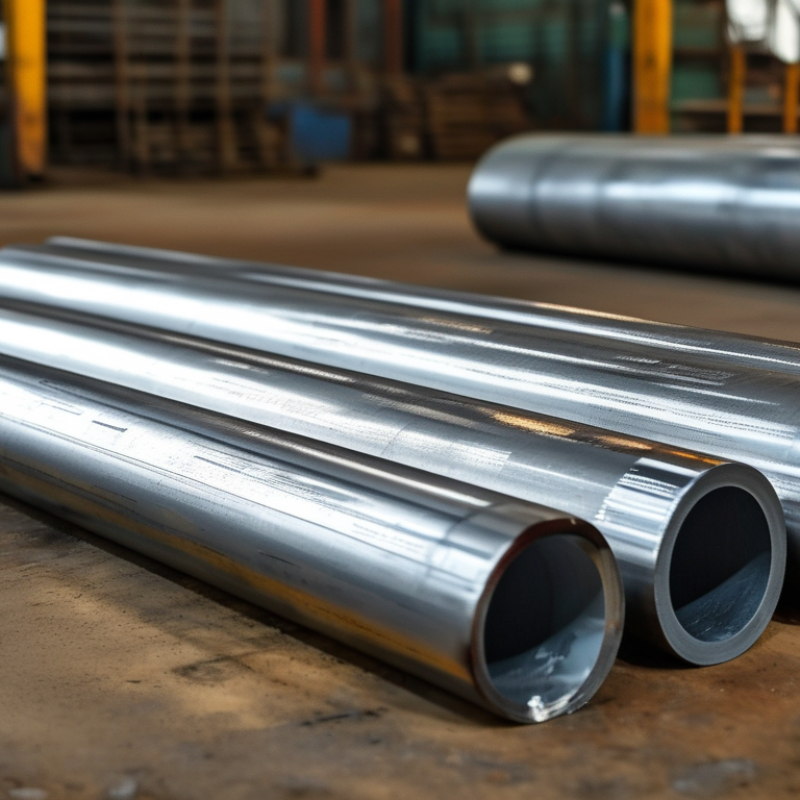
Top Stainless Steel Pipe 304L Suppliers Worldwide?

What Is 304L Stainless Steel Pipe?

What Is 304L Stainless Steel Pipe?

304L stainless steel pipe is a low-carbon, austenitic pipe alloy used in processing, water, food, and general industrial systems. The “L” means low carbon, with a maximum carbon content of about 0.03%. This helps reduce carbide precipitation during welding.

It typically contains around 18% chromium and 8–12% nickel. Chromium forms a protective oxide layer on the surface. Nickel supports ductility and resistance to many common chemicals.

In practical fabrication, 304L bends smoothly and welds reliably. Welded and seamless versions are available, depending on pressure, dimensions, and project specifications.

Check the details carefully.

A 304L pipe may resist moisture, cleaning solutions, and indoor atmospheric exposure, but it is not immune to corrosion. Chloride-rich water can cause pitting, especially near welds or poorly cleaned surfaces. I have seen small surface stains develop where handling marks remained after installation. Cleaning, passivation, and proper drainage can reduce these problems.

When evaluating worldwide suppliers, request a material test certificate and confirm the heat number on the pipe. Verify wall thickness, outside diameter, surface finish, and applicable standards such as ASTM A312 or equivalent requirements. Positive material identification can also prevent costly grade mix-ups. Supplier claims should be checked against inspection records, not accepted blindly. This step is sometimes skipped. It should not be.

Key Standards and Specifications for 304L Pipe

For 304L pipe, compliance begins with the correct material designation. ASTM A312/A312M identifies 304L as UNS S30403 and limits carbon to 0.030%. This lower carbon level reduces sensitization risk after welding. Typical chemistry includes 18–20% chromium and 8–13% nickel. Request the heat number and mill test certificate.

Dimensions also require careful checking. ASME B36.19M defines stainless steel pipe outside diameters and wall schedules, including 5S, 10S, 40S, and 80S. Pressure design may require ASME B31.3, depending on the process system. Do not treat schedule alone as proof of suitability. Temperature, corrosion allowance, weld quality, and operating pressure still matter. The International Stainless Steel Forum reported about 58.4 million tonnes of global stainless crude steel production in 2023, highlighting the need for consistent traceability across large supply chains.

Tips: Compare the certificate with the purchase order, not only the pipe marking. Confirm solution annealing, hydrostatic or nondestructive testing, and surface condition. For welded pipe, inspect weld continuity and request testing records. A certificate can look complete yet miss the required standard. I have seen this overlooked. Recheck units, tolerances, and delivery lengths before approval. When service conditions are uncertain, a corrosion engineer should review the specification.

How to Evaluate Global 304L Pipe Suppliers

Evaluating Global 304L Pipe Suppliers

Selecting a 304L pipe supplier requires more than comparing prices. Check whether the supplier provides complete material traceability. Each bundle should connect to a heat number, production record, and inspection certificate. Ask for an EN 10204 3.1 certificate when your project requires independent documentation. The chemical report should confirm low carbon content, normally not exceeding 0.03%. Do not guess.

Review the supplier’s manufacturing scope carefully. Can they produce the required outside diameter, wall thickness, length, and finish consistently? Request recent sample reports for tensile strength, hardness, hydrostatic testing, and non-destructive examination. Surface quality matters too. Small scratches may become serious defects after bending, polishing, or welding. A polished website is not proof of stable production.

Evaluate quality systems through audit evidence, not attractive certificates alone. Ask about calibration records, corrective-action procedures, and how rejected pipes are controlled. Confirm packaging details, including end caps, moisture protection, labels, and seaworthy crates. Global delivery also depends on realistic lead times and clear export documents. One practical mistake is trusting the first quotation. A cheaper offer may exclude testing, packaging, or inspection costs. Compare identical specifications line by line. Request a video inspection or an independent pre-shipment inspection when the order is significant. Supplier evaluation is rarely perfect, and even experienced buyers can overlook small dimensional tolerances. Small details matter.

Leading Regions for 304L Stainless Steel Pipe Sourcing

Regional sourcing matters when purchasing 304L stainless steel pipe. The International Stainless Steel Forum’s 2023 statistics reported approximately 58.4 million tonnes of global stainless steel production. China supplied about three-fifths of that volume, making East Asia the deepest sourcing region. South Korea, Japan, and India also provide strong technical capacity, although lead times and export documentation can vary.

Europe remains valuable for projects requiring tight dimensional control and traceability. Germany, Italy, and Spain have established tube-processing networks and widely use EN specifications. North America is practical for local delivery, engineering support, and smaller replacement orders. However, regional availability can change quickly when energy costs, freight rates, or project demand rise. A low quotation may hide longer inspection queues.

UN Comtrade trade data consistently identifies East Asian and European economies among major stainless pipe exporters. Buyers should compare shipment records, not only advertised capacity. Request ASTM A312 or equivalent compliance, heat-number traceability, chemical analysis, tensile results, and hydrostatic test records. Independent positive material identification can confirm nickel and chromium levels before installation. 304L performs well in many corrosive environments, but it is not universally suitable. Chloride exposure, welding conditions, and temperature still require engineering review. My practical concern is simple: supplier location helps, but verified process control matters more.

Quality Checks, Certifications, and Purchasing Considerations

Worldwide demand makes supplier screening less forgiving. The International Stainless Steel Forum reported 58.4 million metric tonnes of stainless crude steel production in 2023. That scale does not guarantee consistent 304L pipe. Serious suppliers should provide heat numbers, traceable mill certificates, and independent inspection access. Match each heat number to the pipe bundle, test report, and shipping documents.

Quality checks should cover chemical composition, dimensions, surface condition, and mechanical performance. ASTM A312 and ASTM A999 provide useful requirements for austenitic stainless steel pipe. Ask for carbon results, because 304L requires low carbon content after welding. Hydrostatic or nondestructive testing should match the purchase specification. I would also inspect ovality and wall thickness at several points. A perfect certificate can still hide a weak batch.

Certifications need careful interpretation. ISO 9001 shows controlled management processes, but it does not prove every pipe is compliant. Request EN 10204 3.1 inspection certificates, calibration records, welding qualifications, and recent audit findings. For pressure applications, verify applicable regulatory conformity before ordering. The World Steel Association’s 2024 sustainability reporting highlights rising attention to emissions data and supply-chain transparency. Ask suppliers for production origin, recycled-content information, and realistic delivery records. Cheap pricing can reflect shorter inspection, not better efficiency. One overlooked detail remains common: payment terms should protect the buyer until documents and goods agree.

FAQS

Which regions are strongest for sourcing 304L stainless steel pipe?

East Asia offers deep production capacity and many export options. South Korea, Japan, and India also provide technical capability. Europe suits projects needing tight dimensions and traceability. North America helps with local delivery and smaller replacement orders.

Why should buyers compare shipment records?

Advertised capacity may not reflect actual delivery performance. Review shipment history, inspection queues, and recent lead times. Energy prices and freight costs can change availability quickly. A low quotation may hide delays.

Which documents should a supplier provide?

Request heat numbers, mill certificates, chemical analysis, and tensile results. Hydrostatic or nondestructive test records should match the purchase specification. Shipping documents must identify the same production heat. Details matter.

How can buyers verify 304L material before installation?

Match each heat number with the pipe bundle and test report. Check carbon, nickel, and chromium results. Independent positive material identification can confirm key alloy levels. Certificates alone are not enough.

What physical quality checks should inspectors perform?

Check chemical composition, wall thickness, ovality, dimensions, and surface condition. Measure wall thickness at several locations. Inspect bundles for dents, scratches, and mixed heat numbers. A perfect certificate can still hide a weak batch.

Do quality certificates guarantee compliant 304L pipe?

No. A management certificate shows controlled processes, not every pipe’s compliance. Review inspection certificates, calibration records, and welding qualifications. Recent audit findings can reveal practical weaknesses. Paperwork can look complete.

Is 304L suitable for every corrosive environment?

No. Chloride exposure, temperature, and welding conditions require engineering review. 304L performs well in many environments, but not universally. Pressure applications may require additional regulatory conformity checks. Material selection deserves caution.

How should buyers evaluate price and payment terms?

Compare total cost, inspection time, freight, documentation, and delivery reliability. Cheap pricing may reflect shorter inspection rather than better efficiency. Use payment terms that protect the buyer until goods and documents agree. That point is easy to miss.

What sustainability information should suppliers disclose?

Ask for production origin, recycled-content information, and realistic delivery records. Emissions data and supply-chain transparency are increasingly important. Check whether sustainability claims include supporting records. Good intentions are not proof.

Conclusion

Stainless Steel Pipe 304l is a widely used austenitic stainless steel product known for its strong corrosion resistance, reliable weldability, and low carbon content, which helps reduce the risk of carbide precipitation after welding. This makes it suitable for chemical processing, food equipment, water systems, construction, and other demanding applications. When selecting 304L pipe, buyers should review dimensions, wall thickness, surface finish, manufacturing method, and applicable standards for material composition, mechanical performance, testing, and tolerances.

Evaluating global suppliers requires more than comparing prices. Buyers should assess production capacity, technical expertise, delivery reliability, traceability, and customer support. Major sourcing regions may offer different advantages in cost, customization, logistics, and lead times. Quality checks should include chemical analysis, dimensional inspection, visual examination, pressure or nondestructive testing when required, and verification of heat numbers and material certificates. Clear specifications, suitable certifications, transparent documentation, and carefully defined inspection terms are essential for making a secure and cost-effective purchasing decision.

Amelia

Amelia

Amelia is a seasoned marketing professional with a wealth of expertise in our company’s core offerings. With an unwavering passion for driving growth and innovation, she plays a pivotal role in shaping our marketing strategies and enhancing brand visibility. A key aspect of her responsibilities......