
Sihe Steel Sihe Steel

China Top 10 Stainless Steel Coiled Tube Manufacturers

Time:2026-10-20 Author:Henry
0%

China has become a major source of precision tubing for energy, chemical processing, medical equipment, and industrial heating systems. This guide examines China’s top 10 Stainless Steel Coiled Tube manufacturers through practical purchasing criteria, not promotional claims alone. Details matter here.

The selection focuses on material quality, tube dimensions, coil consistency, welding capability, surface finish, and production capacity. It also considers experience with grades such as 304, 316L, 321, and nickel-based alloys. Reliable manufacturers should provide traceable mill certificates, inspection records, pressure-test results, and clear tolerance data. These documents help buyers assess whether a supplier can support demanding projects rather than only small trial orders.

Industry experience offers another useful signal. Manufacturers serving heat exchangers, instrumentation lines, hydraulic systems, and offshore equipment often understand different bending radii and operating pressures. Factory audits, sample testing, and communication quality can reveal weaknesses that websites rarely show. Not every supplier fits.

This overview is designed for engineers, procurement teams, distributors, and project managers comparing Chinese suppliers. It explains each manufacturer’s capabilities, typical applications, quality systems, customization options, and export support. Some information may change as facilities, certifications, and product ranges develop. That limitation deserves attention.

Buyers should confirm current certifications, manufacturing locations, lead times, packaging methods, and after-sales responsibilities directly with each company. A polished catalog is useful, but verified production evidence is stronger. The right choice depends on pressure, temperature, corrosion exposure, regulatory requirements, and total lifecycle cost. Performance comes before appearance.
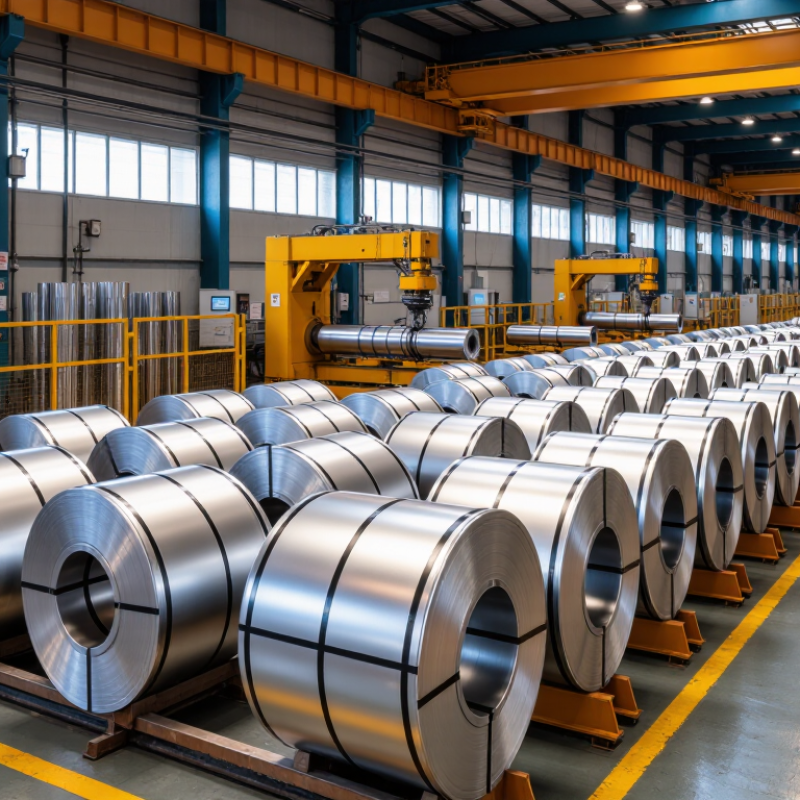
China Top 10 Stainless Steel Coiled Tube Manufacturers

What Are Stainless Steel Coiled Tubes and Where Are They Used?

Stainless steel coiled tubes are long, continuous tubes wound onto reels for easier transport and installation. They are produced from corrosion-resistant stainless alloys, either welded or seamless, depending on pressure, temperature, and service requirements. Compared with straight tubing, coiled designs reduce joints, fittings, and potential leak points. They also fit narrow spaces, such as offshore skids, heat exchangers, and compact process equipment.

Their uses are broad. Instrumentation systems use small-diameter coils for control and measurement lines. Chemical plants depend on them for sampling, injection, and fluid transfer. Energy projects use larger coils in hydraulic control, geothermal systems, and well-service equipment.

ASTM A269 and ASTM A789 are common reference standards for austenitic stainless tubing, although project specifications still control final acceptance. That detail matters.

The International Stainless Steel Forum reported approximately 58.4 million tonnes of global stainless crude steel production in 2023. This scale supports strong material availability, but it does not guarantee suitable tubing quality.

Buyers should verify alloy certificates, weld inspection, dimensional tolerance, pressure testing, and reel-length consistency. The U.S. Department of Energy identifies geothermal development as a growing clean-energy field, where corrosion resistance and reliable long runs are valuable.

Yet coiled tubing is not automatically better. Poor forming can create ovality, residual stress, or difficult cleaning conditions. A practical specification should match the fluid, temperature, pressure, bending radius, and installation environment.

Key Factors for Evaluating Chinese Coiled Tube Manufacturers

China Top 10 Stainless Steel Coiled Tube Manufacturers

China’s coiled tube sector serves heat exchangers, instrumentation, and energy equipment. The International Stainless Steel Forum reported about 58.4 million tonnes of global crude stainless steel production in 2023. China produced more than 36 million tonnes. This scale matters, but volume alone cannot prove manufacturing reliability.

Evaluate each manufacturer through material control, process capability, and documented inspection. Confirm the precise grade, wall thickness, outer diameter, coil length, and delivery tolerance. Ask for heat numbers and mill certificates. Positive material identification should match the stated alloy. Hydrostatic, pneumatic, eddy-current, and dimensional tests should follow the required specification, such as ASTM A269 or ASTM A789. ISO 9001 certification supports process control, but it does not guarantee every shipment. A clean certificate can still hide weak traceability. Request sample records from recent production, not only prepared templates. Check weld consistency under magnification, especially on long coils. Small surface marks may become serious after bending.

Tips: Compare three sample reports. Verify test methods, equipment calibration dates, and inspector signatures. Ask how rejected coils are isolated. Factory audits are useful, yet one visit shows only one day. A trial order remains wiser than a large first purchase. Review packaging, corrosion protection, and coil deformation after transport. Also examine technical communication. Slow or vague answers may indicate future project friction. My practical caution is simple: the lowest quotation deserves a technical explanation, not immediate approval.

China’s Top 10 Stainless Steel Coiled Tube Manufacturers

China’s Top 10 Stainless Steel Coiled Tube Manufacturers are often evaluated through practical manufacturing evidence, not advertising claims. Key factors include seamless and welded production capability, stable dimensions, material traceability, and consistent surface quality. Experienced suppliers usually handle grades such as 304, 316L, 321, and duplex stainless steel for heat exchangers, instrumentation, hydraulic systems, and energy equipment.

A dependable manufacturer should explain its process clearly. This includes cold drawing, annealing, eddy-current testing, hydrostatic testing, and final dimensional inspection. Buyers should check coil outside diameter, wall thickness, length tolerance, hardness, and bending performance. Details matter. Mill test certificates, heat numbers, inspection records, and sample approvals can reveal how seriously a factory controls quality. In real purchasing work, communication speed also matters when drawings change or delivery schedules tighten.

China’s leading ten manufacturers may differ in specialization rather than overall ability. Some focus on long-length tubing and automated welding. Others perform better with precision seamless coils, small diameters, or corrosion-resistant alloys. A ranking is never flawless. Production capacity can change, and a strong factory may still have weaknesses in documentation or export coordination. Buyers should compare recent samples, audit reports, testing scope, and after-sales responses before choosing a supplier. The most reliable option is usually the manufacturer that provides measurable evidence, realistic tolerances, and consistent performance across repeated orders.

How to Compare Product Quality, Standards, and Production Capacity

China Top 10 Stainless Steel Coiled Tube Manufacturers

Comparing stainless steel coiled tube manufacturers requires more than checking price lists. Review the actual tube grade, outside diameter, wall thickness, and coil length. Common grades include 304, 316L, and nickel alloys for demanding environments. Ask for material certificates showing heat numbers and chemical composition. Confirm testing under suitable standards, such as ASTM A269, ASTM A789, or EN 10217-7. Requirements vary by application.

Look closely at production evidence. A reliable factory should explain its welding method, annealing temperature control, eddy-current testing, and hydrostatic testing process. Request sample reports, not only certificate templates. Examine the tube surface under bright light. Scratches, uneven weld beads, and discoloration can reveal weak process control.

Small details matter. I have found that polished samples may hide problems that appear during longer coil production.

Production capacity also needs careful verification. Compare the number of tube mills, annealing lines, testing stations, and available raw-material stock. Ask how many coils can be produced monthly at your required dimensions. Check whether the factory can maintain consistent wall thickness across a 3,000-meter coil. A claimed capacity may include every product category, so the number can mislead. Visit the facility when possible, or request a live video inspection. Review recent delivery records, packaging methods, and corrective-action reports. A manufacturer that admits one recurring weakness may be more trustworthy than one promising perfection.

How to Select the Right Manufacturer for Your Project

Choosing among China’s top stainless steel coiled tube manufacturers requires more than comparing prices. Your project may need tubing for heat exchangers, instrumentation, hydraulic systems, or corrosive process lines. Define the material grade, outside diameter, wall thickness, coil length, pressure rating, and operating temperature before requesting quotations.

Ask each manufacturer for recent mill certificates, dimensional inspection reports, and practical production records. Check whether their equipment can maintain consistent ovality and surface quality throughout long coils. A factory may promise tight tolerances, but sample testing is more convincing. Request a small trial coil, then inspect its welds, bending behavior, cleanliness, and packaging. I would not rely on photographs alone. They rarely show production discipline.

Tips: Compare several technical offers using the same specification sheet. Confirm standards, testing methods, lead time, and traceability in writing. Discuss minimum order quantities and replacement procedures before signing. A reliable supplier should answer clearly, identify possible production risks, and explain how defects are controlled. Visit the facility when the application is critical, if practical. Also, keep one concern open: the cheapest quote may hide weaker inspection or inconsistent raw material sourcing. Reviewing these details carefully helps match manufacturing capability with actual project demands.

China Top 10 Stainless Steel Coiled Tube Manufacturers: Material Capability Benchmark

Comparing the typical minimum tensile strength of commonly specified stainless steel grades helps buyers assess whether a manufacturer can support demanding pressure, temperature, corrosion, and custom-alloy requirements.

Values are typical minimum tensile-strength requirements in MPa used in widely applied ASTM product specifications. Actual values depend on the governing standard, product form, heat treatment, and customer specification. Confirm mill certificates, dimensional tolerances, testing capability, and compliance documentation when selecting a manufacturer.

FAQS

What are stainless steel coiled tubes?

They are long, continuous tubes wound onto reels. Their coiled shape simplifies transport, installation, and storage.

Where are stainless steel coiled tubes commonly used?

They serve instrumentation, heat exchangers, chemical processing, hydraulic control, and geothermal systems. Narrow spaces suit them well.

Why choose coiled tubing instead of straight tubing?

Coiled tubing needs fewer joints and fittings. This can reduce leak points and installation work.

What details should be defined before requesting quotations?

Specify the alloy, outside diameter, wall thickness, coil length, pressure, and operating temperature. Include bending radius and service conditions.

How can buyers check a supplier’s production quality?

Request material certificates, inspection reports, testing records, and traceability documents. A small trial coil offers stronger evidence than photographs.

What should be inspected on a trial coil?

Inspect welds, surface condition, ovality, cleanliness, bending behavior, and packaging. Long coils expose inconsistent production more clearly.

Are stainless steel coiled tubes always the better choice?

No. Poor forming may cause ovality, residual stress, or difficult cleaning. This choice can still be wrong.

How should competing quotations be compared?

Use one technical specification sheet for every supplier. Compare testing methods, tolerances, lead time, order quantities, and replacement terms.

Why does material availability not guarantee good tubing?

Large production volumes support supply, but quality still varies. Buyers must verify the actual alloy, dimensions, welds, pressure testing, and reel length.

When should a buyer visit the manufacturing facility?

Visit when the application is critical or failure would be costly. Factory visits reveal practices that documents may miss.

Conclusion

This article provides a practical guide to China’s Stainless Steel Coiled Tube manufacturing sector. It first explains what coiled tubes are, including their continuous design, corrosion resistance, flexibility, and suitability for applications such as heat exchangers, oil and gas systems, chemical processing, instrumentation, refrigeration, and industrial fluid transfer. It then outlines the key factors buyers should consider when evaluating manufacturers, including material traceability, dimensional accuracy, welding or seamless production methods, surface quality, testing procedures, certifications, delivery capability, and technical support.

The article also presents an objective overview of the top ten manufacturer categories and explains how to compare suppliers by product quality, applicable standards, production capacity, customization options, inspection systems, pricing, and lead times. Finally, it offers a structured approach to selecting the right manufacturer based on project requirements, operating conditions, budget, order volume, and long-term reliability.

Henry

Henry

Henry is a dedicated marketing professional with a profound expertise in the company's offerings. With years of experience in the industry, he possesses an impressive understanding of the market dynamics and consumer behaviors that drive success. Henry is committed to sharing his insights through......