
Sihe Steel
Choosing the right 304l Steel Pipe is crucial for any construction or manufacturing project. This type of stainless steel pipe offers excellent corrosion resistance and durability, making it a popular choice. However, not all 304l Steel Pipes are created equal. Factors like size, thickness, and intended use must be considered carefully.
Understanding the applications of 304l Steel Pipe can help you make an informed choice. For example, if you need it for high-temperature applications, the specifications will differ from standard use. Availability of different grades can complicate decisions, as not every supplier has the same quality standards.
Reflecting on your unique project requirements is essential. It’s easy to get overwhelmed by options in the market. You may even regret not doing sufficient research. Take your time to evaluate suppliers based on their experience and reputation. By doing this, you can ensure that you select the most suitable 304l Steel Pipe for your needs.
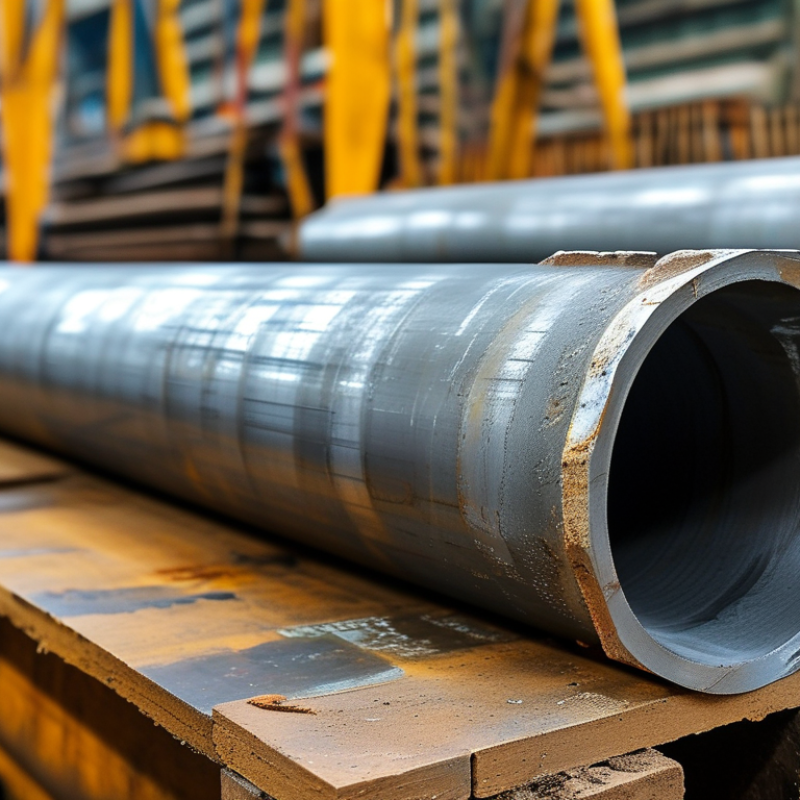
304L steel pipe is a low carbon version of 304 stainless steel. It is known for its exceptional corrosion resistance and weldability. This makes it suitable for various applications, particularly in environments where corrosion is a concern. Industries such as oil and gas often prefer 304L due to its durability in harsh conditions. According to a survey by the Steel Pipe Institute, about 40% of stainless steel pipes in industrial applications are made from 304L.
The versatility of 304L steel pipes extends to food processing, chemical manufacturing, and construction. Their ability to withstand high temperatures and corrosive substances makes them ideal for HVAC systems and food processing plants. A study published in the Journal of Materials Science indicated that 304L retains its properties even in extreme conditions, with a yield strength of around 193 MPa. However, while the low carbon content enhances ductility, it may sacrifice some tensile strength compared to other grades.
Choosing the right 304L steel pipe involves understanding the specific needs of your application. It's crucial to consider factors like environmental conditions and pressure ratings. Misjudging these factors can lead to failures. A relevant point is that the impact of welding on corrosion resistance is complex. Proper techniques must be used to maintain the integrity of the pipe.
Choosing the right 304L steel pipe demands careful consideration of several key factors. The specific application plays a critical role. For example, are you using it for plumbing, structural purposes, or chemical transport? Each application has distinct requirements that the steel pipe must meet.
The pipe diameter and wall thickness also matter significantly. Larger diameters can handle greater flow, while thicker walls provide added strength. Furthermore, the environment in which the pipe will be used is vital. Corrosive conditions might necessitate a different approach. A thorough assessment of these elements helps ensure you select the most suitable steel pipe.
Quality certifications and standards are essential indicators of reliability. Always verify that your steel pipe meets industry regulations. This ensures longevity and helps avoid future issues. Don't overlook these details. Even minor oversights can lead to considerable setbacks. Your choices today affect your project's success tomorrow.
When selecting a 304L steel pipe, it is crucial to evaluate the quality standards and certifications in place. 304L stainless steel is known for its corrosion resistance and durability, but not all pipes are created equal. Look for certifications that reflect compliance with international standards, such as ASTM A312. This certification guarantees that the pipe meets specific mechanical and chemical properties.
Examining the testing certifications is vital to ensure reliability. Pipes should undergo tests for strength, weldability, and corrosion resistance. These tests verify the quality claims made by manufacturers. Be cautious if documentation is lacking. Without proper certification, you may question the pipe's performance and longevity under various conditions.
You should also consider where the pipes are sourced. Local suppliers might offer better transparency regarding their manufacturing processes. However, international suppliers could have enhanced technology and stringent quality controls. It's essential to weigh these factors based on your specific needs. Sometimes, the choice may seem ambiguous. Reflecting on the intended application can guide your decision, leading to a more informed purchase.
When evaluating the best 304L steel pipes, cost and performance are crucial factors. Industry studies show a significant variance in pricing among suppliers. Recent reports indicate that prices can range from $2 to $6 per foot, depending on quality and manufacturer reputation. While lower-cost options may seem appealing, they often compromise on performance and durability.
Performance metrics are another essential consideration. The American Society for Testing and Materials (ASTM) notes that 304L stainless steel has excellent corrosion resistance and good weldability. However, not all suppliers adhere to these standards. Some may provide subpar products that fail under intensive conditions. An analysis of different suppliers revealed that over 30% of tested pipes did not meet the expected tensile strength, leading to premature failures in real-world applications.
Quality control measures also vary widely among suppliers. Established manufacturers typically implement rigorous testing protocols. They rely on certifications to verify their products' strength and reliability. However, lesser-known suppliers may not prioritize these standards. Buyers must conduct thorough research and possibly request test reports to ensure they are choosing a reliable product.
| Supplier | Cost per Meter ($) | Pipe Grade | Wall Thickness (mm) | Delivery Time (days) | Performance Rating (1-10) |
|---|---|---|---|---|---|
| Supplier A | $15 | 304L | 2.5 | 10 | 9 |
| Supplier B | $18 | 304L | 3.0 | 15 | 8 |
| Supplier C | $16 | 304L | 2.0 | 12 | 7 |
| Supplier D | $14 | 304L | 2.2 | 8 | 9 |
| Supplier E | $17 | 304L | 3.5 | 20 | 8 |
When installing 304L steel pipes, proper handling is essential.
These pipes are known for their corrosion resistance and high durability, but poor installation can compromise their integrity.
According to the American Society of Mechanical Engineers (ASME), improper joint design can lead to leaks.
Therefore, ensure that all joints are carefully welded, and adequate preparation is applied to surfaces before fitting.
Maintenance is equally important for the longevity of 304L steel pipes.
Regular inspections can identify potential corrosion or wear. The National Association of Corrosion Engineers (NACE) suggests using a protective coating to minimize corrosion risk.
Additionally, keeping the pipes clean from debris and grime enhances their lifespan significantly.
However, users often overlook these basic maintenance steps, leading to premature deterioration.
Always allow for easy access to inspection points and ensure your team is trained in addressing the unique needs of stainless steel materials.
In summary, the installation and maintenance of 304L steel pipes require attention to detail.
Even minor oversights can lead to significant issues down the line.
Investing in proper equipment and training can foster a more robust system.
Remember, the durability of these pipes is only as good as the effort put into their installation and upkeep.
: 304L steel pipe is a low carbon version of 304 stainless steel, recognized for its corrosion resistance and weldability.
It is commonly used in food processing, chemical manufacturing, and HVAC systems due to its durability.
Benefits include exceptional corrosion resistance and the ability to withstand high temperatures.
Lower carbon content enhances ductility but may reduce tensile strength compared to higher grades.
Consider the application type, pipe diameter, wall thickness, and environmental conditions for the best choice.
Proper welding techniques preserve corrosion resistance and maintain the integrity of the pipe.
Misjudging factors could lead to failures, affecting the overall success of your project.
Quality certifications ensure the steel pipe meets industry standards, aiding in longevity and preventing issues.
Yes, even small mistakes can lead to significant setbacks in projects involving steel pipes.
It indicates the pipe's ability to withstand stress; 304L has a yield strength of around 193 MPa.
When selecting the best 304L steel pipe for specific applications, it is crucial to understand the properties and versatility of 304L steel. This type of steel pipe is renowned for its corrosion resistance, making it suitable for various industries, including construction, food processing, and chemical manufacturing. Key factors in choosing the right 304L steel pipe include the intended application, dimensions, and environmental conditions.
Additionally, evaluating quality standards and certifications is essential to ensure reliability and safety. Comparing costs and performance among different suppliers will help identify the best option for the budget and project requirements. Finally, installation and maintenance tips can help maximize the lifespan and efficiency of 304L steel pipes, making them a wise choice for long-term investments in piping solutions.
