
Sihe Steel Sihe Steel

What is 304 Coiled Tubing and Its Applications in Industry?

Time:2026-08-06 Author:Charlotte
0%

304 Coiled Tubing is a versatile and essential material in various industrial applications. It is a type of stainless steel tubing known for its durability and resistance to corrosion. Industries ranging from oil and gas to construction rely on its unique properties. This tubing is produced through a coiling process that enhances its structural integrity, allowing it to withstand high pressures.

In the oil and gas sector, 304 Coiled Tubing plays a critical role. It is often used in drilling operations and well interventions. The seamless nature of the tubing reduces the risk of leaks, making it ideal for transporting fluids. Moreover, it is lightweight, which simplifies handling during installation. However, challenges exist. Environmental factors and varying operational conditions can impact effectiveness and longevity.

As industries evolve, the demand for innovative materials like 304 Coiled Tubing increases. Engineers must continually assess its performance under different circumstances. Understanding the limitations and potential applications ensures safe and efficient use. This ongoing evaluation fosters a culture of improvement and adaptation in industrial practices.
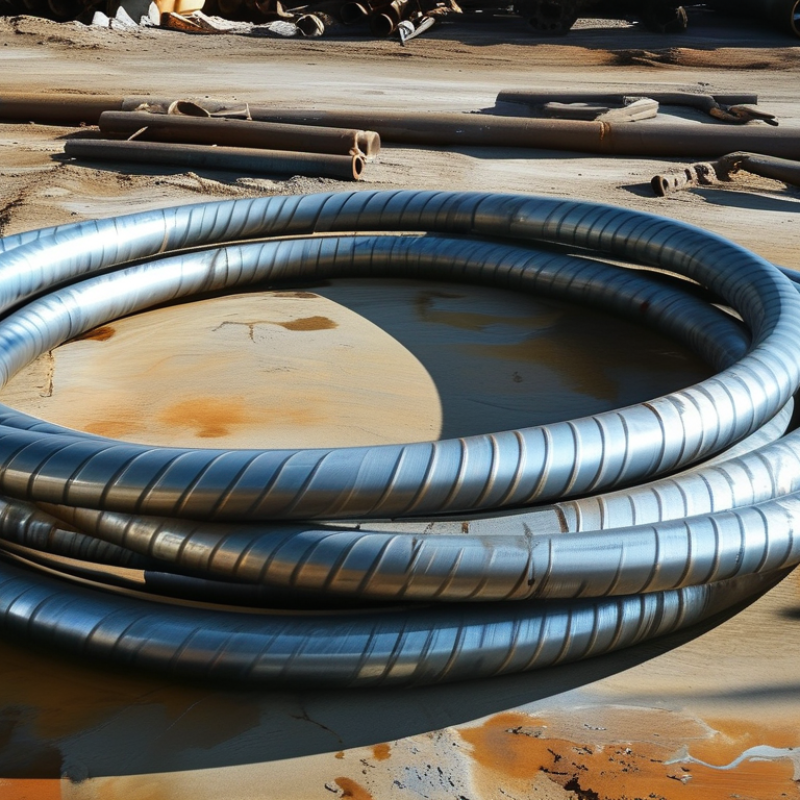
What is 304 Coiled Tubing and Its Applications in Industry?

Overview of 304 Coiled Tubing: Composition and Properties

304 coiled tubing is a vital component in various industrial applications. Composed primarily of 18% chromium and 8% nickel, this steel alloy resists corrosion. Its robust nature allows it to perform well in challenging environments. The smooth finish of 304 coiled tubing enhances its flow characteristics, making it ideal for transporting fluids.

The properties of 304 coiled tubing include high tensile strength and excellent ductility. Its ability to withstand high temperatures makes it suitable for applications in the oil and gas industry. However, its endurance can vary when exposed to specific chemicals. This inconsistency is crucial for engineers to consider.

While 304 coiled tubing is widely used, it is not without its challenges. Corrosion can occur in environments with high chlorides. Regular monitoring and maintenance are necessary to prevent failures. Understanding its limitations is essential for maximizing its lifespan and effectiveness in various applications.

Manufacturing Process of 304 Coiled Tubing in Industrial Applications

The manufacturing process of 304 coiled tubing begins with the selection of high-quality stainless steel. This grade is known for its excellent corrosion resistance and durability. The raw material is carefully processed to meet specific industry standards. The steel is then heated and formed into a tube shape, which is crucial for its final application.

After forming, the tubes undergo a series of cold working processes. These steps enhance the mechanical properties and ensure dimensional accuracy. The tubing is then coiled into spools, making it easier to handle and transport. Quality checks are essential throughout this process. They ensure that each coil meets the desired specifications. However, inconsistencies can occur if equipment is not regularly maintained. Such oversights can lead to variances in product quality.

Finally, the coiled tubing is utilized in various industrial applications. Its flexibility and strength make it suitable for oil and gas extraction, as well as chemical processing. However, each industry has unique requirements. Understanding these nuances can improve performance in the field. Manufacturers must remain adaptable and continually innovate.

Key Industries Utilizing 304 Coiled Tubing: Oil, Gas, and Beyond

304 coiled tubing is a vital material in various industries. Its corrosion resistance and durability make it preferred in oil and gas operations. According to a 2022 industry report, the oil and gas sector is the largest consumer of coiled tubing, accounting for nearly 65% of its applications globally. This tubing facilitates efficient drilling and production processes, significantly enhancing operational productivity.

Beyond oil and gas, 304 coiled tubing finds applications in the chemical processing, construction, and aerospace industries. For instance, in chemical processing, its resistance to rust and chemicals ensures safety and longevity. Recent studies indicate that the demand for 304 coiled tubing in these sectors is expected to grow by 5% annually, driven by increased industrial activities and modernization efforts.

Tip: When selecting coiled tubing, consider the specific corrosion resistance needed. This can vary based on the environment it will be used in. Also, not all 304 coiled tubing is created equal; verify specifications and certifications to ensure reliability.

In construction, coiled tubing is used for reinforcing structures and providing reliable support. Despite its benefits, challenges exist. Issues like improper handling can lead to structural failures. Therefore, proper training and adherence to safety protocols are essential for all personnel involved.

Advantages of Using 304 Coiled Tubing in Various Installations

304 coiled tubing is an essential material used across various industries. Its composition includes chromium and nickel, which makes it resistant to corrosion. This property is particularly beneficial in environments that expose materials to moisture and chemicals. The durability of 304 coiled tubing also means it has a longer lifespan compared to alternatives.

In installations requiring flexibility and strength, 304 coiled tubing shines. It is used in diverse applications such as oil and gas extraction, water supply, and heat exchangers. The ability to handle high-pressure environments enhances its reliability. However, it is important to consider that while 304 tubing is versatile, it may not be suitable for all conditions. For instance, it can be prone to stress corrosion cracking in saline environments.

Investing in 304 coiled tubing provides multiple advantages, but careful assessment of the installation conditions is crucial. Proper handling and installation practices can maximize its benefits. End users need to be aware of the limitations as well. This attention to detail ensures effective performance in various setups. Balancing its strengths with potential weaknesses leads to better operational outcomes.

What is 304 Coiled Tubing and Its Applications in Industry? - Advantages of Using 304 Coiled Tubing in Various Installations

Application Area Advantages Common Uses
Oil and Gas Industry Corrosion resistance, high tensile strength Well completion, workovers
Chemical Processing Durability against harsh chemicals Piping systems, reactor vessels
Construction Lightweight, ease of installation Support structures, frameworks
Food Processing Sanitary properties, non-reactive Transporting food liquids, piping
Marine Applications Resistance to saltwater corrosion Boat fittings, fuel lines

Challenges and Considerations in the Use of 304 Coiled Tubing

304 coiled tubing is widely used in various industrial applications, particularly in oil and gas extraction. However, its use comes with certain challenges. One key issue is corrosion resistance. While 304 stainless steel offers moderate resistance to oxidation, it can suffer from pitting in chloride-rich environments. This makes it less suitable for offshore applications where marine conditions prevail. According to industry reports, the corrosion rate can significantly increase in such settings, leading to higher maintenance costs.

Another consideration is strength and pressure ratings. 304 coiled tubing possesses decent tensile strength, but it may not withstand extreme pressure levels. In high-pressure applications, operators often face a dilemma between choosing stronger materials and the flexibility that 304 provides. Additionally, the manufacturing process can introduce defects, leading to unexpected failures.

Tips: Always perform thorough inspections on coiled tubing before use. Regular maintenance can detect potential corrosion early. Consider using protective coatings to extend the life of your 304 coiled tubing in aggressive environments. Testing the tubing under simulated conditions can also help predict its performance. Understanding these challenges is crucial for effective decision-making in industrial applications.

FAQS

: What is 304 coiled tubing made of?

: It is composed mainly of 18% chromium and 8% nickel, providing corrosion resistance.

What are the main properties of 304 coiled tubing?

It has high tensile strength, excellent ductility, and withstands high temperatures well.

What are the corrosion concerns regarding 304 coiled tubing?

Corrosion can occur in high chloride environments, particularly in offshore applications.

How is 304 coiled tubing manufactured?

The process involves selecting high-quality stainless steel, heating it, and forming it into tube shapes.

What maintenance is required for 304 coiled tubing?

Regular monitoring and maintenance prevent failures and extend the tubing's lifespan.

What challenges does 304 coiled tubing face in high-pressure applications?

It may struggle with extreme pressure levels, requiring a balance between strength and flexibility.

How can defects affect 304 coiled tubing?

Manufacturing defects can lead to unexpected failures, impacting reliability.

What practices help improve 304 coiled tubing performance?

Regular inspections and using protective coatings can mitigate corrosion risks effectively.

Why is it essential to understand the limitations of 304 coiled tubing?

Knowing its limitations helps engineers make informed decisions and maximize its effectiveness.

How does the flexibility of 304 coiled tubing benefit industrial applications?

Its flexibility allows for easier handling and installation in various challenging environments.

Conclusion

304 Coiled Tubing is a versatile and essential component in various industrial applications, known for its composition of stainless steel that provides excellent corrosion resistance and mechanical properties. The manufacturing process involves advanced techniques that ensure uniformity and strength, making it suitable for demanding environments, particularly in the oil and gas sectors.

The utilization of 304 Coiled Tubing spans multiple key industries, where its advantages include ease of installation, durability, and the capability to withstand extreme conditions. However, challenges such as potential work-hardening and the need for proper handling must be considered to maximize the effectiveness of 304 Coiled Tubing in various installations. This underscores its significance in modern industrial applications, balancing performance and reliability.

Charlotte

Charlotte

Charlotte is a seasoned marketing professional with a deep understanding of the company's portfolio and a passion for elevating its presence in the market. With a keen eye for detail and a commitment to excellence, she ensures that our professional blog is regularly updated with insightful articles......